



How to Choose the Right Shaving Lotion for the Pubic Area (Dermatologist Tips UK)
How to Choose the Right Shaving Lotion for the Pubic Area (UK)
How to Choose the Right Shaving Lotion for the Pubic Area?
Shaving the pubic area can leave the skin feeling dry, tight or irritated, particularly when the product does not provide enough lubrication or contains ingredients your skin does not tolerate. The right shaving lotion, cream, gel or oil may make shaving more comfortable by helping the razor move across the skin with less friction, but there is no single best product for everyone.
Your choice depends on the texture you prefer, the thickness of the hair, the areas you are shaving and whether your skin is prone to dryness or irritation. A useful product should provide enough slip, be suitable for the external skin being shaved and feel comfortable when rinsed away. If you are sensitive to fragrance, a fragrance-free and relatively simple formula may be a sensible starting point.This guide explains how shaving lotion compares with cream, gel and oil, which product features to consider, how to use a shaving product carefully and what you can apply afterwards. It focuses on product choice and aftercare

Why Shaving Lotion Matters for the Pubic Area
Shaving involves repeated contact between a sharp blade, hair and skin. When the hair is dry or the razor does not glide easily, the extra friction can contribute to discomfort, small nicks and irritation. The NHS notes that shaving is one factor associated with ingrown hairs, including in the pubic area, and advises wetting the skin, using shaving gel, shaving in the direction of hair growth and using as few strokes as possible.
A shaving product helps soften the hair and provides lubrication between the blade and external skin. This does not guarantee that bumps or irritation will not occur, because technique, hair type, the condition of the razor and individual skin sensitivity also matter.
Soap, shower gel or water alone may not provide the same level of slip as a product designed for shaving. Some fragranced or strongly cleansing products may also be uncomfortable on recently shaved skin. If a product stings, burns or leaves the area increasingly red, rinse it off and do not continue using it.
Shaving Lotion vs Shaving Cream vs Gel: What’s the Difference?
The words lotion, cream, gel and oil describe different textures and formulations rather than a fixed ranking of quality. The most suitable option is the one that gives you adequate lubrication and suits your skin.
Shaving Lotion
- Pros: Lightweight and hydrating, with a milky or serum-like feel. Great for sensitive or dry skin because it absorbs quickly and does not leave residue. It is also less likely to clog pores. Products such as Aveeno Skin Relief Moisturising Lotion or Bulldog Sensitive Moisturiser (which many people use for shaving) are popular with those who struggle with irritation.
- Cons: It does not foam, so if you are used to creamier textures it can feel a little too light.
Shaving Cream
- Pros: Thick, foamy and cushiony. It works well if you have coarse pubic hair or if you enjoy a more luxurious feel. Creams like Taylor of Old Bond Street Sandalwood Shaving Cream or Nivea Men Sensitive Shaving Foam are trusted choices in the UK because they create a rich lather that lifts hair for a closer shave.
- Cons: The heaviness can be too much for the pubic area. It sometimes leaves residue that traps moisture and leads to irritation.
Shaving Gel
- Pros: A shaving gel for the pubic area is clear and slick, often with soothing ingredients such as aloe. The transparency means you can see exactly where you are shaving, which is helpful for shaping the bikini line or tackling tricky spots. Popular picks include Gillette Satin Care Sensitive Aloe Vera Gel and King of Shaves Sensitive Shaving Gel.
- Cons: Some gels contain alcohol which dries the skin. They also provide less cushioning compared to creams.
Which One Should You Use?
- Sensitive or dry skin → lotion is usually best.
- Coarse or thick hair → cream gives more cushioning.
- Precision shaving → gel helps with visibility.
Dermatologists recommend one thing no matter which you pick. Try to choose fragrance-free formulas. They lower the risk of folliculitis and help keep irritation away.

Key Ingredients to Look For in a Shaving Lotion
When you are choosing the right shaving lotion for pubic hair grooming, the ingredients matter just as much as the texture. A good formula helps the razor glide while protecting your skin from razor burn and irritation. The best sensitive skin shaving lotion usually contains a mix of hydrating, soothing, and non-comedogenic ingredients. Dermatologists in the UK recommend checking the label carefully to make sure your lotion is suitable for delicate areas.
Moisturising Agents: Shea Butter, Coconut Oil, Glycerin
Shaving can strip away the skin’s natural moisture. Ingredients like shea butter and coconut oil form a soft, protective layer that locks in hydration. Glycerin draws water into the skin to keep it supple and prevent that tight, dry feeling you often get after shaving. Products such as Aveeno Skin Relief Moisturising Lotion or E45 Daily Lotion often include these kinds of hydrating agents.
Soothing Botanicals: Aloe Vera, Chamomile, Oat Extract
Even with good technique, the pubic area can feel irritated after shaving. An aloe vera shaving lotion is particularly useful because it calms redness and cools the skin. Chamomile reduces inflammation, while oat extract helps soothe itchiness and supports the skin barrier. You will find these ingredients in popular options like Liz Earle Skin Repair Light Cream or Aveeno Calm + Restore.
Non-Comedogenic Oils: Jojoba Oil, Grapeseed Oil
Unlike heavier oils, jojoba and grapeseed provide hydration without blocking pores. Jojoba mimics your skin’s natural sebum, keeping it balanced, while grapeseed offers antioxidants that help protect against irritation and ingrown hairs. Lightweight blends like The Ordinary 100% Organic Cold-Pressed Jojoba Oil are often recommended by dermatologists for sensitive skin.
Keep It Simple
Dermatologists stress that less is more when it comes to shaving products. A short and clean ingredient list with moisturisers and botanicals is far safer than one overloaded with chemicals or fragrance. If you spot aloe vera or chamomile near the top of the list, you are likely holding a lotion that will keep sensitive skin calm and comfortable.

Ingredients to Avoid in Pubic Shaving Lotions
If you want to avoid shaving lotion ingredients that trigger pubic irritation, keep an eye out for a few common culprits. Some of these are fine on your legs or arms, but they are too harsh for the delicate pubic area.
Harmful Ingredients to Watch Out For
- Alcohol (ethanol, isopropyl): These dry out the skin quickly, leaving it tight and more prone to razor burn.
- Sulfates (SLS, SLES): Strong detergents found in many shower gels. They strip away natural oils and weaken the skin barrier.
- Parabens: Preservatives that may cause allergic reactions or upset the balance of sensitive skin.
- Synthetic fragrances: One of the most common triggers for redness, itching, and bumps. Anything heavily scented is best avoided down there.
Why It Matters
Using products with these ingredients can cause more than a bit of short-term stinging. Over time, they can leave the skin weaker and more vulnerable to dryness, razor burn and even ingrown hairs. Many body lotions sold on the high street are loaded with fragrance, so it is worth checking labels rather than assuming everything is safe for intimate use.
Dermatologist Tip
Choose a fragrance-free shaving lotion that is labelled hypoallergenic or pH-balanced. These are designed to work with sensitive skin and keep it protected while still providing hydration. Brands like E45, CeraVe, and Aveeno are often recommended in the UK for this reason.
How to Shave the Pubic Area Safely with Lotion (Step-by-Step Guide)
If you have ever dealt with bumps, redness, or irritation after shaving, you are not alone. The good news is that with the right preparation and products, you can achieve smoother results without discomfort. This is a dermatologist-approved routine for shaving pubic hair safely with lotion.
Step 1: Pre-Shave Prep
- Trim your hair: If it is longer than a few millimetres, use scissors or an electric trimmer. This prevents clogging and makes shaving easier.
- Exfoliate gently: A soft cloth or a mild exfoliating product such as Aveeno Daily Gentle Scrub helps lift hairs and remove dead skin. Avoid harsh scrubs that can leave the area sore.
- Warm up the skin: Take a 5–10 minute warm shower or bath to soften the hair and open pores.

Step 2: Apply Shaving Lotion Properly
Spread a thin, even layer of shaving lotion over the pubic area. Too much can clog your razor, while too little will not provide enough glide. A lightweight option such as CeraVe Moisturising Lotion, Ulike Aloe Vera Gel, or E45 Cream works well because they hydrate while protecting sensitive skin.
Step 3: Use the Right Shaving Technique
These shaving tips help reduce razor burn and bumps in the pubic area:
- Always use a sharp razor. A Gillette Venus, Ulike IPL Razor or Wilkinson Sword Intuition Sensitive Care razor is suitable.
- Shave with the grain first (in the direction of hair growth). For a closer finish, go across the grain on a second pass.
- Rinse the blade after every few strokes to keep it effective.
- Apply light pressure and let the razor glide. Pressing down increases the risk of cuts and irritation.
Step 4: Post-Shave Care
- Rinse with cool water to remove lotion and close pores.
- Pat dry gently with a clean towel. Avoid rubbing.
- Apply a fragrance-free moisturiser such as Aveeno Skin Relief Lotion or a soothing aloe vera gel to calm the skin.
- Wear loose cotton underwear to reduce friction while your skin recovers.
Dermatologist tip: Less friction means less irritation. Keep the skin moisturised and avoid tight clothing or touching the area immediately after shaving.
Common Mistakes to Avoid When Shaving the Pubic Area
Many mistakes in pubic shaving lead to razor burn, bumps, and irritation. The good news is that they are easy to correct once you know what to avoid. Here are the most common pitfalls and how to fix them.
1. Shaving Without Proper Prep
Skipping trimming, exfoliation, or softening the skin with warm water makes hair harder to remove and increases friction.
Correction: Always trim longer hair, exfoliate gently, and soften the skin with a warm shower or bath before shaving.
2. Using a Dull Razor
Blunt blades tug at the hair instead of cutting cleanly, which leads to cuts, bumps, and ingrown hairs.
Correction: Replace your razor regularly and always use a sharp, clean blade.
3. Skipping Shaving Lotion
Dry shaving or using soap strips away natural oils, leaving the skin unprotected.
Correction: Always apply a hydrating shaving lotion or cream.
4. Shaving Against the Grain Too Soon
Going against the grain on the first pass causes microtears and increases the risk of razor bumps.
Correction: Shave with the grain first, then go across the grain if needed for a closer finish.
5. Neglecting Aftercare
Not moisturising or wearing tight clothing afterwards can worsen irritation.
Correction: Rinse with cool water, pat the area dry, and apply a fragrance-free moisturiser or aloe vera gel. Stick to loose cotton underwear to reduce friction while the skin recovers.
What to Put on the Pubic Area After Shaving
After shaving, some people find a simple, fragrance-free moisturiser helpful if the external skin feels dry or tight. The most suitable option depends on your skin, the product’s ingredients and how it feels when applied. Avoid applying shaving or skincare products to internal genital tissue, and stop using anything that causes stinging, burning or increasing redness.
Can You Use Lotion After Shaving the Pubic Area?
Yes, a suitable lotion can be used on the external pubic skin after shaving. It may help relieve a dry or tight feeling by adding moisture, particularly if shaving has left the area feeling uncomfortable. Choose a product that is intended for sensitive skin where possible, and apply a small amount to clean, dry skin.
“Regular” body lotion is not automatically suitable or unsuitable. Check the label and consider the formulation. A fragrance-free, relatively simple moisturiser may be a better choice for skin that is prone to irritation than a strongly scented product. Do not apply lotion inside the vagina or to other internal genital areas.
What Should You Look for in a Post-Shave Moisturiser?
Look for a formula that feels comfortable on your skin and does not contain unnecessary fragrance. Moisturising ingredients such as glycerin or other skin-conditioning agents may help reduce the feeling of dryness, while products labelled for sensitive skin may be worth considering if you regularly experience irritation.
A product does not need to contain a particular “miracle” ingredient to be suitable. The overall formulation matters, as does your individual response. Apply a small amount first and avoid using it again if it stings, burns or causes redness. If your skin is already sore or broken, keeping the routine simple may be more comfortable than layering several products.
Can You Use Regular Moisturiser After Shaving?
You may be able to use a regular moisturiser on the external pubic area after shaving, provided the formulation suits your skin. Look for a product that is gentle, fragrance-free where possible and designed for use on the body or sensitive skin. Avoid assuming that a product is suitable simply because it is marketed as “natural”, “for men” or “for women”.
Apply a thin layer rather than rubbing in a large amount. If the moisturiser feels heavy, traps heat or causes irritation, rinse it off and choose a different product once the skin has settled.
What About Post-Shave Balm?
A post-shave balm is a light moisturising product designed to make freshly shaved skin feel more comfortable. Some people prefer a balm because it can feel soothing without the heavier texture of an oil or thick cream. If you choose one for the pubic area, check the ingredients carefully and avoid formulas that are strongly fragranced or contain ingredients that make your skin sting.
Use post-shave balm only on the external skin for which it is intended. It is not necessary to apply one if your skin feels comfortable without it.
Can You Use Vaseline or Another Occlusive Product?
Petrolatum-based products such as Vaseline form an occlusive layer over the skin. Some people use them on small areas of dry external skin, but they may feel heavy or greasy after shaving.
If you are prone to blocked follicles, bumps or irritation, an occlusive texture may not feel suitable for you.If you decide to use an occlusive product, apply a small amount to external skin only and stop if it causes discomfort or seems to worsen bumps. Do not use it internally, and do not treat it as a substitute for gentle shaving technique or clean, loose clothing after shaving.
What Should You Avoid Immediately After Shaving?
Immediately after shaving, try to minimise anything that adds further irritation or friction. This includes strongly fragranced products, products that sting or burn, unnecessary rubbing and tight clothing if the area feels sore. Pat the skin dry with a clean towel, apply a suitable moisturiser only if you need one, and give the area time to settle.
Avoid shaving over skin that is already irritated. If redness, pain, swelling, discharge or a worsening rash develops, or if irritation does not improve, stop using the product and seek advice from a healthcare professional.
The right aftercare product is the one your skin tolerates. A simple fragrance-free moisturiser may be enough for dryness, while some people prefer a balm or a small amount of an occlusive product. There is no single best option for everyone, so focus on the formulation, use products only on external skin and avoid anything that causes a reaction.
FAQs About Shaving Lotion for the Pubic Area
Which shaving cream is best for the pubic area?
The best shaving cream is one that provides enough lubrication, feels comfortable and does not cause a reaction. A fragrance-free product designed for sensitive skin may be a useful starting point, but individual tolerance varies. A lotion, gel or oil may suit you better depending on the texture and amount of slip you prefer.Many in the UK recommend options like CeraVe Shaving Cream, Aveeno Skin Relief Lotion, or E45 products, as they reduce razor burn and irritation.
What shaving cream should I use for the private area?
Choose a pH-balanced, hypoallergenic shaving cream with soothing ingredients such as aloe vera or chamomile. These help the razor glide while calming redness.
Can I use normal shaving cream for pubic hair?
No, most standard shaving creams contain fragrances or harsh foaming agents that dry and irritate delicate skin. A sensitive-skin formula is safer.
Is shaving lotion only for women, or can men use it too?
Shaving lotion is not gender-specific. Both men and women benefit from using it to protect the skin and reduce irritation in sensitive areas.
What is the best lotion to use after shaving the pubic area?
The best post-shave lotion is fragrance-free and soothing. Look for aloe vera, oat extract, or ceramides to calm irritation. Popular UK choices include Aveeno Daily Moisturising Lotion and CeraVe Moisturising Lotion.
Can I use conditioner for shaving pubic hair?
Conditioner is sometimes used as a substitute, but it is not ideal. It is made for hair, not skin, and does not contain the protective ingredients needed to prevent razor burn.
Can I use aftershave on the pubic area?
Avoid alcohol-based aftershaves, as they sting and irritate. Instead, use aloe vera gel, a gentle moisturiser, or a lotion for sensitive skin.
Do I really need a separate shaving lotion for pubic hair?
Yes. The pubic area is more delicate than the legs or face. Using a product formulated for sensitive skin lowers the risk of redness, bumps, and ingrown hairs.
Final Thoughts
Shaving the pubic area doesn’t have to mean irritation, bumps, or razor burn. With the right product and technique, you can achieve smooth, comfortable results every time. When choosing the best shaving lotion for pubic area care in the UK, always prioritise dermatologist-approved, fragrance-free formulas that are safe for sensitive skin.
Quick Recap: What to Look For in a Shaving Lotion
Hydrating ingredients like aloe vera or shea butter
Fragrance-free for reduced irritation
Safe for sensitive skin, dermatologist-recommended
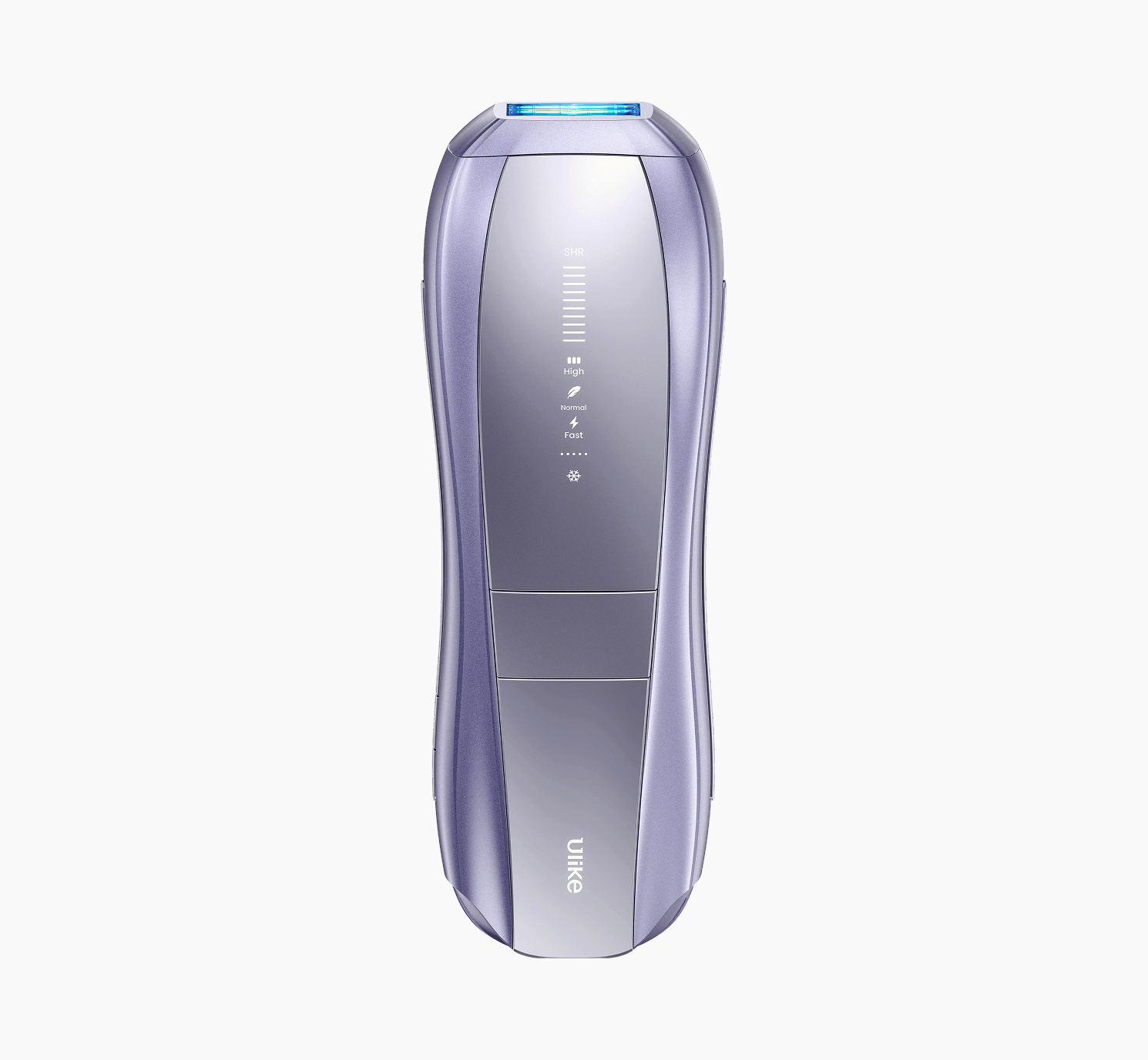
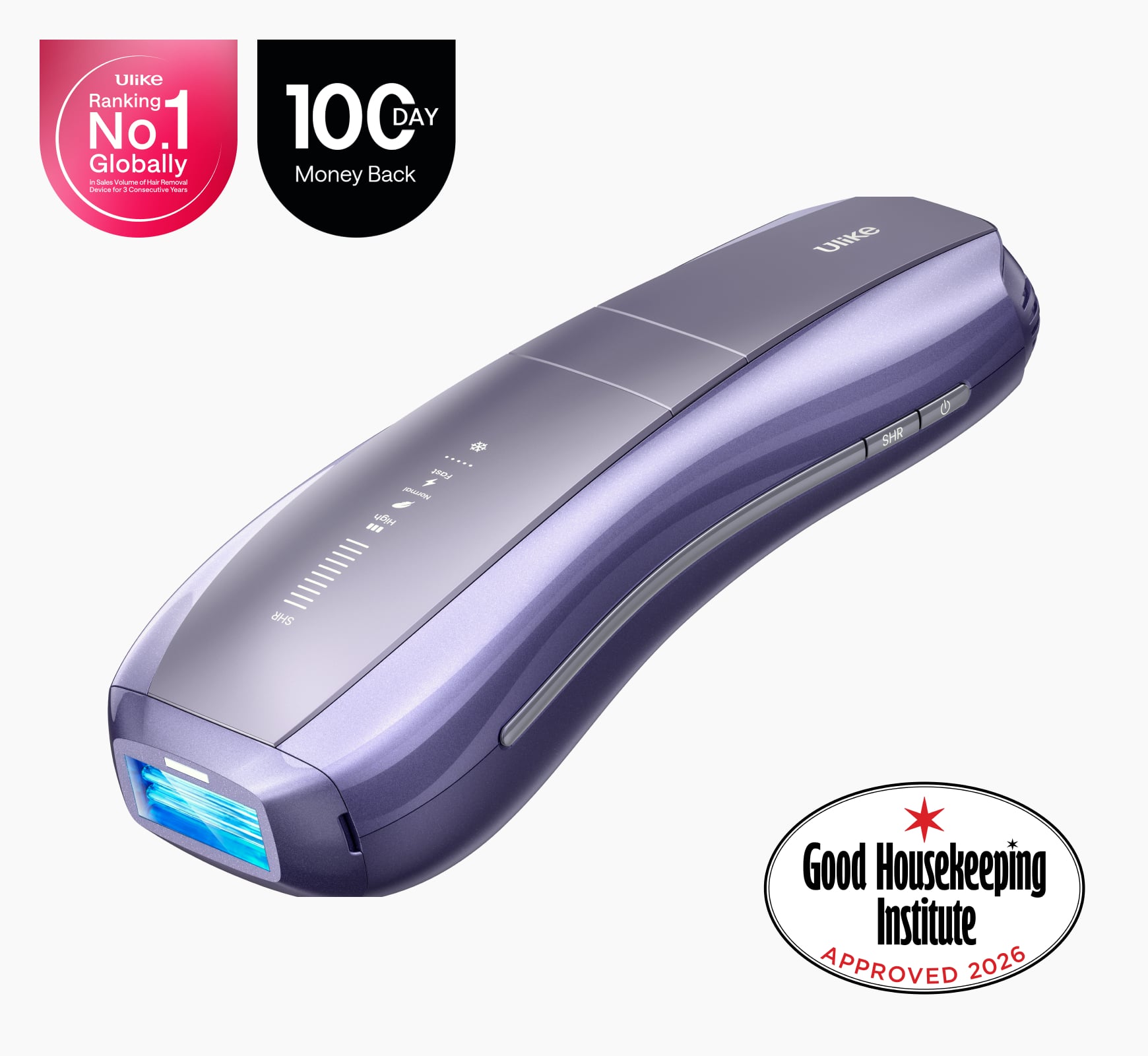
Shaving lotion can make shaving more comfortable, but it is still only a short-term fix. If you want to move beyond constant shaving, the Ulike at-home IPL hair removal device is a popular choice in the UK for achieving smoother skin with less irritation over time.
References
- NHS: Ingrown hairs
- British Association of Dermatologists: Vulval skincare
- British Association of Dermatologists: Pseudofolliculitis
- Cambridge University Hospitals: Care of the vulval skin
Related Readings


Can You Use IPL on Freckles? | Safety & Hair Removal
Can You Use IPL on Your Face Every Day? How Often Should You Use It?
What to Do Between IPL Treatments: Shaving, Exfoliation & Hair Regrowth
Explore Beauty
Ulike Air 10
2 weeks to silky smooth skin.
96% Hair Density Reduction in 2 Weeks
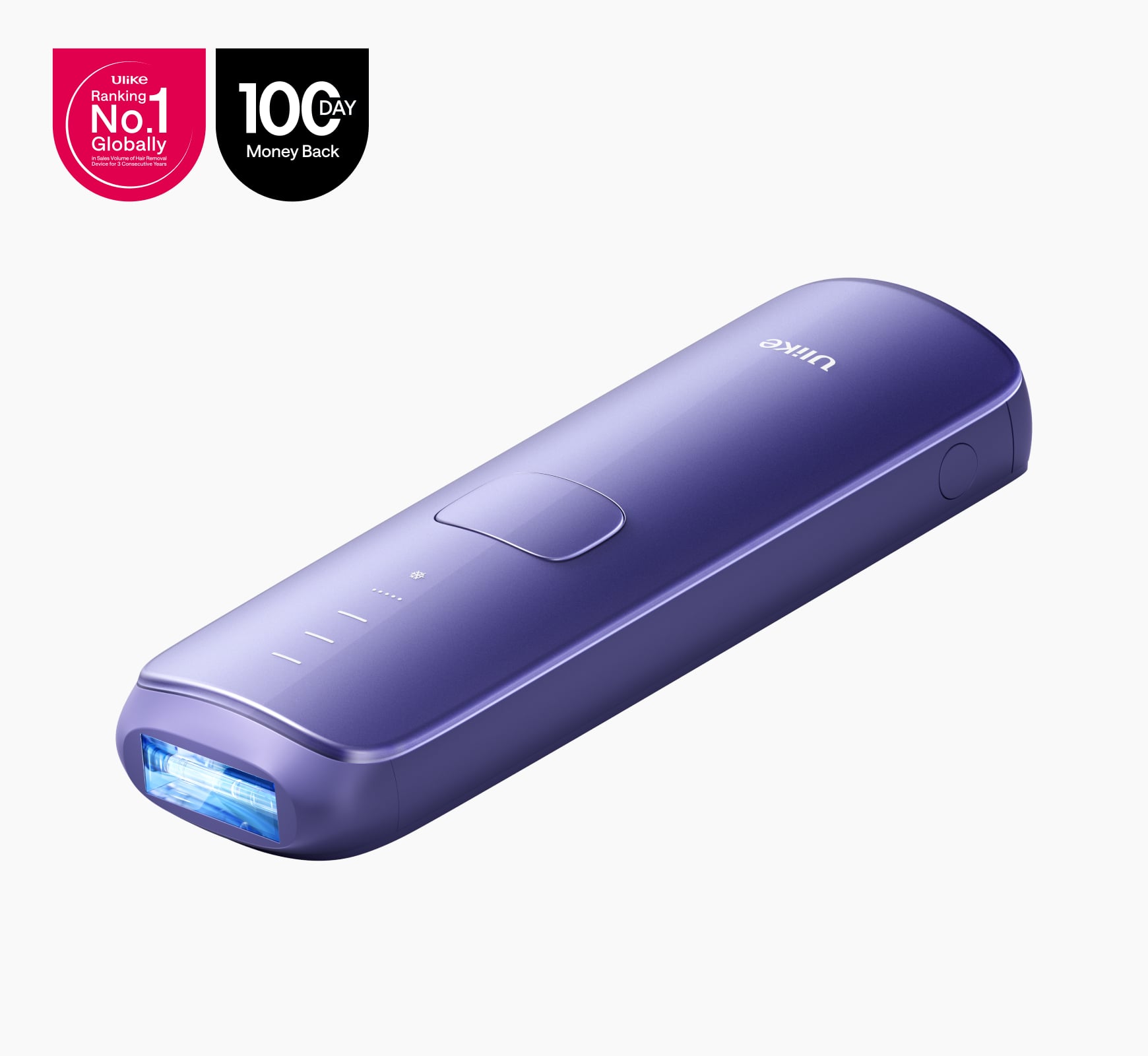
Ulike Air 3
3 weeks to silky smooth skin.
93% Hair Density Reduction in 4 Weeks
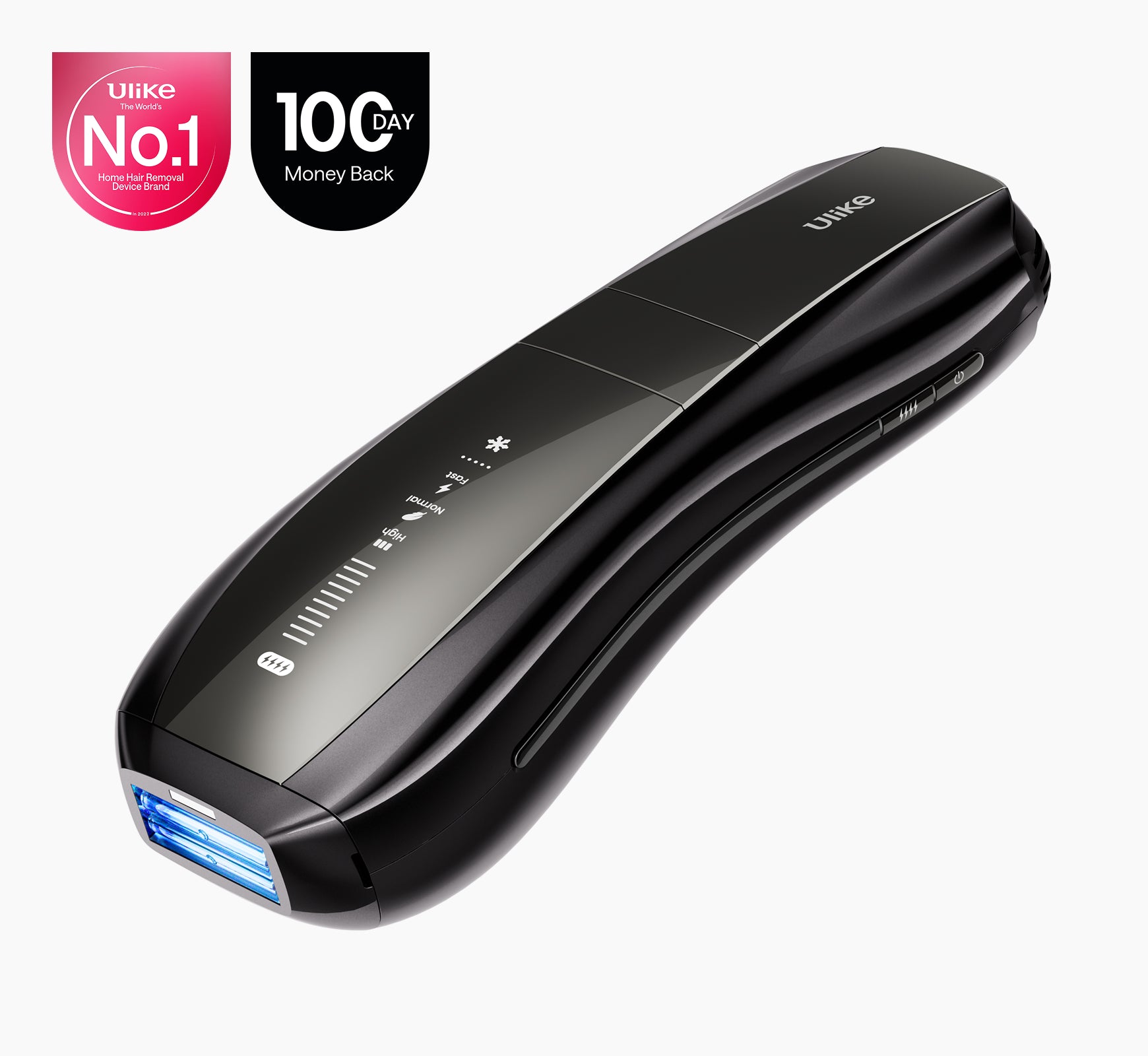
Ulike X
3 weeks to silky smooth skin.
94% hair reduction in just 2 weeks*
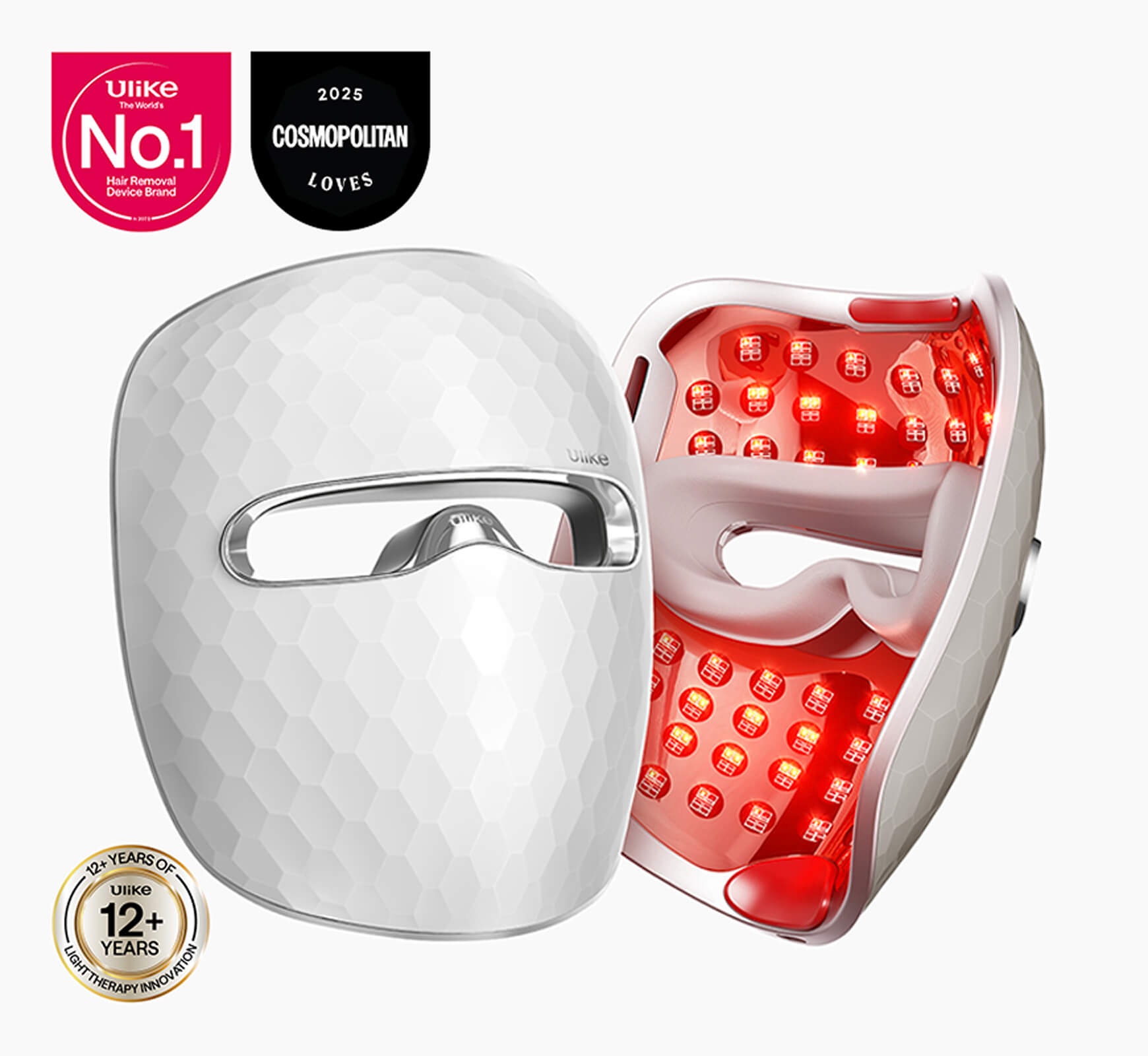
Ulike Reglow
Clearer skin in 2 weeks: Fewer breakouts
Smoother skin in 4 weeks: Fewer lines, firmer feel