



What to Do Between IPL Treatments: Shaving, Exfoliation & Hair Regrowth

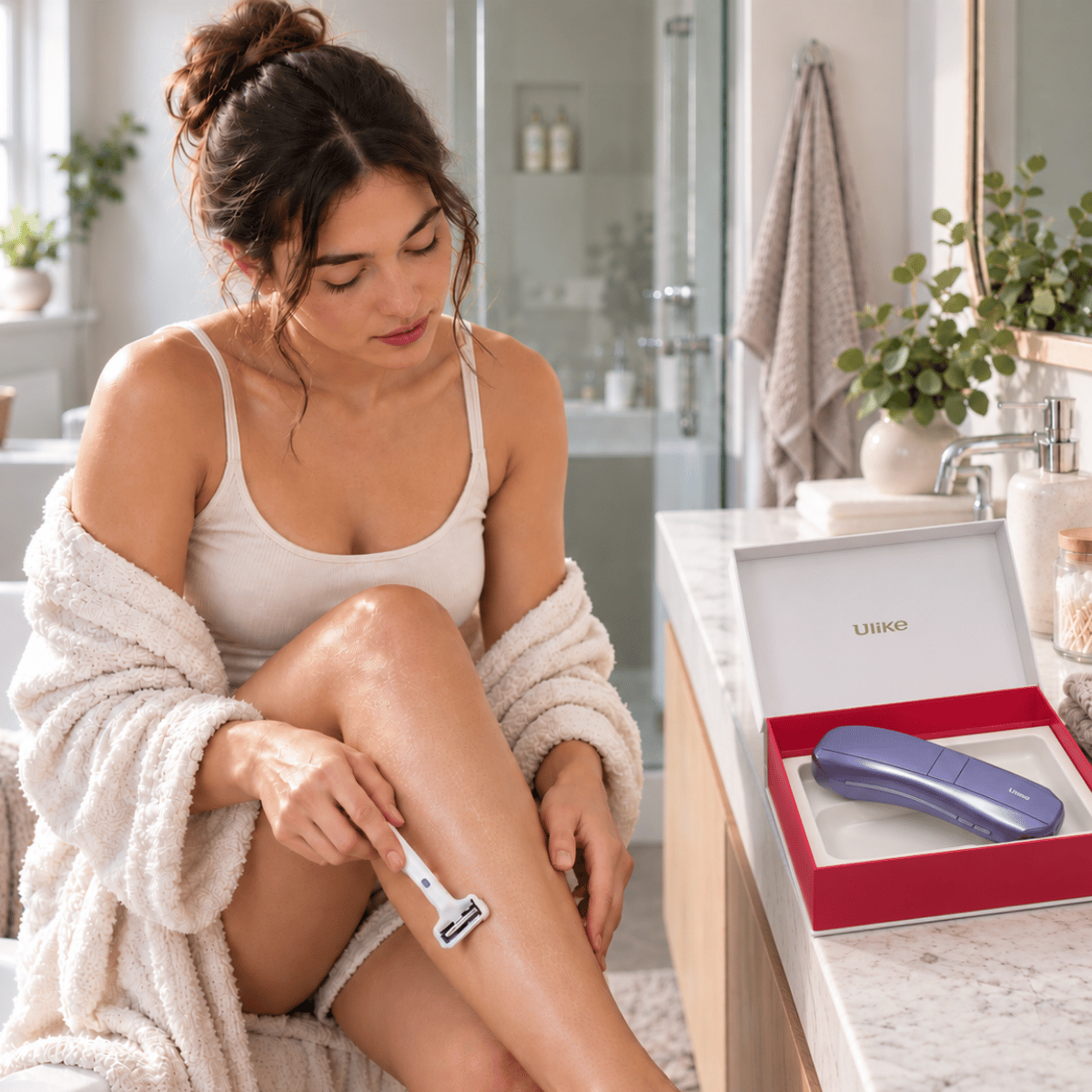
Hair growing back between IPL treatments is normal. You do not have to leave the area untouched until the next session, and shaving is usually the simplest way to manage visible regrowth.
The main thing to avoid during an IPL course is removing hair from the root. Waxing, sugaring, epilating and tweezing work differently from shaving because they pull the hair out at the root. If the skin is still unusually red, sore or broken after treatment, let it settle before using IPL again.
What Happens Between IPL Treatments?
IPL works over a course rather than removing every visible hair in one go. Hair grows in cycles, so different follicles are active at different times. That is one reason treatments are spaced out instead of repeated whenever a new hair appears.
You may see some hairs shed, some regrowth and some areas changing faster than others. During the early part of a course, visible hair does not automatically mean the handset has failed. With a suitable device, hair may become finer, less dense or slower to return over the course of treatment.
Treating more often than instructed will not necessarily speed things up. It may simply leave the skin irritated.

Can You Shave Between IPL Treatments?
Yes, you can generally shave between IPL treatments if your skin tolerates it and your device’s instructions allow it. A razor cuts the visible hair at the skin’s surface rather than removing it from the root, which is why shaving is commonly used during an IPL course.
Why shaving is different from waxing or plucking
A razor trims the part of the hair that has grown above the skin. Waxing, sugaring, epilating and tweezing remove the hair from the root, whereas shaving leaves the follicle in place for IPL.
Ulike’s guidance recommends shaving the treatment area before using the handset. Its FAQ says the hair should be shaved to an appropriate length so IPL can focus on the follicle. That does not mean you need to keep visible regrowth until treatment day.

How often can you shave?
Shave when you need to manage visible hair, provided your skin is comfortable and your device instructions do not say otherwise. There is no useful universal number. Some people shave every few days; others need to do it less often.
Use a clean, sharp razor and a suitable shaving product. Try not to keep going over the same patch, particularly if it is dry or sensitive. A very close shave is not worth stinging, redness or small cuts.
If shaving regularly causes irritation or ingrown hairs, a trimmer may feel easier on your skin. Before the next session, follow the preparation instructions for your particular handset; some specify a maximum hair length or ask for clean, dry skin.
Should you shave immediately before IPL?
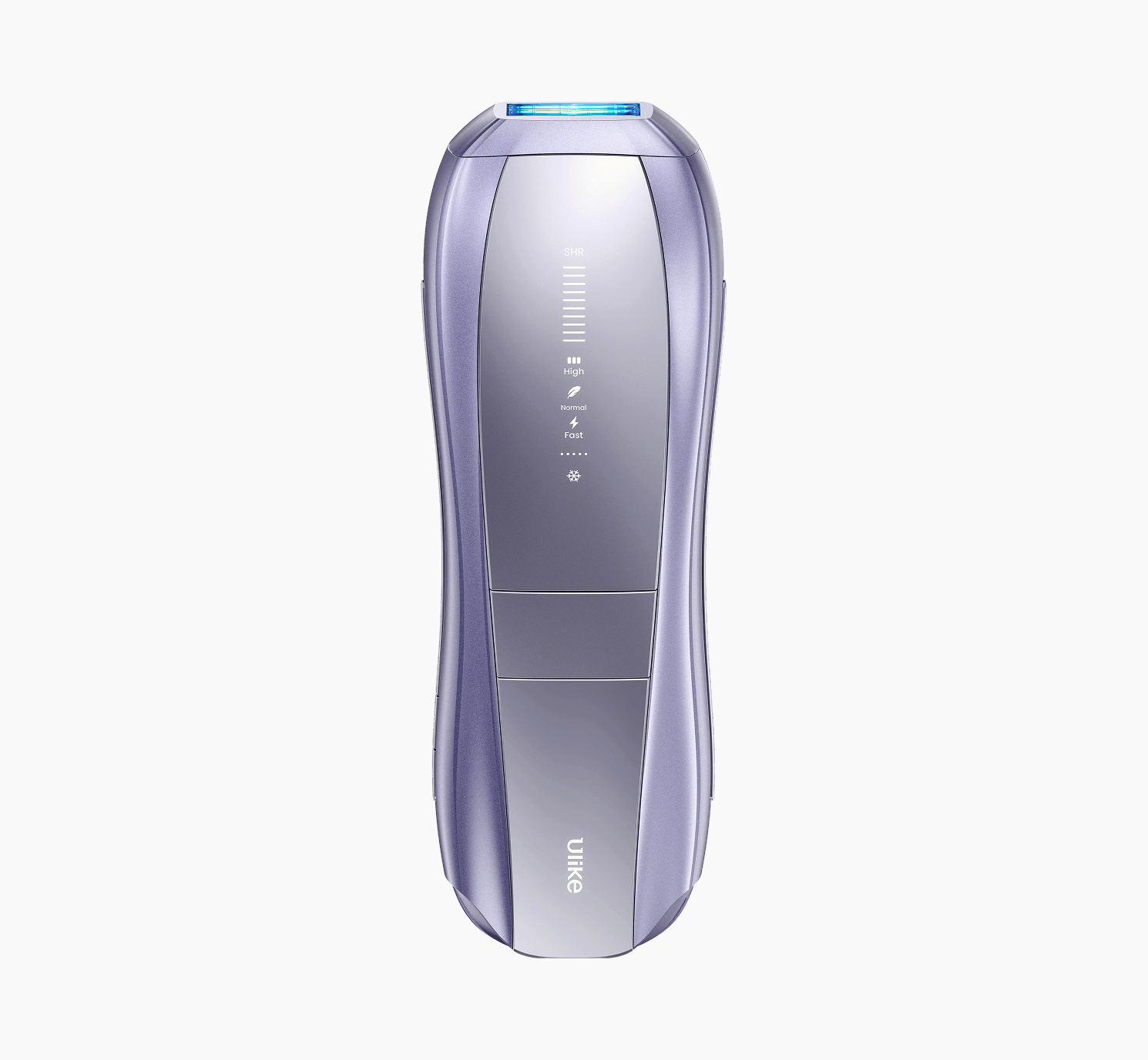
Shaving is often part of IPL preparation, but the timing and required hair length vary by device. Ulike's Air 10 guidance recommends shaving if the hair is longer than 2 mm, then cleaning and drying the area before treatment. Its FAQ also recommends shaving before using the handset.
Do not transfer that measurement to another model without checking its manual. If a fresh shave leaves you sore, wait for the irritation to settle rather than flashing over it.
Can You Wax or Pluck Between IPL Sessions?
If your device requires the follicle to remain intact, avoid waxing, sugaring, epilating and plucking between sessions. Shaving removes the visible hair while leaving the follicle available for IPL; root-removal methods do not.
That includes:
- Waxing
- Sugaring
- Epilating
- Tweezing or plucking
- Any other method that pulls the hair from the root
If you want to remove what you can see, shaving is usually the more compatible choice. Your handset’s manual takes priority if it gives different instructions.
Can You Exfoliate Between IPL Treatments?
You can usually return to gentle exfoliation once the skin feels normal again, but avoid exfoliating freshly treated, sore or irritated skin. There is no single waiting period that suits every device and every skin type.
For the first recovery period after a session, follow the instructions in your IPL aftercare guide. This article deals with the longer gap before the next treatment, once the skin has settled.
When can you exfoliate?
Wait until the treated area has returned to its usual state and check the guidance for your device. Stinging, unusual redness, dryness, peeling or tenderness are signs to pause.
The condition of your skin matters more than forcing exfoliation on a particular day. Someone with calm skin may tolerate a gentle product sooner than someone who has reacted to treatment, shaved aggressively or used a strong active.
Stop if exfoliation causes burning, persistent redness, tightness or flaking. More frequent exfoliation will not make the next IPL session work better.
What type of exfoliation is best?
There is no universal winner. Physical exfoliation includes scrubs, brushes and rough cloths. Chemical exfoliation includes AHAs, BHAs and other exfoliating acids.
Physical methods can be too abrasive when pressure is applied, while acids may sting after shaving or IPL. Choose the mildest option your skin tolerates, use it sparingly and follow the handset’s instructions around active skincare.
Do not follow a detailed retinol, AHA or BHA timetable unless it has been checked against the current guidance for your device. If you use prescription skincare or your skin reacts easily, ask a pharmacist, GP or dermatologist for advice.
What Should You Do When Hair Starts Growing Back?
Treat visible regrowth as part of the course, not as a reason to bring the next session forward. Hair follicles move through their growth cycles at different times, so IPL does not affect every hair in exactly the same way during one session.
During the early weeks, some hairs may shed while others continue growing. Later, suitable hair may look finer or less dense, but the pace is not identical across every area.
Shave if you want to remove visible hair. Do not switch to waxing or plucking if your handset needs the follicle available, and do not add extra flashes because one patch looks hairier than another.
If you are concerned that your IPL is not working, use the troubleshooting advice for that problem rather than changing the schedule yourself.
How Often Should You Have IPL Treatments?
Use the interval stated in the instructions for your exact device. There is no universal schedule for every home IPL handset, body area or stage of treatment. New hair between sessions is not a reason to treat early.
Many devices have an initial treatment phase followed by less frequent maintenance, but the pattern differs. Ulike devices have different treatment schedules, so there isn't one routine that applies across the range. Check the instructions for your specific handset and follow its recommended treatment interval. The reason sessions are spaced out is that hair follicles are not all in the same stage of growth at the same time. Seeing new hair between sessions does not mean you should treat early.
Those examples are not a schedule to copy across the range. Use the manual supplied with your handset. For detailed preparation before the next session, see the device-specific IPL preparation and how-to-use guidance.
The initial phase uses repeated sessions because suitable follicles respond at different points in the growth cycle. Maintenance is less frequent once that phase is complete. Extra treatments outside the instructions can increase irritation without guaranteeing faster hair reduction.
What Should You Avoid Between IPL Treatments?
Between sessions, there are only a few things you really need to keep in mind:
- Waxing, sugaring, epilating or plucking if your device requires the follicle to remain intact
- Aggressive scrubbing on sensitive skin
- Treating skin that is broken, infected, unusually red or painful
- Adding IPL sessions because you can see regrowth
- Tanning or exposing treated areas in ways prohibited by the device instructions
- Continuing a product that burns, stings or causes a persistent reaction
The area does not need to be left alone completely. Shave when needed, keep the skin comfortable, and let the handset’s schedule—not day-to-day regrowth—decide when you treat again.
What If Your Skin Is Still Irritated?
Do not treat skin that remains unusually red, painful, broken or inflamed. Give it time to recover and follow the instructions for your device.
Exfoliating won't make irritated skin recover faster. Scrubbing or applying acids to irritated skin can prolong the problem. If you develop blistering, marked swelling, severe pain, spreading redness or symptoms that do not settle, stop using the handset and seek professional advice.
For immediate post-treatment care, use the separate after-treatment guidance. That page covers the first recovery period; this one covers the maintenance decisions made during the days and weeks before the next scheduled session.
A Simple Routine Between IPL Sessions

When hair grows back
Shave if you want to remove visible hair. Avoid waxing, plucking or epilating during an IPL course if your device requires the follicle to remain intact.
While the skin settles
Keep the area comfortable. Do not treat through unusual redness, pain, broken skin or an active reaction.
When considering exfoliation
Resume gentle exfoliation only when the skin has returned to normal and the device guidance allows it. Stop if it stings or leaves lasting redness.
Before the next IPL session
Check the handset instructions, prepare the area as directed, and follow the scheduled interval. Do not move the session forward simply because new hair is visible.
FAQs About Between-Session IPL Care
Can I shave between IPL treatments?
Yes, shaving is generally the preferred way to manage visible regrowth during an IPL course because it cuts the hair at the surface without removing the follicle. Use a clean razor, avoid repeatedly scraping irritated skin, and follow the preparation instructions for your device.
Can I wax between IPL sessions?
Can I exfoliate between IPL sessions?
Waxing, sugaring, epilating and tweezing remove the hair from the root, whereas shaving leaves the follicle available for the next IPL treatment. Check your handset’s manual if its instructions differ.
Can I exfoliate between IPL sessions?
Usually, but only once the skin has returned to its normal state and the device guidance allows it. Avoid exfoliating freshly treated, sore, peeling or irritated skin. Choose a gentle method and stop if it causes stinging, tightness or persistent redness.
Why does my hair grow back between IPL sessions?
Hair grows in cycles, and IPL does not affect every follicle at the same point in that cycle. Regrowth during an early course is therefore possible and does not automatically mean the device has failed. Follow the schedule and use the troubleshooting guidance if progress remains a concern.
How long should I wait between IPL treatments?
Use the interval stated in the instructions for your exact device. Different handsets and treatment phases have different schedules. Do not bring the next session forward because new hair has appeared, and wait longer if the skin is still irritated.
Keeping your IPL routine simple
IPL works as a course of treatments, so some regrowth between sessions is expected. Shaving is usually the simplest way to manage it without removing the hair from the root, while exfoliation can be reintroduced once the skin has settled and your device guidance allows it. Most importantly, stick to the treatment schedule for your specific handset rather than treating more often when you notice new growth.
If you’re considering an at-home IPL device, look at the treatment schedule, preparation requirements, suitable skin tones and hair colours, and the areas it is designed to treat. Choosing a device that fits comfortably into your routine can make it easier to stay consistent throughout the course.
Ready to start your IPL routine?
Explore Ulike’s IPL devices to compare their features, treatment guidance and suitability for your routine.
References
What to Do Between IPL Treatments: Shaving, Exfoliation & Hair Regrowth

What Happens If You Miss an IPL Treatment?
Can You Use IPL on Moles and Birthmarks?
Explore Beauty
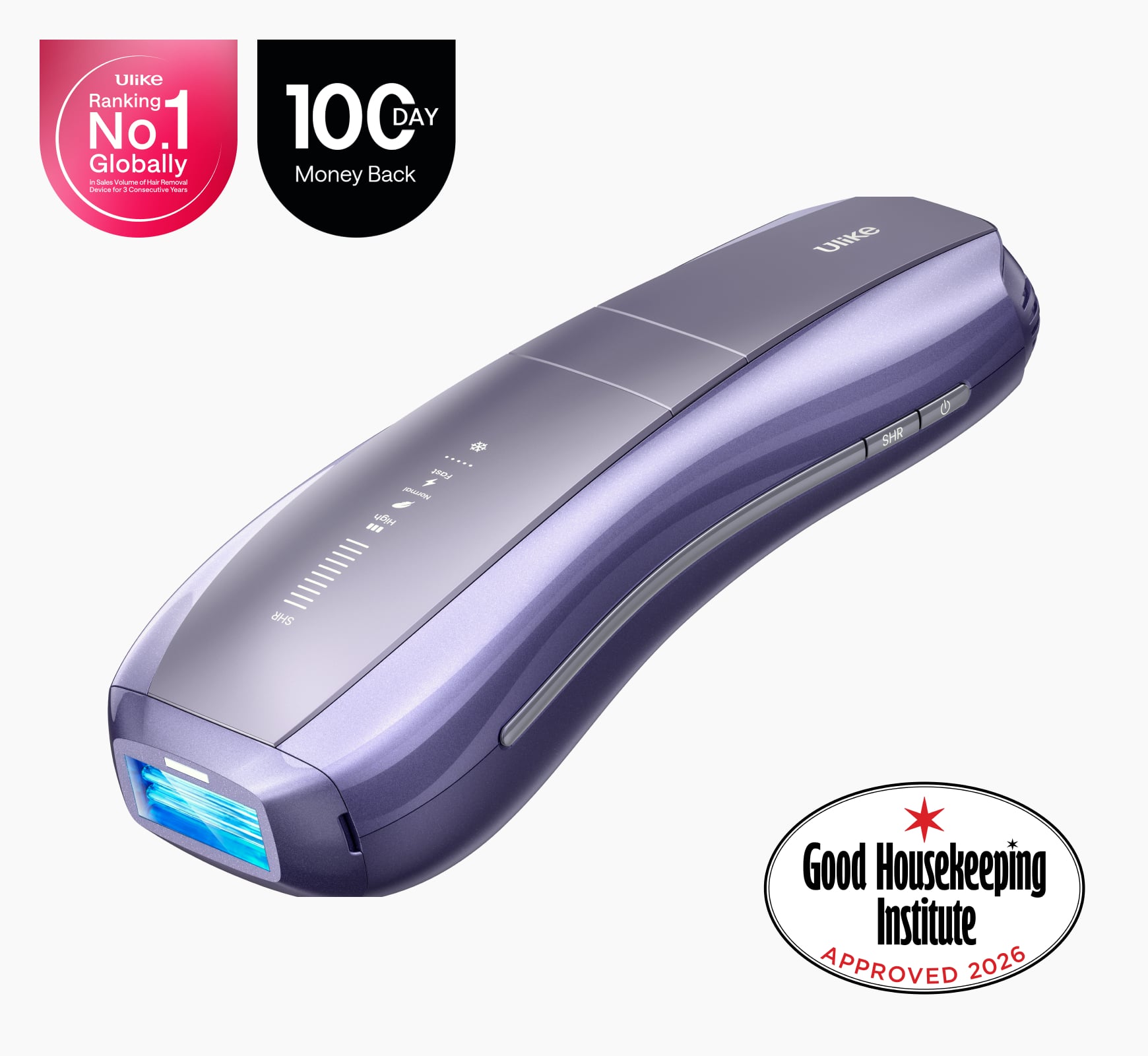
Ulike Air 10
2 weeks to silky smooth skin.
96% Hair Density Reduction in 2 Weeks
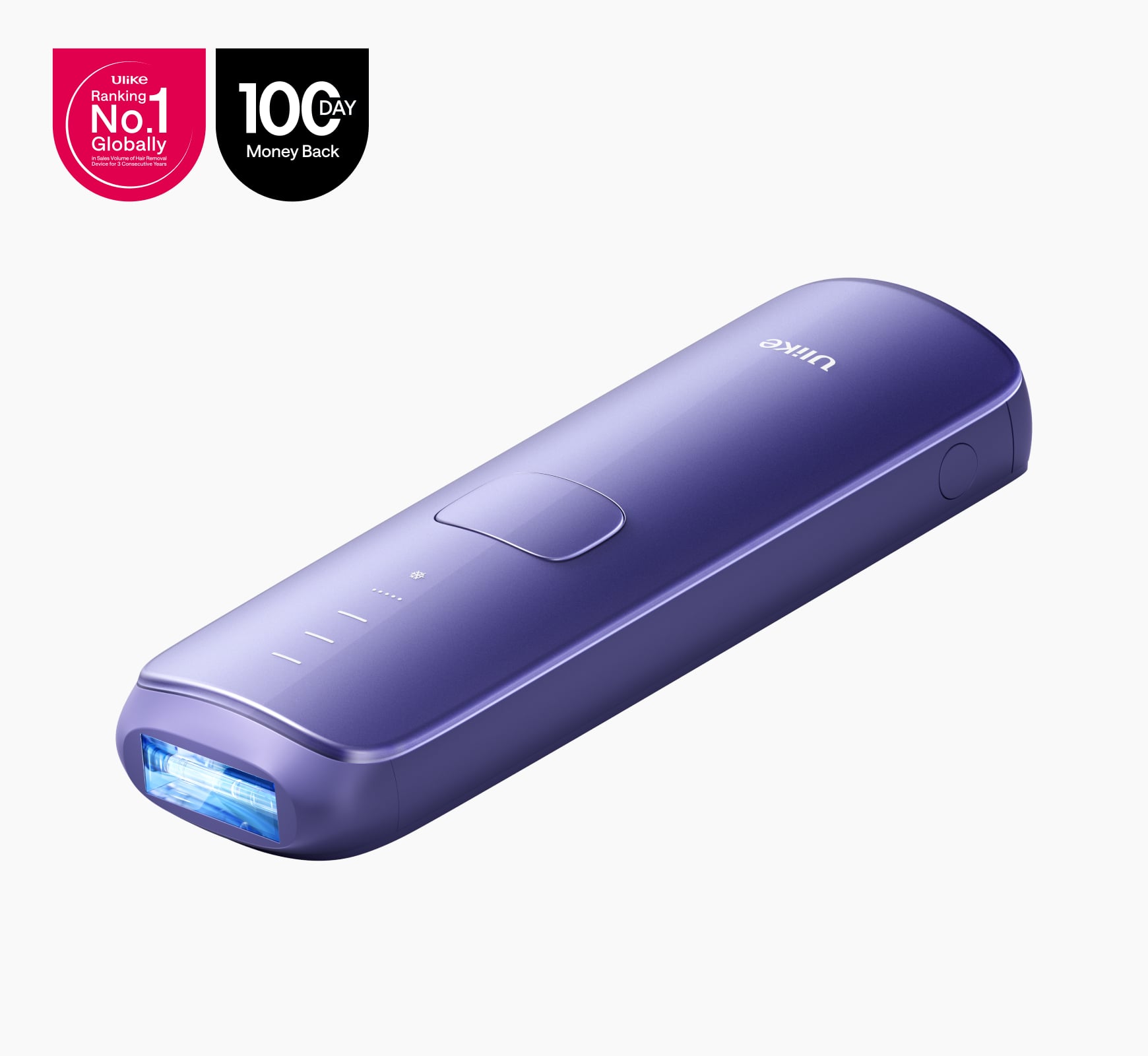
Ulike Air 3
3 weeks to silky smooth skin.
93% Hair Density Reduction in 4 Weeks
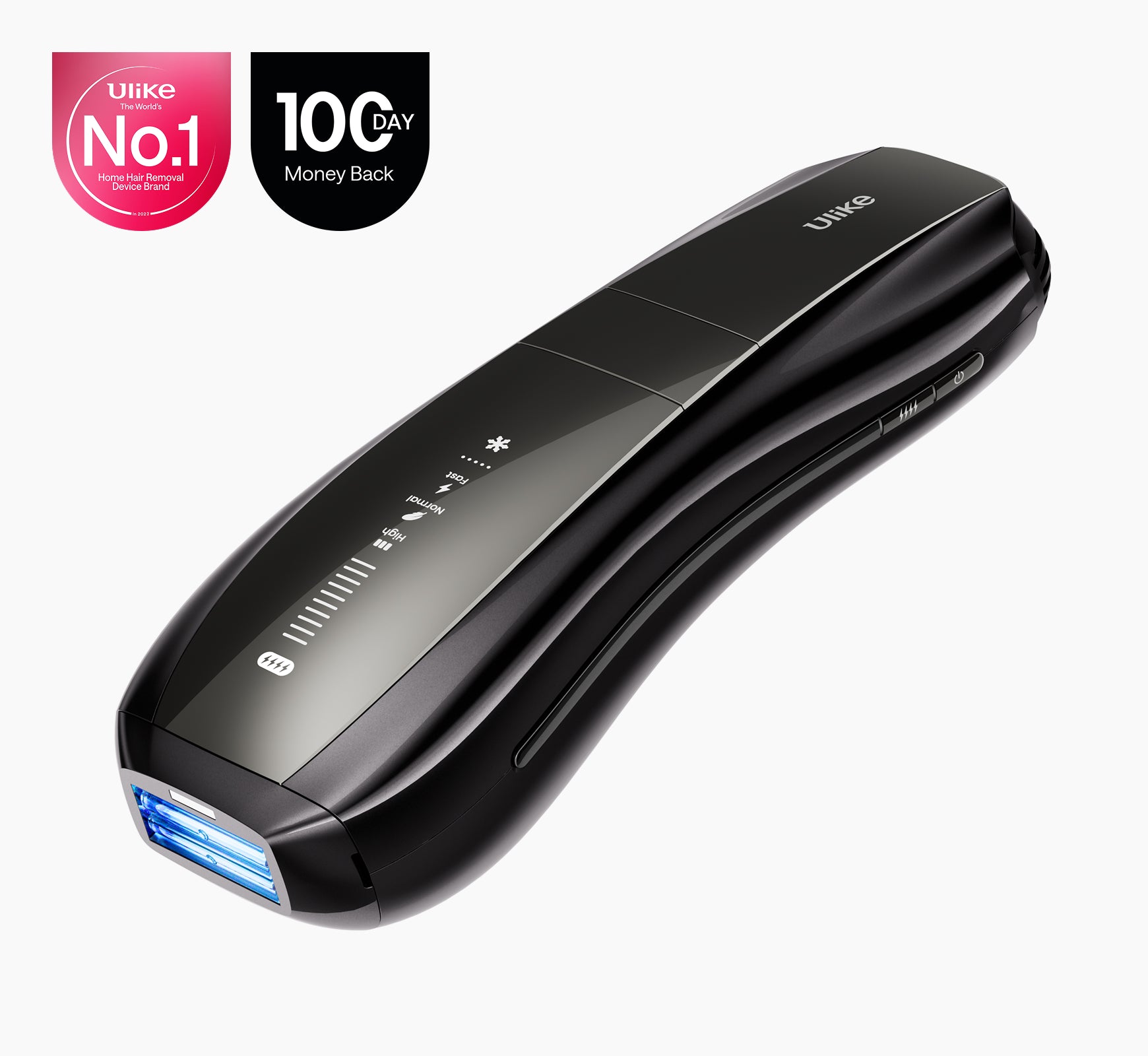
Ulike X
3 weeks to silky smooth skin.
94% hair reduction in just 2 weeks*
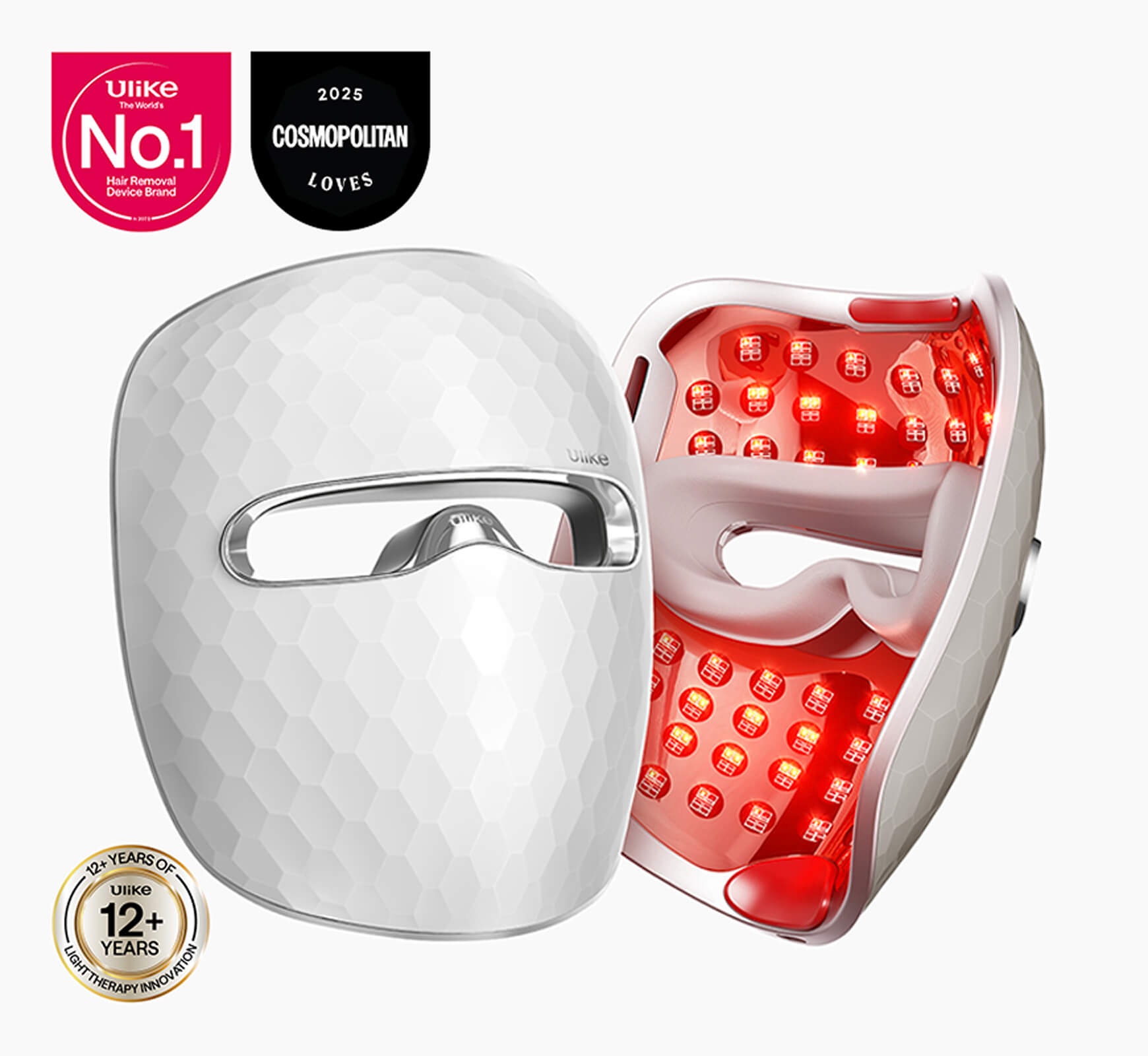
Ulike Reglow
Clearer skin in 2 weeks: Fewer breakouts
Smoother skin in 4 weeks: Fewer lines, firmer feel