



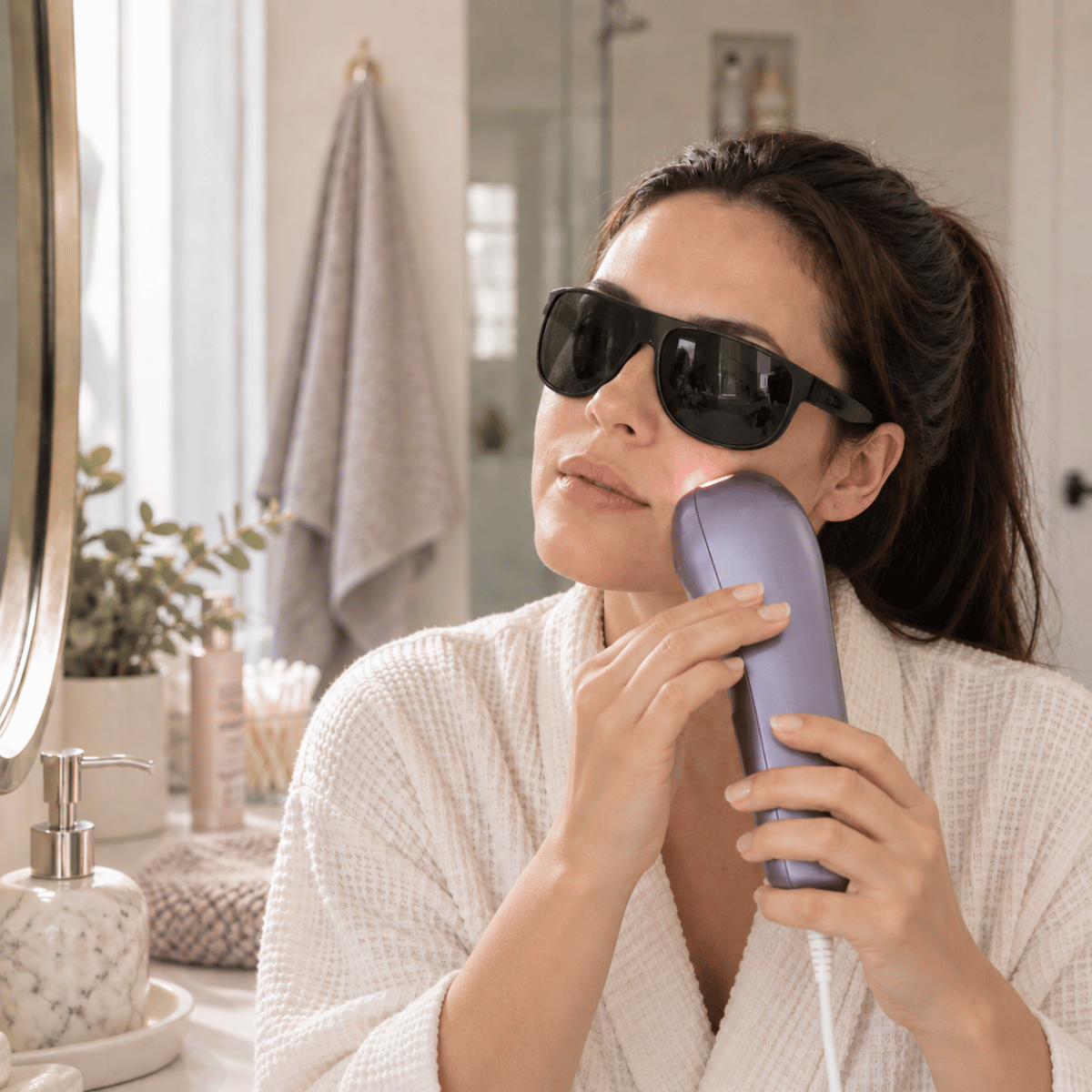
Can You Use IPL on Your Face Every Day? How Often Should You Use It?

Facial IPL works best when treatments follow the schedule recommended for your specific device, rather than being used every day. So, can you use IPL on your face every day? At-home IPL is designed to build results over a course of treatments, with each session forming part of a planned routine.
It’s normal to see some facial hair between sessions because hair follicles grow at different times. When regrowth appears, you can manage it between treatments while keeping your next IPL session on schedule.
Can you use IPL on your face every day?
You can use IPL on your face as part of a regular treatment routine, but daily treatment is not the standard approach. The right frequency depends on the specific IPL device and the schedule provided with it. Following that schedule gives each session time to work as part of the wider treatment course.
Seeing facial hair between sessions is expected. It does not mean you need to bring your next IPL treatment forward. Shaving can help manage visible regrowth in the meantime, while your IPL sessions stay on their recommended schedule.
Why using IPL more often does not mean faster results
IPL works on suitable hairs during particular stages of the hair-growth cycle. Not every follicle is at the same stage at the same time, which is why treatment is spaced across a course rather than concentrated into daily sessions.

Visible hair growth between treatments is therefore part of the process. The appearance of new hairs is not, by itself, a sign that another session is due.
For a closer look at why hair grows back at different rates during an IPL course, see [Hair Growth Cycles: Why Your IPL Results Aren't Where They Should Be].
How often should you use IPL on your face?
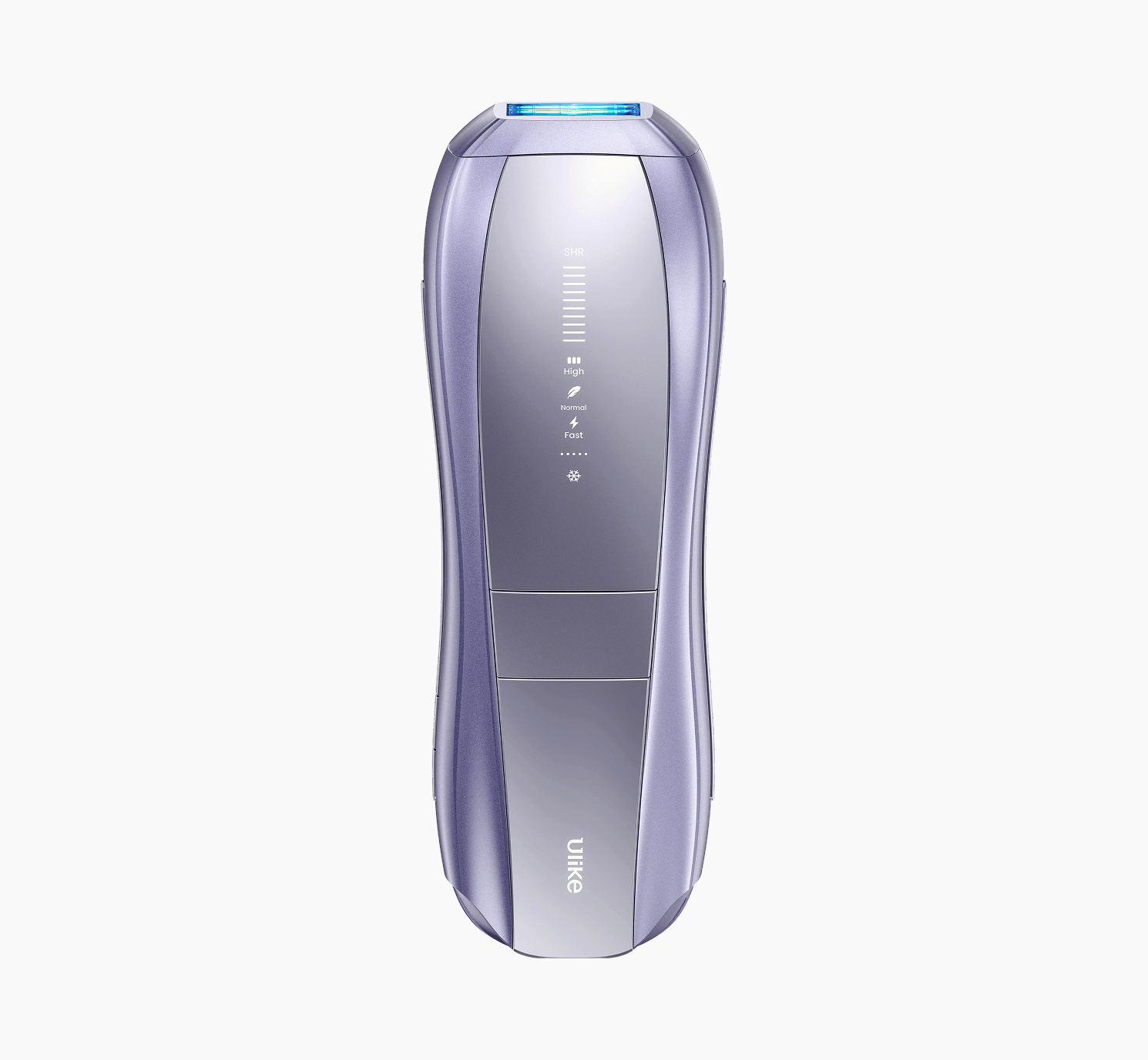
For Ulike Air 10, the recommended routine starts with three treatments a week for the first four weeks, followed by one treatment a week during weeks 5–8, one treatment every two weeks during weeks 9–12, and then one to two maintenance treatments a month. This phased approach gives IPL regular opportunities to target hairs during their growth phase, while gradually spacing treatments further apart as the course progresses.

This schedule applies to Ulike Air 10. Other home IPL devices may recommend different treatment frequencies, so it is best to follow the instructions supplied with your particular handset rather than transferring one manufacturer's schedule to another device.
Facial hair can still appear between treatments, particularly during the earlier stages of a course. You can manage visible regrowth between sessions while keeping your next IPL treatment on schedule.
Does facial IPL need a different schedule from body IPL?
Not automatically. Facial hair can become noticeable sooner, but that does not mean the face needs an extra IPL session each time you see regrowth.
For Ulike Air 10, the treatment schedule is set by the device rather than by how quickly hair becomes visible in a particular facial area. If your particular handset provides separate guidance for facial and body areas, use the schedule specified for that area.
Why does facial hair grow back between IPL treatments?
Facial hair can grow back between IPL treatments because hair follicles move through their growth cycles at different times. A single session can target suitable hairs that are in the right stage for treatment, while other follicles are at a different point in their cycle and continue producing hair.
You may notice some hairs shedding after treatment while others continue to grow as usual. This is why visible regrowth between sessions is expected and does not automatically mean your IPL device is not working.

With continued treatment, some people may notice that facial hair becomes finer, less dense or slower to return. How quickly this happens varies between individuals, as well as by the device and treatment area.
What should you do if facial hair grows back between sessions?
Seeing facial hair between IPL sessions is a normal part of the treatment process. If you want to remove visible regrowth, shaving is usually the simplest option. It cuts the hair at the surface while leaving the follicle in place, so the hair can still be present for a later IPL treatment.

Waxing, sugaring, epilating and tweezing work differently because they remove the hair from the root. If your device instructions require the follicle to remain in place during an IPL course, stick with surface-level hair removal between treatments.
Most importantly, visible regrowth does not mean you need to move your next IPL session forward. Keep to the treatment schedule for your device and follow its preparation instructions before the next session.
For more practical guidance on shaving, exfoliation and managing regrowth between treatments, see [What to Do Between IPL Treatments: Shaving, Exfoliation & Hair Regrowth].
Can you use IPL on your face twice a week?
Twice-weekly IPL can be appropriate for some devices, but the right frequency depends on the handset you are using. For example, Ulike Air 10's recommended schedule for the first 12 weeks is:
Weeks 1–4: 3 treatments per week, with treatment days spaced across the week
Weeks 5–8: 1 treatment per week
Weeks 9–12: 1 treatment every 2 weeks
After week 12: 1–2 maintenance treatments per month
Other IPL devices may recommend a different frequency or treatment-day spacing. Follow the schedule supplied with your specific handset rather than applying another device's routine to your own.
Seeing facial hair return between sessions is not a reason to add extra treatments. IPL targets suitable hairs at particular stages of the growth cycle, and different follicles reach those stages at different times. An extra session simply because new hair is visible does not necessarily mean there will be more suitable hairs ready to treat.
Keeping to the recommended treatment days gives IPL repeated opportunities to target suitable hairs as they enter the relevant growth stage. Allow the course to build over time rather than changing the frequency whenever you notice regrowth.
What happens if you use facial IPL too often?
Following the recommended treatment schedule gives your skin appropriate time between IPL sessions. Using the device more often than instructed can increase the chance of irritation without guaranteeing faster hair reduction.
After a treatment, keep an eye out for changes such as:
Redness or warmth
Soreness or stinging
Unusual sensitivity
Persistent irritation or other skin reactions
Give your skin time to settle if any of these occur. IPL is best used on skin that is calm and intact, so allow existing irritation or damage to recover before treating the area again.
For a reaction that persists, becomes concerning or does not settle as expected, stop using the device and seek appropriate professional advice.
When should you skip an IPL treatment?
Your skin should be calm and intact before an IPL session. Give an area more time to recover when you notice:
Unusual redness or soreness
Broken or damaged skin
Irritation that has continued since a previous treatment
A reaction that has not fully settled
A treatment area that your device instructions advise you to avoid

Ulike's preparation guidance also sets out which areas can be treated and which should be avoided, along with the skin and hair conditions to check before using the handset. These details are specific to the device, so use the instructions for your Ulike handset when preparing for a session.
Once the skin has returned to its usual condition, you can resume treatment according to the recommended schedule.
Does facial IPL frequency change for different areas?
The amount of visible regrowth can vary across the face, but that does not mean each area needs a different treatment frequency. For Ulike Air 10, the treatment schedule applies across its approved treatment areas rather than changing according to how quickly individual hairs become visible.
Upper lip
Hair on the upper lip can become noticeable between sessions, particularly when it is darker or more visible against the skin. That does not mean the area needs an additional IPL treatment. Keep to the Air 10 treatment schedule and manage visible regrowth between sessions as needed.
Chin
Chin hairs can be coarser and more noticeable as they grow back, which can make regrowth seem more pronounced. The treatment schedule remains the same rather than changing each time new hairs appear.
Sideburns and cheeks
Fine facial hair around the cheeks and sideburns may be less noticeable, but its growth pattern can still vary. Seeing more or less regrowth in these areas does not by itself call for a different treatment frequency.
For more detail on how IPL treatment differs across facial areas, see [Upper Lip vs Chin vs Sideburns: How IPL Works Differently Across Your Face].
How to build a safe facial IPL routine
Use this quick checklist to keep your facial IPL routine consistent:
Before treatment: Check your handset's treatment schedule, preparation instructions and approved facial treatment areas.
Between treatments: Shave if you want to manage visible regrowth. Keep your next IPL session on schedule rather than moving it forward when hair becomes noticeable.
On treatment day: Prepare your skin according to the handset's instructions and treat only the approved areas.
After treatment: Give your skin time to settle and follow the device's aftercare guidance, particularly if the treated area feels warm or sensitive.
Throughout the course: Keep to the recommended treatment schedule. As treatment progresses, some people may notice hair becoming finer, less dense or slower to return, although results vary from person to person.
Frequently asked questions about facial IPL frequency
Can I use IPL on my face every day?
Daily treatment is not necessary. Follow the treatment schedule for your specific IPL device, as using it more frequently does not necessarily lead to faster hair reduction.
Can I use facial IPL twice a week?
It depends on the device. Ulike Air 10's initial schedule includes three treatments per week, while other IPL handsets may recommend a different frequency.
How long should I wait between facial IPL treatments?
Use the treatment interval provided with your specific handset. Ulike Air 10 has a phased schedule, with treatments becoming less frequent as the initial course progresses.
Can I use IPL again if facial hair grows back?
You can manage visible regrowth between sessions, but new hair does not automatically mean another IPL treatment is due. Different follicles grow at different times, so keep to your device's recommended schedule.
Is it safe to use IPL more often if I don't have any irritation?
The absence of irritation does not mean extra treatments are appropriate. Stick to the frequency recommended for your device rather than adding sessions based on visible regrowth.
Can I shave between facial IPL treatments?
Yes, shaving can be used to manage visible regrowth between sessions. It cuts the hair at the surface while leaving the follicle in place.
Keeping facial IPL on schedule
Facial hair can appear between IPL treatments, and that does not mean your next session needs to happen sooner. Shaving can help manage visible regrowth while leaving the follicle in place for your next treatment.
The simplest approach is to keep your IPL sessions on the schedule provided for your device. More frequent treatment does not automatically mean faster hair reduction, and giving each session its place in the course allows you to build a consistent routine.
Looking for an IPL device for facial hair removal?
Explore Ulike's IPL devices to compare treatment guidance, approved treatment areas and features, and find a handset that fits your routine.
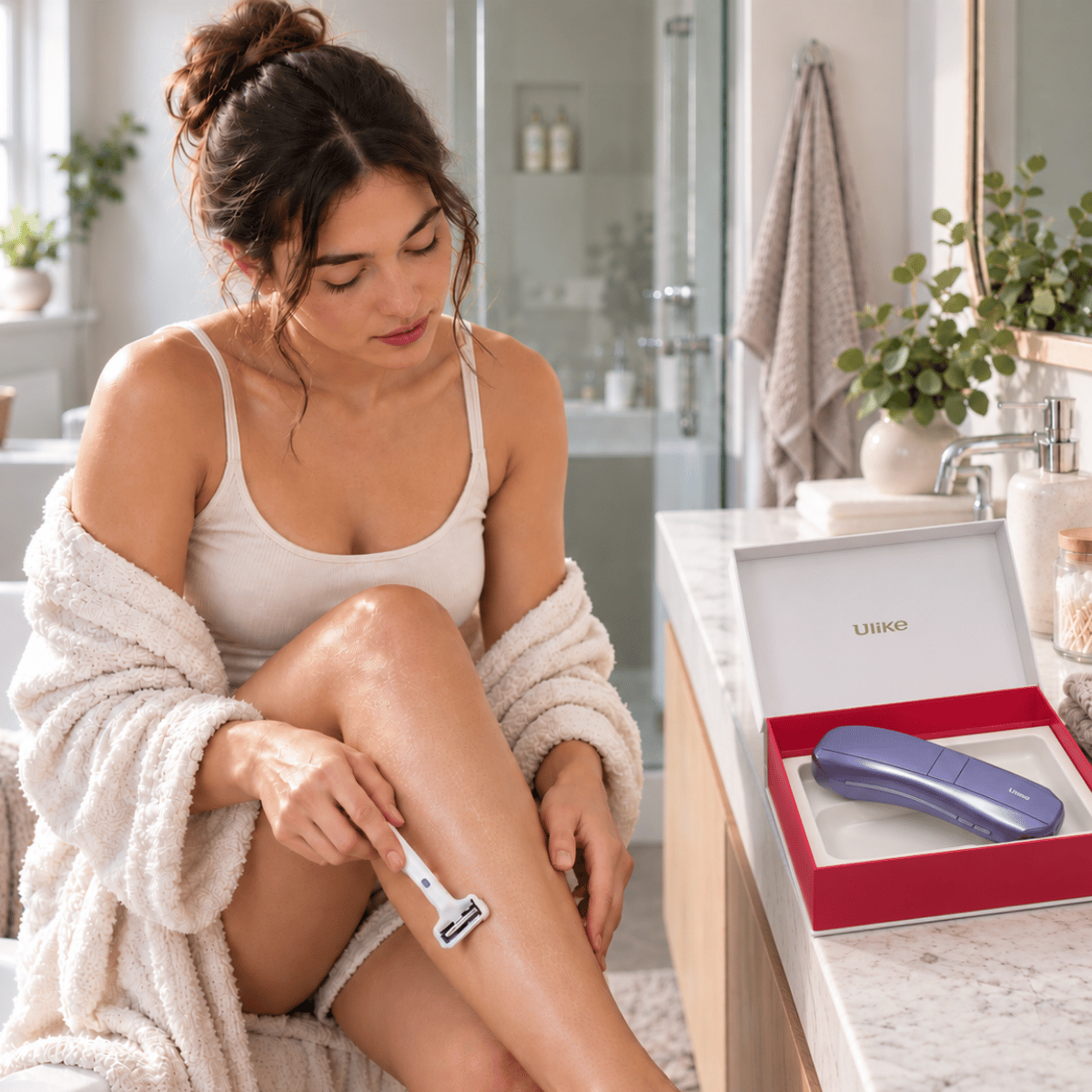
What to Do Between IPL Treatments: Shaving, Exfoliation & Hair Regrowth
What Happens If You Miss an IPL Treatment?
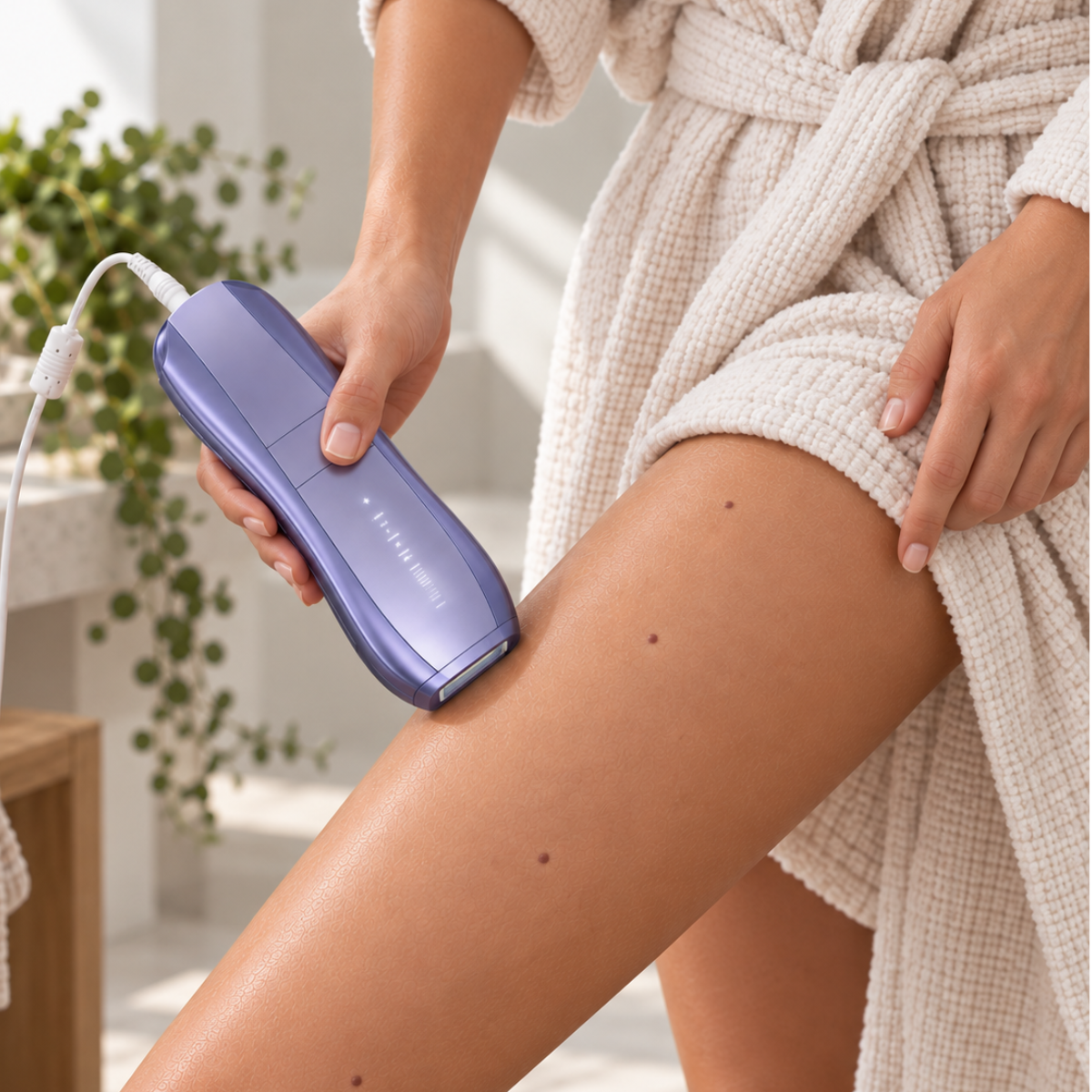
Can You Use IPL on Moles and Birthmarks?
Explore Beauty
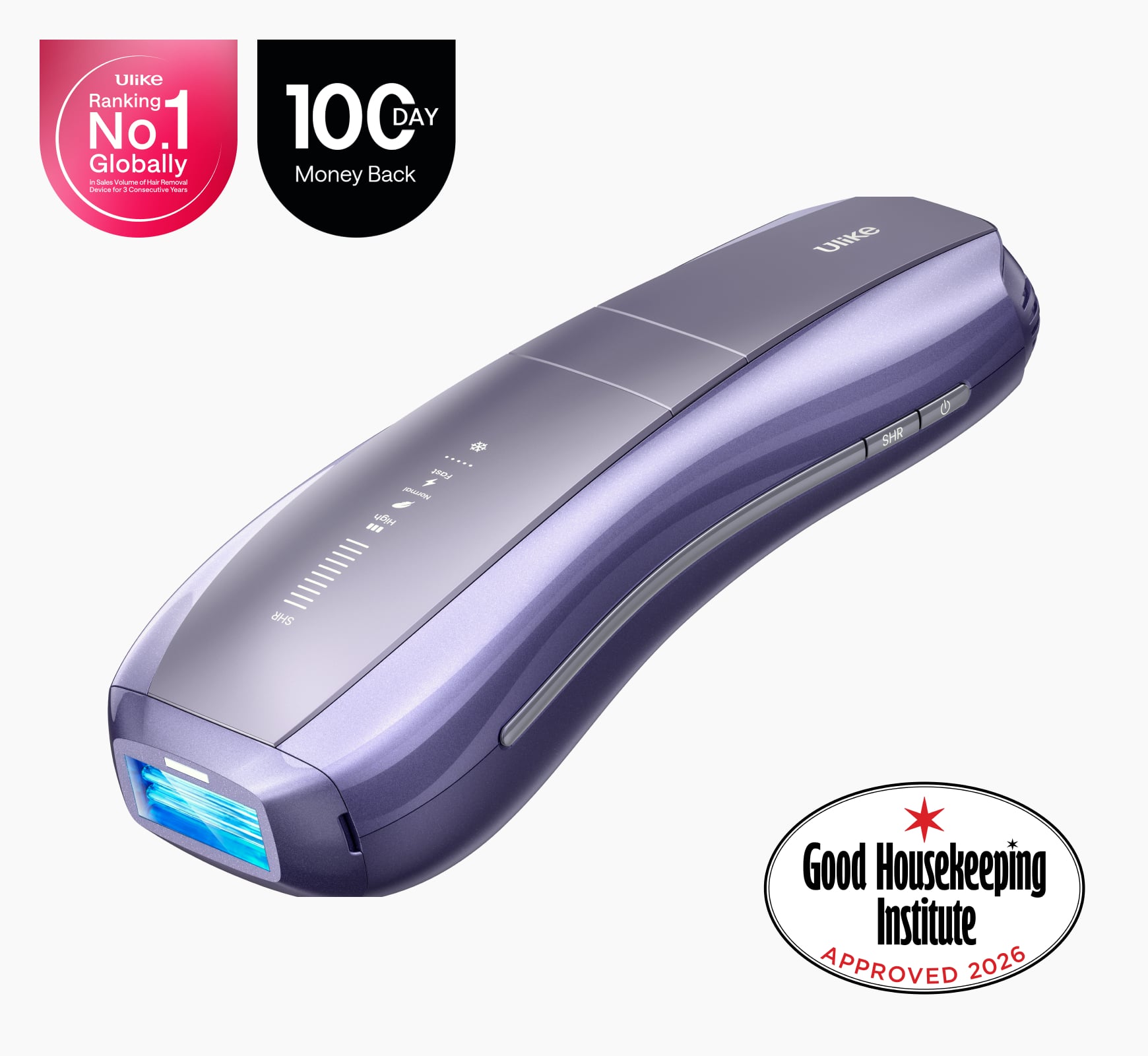
Ulike Air 10
2 weeks to silky smooth skin.
96% Hair Density Reduction in 2 Weeks
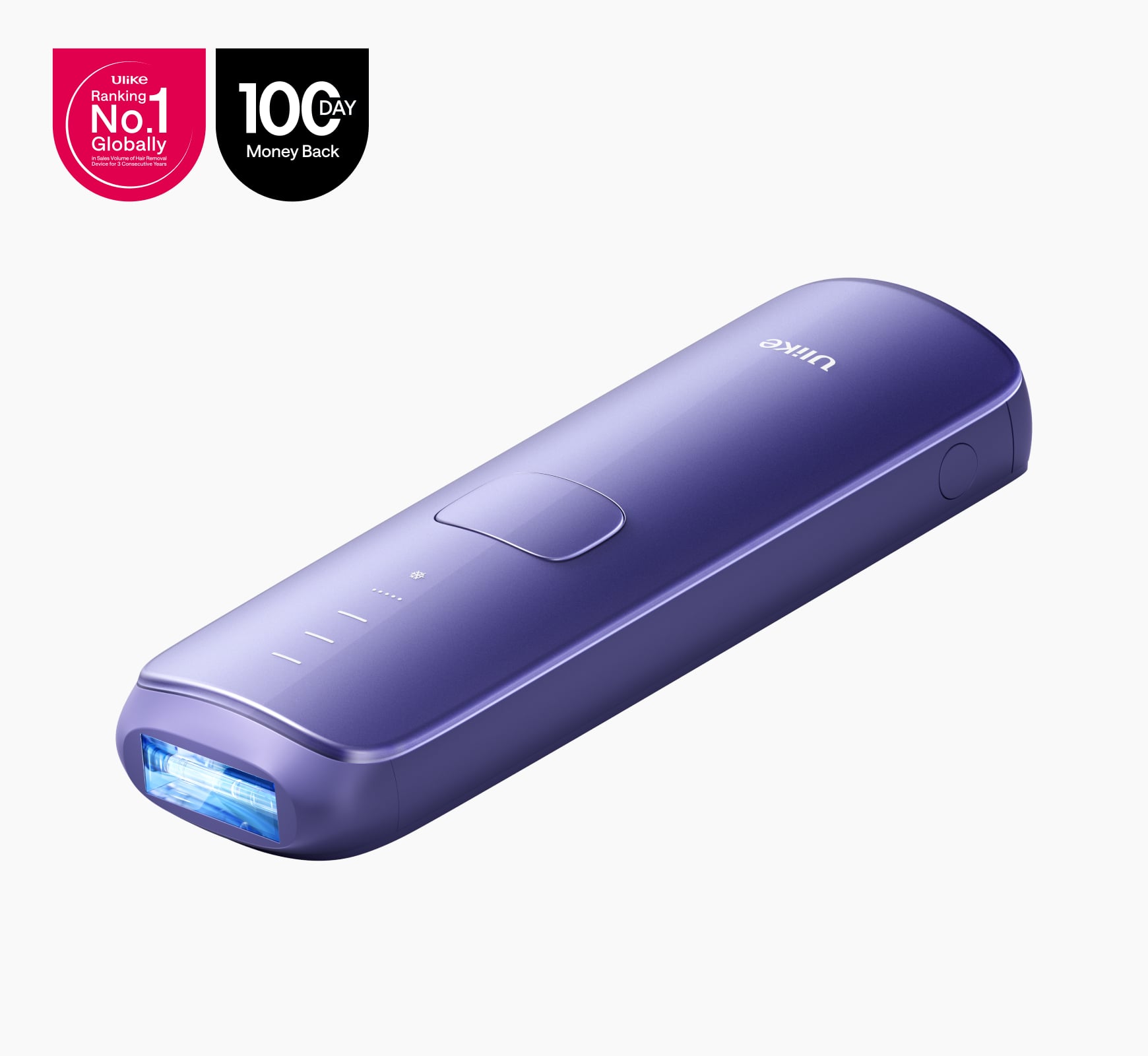
Ulike Air 3
3 weeks to silky smooth skin.
93% Hair Density Reduction in 4 Weeks
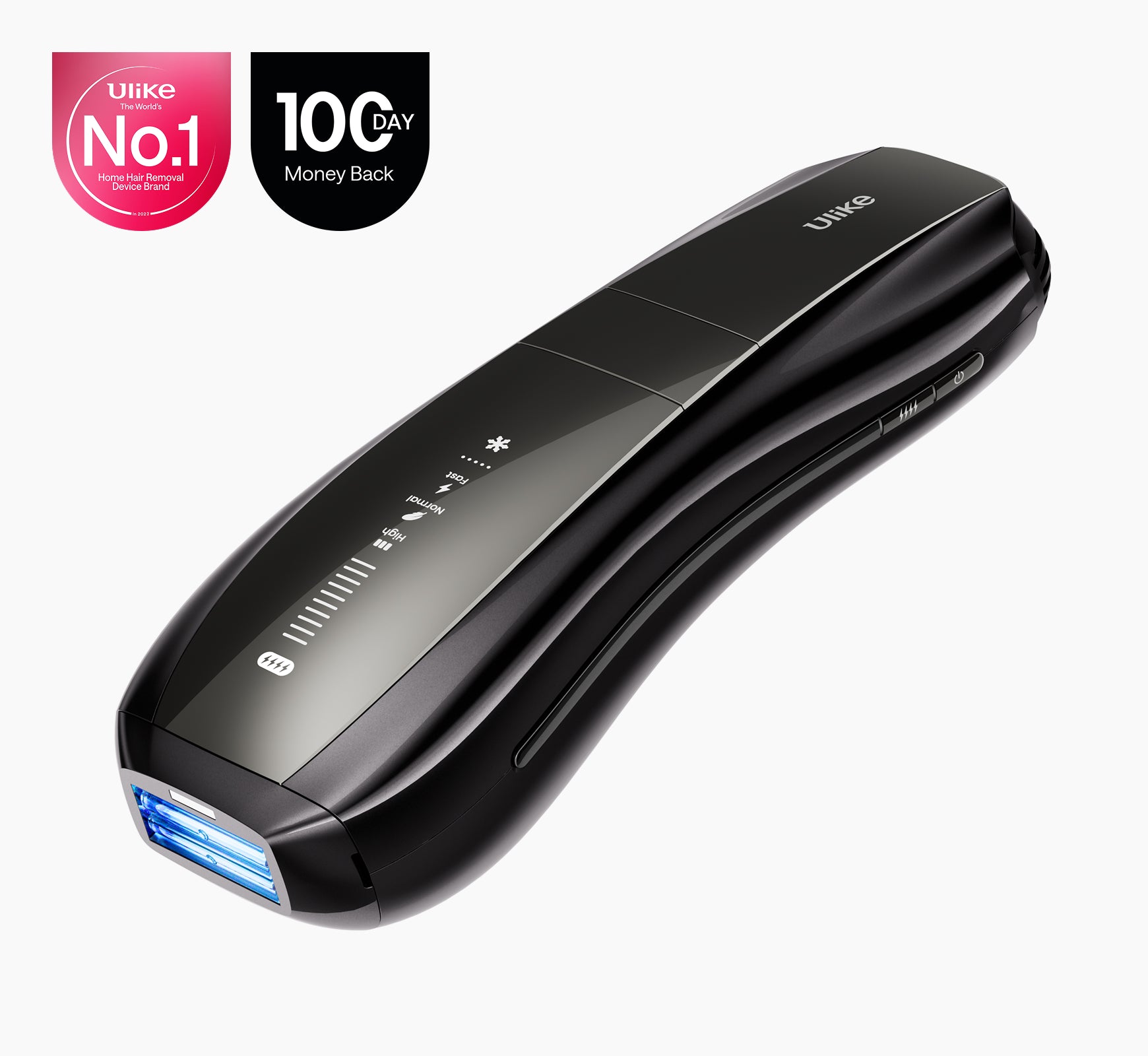
Ulike X
3 weeks to silky smooth skin.
94% hair reduction in just 2 weeks*
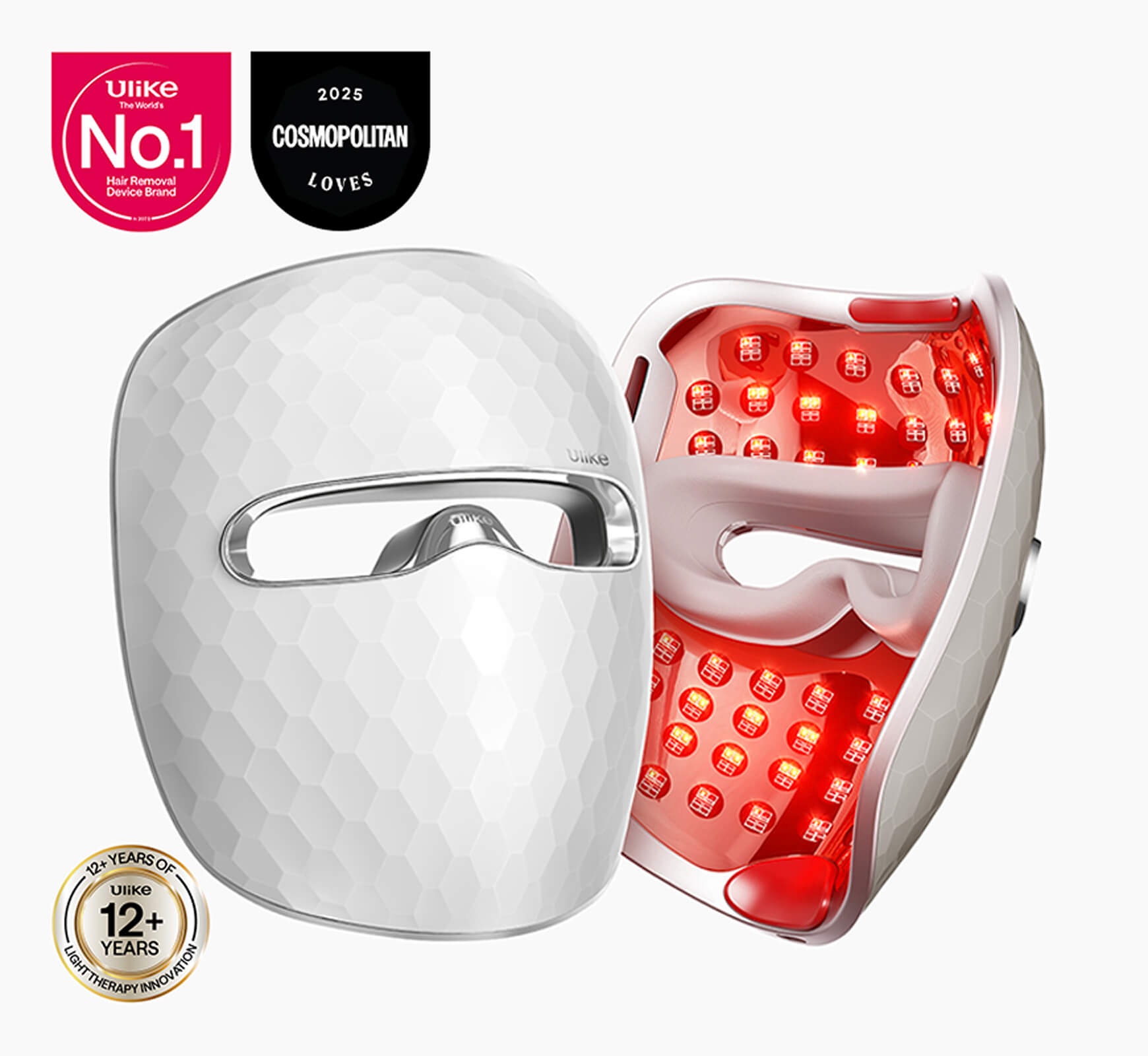
Ulike Reglow
Clearer skin in 2 weeks: Fewer breakouts
Smoother skin in 4 weeks: Fewer lines, firmer feel