



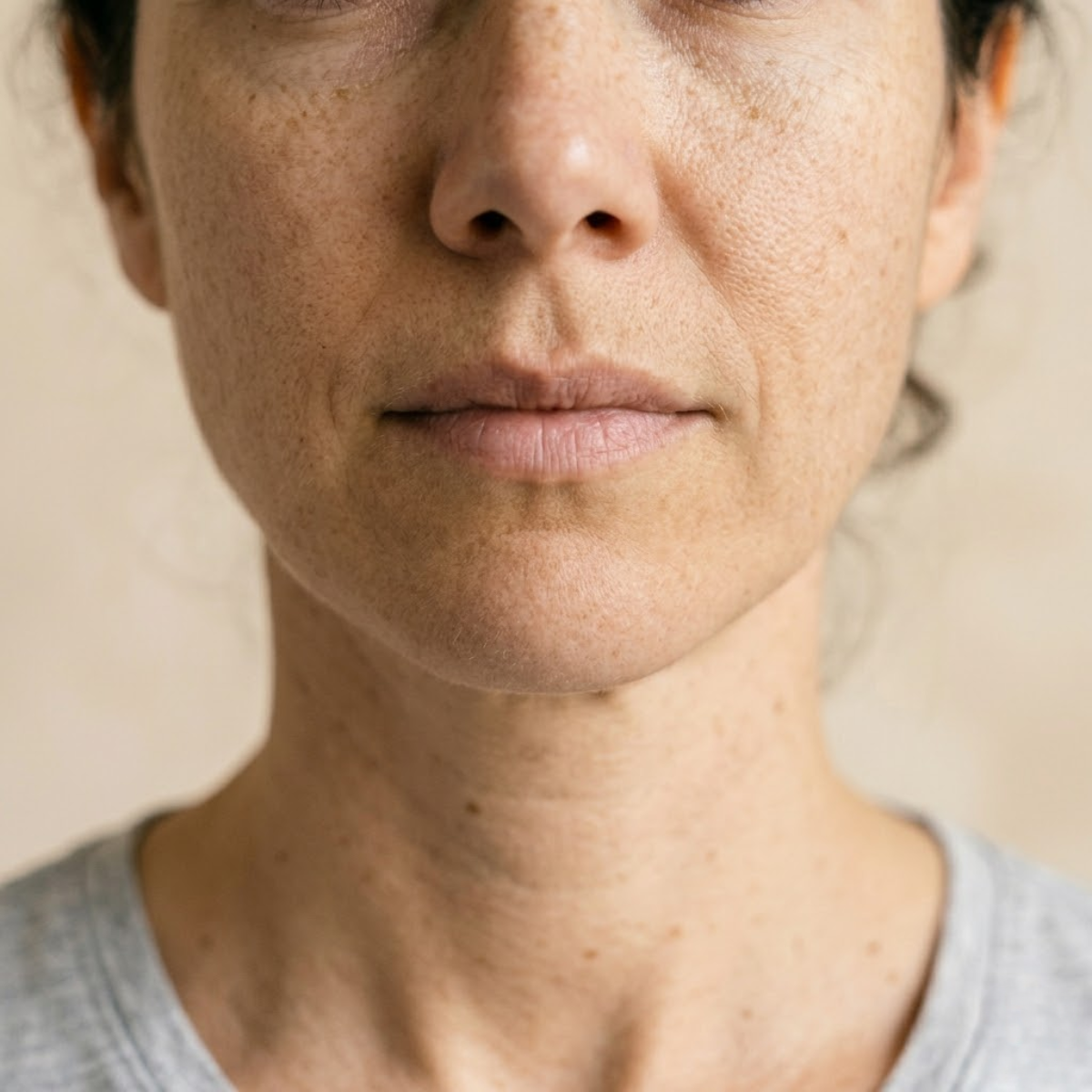
Upper Lip vs Chin vs Sideburns: How IPL Works Differently Across Your Face

Upper Lip vs Chin vs Sideburns
Facial hair is one of those things people tend to manage quietly, without making much of a fuss about it. Whether it is a few persistent hairs on the chin, a shadow above the upper lip, or sideburns that feel more defined than you would like, the reasons for wanting to reduce facial hair are as varied as the people dealing with it.
IPL has become a popular option for managing unwanted hair at home, and for good reason. It is less repetitive than shaving or threading, and over time it can significantly reduce how much grows back. But one question that comes up a lot, and does not always get a straight answer, is this: does IPL work the same way across the face?
The simple answer is “no”. Upper lip treatment is quite distinct from chin treatment, while there are factors to consider when dealing with sideburn hair as well. Knowing about these distinctions will make sure that you can form reasonable expectations regarding your treatment and avoid disappointment. This article discusses each region in detail.
Why Different Areas of the Face Respond Differently to IPL
IPL acts by focusing on the pigment that exists inside the hair strands. The energy goes down the hair and changes into heat once it reaches the hair follicle, thereby interfering with the hair cycle. If it does its job right, then new growth will be slow and sparse.
The reason results vary across the face comes down to a few things. Hair type and root depth differ significantly between the upper lip, chin, and sideburns. Hormone levels also play a role, particularly where hair is driven by conditions like PCOS or changes linked to perimenopause. And the skin itself is not uniform; some areas are thinner or more reactive than others.
Technique matters too. The face calls for a more careful, deliberate approach than, say, treating your legs. A smaller treatment window, a steady stamping motion, and a good understanding of which areas to avoid entirely all affect how safely and effectively IPL performs on facial skin.
The Upper Lip
The upper lip is one where many people feel particularly conscious, as well as one where they tend to be especially afraid to undergo treatment. This is because the skin here is quite thin, as well as due to its proximity to the mouth area. While that may be true, it does not necessarily imply that IPL cannot be carried out there.
IPL treatment is rather effective on most individuals when it comes to their upper lip. Hair growth in this region tends to be thinner compared to that found on the chin, and thin hair presents less resistance during treatment. You may notice the difference after four sessions, but it all depends on the colour of your hair and skin.
Remember that the IPL should not be applied directly to the lip surface. The IPL can only be applied to the skin just beyond the lip, while ensuring that the device does not come into contact with the lip surface.
Because the upper lip is such a small and curved zone, gliding the device across it does not work as well as using a stamp-and-lift motion. Place the head, flash, lift, and move to the adjacent spot. It takes a little longer but gives you much more control over where each flash lands.

What to Expect in the First Few Sessions
After your initial few sessions, you may start seeing signs of what seems to be ongoing hair growth. In most cases, what you see isn’t new hair but rather the old hair that was being treated and now shed. Normally, this should fall off within a week or two. Don’t try to pluck it out.
Some people find the upper lip is more reactive in the days before a period. If your skin tends to be more sensitive at that time of the month, it is worth adjusting your timing or dropping to a lower intensity setting during that window.
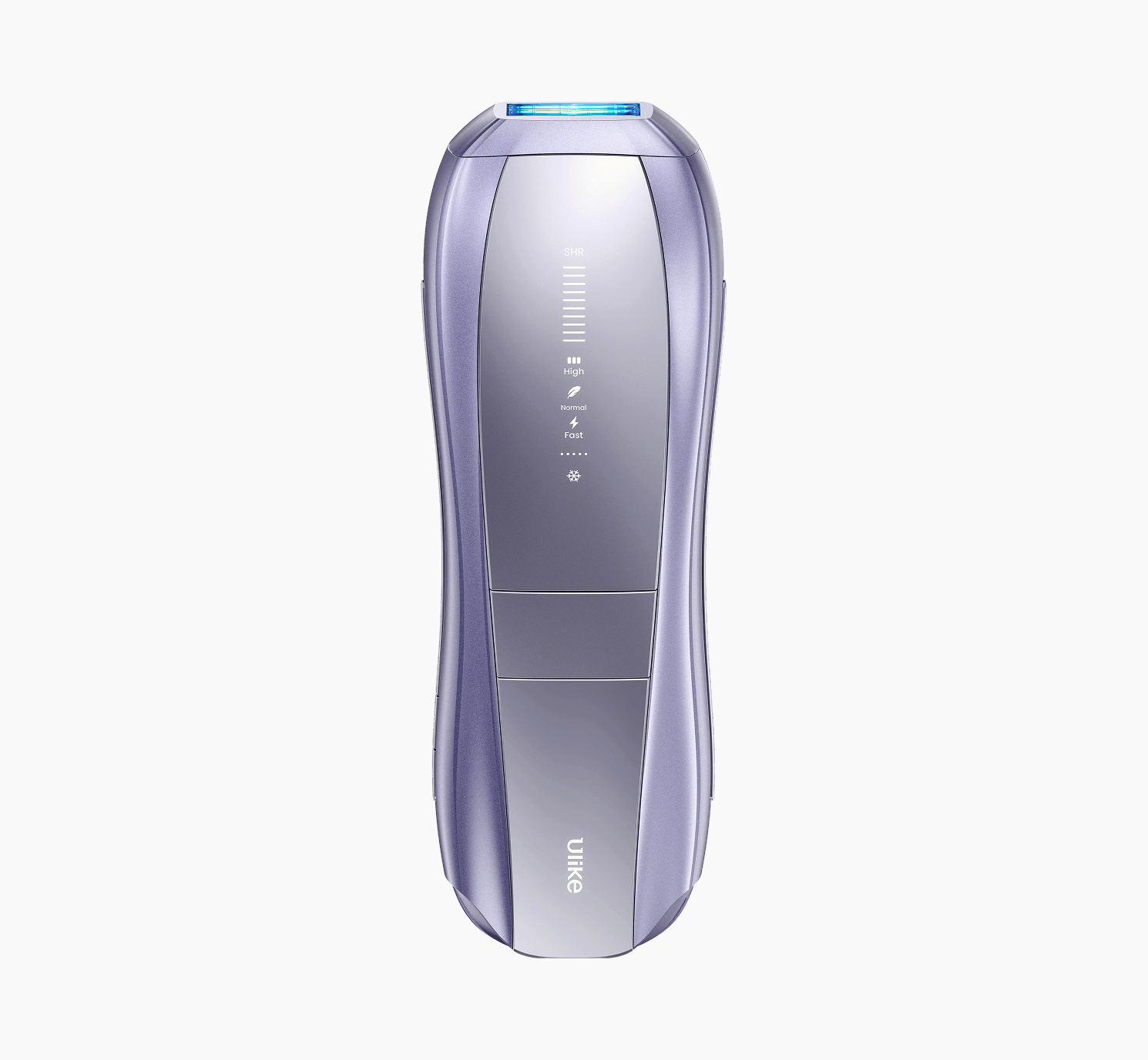
Any redness or warmth that may occur during the process is completely natural and should go away in a few hours. With devices that have cooling technology, such as the Ulike Air range of devices, the cool function can help make the process more enjoyable.
The Chin
The chin is where many people find IPL takes longer to show results, and it is worth understanding why so that the process feels less discouraging.
The chin hair is usually thicker and more deeply seated within the follicle than that of the upper lip. Thicker hair possesses a more vigorous life cycle, and consequently, it requires more effort to affect it through IPL treatment. While one could notice significant changes in the upper lip area after four treatments, the same may not occur until after six or even eight sessions on the chin area.
For people whose chin hair is driven by hormonal factors, including PCOS, thyroid changes, or perimenopause, results can take even longer and some ongoing maintenance is usually needed. IPL can still make a real difference in these cases, reducing how often and how densely hair grows back. But it tends to work more like management than a one-time fix, and it is better to go into it knowing that.
If you have not yet looked into the underlying hormonal cause of persistent chin hair, it is worth speaking to your GP. IPL can comfortably sit alongside any medical management you might receive; the two are not in conflict.

Hormonal Chin Hair: A Note on Managing Expectations
For anyone dealing with chin hair linked to PCOS or other hormonal conditions, IPL is still a reasonable option, but a little extra patience tends to be needed.
The honest picture: IPL reduces hair growth rather than eliminating it permanently. For hormonally driven hair, regrowth can be more persistent, and maintenance sessions every few months are likely to remain part of the routine. That is not a failure of the device; it reflects the ongoing hormonal influence on the follicle.
Chins also have more varied lines than upper lips, especially the jawline area. Be sure to use the stamp and peel method in this area as well. Be careful not to overlap flash, as this may irritate. Be sure to keep your skin calm after you perform your treatment. You may apply an unscented moisturiser, but no exfoliators or retinoids for 24 hours.
Sideburns
Sideburns tend to get less attention than the upper lip or chin, but for many women they are a genuine and long-standing concern. The good news is that IPL works well on this area for most people, and the approach is straightforward.
Sideburn hair texture can vary significantly. Lighter hair that is situated higher responds faster. Heavier hair situated lower needs more visits to make a change. In case your sideburns have light and heavy hair textures, initially, there may be an imbalance in hair loss, where light hair thins first while heavier hair follows later.
Here are two precautions that should be exercised. First, make sure that the razor stays away from the hairline area as well as the ear. Also, for those whose skin gets easily irritated or reddened, it may happen that this part of the face reacts more to shaving than others, making it wise to begin at a low intensity level.
A note for male readers: at-home IPL is not well suited to treating male facial hair on the chin, upper lip, or sideburns. Men's facial hair tends to be too dense and deeply rooted for the technology to handle effectively in this context, and trying to treat it can cause skin reactions. Women treating sideburn-area hair are in a different position, where the hair is typically much finer and responds accordingly.

A Quick Comparison: Upper Lip vs Chin vs Sideburns
To bring this together in plain terms, here is how the three areas compare for most people:
Upper lip: Usually the quickest to respond. Hair is typically finer, which makes it a better match for IPL. Technique requires care because the zone is small and the skin is thin, but results often come through within the first few months of consistent treatment.
Chin: Often the most persistent. Coarser, more deeply rooted hair means more sessions are generally needed. Hormonal factors can slow progress further and mean ongoing maintenance is part of the picture. Still very much worth treating, but patience is part of the deal.
Sideburns: Variable, depending on hair texture. Finer hair responds well and relatively quickly. Coarser hair near the jaw needs more time. Overall a manageable area with sensible technique.
Practical Notes for Treating Facial Hair with IPL
These points apply across all three areas. They are the things that tend to make the biggest difference in how well treatment goes.
Shave the day before. Not the morning of, the day before. This gives the skin a chance to settle and means the device's energy is focused at the follicle rather than the visible hair shaft.
Start on a lower intensity. Use a lower level initially since the facial skin reacts faster compared to the skin covering the rest of the body. It does not help to start with the maximum level right from the beginning.
Consistency with the schedule is very important. It is because the hair growth occurs in cycles, and IPL treatment targets the hair in certain cycles only. When you treat irregularly, the process will get delayed.
Keep the skin clean before each session. There should be no sunscreen, moisturiser, or any type of make-up applied to the skin before undergoing the treatment.
Avoid sun exposure before and after treatment. Tanned skin, whether natural or fake tan, upsets the melanin ratio and hence causes burn danger. Try as much as possible to shield the treated portion from the sun for at least 48 hours after each treatment.
Wait before using active skincare. The use of Retinol, AHAs, and others should be reserved until 24 hours following treatment, during which time the skin is still sensitive and does not require the extra stimulus.
If the skin feels warm or tight after a session, a clean cool compress is enough to settle it. No need for anything elaborate.
If you are not sure which device suits your skin, the Ulike quiz can point you in the right direction before you begin.
Questions People Often Ask
Can I use IPL on my upper lip if I have sensitive skin?
Yes, but it is advisable that you begin with a low intensity level and do a patch test before using the device. Your lip area might react to heat differently from other parts of the face. After 24 hours of your patch test, proceed accordingly. But if you experience extended redness or irritation, reduce the level or increase spacing between sessions.
Why is my chin taking so much longer than my upper lip?
Chin hair is usually coarser and more deeply rooted, which means the growth cycle is harder for IPL to disrupt quickly. If your chin hair is hormonally driven, that adds another layer of persistence. It is not a sign the device is not working. That area simply needs more time and more sessions to show the same level of reduction.
Is it safe to use IPL on sideburns?
Yes, in most cases. Do not place the device near your hairline and ear, use a lower intensity if you have reactive skin, and do not treat the area if you have been or will soon be exposed to the sun. Finer hairs closer to your head will clear more quickly than the coarser hairs near your jawline.
How many sessions will I need before I notice a difference on my face?
Generally, most people will notice a decrease in hair regrowth after the fourth and sixth treatments, although this largely depends on hair type, skin complexion, and adherence to the programme. Upper lips generally respond faster to the procedure than chins, which may have hairs that are hormone-dependent.
Should I use a different intensity setting for my upper lip compared to my chin?
One should be a little bit more careful when working on the upper lip, as the skin here is relatively thin. People tend to use a higher intensity while working on their chin area. The guidelines that come along with the device will help you to have an idea of where to start from.
Can people with PCOS use IPL for facial hair?
Yes, and many do find it helpful. Results tend to take a little longer and require more ongoing maintenance than they would without an underlying hormonal factor. Progress is still very much possible, but a little extra patience with the chin and upper lip is usually needed. If you have not already spoken to your GP about managing the hormonal side of things, that is worth doing alongside your IPL routine.
Wrapping Up
The upper lip, chin, and sideburns each have their own character when it comes to IPL. The upper lip tends to be the most straightforward. The chin asks for more patience, especially where hormones are involved. Sideburns fall somewhere in between, depending largely on hair texture.
The most important thing when it comes to all three aspects is consistency. Attending the appointments on time, maintaining the treatment method consistently, and being realistic with yourself will get you far ahead compared to rushing the procedure with increased settings or sessions.
If you are thinking about getting started or want to understand which Ulike device suits facial use, it is worth checking the skin tone compatibility guide before you buy. IPL works best when there is enough contrast between your hair colour and skin tone, and knowing where you stand on that before you begin saves a lot of guesswork later.
Results vary from person to person. But for most people treating these three areas, the reduction over time is noticeable, and the routine becomes far less demanding than whatever they were doing before.

How to Clean an IPL Hair Removal Device Safely

Can You Use IPL on Arms? Will It Work on Your Hair?

When Does IPL Hair Start Shedding? Signs It’s Working
Explore Beauty
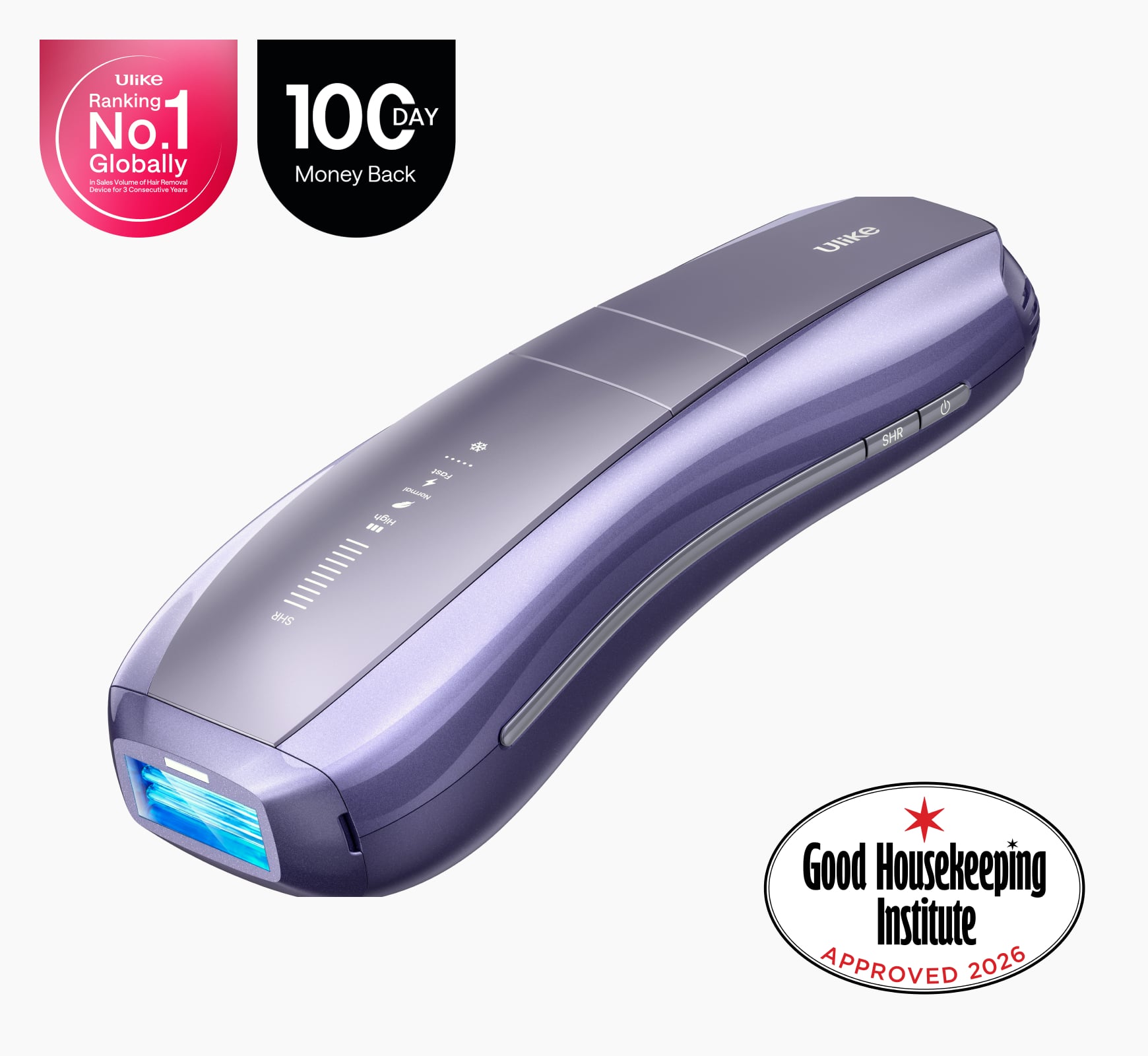
Ulike Air 10
2 weeks to silky smooth skin.
96% Hair Density Reduction in 2 Weeks
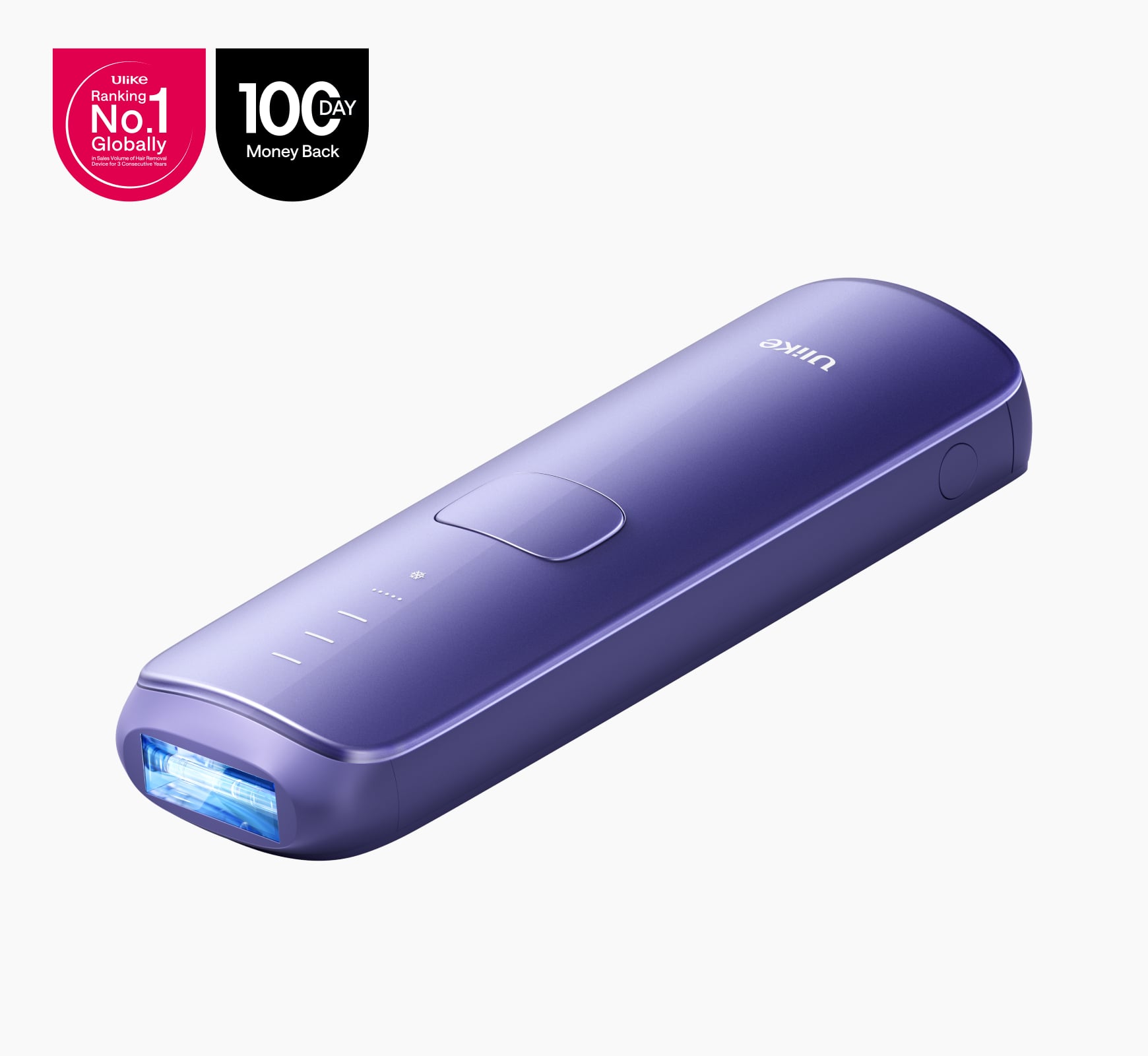
Ulike Air 3
3 weeks to silky smooth skin.
93% Hair Density Reduction in 4 Weeks
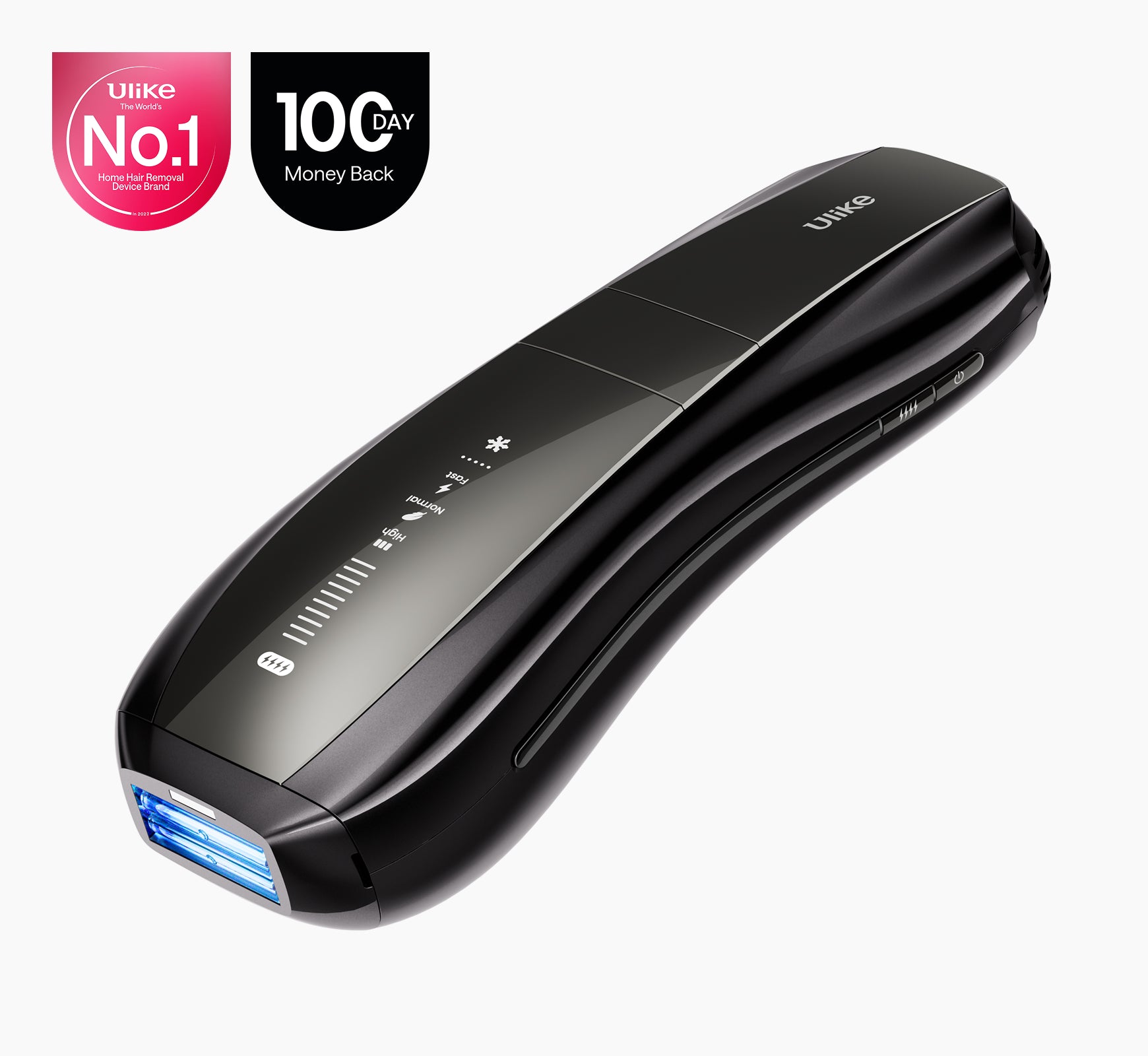
Ulike X
3 weeks to silky smooth skin.
94% hair reduction in just 2 weeks*
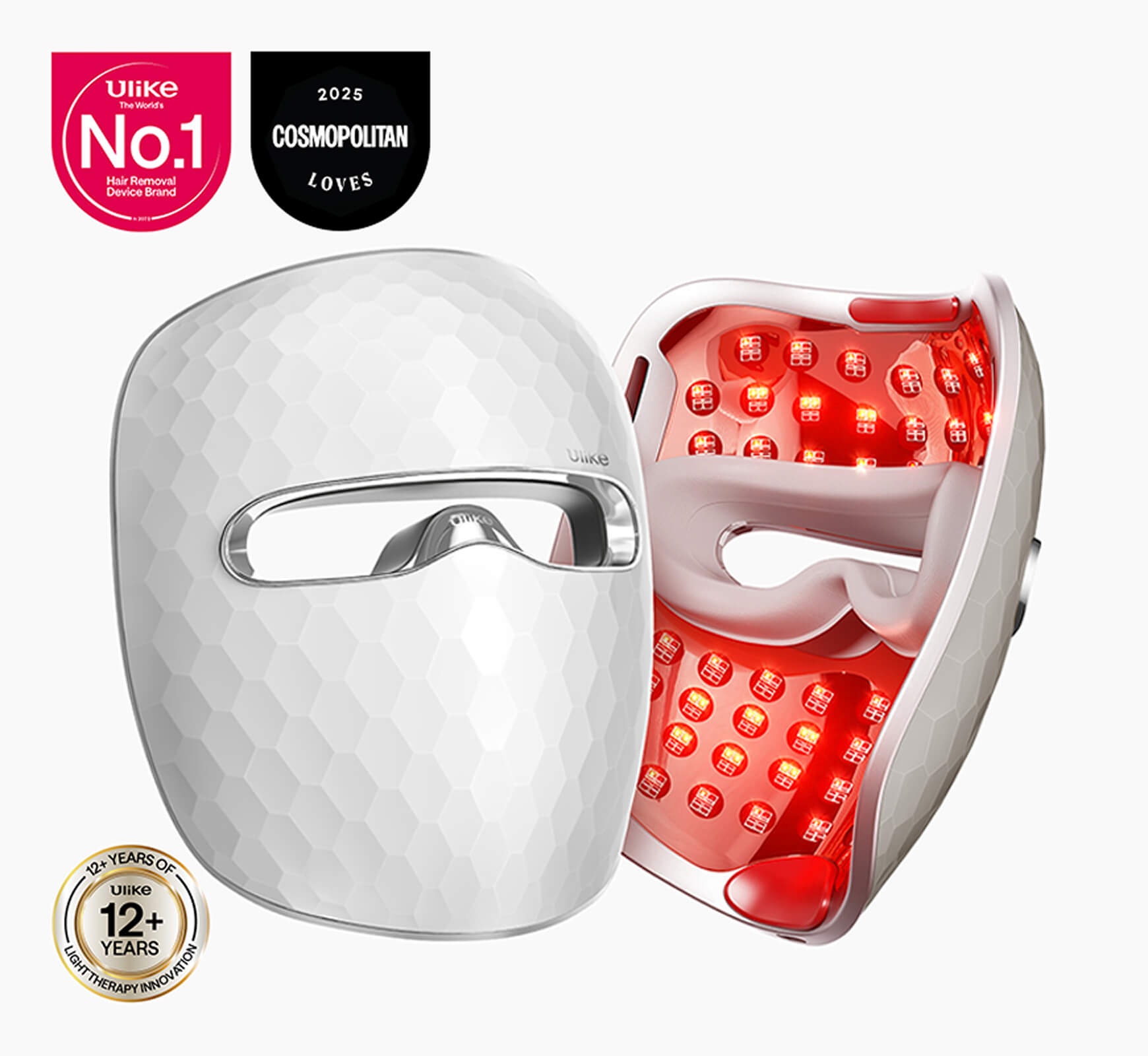
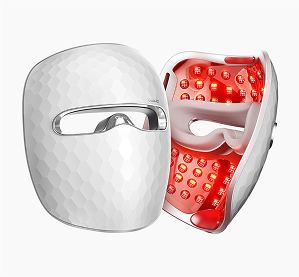
Ulike Reglow
Clearer skin in 2 weeks: Fewer breakouts
Smoother skin in 4 weeks: Fewer lines, firmer feel