



Ulike Air 10 Results: My 12-Week IPL Hair Removal Experience
I used the Ulike Air 10 for 12 weeks across legs, underarms, and bikini line. Here are my real results, weekly changes, and what actually worked.
I used the Ulike Air 10 for 12 weeks across legs, underarms, and bikini line. Here are my real results, weekly changes, and what actually worked.
By Sarah M., 31 — London | Skin tone: light-medium (Fitzpatrick II–III) | Hair colour: dark brown

Ulike Air 10 results are what I was trying to find before I started this. Twelve weeks ago I was shaving my legs every other day and my underarms every single morning. Not because I particularly wanted to, but because it had become automatic. Razor, foam, rinse, repeat.
The idea of IPL had been on my radar for a while, but the price point always made me hesitate. Every “results” article I came across online also read a bit too polished, almost like a press release rather than something someone had actually lived through.
So this is the version I wish I had found before I started. Week by week, including the slow parts.
I also realised early on that my expectation was slightly off. I thought IPL would feel more definitive, like you reach a point where hair clearly just stops growing in a way you can see straight away. That is not really how it works in practice, and I did not fully understand that at the beginning.
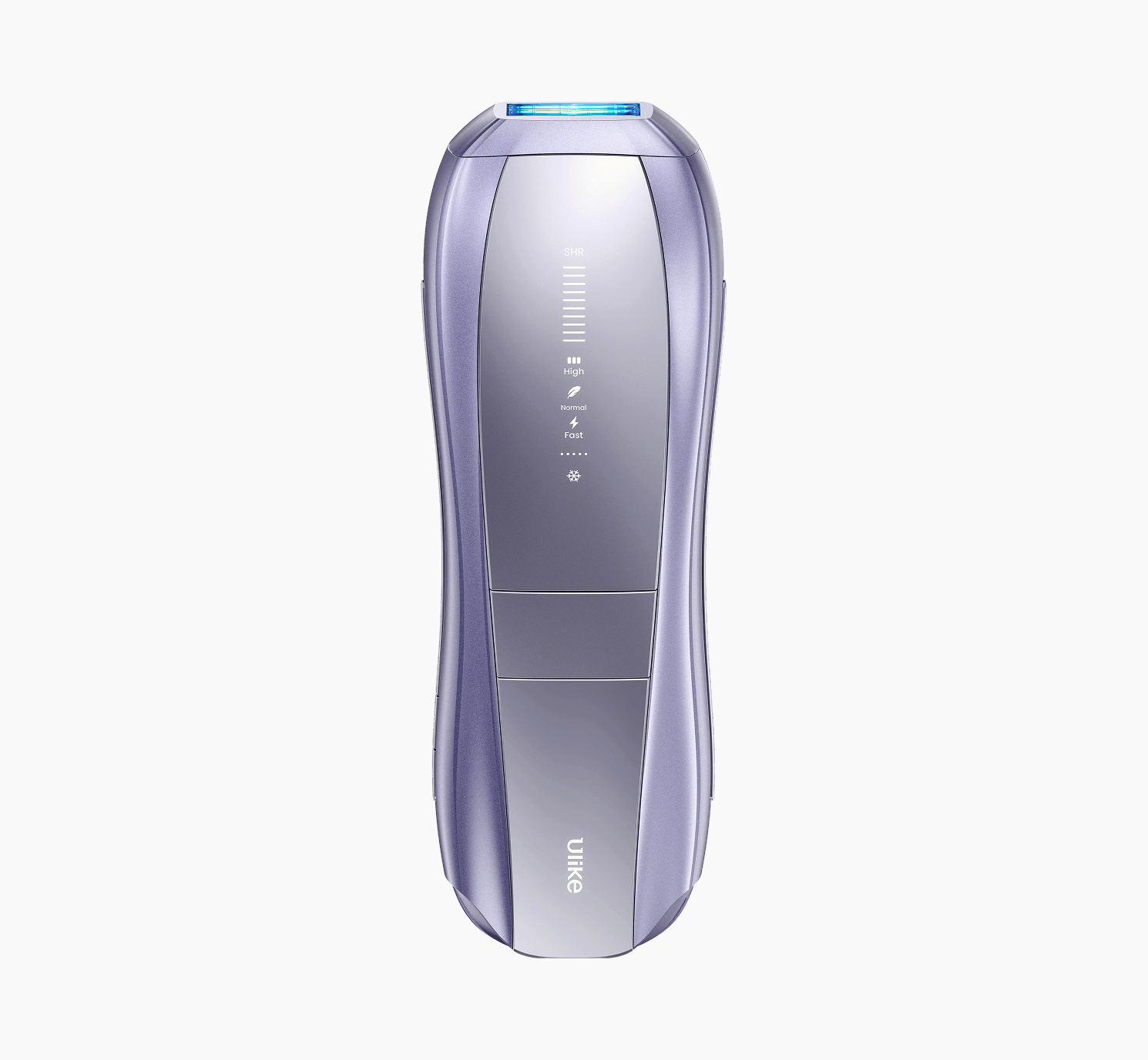
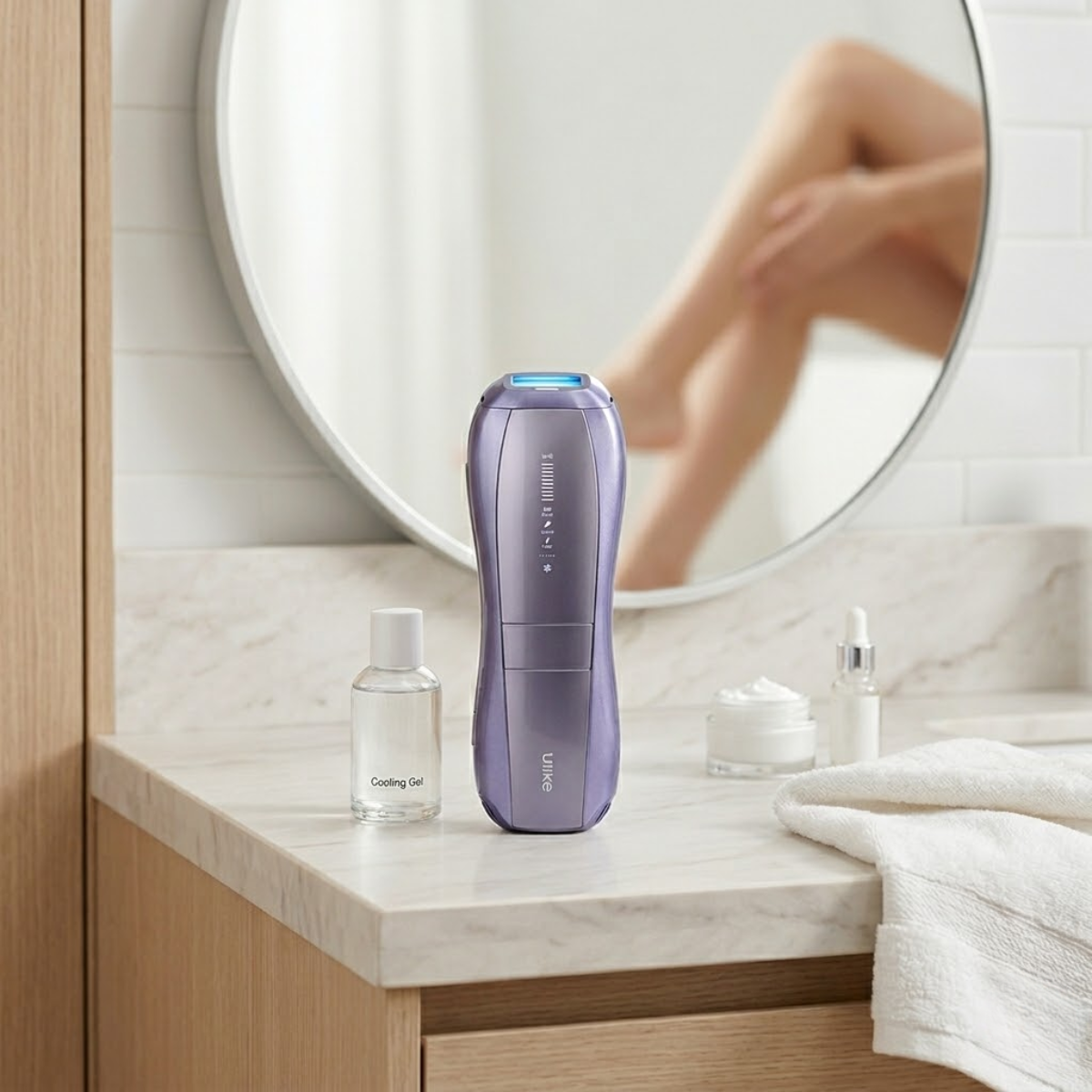
The device I used throughout is the Ulike Air 10, which sits at the top of Ulike’s current range. I used it on my lower and upper legs, underarms, and bikini line. I did not test it on my face, even though the Air 10 is cleared for facial use, because that felt like a separate experiment on its own.
First Session: What the Ice-Cooling Actually Feels Like
Before the first session, I spent about ten minutes with the device doing a skin tone reading. The Air 10 has a built-in sensor that reads your skin tone before each session and adjusts the intensity accordingly. That feature matters more than it sounds because overexposure on the wrong setting is one of the main causes of post-IPL irritation.
My reading placed me at a mid-range intensity for the legs and slightly lower for the bikini area, which the device flagged automatically. I shaved the night before, as recommended. The light targets pigment in the follicle beneath the skin’s surface, so any surface hair just absorbs the energy before it can reach the root, which defeats the purpose entirely.
 The sensation is where the Ulike surprised me most. Everything I had read described IPL as feeling like a hot spoon against the skin, so that is what I expected. Instead, I felt a brief warmth followed by a cooling pulse from the Sapphire ice-cooling system, which runs continuously across the treatment window rather than only at the tip. It is not completely sensation-free, but “mild warmth” is actually a fair description rather than marketing language. On the bikini line it was more noticeable, a sharper flicker, but still not strong enough that I needed to lower the setting.
Full legs, underarms, and bikini line took about 22 minutes.
Week 0 note: I remember looking at my legs that evening and thinking nothing had changed at all. Now I realise that is exactly how it is supposed to start. At the time I was expecting some kind of immediate visible shift, but that was not realistic.
Weeks 1–4: The Patience Phase
I’ll be honest, nothing really dramatic happens in the first four weeks. If you go in expecting your hair to just stop growing after one session, you will probably end up thinking it is not working. I did have that expectation a bit, even if I told myself I did not.
What actually happens is slower and less obvious. The hairs that were in the growth phase at the time of treatment get disrupted, then they shed over the next week or two. The confusing part is that it does not look like shedding at first. About ten days after my first session, I remember looking down and thinking everything looked the same, maybe even a bit worse. But when I actually touched the hairs, they were coming away instead of growing properly. That was the first moment I realised something was happening, even if it did not look like it yet.

I did my second session at the two-week mark. Same routine each time. Shave the night before, quick skin check on the device, then go through everything.
By the end of week four, after two sessions, I was still shaving like normal, but my underarms had started to feel slightly different. Not in a dramatic way. Just softer, less stubborn. It is hard to explain in a clear before-and-after way. The legs, though, felt unchanged at that point, which actually made me doubt it a little.
Week 2 note: I had written down that I was still shaving on autopilot. Nothing felt different in the moment. The only thing I noticed in hindsight was that my underarms were less irritated after shaving, but I did not connect that to anything at the time.
One thing I did not expect was a bit of redness on the bikini line after the second session. It lasted maybe a couple of hours and then disappeared. It was not painful, just noticeable. I was slightly aware of it at the time, but it never came back after I started using a light moisturiser afterwards.
Weeks 5–8: When It Actually Starts Working
Session three felt like the turning point for my underarms.
By week six, I had gone from shaving them every morning to maybe once a week. I want to be specific here because vague phrases like “less hair” do not really help anyone decide. It was a real shift from seven shaves a week down to around one. The regrowth also did not look uniform anymore. Some areas barely grew back at all, while others were still there but noticeably finer.
The legs took longer. By week eight, the lower legs were clearly improving. I would estimate roughly a 50 to 60 percent reduction in visible regrowth between shaves. I also went from shaving every two days to something closer to every five or six. The upper thighs were slower, which I later found out is pretty common since the hair there tends to be finer and lighter. There is just less pigment for the light to actually target.
The bikini line sat somewhere in the middle. It improved, but not as quickly as the underarms. I remember realising this was not going to be a uniform process across the body. I had expected everything to change at the same pace once it started working, but it felt more like each area had its own timeline.
What stood out most during this phase was not just the reduction in hair, but the time I was not spending on it anymore. Not just the act of shaving, but the constant mental check of whether I needed to do it. Planning around it without realising I was planning around it. It sounds small, but it builds up over time.
The ice-cooling still made the process comfortable enough, even on sensitive areas. I kept the intensity one step below the highest setting on the bikini line, not because of pain, but because I was still slightly cautious after the early redness I had seen. Looking back, that caution was probably unnecessary by this stage, but I never felt the need to push it.
One thing I became more aware of was sun exposure during this period. Sessions four and five were in early summer, so I was much more consistent with SPF on treated areas than I normally would be. The guidance strongly recommends it because treated skin can be more sensitive in the days after a session. It is not usually a major issue, but it can increase the chance of temporary pigmentation changes if you are careless with it.
Weeks 9–12: The Final Picture
By week twelve, after six sessions over three months, it just felt like things had shifted without me really noticing when it happened.

Underarms: roughly around an 85 to 90 percent reduction in regrowth. I only shave them maybe twice a month now, and even then it is more for smoothness than because anything is really coming back. That area felt like the most obvious win.
Lower legs: around 65 to 70 percent reduction. I shave them about once a week now, sometimes less. What grows back is also different from before. It is finer and less noticeable, not the same coarse regrowth I started with.
Upper legs/thighs: around 30 to 40 percent reduction. That matched what I started noticing earlier on, where that area just did not respond as strongly. It makes sense now that the hair there is finer and lighter, so there is less for the light to target.
Bikini line: roughly 75 percent reduction. Noticeably improved, but still not quite at the level of the underarms.
These are not Ulike’s figures. They are my own rough estimates based on how often I was shaving compared to before I started. That ended up being the only measurement that felt honest enough to rely on.
Week 10 note: This was the first point where I stopped “checking” if I needed to shave before going out. I just assumed I didn’t. That small shift was more noticeable than the actual reduction in hair growth.
I also came out of it understanding something I did not really appreciate at the beginning, which is that this is not permanent hair removal. It is more like long-term reduction. Things still need maintenance every couple of months, but even that feels completely different to what I was doing before.
What I did not expect was how much of it was not about appearance at all. It was more the constant low-level thinking about shaving that just disappeared. I did not realise how often I was factoring it into decisions until I stopped doing it.
Who Gets the Best Results and Who Should Temper Expectations
One thing I kept coming back to is that the Air 10 does feel more forgiving than older IPL devices, mainly because of the skin sensor and the ice-cooling. It makes it easier to use without overthinking settings. But the actual way IPL works has not really changed.
At its core, it still relies on targeting melanin in the hair follicle. That is why it tends to work best when there is a clear contrast between hair and skin, usually darker hair on lighter skin. That combination just gives the light more to latch onto.
In my case, with dark brown hair and a light to medium skin tone, it made sense that I was seeing fairly strong results. I can see why people in that range tend to report the best outcomes.
It is a bit more mixed if the hair is lighter. Even things like dark blonde or auburn still respond, but it is slower and less complete. The device is still doing something, it just does not have as much pigment to work with. And with very light blonde, grey, or white hair, there is not really enough melanin for IPL to be effective in the first place.
Skin tone matters in a different way. With deeper skin tones, the sensor is mainly there as a safety layer. It stops the device from firing at intensities that could affect the skin itself, since there is more melanin there too. It still can be used, but results tend to vary more, and it usually makes sense to start low and be more gradual with it.
There is also the hormonal side that is easy to overlook. If someone has something like PCOS, IPL can still reduce existing hair, but new growth can keep appearing over time because of ongoing hormonal activity. So the results are still there, they just need more maintenance to hold.
The Practical Realities Nobody Mentions
A few things I wish I had properly understood before starting.
Shaving properly before each session actually matters more than I expected. It is not just a prep step you can be loose with. If you shave too early or skip it, the results are weaker. I only realised that after doing it slightly wrong once and noticing the difference after. After that it just became part of the routine without thinking about it.
Consistency also turned out to matter in a quiet way. I did not panic if I was a day or two off, but when I stretched the gap to closer to three weeks instead of two, I could tell things were a bit slower afterwards. Not a reset or anything dramatic, just less progress than when I stayed regular.
There was also the retinol thing, which I only came across while reading skincare forums rather than anything obvious in the instructions. If you are using retinol or tretinoin on the areas you are treating, it is better to pause it for several days before a session. It makes sense once you think about how sensitive the skin can be during IPL, but it is not something I would have known at the start.
One thing I also did not properly factor in is how long-term the device actually is. There is no feeling of “running out” of treatments because it is built for a very high number of flashes. So it is not like replacing parts or refilling anything. That changes how you think about the cost over time. When I compared it to salon sessions in the UK, where each visit is already quite expensive, it started to feel more like a one-time purchase you just keep using rather than an ongoing expense.
Frequently Asked Questions
How long does it take to see results with the Ulike Air 10?
From what I experienced, the first changes showed up somewhere around weeks three to five. It was not dramatic at that point, more like slower regrowth and softer hair. The clearer shift came closer to weeks six to eight. By the time I finished the full twelve weeks, that is when it felt properly noticeable.
How many sessions does Ulike IPL require?
The standard initial course is six sessions over twelve weeks, treating every two weeks. After that, maintenance sessions every eight to twelve weeks help preserve results. Areas like the underarms typically respond faster than larger areas like the legs.
Does Ulike IPL permanently remove hair?
No, and that is true for IPL in general, not just this device. It reduces hair growth over time, sometimes quite significantly, but it does not completely remove every follicle for good. Some regrowth tends to come back eventually, which is why maintenance sessions still matter.
Is the Ulike Air 10 better than the Philips Lumea?
I think it depends on what you care about. The Air 10 felt more comfortable to use, especially on sensitive areas, mainly because of the cooling. The Philips side seems stronger on app guidance and has been around longer. I would not say one is clearly better overall, it is more about preference in how you want to use it.
Can you use the Ulike Air 10 on your face?
Yes, it is approved for facial use, but not around the eyes or eyebrows. I would be careful with settings here, especially at the start. Lower intensity makes more sense until you know how your skin reacts.
What happens if you stop using IPL?
From what I understand and what I have seen, hair slowly comes back over time if you stop completely. It is not like electrolysis where follicles are permanently destroyed. That is why maintenance sessions exist. It just stretches out the time between regrowth rather than removing it entirely.
The Air 10 is available on Ulike's UK site, alongside the Air 3 if you want a lower entry price point with the same core technology. If you're not sure which device matches your skin and hair profile, the IPL quiz takes about two minutes and gives a reasonably useful recommendation.
Twelve weeks is enough time to know whether IPL is working for you. For me, it was.

How to Clean an IPL Hair Removal Device Safely

Can You Use IPL on Arms? Will It Work on Your Hair?

When Does IPL Hair Start Shedding? Signs It’s Working
Explore Beauty
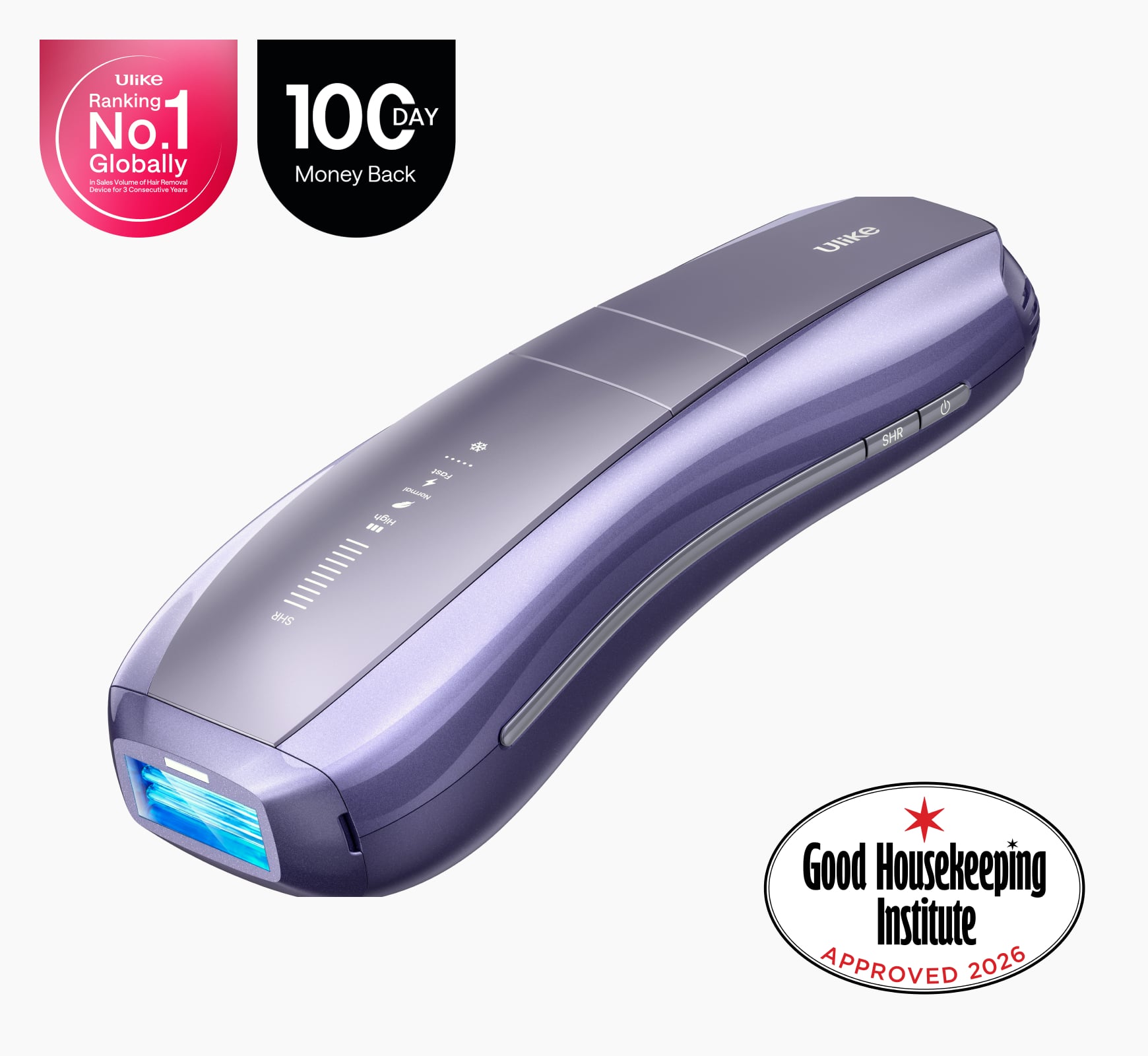
Ulike Air 10
2 weeks to silky smooth skin.
96% Hair Density Reduction in 2 Weeks
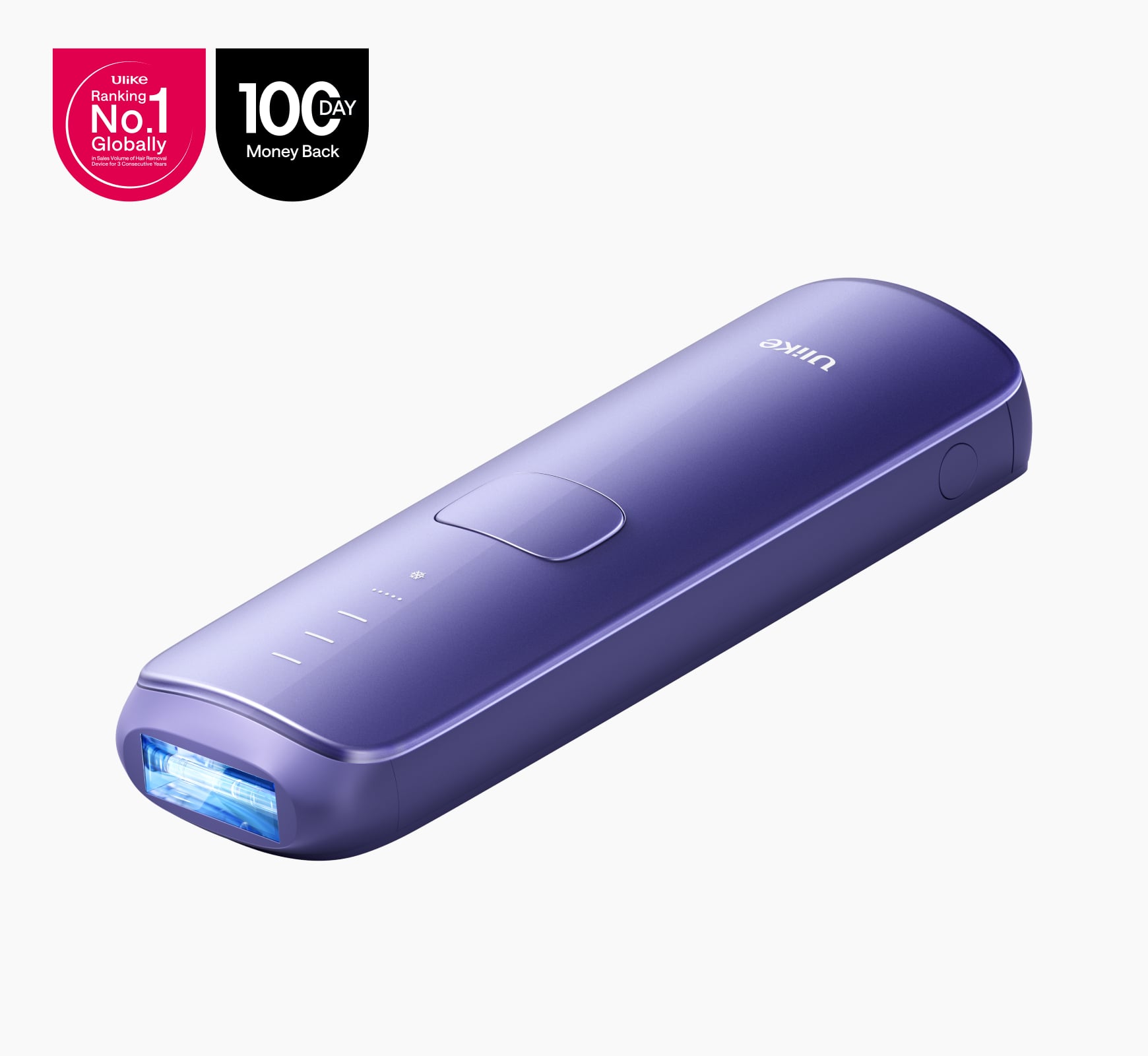
Ulike Air 3
3 weeks to silky smooth skin.
93% Hair Density Reduction in 4 Weeks
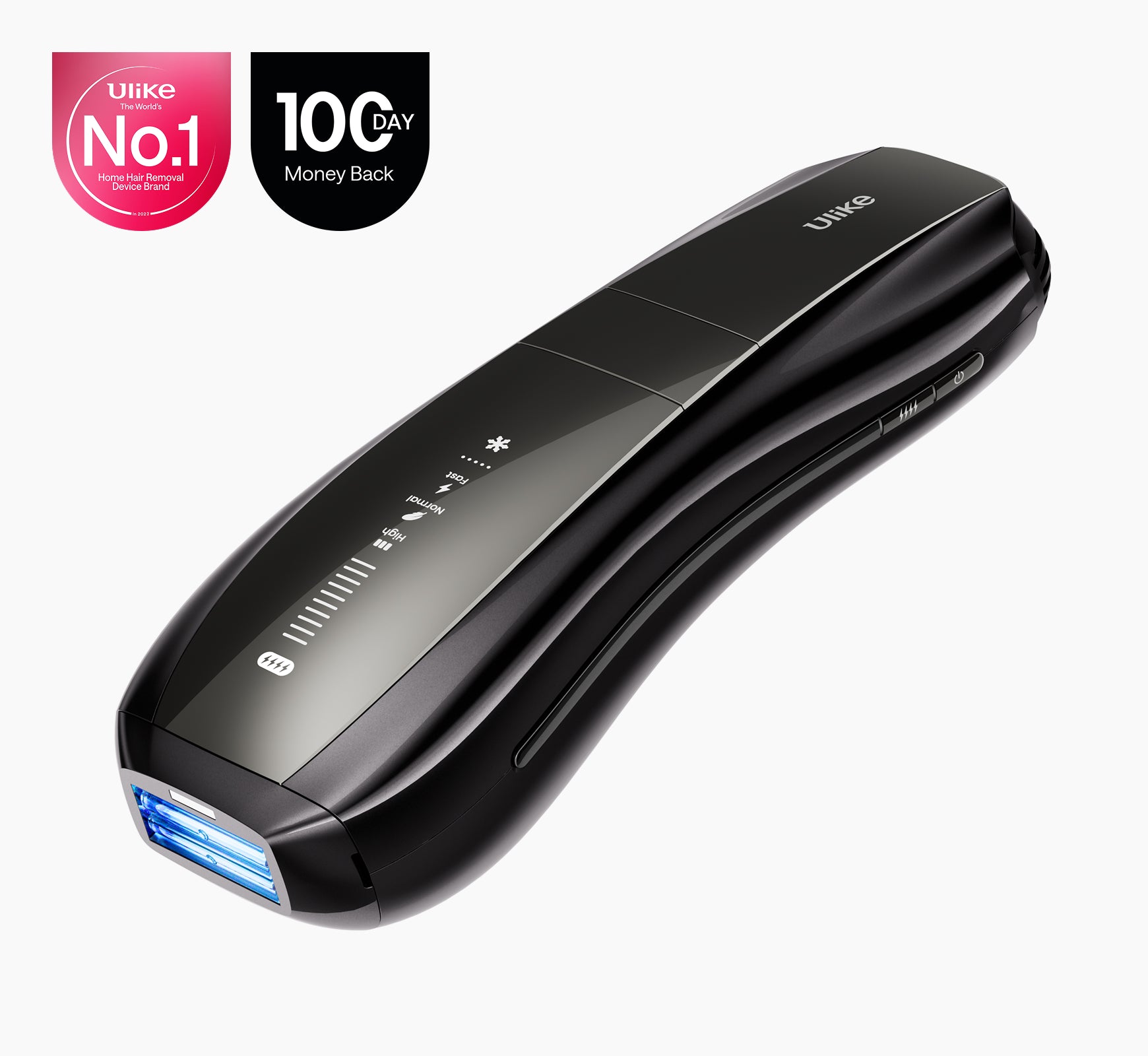
Ulike X
3 weeks to silky smooth skin.
94% hair reduction in just 2 weeks*
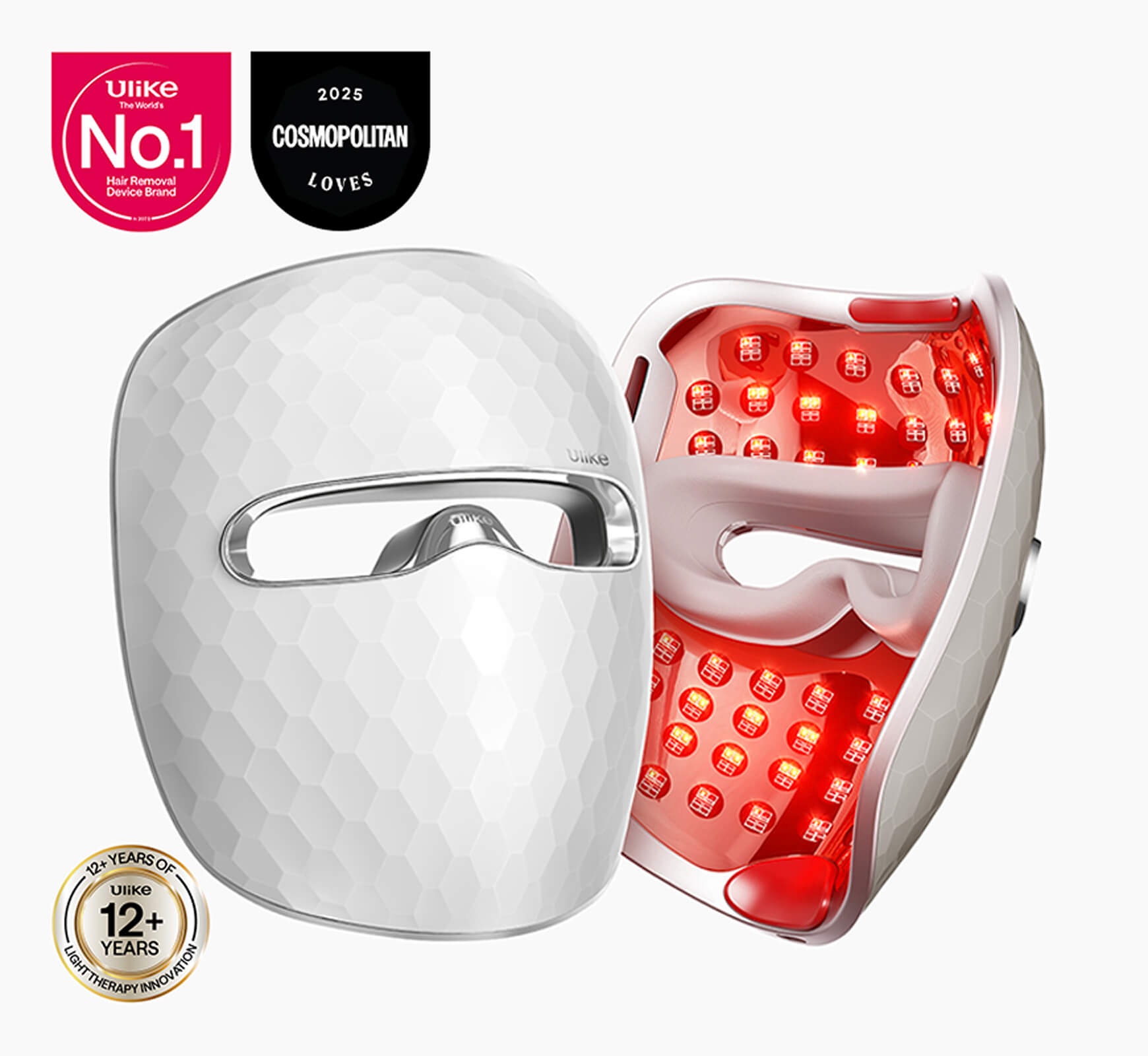
Ulike Reglow
Clearer skin in 2 weeks: Fewer breakouts
Smoother skin in 4 weeks: Fewer lines, firmer feel