




Why IPL Is Called Permanent Hair Reduction, Not Permanent Hair Removal

Permanent Hair Reduction vs Removal.
You've probably seen both phrases. "Permanent hair removal." "Permanent hair reduction." They appear on device packaging, salon websites, and social posts, often used as though they mean the same thing. They don't.
That is important because if you go for IPL treatments with the expectation that it will remove all your unwanted hair permanently, you are likely to be disappointed. However, when you are aware of what permanent reduction really means, you will have a more realistic expectation.
Let’s take a look at how it works.
Permanent Hair Reduction vs Removal: What's the Actual Difference?
What Does Permanent Hair Reduction Actually Mean?
Permanent hair reduction is acknowledged as a clinically proven term that applies to the aesthetic and medical device fields. In the UK, hair reduction devices, for instance, IPL and laser hair removal devices, fall under the category of regulation of the UK Medical Devices Regulations, which should comply with the standards of agencies like the MHRA.
This phrase means a permanent reduction in the total amount of regrowing hair following a full cycle of therapy. The term 'permanent' suggests that the reduction should stay the same for a period exceeding the time required for the completion of one cycle of hair growth, which varies from four to twelve months.
This translates into having less hair growth after treatment and even regrown hair being finer in texture, which is usually barely visible.
These are some of the effects that clinically proven IPL and laser technology aim to deliver.
Can Any Device Truly Claim Permanent Hair Removal?
Permanent hair removal implies complete, irreversible elimination of all hair in a treated area. No IPL device, and no laser device, has been cleared by the MHRA to make this claim.
The technique that has been recognised by law as producing a permanent removal of hair through destruction of each individual follicle with the aid of an electric current is electrolysis. Though this procedure is time-consuming and must be professionally done, it is the only way to permanently remove hair.
In other words, “permanent hair removal” in relation to IPL home devices is an incorrect description or is being used as a marketing strategy. The proper term is permanent hair reduction.
How Does Hair Grow Back? The Truth Behind 'Reduction'
An explanation of why hair grows back will shed light on why several treatments are required for IPL to work effectively.

The Hair Growth Cycle and IPL Timing
Each hair on your body goes through three phases:
Anagen — the active growth phase, when the hair is attached to the follicle and actively growing. This is the only phase during which IPL can effectively target the follicle.
Catagen — a short transitional phase lasting around two weeks, during which growth slows and the hair bulb begins to detach.
Telogen — the resting phase, during which the hair sheds and the follicle prepares to grow a new hair.
And here is the most important part to remember: not all of your hair cycles through the phases simultaneously. For instance, only about 20 per cent of your leg hairs may be in the anagen stage at one time.
This is why a single IPL session cannot treat all your follicles at once and why a course of multiple sessions, spaced a few weeks apart, is necessary to catch each hair during its active growth window.
What Permanent Hair Reduction Looks Like in Real Life
After completing a full IPL course, most people find that their hair grows back more slowly, at a lower density, and often finer than before. Some areas may stop regrowing hair altogether for extended periods. Others see occasional regrowth that is much lighter and easier to manage.
It is not a blank canvas. It is a significant, lasting reduction that many people describe as life-changing compared to years of waxing or shaving.
Is IPL Permanent or Just Long-Lasting?
That is, indeed, the real question that most of us are asking here. Well, let’s just say that it depends on your definition of “permanent.”

How IPL Hair Reduction Works
IPL means Intense Pulsed Light. The device emits broadband light, which is taken up by the melanin that is contained in your hair. The light converts into heat energy, which moves down to the follicle through the hair shaft. Once enough heat energy gets into the follicle, it prevents further hair growth.
This treatment depends on the presence of melanin in the body; therefore, it is highly effective on individuals with clear differences between the colour of the hair and the colour of the skin, especially dark-haired and light-skinned individuals. This treatment does not work well on pale, red, and grey hair.
What Clinical Studies Say About IPL Hair Reduction
The efficacy of IPL for hair reduction is well-supported by various peer-reviewed clinical trials involving professional and home-use devices.
According to the study results published in the Journal of American Academy of Dermatology, all of the subjects showed an average of 78% reduction of hair count after a month of IPL therapy and about 72% after three months of therapy sessions at home.
According to the results of the research reported in the journal Lasers in Surgery and Medicine in 2019, there is a constant decline in hair density by up to 80 per cent after a year since the last treatment with laser.
It should be emphasised that everyone’s experience is unique. The research mentioned above was conducted by using averages, and the effectiveness of the treatment will depend on the colour of your skin, the colour of your hair, the place of treatment, and the regularity of application.
What Affects How Long IPL Results Last?
Results from IPL tend to be most stable when:
Hair is dark and coarse (higher melanin content means better light absorption)
Skin tone is lighter (less competition for the light energy)
Sessions are completed consistently and on schedule
Maintenance sessions are done every six to twelve months once the initial course is finished
Hormonal changes such as those during pregnancy, menopause, or related to conditions like polycystic ovary syndrome (PCOS), can stimulate new follicular activity and cause some regrowth in previously treated areas. This is normal, and a maintenance session can address it.
What Results Can You Expect From IPL After 12 Weeks?
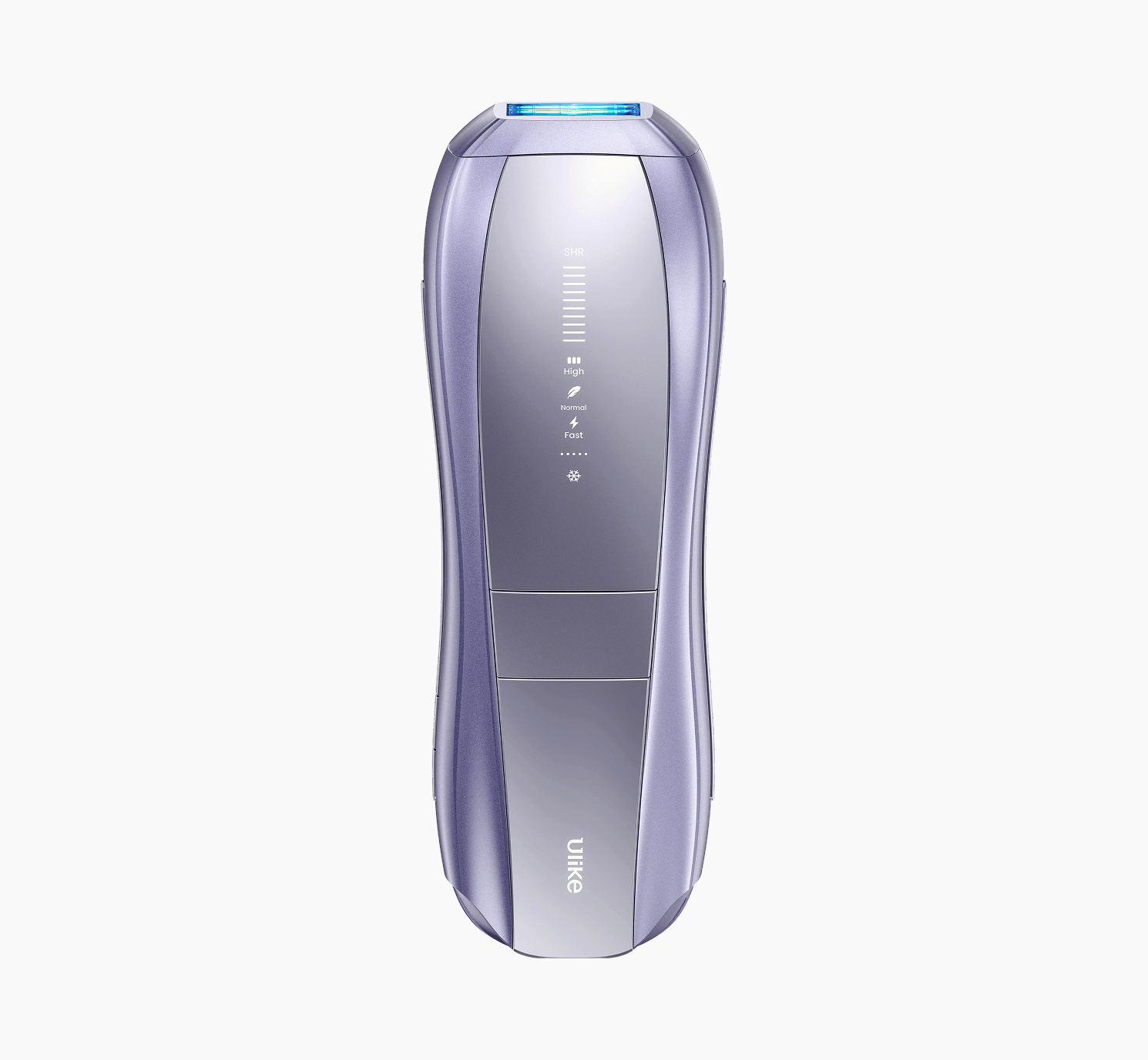
Provided that you have been using an at-home IPL hand device, like the Ulike Air 3, and adhering to its prescribed usage pattern, this is how the first 12 weeks would normally pan out.
Weeks 1 to 4: slower regrowth, same density
During the initial treatments, any changes will be fairly small. You might find that hair grows back slower than before, or perhaps that hair in those treated zones is thinner. At this point, hair density should still be relatively comparable because you are targeting only those hairs in the anagen phase.
However, do not lose hope yet. The magic happens underground.
Weeks 5 to 8: visible thinning and patchier regrowth
During the middle part of your treatment, most people will be able to notice the difference. Your hair may return patchily, thinner, or slower than before. It is possible that some patches will not regrow at all.
At this stage, you will feel the results more noticeably in terms of shaving time and smooth skin.
Weeks 9 to 12: significantly reduced hair density
After the passage of twelve weeks from the beginning of the IPL training programme, it is expected that there will be a significant lowering of hair density. Although there is no specific quantity for this, many people would observe that maintaining this level will be much easier than before.
To get the most from each session and avoid common mistakes, the Ulike hair removal blog covers practical guidance on technique, timing, and how to read your own results.
Is IPL Worth It Compared With Shaving or Waxing?
No, but what it does imply is that setting your expectations properly is very important.
A better way to compare it is "IPL vs. no treatment at all". Instead of a lifetime of constant waxing, shaving, and/or threading, there is a chance of a significantly reduced amount of hair, as well as a significantly lower level of maintenance.

The Real-World Cost Comparison: IPL vs Waxing
Leg and bikini waxing done at a salon every four to six weeks comes to around £50 to £80 per treatment. For a total period of two years, this adds up to £600 to £1,000 without any reduction in hair growth.
A quality at-home IPL device is a one-time purchase that, used correctly, can significantly reduce the amount of upkeep needed over those same two years and beyond.
The term "permanent reduction" may sound less exciting than "permanent removal." But for most people, a 70% or greater reduction in hair density is genuinely transformative in practical terms. Fewer razors. Fewer appointments. More time.
Frequently Asked Questions
Is IPL the same as permanent hair removal?
No. IPL treatment is considered a process for permanent hair reduction, and it does have the ability to greatly reduce hair regrowth and make that reduction a permanent one, but this does not mean that it is a form of permanent hair removal. That type of treatment is done via electrolysis only.
How many IPL sessions do I need to see a difference?
In most cases, individuals tend to observe a slowing down in the process after the fourth or sixth week of regular treatment. A complete first cycle usually takes between eight and twelve sessions, depending on the size of the treatment area and the type of hair and skin an individual has.
Can IPL hair reduction last for years?
Definitely, for some individuals, it can. The journal "Lasers in Surgery and Medicine" reported in 2019 that about 80% hair loss persisted for one year after the procedure had been completed. Individual results may differ, and usually repeat treatments are required every six to twelve months in order to maintain the effect achieved.
Does IPL work on all skin tones and hair colours?
IPL works based on the difference between the colour of hair and that of the skin. It usually produces the best results in people with dark hair and light-coloured skin. Fair hair, red hair, white hair, and grey hair respond poorly to IPL treatment because they lack adequate melanin, which is necessary to attract light energy.
Is at-home IPL as effective as a salon treatment?
At-home devices use lower energy levels than professional clinic machines, for safety reasons. However, because you can use them more frequently over time, clinical evidence suggests that the cumulative results are comparable for many users. A 2011 study in the Journal of the American Academy of Dermatology found over 70% average hair reduction with an at-home IPL device after a six-session course.
References
- Clinical evaluation of a novel intense pulsed light source for facial skin hair removal for home use (2015). https://pubmed.ncbi.nlm.nih.gov/26203318/.
- Gold, M.H., Foster, T.D. and Street, S.T. (2002) 'Long-Term hair removal using the Intense Pulsed Light Source: A Two-Year Follow-Up Study,' International Journal of Cosmetic Surgery and Aesthetic Dermatology, 4(1), pp. 15–18. https://doi.org/10.1089/153082002320007430.
- Hamzavi, I. et al. (2007) 'A randomized bilateral vehicle-controlled study of eflornithine cream combined with laser treatment versus laser treatment alone for facial hirsutism in women,' Journal of the American Academy of Dermatology, 57(1), pp. 54–59. https://doi.org/10.1016/j.jaad.2006.09.025.
- Krasniqi, A. et al. (2022) 'Efficacy of lasers and light sources in long-term hair reduction: a systematic review,' Journal of Cosmetic and Laser Therapy, 24(1–5), pp. 1–8. https://doi.org/10.1080/14764172.2022.2075899.
- Ormiga, P. and Aguinaga, F. (2018) 'Laser for hair removal,' in Clinical approaches and procedures in cosmetic dermatology, pp. 223–232. https://doi.org/10.1007/978-3-319-16799-2_16.
- Town, G. et al. (2019) 'Light‐based home‐use devices for hair removal: Why do they work and how effective they are?,' Lasers in Surgery and Medicine, 51(6), pp. 481–490. https://doi.org/10.1002/lsm.23061.
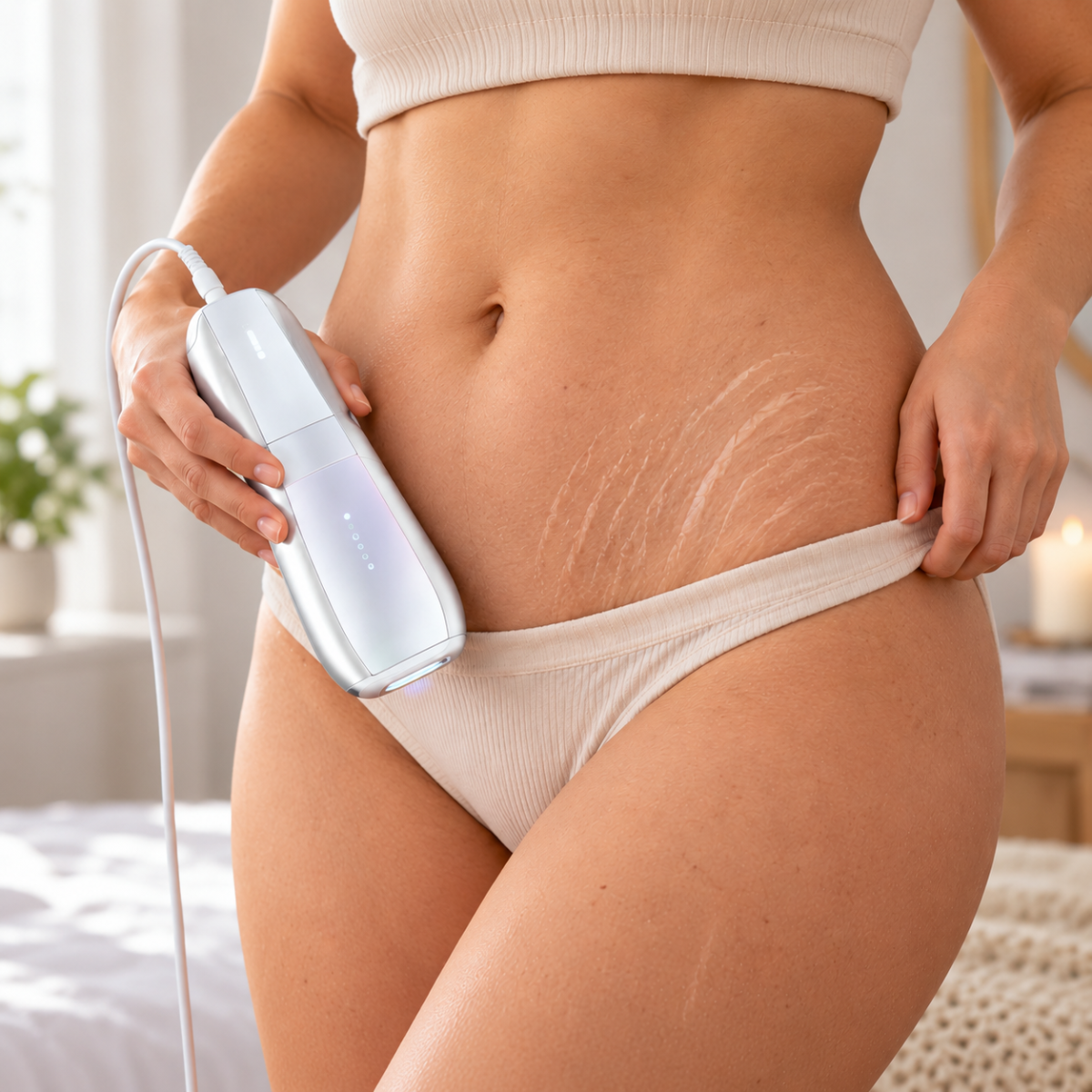
Can You Use IPL on Stretch Marks? Old vs New Marks

Can You Use IPL on Freckles? | Safety & Hair Removal
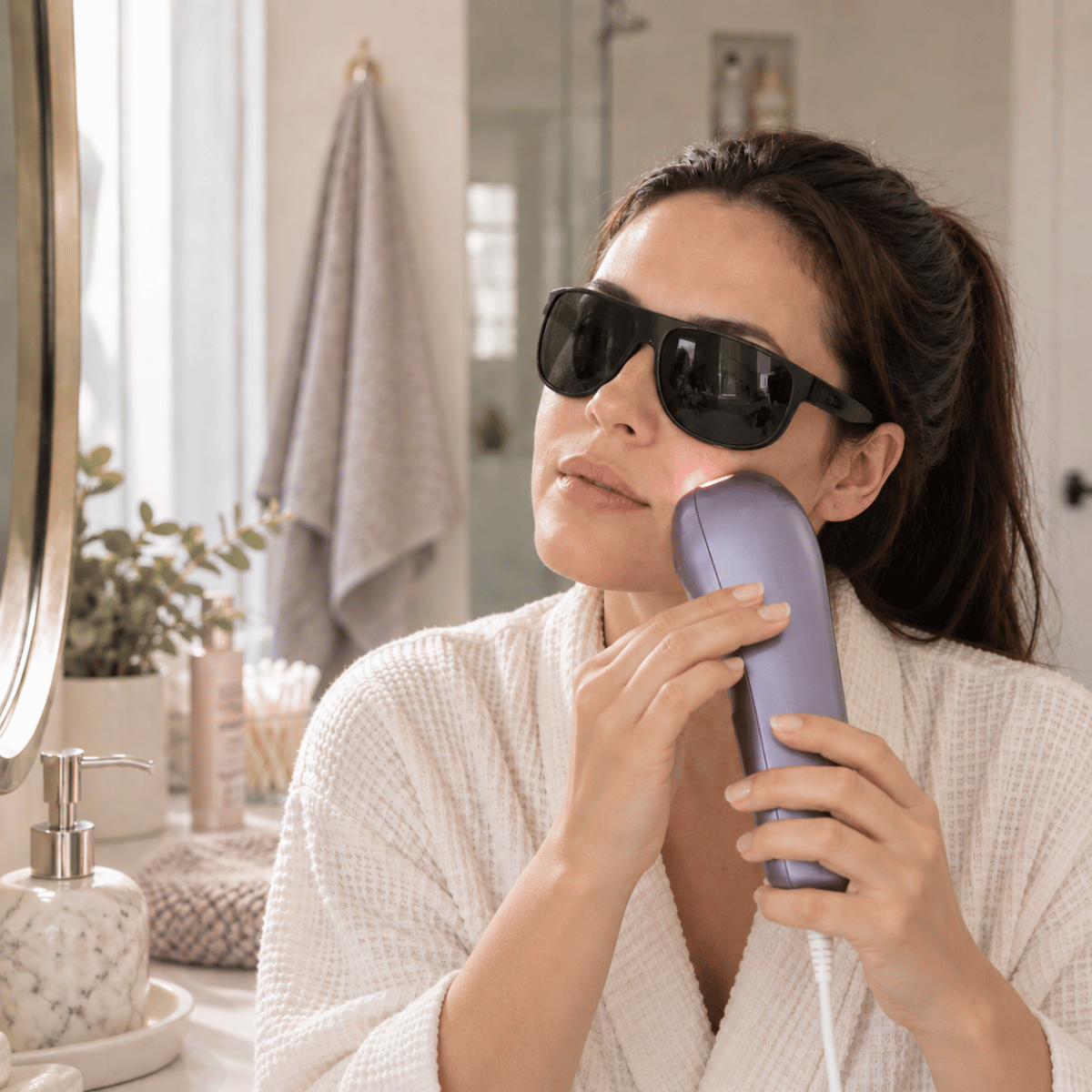
Can You Use IPL on Your Face Every Day? How Often Should You Use It?
Explore Beauty
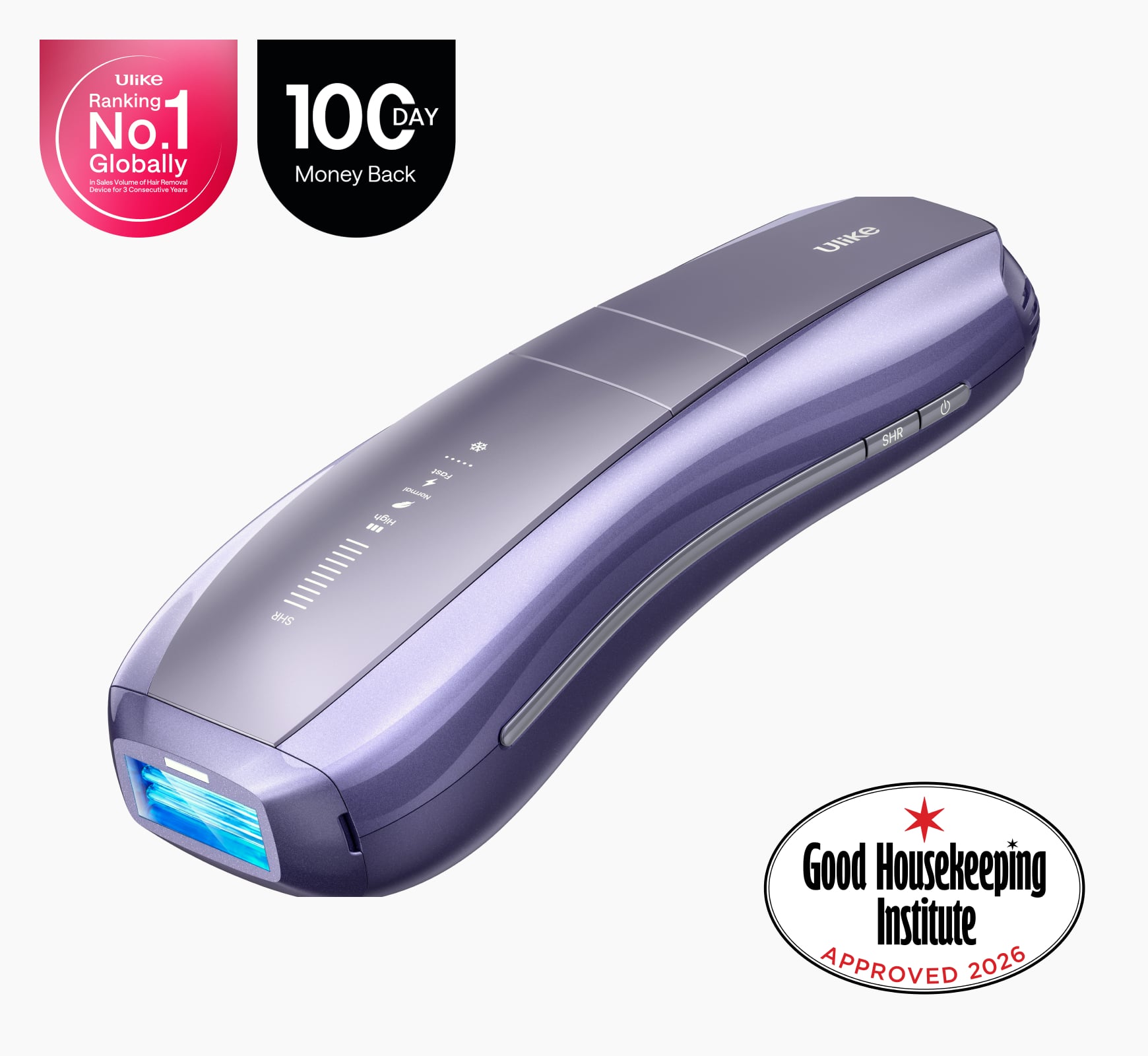
Ulike Air 10
2 weeks to silky smooth skin.
96% Hair Density Reduction in 2 Weeks
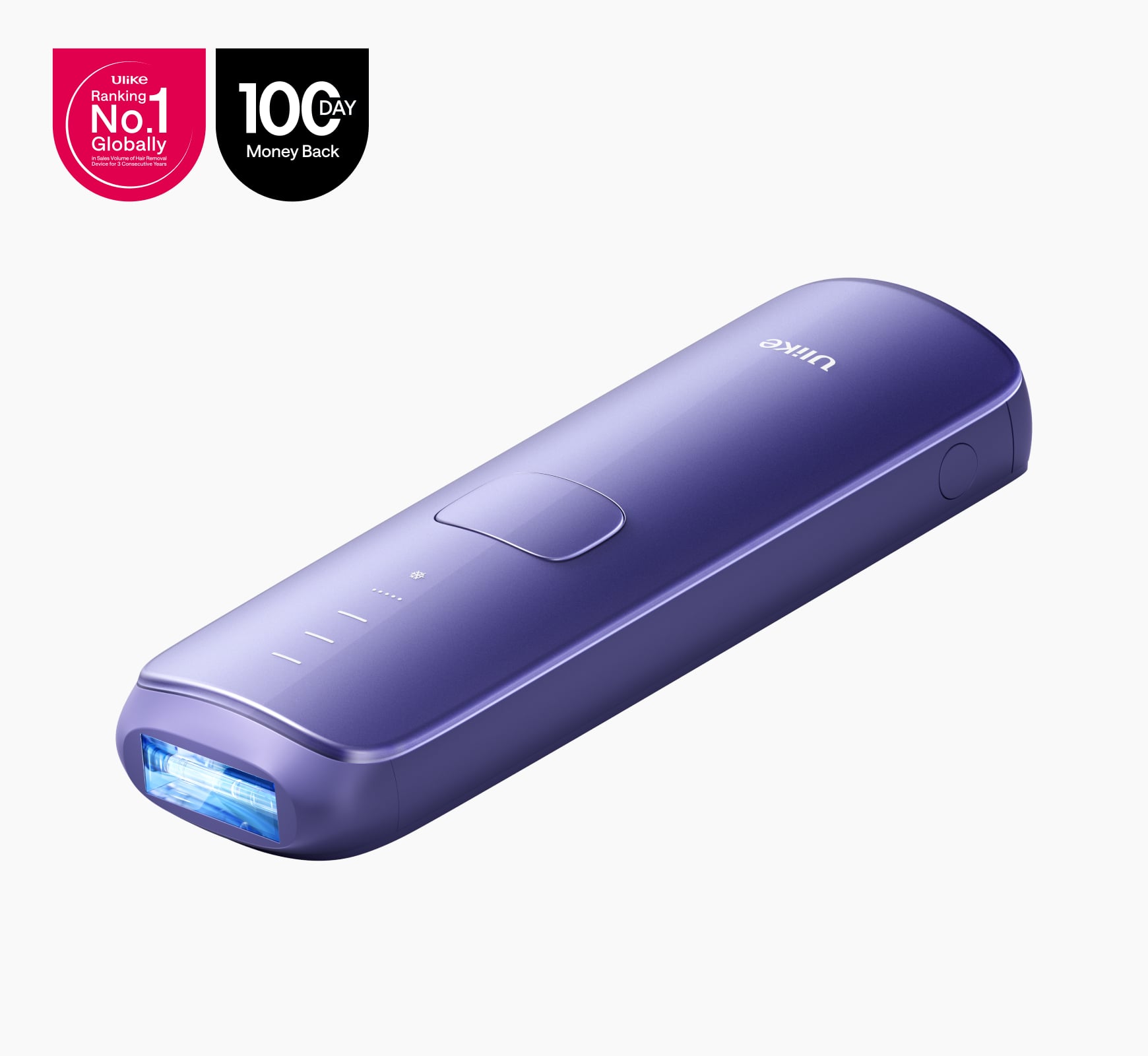
Ulike Air 3
3 weeks to silky smooth skin.
93% Hair Density Reduction in 4 Weeks
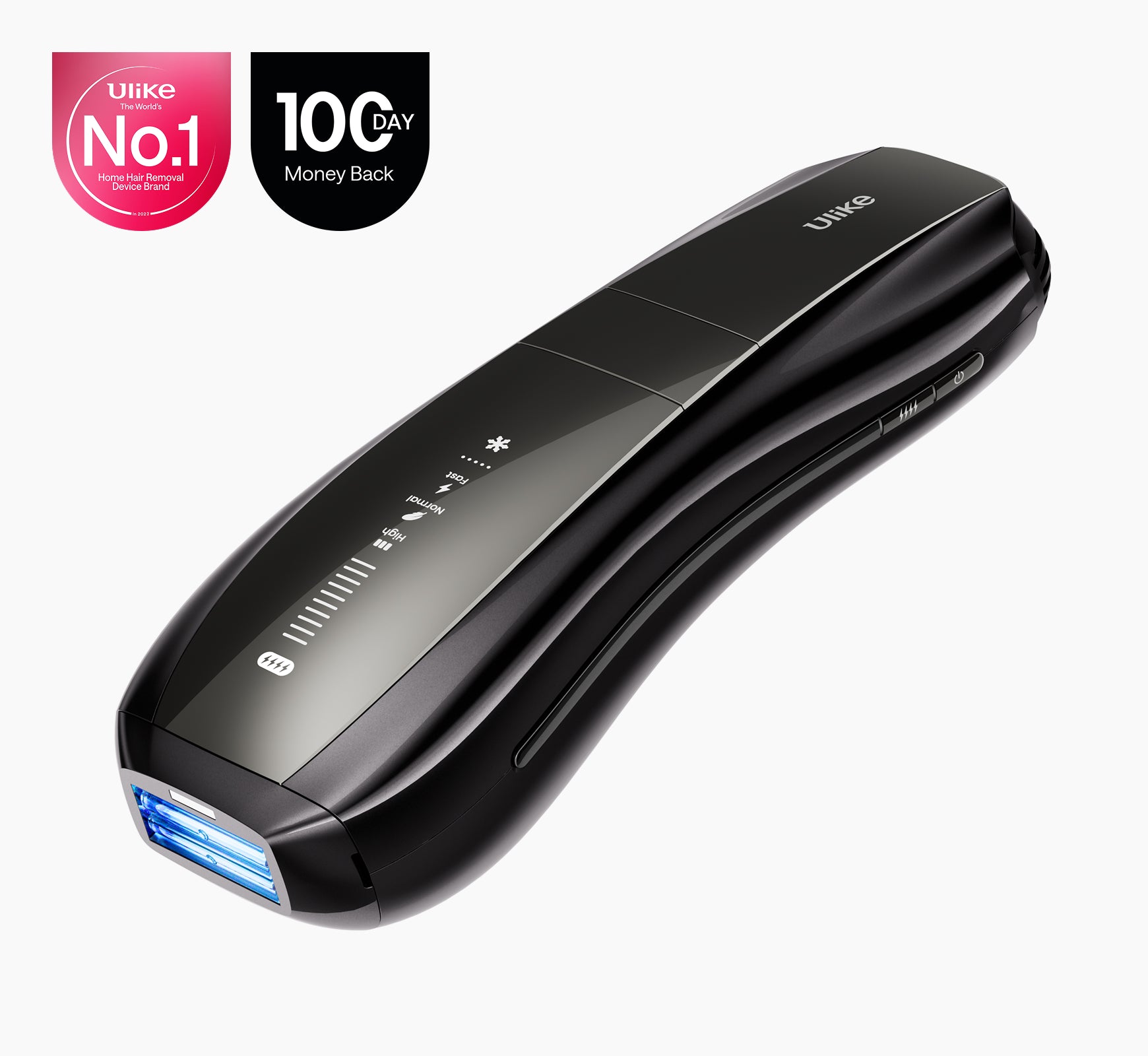
Ulike X
3 weeks to silky smooth skin.
94% hair reduction in just 2 weeks*
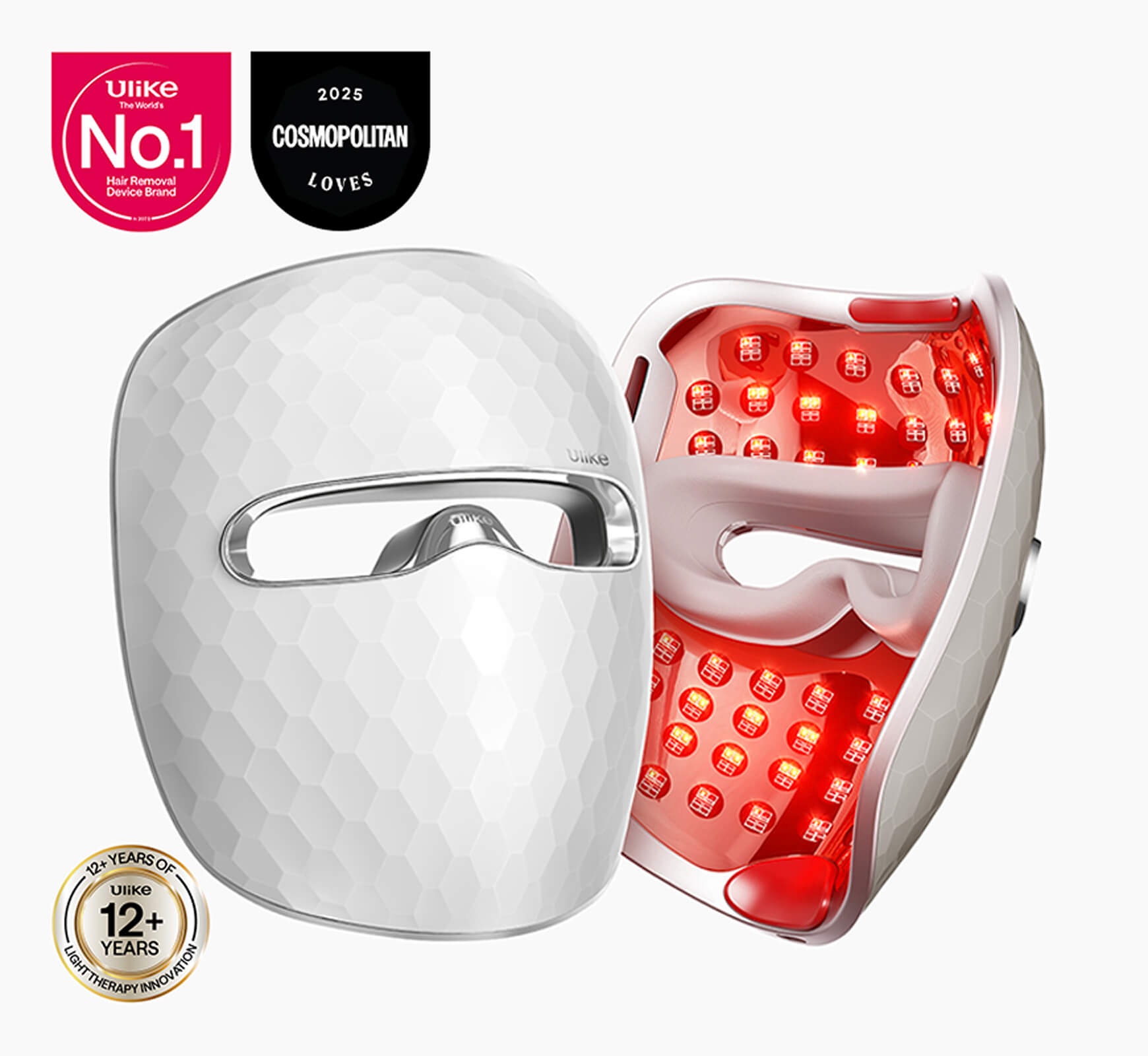
Ulike Reglow
Clearer skin in 2 weeks: Fewer breakouts
Smoother skin in 4 weeks: Fewer lines, firmer feel