



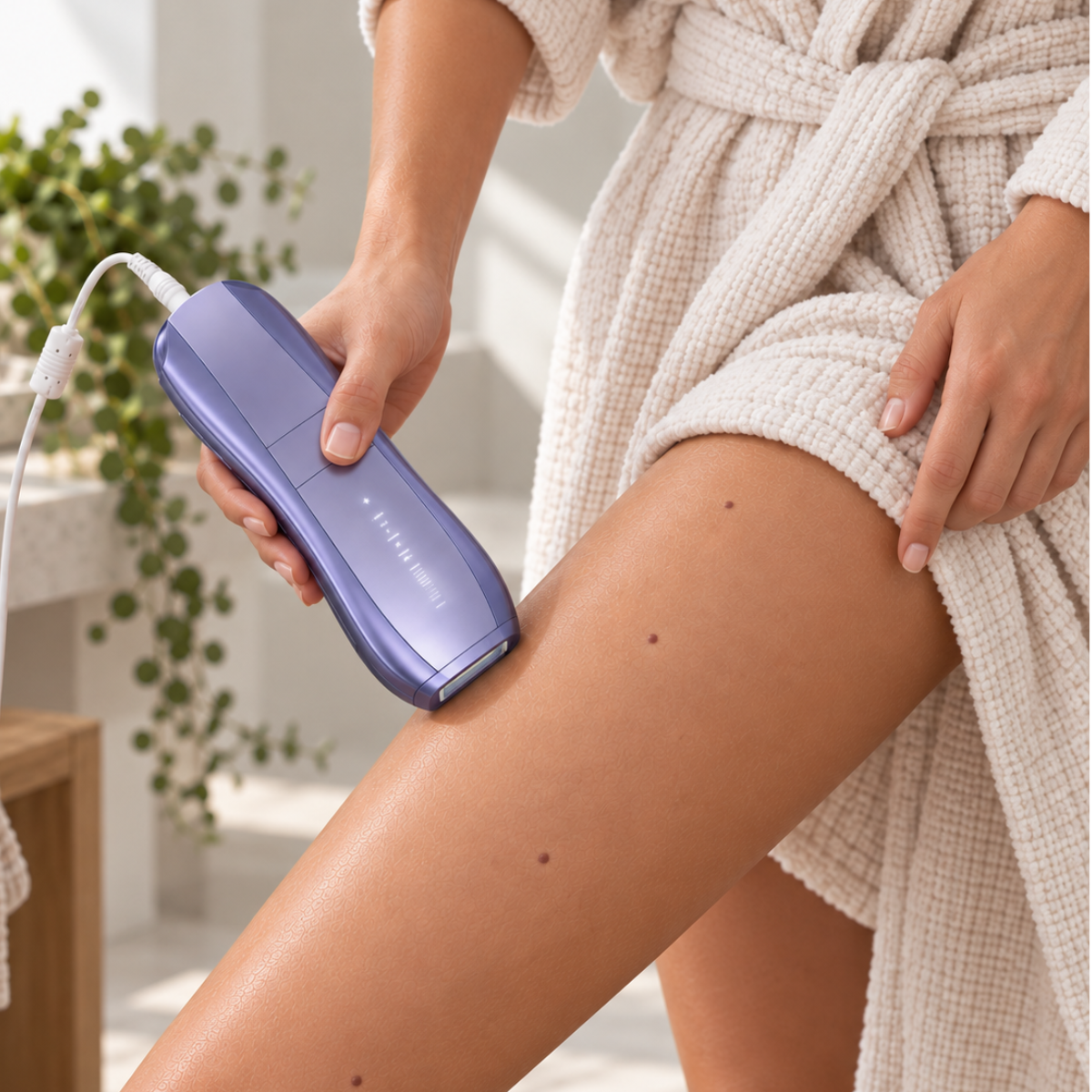
Can You Use IPL on Moles and Birthmarks?

Using an at-home IPL device can raise a practical question when a mole or birthmark is in the treatment area. You want to remove hair without irritating the mark or making it harder to monitor.
Don’t flash IPL directly over a mole or birthmark unless your device’s instructions specifically say that you can. Moles and some birthmarks contain more pigment than the surrounding skin, so they may absorb the light differently.
Start by checking the manual for your particular device. It may tell you to avoid the mark completely, cover it in a specific way or leave a certain amount of space around it. Unclear instructions are a reason to contact the manufacturer before treating that area. You may still be able to use IPL on the surrounding skin, provided the treatment window doesn’t overlap the mark.
IPL is made for hair removal. It isn’t a way to test, lighten, flatten or remove a mole or birthmark. New or changing marks should be checked rather than treated with IPL
Why should you avoid IPL over moles?
At-home IPL, or intense pulsed light, uses flashes of light to target pigment in the hair. The aim is to heat the hair follicle, but darker areas of skin can absorb more of that energy too. So is it safe to use IPL on moles and birthmarks?
Moles and some birthmarks contain more melanin, the pigment that gives skin its colour, than the skin around them. As a result, a darker mark may heat differently during a flash. This can lead to irritation, redness, swelling, pain, burns, blistering or a change in pigmentation. It may also change the appearance of the mark, making it more difficult to monitor afterwards.
This isn’t only a concern with raised moles. A flat mole can still contain more pigment than the surrounding skin, so its smooth surface doesn’t make it safe to treat automatically. A small mark that looks harmless should also be avoided unless your device instructions say otherwise.
That doesn’t mean one accidental flash will definitely cause serious harm. It does mean there’s no good reason to keep flashing the mark, and the safest choice is to follow the device’s instructions and leave it untreated.

Can you use IPL on a flat mole?
Treat a flat mole as a pigmented mark, not as ordinary skin. Don’t flash directly over it unless the manufacturer expressly allows it for your specific device.
Before you begin, look for the sections in the manual covering excluded areas, dark marks and skin conditions. If it says to avoid the mole, keep the treatment window entirely on the permitted skin. Don’t position it partly over the mole just to catch a few hairs beside it.
Instructions that require a gap around the mark should take priority over any distance you choose yourself. Uncertainty is a reason to contact the manufacturer. Leaving a small patch of hair untreated is better than guessing.
Can you use IPL on a raised mole?
Don’t flash directly over a raised mole unless your device instructions specifically permit it. A raised or uneven surface may be more prone to friction and irritation. It can also make it harder to place the treatment window consistently on the surrounding skin.
A raised mole isn’t automatically a cause for concern. It still shouldn’t be treated as ordinary, evenly coloured skin.
New, changing, bleeding, crusting, persistently itchy or otherwise unusual moles should be assessed before IPL is used nearby. Never use IPL to try to change or remove one.
Can you use IPL on birthmarks?
Birthmarks can look very different from one another. Some are pigmented, while others involve blood vessels or have a different structure. So the word “birthmark” by itself isn’t enough to tell you whether IPL is suitable.
Type of mark |
Safer approach to IPL hair removal |
Pigmented birthmark |
Don’t flash directly over it unless the device manufacturer expressly allows it. |
Vascular birthmark |
Don’t assume it’s suitable for IPL hair removal. Check the instructions and seek professional advice if needed. |
Large or irregular birthmark |
Ask a GP or dermatologist for advice before treating the surrounding area, particularly if the mark is difficult to identify or has changed. |
A large birthmark can be difficult to avoid during treatment. A healthcare professional can help you work out the safest option for hair removal. You don’t need to diagnose or classify the mark yourself.
Should you cover moles before using IPL?

There isn’t one covering method that makes IPL safe for every device. Some manufacturers advise avoiding small moles and pigmented marks. Others may recommend an opaque covering, marking out the area, leaving a gap or not treating that part of the body at all.
The instructions for your own device should guide you. Don’t assume that a white plaster, concealer or ordinary tape will block IPL light safely. Don’t use a covering method that the manufacturer hasn’t approved, and don’t cover a mark to get around an instruction that excludes the whole area.
Make sure the mark is visible before each session. Fake tan, make-up and temporary coverings can make it harder to see exactly where the treatment boundary should be. If you can’t tell whether a covering method is suitable, contact the manufacturer first.
Can you use IPL around a mole?
You may be able to treat the skin around a mole if that skin is an approved treatment area. The important thing is to leave the mole untouched and follow any clearance distance in the manual.

Use these steps:
- 1.Check the area in good lighting before every session.
- 2.Identify the mole, birthmark and any other darker marks you need to avoid.
- 3.Keep the treatment window entirely on permitted skin.
- 4.Make sure the window doesn’t overlap the mark, even partly.
- 5.Don’t move closer just to remove a few extra hairs.
- 6.Stop if the skin is irritated, scratched, sunburnt or recently injured.
Small or awkward areas that are difficult to avoid accurately are better handled with another hair-removal method. Shaving is one straightforward option because it doesn’t expose the mark to IPL light.
What if you accidentally flash IPL over a mole?
Stop treating that area and take a look at the skin. One accidental flash doesn’t automatically mean that serious harm has occurred, but don’t keep treating the mark.
Follow your device’s aftercare instructions and watch for unusual pain, marked redness, swelling, blistering or a change in colour. Contact the manufacturer or a healthcare professional if the reaction is significant, gets worse or doesn’t settle.
If the mole itself changes or becomes difficult to recognise, seek medical advice. Don’t try to correct the situation by applying more flashes, increasing or changing the intensity without guidance or attempting to lighten the mark.

When should you get a mole or birthmark checked?
Have a mole or birthmark assessed before treatment if it’s new, changing or difficult to identify. NHS guidance advises seeking medical advice if a mole has changed in size, shape or colour, or has become painful, itchy, inflamed, bleeding or crusty.
It’s also worth asking for advice if a mark:
- has an irregular border or looks noticeably different from your other moles;
- develops a new change that doesn’t settle; or
- can’t be confidently identified as a normal, longstanding mark.
These signs don’t tell you what a mark is. They simply mean it should be assessed by a healthcare professional. The American Academy of Dermatology gives similar advice for moles that are growing, itching, bleeding or changing.
What about dark spots, freckles and scars?
Other skin marks need care too. A mark doesn’t have to be called a mole to absorb light differently, so don’t assume it’s safe just because it falls into another category.
Skin mark |
IPL guidance |
Moles |
Don’t flash directly over them unless the device specifically permits it. |
Pigmented birthmarks |
Check the device instructions and avoid direct treatment unless expressly allowed. |
Freckles |
Follow the device guidance because darker pigmentation may absorb more light. |
Dark spots or hyperpigmentation |
Don’t assume they’re safe to treat directly. |
Scars |
Suitability depends on the scar, its condition and the device instructions. Don’t treat raised, irritated or healing scars unless permitted. |
Don’t flash directly over tattooed skin. |
An unidentified mark should be assessed rather than treated as a cosmetic spot
How to use IPL more carefully if you have moles or birthmarks

Before treatment
Read the manual’s permitted and excluded treatment areas. Check your skin in good lighting and identify moles, birthmarks, freckles, tattoos and other pigmented marks. Confirm how the manufacturer wants you to avoid or cover them.
Don’t treat recently irritated, sunburnt, broken or damaged skin. Check that your skin tone and hair colour are suitable for the device, and follow any skin-tone sensor or patch-test requirements.
During treatment
Keep the treatment window entirely on permitted skin. Don’t flash over a mole, birthmark or tattoo unless the manufacturer expressly permits it. Don’t repeatedly flash the same area to make up for missed hairs. Stop if treatment feels unusually painful or the skin reacts unexpectedly.
After treatment
Follow the device’s aftercare guidance and avoid picking or rubbing the treated skin. Seek advice if a reaction persists, worsens or changes the appearance of a mark.
FAQs about IPL, moles and birthmarks
Can IPL remove a mole?
No. At-home IPL hair-removal devices aren’t designed to remove moles. Don’t use one to try to change, lighten or remove a mole.
Can IPL make a mole darker?
A pigmented mark may react differently if it absorbs IPL light. A change in pigmentation is one reason direct treatment should be avoided unless the device specifically permits it. If a mole changes unexpectedly, don’t treat it again; seek medical advice.
Can I use IPL if I have lots of moles?
Possibly, but you may need to avoid or cover many areas according to the device instructions. Think about whether you can position the device consistently without flashing over the marks. If you can’t, use another hair-removal method for those areas.
Can I use IPL over a birthmark if it isn’t dark?
Don’t assume that a lighter birthmark is automatically suitable. Birthmarks vary, and visible colour isn’t the only factor. Follow your device guidance and ask a healthcare professional if you’re unsure what kind of mark it is.
Can I use IPL after having a mole removed?
Wait until the area has healed and follow the advice of the healthcare professional who treated it. Don’t use IPL over healing, broken or recently treated skin.
Is professional laser hair removal different?
Yes. Professional laser hair removal and at-home IPL are different treatments, with different equipment and protocols. Both require care around pigmented marks. Tell the practitioner about your moles and birthmarks before treatment and follow the clinic’s advice.
What to remember
Don’t flash IPL directly over a mole or birthmark unless your specific device instructions expressly allow it. Read the manual, use only an approved covering or avoidance method and treat the surrounding skin only when you can keep the treatment window entirely on permitted skin.
New, changing, bleeding, crusty, painful, persistently itchy or difficult-to-identify marks should be assessed before IPL is used nearby. A hair-removal device should never be used to test or alter a mole or birthmark.
References
[1] NHS: Moles
[2] American Academy of Dermatology: Moles—Overview
[3] Philips: How does IPL work on scars, burns, moles and more
[4] StatPearls: Intense Pulsed Light Therapy
This article provides general safety information and does not diagnose skin marks or replace advice from a qualified healthcare professional or the manufacturer of your IPL device.

Can You Use IPL on Freckles? | Safety & Hair Removal
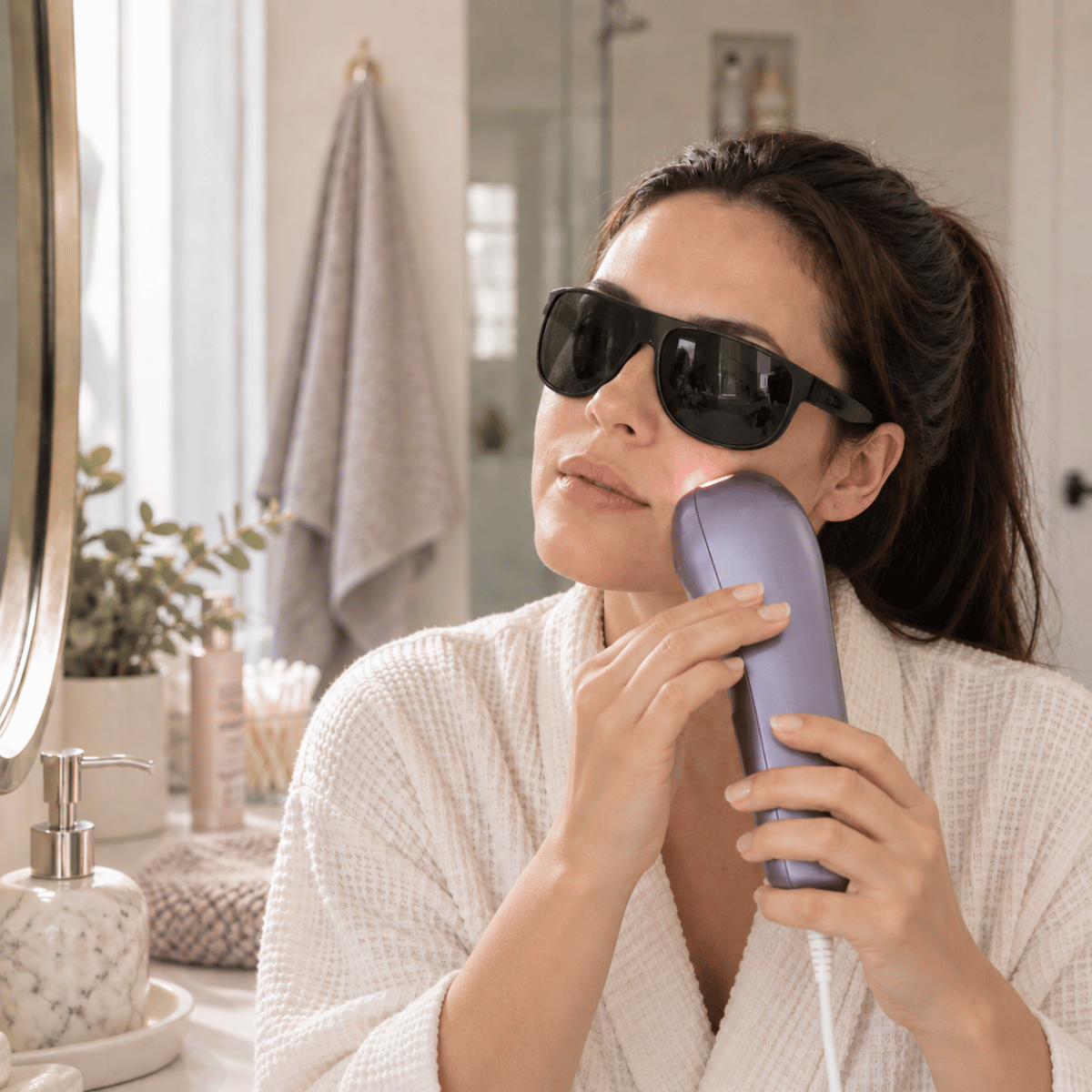
Can You Use IPL on Your Face Every Day? How Often Should You Use It?
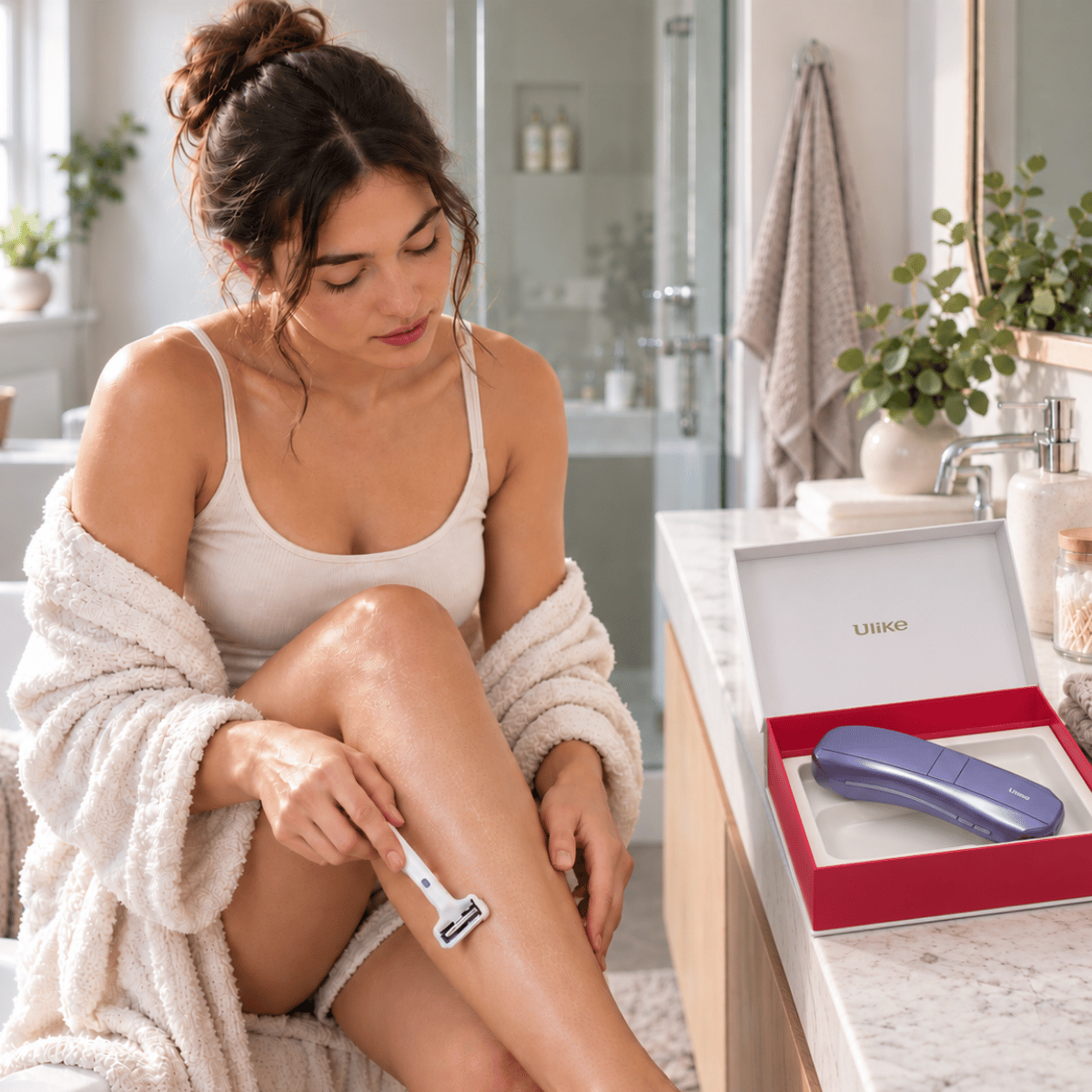
What to Do Between IPL Treatments: Shaving, Exfoliation & Hair Regrowth
Explore Beauty
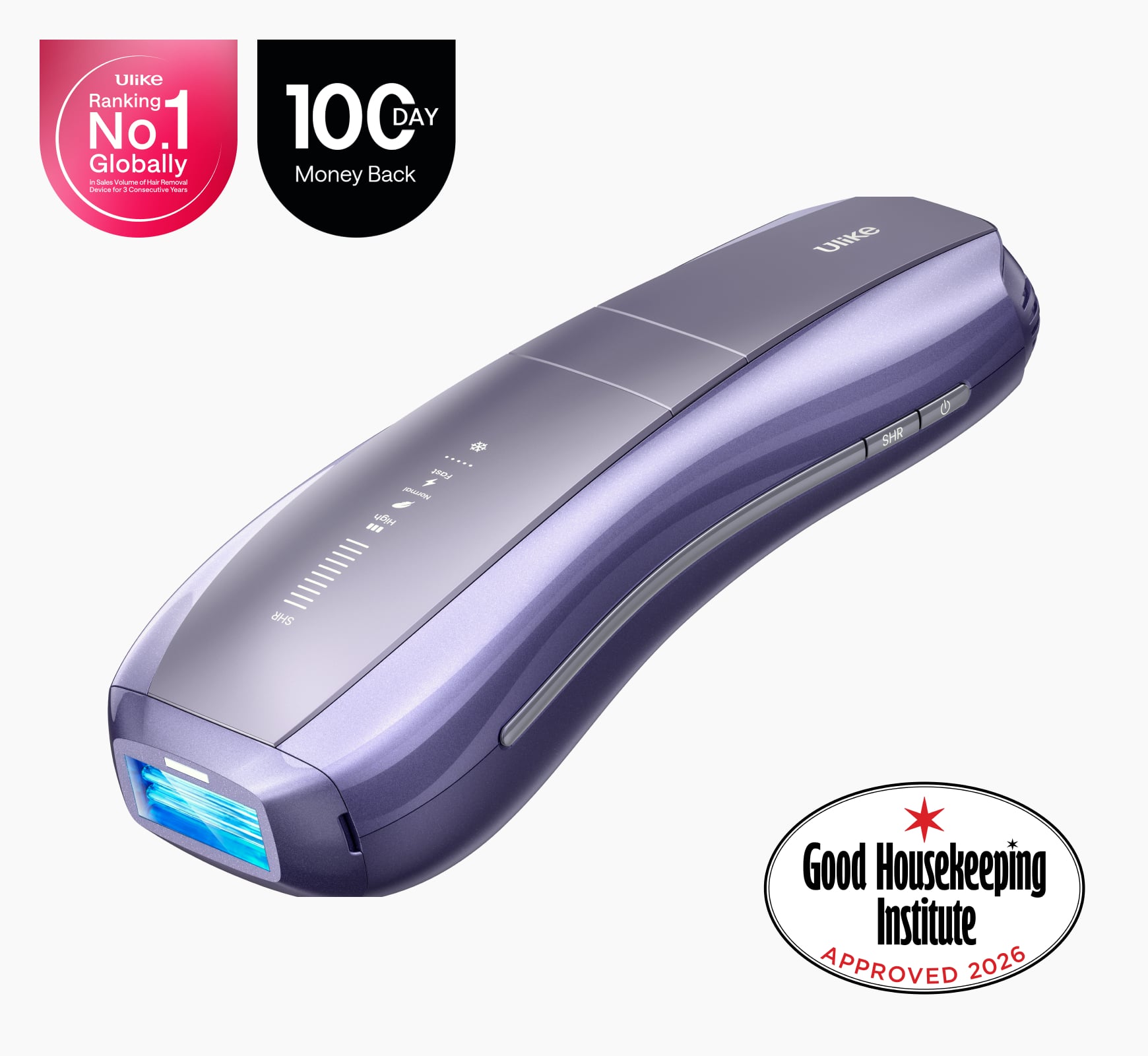
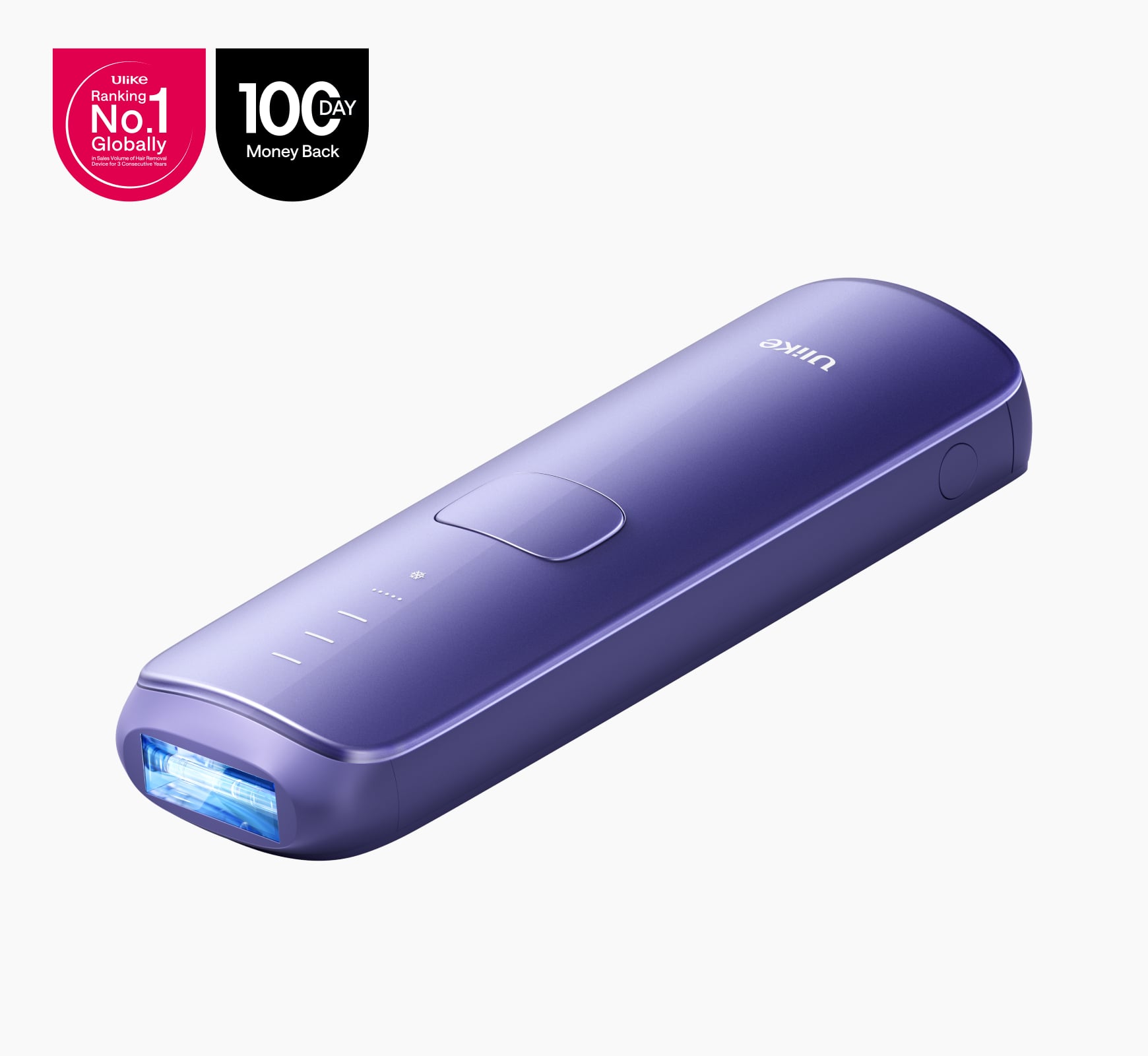
Ulike Air 10
2 weeks to silky smooth skin.
96% Hair Density Reduction in 2 Weeks
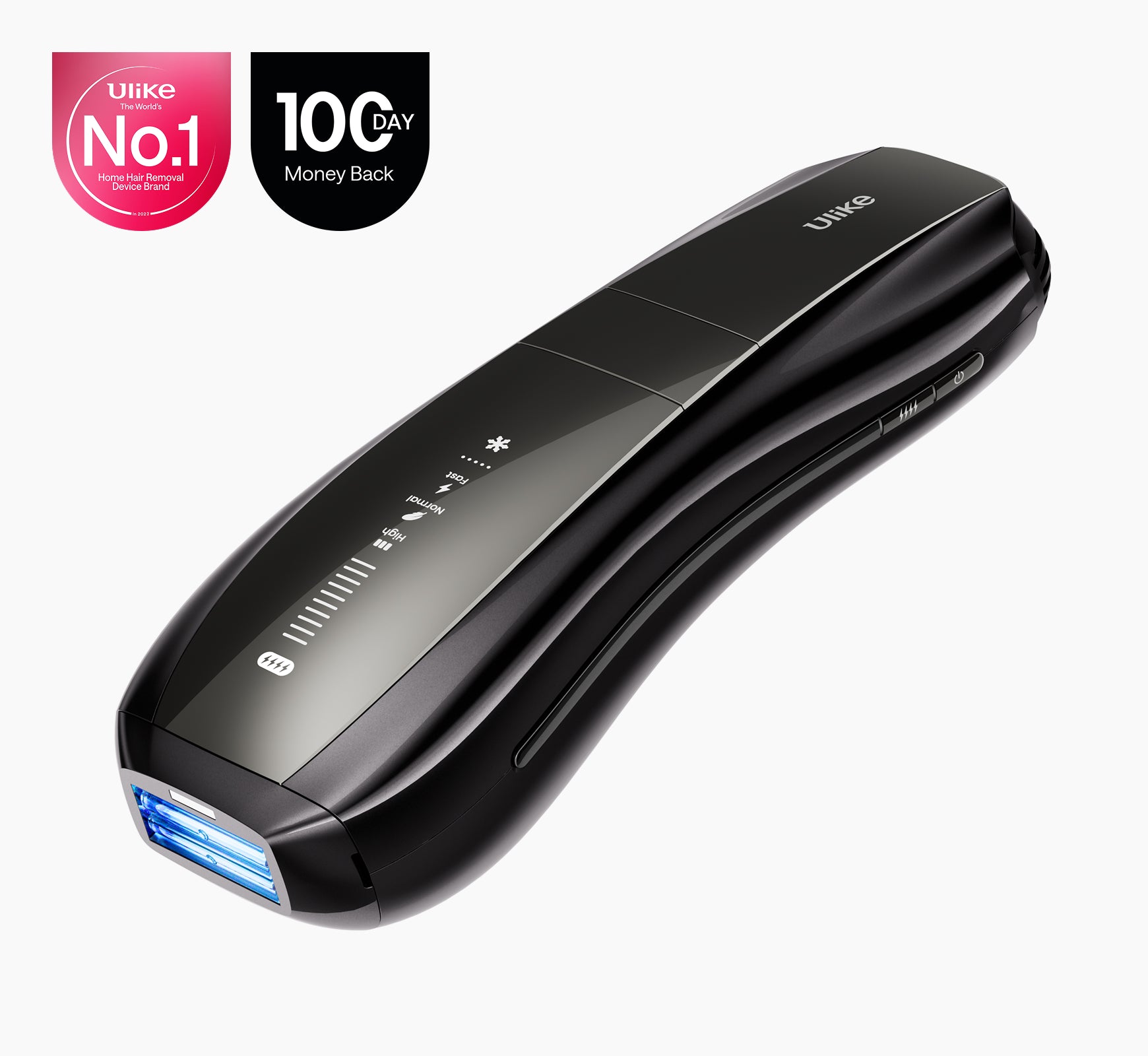
Ulike Air 3
3 weeks to silky smooth skin.
93% Hair Density Reduction in 4 Weeks
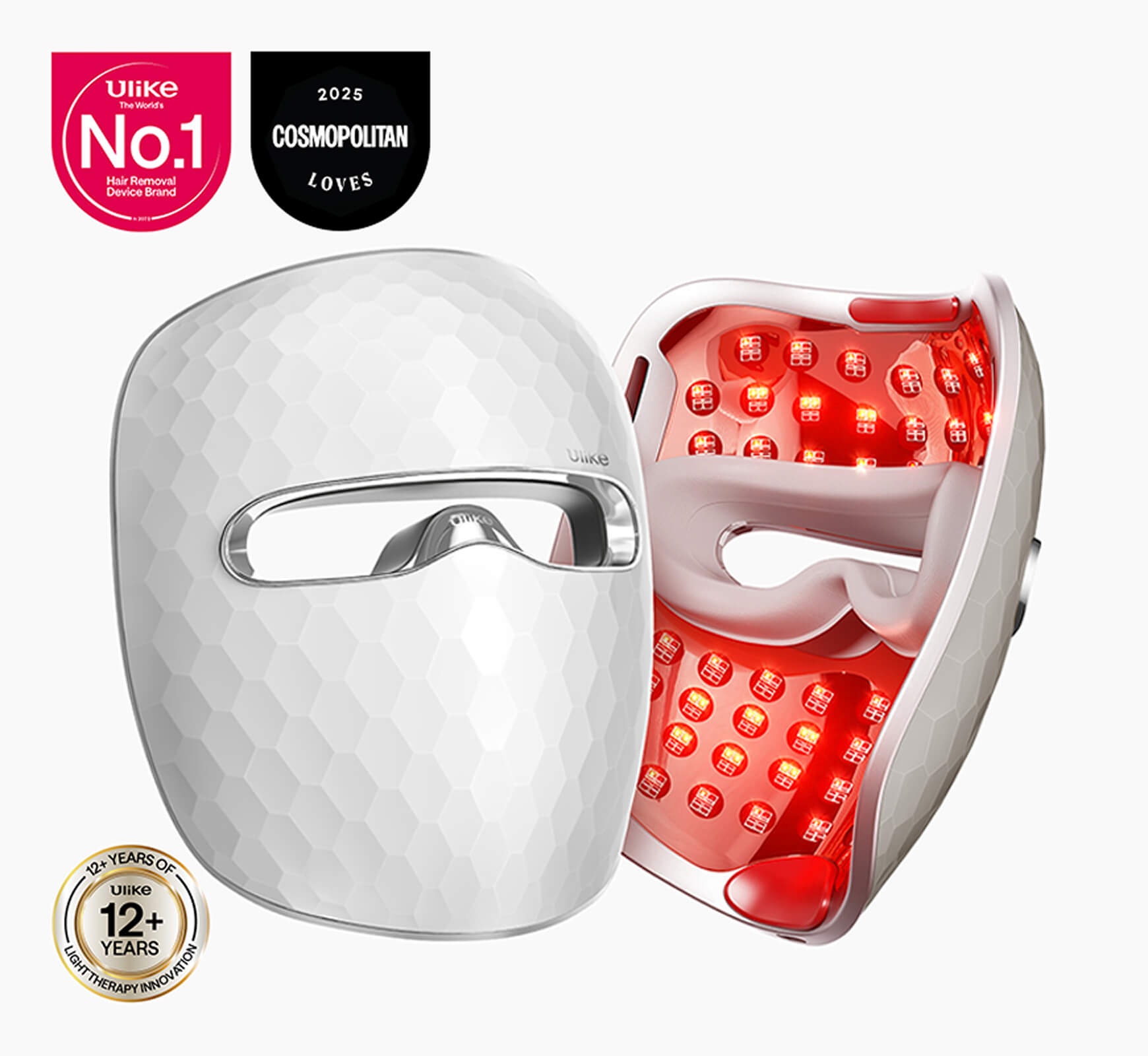
Ulike X
3 weeks to silky smooth skin.
94% hair reduction in just 2 weeks*
Ulike Reglow
Clearer skin in 2 weeks: Fewer breakouts
Smoother skin in 4 weeks: Fewer lines, firmer feel