




IPL Joules Explained: What They Really Mean for Hair Removal Results

You're comparing IPL devices. One spec sheet says 9J. Another says 21J. A third says 26J. The numbers are right there, but nobody seems to explain what they actually mean for your skin or your results.
IPL joules are probably the most misunderstood figure in at-home hair removal. Bigger looks better — but is it? And if a device delivers more energy, does that automatically mean faster, more lasting results?
This article explains what joules actually measure, why the delivery method matters just as much as the number, and what to look for when you're comparing devices.
What IPL Joules Mean
IPL joules measure how much light energy an IPL device delivers with each flash. Higher joule levels can support faster hair reduction, particularly on coarse hair, but effectiveness also depends on fluence (J/cm²), pulse delivery method, cooling technology, and skin tone safety systems.
What Is a Joule, Exactly?
A joule is a unit of energy. It's the same unit physicists use to measure the energy in a lightning bolt or a camera flash. In the context of IPL, it tells you how much light energy is delivered to your skin with each treatment pulse.
Crucially, joules are not the same as brightness or intensity. They measure the total amount of energy deposited per flash — think of it less like the wattage of a lightbulb and more like the size of a bucket of water being poured out at once.
Joules vs J/cm² and Why the Difference Matters
The headline joule figure on a device spec sheet refers to total energy per flash. But there's a related measurement that's equally important: fluence, expressed as joules per square centimetre (J/cm²).
Fluence accounts for the size of the treatment window, the glass surface that contacts your skin. A device delivering 26J through a large window may actually have a lower fluence per cm² than one delivering 10J through a very small window.
Both figures matter. But it's fluence that determines how much energy each square centimetre of your skin actually receives and therefore how effectively the follicle is treated

Why IPL Joules Matter for Hair Removal Results
IPL works by targeting the melanin (pigment) inside your hair follicle with flashes of broad-spectrum light. That light energy converts to heat, which travels down the hair shaft and disrupts the follicle's ability to produce new hair growth.
For that process to work, enough energy must reach the follicle — not just the surface of the skin.
Too Little Energy
If the energy level is too low, the light doesn't penetrate deeply enough to meaningfully heat the follicle. You might notice some short-term shedding, but long-term hair reduction is unlikely to follow.
Sufficient Energy
When the follicle receives enough heat, it's pushed out of the active growth phase (called anagen) and toward dormancy. Hair grows back finer and more slowly. With repeated sessions, the reduction accumulates.
This is why energy levels matter — and why understanding the hair growth cycle is useful background for anyone starting an IPL routine.

Coarse Hair Needs More
Thicker, more deeply rooted hair — on the underarms, bikini line, or face — requires more energy to treat effectively than fine body hair. This is one reason higher-output devices tend to produce faster, more noticeable results on stubborn areas.

Skin Tone Plays a Role Too
There's an important safety consideration here. The same energy level that safely treats fair skin may pose a risk to darker skin tones, because skin melanin also absorbs IPL light. More energy reaching the skin surface means more heating, which is why safety systems matter just as much as the raw output figure.
What IPL Joule Ratings Actually Mean in Practice
At-home IPL devices typically range from around 6J to 26J, depending on the model and treatment mode selected. Salon and clinical IPL systems generally operate at substantially higher fluences, but they're used by trained professionals with more aggressive safety protocols in place.
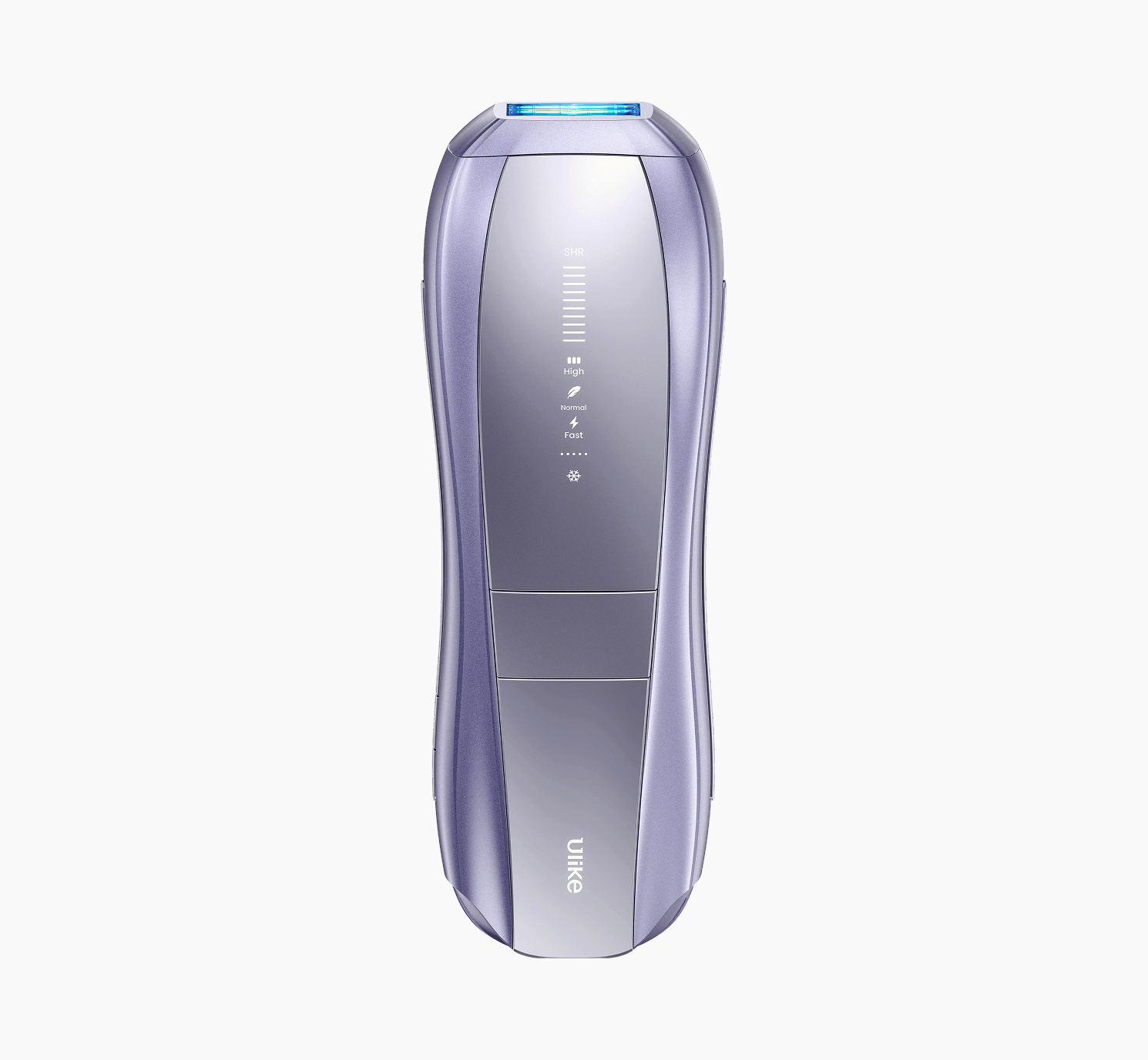
The "26J" figure for the Ulike Air 10 refers to cumulative energy delivered across a 4-pulse SHR burst — not a single-flash output. That distinction matters, and it connects directly to how the energy is delivered, which is the subject of the next section.
To put the fluence figure into context: the Air 10 operates at 6.67 J/cm² in SHR mode. That figure, alongside the total 26J output, gives a more complete picture of what the device is actually delivering to each area of skin.
How Many Joules Are Actually Effective for IPL?
This is one of the most common questions people ask when comparing IPL devices — and the answer is slightly more nuanced than “higher is always better”.
For at-home IPL, effective treatment generally depends on delivering enough energy to heat the follicle consistently across repeated sessions. In practice, most consumer devices operate somewhere between roughly 3–7 J/cm² fluence, though the exact effectiveness depends on how that energy is delivered.
Lower-output devices can still reduce hair growth over time, particularly on fine hair and lighter skin tones, but they often require more sessions and slower treatment schedules. Higher-output systems tend to produce faster visible reduction on coarse or stubborn hair — especially on areas like the bikini line, underarms, or lower legs.
That said, raw joule figures alone don't tell you how effective a device will feel in real-world use. Cooling technology, pulse delivery method, treatment window size, and skin tone adaptation all influence how safely and efficiently energy reaches the follicle.
This is why two devices with similar advertised joule ratings can perform very differently in practice.
Why Delivery Method Matters as Much as the Number
Two devices can quote the same joule figure and produce very different results at the follicle level — depending entirely on how that energy reaches the skin. This is perhaps the most important thing to understand when comparing IPL devices.
Traditional Single-Pulse IPL
Conventional IPL devices fire one large burst of energy per flash. This approach is effective, but at higher energy levels it can cause surface skin heating — which is why older at-home devices tended to cap their output conservatively. The skin absorbs the flash all at once, leaving less margin for error.
SHR Mode: Multiple Pulses, Smarter Delivery
SHR (Super Hair Removal) mode works differently. Instead of one large burst, it fires multiple rapid, lower-fluence pulses in quick succession. The energy accumulates gradually inside the follicle over the course of those pulses, reaching the temperature needed to disrupt hair growth — while the skin surface has brief intervals between pulses to dissipate heat.
This is the mechanism that allows higher cumulative energy delivery while maintaining a better safety margin for at-home use. Many newer-generation IPL devices now use SHR-inspired pulse delivery systems to improve comfort and efficiency, particularly on coarse hair.
In practical terms, higher energy delivered via rapid SHR pulses with cooling is a meaningfully different proposition to the same joule count delivered in a single aggressive flash. The number alone doesn't tell the whole story.
The Ulike Air 10: What 26J Means in Practice
The Air 10 sits at the higher-output end of the current at-home IPL market, and understanding how it reaches 26J puts the spec in proper context.

SHR Mode fires 4 flashes per second, accumulating energy progressively across each burst. This is what produces the 26J cumulative figure — and what allows that level of output to remain safe across a wide range of skin tones.
Dual Lights technology uses two IPL lamps per flash rather than one, contributing to the higher energy output and covering 18% more surface area per pass compared to single-lamp devices. That means each session covers more ground in less time.
SkinSensor reads your skin tone in real time and automatically adjusts energy output to the safe, effective range for your complexion. The device doesn't simply deliver maximum energy regardless of who's using it — it calibrates. This is what makes the Air 10's 26J output appropriate for Fitzpatrick skin types I through V, rather than only the fairest tones.
Sapphire Ice Cooling maintains a contact temperature of 18°C throughout treatment. Cooling the skin surface while energy accumulates in the follicle is what makes higher output levels comfortable and safe — without it, the surface heating associated with high-energy delivery would limit what's achievable at home.
The practical result, based on SGS laboratory testing in SHR mode, is visible hair reduction in as little as 2 weeks, with most users completing their primary treatment cycle within 12 weeks. Individual results will vary depending on hair colour, skin tone, and treatment area.
See what 26J of SHR energy looks and feels like — explore the Ulike Air 10 →
Typical IPL Joule Levels
Device Output |
Typical Use Case |
What It Usually Means in Practice |
Lower-output IPL (around 6–10J total energy) |
Entry-level at-home devices |
Often suitable for finer hair, though results may take longer to appear |
Mid-range IPL (around 10–20J total energy) |
Standard consumer IPL devices |
Usually offers a balance between comfort, speed, and visible reduction |
Higher-output IPL with SHR delivery (20J+) |
Advanced at-home systems |
Designed to treat coarse or stubborn hair more efficiently while maintaining comfort through cooling and pulse control |
Figures vary depending on treatment window size, fluence (J/cm²), and pulse delivery method.
What to Look for When Comparing IPL Devices
If you're weighing up devices and trying to make sense of the spec sheets, here's a practical framework:
Total energy output (joules) — A higher figure generally supports faster results on coarse or stubborn hair, but only when considered alongside delivery method and safety features. Don't chase the number in isolation.
Fluence (J/cm²) — This accounts for the size of the treatment window and gives a more accurate picture of energy per area. It's the figure that most directly reflects what your skin is receiving.
Delivery mode — Single-pulse IPL and SHR multi-pulse mode are not equivalent, even at the same joule rating. SHR allows higher cumulative energy with better skin safety margins.
Safety mechanisms — Skin tone sensors and cooling technology determine how safely the device can operate at its maximum output. These aren't optional extras; they're what makes high-energy delivery practical for at-home use.
Not sure which Ulike device suits your needs? Compare the full range →
Frequently Asked Questions
Is a higher joule rating always better for IPL hair removal?
Not automatically. A higher joule figure generally supports more effective treatment of coarse or deeply rooted hair — but only when the device also has the right delivery method and safety systems in place. Raw output without cooling or skin tone sensing can increase risk rather than improve results.
What is fluence, and how does it differ from joules?
Fluence (J/cm²) is the energy delivered per square centimetre of skin. It's calculated by dividing the total joule output by the size of the treatment window. Two devices with the same headline joule figure can have very different fluence levels depending on window size — which is why both figures are worth checking.
What does SHR mode mean on an IPL device?
SHR stands for Super Hair Removal. It's a delivery mode that fires multiple rapid, lower-fluence pulses per flash rather than a single large burst. This allows energy to accumulate gradually in the follicle while the skin surface stays cooler — enabling higher cumulative energy delivery with a better safety profile.
Can IPL cause burns if the joule setting is too high?
It can, if the energy is delivered without appropriate skin tone assessment or cooling. This is why devices with automatic SkinSensor technology and contact cooling are important for at-home use — they help ensure the energy level delivered is both effective and safe for your individual skin tone.
Does the Air 10's 26J figure mean it delivers 26J in a single flash?
No. The 26J is a cumulative figure across a 4-pulse SHR burst, not a single-flash output. This distinction matters because it reflects how the energy is delivered — gradually and safely, rather than all at once.
How many sessions does it take to see results with a high-output IPL device?
Based on SGS lab testing, the Ulike Air 10 in SHR mode can produce visible hair reduction in as little as 2 weeks. Most users complete their primary treatment cycle within 12 weeks. Results vary depending on hair colour, skin tone, and the treatment area.
Conclusion
IPL joules measure the energy delivered per flash — but the number on the spec sheet is only part of the picture. How that energy is delivered, how large the treatment window is, and what safety systems are in place all shape what the figure actually means for your results.
Higher output, delivered safely via SHR mode with real-time skin sensing and contact cooling, is a meaningfully different proposition to the same number in a simpler device. Understanding that distinction helps you compare devices on what actually matters — not just which headline figure looks biggest.
References
- Ash, C., Town, G. and Bjerring, P. (2008). Relevance of the structure of time-resolved spectral output to light-tissue interaction using intense pulsed light (IPL). Lasers in Surgery and Medicine, 40(2), pp.83–92. doi:https://doi.org/10.1002/lsm.20596.
- Dierickx, C.C., Grossman, M.C., Farinelli, W.A. and Anderson, R.R. (1998). Permanent Hair Removal by Normal-Mode Ruby Laser. Archives of Dermatology, 134(7). doi:https://doi.org/10.1001/archderm.134.7.837.
- Franco Dorigatti, J.H. (2025). Innovation in Laser Epilation: Evaluation of Triple Wave Emission in Super Hair Removal (SHR) and Hair Removal (HR) Combined Protocols. Journal of Dermatology Research, pp.1–11. doi:https://doi.org/10.46889/jdr.2025.6223.
- Gold, M.H., Foster, A. and Biron, J.A. (2010). Low-Energy Intense Pulsed Light for Hair Removal at Home. The Journal of clinical and aesthetic dermatology, [online] 3(2), p.48. Available at: https://pmc.ncbi.nlm.nih.gov/articles/PMC2921762/.
- Lask, G., Eckhouse, S., Slatkine, M., Waldman, A., Kreindel, M. and Gottfried, V. (1999). The role of laser and intense light sources in photo-epilation: a comparative evaluation. Journal of Cutaneous Laser Therapy, 1(1), pp.3–13. doi:https://doi.org/10.1080/14628839950517039.
- Lepselter, J. and Elman, M. (2004). Biological and clinical aspects in laser hair removal. Journal of Dermatological Treatment, [online] 15(2), pp.72–83. doi:https://doi.org/10.1080/09546630310023152.
- MHRA (2025). Medicines and Healthcare products Regulatory Agency. [online] GOV.UK. Available at: https://www.gov.uk/government/organisations/medicines-and-healthcare-products-regulatory-agency.

How to Clean an IPL Hair Removal Device Safely

Can You Use IPL on Arms? Will It Work on Your Hair?
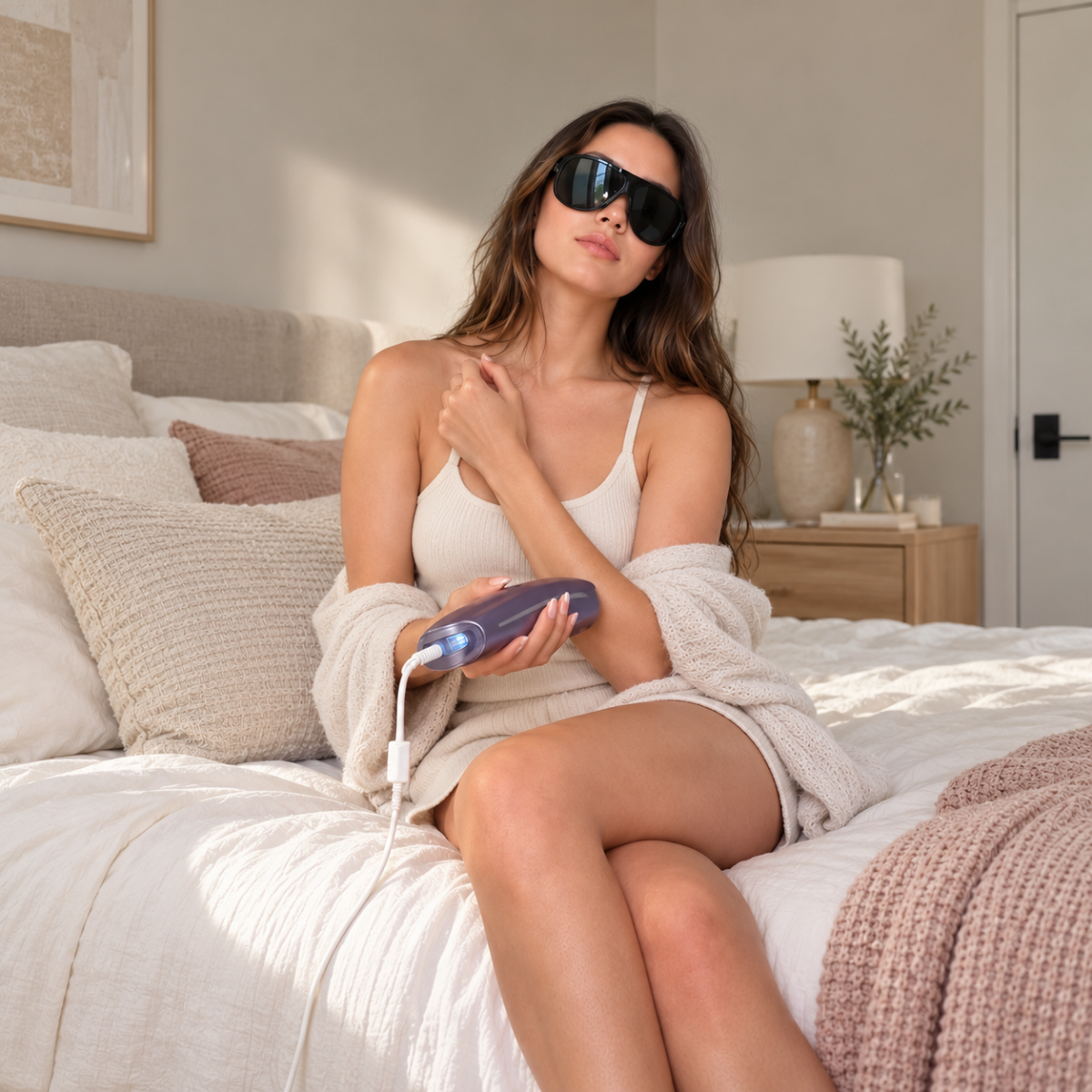
When Does IPL Hair Start Shedding? Signs It’s Working
Explore Beauty
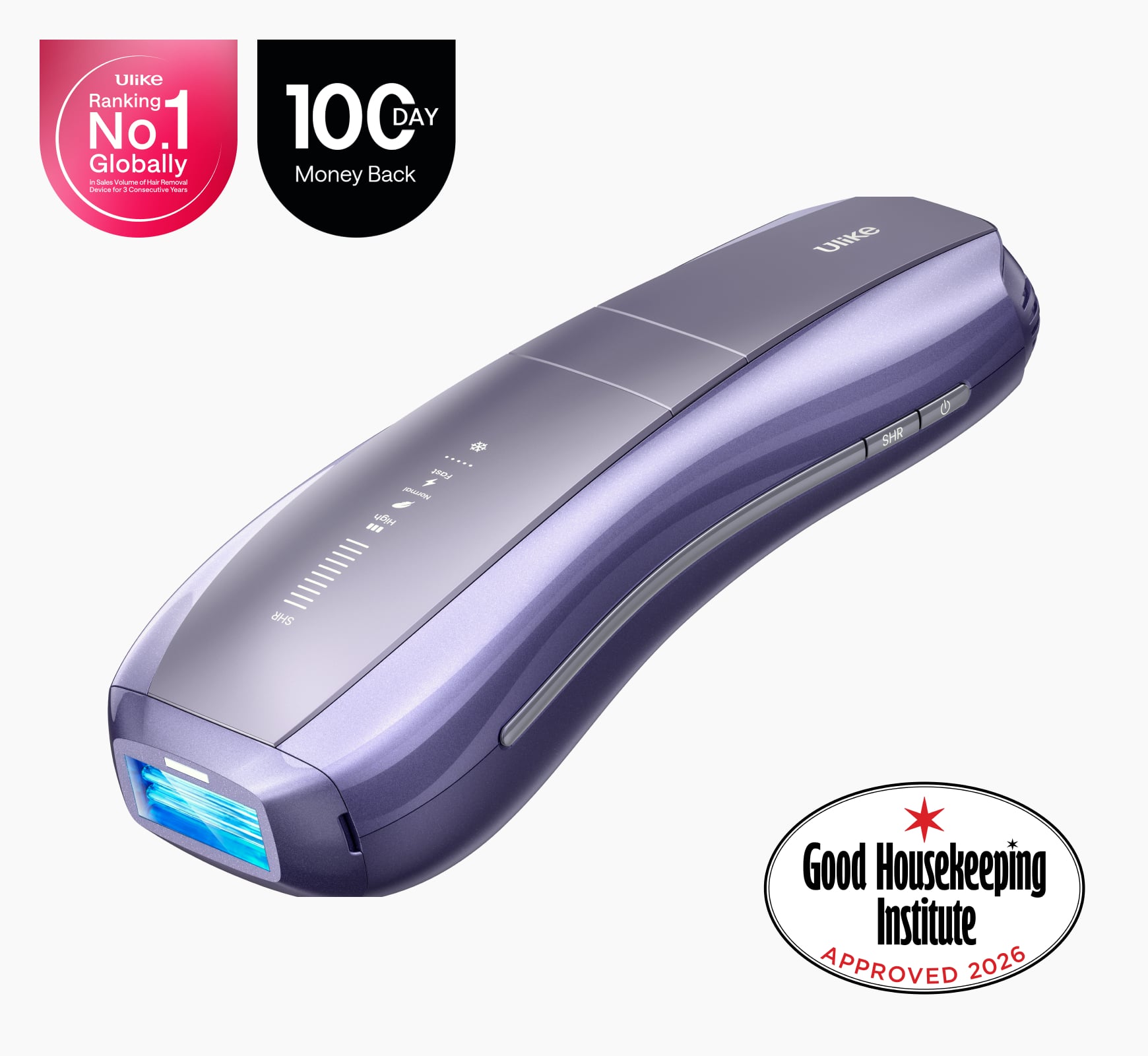
Ulike Air 10
2 weeks to silky smooth skin.
96% Hair Density Reduction in 2 Weeks
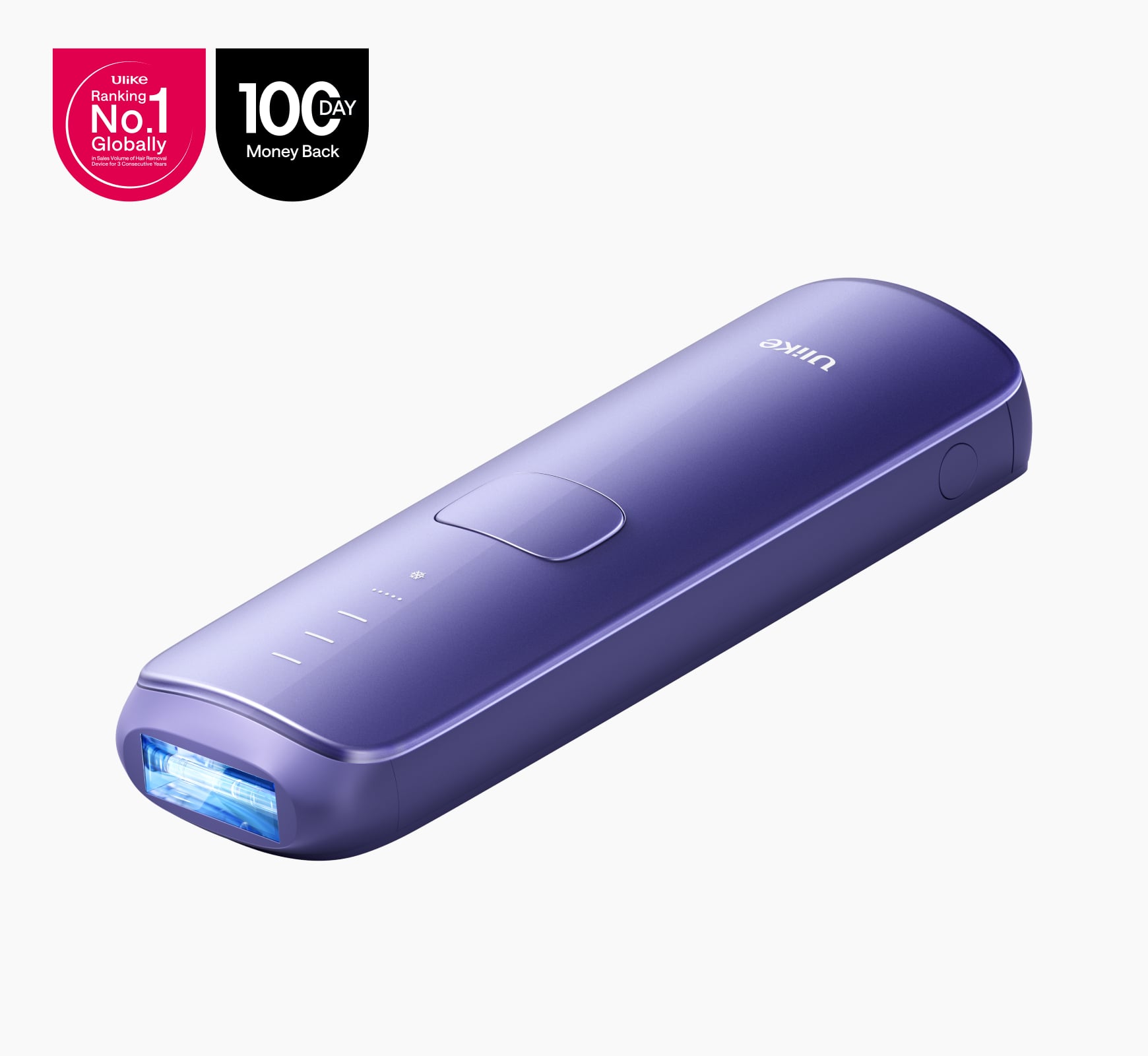
Ulike Air 3
3 weeks to silky smooth skin.
93% Hair Density Reduction in 4 Weeks
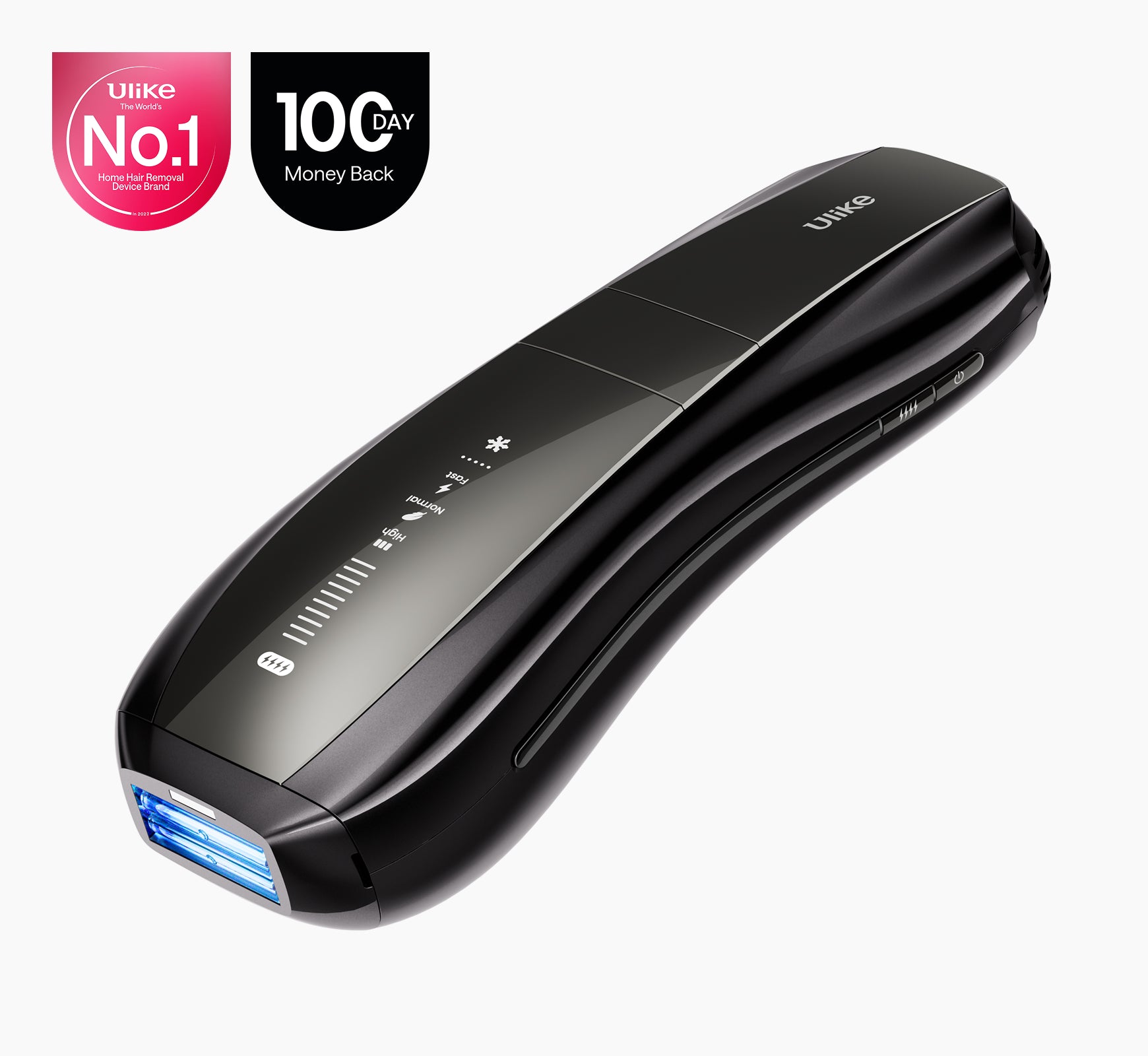
Ulike X
3 weeks to silky smooth skin.
94% hair reduction in just 2 weeks*
Ulike Reglow
Clearer skin in 2 weeks: Fewer breakouts
Smoother skin in 4 weeks: Fewer lines, firmer feel