



Axilla Hair: What Your Underarms Are Telling You (For UK Men and Women)

Axilla Hair: Why We Have It and the Best Ways to Manage It
Axilla hair, or what many simply call armpit hair, is a small part of the body that gets a lot of attention. Some people remove it, while others let it grow, and both ways are valid. Since the area is sensitive, knowing how this hair grows and what techniques to use for hairstyling can make everyday hair removal more pleasant.
This guide explains the purpose of axilla hair, how it grows, and how to best keep it under control. It goes over the best approaches for shaving, hair removal options available, laser hair removal, prevention of ingrown hairs, body positivity, and so much more.
Whether you like to keep the axilla hair trimmed, removed, or simply let it grow, there are recommendations that suit a wide variety of skin conditions and individual preferences.
What Is Axilla Hair?
Axilla hair is the hair that grows in the underarms and often becomes more pronounced during puberty due to hormonal changes. During this time, the soft vellus body hair becomes more pronounced, darker, and coarser; a type of hair that dermatologists call terminal hair. Underarm hair often feels rougher than the hair that grows on the scalp, so if this is the case for you, it is totally normal.
The underarms are a warm, enclosed area with skin folds that form when the arm is down. This is part of the reason the axilla hair often grows in so many different directions instead of just one neat pattern, a fact many people discover when shaving because certain angles feel smoother than others. Coupled with the more delicate skin around the underarm, this is a contributing factor as to why this area is more reactive to friction and hair removal.
Axilla hair is, of course, totally unique to the individual, with some people having soft, flyaway hairs and others having thick and coarse, visible hair due to factors like genetics, hormones, and ethnicity. There is no one mould for how the hair should look, and it is completely individual if you choose to remove it or to leave it be.
Why Do We Have Hair Under Our Arms?
You might think there is no point in having axilla hair given how people tend to live today, but there are actually multiple biological and practical purposes that come with having underarm hair. Each individual's relationship to their axilla hair is different, but there are good reasons why people are able to grow their underarm hair without restriction.
Sweat Reduction and Chafing Relief
When the arm is moving, the area under the arm is always in motion. The axilla hair in the area provides a bit of cushioning, reducing the risk of chafing. They also help wick sweat away from the skin, which increases comfort in the area while moving and in the heat.
Heat and Odour
Apocrine sweat glands are present under the arms and become prominent during the teenage years. They release a different kind of sweat that is used by the bacteria naturally present on the skin in that area. The axilla hair in that area damps the sweat. This is what leads that area to smell more than the rest of the body.
Evolutionary Theories
There are several theories as to why humans retained axilla hair when our body hair continued to decrease. One theory suggests that body scent, which has significance in communication and bonding, may have originated in that area.
Another theory suggests that the body hair provided insulation to a sensitive and unprotected area.
Modern Context
Today, grooming practices vary widely. Some people remove their axilla hair for comfort or sport, while others prefer to keep it natural because it causes less irritation.
Cultural preferences shift over time, and axilla hair can mean different things to different people. What matters most is choosing a routine that feels comfortable and practical for your own skin.
6 Common Axilla Hair Concerns
Many individuals have at least one concern regarding their axilla hair, particularly if they routinely shave or wax. Due to a mixture of friction, warmth, and sweat, this area of the body is more prone to reactions.
A dermatologist who deals with many axilla hair complaints at her London clinic says, 'There is warmth and motion irritation, and with the folds of the underarms..., it is easy to get a little irritation that feels bigger. With gentle care, most troubles can be avoided.'
1.Ingrown Hairs
Ingrown hairs are a common experience, as axilla hair tends to grow in a curled direction. Small, itchy bumps are formed when the tip curls back into the skin. This is especially the case after tight shaves or waxing.
A common 'UK' experience is to notice more ingrown hairs after warmer weather or a busy day at the gym, when there is more sweat and friction, and the skin is left damp.
2.Razor Bumps
When one shaves too quickly, with too much pressure, or with a dull blade, unpleasant things can occur, like these small red, irritated bumps that can be found on the skin.
Many people also experience a stinging sensation when deodorant comes into contact with skin that has just been shaved. This issue is alleviated when individuals switch to shorter strokes with less pressure and use a new razor.
3.Underarm Odour
Axilla hair doesn’t produce odour by itself. The smell arises from sweat and the skin's bacteria, and that moisture is simply retained longer with the hair. People often feel that just trimming the axilla hair, rather than removing it entirely, is beneficial for odour and moisture.
4. Sensitive Skin Reactions
Redness or irritation can be caused by fragranced deodorants or strong antiperspirants if you apply them right after shaving. The skin barrier of the underarm area is particularly sensitive. They soothe irritation caused by antiperspirant left on the skin overnight by washing the area without harsh cleansers and applying a calming moisture barrier.
5.Dark Underarms or Shadowing
This phenomenon, where you may notice a darker shade or “five o’clock shadow” may be a result of friction, a build-up of products, natural skin pigmentation, or axilla hair that rests slightly below the skin after shaving.
6.Sweating and Product Build-Up
Layering deodorant throughout the week or relying on heavy antiperspirants can leave residue that dulls the skin. A mild cleanser is usually enough to clear it.

How to Manage Axilla Hair Safely
You get to choose the way you want to manage axilla hair. Unlike other body hair, managing axilla hair is not required. Whichever choice you make, do your best to choose a method that minimises the chance of burning, discomfort, and ingrown hairs- and does not irritate the skin a lot.
Trimming
Trimming is by far the most gentle option. Axilla hair can be shortened by scissors or an electric trimmer, which is a way to lower the amount of hair that creates possible odours and friction. Hair is not removed, and it does not work on the hair follicle. This method is beneficial for people with sensitive skin or those who get bumps. It is a method that is easy to do daily.
Shaving
Shaving offers a fast, accessible way to remove axilla hair. To prevent irritation, prep the skin with warm water and a mild, fragrance-free cleanser. Use a sharp, clean razor and shave in short, gentle strokes following the natural growth direction. Finish with a calming moisturiser to soothe the skin.
Waxing
You can remove axilla hair by the roots with waxing. The results are smooth and also last longer than shaving. You can do it yourself, but just make sure not to go over any inflamed skin. Use a sensitive skin lotion after waxing, and be aware that some redness may occur with a small wax. If you do waxing correctly, it can help with ingrown axilla hair reduction.
Professional Laser Treatments
Professional laser hair removal works well for those with thicker or coarser axilla hair. Sessions are quicker, and the results can be more polished.
Safety protocols should be followed for patch testing and based on post-care in treatment to avoid or minimise irritation.
For people wanting a more permanent and long-lasting reduction with minimal touch-ups, this is the best option.
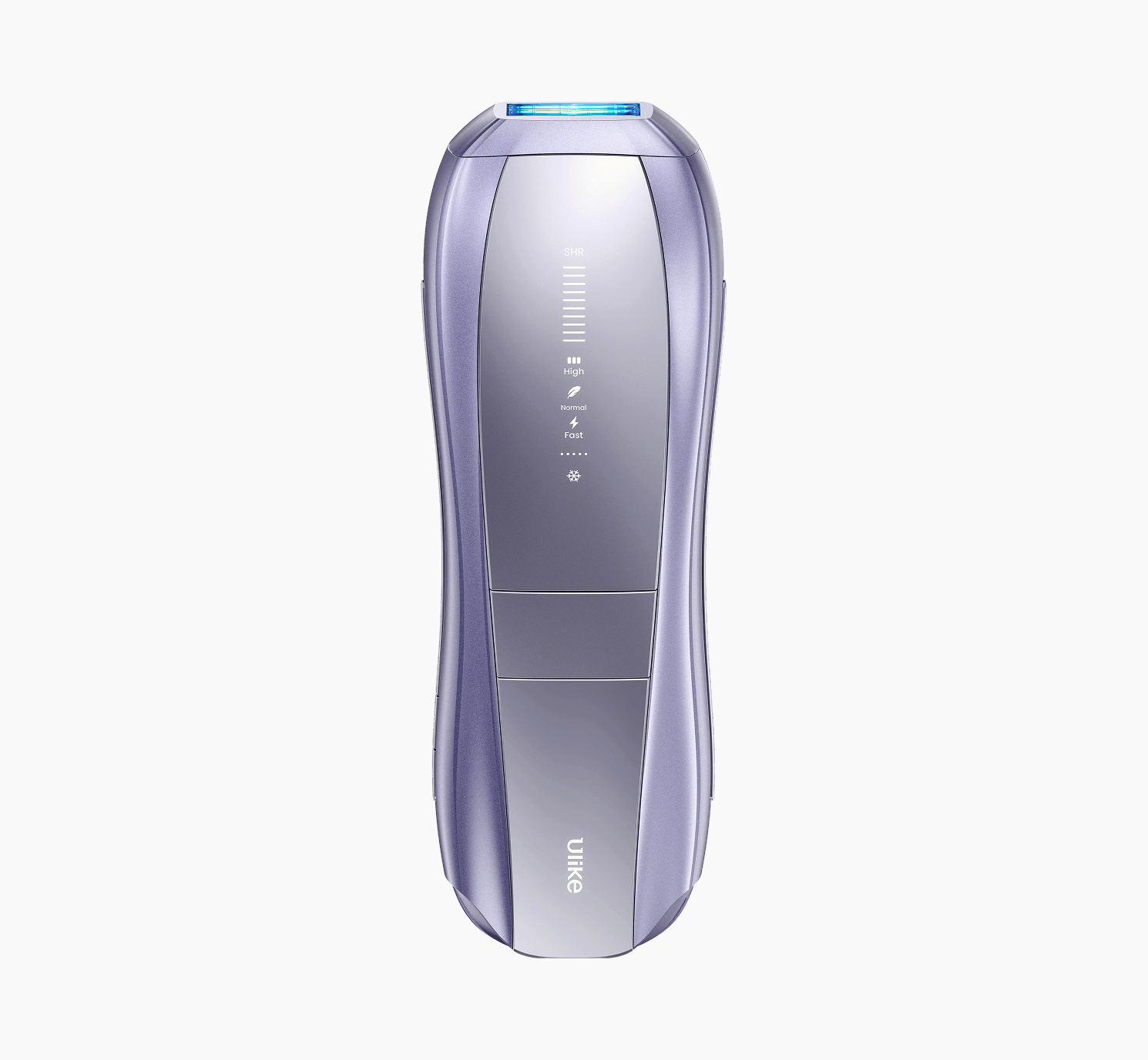
At-Home IPL or Laser
At-home IPL or laser devices gradually reduce axilla hair growth over a series of sessions. People practice hair removal moderation while reducing the risk of ingrown hairs in the long run.
A patch test should be done, and broken skin should not be treated. Many people in the UK find that the devices with cooling technology are more comfortable, especially in sensitive areas like the axilla hair.

How to Shave Underarms Without Irritation
Shaving the axilla hair is quick and convenient, but this area is delicate. Using the right technique and aftercare can prevent razor bumps, redness, and ingrown hairs.
Prep the Skin
Softening the skin before shaving axilla hair helps prevent irritation.
Take a warm shower or apply a gentle warm compress.
-
Lightly exfoliate with a soft cloth or mild scrub to remove dead skin cells.
Use a Sharp Razor
A clean, sharp razor on axilla hair is essential for smooth results.
- Replace disposable razors after a few uses.
-
Avoid pressing too hard. Let the razor glide naturally.
Follow the Hair Growth Direction
Shave with short, gentle strokes in the natural direction of axilla hair growth.
Lift the arm gently to stretch the skin for tricky spots.
-
Avoid going over the same area multiple times.
Rinse and Soothe Afterwards
Proper aftercare reduces redness and irritation of the axilla hair area.
Rinse with cool water to remove residue.
Apply a fragrance-free moisturiser or aloe gel to calm the skin.
Let the area dry completely before applying deodorant.
be alternated along with at-home IPL treatments to keep the underarms smooth and comfortable.
If you have sensitive skin, shaving after a warm gym session or a shower is a good idea, as it allows the axilla hair and skin to soften. To minimise irritation and decrease the risk of ingrown hairs, gentle techniques should be used, and shaving and trimming should be alternated along with at-home IPL treatments to keep the underarms smooth and comfortable.
Laser Hair Removal for the Axilla Area
Removing axilla hair with lasers is favoured by many people due to the long-lasting results, as well as a lower chance of developing ingrown hairs. At-home IPL and professional clinic lasers are both frequently used in the UK, as it is a matter of preference, differing budgets, and skin sensitivity.
How It Works
For IPL and laser treatments, the target is the axilla hair follicles. By heating the pigment, the goal is to slow or stop hair growth. With more sessions, the result will always be a finish with a more gradual finer axilla hair and lasting smoothness along with the hair growth.
At-Home IPL vs Professional Laser
| Feature | At-Home IPL | Professional Laser |
|---|---|---|
| Convenience | Can be done at home at any time | Requires clinic appointments |
| Comfort | Gentler, suitable for sensitive skin | Stronger energy, may need cooling gel |
| Hair Type | Works best on lighter to medium axilla hair | Effective on thicker, coarser hair |
| Speed | Longer sessions needed over weeks | Faster results in fewer sessions |
| Cost | Lower upfront cost | Higher initial cost, but efficient long-term |
| Safety | Requires careful patch testing | Administered by trained technicians, lower risk of misuse |
Safety Considerations
To make this as safe as possible, you should do a patch test before treating the entire axilla hair area. Be sure to avoid sun exposure a few days before and a few days after the treatment. Your skin will be more sensitive to light, and there is a higher risk of your skin developing pigmentation and discolouration.
The sensation of heating and stinging, especially on sensitive skin, is relieved by using devices that have such built-in cooling systems or by using cooling gels. Discomfort as well as the chances of skin irritation or burning are greatly reduced, and the skin stays in perfect condition if the following recommendations are adhered to.
For laser hair removal of the axilla hair, you do not have to do as much maintenance as you would have to if shaving or waxing. If you will be using an at-home IPL device or going to a clinical laser hair removal professional, your skin will be smoother with less irritation, and ingrown hairs will be less of a problem if you do some pre-session preparation and then maintain regular appointments.
Laser hair removal of the axilla hair provides a low-maintenance alternative to shaving or waxing. Whether using an at-home IPL device or visiting a professional clinic, proper preparation, consistent sessions, and attention to safety help maintain smooth skin while reducing irritation and ingrown hairs.
Should Men Shave Under Their Arms?
The choice to shave or not to shave your axilla hair can be influenced by many factors, such as your comfort level, what you consider hygiene to be, and your overall lifestyle.
Male athletes such as swimmers and cyclists often opt to shave their axilla hair to alleviate friction and sweating, and to feel cooler while participating in their sport.
On the other hand, some guys prefer to keep and maintain their axilla hair as it can significantly decrease the chances of getting razor bumps and irritation.
If you are going to shave your axilla hair, it is generally best to trim longer hairs to a shorter length to make shaving easier and to prevent hair tugging. Shaving in the direction of your hair growth and using slow and short strokes with a decent and sharp razor makes it a lot easier on your skin, too.
To keep your skin nice and soothed afterwards, apply a nice unscented moisturiser to keep your skin from drying and getting too tight. This is especially a good method for guys living in the UK, as the summer months are often very warm and humid.
In the end, it is up to each individual to make their own decision on what they feel is best. Regardless, it should be done in a safe manner, which will hopefully allow for little to no irritation and no ingrown hairs to occur.
How to Prevent and Treat Ingrown Underarm Hairs
Ingrown hairs are common in the axilla hair area because the hair naturally curves and grows in a humid environment with constant friction. Sweat, tight clothing, and frequent shaving can all make the problem worse. With a few simple habits, most people can keep these bumps under control and avoid irritation.
Why Ingrown Hairs Happen in the Axilla Area
The axilla hair area has a lot of hair that grows in random directions, which can allow hairs to turn in on themselves. With the added heat and sweat from activities like working out, travelling, exercising, or wearing tightly fitted athletic clothing, it's easy for dead skin to trap the ingrown hairs under the skin.
How to Prevent Ingrown Underarm Hairs
A gentle routine usually reduces the number of ingrown hairs:
-
Exfoliate lightly
Using a mild exfoliant once or twice a week helps lift dead skin, making it easier for hair to grow out instead of curling in. - Shave with the grain
Following the direction of growth and using short strokes reduces tugging and razor bumps. - Keep the area moisturised
A fragrance-free lotion helps soften the hair and skin, making regrowth smoother. - Choose breathable fabrics
Cotton or moisture-wicking sports tops help reduce friction during gym sessions or warm days.
When to Seek Medical Advice
If the bump becomes increasingly painful, has pus, or doesn’t improve after a few days, a GP or pharmacist can advise on safe treatment. This is especially important if you’re prone to repeated infections or have very sensitive axilla hair skin.
Pros and Cons of Leaving Axilla Hair Natural
Many people choose to keep their axilla hair natural because it feels comfortable and low-maintenance. Others prefer a smooth underarm for sport, aesthetics, or habit. Both choices are completely normal, and neither says anything about hygiene or self-care. What matters is what suits your skin and lifestyle.
Benefits and Drawbacks at a Glance
| Pros of Leaving Axilla Hair Natural | Cons to Consider |
|---|---|
| Less irritation for sensitive skin | Sweat can cling to longer hairs, sometimes causing stronger odour |
| No razor bumps, nicks, or ingrown hairs | Underarms may feel warmer during exercise or hot weather |
| No ongoing shaving or waxing routine | Deodorant and sweat can build up without thorough washing |
| Fits body-positive or low-maintenance grooming styles | Some people simply prefer the look or feel of smooth skin |
Looking After Natural Underarm Hair
Natural axilla hair stays comfortable with a few simple habits. Washing the area well removes deodorant build-up and reduces odour from sweat and bacteria. Some people trim the hair slightly to keep it neat, particularly during gym sessions or warmer UK days when moisture can linger. Choosing breathable fabrics during workouts also helps reduce friction and keeps the area fresh.
FAQs About Axilla Hair
Why do we have axilla hair?
Axilla hair protects the underarm skin, reduces friction, and helps manage moisture from sweat. The area contains apocrine glands, and the hair around them plays a role in warmth, signalling, and cushioning during movement.
Is it better to shave or trim underarm hair?
The better option depends on skin sensitivity and personal preference. Trimming axilla hair tends to cause less irritation, while shaving gives a smooth finish. People prone to razor bumps often prefer trimming or long-term solutions such as IPL.
Does laser hair removal work on armpits?
Laser and IPL treatments work well on the axilla hair area because the hair is often darker and coarser. Sessions are quick, and many people notice fewer ingrown hairs over time. Patch tests and professional guidance are still important.
How long does axilla laser hair removal last?
Most people see long-term reduction after a full course, though some axilla hair regrowth can appear with hormones or natural hair cycles. Occasional top-up sessions every 6–12 months help maintain results.
How do I stop ingrown hairs in my armpits?
Regular exfoliation, gentle shaving techniques, and consistent moisturising reduce the chance of hairs curling under the skin. Warm showers before hair removal loosen the follicles, and people with sensitive skin often benefit from trimming axilla hair rather than close shaving.
Is it unhygienic to keep underarm hair?
Axilla hair isn’t unhygienic. Odour comes from bacteria mixing with sweat, not the hair itself. Washing the area thoroughly and using suitable deodorant keeps it fresh, regardless of whether the hair stays natural or is removed.
A Final Word on Axilla Hair and Caring for Your Underarms
Axilla hair is completely normal. Everyone grows different amounts at different lengths, as well as differing textures, with some being coarser and others being thinner. People go about grooming body hair in different ways. Some might naturalise it or remove the axilla hair by shaving, waxing, or using longer-term methods like IPL. It will remove the hair effectively as long as some skin preparation is done.
There is some irritation of the skin that can lead to razor bumps and ingrown hairs as a result of poor grooming technique. Keeping the skin exfoliated and the tools sharpened will keep the underarm hairless and the skin irritation at a minimum.
If you don't want to maintain your underarm more than once a month or less, people in the UK recommend laser hair removal, especially the type that uses cooling technology. Unlike traditional hair removal, it won’t cause shaving irritation. You can see if it fits your routine and comfort level.
IPL hair removal is designed to be very safe. There are more guides with the same high level of detail for removing axilla hair from other parts of the body, including the upper lip and face, so you can easily make good and safe decisions for your whole grooming routine.
Related Readings


How to Clean an IPL Hair Removal Device Safely

Can You Use IPL on Arms? Will It Work on Your Hair?

When Does IPL Hair Start Shedding? Signs It’s Working
Explore Beauty

Ulike Air 10
2 weeks to silky smooth skin.
96% Hair Density Reduction in 2 Weeks

Ulike Air 3
3 weeks to silky smooth skin.
93% Hair Density Reduction in 4 Weeks
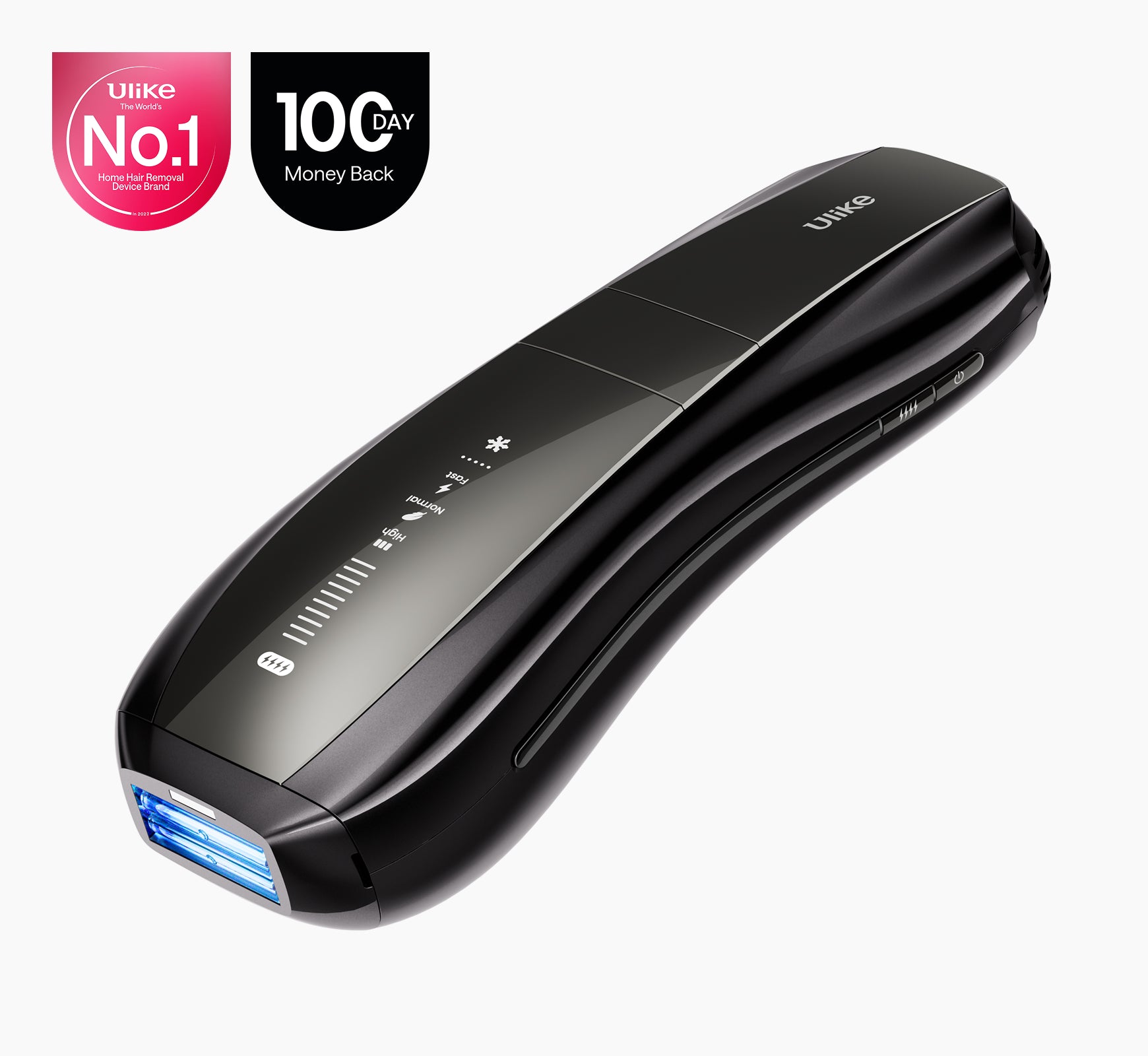
Ulike X
3 weeks to silky smooth skin.
94% hair reduction in just 2 weeks*
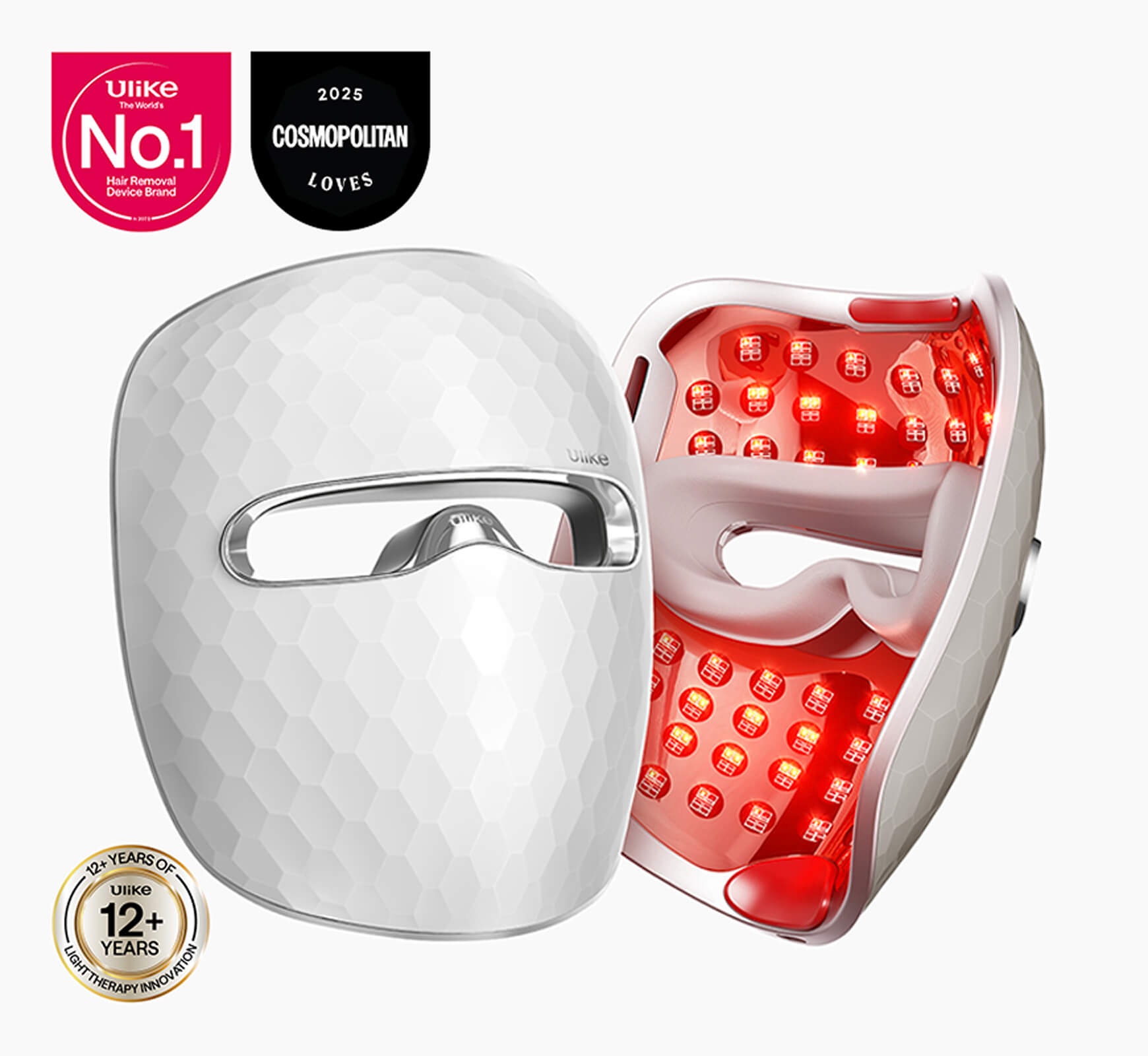
Ulike Reglow
Clearer skin in 2 weeks: Fewer breakouts
Smoother skin in 4 weeks: Fewer lines, firmer feel