




IPL Hair Removal Schedule: A Simple Routine for Busy People

You want to stay on top of unwanted hair, but you do not want another recurring task competing for space in your diary. Shaving, waxing and salon appointments all demand repeated attention; at-home IPL works differently, but it still needs a proper routine at the start.
The right IPL hair removal schedule is not about treating whenever you find a spare five minutes. It is about following the guidance for your specific device, leaving the recommended interval between sessions and choosing a treatment time you can realistically repeat. As hair reduction develops, maintenance may become less frequent, giving you more control over when you manage regrowth without promising completely maintenance-free results.
This guide explains how much time IPL really requires, how often to use it, what happens if you miss a session and how to fit the initial course and later maintenance around a busy UK lifestyle. Schedules vary by device, so always check the instructions supplied with your model before you begin.
How much time does IPL hair removal really take?
At-home IPL will need regular sessions at the start, but they do not have to take over your week. The time involved depends on your device, the treatment area, the number of areas you cover and how organised your preparation is. Follow the manufacturer's guidance rather than treating more often to try to save time.
A typical session has four parts:
Part of the routine |
What it involves |
How to keep it manageable |
Preparation |
Shaving where required and making sure the skin is clean and dry |
Prepare the area in advance if that fits your routine better |
Treatment |
Using the device over the selected area according to its instructions |
Treat one or more permitted areas in the same session, if the device allows it |
Basic aftercare |
Following the product's advice after treatment and avoiding anything it tells you to avoid |
Keep aftercare simple and use the same routine each time |
Scheduling |
Returning at the correct interval rather than treating whenever regrowth appears |
Choose a repeatable day or use reminders during the initial course |
What takes the most time?
Most of the effort comes at the beginning, when sessions are more frequent. Decide in advance which areas you will treat and choose a slot you can repeat.
Do not add extra treatments simply because the first few sessions are easy. More frequent treatment is not a shortcut to faster results, and exceeding the recommended interval can increase the risk of irritation.
Does IPL get easier to maintain?
It can become easier to manage as hair reduction develops, because there may be less regrowth between sessions. You then follow a planned maintenance routine rather than repeatedly responding to visible hair.
You may spend less time dealing with regrowth, but you will still need occasional maintenance. Results depend on factors such as hair characteristics, treatment consistency, treatment area and device suitability.
How often should you use IPL?
Use IPL as often as the manufacturer recommends for your particular device. Home IPL devices do not all use the same schedule, so do not copy a schedule from a different model or assume that daily use will produce quicker results.
The schedule follows the hair growth cycle because not every follicle is active at the same time. If you are using a Ulike device, check the current instructions for that model before you begin. Ulike's published Air 10 guidance describes a phased schedule: two to three treatments per week during weeks 1–4, once weekly during weeks 5–8, once every two weeks during weeks 9–12, then one to two treatments per month after week 12. That schedule is specific to the guidance referenced for the Air 10 and should not be presented as a universal rule for every IPL device.

Can you use IPL more often to get faster results?
No. Using the device more often will not make the results arrive sooner. Follow the schedule for your device and leave the stated interval between treatments.
If you miss a session, do not turn it into several treatments close together. Resume according to the manufacturer's instructions.
What does the IPL hair-removal timeline look like?
Think of IPL timeline as a gradual process rather than a fixed week-by-week result. Ulike's official guidance says users may typically begin seeing results in one to four weeks, while the overall process continues beyond the first visible changes. The area you treat, your hair and skin, your device and how consistently you use it all affect the pace of change.
The first few treatments
The first few sessions are about getting into the habit and giving the treatment time to build. You may notice changes in growth or shedding, but the first treatments do not represent the final outcome because hairs are at different stages of the growth cycle. Put sessions in your calendar and avoid judging the course after one or two treatments.
Before treating, carry out the required patch test. Ulike's published guidance advises starting at the lowest setting on a small area and checking for a reaction over 24 hours before proceeding. Follow the instructions supplied with your own device if they differ.
As treatment continues
As you continue, you may notice that the hair grows back more slowly or less densely. Some areas respond sooner than others, and stubborn or coarser hair may not follow the same pattern as finer hair. Do not increase frequency without guidance.
Keep your technique consistent: prepare the skin as instructed, use the device only on permitted areas and follow its recommended intensity and flashing method. For more background, read Ulike's guide to how IPL works.
Moving towards maintenance
The early sessions do the groundwork. Maintenance deals with the regrowth that appears later. Early treatments establish regular coverage while the hair-growth cycle progresses. Maintenance treatments address later regrowth and help you preserve the reduction achieved during the course.
Maintenance is not a sign that IPL has stopped working. Hair can regrow over time, and the right frequency depends on the device guidance and your response. Do not transfer the Air 10 monthly figure to another model without checking its instructions.
Why consistency matters more than finding extra time
IPL does not require daily treatment. It requires suitable intervals, followed consistently enough to reach hairs as they move through different growth stages. Missing one session does not mean the course has failed, but repeatedly changing the schedule makes the intended pattern harder to maintain.
What if you miss an IPL session?
Do not automatically double up or treat more frequently. Check the instructions for your device and continue at the appropriate interval.
If your planned treatment day no longer works, move the next session to a realistic time while preserving the required gap. A short delay is more sensible than trying to compensate with back-to-back treatments. If you are unsure how to restart after a longer break, consult the manufacturer's instructions or contact its support team rather than guessing.
How to fit IPL into a busy schedule
Choose a treatment time that still works when your week is busy.
Pick a routine you can repeat
Choose a day or time that is usually available during the initial course. That might be a weekday evening, a Saturday morning or a regular slot after your shower. The exact time matters less than the fact that you can return to it.
If your timetable changes, use a recurring reminder and move the session when necessary. Preserve the correct treatment interval rather than treating twice because a reminder was missed.

Link IPL to an existing habit
Attach treatment to a predictable habit, such as an evening skincare routine. That way, you are less likely to forget the next session.
Keep the device somewhere clean and accessible, while storing it according to the manufacturer's instructions.
Treat multiple suitable areas in one session
If your device allows it, treat several areas in the same session rather than spreading them across the week. Follow the device instructions for permitted areas and treatment order. Ulike's published guide says its devices are intended for areas below the cheekbones; do not use an IPL device on an area simply because treating it would be convenient.
Use reminders during the initial course
Reminders are most useful when the schedule is frequent. Put the next treatment date in your calendar immediately after a session, or use a treatment tracker if your device offers one.
Do not try to catch up
A busy week is not a reason to compress the course. If you miss a treatment, continue according to the guidance for your device. The aim is not to find more opportunities to flash the device; it is to establish a pattern you can maintain safely.
What happens when you have less time for hair removal?
Shaving means dealing with regrowth again and again, while waxing and salon treatments require repeat appointments. At-home IPL asks for a more structured initial routine, followed by maintenance according to the device guidance.
IPL does not remove the need for a routine overnight. It changes the nature of the routine: some consistency at the beginning, followed by the possibility of less time dealing with regrowth as hair reduction develops. You also control when and where you treat, without relying on a salon appointment every time.
How to maintain your IPL results long term
Maintenance means treating occasional regrowth after the initial course at the frequency recommended for your device. You may not need a monthly session, and seeing a couple of hairs does not mean you need to restart the whole course. Follow your model's instructions and adjust only within their boundaries.
The aim is long-term hair reduction, not guaranteed permanent removal of every hair. Results can be affected by consistency, hair colour and thickness, treatment area and device suitability.

What if your IPL routine isn't working?
Before changing the frequency, check whether you are following the schedule for your exact device, preparing the skin and using the device as instructed, treating a permitted area, and using a device suitable for your skin tone and hair colour.
Do not respond to disappointing early results by treating every day. If you have checked your routine and still have concerns, read Ulike's guide to what to do if IPL is not working for more focused troubleshooting.
For preparation and skin-safety information, see Ulike's IPL patch-test guidance. Stop using the device and seek appropriate professional advice if you experience a concerning or persistent reaction.
How to make your IPL routine easier
A few small changes can make the schedule easier to keep:
1.Choose a repeatable treatment time for the initial course.
2.Check the instructions for your exact Ulike model before setting a schedule.
3.Keep preparation straightforward and complete it as directed.
4.Use a calendar reminder or treatment tracker until the schedule becomes familiar.
5.Treat multiple permitted areas in one session when the device instructions allow it.
6.Record your sessions so you can see whether you are following the plan.
7.If you miss a session, resume appropriately—do not over-treat to catch up.
A device such as Ulike can give you more control over when you carry out treatment, but convenience depends on using that control sensibly
FAQs about IPL schedules and maintenance
How often should I use IPL at home?
Follow the treatment schedule for your exact IPL device. Frequency varies between models and usually changes between the initial course and maintenance. For example, Ulike's published Air 10 guidance recommends two to three treatments per week during weeks 1–4, once weekly during weeks 5–8, once every two weeks during weeks 9–12 and one to two treatments per month after week 12. Do not apply an Air 10 schedule to another device without checking its instructions
How long does an IPL session take?
The time depends on your device, the area being treated, the number of areas and the preparation required. A session includes preparing clean, dry skin, using the device as directed and completing any recommended aftercare. If your device allows it, treating several permitted areas in one planned session may be more practical than spreading them across different days.
How long does IPL take to work?
IPL works progressively. Ulike says users may typically begin seeing results in one to four weeks, but the initial course and later maintenance continue beyond the first visible changes. The timeline depends on factors including treatment consistency, hair characteristics, treatment area and device suitability.
Can I use IPL more often to get faster results?
No. More frequent treatment is not a shortcut to faster results. Follow the manufacturer's schedule and leave the required interval between sessions.
What happens if I miss an IPL session?
Do not double up or treat more frequently to catch up. Check your device instructions and continue at the appropriate interval. One missed session does not mean the course has failed, but back-to-back treatments are not a sensible replacement for the session you missed.
How often do I need IPL after the initial treatment course?
Maintenance frequency varies by device and by your response. Use the maintenance schedule supplied for your model. Ulike's published Air 10 guidance states one to two treatments per month after its initial phases.
Does IPL become easier to maintain over time?
It can become easier as hair reduction develops and there is less regrowth to manage, but maintenance may still be necessary. Do not assume that every user or body area will follow the same timeline.
Can IPL hair removal fit into a busy schedule?
Yes, if you treat it as a planned routine rather than something to squeeze in at random. Choose a repeatable treatment time, link it to an existing habit, use reminders during the initial course and follow the schedule for your device. The aim is not to find extra treatment time or over-treat; it is to give IPL a realistic place in your routine.
Fitting IPL Into Your Routine
IPL works best when you follow the schedule for your device and treat at a time you can manage. Complete the initial course, then move on to maintenance as advised. If you miss a session, carry on when you can rather than trying to make up for it with extra treatments.
The aim is simple: give IPL a regular place in your routine and avoid turning it into another task to catch up on. Over time, it can mean less repeated shaving, waxing or salon planning.
References

How to Clean an IPL Hair Removal Device Safely

Can You Use IPL on Arms? Will It Work on Your Hair?

When Does IPL Hair Start Shedding? Signs It’s Working
Explore Beauty
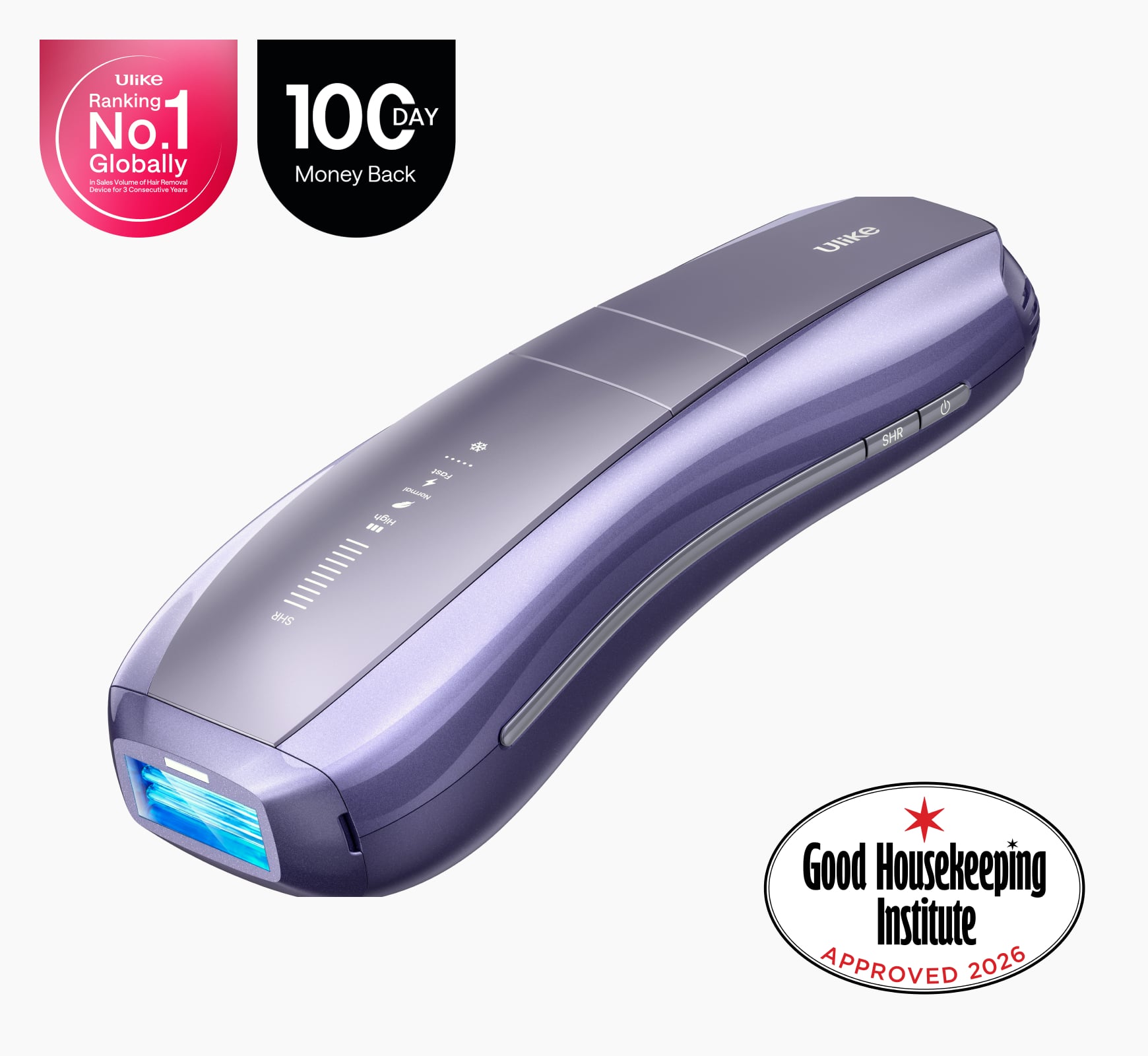
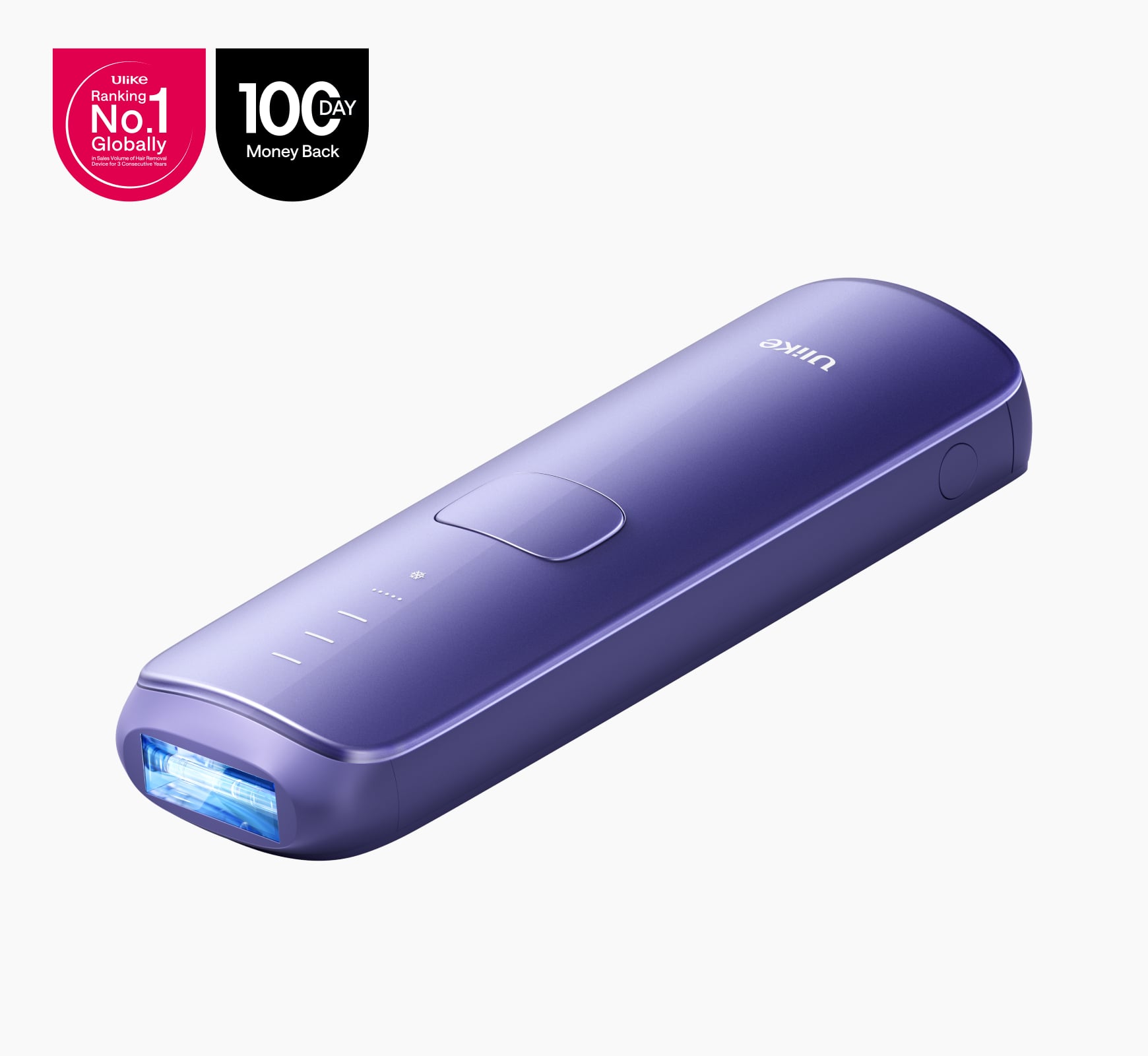
Ulike Air 10
2 weeks to silky smooth skin.
96% Hair Density Reduction in 2 Weeks
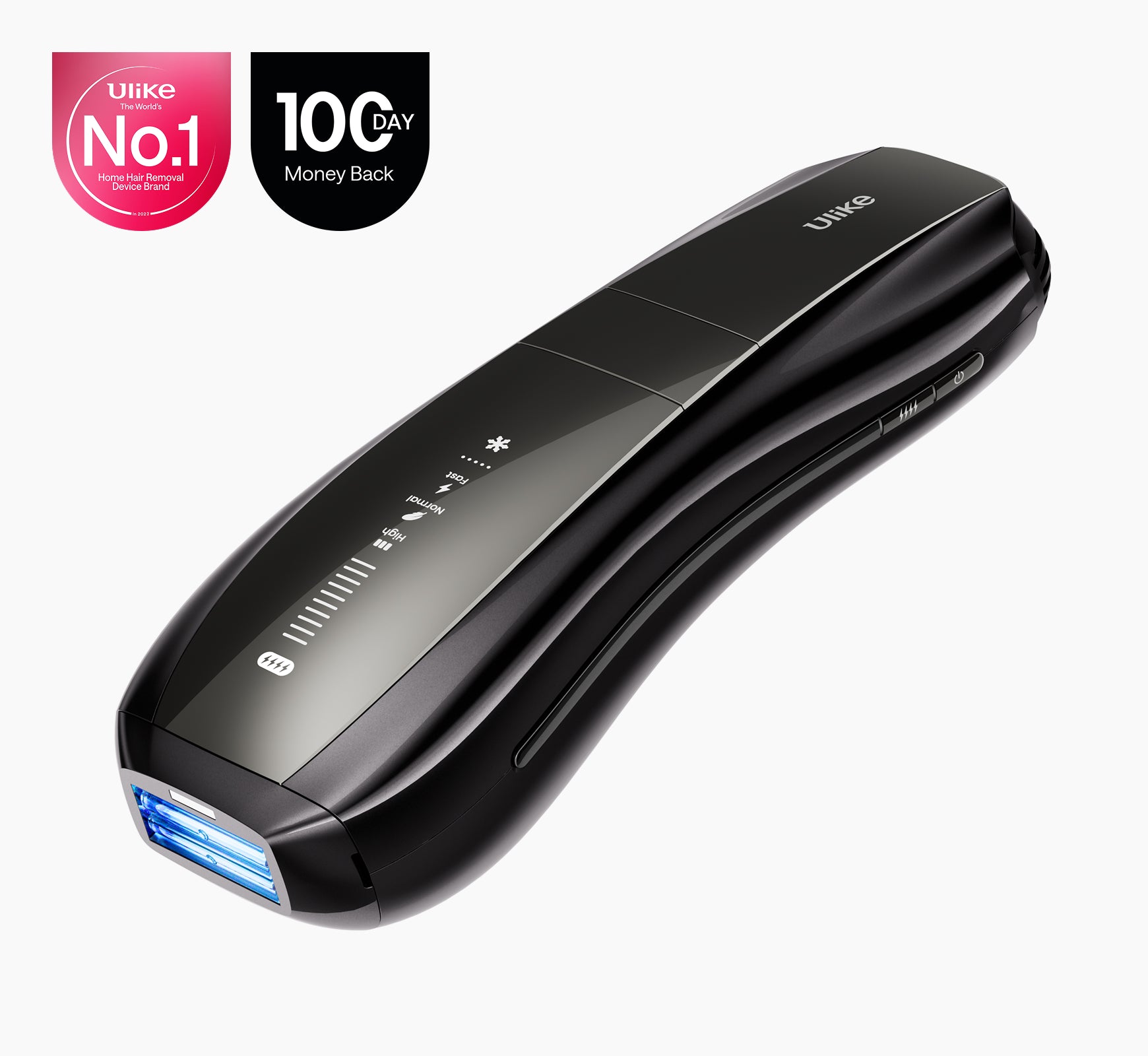
Ulike Air 3
3 weeks to silky smooth skin.
93% Hair Density Reduction in 4 Weeks
Ulike X
3 weeks to silky smooth skin.
94% hair reduction in just 2 weeks*
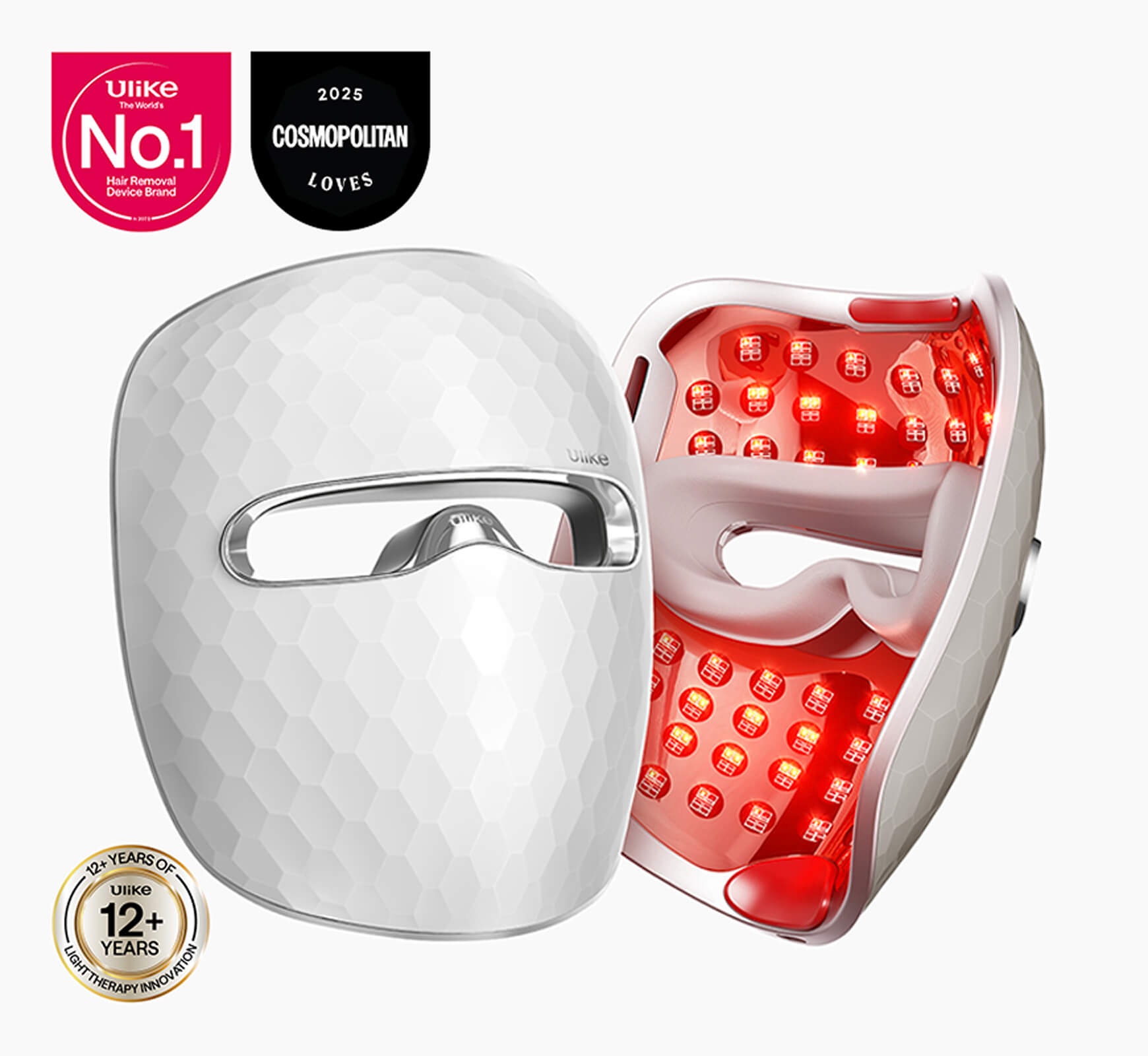
Ulike Reglow
Clearer skin in 2 weeks: Fewer breakouts
Smoother skin in 4 weeks: Fewer lines, firmer feel