


Which Medications Make IPL Hair Removal Unsafe?
Some medicines can increase sensitivity to light or affect how your skin tolerates treatment, making at-home intense pulsed light (IPL) hair removal inadvisable. Certain antibiotics, acne treatments and other medicines with photosensitivity warnings deserve particular attention, but the precautions vary by active ingredient and device.
Before your next session, check your medicine's patient information leaflet and the instructions for your exact IPL model. If either raises a concern, or you cannot establish whether treatment is appropriate, ask your pharmacist or prescriber. Never stop prescribed medication just to use IPL.

Which Medicines Can Affect IPL Hair Removal Safety?
No single list applies to every IPL device. The table gives examples of medicines worth checking before IPL. It separates three different things: a documented photosensitivity warning, medicine-specific advice about hair removal, and manufacturer guidance. None of these is a confirmed contraindication for every device.
Medicine |
Active ingredient |
What the source says |
Type of concern |
Tetracycline antibiotic |
Doxycycline |
NHS lists skin that is more sensitive to the sun as a possible serious side effect |
Documented photosensitivity warning |
Quinolone antibiotic |
Ciprofloxacin |
UK product information documents photosensitivity and advises avoiding extensive sunlight or UV exposure during treatment |
Documented photosensitivity warning |
Oral retinoid for severe acne |
Isotretinoin |
NHS advises against waxing and laser hair removal while taking it |
Medicine-specific advice on hair removal |
Topical retinoid |
Tretinoin |
Ulike's help centre generally advises against using IPL while using it, citing increased skin sensitivity |
Manufacturer guidance |
These are selected examples, not a complete list of medicines that may affect IPL suitability.
Photosensitivity is an increased skin response to light. A contraindication is a circumstance in which a treatment should not be used under medical or manufacturer guidance. For Ulike devices, theFAQ page lists photosensitivity among the reasons IPL is not recommended, so a photosensitivity warning on a medicine you take is the part of the guidance to take seriously.
1. Antibiotics that can cause photosensitivity
Doxycycline and other tetracyclines
Doxycycline treats infections such as urinary tract and chest infections, and is sometimes prescribed for acne and rosacea. The NHS describes the sun-related reaction as a rash, itching and redness, and notes it may be harder to see on brown or black skin.
That warning concerns sunlight. It does not show an identical reaction with every IPL device, but it is a clear reason to pause and check.
Ciprofloxacin
Ciprofloxacin is a quinolone antibiotic with a documented photosensitivity risk. Not all antibiotics carry this warning, and taking an antibiotic does not automatically make IPL unsafe. Name the exact active ingredient when you ask your pharmacist.
2. Isotretinoin, Tretinoin and Other Acne Treatments
Isotretinoin
Isotretinoin is a prescription capsule for severe acne. NHS guidance on what to avoid includes sunbeds and sunlamps, chemical peels and microdermabrasion, and waxing or laser treatments for hair removal. Side effects can include dry, itchy skin and skin irritation after sun exposure.
The NHS wording is about people taking isotretinoin and about hair removal generally. It has not ruled on every at-home IPL device, so ask your prescriber and show them your device manual. We cannot give a waiting period after your final dose, because your prescriber is the right person to set one.
Tretinoin and Other Topical Treatments
Tretinoin is a prescription retinoid applied to the skin. Ulike's help centre says tretinoin can make skin more sensitive and increase the risk of redness, swelling and burns. Because the manufacturer's published guidance is not consistent across its pages, follow the instructions that come with your exact device and ask your prescriber what applies to you.
This concerns tretinoin specifically, not all skincare. For other active products, read their instructions and ask a pharmacist.
Does a photosensitivity warning mean IPL is always unsafe?
Not necessarily, but it is a reason to stop and check. Three situations are worth keeping apart:
The medicine information warns about photosensitivity. Treat this as a reason to seek advice.
The manufacturer's instructions prohibit treatment in your circumstances. Follow them.
The evidence is unclear for your medicine and device. Ask a pharmacist or prescriber, and do not use IPL to find out.
Many medicine-related photosensitivity warnings concern sunlight or ultraviolet exposure. These warnings warrant checking before IPL, but they do not by themselves establish the same level of risk for every device. The examples above are not a complete list, so check every medicine you take, including over-the-counter and topical products.
Should You Stop Medication or Delay IPL Treatment?
No. Do not stop, reduce or change prescribed medication to use an IPL device. Tell your prescriber or pharmacist the exact medicine and dose, share your device's model name, and ask whether treatment should wait.
There is no single waiting period that applies to every medicine. If treatment is permitted, ask your prescriber or pharmacist when it is appropriate to resume IPL and follow the instructions for your specific device. Do not borrow a waiting time from waxing, laser resurfacing or sun-protection advice.
Can a Patch Test Make IPL Safe While Taking Medication?
No, not if a contraindication applies to you. A patch test cannot override your device's instructions or show that a photosensitising medicine is compatible with IPL. If your manufacturer requires one, follow the instructions for your model, including the stated waiting time.
7 Checks Before Using IPL While Taking Medication
List every prescription medicine, over-the-counter medicine, topical product and supplement you use.
Find the active ingredient in each.
Read each patient information leaflet for photosensitivity and skin warnings.
Read the manual for your exact IPL model.
Ask a pharmacist or prescriber if anything is unclear.
Do not treat if your device's contraindications apply to you.
Do not treat irritated or damaged skin.

If you have already used IPL and notice redness, blistering, swelling or pain that does not settle, stop using the device and seek advice from a pharmacist or GP.
Medication and IPL Hair Removal: Common Questions Answered
Can you use IPL while taking doxycycline?
Doxycycline can make skin more sensitive to the sun. Ask a pharmacist or prescriber before treatment, with your device manual to hand.
Can you use IPL while taking isotretinoin?
The NHS advises against waxing and laser hair removal during treatment. Ask your prescriber before using any IPL device.
Can you use IPL while using tretinoin?
Ulike's help centre generally advises against it. Check the instructions for your device and ask your prescriber.
Before Using IPL, Check Your Medication and Device Guidance
Certain medicines warrant checking before IPL, and the exact medicine and your device's contraindications decide what is appropriate. If you cannot settle the question from the leaflet and manual, ask a pharmacist or prescriber before treatment.
Before choosing an at-home IPL device, review its safety instructions and contraindications to understand whether it is appropriate for you.

Ulike Air 3 Deluxe Set: What’s Included and Is It Worth It?
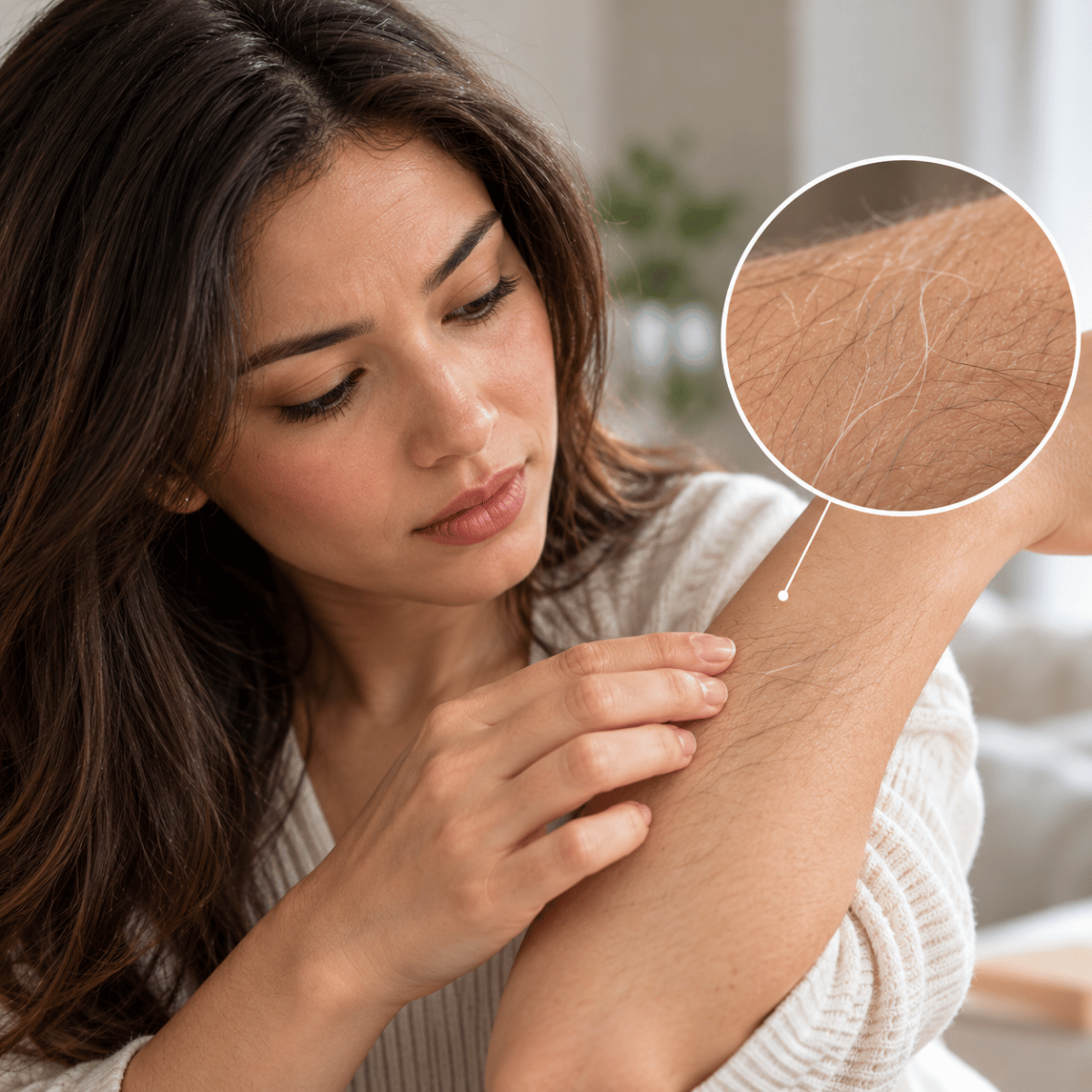
Can IPL Turn Your Hair White? The Facts on Leukotrichia

IPL Before a Holiday: How Far in Advance Should You Start?
Explore Beauty
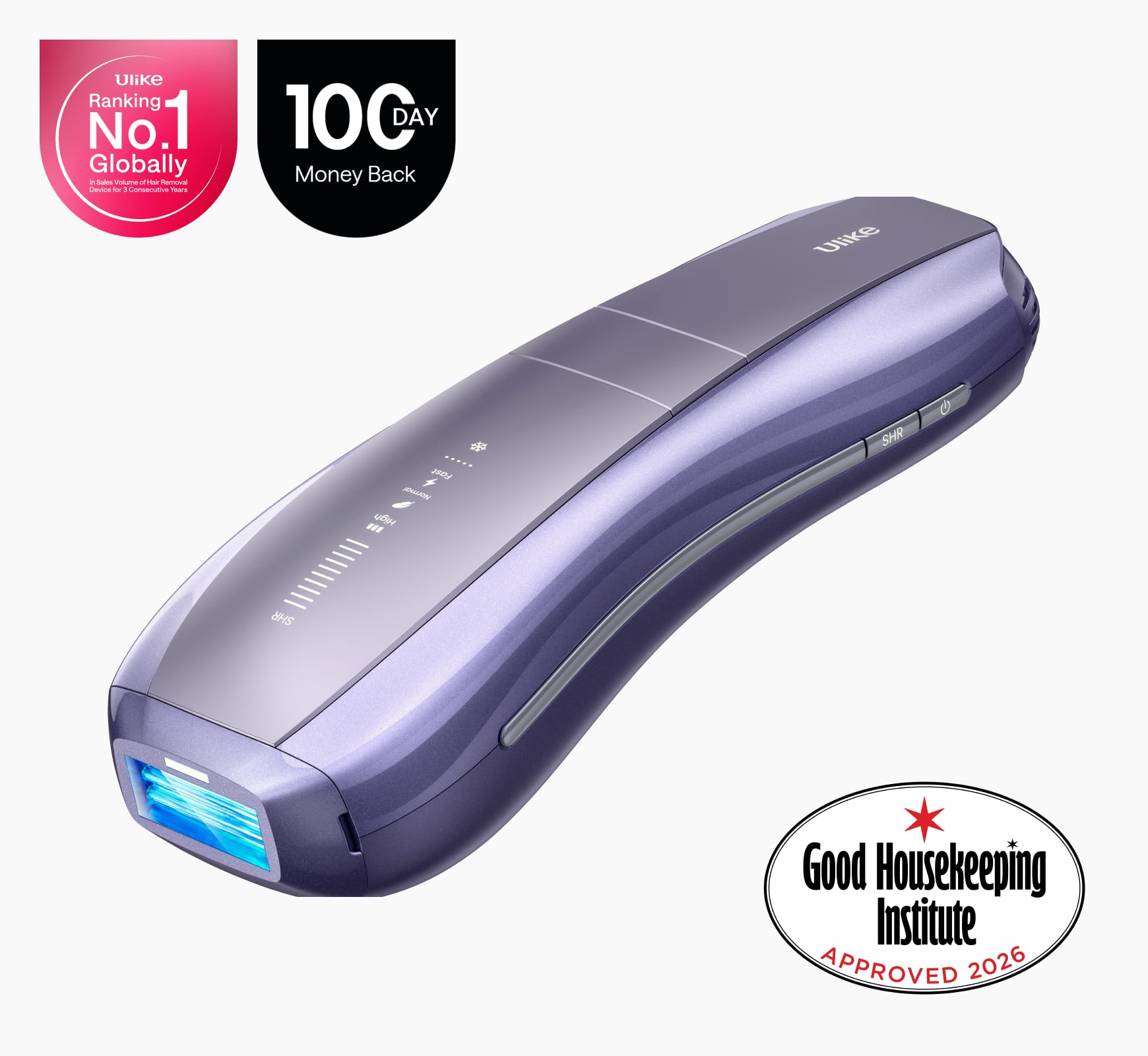
Ulike Air 10
2 weeks to silky smooth skin.
96% Hair Density Reduction in 4 Weeks
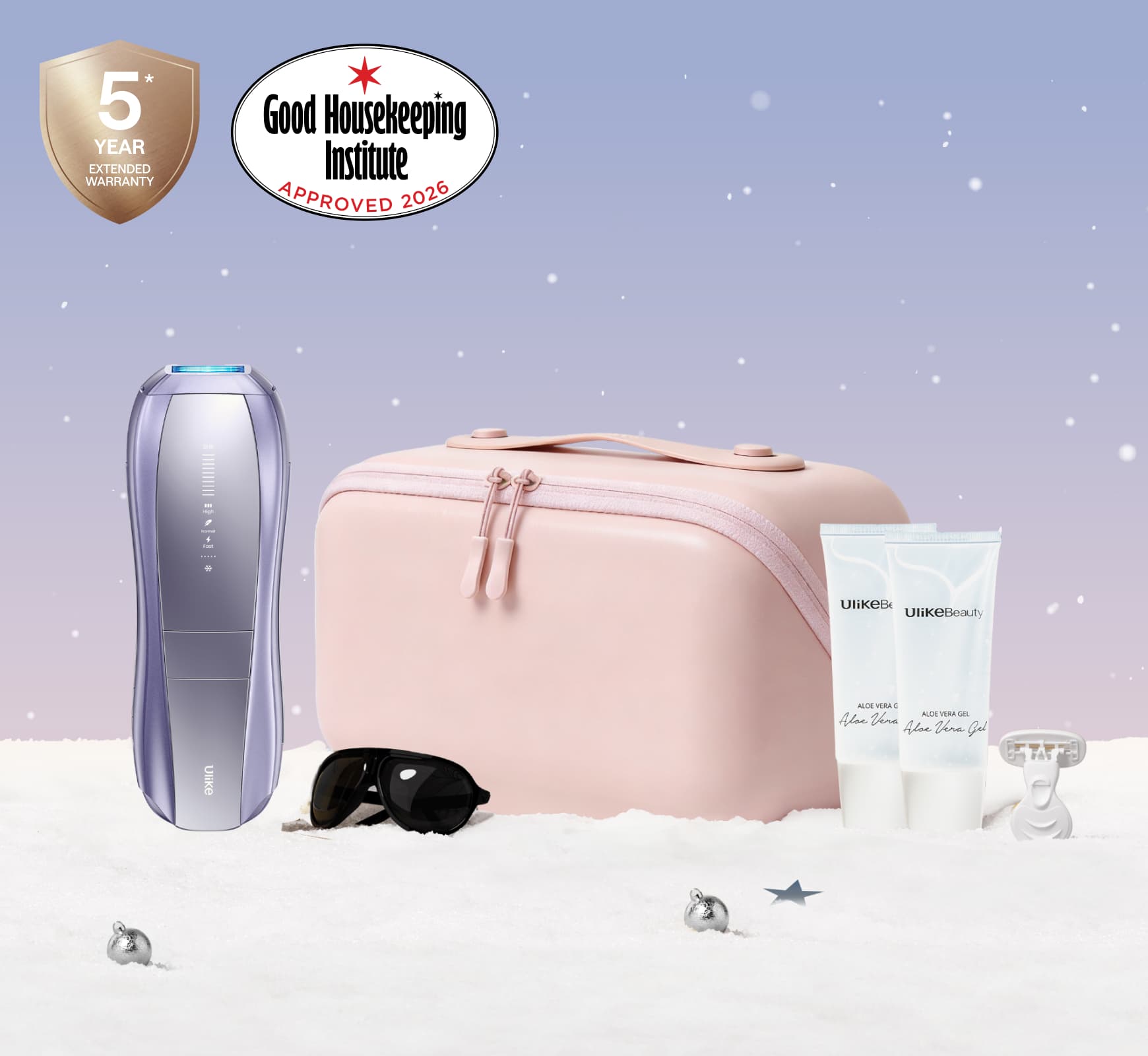
Ulike Air 10 Deluxe
10-minute full-body sessions
96% Hair Density Reduction in 4 Weeks
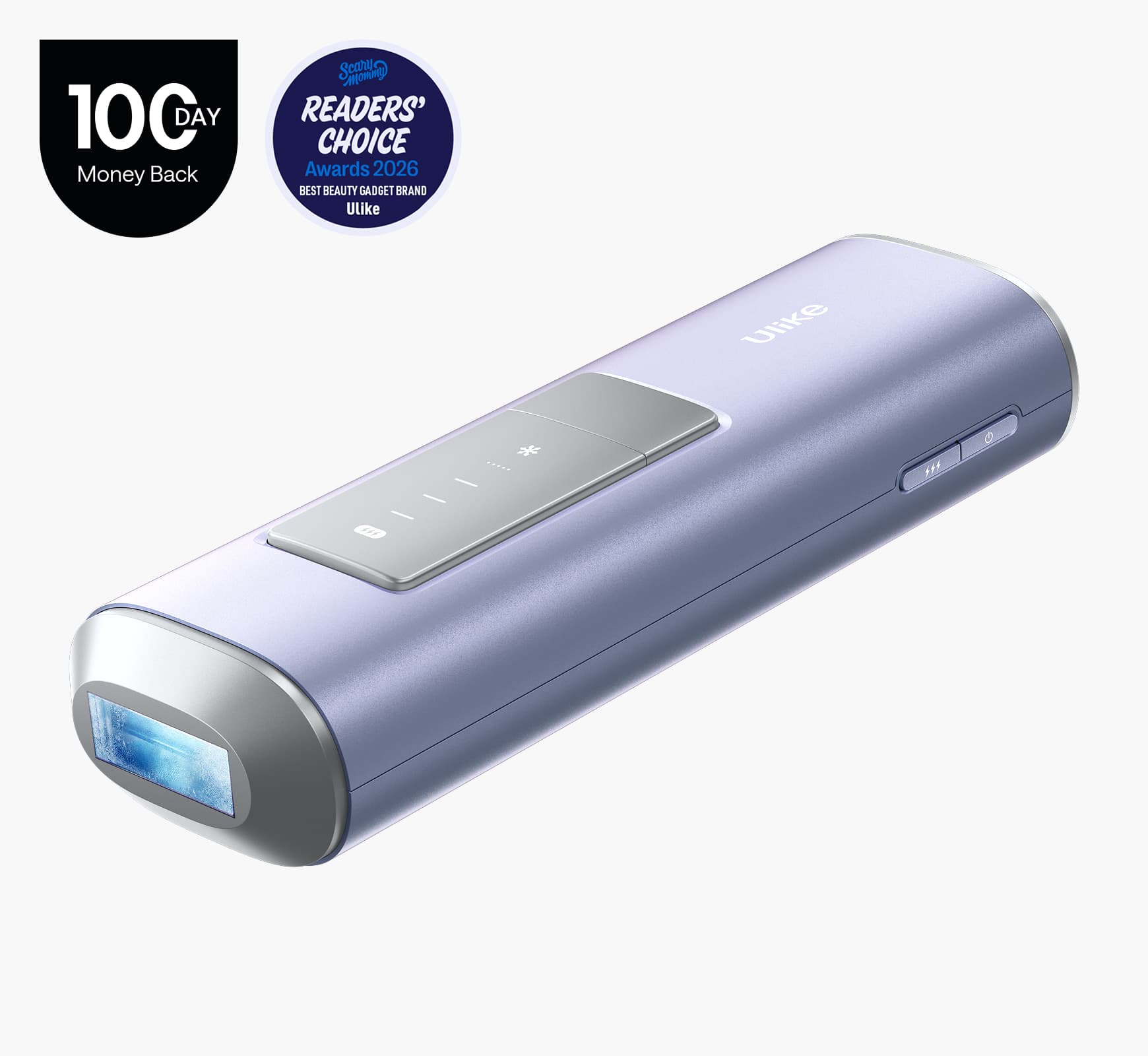
Ulike 2 Max
Gentle on sensitive skin
94.5% hair reduction in 4 weeks*
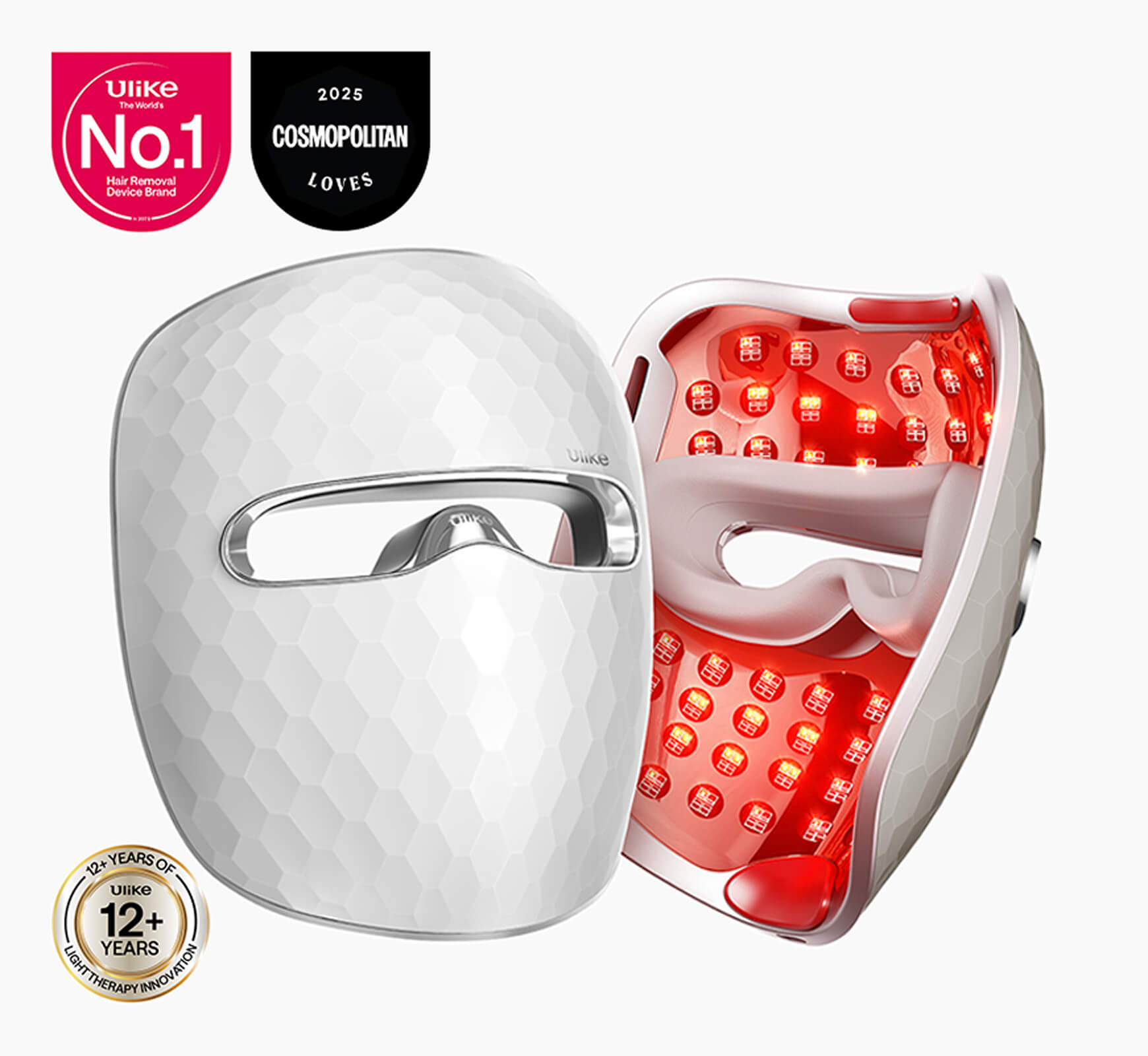
Ulike Reglow
Clearer skin in 2 weeks: Fewer breakouts
Smoother skin in 4 weeks: Fewer lines, firmer feel
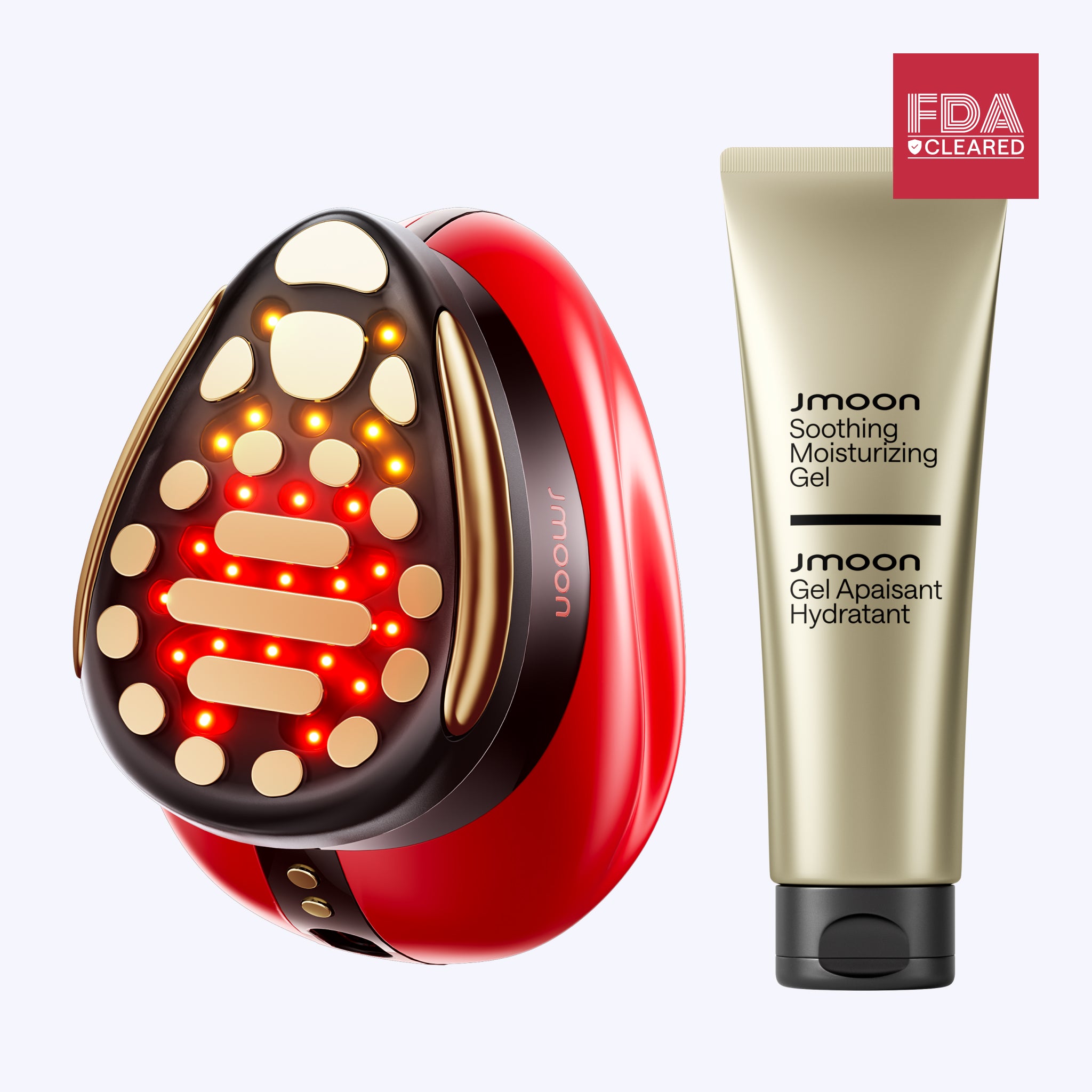
JMOON by Ulike M12 Max (RD)
Lift, Firm, and Smooth Your Skin With One Device