



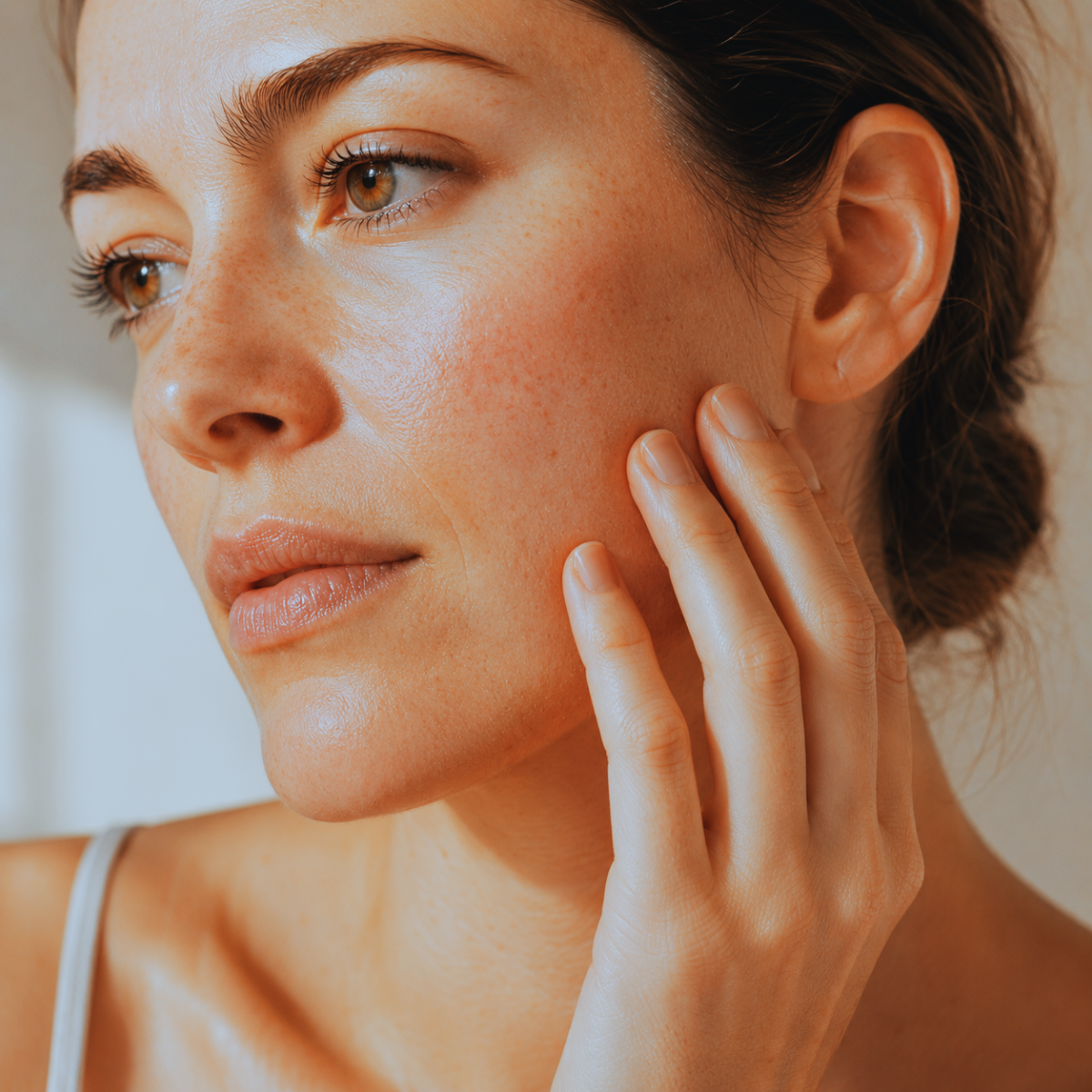
IPL and Retinol: How to Use Both Safely

Do not apply IPL and retinol together on the same skin region. Retinol increases skin photosensitivity, making burns, redness, irritation, and post-inflammatory hyperpigmentation more likely after IPL treatment.
Recommended Retinol Pause Before IPL
-
Low-concentration retinol (0.1%–0.5%)
Stop use for at least 5–7 days before IPL. -
Mid-concentration retinol (0.5%–1%)
Pause use for at least 7–10 days before IPL. -
Prescription tretinoin
Stop use for at least 14 days before IPL.
Why IPL and Retinol Don't Mix: What's Actually Happening in Your Skin
The short answer is that these IPL and Retinol pull in opposite directions. One strips your skin back; the other blasts it with light energy. Do them together and you're asking for trouble. Here's the longer version.
What Retinol Does to Your Skin Barrier
Retinol functions by attaching itself to cell receptors and essentially informing them to produce new cells at a much faster pace. With newer cells pushing up to the surface faster than before, the end result is smoother-looking skin with an even tone. The problem with this process is that it causes the thinning of the skin’s outermost layer, called the stratum corneum, while it happens. It can be likened to the skin being constantly renewed but left vulnerable throughout the process.
Prescription retinoids like tretinoin push this process much harder than anything you'd buy over the counter. That's why they need a longer gap before any light treatment, they leave the barrier significantly more compromised.

Why IPL Becomes a Problem on Retinol-thinned Skin
The IPL produces a series of pulses containing broadband light onto the skin. The melanin found within your hair follicle and skin will absorb this light and then convert the light to energy. However, when your skin’s barrier is in good condition, it can handle this energy well. But when retinol has thinned the outer layer, the skin's ability to buffer and disperse heat drops sharply. The same IPL setting that would be perfectly fine on untreated skin can cause a burn on retinol-sensitised skin.
Skin sensitised by retinol can burn, blister, or develop dark spots when exposed to IPL energy levels that would normally be harmless. This risk applies both to in-clinic treatments and at-home devices such as Ulike.
Can IPL Burn Skin Sensitised by Retinol?
Yes. Using IPL on skin previously exposed to retinol or any other retinoid causes an increased risk of burning, blistering, irritation, and PIH (post-inflammatory hyperpigmentation). Prescription retinoids such as tretinoin and adapalene have the highest risks.
The effect of retinol is to increase skin cell turnover, while IPL produces heat from light deep inside the skin. If used immediately, sensitised skin cannot cope with heat, resulting in burns when IPL procedures should have been painless under normal circumstances.
This can cause lasting redness, peeling, dark spots or even burns and scars. People with skin types 4 – 6 and those with problems of pigmentation such as melasma have an even greater risk.
How Long to Stop Retinol Before IPL: By Formulation Strength
There's no single answer here. It depends entirely on what you're using. Retinyl palmitate in a night cream is very different from a prescription tretinoin. The table below breaks it down by formulation so you know exactly where you stand.
Formulation |
Description |
Concentration |
Stop before IPL |
Risk if ignored |
Retinyl palmitate / retinyl esters |
Gentlest OTC form — found in many anti-ageing moisturisers |
Any |
3–5 days |
Low–moderate |
Low-strength retinol |
Most standard OTC serums and retinol moisturisers |
0.1%–0.5% |
5–7 days |
Moderate |
Mid-strength retinol |
Higher-end OTC or cosmeceutical formulas |
0.5%–1% |
7–10 days |
Moderate–high |
Retinaldehyde |
OTC but converts to retinoic acid efficiently — treat like mid-strength |
0.05%–0.1% |
7–10 days |
Moderate–high |
Adapalene |
Now OTC in the UK as Differin — third-generation retinoid |
0.1%–0.3% |
10–14 days |
High |
Prescription tretinoin / Retin-A |
Prescription-only — delivers retinoic acid directly |
0.025%–0.1% |
14 days minimum |
Very high |
Contact your clinic or skip the at-home session entirely. Do not try to compensate by lowering device intensity. A compromised skin barrier cannot be “worked around” with reduced settings.
Reschedule the treatment, allow full skin recovery, and restart only when the skin has fully cleared.
Hair Removal or Skin Rejuvenation: Does the Reason for IPL Change Anything?
No. Whether you're targeting hair follicles or treating pigmentation, IPL converts light to heat inside your skin either way. The retinol sensitisation risk doesn't care what the session is for. The same rules apply to both.
What Actually Happens If You Use Retinol Before IPL
Vague warnings don't change behaviour, specific ones do. Here's what the research and clinical experience shows.
Skin condition going into IPL |
Risk level |
What you're likely looking at |
No retinol used recently, barrier intact |
Low |
Good results, normal healing timeline |
Retinol paused, but still within clearance window |
Moderate |
More redness than expected, slower to settle |
Retinol used within 48–72 hours of IPL |
High |
Burns, blistering, redness that lingers for days |
Prescription tretinoin used within 7 days |
Very high |
Thermal injury, post-inflammatory hyperpigmentation, possible scarring |
Post-inflammatory Hyperpigmentation: The Aftermath You Don’t Want
Many of those who use IPL do so with the aim of evening their skin tone. And in such a situation, having an outcome of post-inflammatory hyperpigmentation (PIH) would be one of the most discouraging outcomes imaginable. This is where, due to exposure to excessive warmth by the thinning of the skin from retinol, the skin experiences inflammation and ends up producing too much melanin as a means of trying to heal itself. The consequence of this is that the individual ends up with even more dark spots than before.

Longer Recovery that Stalls Your Whole Programme
Even in cases where burns and PIH are avoided, treating compromised skin slows everything down. Your skin is already juggling accelerated cell turnover from the retinol, and adding the stress of IPL on top of that, and it'll be occupied with repair for longer than usual. Extended flaking, tightness, and sensitivity push back your next session, which ends up slowing down the results you were trying to speed up.
What to Use Instead of Retinol During Your IPL Course
Discontinuing retinol doesn't have to mean you give up on skincare. There is an established range of active compounds that help with skin health, keep your skin hydrated, even deal with tone and texture issues, while not making you more photosensitive
Hydrating and barrier-supporting ingredients (safe at all stages)
Key ingredients that support hydration, barrier repair, and recovery after IPL.
Hyaluronic Acid
Helps pull moisture into the skin through the environment. Supports fullness and elasticity without causing photosensitivity reactions.
Ceramides
Fatty acids that maintain the skin barrier and reduce TEWL, making them especially useful during IPL recovery.
Glycerin
A reliable humectant that keeps skin soft and hydrated. Works best in simple, fragrance-free moisturisers.
Squalane
Lightweight and non-greasy oil that mimics natural sebum. Ideal for soothing and overnight hydration.
Panthenol (Pro-Vitamin B5)
Supports skin recovery and reduces inflammation after IPL treatments.
Centella Asiatica
Well-researched botanical known for soothing irritation and supporting skin repair processes.
Brightening options that won't make you photosensitive
Missing the glow that retinol was giving you? These are worth trying during your pause, they work on tone and radiance without compromising your skin's response to light:
Niacinamide (Vitamin B3)
Helps regulate melanin transfer and reduces inflammation. Considered safe for use alongside IPL.
Azelaic Acid (Low %)
Anti-inflammatory and mild brightening agent. Generally safe up to ~10% concentration.
Vitamin C (Ascorbyl Glucoside)
Antioxidant and brightening derivative of Vitamin C. Gentler than L-ascorbic acid, typically used below 10%.
Practitioner tip
Pure L-ascorbic acid at 10–15%+ can mildly acidify the skin's surface, which adds to your sensitisation load in the 48 hours before a session. Stick to lower concentrations or the stable derivatives listed above if you want to keep using vitamin C right through your treatment course.
Other Actives to Pause Before IPL Not Just Retinol
Retinol gets most of the attention, but it's not the only thing that can leave your skin in a worse position going into an IPL session. These all need a break in the 24–72 hours before treatment.
AHAs (Glycolic, Lactic, Mandelic Acid)
Chemically exfoliate the skin’s surface, increasing photosensitivity. Pause use for 48–72 hours before IPL.
BHAs (Salicylic Acid)
Exfoliates within pores and increases skin sensitivity. Stop use at least 48 hours before IPL.
Benzoyl Peroxide
Oxidising acne treatment that may react unpredictably with IPL energy. Pause 48–72 hours before treatment.
Physical Scrubs / Mechanical Exfoliators
Cause micro-abrasions that increase heat absorption during IPL. Avoid for at least 48 hours before treatment.
L-Ascorbic Acid (>15%)
High concentrations may increase skin acidity and sensitivity. Prefer lower percentages or gentler derivatives before IPL.
Pre-Treatment Skin Preparation: A Practical Checklist
The 72 hours before an IPL session are the period where preparation directly determines both your safety and your results. Follow this sequence.
1. Double-check your retinol pause is done
Cross-reference the table above against your specific product. Not sure of the strength? Default to a 10-day pause. It's not worth guessing.
2. Avoid all actives for 48 hours
Use a basic skincare regimen involving a mild cleanser and non-fragranced moisturiser along with SPF 30+ during the daytime. No acids, no peels, no treatments.
3. Wear SPF every day. No exceptions
Sunlight during IPL treatments greatly increases the risk of pigment formation and delays recovery. Minimum broad-spectrum SPF 30 every single day, whether it is sunny or cloudy.
4. Shave (for hair removal IPL) — do not wax or epilate
Waxing and epilation pull out the hair root that IPL needs to target. Shave around 24 hours before, and don't apply any post-shave actives to the area afterwards.
5 Arrive or begin with clean, product-free skin
Cleanse using a gentle product before commencing. No use of serums, oils, or moisturizers during the initial cleansing of the target treatment area.
6. Patch test any new device or new treatment area
In case of treatment of a previously untouched area or a return to treatment after a period of rest, ensure you conduct a patch test first and allow 24 hours.
Using a Ulike IPL Device: What You Need to Know About Retinol
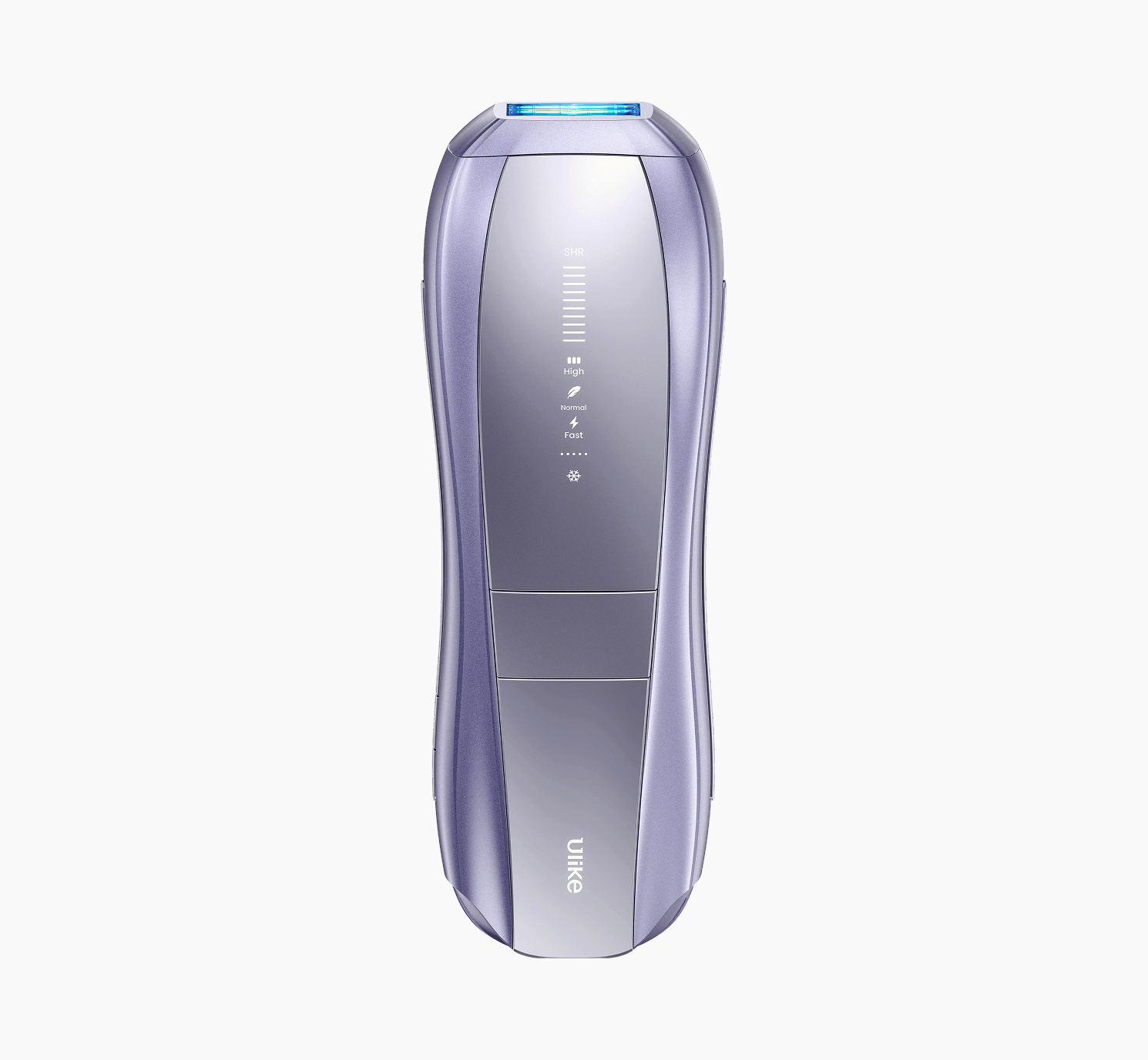
Devices like the Ulike Sapphire Air give you full control over your IPL sessions — timing, intensity, frequency. That's a genuine advantage over booking clinic appointments. But it also means nobody's checking your skin prep for you. The responsibility sits entirely with you.
Does Ulike's ice-cooling technology change the retinol rules?
No, and this is a question worth addressing directly. Ulike's sapphire ice-cooling keeps the surface of your skin more comfortable during treatment by managing contact temperature. That's a real benefit for the experience. But the burn and pigmentation risk from retinol-sensitised skin happens below the surface, where IPL light converts to heat in the dermis. Cooling the skin's surface doesn't touch that. The pause timelines in the table above apply in full when you're using any Ulike device.
Ulike Sapphire Ice Cooling Feature
Follow the full retinol pause timelines. Coming back after a break or an active ingredient pause? Start at the lowest recommended intensity setting and work up from there.
At-home vs. Clinic IPL
At-home devices run at lower fluence (J/cm²) than clinic equipment. That reduces the risk somewhat but it doesn't eliminate it. The retinol compatibility rules are the same.
Fitzpatrick skin type consideration
More pigmented skin tones (Fitzpatrick scale IV–VI) have increased melanin content, indicating that both retinol sensitization and PIH susceptibility are high. Verify if your skin tone falls under the safe zone for use on the Ulike system.
Frequency during a treatment course
Most Ulike sessions run every one to two weeks. Schedule your retinol use around your session dates; that's the direction the planning should go, not the other way around.
Skincare Between IPL Sessions: What to Do and What to Hold Off On
The gap between sessions isn't dead time. It's when your skin does its repair work, rebuilding from the last session and getting ready for the next one. What you put on it during this window directly affects how well that process goes.

In the first 48–72 hours after a session
Go for mild cleansers and non-scented moisturisers with ceramides and hyaluronic acid. Sunscreens also need to be used. Avoid any products that have any active ingredients or exfoliants like retinol. In case the treated area becomes warmer or slightly reddish, use gels made from aloe vera or centella asiatica.
Days 3–7 after a session
From around day three, you can start bringing back gentler actives, niacinamide, low-concentration vitamin C derivatives, azelaic acid. Keep wearing SPF every day without fail. Hold off on retinol until you're past the clearance window for your next scheduled session. In practice, if you're on a two-week treatment cycle, retinol can only sit in the middle few days — never right before or right after a session.
Signs your barrier hasn't recovered yet
The moment that redness persists beyond the 48-hour period, your skin feels a sting when applying a regular moisturiser, or your skin flakes unexpectedly in the affected area, then your barrier needs more time to repair itself. Don't push retinol back in yet. Give it more time, and if it's not resolving, extend the gap before your next IPL session, too.
When Should You Go Back on Retinol After Having IPL?
A simple guideline to follow: only when your skin has returned to its normal state both in appearance and feeling. No redness, no sensitivity, no dry patches. Typically, this happens about five to seven days after your last IPL treatment.
How to bring retinol back without undoing your progress
1 Ensure that your skin is really back to normal.
This means no signs of any redness, tightness, or flaking. Should you notice anything different, wait for a few more days.
2 Go in at a lower strength than you were using before
Even if you were comfortably using 1% retinol before your IPL course, start back at 0.25%–0.5%. Your skin's tolerance isn't where it was — give it time to rebuild.
3 Use it two or three times a week, not nightly
Nightly retinol can wait. Let your skin tell you it's coping before you increase frequency. A few applications first will give you that information.
4 Monitor the skin very carefully during the initial weeks
Dryness may be expected at the beginning of use, while burning, peeling, and redness are signs that the product should not be used any further.
5 Plan backwards from your next session date
Look at your calendar. Your last retinol application before the next session needs to clear the pause window for your formulation. Build the schedule around that not the other way around..
Can you keep using retinol on areas that aren't being treated?
Yes. The sensitivity only affects the skin where retinol was actually applied. So if you're doing IPL hair removal on your legs, your face retinol routine can carry on as normal. Just watch the edges if you're treating close to an area where you'd usually apply retinol (the upper lip, for example), be careful not to let product drift into the treated zone in the days leading up to a session.
Frequently Asked Questions
Is it safe to do IPL while using retinol?
Not at all, on the same patch of skin. Retinol makes your skin thin, making it very sensitive to light energy, leading to potential skin burn issues and discolouration. You need to observe the appropriate break depending on your retinol formulation, anywhere from five to fourteen days before any IPL session.
How long should I stop retinol before IPL hair removal?
Low-strength retinol (0.1%–0.5%) needs at least five to seven days. Mid-strength (0.5%–1%) needs seven to ten. Prescription tretinoin and other prescription retinoids need a minimum of fourteen days. Adapalene (sold as Differin) falls in the ten to fourteen day range. These timelines hold whether you're using a clinic device or something like the Ulike at home.
What happens if I accidentally use retinol before IPL?
Skip the session. Don't try to work around it by lowering the device setting, your skin barrier is compromised, and that's not something intensity adjustments can fix. If you're booked at a clinic, ring ahead and explain. They'll almost certainly reschedule you rather than take the risk. Found out the morning of? Still don't proceed.
How long after IPL can I use retinol again?
Wait for your skin to go back to normal first, which will take about five to seven days since the IPL treatment. If there is any irritation or redness that remains on your skin, make sure to wait for a few more days. Once you resume the use of retinol, begin from a lower strength level and use it only a couple of times a week.
Can I use retinol between IPL sessions?
Yes, technically speaking, but the window of opportunity is small. In a two-week window, you have to be outside the recovery window (five to seven days following) and outside the window before the session starts (five to seven-plus days before). With a standard two-week gap, that often leaves only two to four usable days. Plenty of people just pause retinol entirely for the duration of an active IPL course. It's simpler and safer.
Can I use retinol on areas not being treated with IPL?
Yes. The sensitisation is localised; it only affects the skin where you've actually applied retinol. If you're doing IPL on your legs, your face routine is fine to carry on. Just watch the edges if you're treating anywhere close to where you'd normally apply retinol. Upper lip treatment, for instance, means being careful not to let retinol drift into the surrounding area in the days before your session.
Does Ulike's ice-cooling technology make retinol use safer before IPL?
No. The ice-cooling makes the treatment more comfortable by managing the surface temperature during contact, which is a real benefit. But the burn and pigmentation risk from retinol-sensitised skin comes from what's happening below the surface, where IPL light converts to heat in the dermis. Surface cooling doesn't reach that. The pause timelines apply in full regardless of which Ulike device you're using.
Does retinol affect IPL results if I follow the correct pause?
No. Provided that you have waited for the appropriate time for pausing and that your skin barrier has been restored completely, retinol application does not influence IPL results negatively. On the contrary, the increased skin cell renewal from prolonged use of retinol can help achieve a better skin condition during the interval between IPL applications. The important thing is that the two procedures should not be applied simultaneously.
The article has been written by the Ulike UK skincare experts and clinically validated by an accredited aesthetic practitioner. It is purely an informational guide for you. In case you are suffering from a skin disease or have been using a prescription retinoid, it is advised that you meet an aesthetic practitioner or dermatologist before moving forward.
Can You Use IPL on Freckles? | Safety & Hair Removal
Can You Use IPL on Your Face Every Day? How Often Should You Use It?
What to Do Between IPL Treatments: Shaving, Exfoliation & Hair Regrowth
Explore Beauty
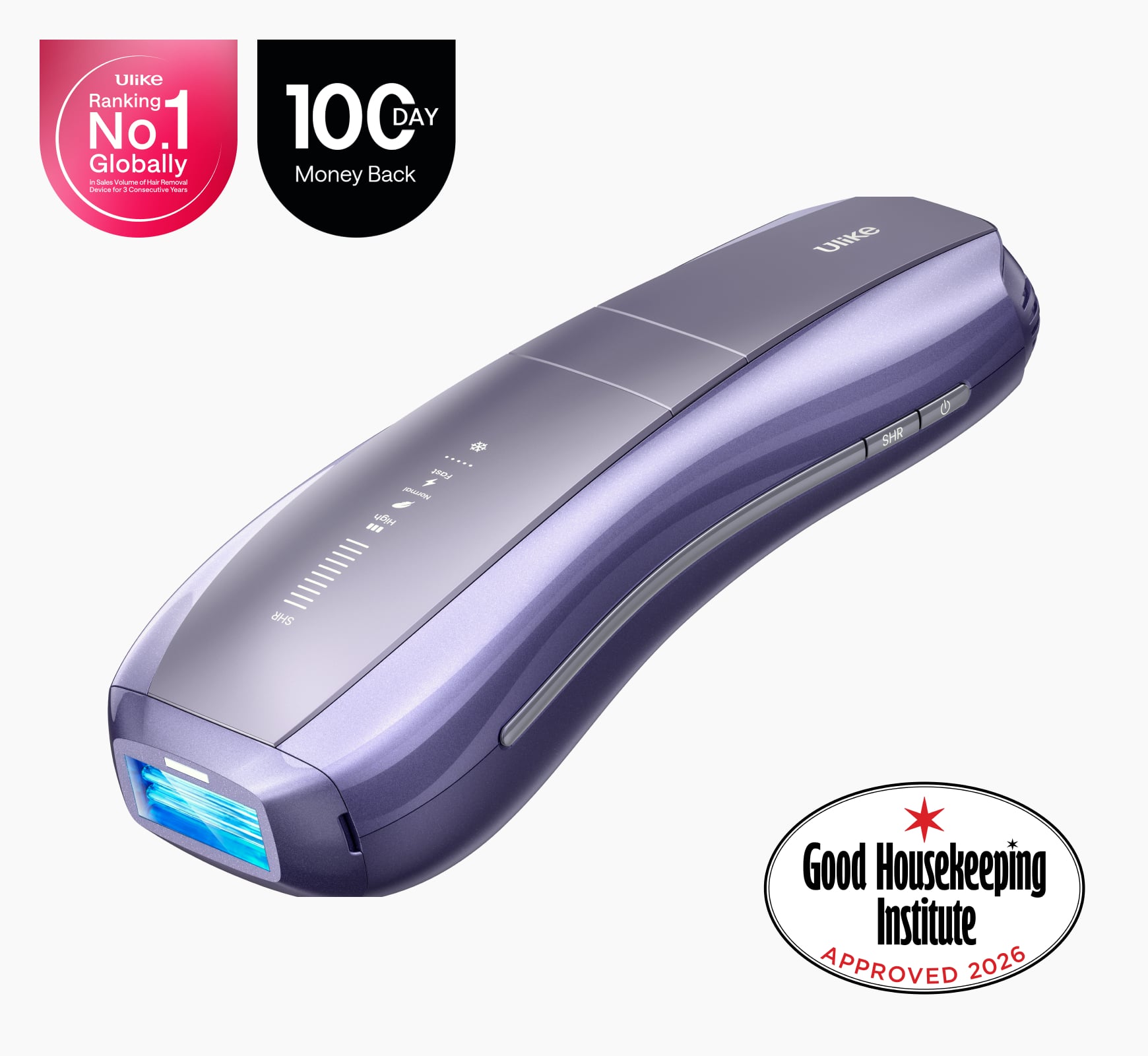
Ulike Air 10
2 weeks to silky smooth skin.
96% Hair Density Reduction in 2 Weeks
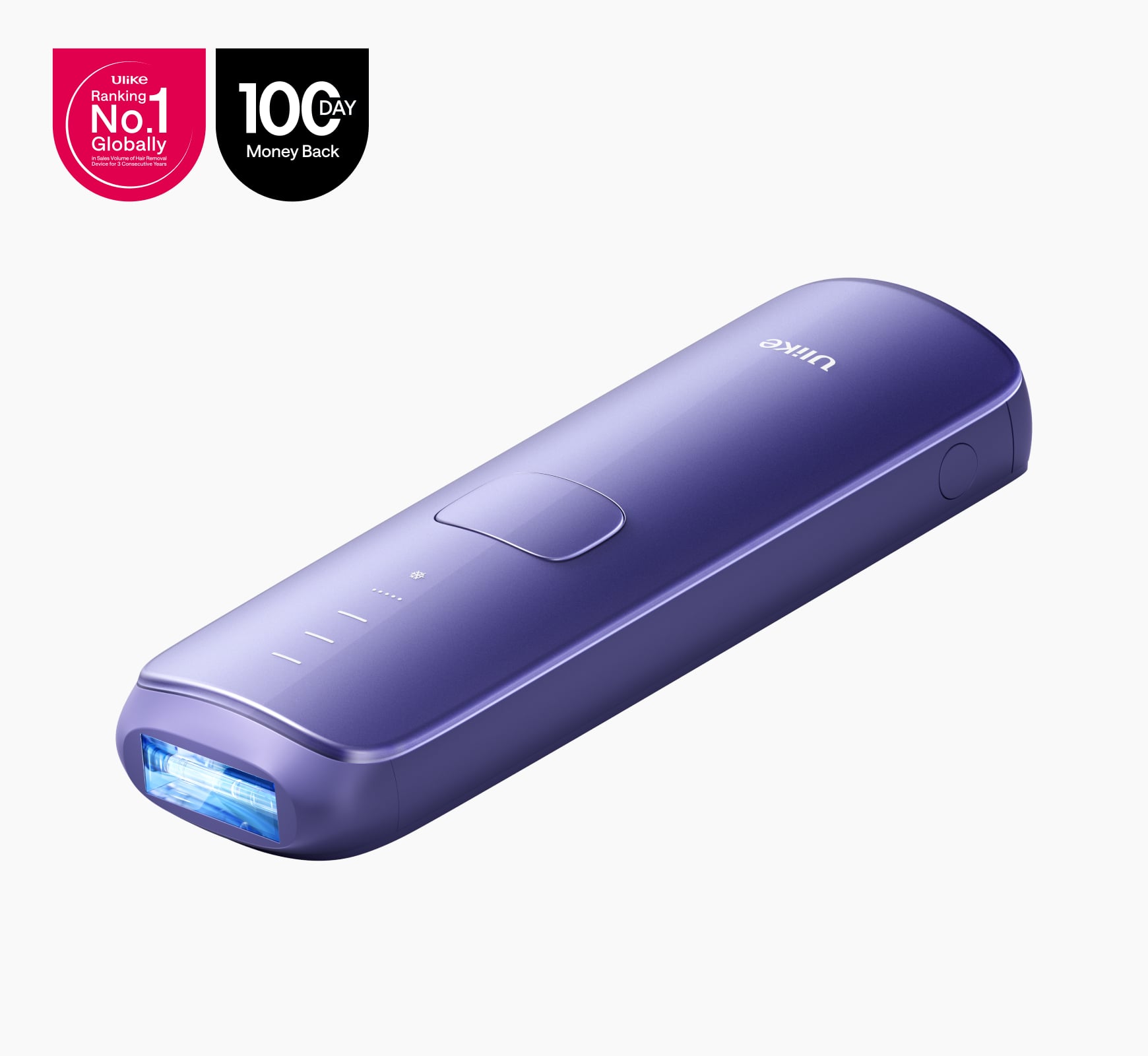
Ulike Air 3
3 weeks to silky smooth skin.
93% Hair Density Reduction in 4 Weeks
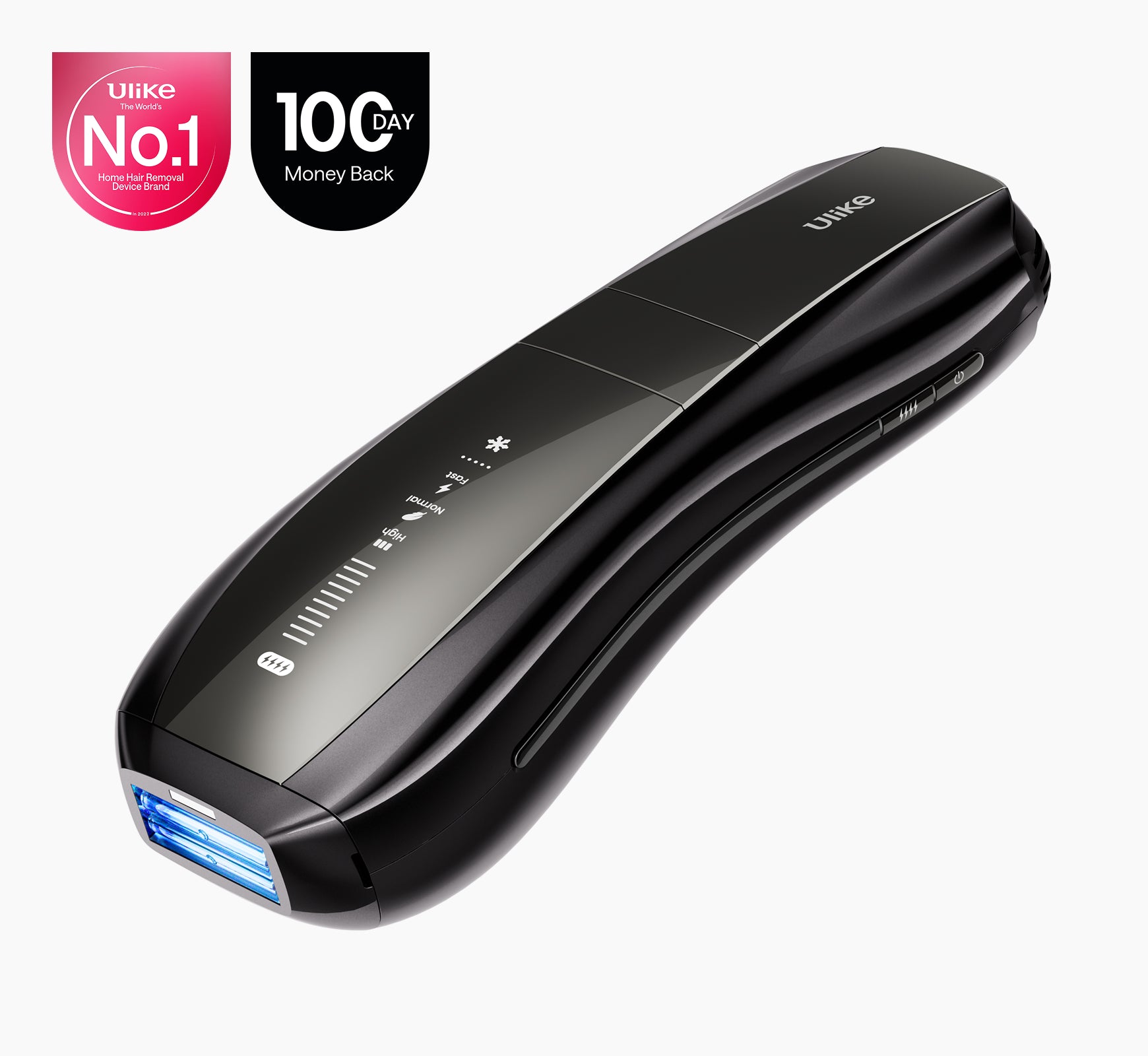
Ulike X
3 weeks to silky smooth skin.
94% hair reduction in just 2 weeks*
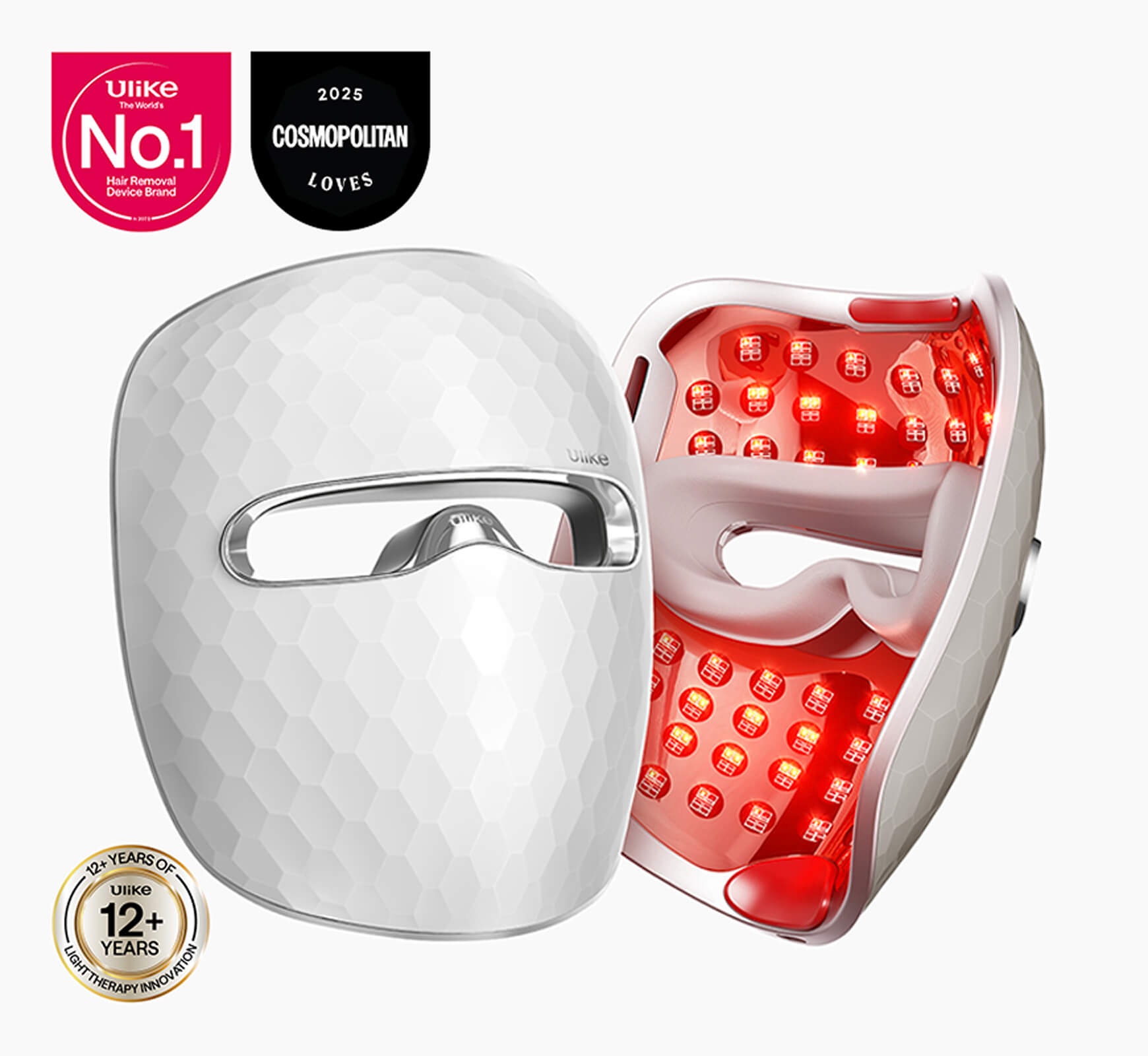
Ulike Reglow
Clearer skin in 2 weeks: Fewer breakouts
Smoother skin in 4 weeks: Fewer lines, firmer feel