




Chin Hair Growth: 7 Causes in Women and How to Remove It

Finding a hair on your chin can feel alarming the first time it happens. Finding several, or noticing they keep coming back, tends to raise more questions. The good news is that chin hair growth in women is far more common than most people realise, and in the vast majority of cases it has a straightforward hormonal explanation.
Chin hair growth in women is primarily caused by elevated androgen levels, which are male hormones naturally present in all women. It becomes more noticeable during hormonal shifts including menopause, perimenopause, PCOS, pregnancy, and postpartum recovery. Genetics, certain medications, and adrenal conditions can also trigger it. While rarely a medical emergency, sudden or excessive chin hair growth warrants a GP check to rule out underlying hormonal conditions.
This guide covers the seven most common causes of chin hair growth, the removal methods worth your time, and what actually works for long-term reduction.
7 Causes of Chin Hair Growth in Women
Chin hair growth does not appear by accident. It is almost always the result of something happening inside the body, usually involving hormones. Below are the seven most common reasons women experience chin hair growth.

1. Elevated androgen levels
Androgens are hormones associated with male reproductive development, but women produce them too, in smaller amounts. When androgen levels rise, hair follicles on the face respond by producing thicker, darker, more visible hair. This is the root cause behind most cases of chin hair growth, regardless of what triggers the androgen increase in the first place.
2. Menopause and perimenopause
As oestrogen levels fall during perimenopause and menopause, testosterone becomes relatively more dominant. This hormonal shift can wake up dormant facial hair follicles, particularly on the chin and jawline. Many women who never had noticeable chin hair in their twenties and thirties find it appearing for the first time in their forties and fifties. According to the NHS, hormonal changes during menopause affect everything from hair growth to bone density, and facial hair is among the most commonly reported physical changes.

3. Polycystic ovary syndrome (PCOS)
PCOS is the single most common medical cause of chin hair growth in women, accounting for between 70 and 80 per cent of hirsutism cases according to research published in the American Family Physician. The condition affects 6 to 13 per cent of women of reproductive age in the UK and is caused by a hormonal imbalance that raises androgen levels. Other symptoms often include irregular periods, acne, and weight gain. PCOS is frequently underdiagnosed, so if chin hair growth is accompanied by any of those symptoms, a GP visit is worth prioritising.
4. Pregnancy and the postpartum period
Hormone levels shift dramatically during pregnancy, and some women notice new or increased chin hair growth during this time. The postpartum period can also bring changes, as the body rebalances oestrogen and androgen levels after birth. In most cases this settles within a few months, though for some women it persists longer, particularly if there is an underlying hormonal tendency.
5. Genetics
Family history plays a significant role in where and how much hair grows on the body and face. If your mother or grandmother had visible chin hair, you are more likely to experience it yourself. Ethnic background also influences hair follicle sensitivity to androgens. This does not mean chin hair growth is inevitable if it runs in the family, but it does explain why some women are more susceptible than others.
6. Medications
Certain medications can alter hormone levels as a side effect, leading to increased facial hair. Common culprits include corticosteroids, some hormone therapies, minoxidil, and cyclosporine. If you noticed chin hair growth shortly after starting a new prescription, it is worth raising with your GP or prescribing doctor. They may be able to adjust the dose or suggest an alternative.
7. Adrenal and thyroid conditions
Less commonly, conditions affecting the adrenal glands or thyroid can contribute to chin hair growth. Cushing's syndrome, which involves excess cortisol production, and congenital adrenal hyperplasia are both associated with elevated androgens. Thyroid dysfunction can also disrupt hormonal balance in ways that affect hair growth patterns. These conditions are rarer, but they are worth ruling out if chin hair growth is sudden, rapid, or accompanied by other unexplained symptoms.
When should you see a GP about chin hair growth?
Most chin hair growth is benign, but there are situations where a medical check is the right call. Book a GP appointment if:
- Chin hair growth has appeared suddenly or is increasing rapidly
- It is accompanied by irregular or absent periods, significant weight gain, or persistent acne
- You are also losing scalp hair, or noticing hair growth elsewhere on the body
- You suspect a medication may be the cause
A GP can arrange a simple blood test to check androgen, oestrogen, and other hormone levels. Getting a clear picture of what is driving chin hair growth makes it much easier to choose the right management approach.

How to remove chin hair: Your options at a glance
There are several ways to manage chin hair growth, ranging from quick fixes that last a few days to long-term reduction methods. The table below is a fast reference. For step-by-step instructions on each method, the full breakdown is in our dedicated guide.
Want the full how-to for each method? See our complete guide: 10 Chin Hair Removal Methods
Temporary methods
Tweezing and threading remove hair at the root and last two to four weeks. Both are well suited to a small number of stray chin hairs but do nothing to slow future chin hair growth.
Shaving cuts at the surface and regrowth appears within days. It is painless and inexpensive, and contrary to popular belief, it does not make hair grow back thicker or darker.
Waxing, sugaring, and depilatory creams offer one to four weeks of smoothness. All three are accessible at home, though depilatory formulas for the face need a patch test first, as chin skin can be sensitive.
Long-term reduction methods
Electrolysis is the only method clinically recognised as permanently destroying individual follicles. It is time-intensive and best carried out by a qualified practitioner, but it works on all hair colours and skin tones.
Clinic laser hair removal uses concentrated medical-grade light to damage follicles over a course of six to eight sessions. Results are long-lasting, but the per-session cost is significantly higher than at-home alternatives.
At-home IPL is the most practical long-term option for most women managing chin hair growth at home. Used consistently over eight to twelve weeks, it progressively weakens the follicle, reducing regrowth density and thickness over time.
Why IPL is the most practical long-term option for chin hair growth
If you have spent any time cycling between tweezing, threading, and waxing, you already know the frustration. Those methods deal with the hair that is already there. They do not touch the follicle, and they do not slow future chin hair growth. IPL works differently, because it targets the hair at its root.
The light energy from an IPL device is absorbed by the melanin in the hair shaft and converted into heat. That heat travels down to the follicle and disrupts its ability to produce hair. With each session, fewer follicles remain active, which is why regrowth becomes progressively finer and slower.
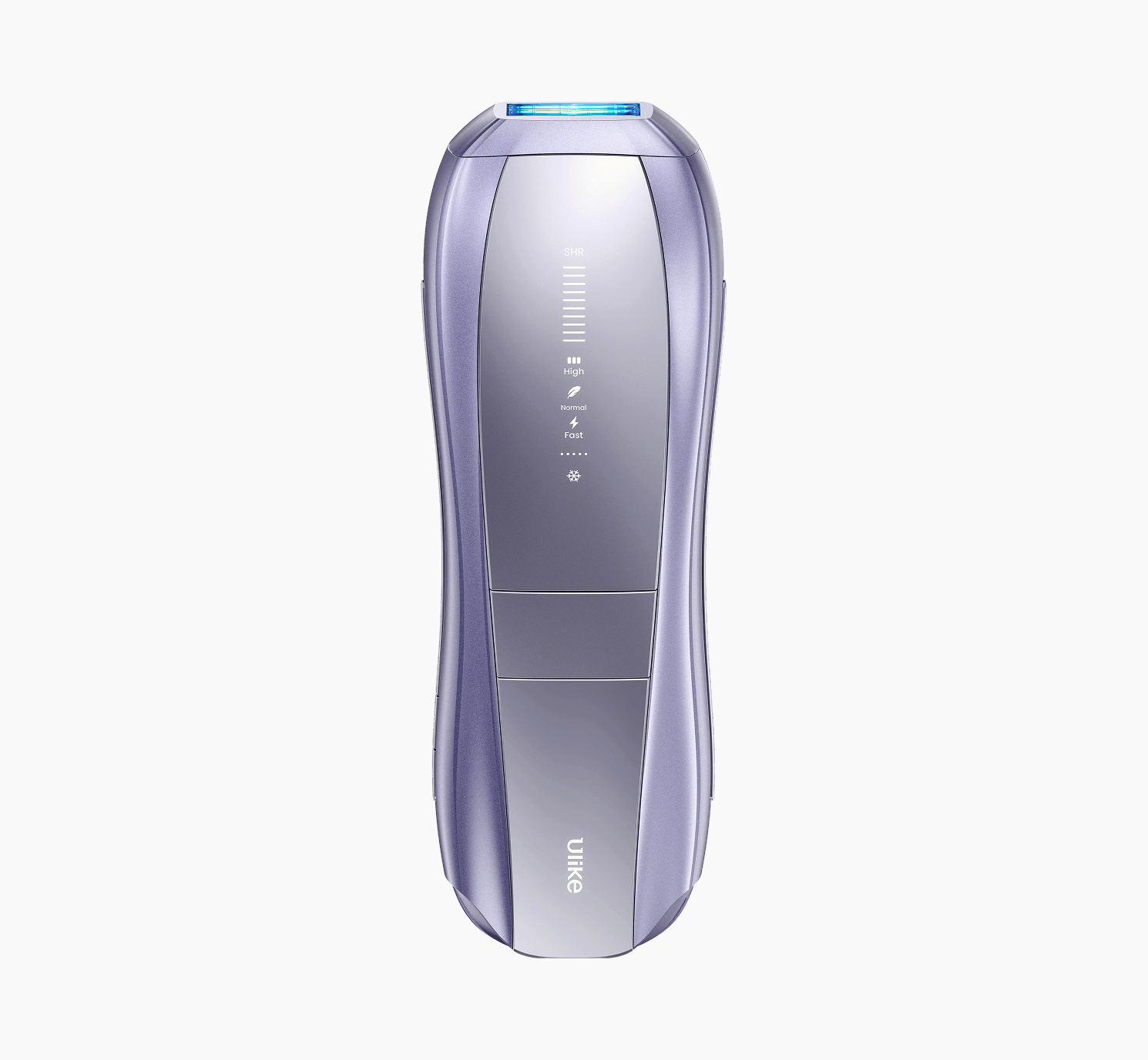
The Ulike Air 10 and Air 3 are two of the most clinically tested at-home IPL devices available in the UK. Both are UKCA cleared, which means they have met the regulatory safety standards required for sale in Great Britain. The Air 3 is particularly well suited to facial use: its compact head reaches the chin and upper lip easily, and the SkinSensor technology automatically adjusts the light intensity based on your skin tone.

Dr Sermed Mezher, a qualified GP in London, has noted that the device is convenient, comfortable, and effective at significantly reducing hair growth. For women managing chin hair growth related to PCOS, Ulike has also worked directly with the PCOS community to develop guidance around safe and effective use, given that hormonal conditions can sometimes mean longer treatment timelines.
The honest reality is that IPL does not deliver instant results. You will not see dramatic change after one session. What you will see, with consistent use over eight to twelve weeks, is a steady reduction in the density and thickness of chin hair growth, and considerably less time spent managing it week to week.
Frequently asked questions about chin hair growth
Why am I suddenly growing chin hair?
Sudden chin hair growth is most commonly caused by a hormonal shift. The most likely triggers are perimenopause, menopause, pregnancy, or the postpartum period. PCOS can also cause rapid onset chin hair growth, particularly if it has previously been undiagnosed. If the onset is very sudden or the growth is heavy, a GP appointment and blood test is a sensible first step.
Is chin hair normal for women?
Yes, chin hair growth is entirely normal and extremely common among women, particularly from the mid-thirties onward. A small number of coarser hairs on the chin is a routine part of hormonal ageing. It only warrants medical attention when it is accompanied by other symptoms such as irregular periods, acne, or significant and rapid increase in hair across the face and body.
Is chin hair growth a sign of PCOS?
It can be, but not always. PCOS is the most common medical cause of chin hair growth in women, but it is not the only cause. Menopause, genetics, and certain medications are all frequent culprits. If chin hair growth is accompanied by irregular periods, persistent acne, or difficulty managing weight, PCOS is worth raising with a GP.
Does IPL work on chin hair?
Yes, IPL is effective on chin hair growth. The chin responds well to IPL treatment because facial hair tends to be in the active growth phase more consistently than body hair. Most users see a noticeable reduction in chin hair growth within three to four weeks of starting treatment. Full results develop over six to eight sessions.
How many IPL sessions do I need for chin hair?
Most people need between six and eight sessions during the initial treatment phase, with sessions typically twice a week for the first four weeks, then moving to weekly. After the initial phase, a monthly maintenance session helps to manage any new growth. Women with PCOS or other hormonal conditions may need more frequent maintenance sessions, as the underlying hormonal driver remains active.
Can chin hair growth be stopped permanently?
Electrolysis is the only method clinically recognised as permanently destroying hair follicles. IPL delivers long-term reduction rather than permanent removal, meaning regrowth becomes much finer and sparser, but occasional maintenance is still needed. For most women, the combination of significantly reduced chin hair growth and a simple monthly top-up makes at-home IPL the most practical solution.

How to Clean an IPL Hair Removal Device Safely

Can You Use IPL on Arms? Will It Work on Your Hair?

When Does IPL Hair Start Shedding? Signs It’s Working
Explore Beauty

Ulike Air 10
2 weeks to silky smooth skin.
96% Hair Density Reduction in 2 Weeks

Ulike Air 3
3 weeks to silky smooth skin.
93% Hair Density Reduction in 4 Weeks
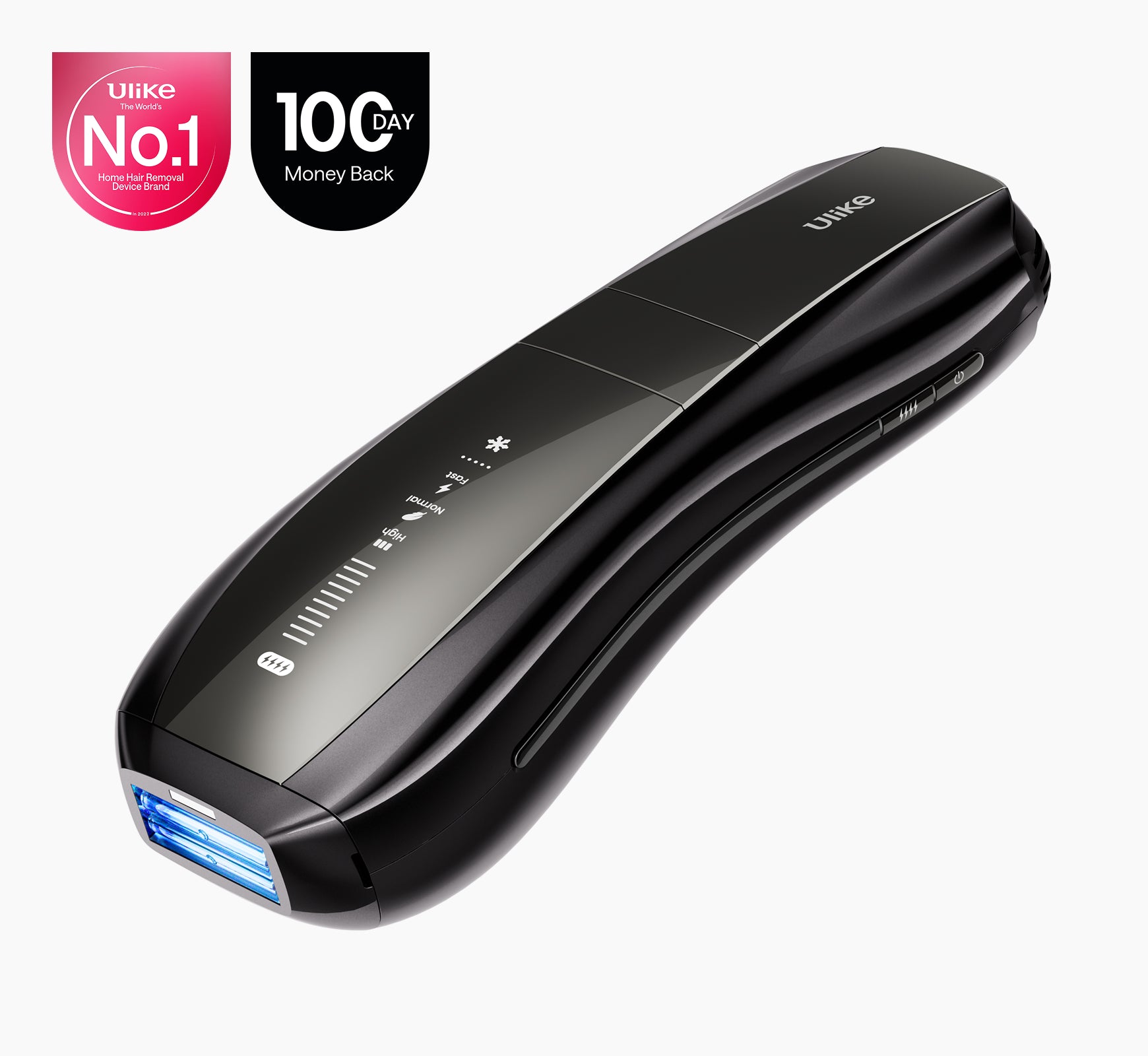
Ulike X
3 weeks to silky smooth skin.
94% hair reduction in just 2 weeks*
Ulike Reglow
Clearer skin in 2 weeks: Fewer breakouts
Smoother skin in 4 weeks: Fewer lines, firmer feel