




Facial Hair With Menopause: Why It Happens and What You Can Do About It

If you are beginning to see new hairs sprout on your chin, lip, or jaw line, then rest assured that this is not some sort of illusion, and you are most definitely not alone. Facial hair with menopause is something that many women deal with, but is often never mentioned. This article will discuss the hormonal causes of this phenomenon, where the hairs usually grow, and what can be done to deal with them.
Why Does Menopause Cause Facial Hair?
In simple terms, it is a hormonal imbalance. For your entire reproductive life, the hormone oestrogen regulates the male hormone levels called androgens. In your perimenopausal and menopausal life stages, when there is a reduction in the hormone oestrogen, your androgen levels become dominant despite remaining the same or only changing very little.
Such changes in hormones may cause the activation of facial hair follicles that were earlier dormant. As such, it becomes common to develop coarser and darker facial hair, particularly in regions that only had thin hair follicles.
Why menopause causes facial hair, in brief:
Levels of oestrogen become reduced with perimenopause and menopause
Androgens (testosterone) become more dominant
Facial hair grows due to the influence of androgens
The chin and upper lip are common places for such hair growth
This is exactly the physiological principle that causes hormonally induced growth of facial hair in PCOS patients. The only distinguishing factor in this case is that, while being a sign of PCOS, it is a predictable consequence of hormonal shifts in the case of menopause.
Is It Normal? And When Should You See a Doctor?
Absolutely. It is perfectly natural. The appearance of hair on your chin and your upper lip during menopause is common for many women who fall within the age range of their mid-40s to mid-50s.
However, there are some instances that need to be brought to the attention of your GP. When the development of the hair happens rapidly, it is found in unexpected locations like the chest and back, or is paired with other signs such as acne, voice deepening, or menstrual irregularities, then a visit to your doctor may be in order. It may not just be because of menopause; a simple blood test can help analyse your hormones.
For peace of mind and further information, you can start your search on the NHS menopause webpage and the British Menopause Society. You may also wish to visit Menopause Matters for more patient-driven information.
Where Facial Hair Tends to Appear
The areas most commonly affected by hormonal facial hair during menopause are:
Chin: Often where coarser, darker hairs appear first
Upper lip: Fine vellus hair can darken and thicken here, becoming more noticeable
Jawline: Hairs along the jaw and lower face are common as androgens rise
Sideburns: Some women notice increased hair growth in front of the ears
The surprising element about the changes tends to be the texture. Soft hair turns into wiry hair that grows fast and easily. It helps to know where changes are likely to occur so that when they happen, they will not be so shocking.
Managing Facial Hair at Home
There is no definitive answer to this question since what is effective for one individual may not necessarily be suitable for another. This article provides a genuine assessment of some of the primary home remedies.
Shaving is quick, efficient, and effective. The shaving myth that it causes your hair to regrow faster and darker is just that – a myth. However, your hair will definitely grow back fairly quickly, usually within days.
Threading is precise and pulls hair from the root, so results last a couple of weeks. It works especially well for shaping brows or targeting specific areas like the upper lip. It takes some practice to do well at home, though many women prefer a professional threading appointment for this one.
Tweezing is fine for a few stray hairs but becomes impractical if you are dealing with more widespread growth. It is slow and can irritate the skin if you are working over a larger area.
Depilatory creams work by breaking down hair on the surface layer. They are fast and pain-free, but the duration of effect is comparable to shaving. Ensure the depilatory cream you buy is made for the face, not the body, because face creams are milder than body creams.
Bleaching does not affect hair in terms of its removal, but may make hair very hard to see by changing the colour of the hair. In case you have thin hair that has become dark, then consider bleaching. Take note that when your hair is bleached, it becomes harder to hide from the sun’s light.
All of these methods are temporary. If you are looking for something with longer-lasting results, read on.

Professional Treatments Worth Knowing About
For women who want a more permanent or semi-permanent reduction, there are a few clinical routes available in the UK.
Laser hair removal at a clinic involves the use of a specific light to damage follicles and impede hair growth. Laser treatments are highly effective in cases where dark hairs have to be removed against a pale background and take between six and eight sessions. The cost of the treatment varies depending on different clinics and regions; however, laser hair removal in clinics costs a couple of hundred dollars.
Electrolysis is the only method currently recognised as offering permanent hair removal. A fine probe delivers an electrical current to each individual follicle. It works on all hair and skin colour combinations, which gives it an advantage over laser for those with lighter hair or darker skin tones. It is time-consuming and can be costly for larger areas, but for a small number of stubborn hairs, it is highly effective.
Vaniqa cream (eflornithine) is a prescription medication that is applied topically and can be obtained via a prescription from a general practitioner or privately in the UK. The drug does not eliminate hair but acts by decreasing hair growth and, therefore, allows you to use fewer hair removal products. It works most effectively as a component of a combined treatment and is unlikely to be very effective on its own.
At-Home IPL: A Longer-Term Option for Many Women
IPL means Intense Pulsed Light. It operates by sending pulses of broadband light onto the skin, which are absorbed by the pigment known as melanin present in the hair. The heat is transmitted from there to the follicle and interferes with its lifecycle. It doesn’t happen instantly, nor is it a one-time process, but through regular usage, it reduces hair regrowth substantially.
At-home IPL sits in an interesting middle ground. It offers longer-lasting results that temporary methods cannot match, without the salon visits and higher cost of professional laser. The trade-off is that it requires commitment over several weeks and you need to use it correctly to see results.
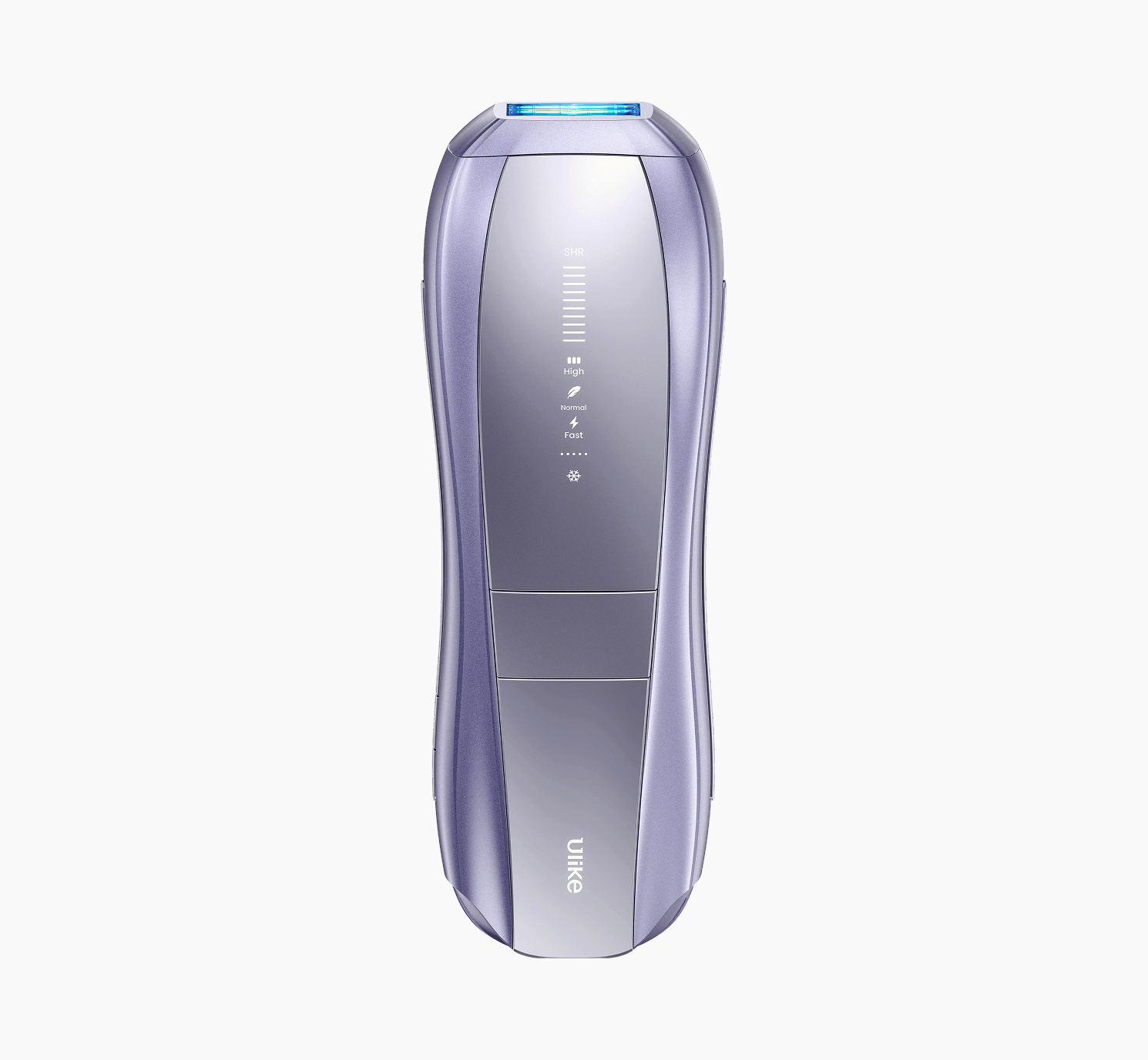
A device that can be considered here is the Ulike Air 10. Its application is intended for facial, full-body, and bikini-line treatments, making it very useful for women suffering from hormonal hair growth problems throughout several parts of the body at once. The Sapphire Ice Cooling technology ensures cooling of the skin in question while using the Air 10. This feature is especially valuable in facial applications since the skin is much more sensitive compared to leg or arm areas.
The device has a flat head attachment suited to smaller facial areas, including the upper lip, chin, and jawline. Results develop gradually over multiple sessions, typically over a course of four to twelve weeks, so it requires patience. If you are expecting to see a difference after one or two uses, IPL is not the right fit. But for women who are consistent with it, the reduction in regrowth can be substantial.
However, there are some disadvantages that need to be considered. IPL is more effective when used on dark hair on light to medium skin types. It should not be used on dark skin types (verify this using the Fitzpatrick scale before making any purchase). IPL is also ineffective when used on white hair or light hair. People who have had recent laser treatment or are under photosensitising medications should consult their doctors first.
Unlike shaving or waxing, consistent IPL use can reduce how often hair regrows rather than just removing what is already there. Unlike salon laser, you do it at home, on your own schedule.
If you want to understand the technology in more detail before committing, the how IPL works page on the Ulike website gives a clear breakdown.
Choosing the Right Method for You
A few questions can help narrow things down.
How quickly do you need results?
If you have an event coming up and want hair gone now, shaving or threading is your answer. IPL and professional treatments are not the right fit for urgency.
What is your budget?
Shaving and tweezing cost almost nothing to maintain. Depilatory creams and bleaching are low-cost. At-home IPL requires a larger upfront spend but saves money over time compared to repeated clinic visits. Professional laser and electrolysis sit at the top end but offer the most significant long-term outcomes.
How sensitive is your skin?
Depilatory creams and waxing can aggravate sensitive or reactive skin. IPL, particularly devices with a cooling mechanism, tends to be gentler on the face than older light-based treatments.
How much time do you want to spend on maintenance?
If the idea of shaving or tweezing every few days does not appeal, a longer-term approach like IPL or clinic treatment is worth the initial effort.
Method |
Speed of results |
How long it lasts |
Convenience |
Shaving |
Immediate |
Days |
Very high |
Waxing/threading |
Immediate |
2 to 4 weeks |
Medium |
Salon laser |
6+ sessions |
Long-term |
Low (travel required) |
At-home IPL |
4 to 12 weeks |
Long-term |
High |
No single method is the right answer for everyone. The best approach is often the one you will actually stick with.
Frequently Asked Questions
Does facial hair from menopause ever stop growing on its own?
Not typically, no. Once the hormonal shift has occurred, the follicles that have been activated by androgens tend to stay active. The hair may not get dramatically worse over time, but it is unlikely to reverse without some form of management. This is why many women find it worth putting a longer-term removal method in place rather than waiting it out.
Can HRT (hormone replacement therapy) help with facial hair?
No, but it can work for some women. Since HRT restores oestrogen levels in the body, it might help to restore the oestrogen/androgen balance and thereby prevent the growth of facial hair. But this is not a sure-shot treatment, and everyone cannot opt for HRT treatment. But if you plan to go for HRT and are worried about facial hair, then do consult your GP.
Is it safe to use IPL on menopausal skin?
Yes, in most cases, as long as you consult the Fitzpatrick scale for your skin tone and adhere to the guidelines for using the device properly. The skin during menopause tends to become dry and sensitive compared to its previous state, so having a device that offers cooling while in use will help you feel comfortable throughout the process.
Will shaving make my facial hair grow back thicker?
No. This is probably one of the biggest misconceptions regarding hair removal. Shaving only removes the top layer of hair. It may cause the hair to grow back sharper, but it will not affect the size, colour, or speed of growth of the hair, since these are all controlled by hormones and not hair removal methods.
How long does at-home IPL take to show results on facial hair?
Initially, women will notice a reduction in growth starting from four to six uses of the product. This will continue to be evident in the period of eight to twelve weeks. There might be slight variations when the epilator is used on the face rather than in other body parts. The outcomes will vary depending on the hair and skin colour and frequency of use.
Can I use the same IPL device on my body and face?
Yes, if the device is designed for both. The Ulike Air 10 includes a flat head attachment for smaller facial areas alongside broader attachments for the body and bikini line, making it practical for women who want to address hormonal hair changes in multiple areas with a single device.
Moving Forward With Confidence
Facial hair with menopause is a natural hormone-related phenomenon rather than an indication of any disorder. There are many ways of dealing with this issue that people do not realise exist, from temporary, daily methods to permanent procedures, minimising the number of times that you have to pay attention to this problem. This choice should depend on your personal preferences and lifestyle.
Should you be considering IPL treatment at home, the Ulike Air 10 device is suitable for facial and body hair removal, featuring a cooling mechanism to make the procedure less harsh on sensitive skin.
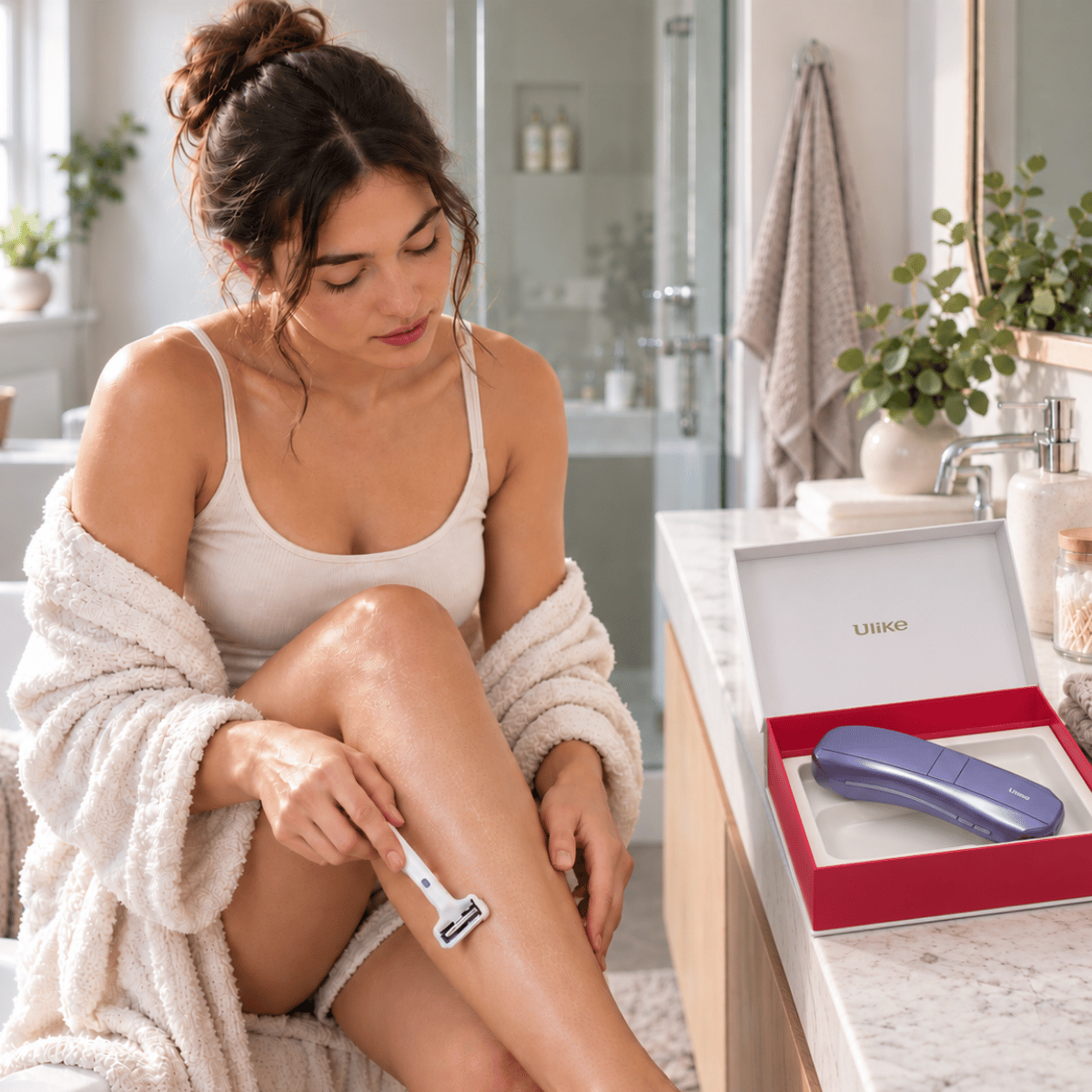
What to Do Between IPL Treatments: Shaving, Exfoliation & Hair Regrowth

What Happens If You Miss an IPL Treatment?
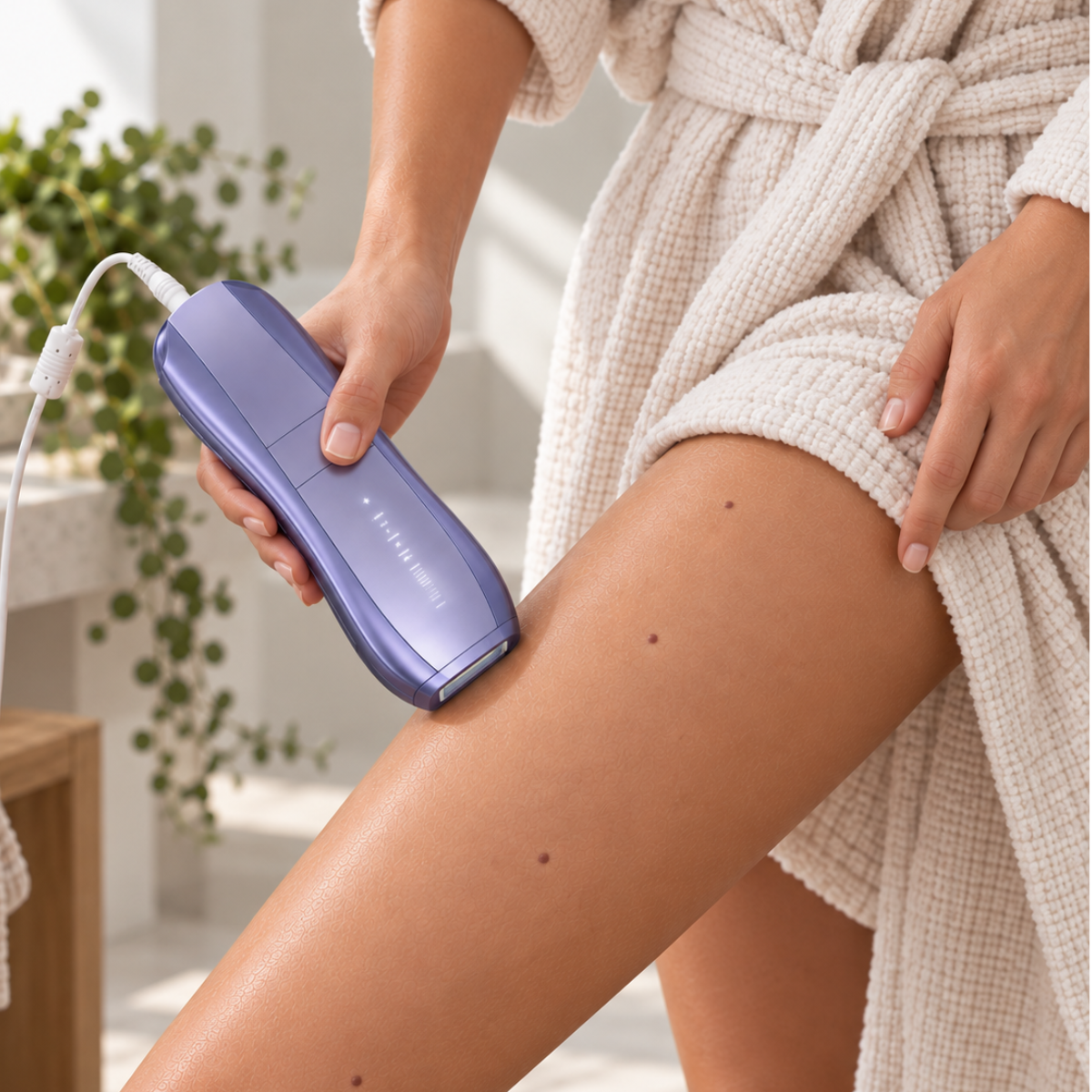
Can You Use IPL on Moles and Birthmarks?
Explore Beauty
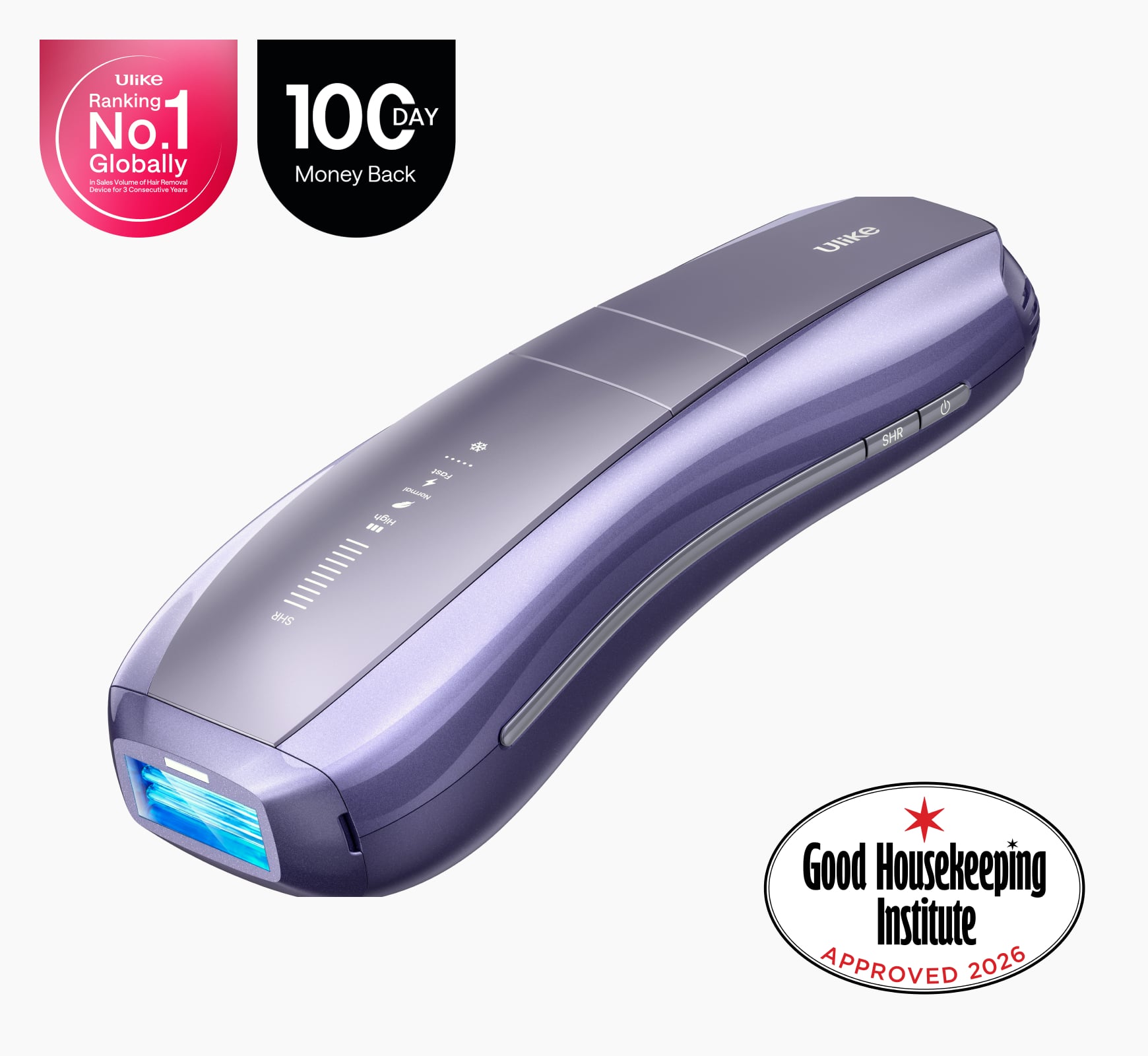
Ulike Air 10
2 weeks to silky smooth skin.
96% Hair Density Reduction in 2 Weeks
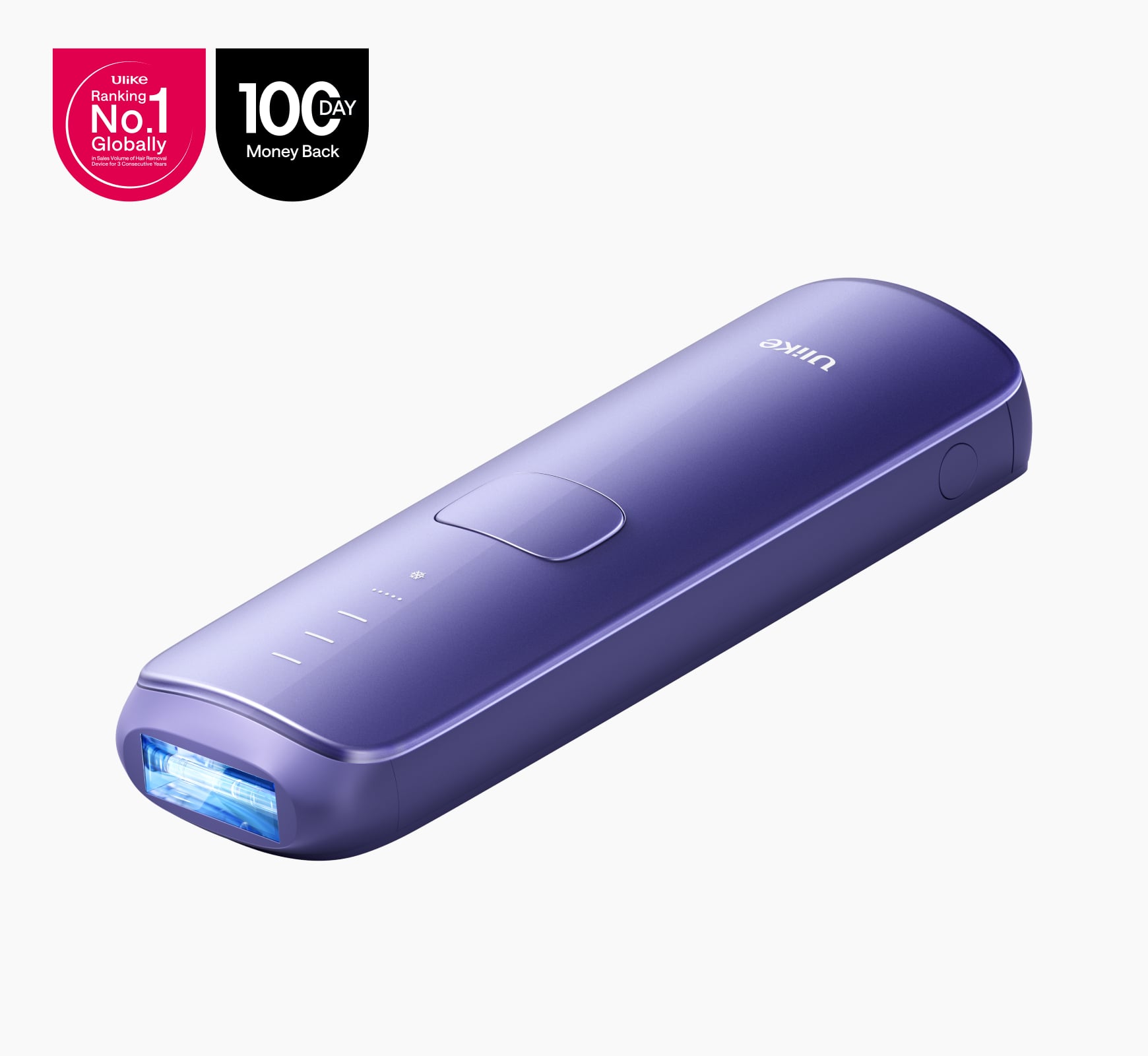
Ulike Air 3
3 weeks to silky smooth skin.
93% Hair Density Reduction in 4 Weeks
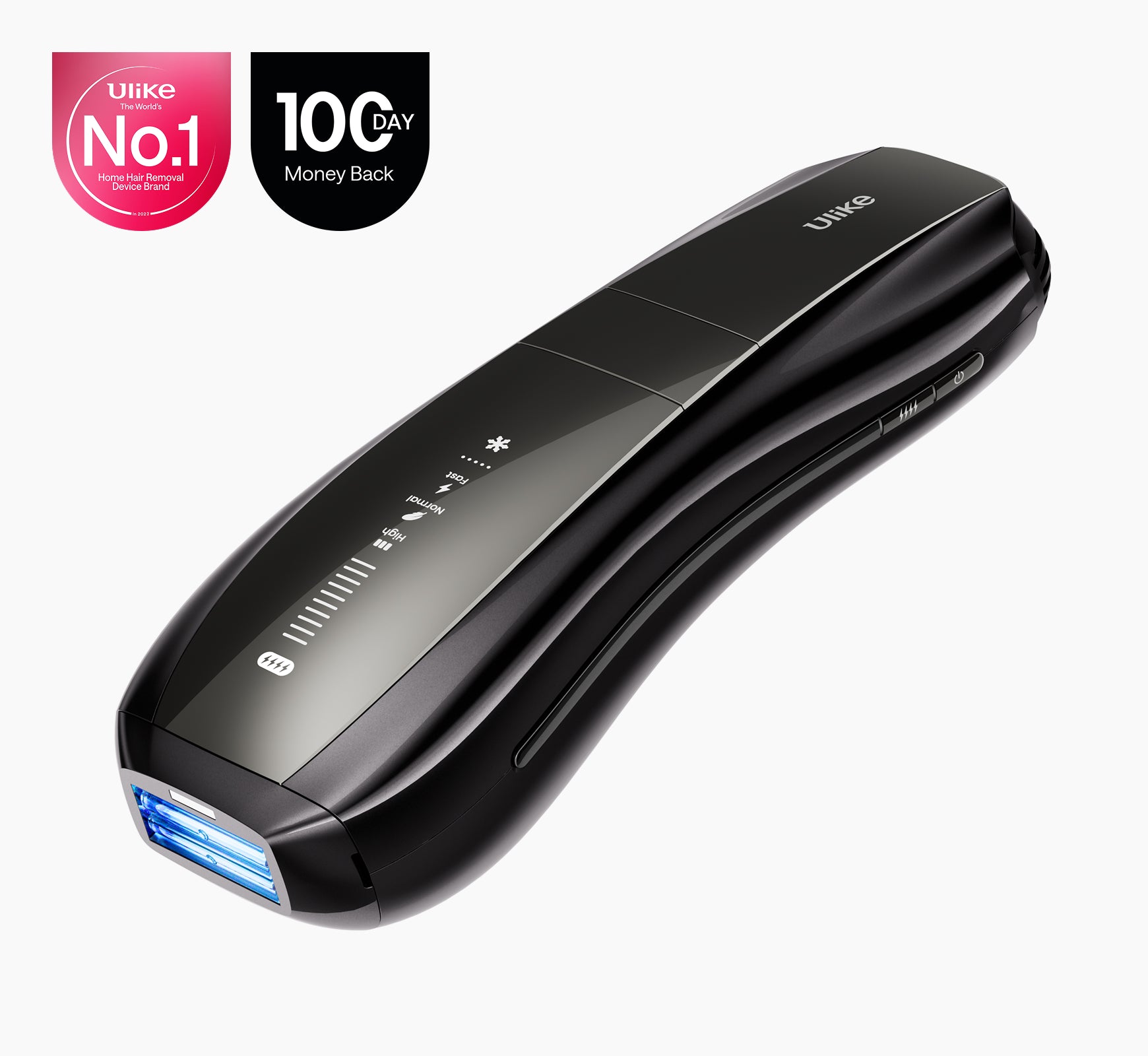
Ulike X
3 weeks to silky smooth skin.
94% hair reduction in just 2 weeks*
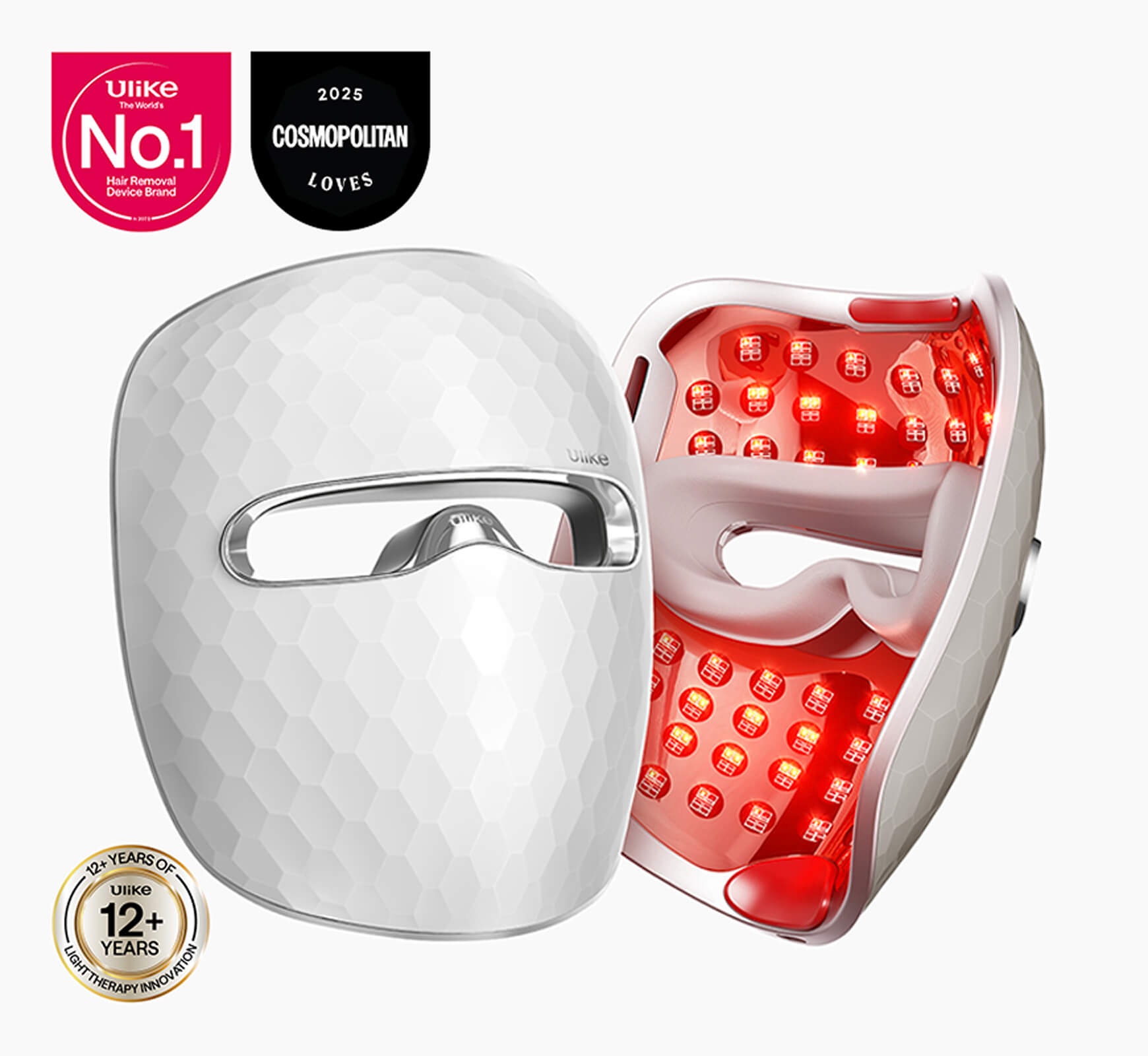
Ulike Reglow
Clearer skin in 2 weeks: Fewer breakouts
Smoother skin in 4 weeks: Fewer lines, firmer feel