



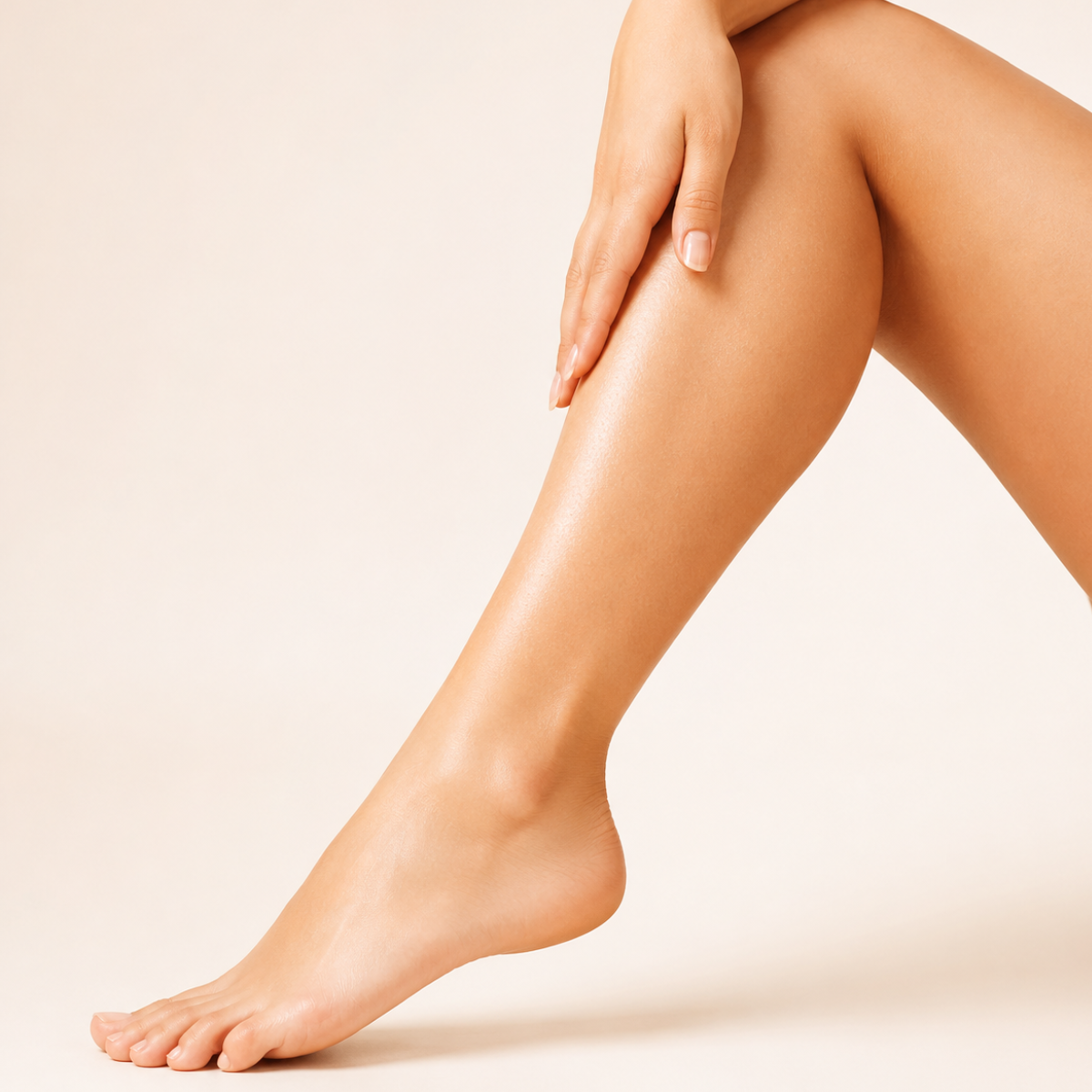
Sugaring vs IPL: Which Hair Removal Method Makes More Sense Long Term?

Sugaring vs IPL: There is an especially unique frustration that kicks in around the third week after your sugaring session. Your skin feels smooth once more, you have missed your due date, and now you’re scheduling another one. It is not that the method didn’t work; it is just how it goes every time. This article is for those who are beginning to consider other options.
Sugaring and IPL (intense pulsed light) are not two competing methods for doing the same process. They work using totally different processes. While sugaring removes hair from the root without disturbing the hair follicle, IPL acts directly upon the hair follicle to inhibit hair growth. Your choice between the two will depend on factors like your hair colour, skin colour, pain tolerance, and personal preference regarding frequency of sessions.
What Sugaring Actually Does to Your Hair
The paste (typically sugar, lemon juice, and water) works by adhering to the hair shaft rather than to the skin itself. Unlike wax, which is applied in the direction of growth and removed against it, sugaring paste is applied against the direction of growth and removed with it. That mechanical difference matters: pulling hair out in the direction it grows reduces the chance of breakage mid-shaft, which is one of the main causes of ingrown hairs.
What sugaring doesn't do is alter the follicle in any lasting way. The root is extracted, regrowth begins almost immediately, and the hair returns at roughly the same density as before. Results last two to four weeks depending on your growth cycle, hormonal factors, and the area being treated.
The reasons people stay loyal to sugaring are worth taking seriously. The appointment has a quality to it: warm paste, a therapist who knows your skin, predictable soreness followed by weeks of smoothness. No synthetic resins or adhesives touching your skin. For anyone who's had allergic reactions to wax, or who finds conventional waxing too aggressive, sugaring is a genuine improvement. The results are immediate. You leave smooth.
The limitation is equally real. It's temporary, indefinitely. No compounding benefit. The cost and time of sugaring don't decrease over months or years. It stays constant, or rises as your salon puts its prices up.
For a fuller picture of where sugaring consistently falls short, sugaring hair removal disadvantages covers the recurring issues in depth.
How IPL Hair Removal Actually Works
The IPL device utilises light of a broad spectrum, which gets absorbed in melanin, the colour-causing pigment in the hair. It generates heat, which moves down along the hair to the follicle, damaging the hair-generating cells. However, it should be noted that this process can be performed successfully during the anagen stage of hair development.
In any given instance, only about 20-30 per cent of the body hair is in its anagen stage. Others are either resting or shedding. In each case, the hair does not respond to IPL. This is not a fault in the technology. This is merely the nature of hair development. And that is why just one treatment will do nothing to show results. It is because IPL needs to work on follicles in different growth stages for six to twelve months.
A 2006 study published in Lasers in Surgery and Medicine found IPL achieved approximately 78% hair reduction after three sessions in suitable candidates. Results improve with continued treatment, and most people move to quarterly or biannual maintenance once the initial course is done.

The skin and hair colour compatibility question gets mishandled constantly, so it's worth being direct. IPL targets melanin. For it to work without affecting surrounding skin tissue, there needs to be meaningful contrast between the melanin in the hair and the melanin in the skin:
Dark hair on light-to-medium skin (Fitzpatrick types I–IV): strong IPL candidates
Dark hair on darker skin (Fitzpatrick types V–VI): requires a device calibrated for deeper tones; standard consumer IPL carries a higher risk of hyperpigmentation
Fair, red, grey, or white hair: IPL can't effectively target these. There's not enough melanin in the hair shaft to absorb the light pulse
For a plain-language explanation of how IPL works at a device level, Ulike UK's blog covers the technical side without requiring a dermatology background.
Sugaring vs IPL: The Honest Comparison
Sugaring will result in hair being removed from the root, leaving the follicle intact. This will give the effects for two to four weeks. The IPL technology aims to disable the hair follicle, which results in a long-term effect through several treatment sessions. It goes beyond time; it’s about the objective of each process.
Pain and Sensation
Sugaring is a pulling technique done on a repetitive basis throughout the entire procedure area. Sugaring feels more like an unpleasant experience rather than a painful one, and the level of discomfort tends to lessen as hair gets thinner. In terms of sensitivity, upper lips and bikini areas are guaranteed to be the most sensitive places.
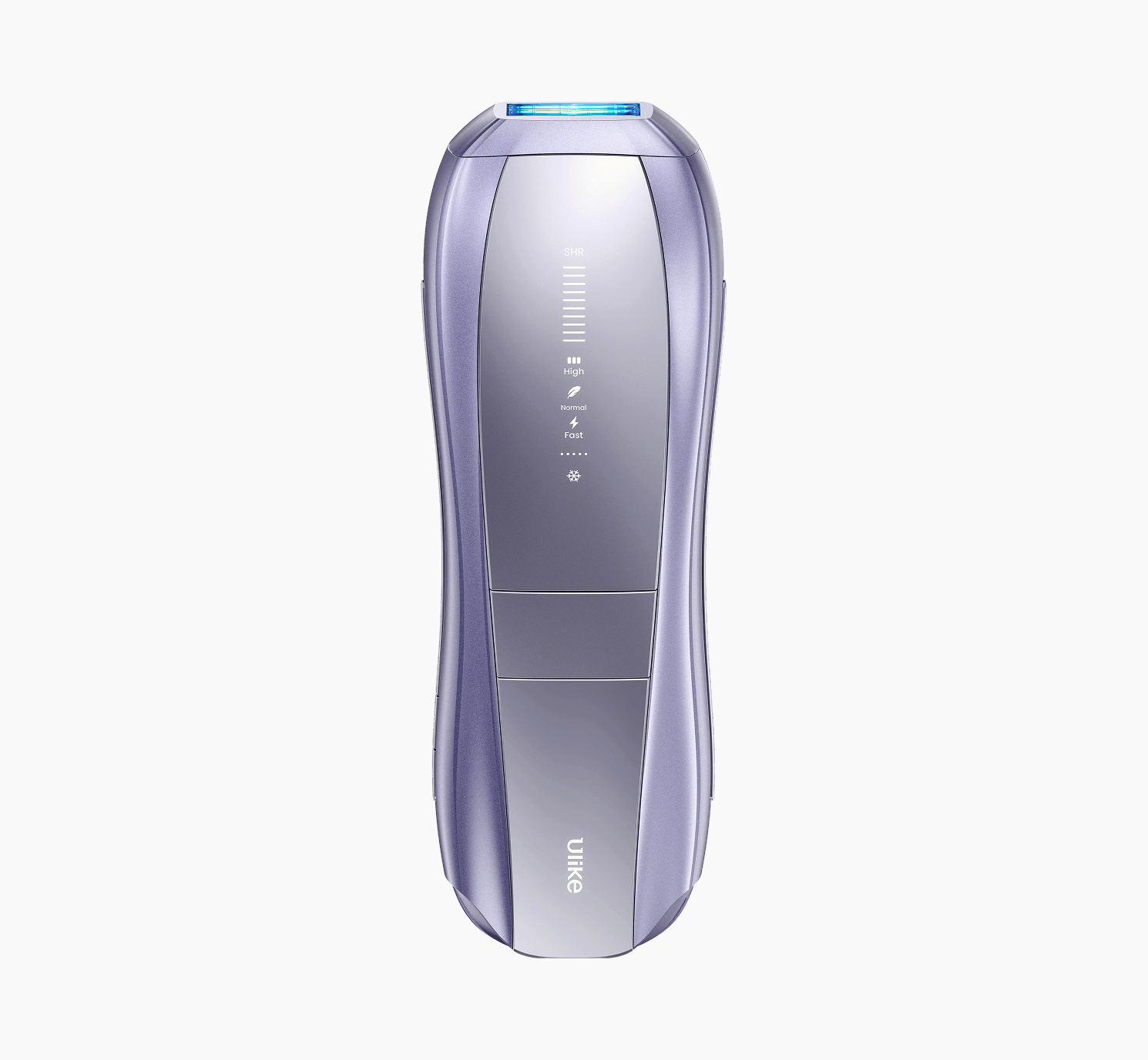
But IPL is completely different: you feel only a brief burst of heat, much like when someone snaps your finger with an elastic band. The development of modern home devices made this sensation more bearable. The Ulike Air Series has what they call sapphire ice-cooling technology – a cool-contact plate that reduces the temperature of the skin surface during each pulse. This feature alone can be a game-changer for all those who were reluctant to undergo IPL treatments due to pain sensitivity.
How Long Results Last
Sugaring: two to four weeks before noticeable regrowth, and that doesn't change over time unless your hormone levels shift.
IPL: visible thinning typically begins around sessions four to six, with the fuller picture emerging over eight to twelve weeks. After a complete course, many people maintain results with one or two top-up sessions per year. IPL doesn't guarantee permanent removal (the accurate clinical term in the UK is permanent hair reduction) but for most suitable candidates, the reduction in ongoing maintenance is significant.
Cost Over 12–24 Months
It will be perceived in a totally new way depending on which figures you match. An average session for sugaring in the United Kingdom will cost between £30 and £70 every four weeks, according to your choice of body area. Per body part, such as legs, it will cost £390 and £910, respectively, annually.
A high-quality IPL machine for use at home would cost £200-400. The recurring expenses after the first session would be very low. In fact, by the seventh or eighth month, the cost of the machine would have been recovered compared to the sugaring alternative.
That calculation only holds if IPL works for your hair and skin type. If you fall outside the effective range, the numbers look very different.

Side-by-Side Overview
Sugaring |
IPL |
|
Pain level |
Moderate (sharp pull) |
Low to moderate (warm flash) |
Results duration |
2–4 weeks |
Months to years (long-term reduction) |
Cost over 12 months |
£390–£910+ (ongoing) |
Device cost only (after purchase) |
Hair colour suitability |
All colours |
Dark hair only (limited on fair/red/grey/white) |
Skin tone range |
All tones |
Fitzpatrick I–IV optimal; V–VI requires caution |
Ingrown hair risk |
Low to moderate |
Low (reduces over time) |
Why IPL Reduces Ingrown Hairs More Effectively
Sugaring does minimise ingrown hairs compared to waxing. This is because when removing hair using sugaring, one removes the hair along its grain, and the sugar adheres to the shaft of the hair and not the skin.
How IPL deals with the issue is different. As the follicle gets weaker during successive treatments, hair regrowth also gets finer. With thinner hair, there is less chance of it curling underneath the skin. The decrease in ingrown hairs is not a side effect of treatment but rather its consequence.
When Sugaring Is Genuinely the Better Option

There are real circumstances where IPL isn't the right call. Sugaring is the stronger choice if any of the following apply:
Your hair colour is blonde, red, grey or white. IPL is not effective at removing such colours irrespective of the machine you choose. Among the few techniques that can remove all hair colour is sugaring.
You are looking for immediate results. IPL requires patience from you. You will see some changes after the fourth or fifth session. But sugaring promises quick results.
You are using a drug that makes you sensitive to light. Photosensitive medicines include antibiotics, retinoids, and some antihistamines. It is wise to consult your physician or pharmacist before committing yourself to a device.
You suffer from skin problems where the hair removal process should take place. Such disorders as eczema, psoriasis and damaged skin make the use of IPL impossible. But sugaring offers an alternative.
Going to the salon is part of the process. It seems like many people appreciate the procedure as some people do not consider it a boring thing but a ritual.
Who Is Better Suited to IPL
Dark hair, Fitzpatrick types I–IV. That's the sweet spot. If that's you, the question is really whether your lifestyle fits the protocol.
IPL tends to work well for people who:
Fed up with the repetitive monthly appointment process and desire a one-time payment strategy for ease of maintenance in the future
Desire to self-treat in accordance with their schedule and without the threat of cancellation charges or long wait times
Done the math and know that the cost of regular appointments is simply too much money
Struggling with excessive hair because of their condition and looking for an effective way to lower the density
At-home IPL devices have many differences in terms of power, coverage range, and comfort options. In case pain is an issue, look for devices that offer contact cooling. There is a noticeable difference between cooled and non-cooled IPL devices that will make all the difference in finishing your treatment course.
If you want to know whether Ulike's devices specifically hold up to scrutiny, does Ulike work covers the clinical data and real-world results.
Can You Use IPL If You Currently Sugar? The Transition Question
Almost no comparison article addresses this, which is frustrating because it's one of the most practical questions for anyone considering switching.
The quick response is "yes," but you must alter your actions during your time in between the treatments. Sugaring hair removal eliminates the hair at the root level, and therefore there will not be anything for the light from the IPL to target. Shining an area that has been sugared the previous week is just a waste of that treatment session.
The solution would be shaving during the breaks in the IPL treatments and not using sugar or wax. The reason behind that is that shaving does not get rid of the root of the hair, but only its surface. This way, the treatment can take place as required. This might seem weird since you have been avoiding the razor for so long, but it is absolutely essential.
A rough switch-over for anyone moving from regular sugaring:
Make your final sugaring appointment as usual.
Wait for the hair to regrow to a noticeable length (typically after a week).
Shave the area 1-2 days before your first IPL session.
Maintain shaving in between sessions. Do not use sugaring or waxing during the IPL treatment course.
After the complete course of treatment, you can go back to the sugaring process should there be any leftover hair, although most people will find that there isn't much that needs to be shaved after the procedure is done.
It will take several weeks to adjust to smoother skin because you will experience less smoothness in the process.
Frequently Asked Questions
Is sugaring better than IPL for sensitive skin?
Depends on the type of sensitivity. Skin that reacts to adhesives or synthetic resins in wax will generally do better with sugaring. But for people whose skin is more reactive to physical pulling and friction, IPL with cooling often causes less surface disruption. If you're on medication that increases photosensitivity, check with your GP before using any light-based device.
How many IPL sessions will I need?
Six to twelve is the standard range, spaced two to four weeks apart. After that, most people move to maintenance sessions every few months. There's no shortcut here. Anyone promising significant permanent reduction in two or three sessions is overpromising. The biology of the hair growth cycle means it takes time, and rushing the protocol produces worse results.
Can I switch from sugaring to IPL, and how do I do it?
Yes. Stop sugaring, switch to shaving between sessions (sugaring pulls the root that IPL needs to be present to work), shave the area a day or two before your first session, and start the protocol from there. Expect some weeks of inconsistent smoothness while your skin adjusts.
Does IPL work on dark or tanned skin?
IPL on darker skin tones (Fitzpatrick V–VI) carries a real risk of hyperpigmentation because the device can struggle to distinguish between melanin in the hair and melanin in the skin. Some consumer devices are designed with a wider skin tone range in mind, but caution is still warranted. Tanned skin from sun or self-tan temporarily raises the risk even on lighter tones. Most manufacturers recommend avoiding treatment until the tan fades, and a patch test is always worth doing before a full session.
Is IPL painful compared to sugaring?
Most people find IPL less painful, especially with a cooling device. Sugaring is a sustained pull repeated across the skin; IPL is a brief flash of warmth. Neither is a walk in the park on sensitive areas, but the sensation with IPL is shorter and, for most people, easier to manage. It also gets more comfortable as hair thins across sessions.
How long does sugaring last before I need to redo it?
Two to four weeks, depending on the area, your growth rate, and your hormonal situation. Bikini and underarm areas tend to need topping up more quickly; legs usually last closer to the longer end. It won't change much over time with sugaring alone.
Is at-home IPL as effective as professional IPL?
hair removing tools for the faceConsumer devices run at lower energy levels than clinical machines, so individual sessions aren't identical. But the gap in long-term outcomes is smaller than people expect, and home devices have a practical advantage: you actually use them. Salon IPL courses are expensive and easy to abandon mid-way. A device at home gets used on your schedule, which matters more for the overall result than the wattage difference between devices. For face-specific hair removal, hair removing tools for the face covers the options worth knowing about.
If IPL looks right for your situation, Ulike's Air series is worth a look, particularly if pain has put you off light-based treatments before. The sapphire ice-cooling makes the process noticeably more comfortable, and it's designed to be used at home without a technician walking you through it.
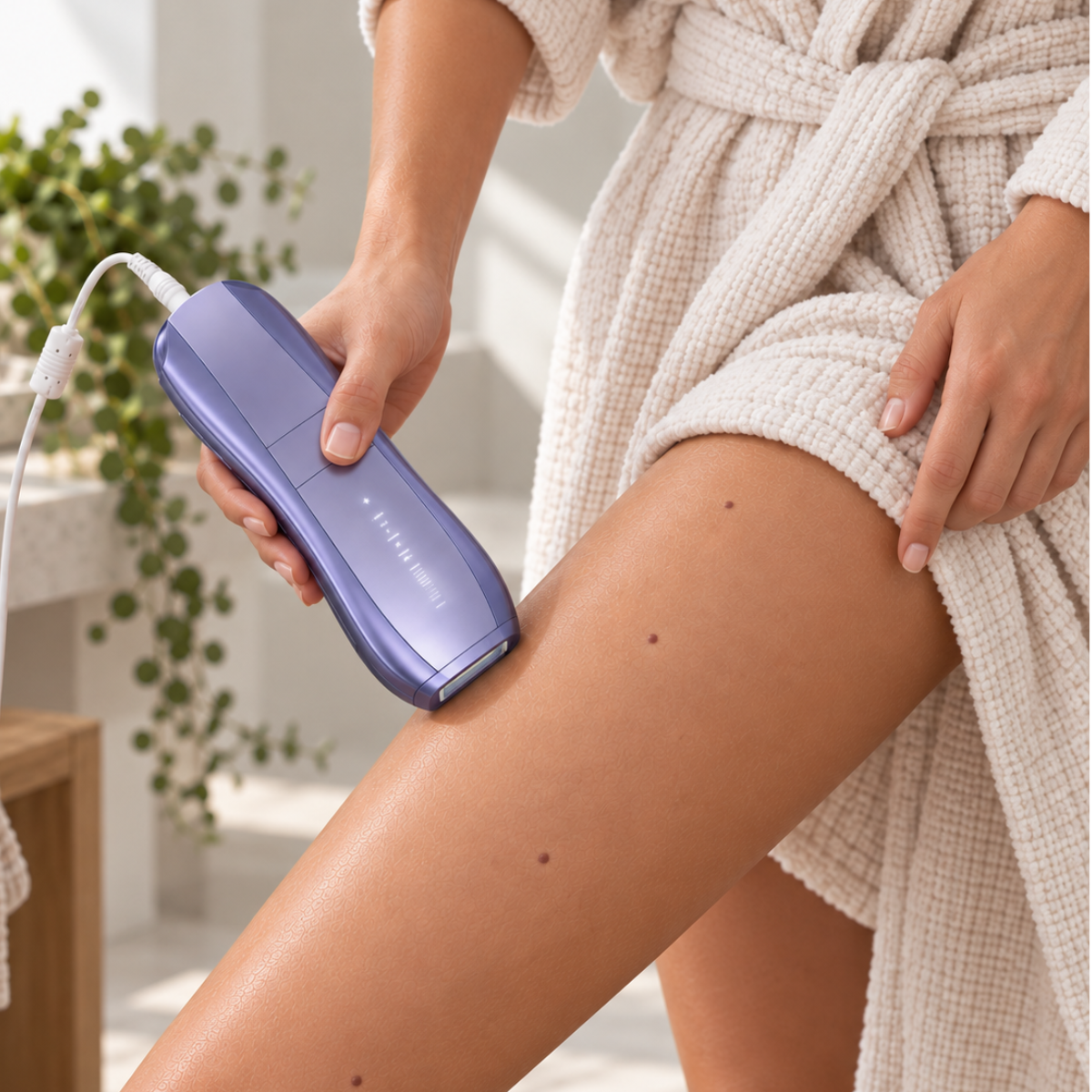
Can You Use IPL on Moles and Birthmarks?
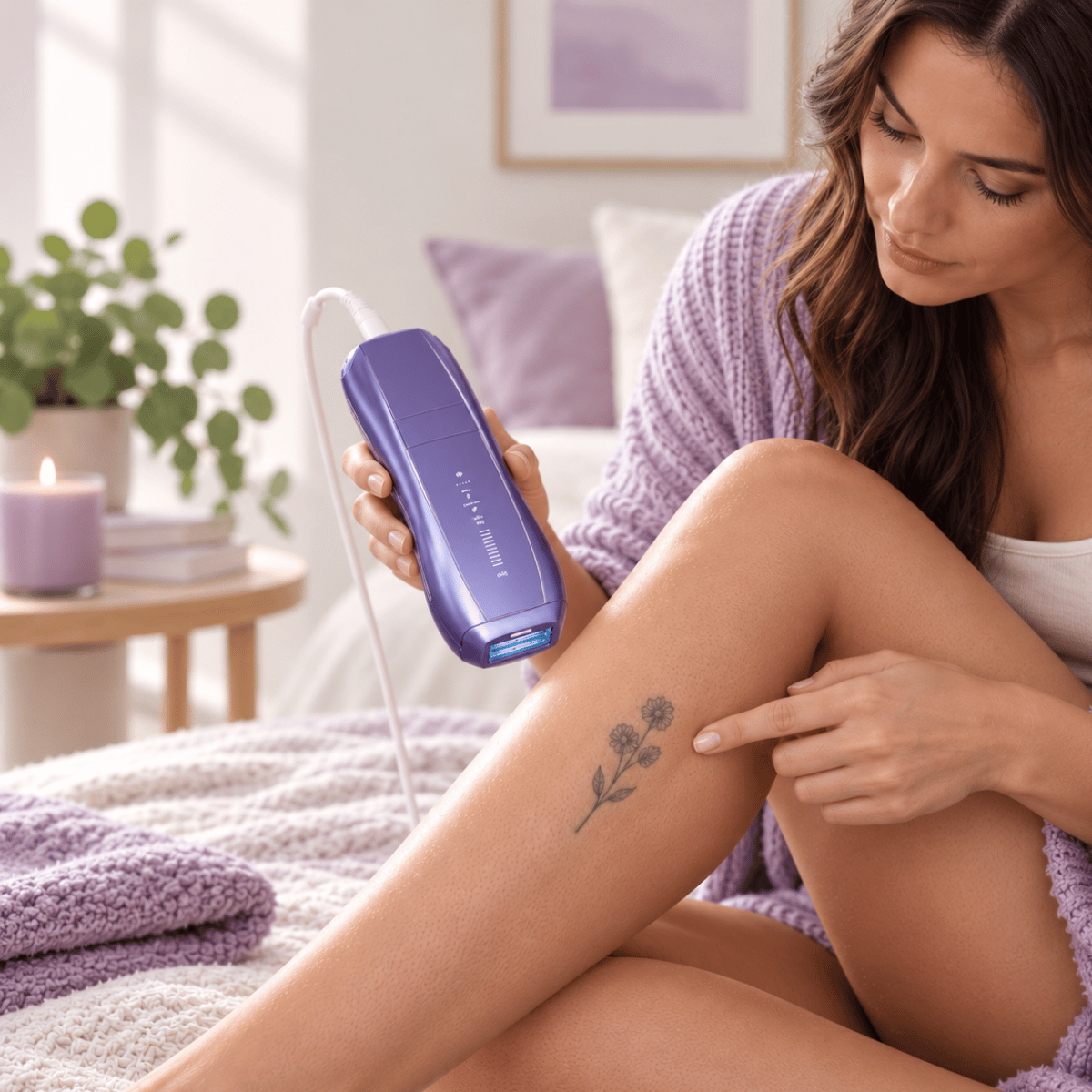
Can You Use IPL on Tattoos? What Happens If IPL Hits One?
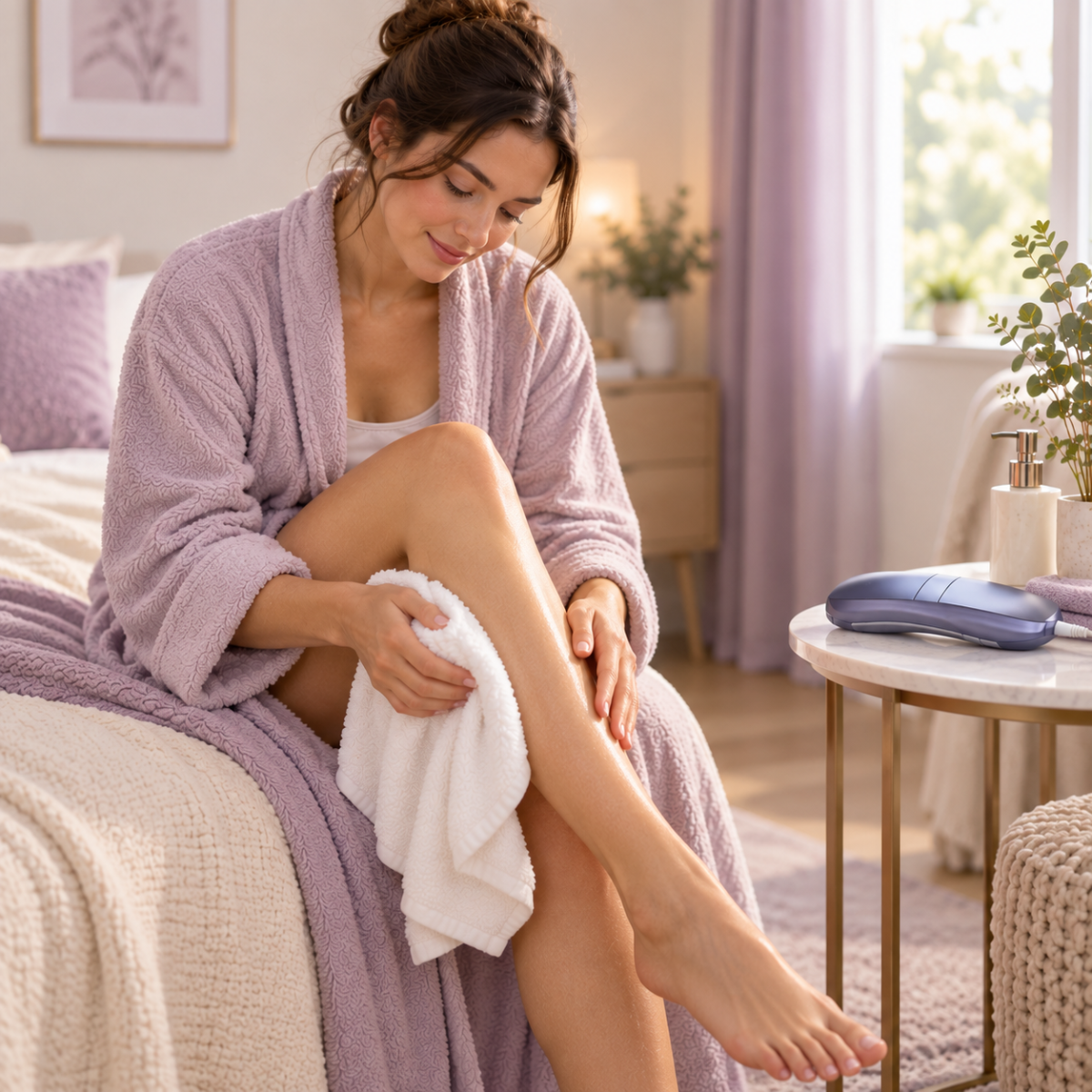
Can You Use IPL on Wet or Damp Skin?
Explore Beauty
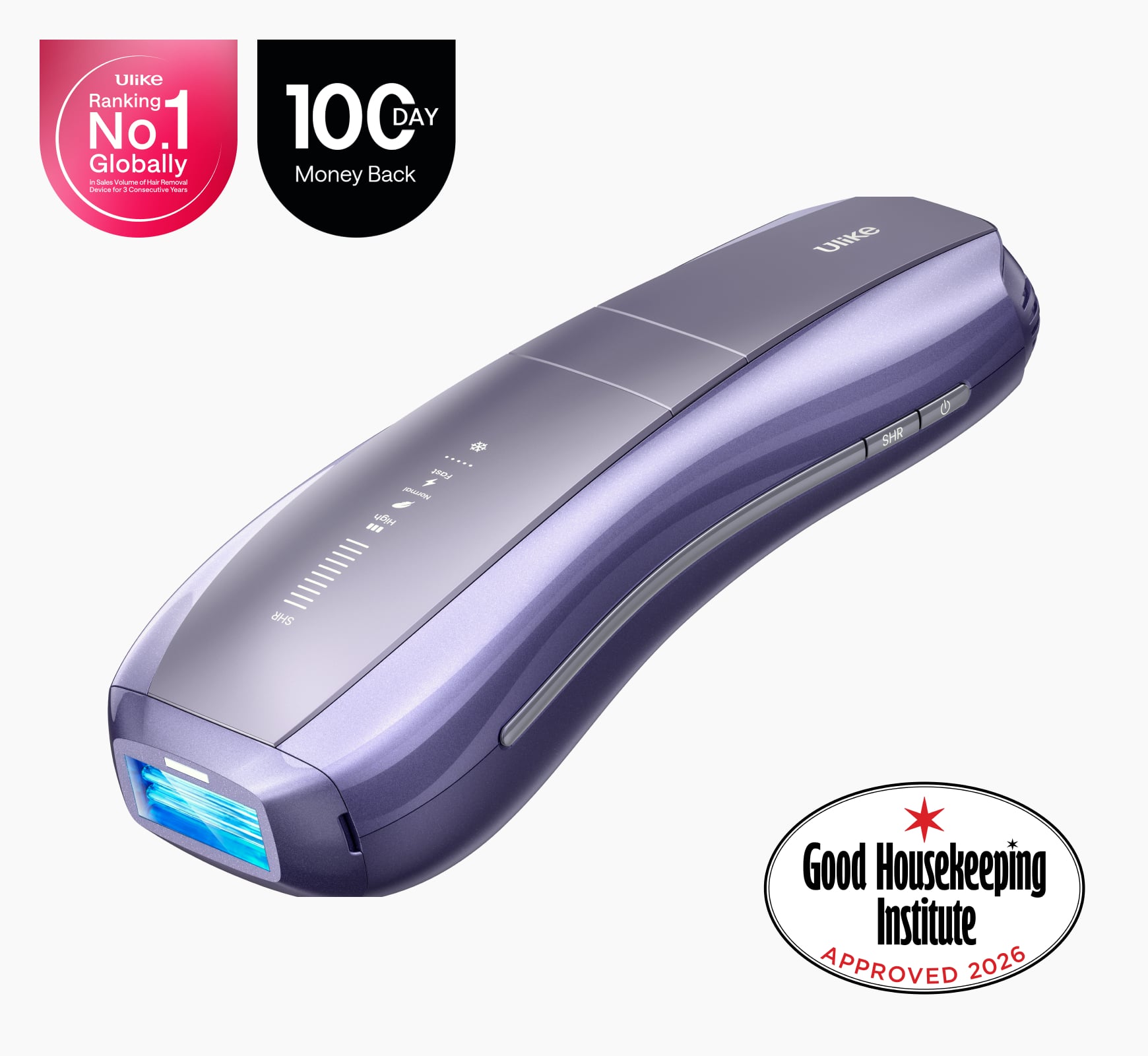
Ulike Air 10
2 weeks to silky smooth skin.
96% Hair Density Reduction in 2 Weeks
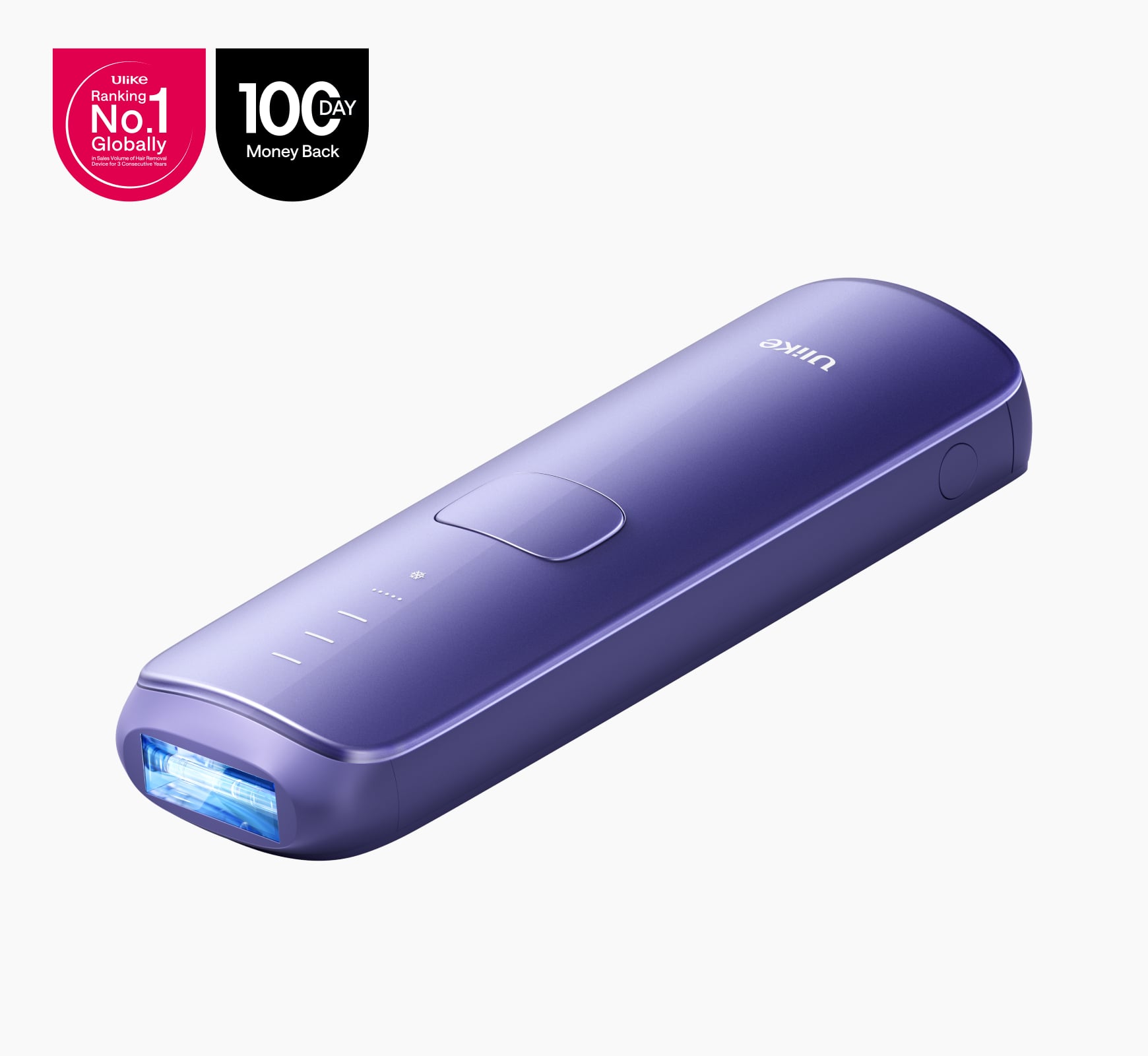
Ulike Air 3
3 weeks to silky smooth skin.
93% Hair Density Reduction in 4 Weeks
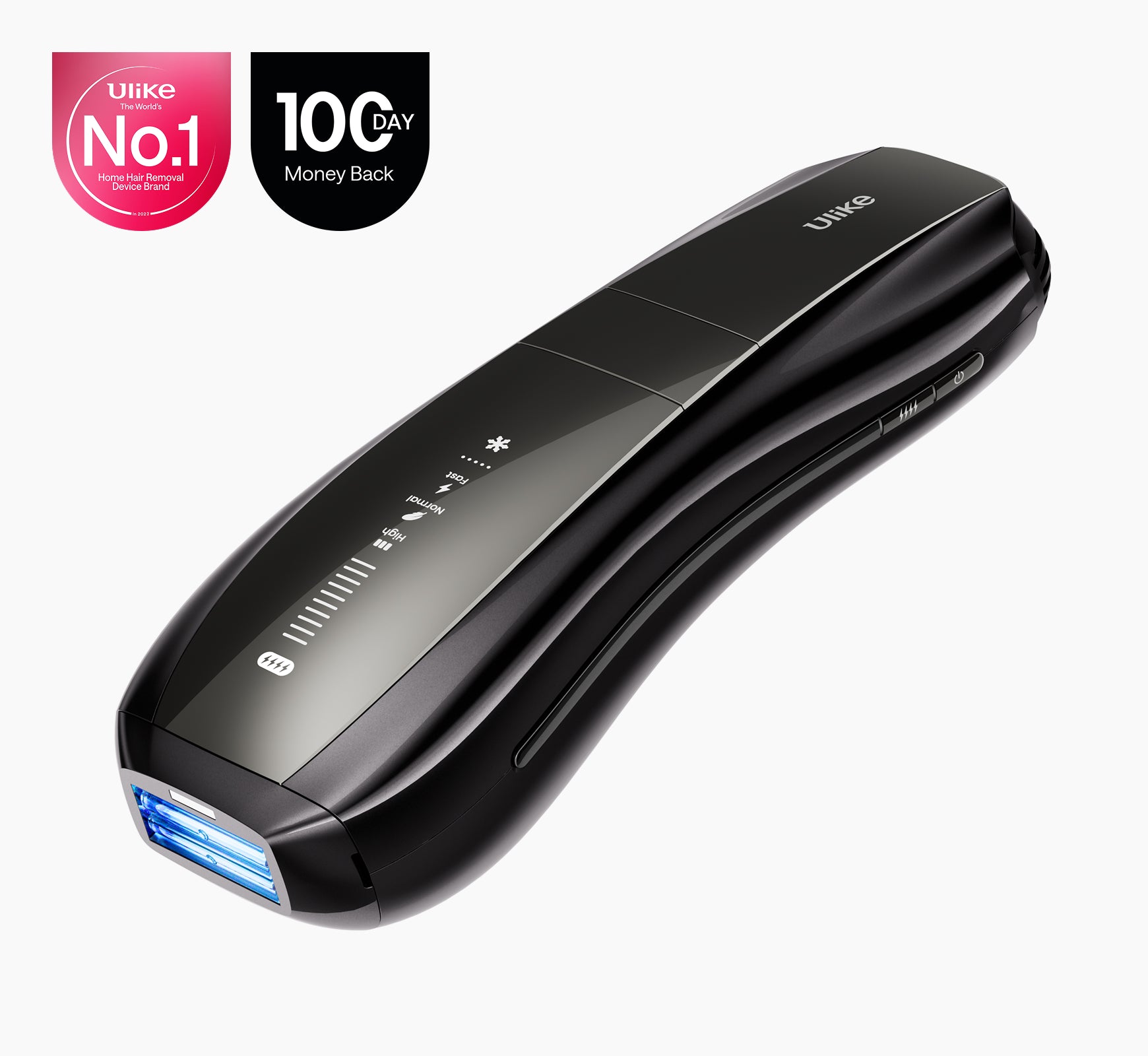
Ulike X
3 weeks to silky smooth skin.
94% hair reduction in just 2 weeks*
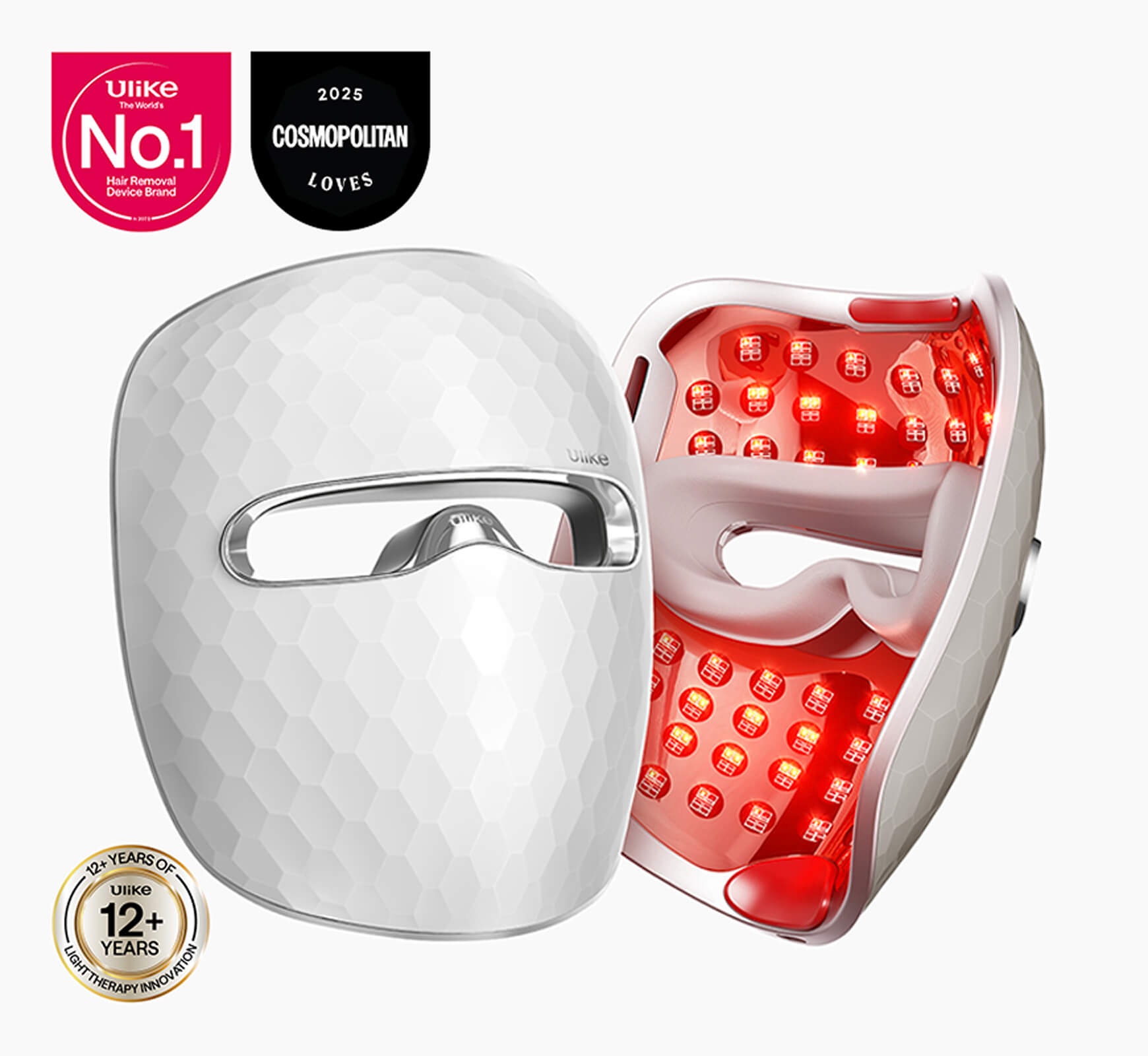
Ulike Reglow
Clearer skin in 2 weeks: Fewer breakouts
Smoother skin in 4 weeks: Fewer lines, firmer feel