





Why Does Hair Grow Back So Fast?

Why hair seems to grow back so quickly
Why does hair grow back so fast? People usually are surprised to find out that hair grows at a steady rate of about 0.35 mm each day or 1 to 1.5 cm per month. This isn't super quick, so you might wonder why stubble seems to grow overnight.
Shaving your hair doesn't make it start from zero; it grows from where the razor stopped. Even after a close haircut, there's still a bit underneath the skin — around a couple of millimeters — that pokes through in a day or two. Also, the blunt ends from cut hair make it seem like it's growing quicker than it actually is. We just notice it sooner due to how it looks and feels, but really, the growth rate stays the same.
Quick answer
When hair looks like it's growing back quicker after shaving, it's just an illusion. The cut ends feel coarse and show up quickly, but that's because the tip got chopped off – not because the hair's growing speed revved up. It's still growing at the same pace all along.
Think of it like an iceberg. Before you shave, part of the hair sits below the skin surface. When you remove what's visible, that subsurface portion keeps growing upward. Within 24 to 48 hours, it breaks the surface again, and because its tip is now flat instead of naturally tapered, you notice it immediately.
Does hair actually grow faster after shaving?
Myth
Shaving makes hair grow back faster, thicker, and darker.
Fact
Shaving has no effect on the follicle. Growth rate, thickness, and pigmentation are unchanged — only the shape of the hair's tip changes.
This is one of the oldest myths in personal care, extensively studied since the start. Back in 1928, a clinical trial found no proof that shaving changes hair growth or texture. Follow-up studies kept confirming the same thing – shaving doesn't affect your hair's thickness or growth speed.
Shaving only cuts hair at the surface; it doesn't go deep enough to touch the follicle. So the follicle keeps growing hair at the same rate as before. What really changes is just how the hair looks and feels. Post-shave, hair grows with a flat, dull tip, not a sharp point, making it seem coarser and catch light differently.
The illusion of quicker hair growth is because of contrast too. When you shave, the area feels super smooth and looks neat. Any fuzz that grows back is easily noticed against that now-smooth skin, but someone who hasn't shaved recently wouldn't bat an eye at an extra millimetre of hair growth.
The hair growth cycle explained
Every hair on your body follows a three-phase growth cycle. Understanding it explains a lot about why regrowth timing varies from person to person and area to area.
Anagen
Active growth phase
The follicle is actively producing hair. On the scalp, this can last 2–7 years. On the body, it's shorter — typically 30–45 days for leg hair, which is why leg hair stops growing at a certain length.
Catagen
Transition phase
Growth slows and the follicle shrinks. This lasts about 2–3 weeks. The hair is no longer being actively produced but hasn't shed yet.
Telogen
Resting and shedding phase
The follicle rests and the old hair sheds. A new anagen cycle then begins. This phase lasts around 3 months for scalp hair and varies across body areas.
Not all of your hairs are at the same stage at once. About 85–90% of scalp hairs are in the active anagen phase at any time. That’s why we don’t lose our hair when shedding 50–100 strands daily. Only hairs in the anagen phase when waxing or epilating are done will be the ones growing back first. The rest grow back gradually because of this staggered cycle.
Shaving bypasses this entirely because it never removes the follicle or the hair root. The cycle continues exactly as it would have without any interruption.

Why some areas regrow faster than others
Not all of your hairs are at the same stage at once. About 85–90% of scalp hairs are in the active anagen phase at any time. That’s why we don’t lose our hair when shedding 50–100 strands daily. Only hairs in the anagen phase when waxing or epilating are done will be the ones growing back first. The rest grow back gradually because of this staggered cycle.
Shaving bypasses this entirely because it never removes the follicle or the hair root. The cycle continues exactly as it would have without any interruption.
Area |
Visible regrowth after shaving |
Why |
Face (chin, upper lip) |
Within 24–48 hours |
Androgen-sensitive follicles; coarser, darker hair makes growth visible sooner |
Underarms |
1–3 days |
Fast growth rate; dense follicle concentration |
Bikini area |
2–4 days |
Coarse hair structure; highly sensitive to hormone fluctuations |
Legs |
3–7 days |
Shorter anagen phase; finer hair is less immediately noticeable |
Arms |
5–10 days |
Fine, light hair with short active growth cycles |
Facial hair
Chin and upper lip hairs are among the most androgen-sensitive follicles on the body. This is why they tend to be coarser, darker, and faster-appearing than hair elsewhere — even in women, where testosterone levels are much lower than in men but still play a meaningful role. The combination of pigment and coarseness means even 0.5 mm of growth is clearly visible, giving the impression of rapid overnight regrowth.
Leg hair
Leg hair grows for about 30 days and then stops because it comes from lighter, finer follicles. This is why it seems to grow out slowly. After you shave, it looks like it grows back more quickly, though, and most folks notice stubble around 3 to 5 days later.
Underarms
The underarm area has a dense concentration of follicles relative to its surface area, and the hair produced tends to be coarser than arm or leg hair. Regrowth becomes noticeable within a day or two of shaving and can feel rough quickly because of the blunt-cut edges rubbing against clothing and skin.
Bikini area
This area is both mechanically sensitive and hormonally responsive. The hair is typically coarse and grows in a direction that makes ingrown hairs common after removal. Regrowth visibility tends to appear earlier than leg hair but a little later than the underarm area for most people.
Why hormones can affect hair regrowth
Hormones — particularly androgens like testosterone and DHEA — are the primary biological drivers of body hair characteristics. They influence how coarse hair grows, how dark it is, which follicles become active, and how long those follicles spend in the active growth phase.

PCOS
Polycystic ovary syndrome (now PMOS) is, like, one of the most common causes why women notice hair growing a lot faster or heavier than they’d expect. In PCOS, there are higher androgen levels, and that can push more hair follicles into the active growth stage, especially around the face, chin, neck, chest, and even stomach. As a result, the hair can turn coarser and darker, which feels pretty unfairly sudden.
A lot of women who have PCOS end up removing facial or chin hair more than once a week, sometimes like every few days. It’s a real body problem, physiological, not something “imagined” or only perceived. If you are like, "Yeah, me too," then it’s smart to just check in with your doctor or an endocrinologist. Getting androgen levels under control can really help slow down that fast regrowth too.
Menopause
As oestrogen declines during perimenopause and menopause, the hormonal balance sort of shifts, and then androgens become more influential, kind of like a quieter push, but it ends up mattering. That is why some women see new or increased facial hair in their 40s and 50s around the chin and the jaw, even if they never had that worry before, or at least not like this. The follicles themselves haven't really changed at all. It’s more than the hormonal signal that has moved, so they respond differently.
Genetics
Genetics kind of sits at the centre of how responsive your androgen-sensitive follicles are. Two people, even if they have identical hormone levels, can still end up with totally different hair growth patterns just because their follicles respond differently to those same hormones. So if in your family there is a pattern of quick regrowth or really heavy body hair, then this follicle sensitivity is probably part of the picture, not something linked to any specific behaviour you did or something like that.
Why hair can feel thicker after shaving
The short answer
Shaving cuts the hair at the widest point, leaving this sort of flat, blunt end. Then, as it grows out, it feels rougher, and it shows more than the fine taper tip the hair would naturally have. The hair itself is not really changed; it's only the cut end that is different.
Unshaved hairs have a naturally tapered tip, kind of like a paintbrush. This pointy end flexes a bit when touched, making leg and arm hair feel softer if you let it grow rather than shaving it.
When you shave, the razor cuts the hair across its thickest part. All that's left afterward is a small, flat-ended piece of hair. When that hair starts growing back, the blunt end is what you feel first. Unlike rounded ends, this flat edge pokes back, making the hair feel rougher. Actually, the only difference is how the hair interacts with your skin – the end is just not bent. If you let the hair grow long enough, the tip will once again soften and taper, becoming smooth like before.
These grooming methods feel softer because they yank out the hair completely from the root. This leaves new growth starting fresh, with a naturally tapered end, unlike the bumpier regrowth from shaving.

Worth knowing about IPL
IPL works best on darker hair against lighter skin since it targets melanin. It doesn't work as well on lighter or grey hair. What's more, results vary based on the body part. For example, facial hair usually needs more sessions compared to hair on the legs or underarms.
For those who want to stay with shaving, one practical consideration is timing. Shaving with the grain of the hair, using a fresh blade, and moisturising the skin post-shave won't slow follicle growth, but they do help reduce the roughness of the blunt regrowth tip and minimise the skin irritation that can make stubble feel more prominent than it is.
When faster hair growth may be worth investigating
When to speak to a doctor
Rapid changes in hair growth patterns — especially new facial or body hair in areas where you didn't have it before — can sometimes signal a hormonal change worth checking out.
Most variation in hair regrowth speed is totally normal and can be explained by those factors I mentioned. But there are times when changes in your hair growth are worth talking over with a GP or dermatologist.
If you notice sudden facial hair growth, especially around the chin, jaw, or neck, along with symptoms like acne or irregular periods, it might be due to a hormonal issue like PCOS or high androgen levels. These conditions are manageable. Knowing what's causing the hair growth can help a lot more than just treating the hair alone.
Similarly, women approaching or going through menopause who notice new hair growth patterns can benefit from understanding whether the shift is primarily hormonal — since that opens up options beyond hair removal itself, including hormone-related approaches that some healthcare providers may consider.
If your hair grows quickly as your family's does, it's probably normal. However, if that pace changes along with other odd symptoms, it's best to talk to someone about it. So, unusual changes, especially when coupled with more stuff, shouldn't be ignored.
Frequently asked questions
Why does hair grow back so fast?
Hair often appears to grow back faster than it actually does because shaving creates a blunt edge that becomes visible and rough within days — even though the hair itself is growing at its normal rate of about 0.35 mm per day. Hormones, genetics, and which body area is involved also influence how quickly regrowth becomes noticeable.
Does shaving make hair grow faster?
No. This is one of the most pervasive myths about hair removal. There’s really nothing that shaving can do to change the way the hair grows in. It cuts hair at the skin's surface, so it doesn’t affect the growth cycle or the pigment, but it does change the way the strand grows in (and feels) up top.
Why does my chin hair grow back every day?
Chin follicles are highly sensitive to androgens, which cause them to produce coarser, darker hair with a faster-appearing growth cycle. Because the hair is dark and coarse, even a fraction of a millimetre of growth is immediately visible. This is especially common in people with PCOS or elevated androgen sensitivity, but it occurs across the general population too.
Why does hair feel thicker after shaving?
Shaving cuts across the natural tapered tip of the hair, leaving a flat blunt edge. As this blunted hair grows out, it feels coarser and looks more prominent. The hair itself has not changed in texture or thickness — only the shape of its tip has changed. Hair removed from the root, as with waxing, grows back with a naturally tapered tip that feels softer.
Can hormones make hair grow faster?
Testosterone leads to hair growth too, but mostly where you wish — on your face, chin, neck, and stomach. If you have PCOS, perimenopause, or a heightened androgen sensitivity, that hair growth might go haywire. It's generally wise to address the hormone issue first.
How can I slow hair regrowth?
Methods that remove hair from the root — such as waxing and epilating — typically result in regrowth appearing 3–6 weeks later rather than 1–7 days later as with shaving. IPL hair removal goes further by using light energy to disrupt the follicle's growth cycle, and with consistent treatment over several sessions, many people experience a lasting reduction in hair density and thickness.
Why does leg hair grow back slower than facial hair?
Leg follicles aren't as sensitive to androgens as facial ones, so leg hair is finer and lighter. It also grows for only around 30 days before resting. This shorter active growth period means leg hair doesn't get very long. Because of its finer texture and reduced androgen sensitivity, leg hair seems to grow back more slowly than hair on the face, like on the chin or upper lip.
What to Do Between IPL Treatments: Shaving, Exfoliation & Hair Regrowth

What Happens If You Miss an IPL Treatment?
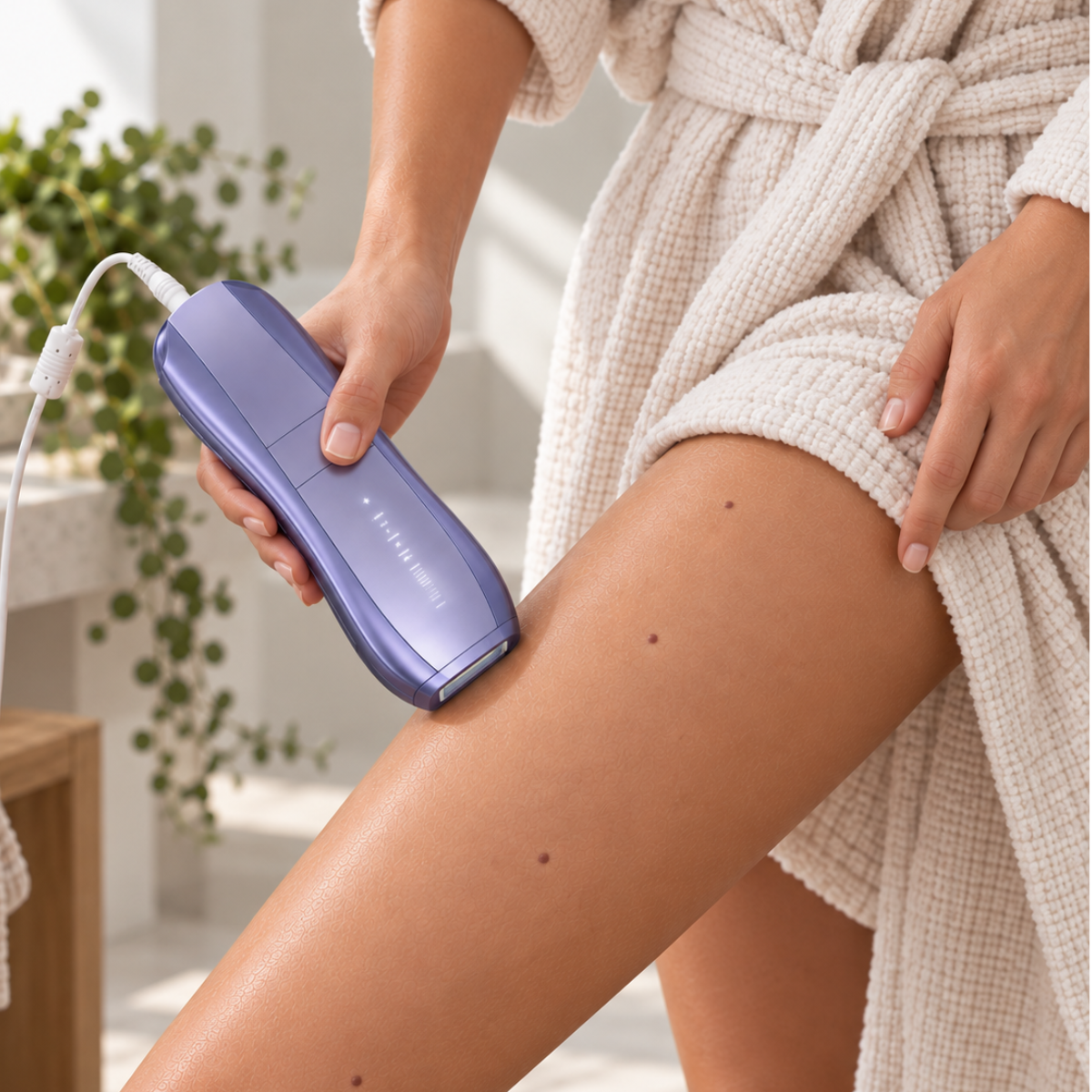
Can You Use IPL on Moles and Birthmarks?
Explore Beauty

Ulike Air 10
2 weeks to silky smooth skin.
96% Hair Density Reduction in 2 Weeks

Ulike Air 3
3 weeks to silky smooth skin.
93% Hair Density Reduction in 4 Weeks
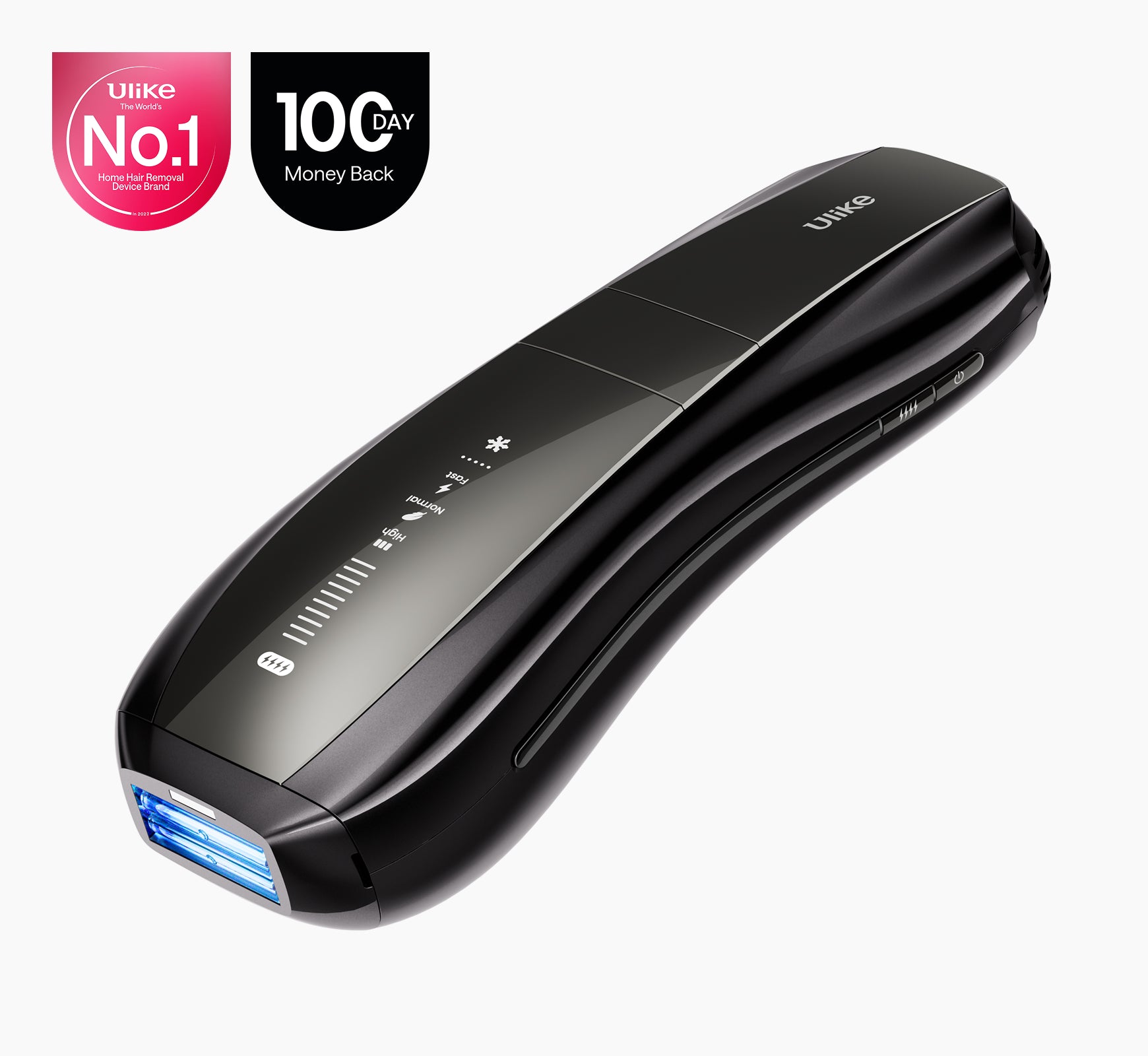
Ulike X
3 weeks to silky smooth skin.
94% hair reduction in just 2 weeks*
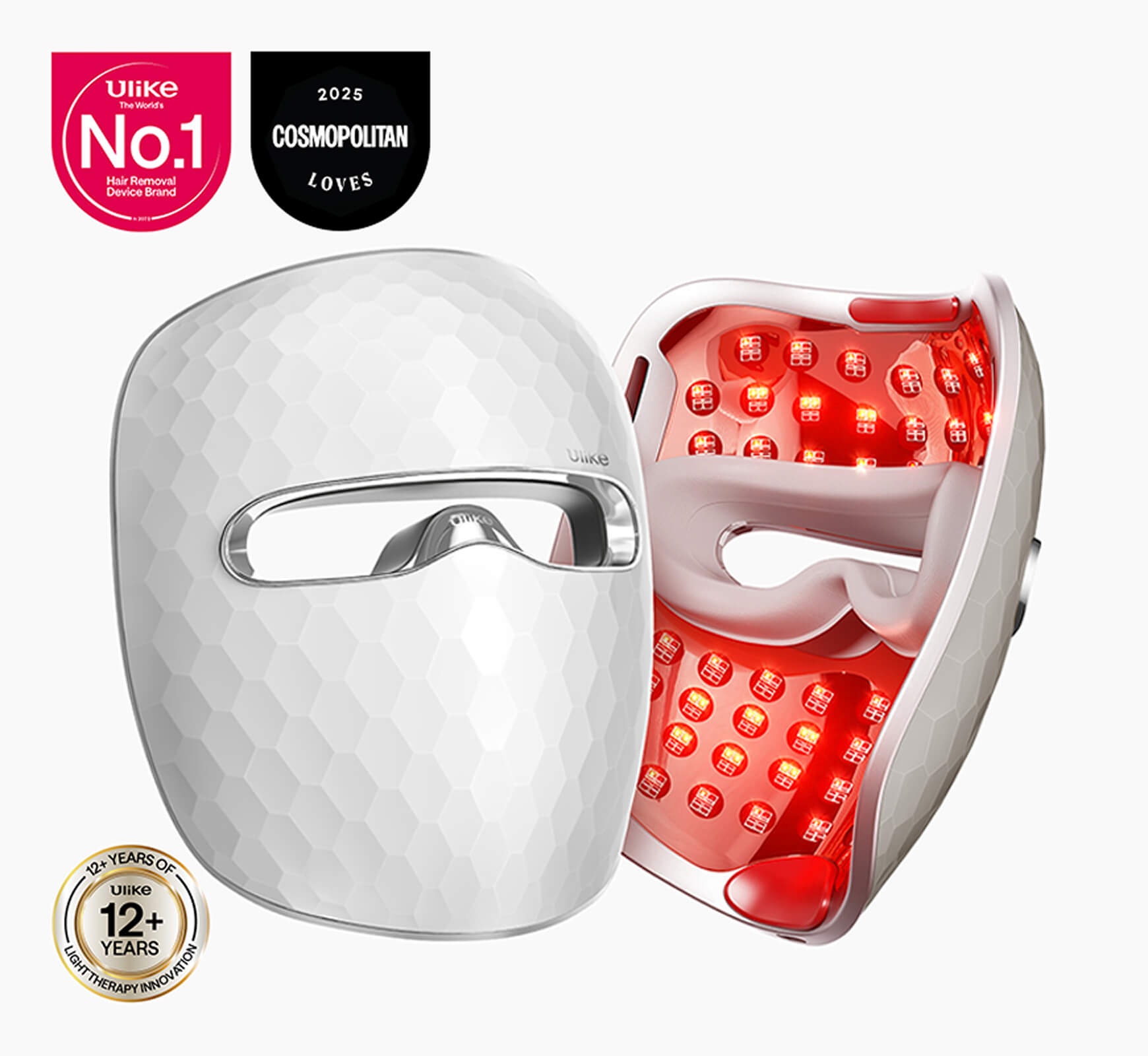
Ulike Reglow
Clearer skin in 2 weeks: Fewer breakouts
Smoother skin in 4 weeks: Fewer lines, firmer feel