



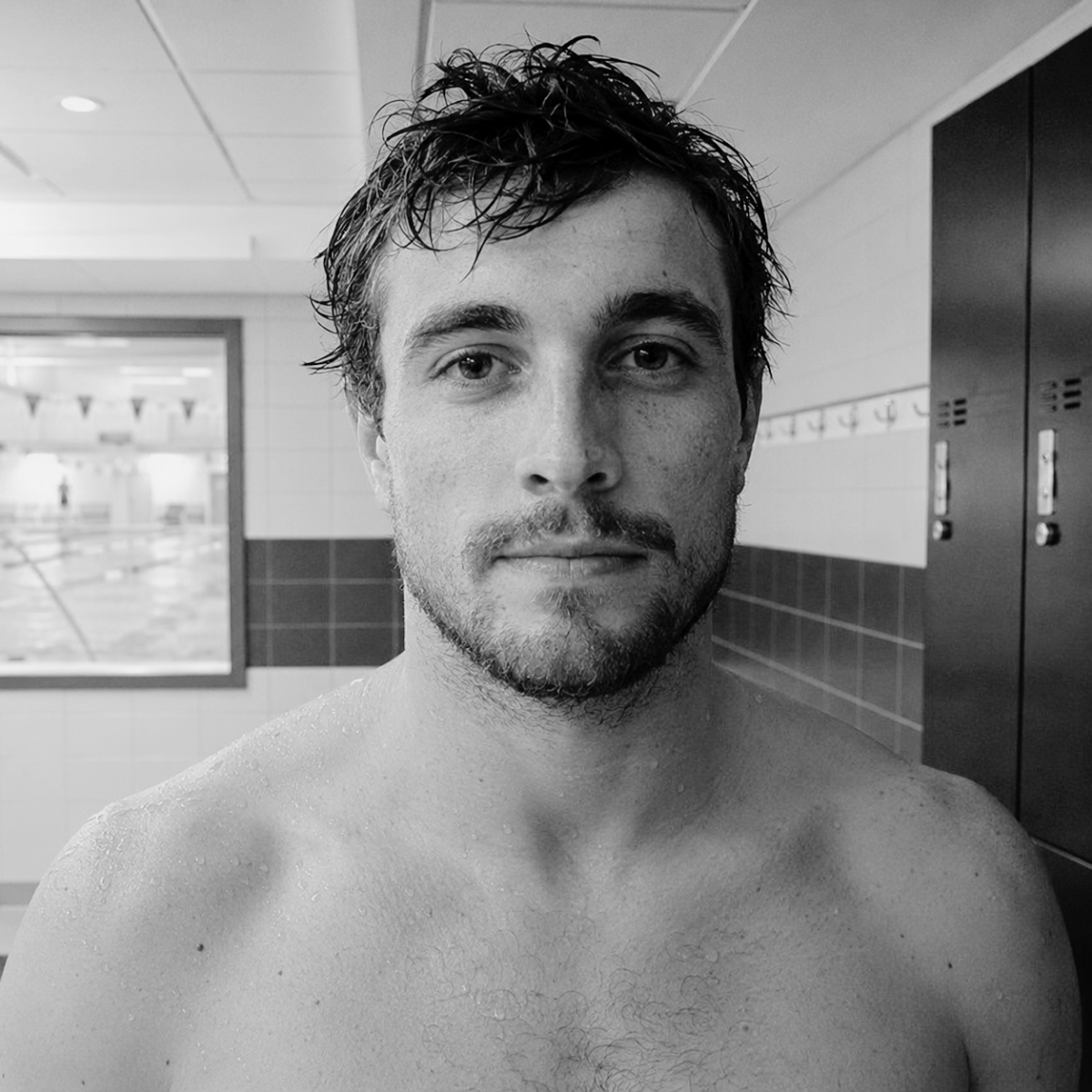
Hair Removal for Male Swimmers and Triathletes: The Chlorine Problem Nobody Talks About

Tested by a competitive triathlete and open-water swimmer using the Ulike X across one full off-season training cycle.
Hair removal for male swimmers sits at a specific intersection: high shaving frequency, daily chlorine, tight synthetic fabric, and almost no useful advice written by anyone who's actually trained in a pool five days a week.
Six in the morning. Leisure centre changing room. Trying to shave your legs over a drain because you forgot to do it the night before and your session starts in twelve minutes.
You know this if you swim seriously. You know the chest rash that arrives on day three after a shave-down, when chlorine hits skin that hasn't recovered. The ingrown hairs along the inner thigh from weeks of jammer friction. The kinesiology tape that won't grip because you're somewhere between smooth and stubble and neither is working.
The problem isn't the shaving. It's that shaving at the frequency serious training demands doesn't hold up — not across a full season, not with daily pool sessions, open-water swims, wetsuit transitions, massage, and tape all compounding on the same skin. You cycle between razor burn and regrowth and never quite reach either extreme, which means you're rarely comfortable and never fully prepared.
There are better approaches. Some take longer to pay off. Understanding which suits your training calendar — and why standard advice almost always ignores the chlorine problem entirely — is what the rest of this is for.
Why Male Swimmers Remove Body Hair
The reasons stack up in roughly this order: drag reduction, sensory feedback, practical maintenance, and race-day psychology.
Hydrodynamic drag is the obvious starting point. Body hair creates microscopic turbulence as water flows over the skin, increasing resistance. For recreational swimmers that effect is negligible. For competitive swimmers racing near maximum speed, even small reductions in drag translate to faster splits.
Sensory feedback is what competitive swimmers actually talk about, and it's more immediately noticeable than any stopwatch improvement. Without hair, skin becomes far more sensitive to water flow. You feel the catch in your stroke differently. You pick up earlier when your body rotation is off. Most describe it as the water gripping rather than sliding past.
Practical maintenance is where triathletes and open-water swimmers feel it most. Heavy training means a lot of tape, compression wear, and post-session massage — all easier on smooth skin. Wetsuit friction compounds over body hair in ways that become genuinely painful on long open-water swims.
Race-day psychology rounds it out. Shaving before a major competition is a ritual in competitive swimming, particularly through taper. It signals readiness. That psychological dimension is real, even if nobody talks about it seriously.
Does Shaving Actually Make You Faster?
A study in Medicine & Science in Sports & Exercise put numbers on it: shaving arms, legs, and torso cut passive drag by around 3% and active drag by about 0.6%. Although this seems like a very insignificant figure, considering the effects of shaving on a 200-metre race, there would be noticeable improvements when it comes to the finish times among top-level swimmers. It was also observed that shaving body hair allowed swimmers to move farther with less effort.
Based on the latest biomechanical analysis, the mechanical advantage from less body hair is fairly small in comparison with other factors such as skill, race tactics, and physical condition.
The taper effect adds another level of complexity to the issue at hand. The elite swimmer who has just shaved is also benefiting from the taper effect, whereby his body is feeling speedy because his muscles are now well-rested from the period of heavy loading. It is challenging to tease out what proportion of the "shave effect" relates specifically to shaving and not to tapering.
None of this means the practice doesn't work. It means the mechanism is less straightforward than "less hair, faster swimmer.
The Problem Nobody Writes About: Chlorine on Freshly Shaved Skin
This is the part most grooming content glosses over, and it matters most to anyone training seriously.
Shaving causes damage to the skin's surface barrier. In the case of swimming in chlorinated water, which is itself very drying under normal circumstances, the effect is even more pronounced, causing redness, irritation, and even dermatitis, especially in areas like the chest, inner thighs, and around the neck.
Regrowth while wearing tight-fitting clothes is another issue altogether. Both jammer swimsuits and swim briefs rub against the areas where ingrown hairs are most common – inside the thighs, at the groin, and in the lower belly area. It is natural for men to have coarse body hair that curls backward when it grows, and adding friction from tight elastic material, chlorine exposure, and constant friction can make it quite unpleasant indeed.
Shaving daily for five or six days per week would require shaving every two or three days in order to stay smooth. In a block of training, the number adds up quickly, and irritation builds up too. Swimmers find themselves constantly going back and forth between being smooth and hairy.

Our tester, a competitive triathlete who trained five days a week across pool and open water, writes:
The first time I tried to stay smooth through a full triathlon training block, I lasted about three weeks. The problem wasn't the shaving itself. It was shaving every other day, daily pool sessions, and the occasional sea swim all stripping my skin faster than it could recover. My chest was red from about week two. A fragrance-free moisturiser applied straight after showering helped, but it didn't fix the underlying problem: shaving that frequently and absorbing that much chlorine simply don't go together. That's when I started looking seriously at longer-term options.
Open-Water and Wetsuit Swimming: A Dimension Most Guides Ignore

This is one of the most practical reasons UK triathletes and open-water swimmers look at hair removal, and it gets almost no coverage.
A wetsuit worn over body hair creates sustained friction across the shoulders, chest, and thighs, areas where the suit moves with every stroke. Over a sprint-distance swim that's tolerable. Over 3.8km of cold British water, it isn't. Chafing under a wetsuit tends to concentrate around the collar and inner thighs, the same spots already irritated by the neoprene edges.
Smooth skin also speeds up transitions. Getting a wetsuit off hairy legs in cold, wet conditions takes longer than it needs to. Over a long race that kind of small friction matters.
For lido swimmers and anyone training outdoors through spring and summer, sun exposure adds another consideration. Tanned skin changes what hair removal methods are safe to use, and that's covered below.
Comparing Hair Removal Methods for Male Swimmers
Method |
Duration of Smoothness |
Irritation Risk |
Maintenance Burden |
Best Suited For |
Shaving |
1-3 days |
Moderate-High (chlorine) |
Daily to every other day |
Race prep; short-term |
Waxing |
3-6 weeks |
Moderate (initial) |
Every 4-6 weeks |
Off-season blocks |
Laser (clinic) |
Long-term reduction |
Low after healing |
Clinic visits required |
Permanent reduction goals |
IPL (at-home) |
Long-term reduction |
Low |
Sessions every 2-4 weeks initially |
Training-cycle maintenance |
Shaving is the default for most swimmers because it's immediate. You can shave the night before a meet and be smooth for race day. That timing matters: shaving the night before rather than the morning of gives the skin time to settle, so you're not arriving at the start line with fresh irritation. The downsides are manageable short-term. Across an entire season they become exhausting.
Waxing gives you a longer smooth period, which helps during heavy training blocks. The catch is that the initial session causes redness and sensitivity that makes it impractical right before competition. Scheduling wax appointments around training and race calendars takes coordination. It's also more uncomfortable on coarser male body hair. Worth thinking about in the off-season; harder to justify in-season.
Clinic laser targets hair follicles with concentrated light energy, progressively reducing regrowth across repeated sessions. Six to eight sessions spaced several weeks apart is typical. It works well on coarse, dark hair on fair to medium skin. The precision and power put clinic laser ahead of at-home devices for dense areas, but the appointments need scheduling around training and recovery.
At-home IPL works on a similar principle using broad-spectrum light rather than a single focused wavelength. Devices have improved considerably in recent years. For anyone juggling a heavy training schedule, treating at home on your own timetable is a real advantage over booking clinic appointments.
Why Some Swimmers Are Moving to IPL

This is where IPL makes a difference, as IPL does not work by providing instant effects but by decreasing the skin harm that one incurs during a period of IPL use. In other words, through consistent application, IPL makes the hair strands thinner and less visible due to their gradual weakening and reduction of growth rate. Over a few months of consistent use, many people experience a significantly reduced need for shaving in treated areas.
The IPL device uses pulses of light, which are absorbed by melanin present within the hair shaft to produce heat that disrupts follicle function. It has to be repeated because hair grows in cycles, and IPL only works during the active growth phase.
Users will start experiencing visible results within eight to twelve weeks of regular sessions, with even better results during the entire programme. It aims at minimising the number of maintenance shaves but does not remove hair instantly. Thus, for swimmers, this treatment should be conducted within their off-season or early pre-season but not one week prior to racing.
He continues:
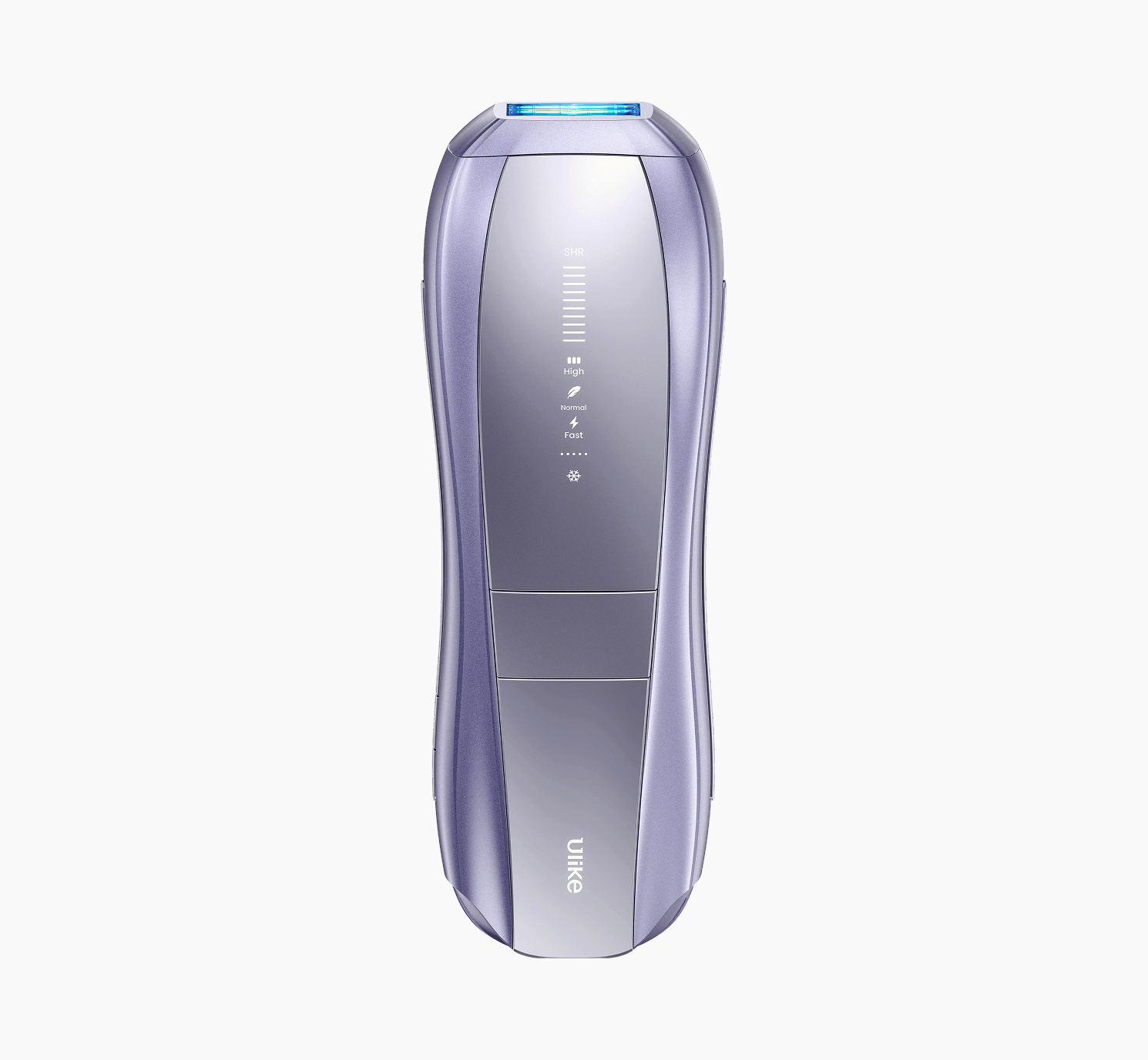
I started using the Ulike X in November, right at the end of the triathlon season. The timing suited the schedule: lower training volume, fewer pool sessions, easier to avoid chlorine for 24 hours after each treatment. The device's Multi-Pulse Technology meant sessions on my chest and legs didn't take as long as I'd expected, and the SkinSensor adjusted automatically when I moved across different areas, which removed the guesswork. By February my legs and lower abdomen were noticeably clearer. When the following season started in April, I wasn't shaving before pool sessions at all. My pre-race routine went from a 20-minute full shave-down to a five-minute touch-up. The chlorine irritation that had affected previous seasons was almost entirely gone, because I wasn't starting each training block with a damaged skin barrier.
Using IPL as a Male Swimmer: What to Know
Chlorine and skin condition. Don't use IPL on freshly irritated or damaged skin. If you're mid-training-block with daily pool sessions and existing razor burn, give the skin a few days to recover first. Moisturise, stop shaving, then treat. Healthy skin responds better and is less uncomfortable during a session.
Sun exposure. Don't treat recently tanned skin, and put sun protection on treated areas after each session. This matters for outdoor lido swimmers, triathletes, and anyone racing open water through summer. Tanned skin carries more melanin in the surface layer, which raises the risk of the skin absorbing energy that's meant for the follicle.
Skin tone and hair colour. IPL uses the difference in melanin found in hair compared to melanin found in skin. It works best for people with fair to medium complexions combined with dark hair. In darker complexions, IPL does not work well and becomes unusable. When used on white, grey, blonde, or red hair, it is ineffective because there is no melanin for the light to be absorbed by. Check the compatibility chart before you buy.
Coarse male body hair. Thick, dark hair generally responds well to IPL. The high melanin density in coarse follicles absorbs light energy efficiently. Dense areas like the chest may take more sessions before you see a real change.
Pool scheduling. Avoid entering the pool for 24 to 48 hours after the treatment process. Chlorine causes treated skin to be highly reactive. The best way around this problem is to have treatments done on Fridays to allow two days of recovery time.
A Practical Hair Removal Routine for Swimmers
During heavy training blocks: Daily shaving is not realistic. Every second or third day, use a new razor blade (as old blades cause more harm to your skin). Following a shower, always put on moisturiser without any scent, as your skin needs time to recover until the next encounter with chlorine.
Before competitions: Shave the evening prior, not the morning of the event. Your skin will need time to adjust. If it's for a big event, try doing a practice run at another time during the season to understand your skin's reaction.
During taper weeks: Taper provides an ideal window to achieve full removal. The training load is reduced; hence, there is reduced exposure to chlorine directly following the removal. If you're using IPL as a longer-term strategy, don't start during taper. IPL builds results over months, not weeks.
For open-water and wetsuit swimming: Maintain your focus when treating the areas where friction occurs in the wetsuit: inner thighs, chest, shoulders, and the collar line. These areas are also where ingrown hairs become problematic because of the neoprene wetsuit.
Maintenance between races: Once IPL has done its work and regrowth has reduced, pre-competition prep becomes straightforward. A quick touch-up replaces a full shave-down.
Is Hair Removal Worth It for Recreational Swimmers?
It depends on what problem you're trying to solve.
For recreational swimmers training two or three times a week with no racing, the drag reduction case barely applies. The performance difference at non-competitive speeds doesn't show up on any stopwatch.
The comfort case is different. Chest hair under a tight wetsuit causes friction. Leg hair against a jammer creates irritation that builds over a long session. For triathletes doing extended open-water swims in British coastal conditions, smooth skin under a wetsuit removes one source of discomfort from swims that already test the body in enough other ways.
Comfort is a legitimate reason. You don't need a performance justification.
What doesn't make sense is committing to a heavy shaving routine you'll abandon in a month. If you want lower maintenance over the long run, IPL is worth taking seriously. It solves the problem at source rather than managing it session by session.
Editorial note: The personal experience described in this article comes from a competitive triathlete and open-water swimmer based in the UK who completed a full treatment programme with the Ulike X IPL device across one off-season period (November to April). His account reflects his own results achieved with consistent use. Individual results vary depending on skin tone, hair colour, hair density, and treatment adherence. This content was produced in partnership with Ulike.
Frequently Asked Questions
Why do competitive swimmers shave their bodies?
Olympic-level swimmers shave their bodies when tapering before competitions because this makes them glide through the water faster while also mentally preparing them for the race. The mental aspect of shaving is just as important as the hydrodynamics.
Does body hair actually slow swimmers down?
Studies show about a 0.6% decrease in active drag, but for the speeds of elite-level swimmers only. Recreational-level swimmers would get almost zero benefit from wearing swimsuits. The actual benefit comes from the improved proprioception of the body rather than any increased speed.
How long before a race should swimmers shave?
The night before. That gives the skin time to settle and lowers the chance of arriving at the start with fresh irritation.
Can chlorine irritate freshly shaved skin?
Yes, even more so than most would think. Shaving is a process that strips away part of the natural barrier of your skin, and chlorine in swimming pools is known for being quite drying, even when not considering the shaving factor. Using fragrance-free lotion after showering will help to restore this barrier.
Is IPL good for swimmers?
It is good for swimmers who prefer shaving less often than dealing with hair growth all the time. The primary restriction of this method's schedule is avoiding contact with chlorinated water within 24 to 48 hours of every treatment session.
Is clinic laser or at-home IPL better for swimmers?
While clinic lasers are more accurate and have higher chances of being effective for thick and heavy hair, they are expensive and need scheduling depending on availability due to trainings. However, home-based IPL can work with a flexible training schedule since it does provide lasting results with regular application.
Does IPL work on thick male body hair?
In most cases, yes. Dark hair is a good absorber of IPL light due to high melanin concentrations in the hair follicles. Thick areas might need more treatments before seeing an effect.
Is IPL suitable for open-water swimmers and triathletes?
Yes, with some care around sun exposure. Avoid treating tanned skin, and protect treated areas with SPF, especially through the British summer triathlon season. Most triathletes find IPL most useful on the wetsuit friction zones: inner thighs, chest, and shoulders.
Can swimmers use IPL year-round?
Yes. The off-season or early pre-season tends to work best because training volume is lower and it's easier to schedule the 24-to-48-hour post-treatment pool gap. But with some planning it's workable year-round.

Ulike UK Skincare Team
The Ulike UK Skincare Team covers hair removal, skin health, and IPL technology for people who take both seriously. This article was informed by first-hand testing from a competitive triathlete and open-water swimmer across one full off-season training cycle.

How to Clean an IPL Hair Removal Device Safely

Can You Use IPL on Arms? Will It Work on Your Hair?

When Does IPL Hair Start Shedding? Signs It’s Working
Explore Beauty

Ulike Air 10
2 weeks to silky smooth skin.
96% Hair Density Reduction in 2 Weeks
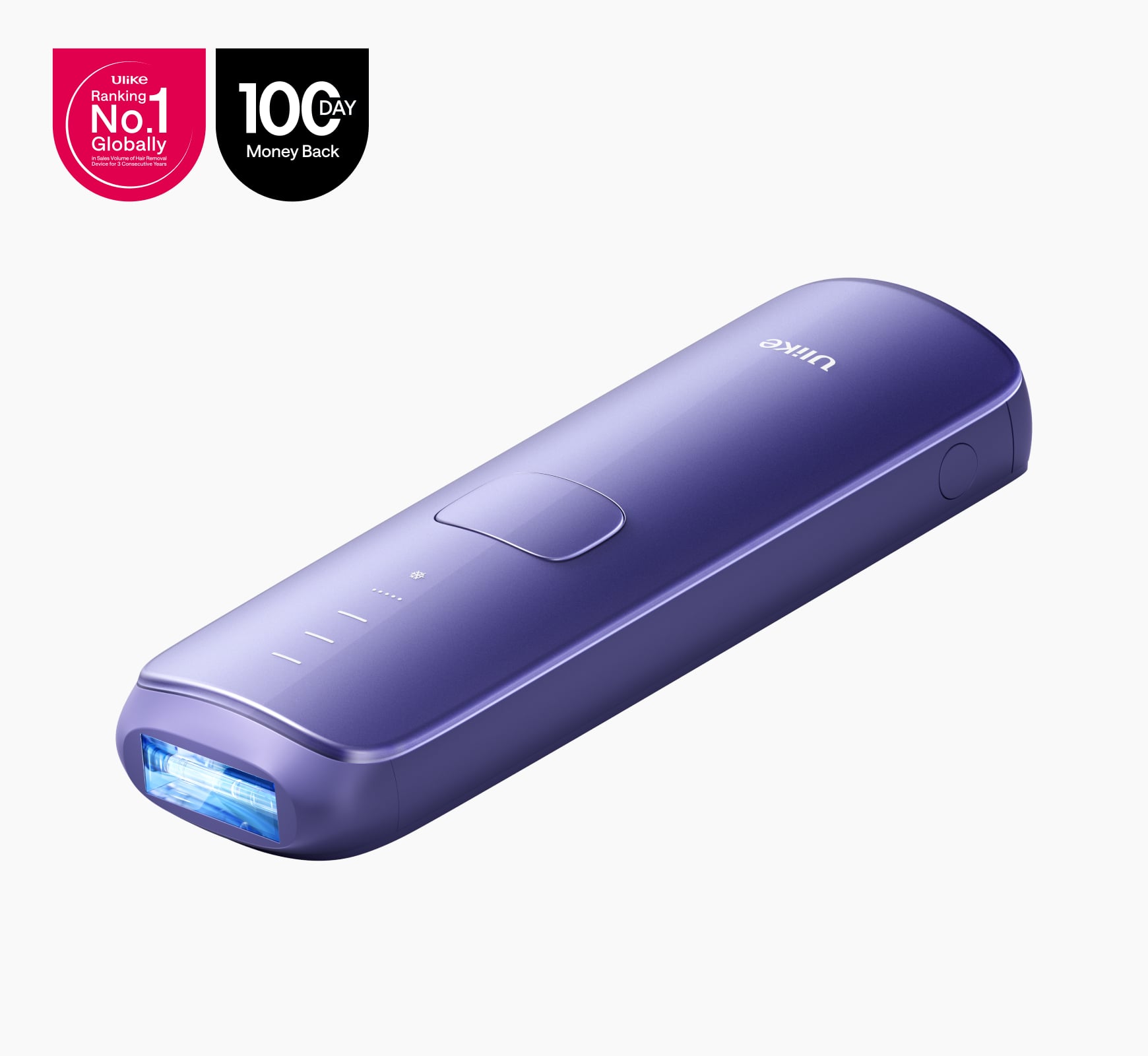
Ulike Air 3
3 weeks to silky smooth skin.
93% Hair Density Reduction in 4 Weeks
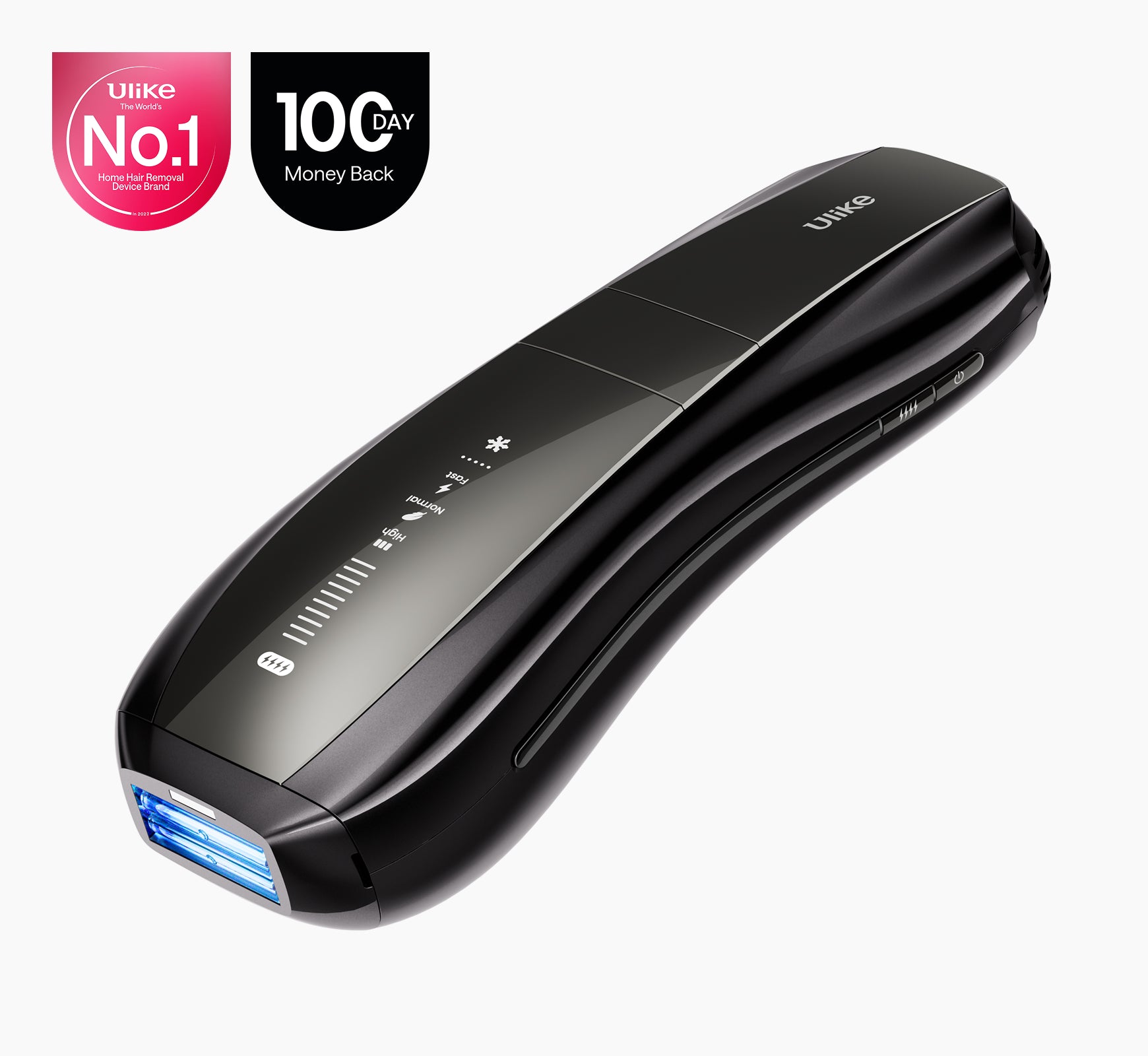
Ulike X
3 weeks to silky smooth skin.
94% hair reduction in just 2 weeks*
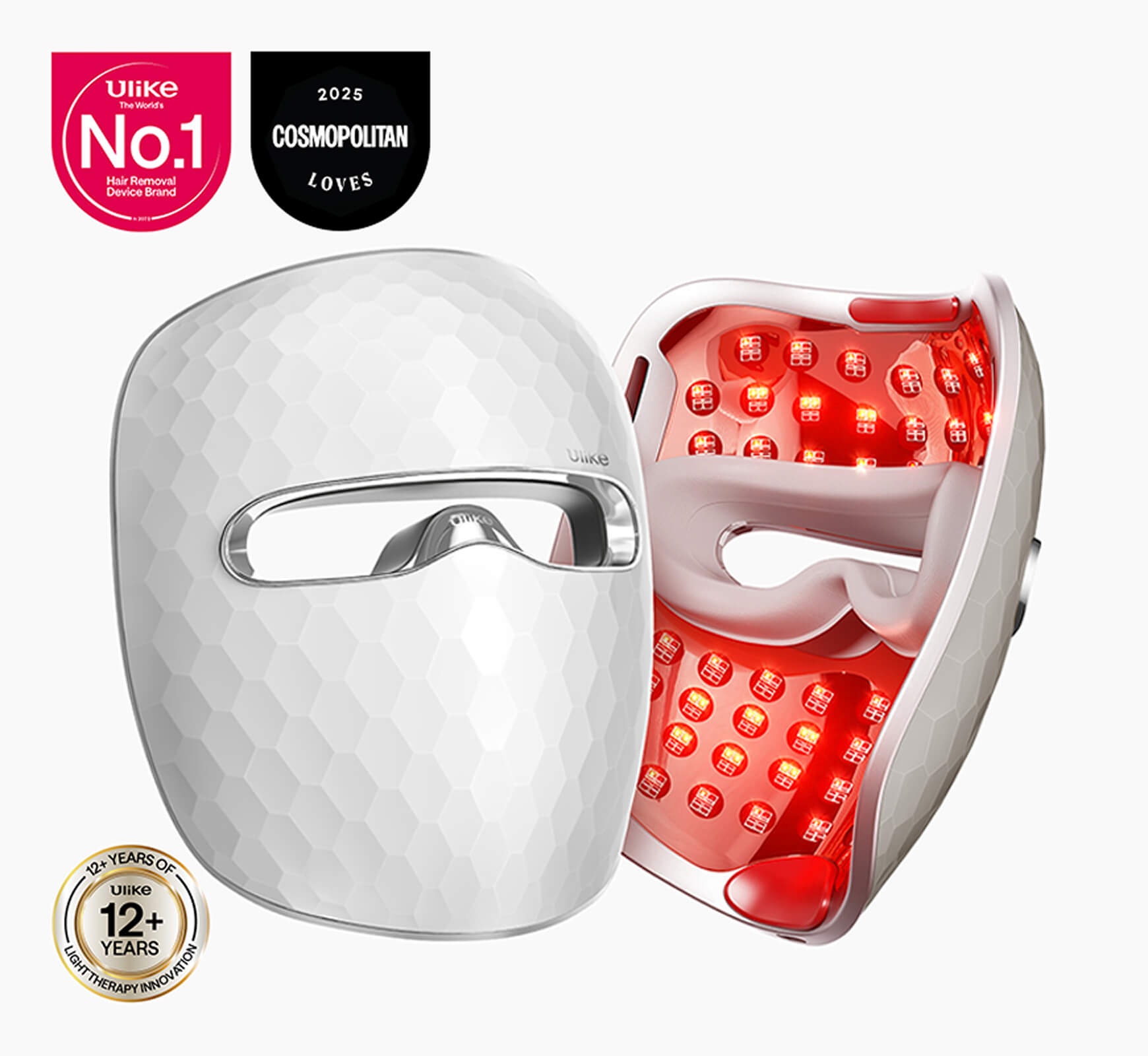
Ulike Reglow
Clearer skin in 2 weeks: Fewer breakouts
Smoother skin in 4 weeks: Fewer lines, firmer feel