IPL Hair Removal: Does It Hurt? What to Expect Before You Try
Hair Removal

IPL Hair Removal: Does It Hurt? What to Expect Before You Try

IPL Hair Removal: Does It Hurt? What to Expect Before You Try The Short Answer (And Why It's More Nuanced Than Yes or No) IPL hair removal does it hurt is one of the first things people look up, and fairly so. Most people expect it to feel worse than it actually does. In reality, you do feel it. Usually as a quick flick of warmth or a light snap on the skin. It’s very brief. It happens, then it’s gone. Most people wouldn’t describe it as pain. Where it gets a bit more nuanced is that it doesn’t feel identical everywhere. The legs tend to be straightforward. Areas like the underarms or bikini line can feel sharper, just because the skin is more sensitive there. It’s still over quickly, but you notice it more. The device you’re using also makes a difference. Newer IPL devices tend to feel more controlled, especially ones with some form of cooling built in. That helps take the edge off the heat, which is often what people are reacting to rather than the light itself. For a lot of people, this question comes from past experience. Waxing, in particular, sets a certain expectation of what hair removal “should” feel like. IPL is very different from that. There’s no pulling, no lingering discomfort. Just a short, localised sensation each time the light flashes. We’ll break that down properly next, including what it feels like in different areas and what tends to make it more or less noticeable. What IPL Actually Feels Like: A Clear Description When people talk about IPL pain level at home, they’re usually trying to picture the feeling before they try it. Most describe it in very similar ways. A quick flick of warmth. A light snap on the skin, a bit like a small elastic band. Sometimes just a brief pulse of heat that’s gone almost straight away. It’s not a lingering feeling. Each flash is over in less than a second, and it doesn’t build or drag on the way waxing does. The first few flashes can feel a bit unfamiliar, mainly because it’s a different kind of sensation. After that, most people settle into it quite quickly. What’s actually happening is quite simple. The light targets the pigment in the hair, which is why you feel that quick, localised response on the skin rather than anything deeper or ongoing. How IPL Feels Compared to Waxing Waxing is quite direct. The hair is pulled out from the root in one go, and you feel that pull straight away. It tends to linger for a moment, especially in more sensitive areas. IPL feels very different. There’s no pulling at all. Just a quick flash of light and a small flick on the skin. You feel it, then it’s over almost immediately. That difference is usually what stands out most. People who are used to waxing often notice how short and contained the IPL sensation is in comparison. It doesn’t build, and it doesn’t leave that same after-feeling on the skin. How IPL Compares to Professional Laser Treatments Laser treatments in clinics can feel quite a bit stronger. The settings are higher, so when the light hits, it can feel sharper on the skin. IPL at home is usually a different experience. The energy is lower, so it doesn’t have that same edge to it. You still feel the flash, but it’s softer and easier to get used to after a few passes. That’s generally the main difference people notice. Laser feels more intense in the moment. IPL feels more gradual. If you want a fuller comparison, there’s a separate guide on IPL vs laser hair removal that goes into it in more detail. What to Expect in Your First Session The first session on a new area can feel a bit more noticeable. There’s usually more hair there to begin with, so the light has more to pick up on. After a few sessions, that tends to change. Hair grows back finer and less dense, and the feeling usually softens with it. Most people find it becomes easier to get through quite quickly once they’ve done it a couple of times. Does IPL Hurt More on Certain Areas? Yes, a bit. It’s not the same everywhere. You’ll usually notice it more on places like the bikini line or underarms. The skin there is just more sensitive, so the flash feels sharper for a second. The upper lip can be similar, even though it’s a small area. Legs are different. Most people find them straightforward. After a few flashes, it barely registers. It’s not a big jump in feeling, just a slight difference depending on the area. Nothing unexpected once you’ve tried a couple of spots. Legs Legs are usually the easiest place to start. The skin isn’t as sensitive, so the flashes tend to feel lighter here. Most people don’t find this area difficult. After a few passes, you get used to the feeling quite quickly. If you’re trying IPL for the first time, IPL for legs is often where people begin, just to get a sense of how it feels before moving on to other areas. For more prep tips, there’s a separate hairy legs hair removal guide that covers it in more detail. Underarms Underarms tend to feel a bit stronger than the legs. The skin is thinner, so the flash stands out more for a moment. It’s still quick though. Most people get used to it after a few passes, especially if they start on a lower setting. Bikini Line This bikini line area is usually where people notice it most. The skin is more delicate, so the sensation can feel sharper compared to other areas. It doesn’t last, but you’re more aware of it when the light hits. Lower settings help here. Cooling makes a difference too, especially if you’re going over the area more than once. Face (Upper Lip) The upper lip is a small area, but it can feel quite noticeable. The skin is sensitive, so you’re more aware of each flash. That said, it’s over quickly. Sessions don’t take long, and most people find it manageable once they’ve tried it a couple of times. Bum and Thighs These areas are usually closer to the legs in how they feel. Nothing too intense for most people. If your skin reacts easily, it helps to keep the intensity low at first and see how it settles. For more on handling sensitive areas, there’s a separate IPL for sensitive skin guide that goes into it in more detail. Why Modern At-Home IPL Is More Comfortable Than Older Devices A lot of the hesitation around IPL comes from older experiences. Earlier devices weren’t as refined. The energy could feel uneven, and there wasn’t much in place to manage heat on the skin. That’s where the idea that IPL feels uncomfortable started for many people. Newer devices handle this differently. The light is delivered in a more controlled way, so there’s less heat building up on the surface. Sessions tend to feel steadier, and the sensation is usually milder. What Cooling Technology Actually Does One of the most noticeable improvements is the introduction of built-in cooling systems. These work by lowering the temperature of the skin’s surface before, during, or immediately after each flash. The effect is subtle but important. It reduces the heat that you would otherwise feel from the light pulse. In practice, this makes treatments feel smoother and more consistent, particularly on sensitive areas where heat is more noticeable. Devices that use sapphire-based cooling, such as the Ulike Air 10, maintain a cool contact surface throughout the session. This helps balance the warmth from each pulse, making the overall experience feel more manageable. For many people, this is the point where IPL shifts from “something I’m unsure about” to “something I’d be comfortable trying”. How the Ulike Air 10 Manages Discomfort By this stage, the key question is no longer just “does IPL hurt?” but “is it manageable in real use?” This is where device design makes a practical difference. Sapphire Ice-Cooling Technology This is usually the bit people notice first. The head stays cool on the skin while you’re using it. So when the flash comes through, the warmth doesn’t really sit there. You feel it, then it settles straight away. On areas like the underarms or bikini line, it’s more obvious. Those spots are a bit more sensitive, so without that cooling you’d notice the heat more. It’s not that you stop feeling it altogether. It just doesn’t turn into anything you’d think twice about. Adjustable Intensity Levels Not everyone uses the same setting, and that’s kind of the point. You can start low and build it up as you go. Most people do that anyway, just to see how their skin reacts before turning it up. It’s useful when you’re trying a new area as well, especially ones that feel a bit more sensitive. Built-In Skin Tone Sensor Too much energy on the skin can make the flash feel stronger than it needs to. A skin tone sensor helps keep that in check. It adjusts the level so you’re not using more intensity than your skin really needs. That makes the sessions feel more even from one area to the next, rather than guessing and ending up with something that feels too strong. There’s more detail in the IPL skin tone compatibility guide if you want to look into how it works. Overall, it just helps keep things steady and predictable while you’re using it. Practical Tips for Reducing Discomfort During IPL Sessions A few small adjustments can make a noticeable difference to how IPL feels. Shave the area 24 hours before treatment Surface hair can absorb heat and make the sensation stronger. Shaving beforehand helps keep the feeling more controlled. Start on a lower intensity setting Especially for new areas. You can increase gradually once you understand how your skin responds. Avoid treating compromised skin Sunburn, irritation, or recently waxed skin can heighten sensitivity. Keep your environment cool A cooler room temperature can make sessions feel more comfortable overall. Take breaks if needed There’s no requirement to complete everything in one go. Pausing helps keep the experience relaxed. Soothe the skin afterwards A fragrance-free moisturiser or aloe vera gel can help calm any temporary redness. These steps don’t change how IPL works, but they do help keep the experience within your control. IPL vs Waxing, Threading, and Laser: A Direct Comparison When people ask, “does IPL hurt more than waxing?”, they’re usually comparing it to something they already know. Here’s how it typically compares: Method What It Feels Like Compared to IPL Waxing Continuous pulling from the root Generally more uncomfortable Threading Repeated friction and pulling Similar or slightly more noticeable Professional Laser Higher-energy pulses Often more intense Shaving No immediate pain, but can cause irritation No pain initially, but less comfortable over time IPL works through short flashes of light rather than pulling hair out from the root, so the feeling is quick and stays in one spot. Shaving is different. It doesn’t hurt at the time, but it can leave the skin irritated afterwards, especially with repeated use. Over time, IPL tends to reduce how often you need to go back in, which is where a lot of people notice the difference in comfort. There’s more on that in the IPL benefits for skin guide if you want to look at the longer-term side of it. Frequently Asked Questions Does IPL hair removal hurt? Not really. You feel it, but it’s quick. A small flick on the skin, a bit of warmth, then nothing. Some spots are more noticeable, but it doesn’t hang around. Is IPL more painful than waxing? No. Waxing is a pull, all at once. IPL isn’t like that. It’s just flashes. You notice each one, then it’s gone again. Easier to deal with for most people. Which areas hurt the most? Usually the bikini line, underarms, and upper lip. The skin there is more sensitive, so you notice the flash more. Legs and arms tend to feel much easier by comparison. How can I make IPL more comfortable? Start simple. Shave beforehand, keep the setting low to begin with, and avoid going over skin that’s already irritated. Cooling helps too. Aftercare doesn’t need to be complicated, just something gentle to keep the skin calm. Does IPL hurt more the first time? It can feel a bit stronger at the start. There’s more hair there, so you notice it more. That usually settles after a few sessions as the hair thins out. If you’re planning it out, there’s a guide on how many IPL sessions you need. Ready to Try IPL: On Your Terms? For a lot of people, the hesitation comes down to comfort. IPL used to have a bit of a reputation for feeling unpredictable. That’s changed quite a bit with newer devices. The experience is more controlled now, and you can adjust things as you go depending on what feels right for your skin. The Ulike Air 10 is built around that idea. The cooling keeps the surface of the skin feeling calm while you use it, and the settings let you ease into it rather than jumping straight in. At the end of the day, it comes down to knowing what to expect and deciding from there.
Mar 23, 2026
Share:
Table of Contents

IPL Hair Removal: Does It Hurt? What to Expect Before You Try

The Short Answer (And Why It's More Nuanced Than Yes or No)

IPL hair removal does it hurt is one of the first things people look up, and fairly so. Most people expect it to feel worse than it actually does.

In reality, you do feel it. Usually as a quick flick of warmth or a light snap on the skin. It’s very brief. It happens, then it’s gone. Most people wouldn’t describe it as pain.

Where it gets a bit more nuanced is that it doesn’t feel identical everywhere. The legs tend to be straightforward. Areas like the underarms or bikini line can feel sharper, just because the skin is more sensitive there. It’s still over quickly, but you notice it more.

The device you’re using also makes a difference. Newer IPL devices tend to feel more controlled, especially ones with some form of cooling built in. That helps take the edge off the heat, which is often what people are reacting to rather than the light itself.

For a lot of people, this question comes from past experience. Waxing, in particular, sets a certain expectation of what hair removal “should” feel like. IPL is very different from that. There’s no pulling, no lingering discomfort. Just a short, localised sensation each time the light flashes.

We’ll break that down properly next, including what it feels like in different areas and what tends to make it more or less noticeable.

What IPL Actually Feels Like: A Clear Description

When people talk about IPL pain level at home, they’re usually trying to picture the feeling before they try it.

Most describe it in very similar ways. A quick flick of warmth. A light snap on the skin, a bit like a small elastic band. Sometimes just a brief pulse of heat that’s gone almost straight away.

It’s not a lingering feeling. Each flash is over in less than a second, and it doesn’t build or drag on the way waxing does.

The first few flashes can feel a bit unfamiliar, mainly because it’s a different kind of sensation. After that, most people settle into it quite quickly.

What’s actually happening is quite simple. The light targets the pigment in the hair, which is why you feel that quick, localised response on the skin rather than anything deeper or ongoing.

How IPL Feels Compared to Waxing

Waxing is quite direct. The hair is pulled out from the root in one go, and you feel that pull straight away. It tends to linger for a moment, especially in more sensitive areas.

IPL feels very different. There’s no pulling at all. Just a quick flash of light and a small flick on the skin. You feel it, then it’s over almost immediately.

That difference is usually what stands out most. People who are used to waxing often notice how short and contained the IPL sensation is in comparison. It doesn’t build, and it doesn’t leave that same after-feeling on the skin.

How IPL Compares to Professional Laser Treatments

Laser treatments in clinics can feel quite a bit stronger. The settings are higher, so when the light hits, it can feel sharper on the skin.

IPL at home is usually a different experience. The energy is lower, so it doesn’t have that same edge to it. You still feel the flash, but it’s softer and easier to get used to after a few passes.

That’s generally the main difference people notice. Laser feels more intense in the moment. IPL feels more gradual.

If you want a fuller comparison, there’s a separate guide on IPL vs laser hair removal that goes into it in more detail.

What to Expect in Your First Session

The first session on a new area can feel a bit more noticeable. There’s usually more hair there to begin with, so the light has more to pick up on.

After a few sessions, that tends to change. Hair grows back finer and less dense, and the feeling usually softens with it.

Most people find it becomes easier to get through quite quickly once they’ve done it a couple of times.

Does IPL Hurt More on Certain Areas?

Yes, a bit. It’s not the same everywhere.

You’ll usually notice it more on places like the bikini line or underarms. The skin there is just more sensitive, so the flash feels sharper for a second. The upper lip can be similar, even though it’s a small area.

Legs are different. Most people find them straightforward. After a few flashes, it barely registers.

It’s not a big jump in feeling, just a slight difference depending on the area. Nothing unexpected once you’ve tried a couple of spots.

Legs

Legs are usually the easiest place to start. The skin isn’t as sensitive, so the flashes tend to feel lighter here.

Most people don’t find this area difficult. After a few passes, you get used to the feeling quite quickly.

If you’re trying IPL for the first time, IPL for legs is often where people begin, just to get a sense of how it feels before moving on to other areas.

For more prep tips, there’s a separate hairy legs hair removal guide that covers it in more detail.

Underarms

Underarms tend to feel a bit stronger than the legs. The skin is thinner, so the flash stands out more for a moment.

It’s still quick though. Most people get used to it after a few passes, especially if they start on a lower setting.

Bikini Line

This bikini line area is usually where people notice it most.

The skin is more delicate, so the sensation can feel sharper compared to other areas. It doesn’t last, but you’re more aware of it when the light hits.

Lower settings help here. Cooling makes a difference too, especially if you’re going over the area more than once.

Face (Upper Lip)

The upper lip is a small area, but it can feel quite noticeable. The skin is sensitive, so you’re more aware of each flash.

That said, it’s over quickly. Sessions don’t take long, and most people find it manageable once they’ve tried it a couple of times.

Bum and Thighs

These areas are usually closer to the legs in how they feel. Nothing too intense for most people.

If your skin reacts easily, it helps to keep the intensity low at first and see how it settles.

For more on handling sensitive areas, there’s a separate IPL for sensitive skin guide that goes into it in more detail.

Why Modern At-Home IPL Is More Comfortable Than Older Devices

A lot of the hesitation around IPL comes from older experiences.

Earlier devices weren’t as refined. The energy could feel uneven, and there wasn’t much in place to manage heat on the skin. That’s where the idea that IPL feels uncomfortable started for many people.

Newer devices handle this differently. The light is delivered in a more controlled way, so there’s less heat building up on the surface. Sessions tend to feel steadier, and the sensation is usually milder.

What Cooling Technology Actually Does

One of the most noticeable improvements is the introduction of built-in cooling systems.

These work by lowering the temperature of the skin’s surface before, during, or immediately after each flash. The effect is subtle but important. It reduces the heat that you would otherwise feel from the light pulse.

In practice, this makes treatments feel smoother and more consistent, particularly on sensitive areas where heat is more noticeable.

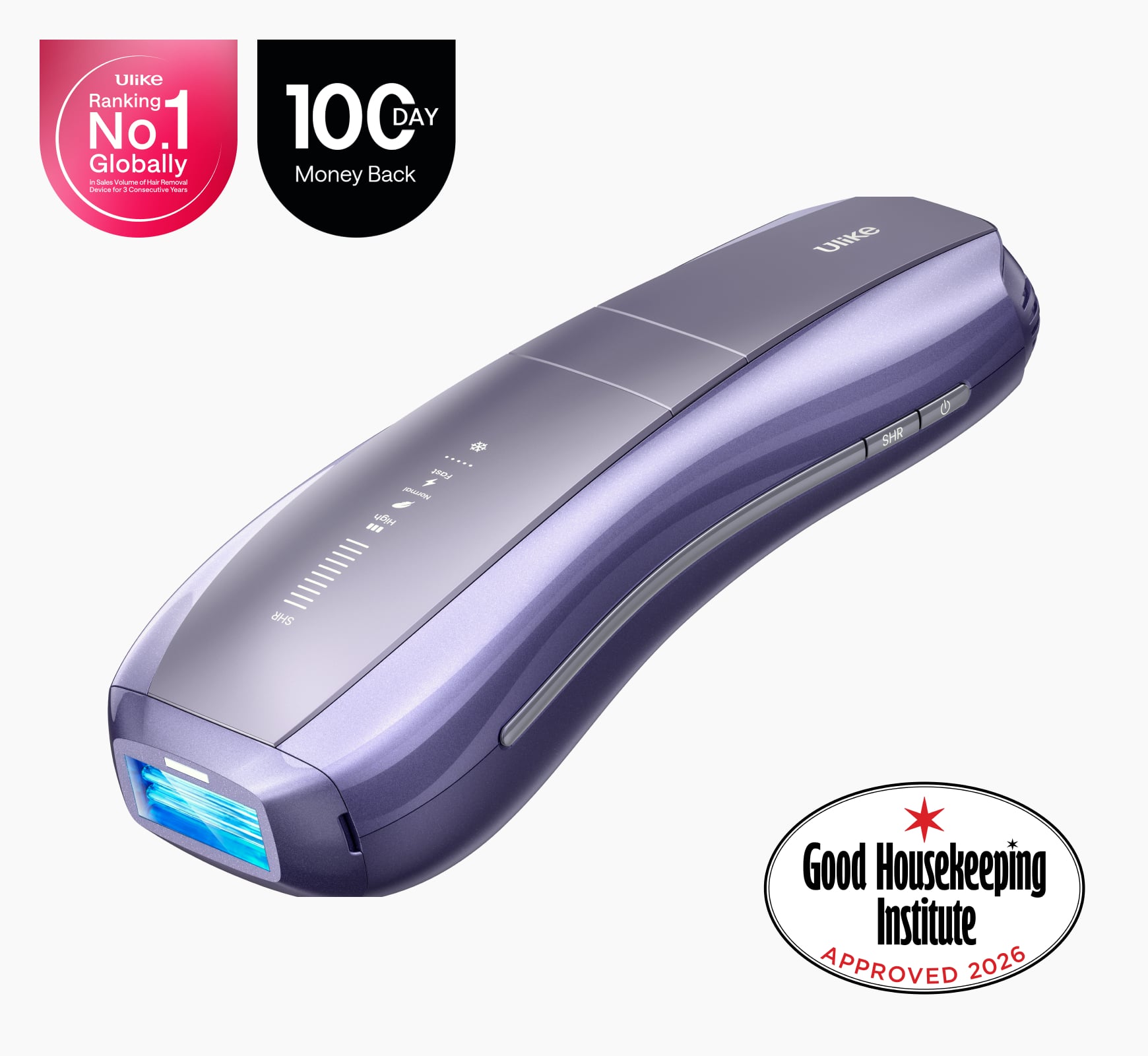
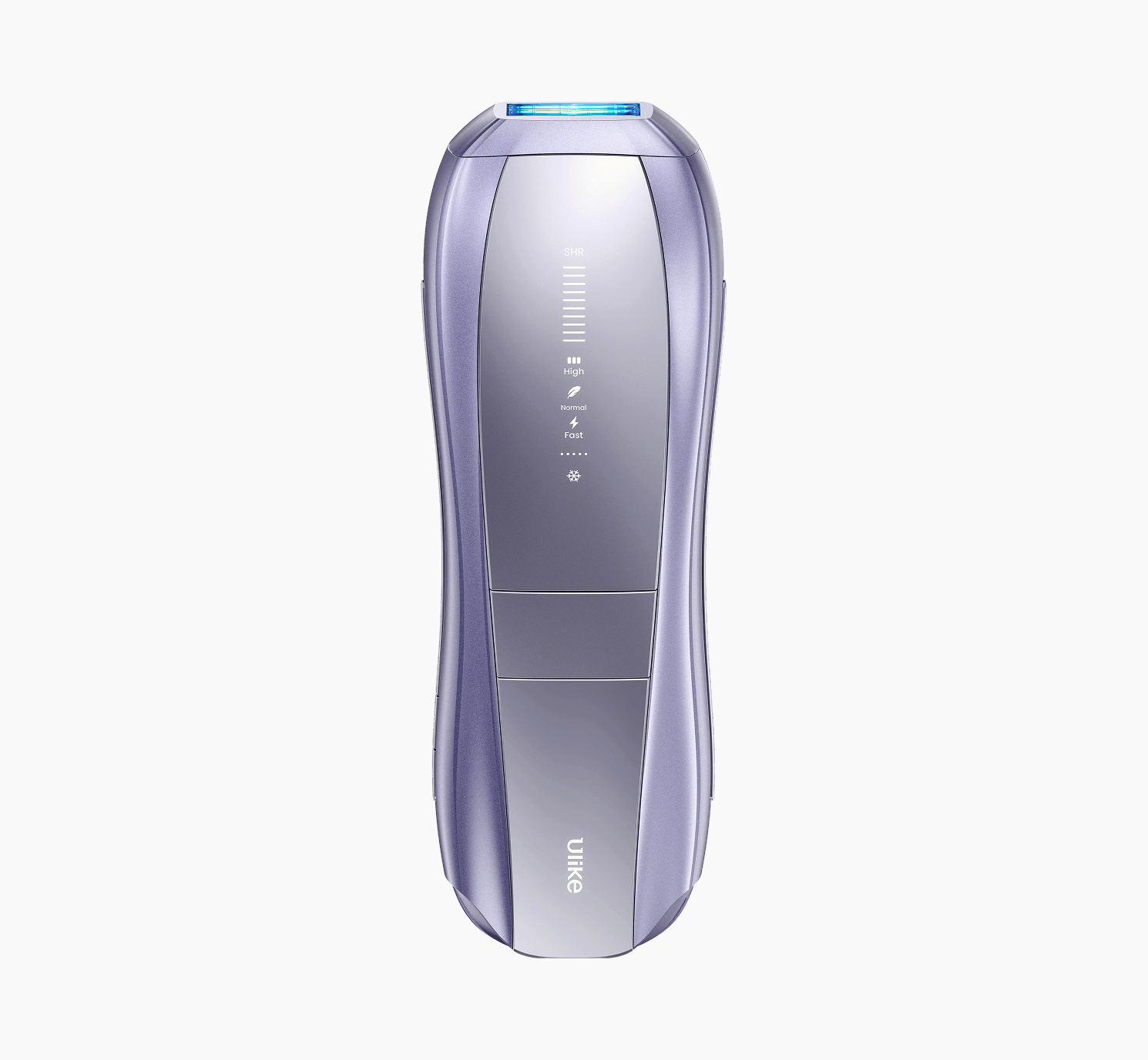
Devices that use sapphire-based cooling, such as the Ulike Air 10, maintain a cool contact surface throughout the session. This helps balance the warmth from each pulse, making the overall experience feel more manageable.

For many people, this is the point where IPL shifts from “something I’m unsure about” to “something I’d be comfortable trying”.

How the Ulike Air 10 Manages Discomfort

By this stage, the key question is no longer just “does IPL hurt?” but “is it manageable in real use?”

This is where device design makes a practical difference.

Sapphire Ice-Cooling Technology

This is usually the bit people notice first.

The head stays cool on the skin while you’re using it. So when the flash comes through, the warmth doesn’t really sit there. You feel it, then it settles straight away.

On areas like the underarms or bikini line, it’s more obvious. Those spots are a bit more sensitive, so without that cooling you’d notice the heat more.

It’s not that you stop feeling it altogether. It just doesn’t turn into anything you’d think twice about.

Adjustable Intensity Levels

Not everyone uses the same setting, and that’s kind of the point.

You can start low and build it up as you go. Most people do that anyway, just to see how their skin reacts before turning it up.

It’s useful when you’re trying a new area as well, especially ones that feel a bit more sensitive.

Built-In Skin Tone Sensor

Too much energy on the skin can make the flash feel stronger than it needs to.

A skin tone sensor helps keep that in check. It adjusts the level so you’re not using more intensity than your skin really needs.

That makes the sessions feel more even from one area to the next, rather than guessing and ending up with something that feels too strong.

There’s more detail in the IPL skin tone compatibility guide if you want to look into how it works.

Overall, it just helps keep things steady and predictable while you’re using it.

Practical Tips for Reducing Discomfort During IPL Sessions

A few small adjustments can make a noticeable difference to how IPL feels.

  • Shave the area 24 hours before treatment
    Surface hair can absorb heat and make the sensation stronger. Shaving beforehand helps keep the feeling more controlled.

  • Start on a lower intensity setting
    Especially for new areas. You can increase gradually once you understand how your skin responds.

  • Avoid treating compromised skin
    Sunburn, irritation, or recently waxed skin can heighten sensitivity.

  • Keep your environment cool
    A cooler room temperature can make sessions feel more comfortable overall.

  • Take breaks if needed
    There’s no requirement to complete everything in one go. Pausing helps keep the experience relaxed.

  • Soothe the skin afterwards
    A fragrance-free moisturiser or aloe vera gel can help calm any temporary redness.

These steps don’t change how IPL works, but they do help keep the experience within your control.

IPL vs Waxing, Threading, and Laser: A Direct Comparison

When people ask, “does IPL hurt more than waxing?”, they’re usually comparing it to something they already know.

Here’s how it typically compares:

Method

What It Feels Like

Compared to IPL

Waxing

Continuous pulling from the root

Generally more uncomfortable

Threading

Repeated friction and pulling

Similar or slightly more noticeable

Professional Laser

Higher-energy pulses

Often more intense

Shaving

No immediate pain, but can cause irritation

No pain initially, but less comfortable over time

IPL works through short flashes of light rather than pulling hair out from the root, so the feeling is quick and stays in one spot.

Shaving is different. It doesn’t hurt at the time, but it can leave the skin irritated afterwards, especially with repeated use. Over time, IPL tends to reduce how often you need to go back in, which is where a lot of people notice the difference in comfort.

There’s more on that in the IPL benefits for skin guide if you want to look at the longer-term side of it.

Frequently Asked Questions

Does IPL hair removal hurt?

Not really. You feel it, but it’s quick. A small flick on the skin, a bit of warmth, then nothing. Some spots are more noticeable, but it doesn’t hang around.

Is IPL more painful than waxing?

No. Waxing is a pull, all at once. IPL isn’t like that. It’s just flashes. You notice each one, then it’s gone again. Easier to deal with for most people.

Which areas hurt the most?

Usually the bikini line, underarms, and upper lip. The skin there is more sensitive, so you notice the flash more. Legs and arms tend to feel much easier by comparison.

How can I make IPL more comfortable?

Start simple. Shave beforehand, keep the setting low to begin with, and avoid going over skin that’s already irritated. Cooling helps too. Aftercare doesn’t need to be complicated, just something gentle to keep the skin calm.

Does IPL hurt more the first time?

It can feel a bit stronger at the start. There’s more hair there, so you notice it more. That usually settles after a few sessions as the hair thins out. If you’re planning it out, there’s a guide on how many IPL sessions you need.

Ready to Try IPL: On Your Terms?

For a lot of people, the hesitation comes down to comfort.

IPL used to have a bit of a reputation for feeling unpredictable. That’s changed quite a bit with newer devices. The experience is more controlled now, and you can adjust things as you go depending on what feels right for your skin.

The Ulike Air 10 is built around that idea. The cooling keeps the surface of the skin feeling calm while you use it, and the settings let you ease into it rather than jumping straight in.

At the end of the day, it comes down to knowing what to expect and deciding from there.


Previous
Hairy Woman Legs: What’s Better Than Shaving or Waxing?
Share:
Hairy Woman Legs: What’s Better Than Shaving or Waxing?

Hairy Woman Legs: What’s Better Than Shaving or Waxing?

Hairy Woman Legs: Your Honest Guide to Every Hair Removal Option First, a Note on Choice Hair on...
Mar 21, 2026
Personal Care Products That Fit Real Routines UK

Personal Care Products That Fit Real Routines UK

Personal Care Products Worth Adding to Your Routine This Year There’s usually one part of a rout...
Mar 20, 2026
IPL Hair Removal Benefits for Skin: Ingrown Hairs & Irritation

IPL Hair Removal Benefits for Skin: Ingrown Hairs & Irritation

IPL Hair Removal Benefits for Skin: What Actually Changes and Why Most people first hear about I...
Mar 20, 2026

Explore Beauty

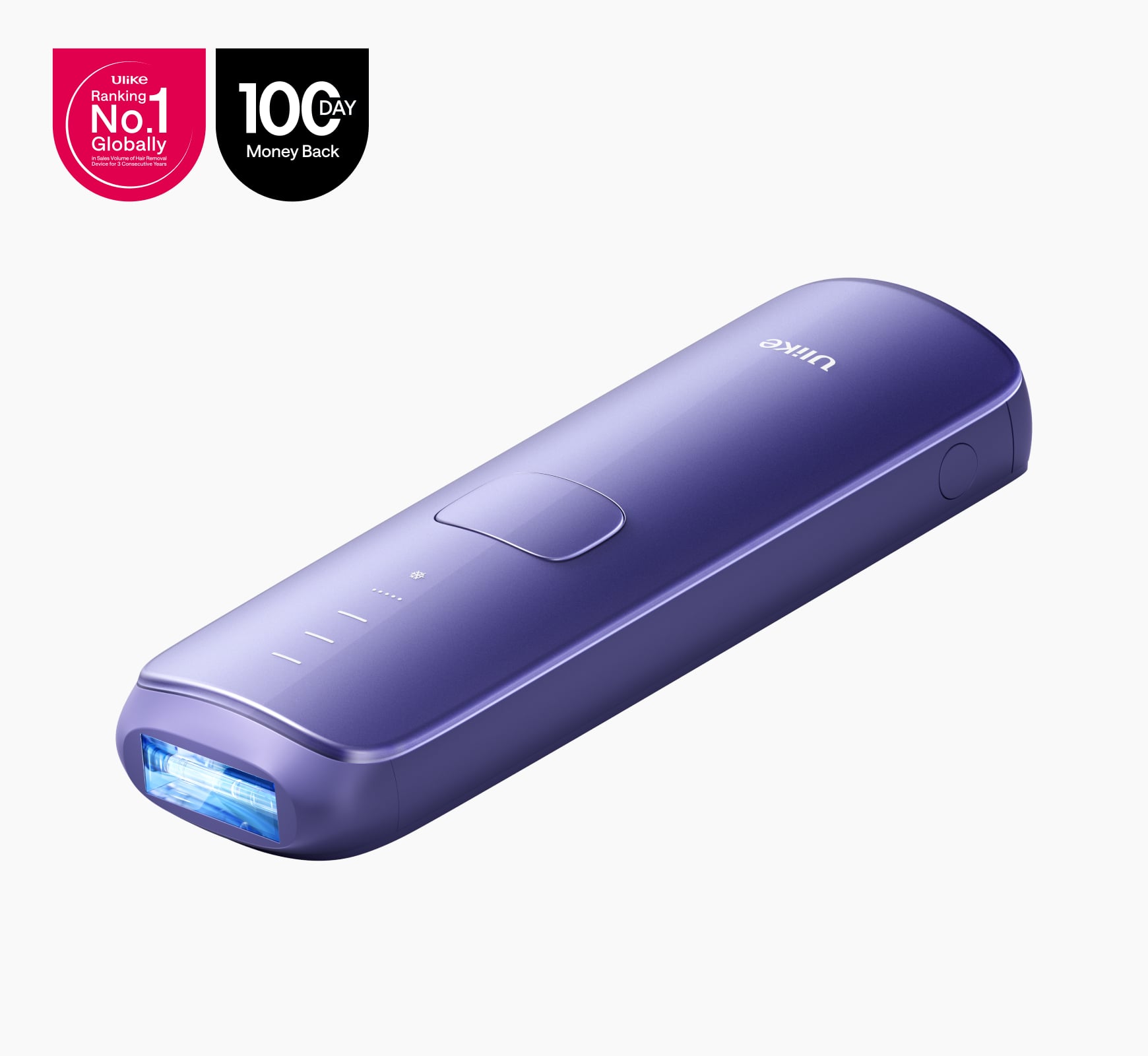
Ulike Air 10

2 weeks to silky smooth skin.

96% Hair Density Reduction in 2 Weeks
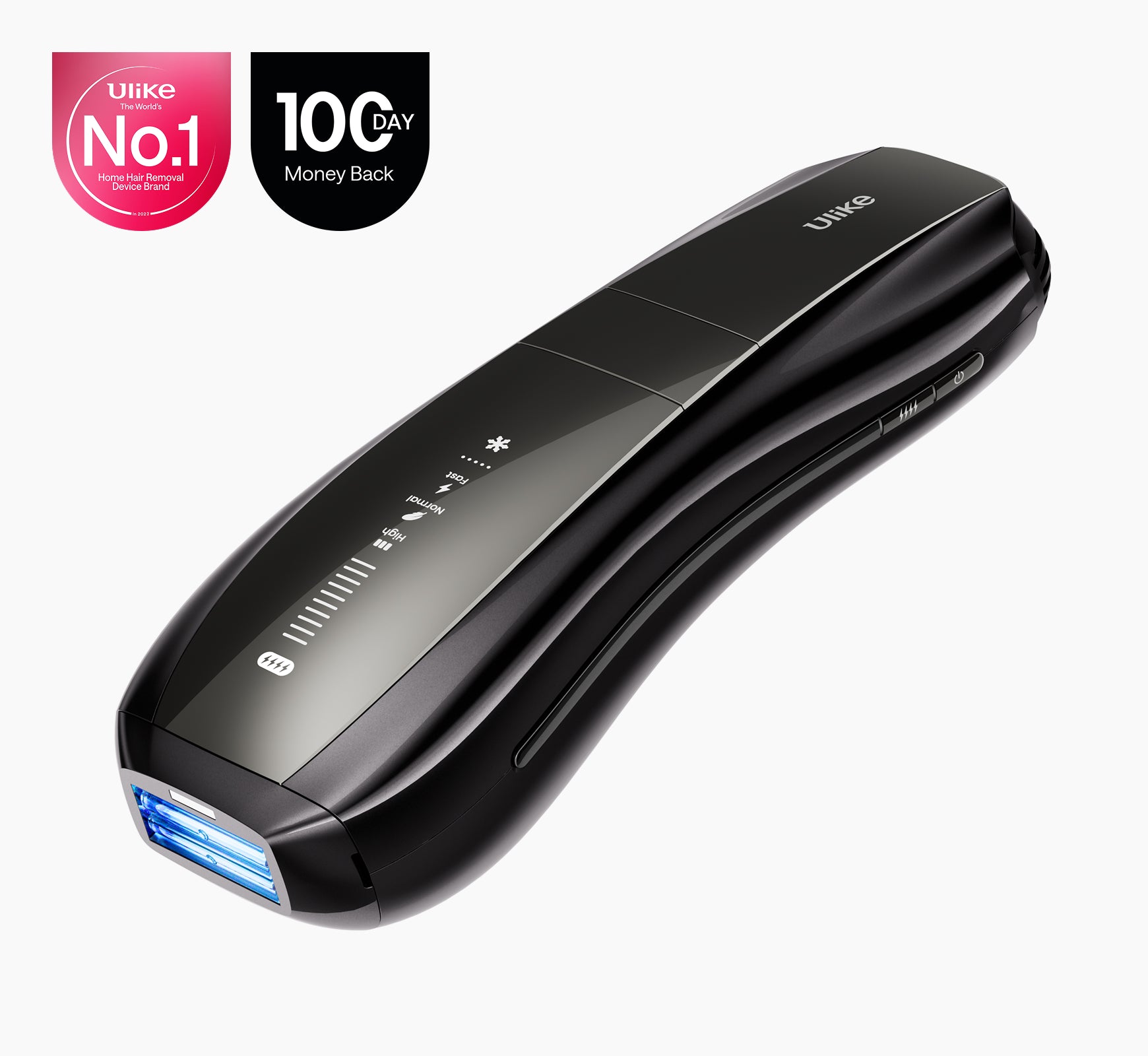
Ulike Air 3

3 weeks to silky smooth skin.

93% Hair Density Reduction in 4 Weeks
Ulike X

3 weeks to silky smooth skin.

94% hair reduction in just 2 weeks*
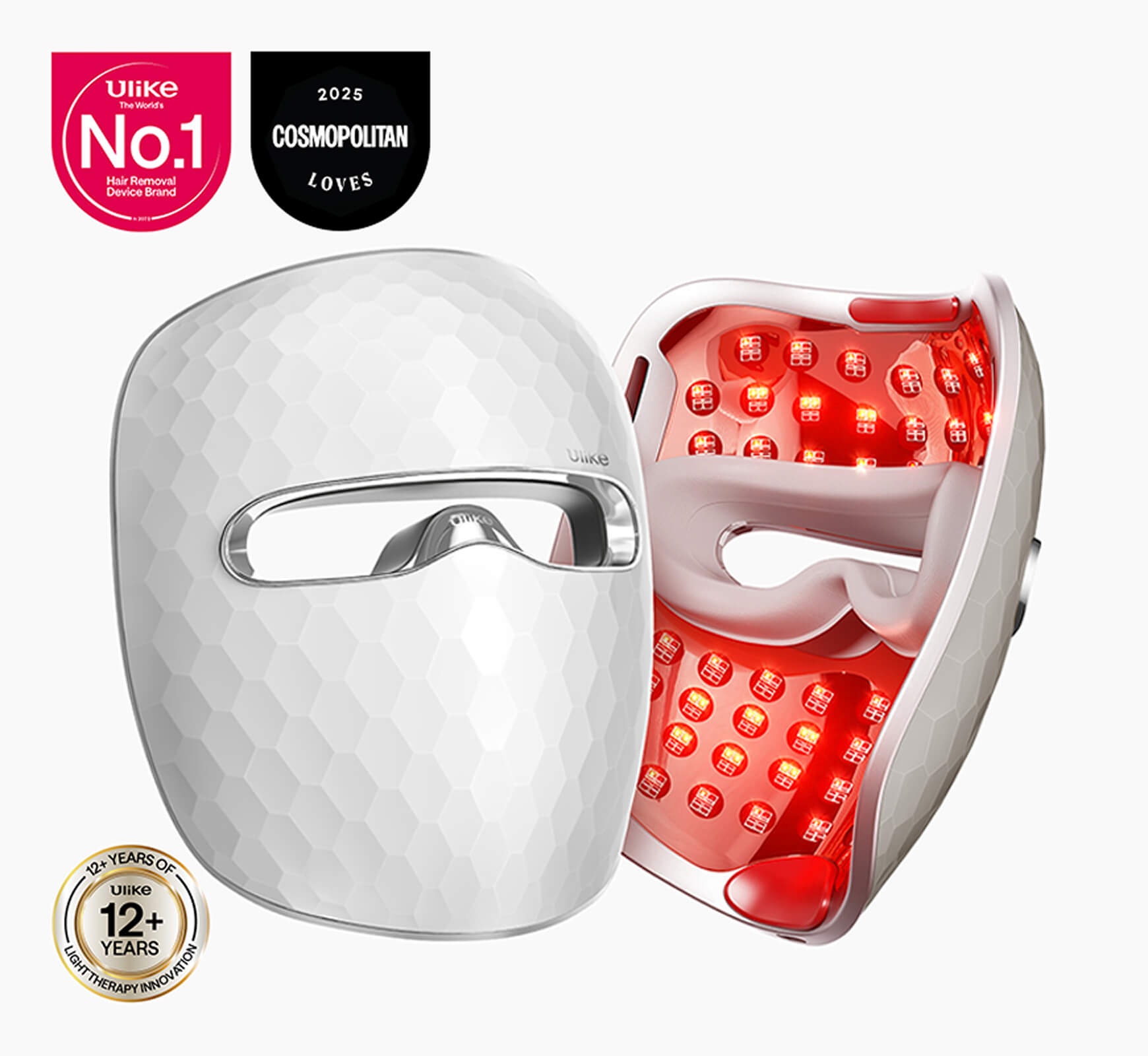
Ulike Reglow

Clearer skin in 2 weeks: Fewer breakouts
Smoother skin in 4 weeks: Fewer lines, firmer feel