



Hairy Bum: What’s Normal, What Your Options Are, and What Actually Works

First Things First: It’s Completely Normal
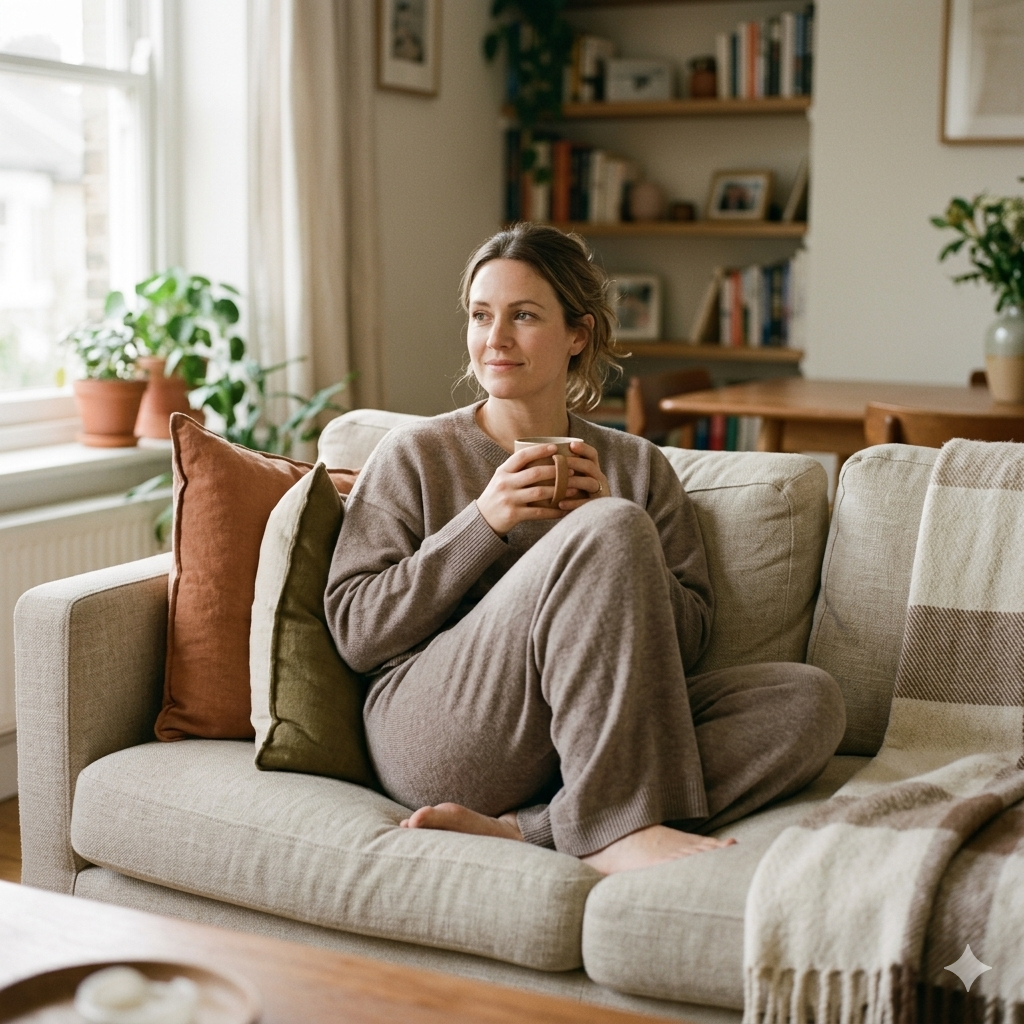
Let’s begin with something many women quietly wonder but rarely hear said plainly: having a hairy bum is completely normal.
Hair in the buttocks area is simply part of the body’s natural hair distribution. Hormones, genetics, and individual hair growth patterns all influence where hair appears and how dense it may be. Some women have very little hair in this area, while others notice more, both are entirely typical.
One reason this topic can feel a bit uncertain is simply that it is not talked about very much. You will find endless advice about shaving legs or managing bikini lines, but far less about other areas of the body. So when someone notices hair here, it can feel like an unusual question to have. In reality, plenty of women quietly wonder the same thing.
Some women choose to remove hair in this area. Others leave it alone. Both are completely normal. There is no right or wrong approach here. If you are curious about your options, it simply helps to understand what is available and how each method works.
If you are exploring different ways to manage body hair more generally, you might also want to look at other personal care products that fit comfortably into your routine.
Why Some Women Have a Hairy Bum
Many women notice hair in the buttocks area at some point and wonder why it appears there. In most cases, it simply comes down to natural hair distribution influenced by hormones and genetics. Just as some people have thicker leg hair or underarm hair, others may have slightly more hair around the buttocks. A hairy bum is not unusual, and the amount of hair varies widely from person to person.
Why This Area Needs a Different Approach
Hair removal around the buttocks is not the same as removing hair from the legs or arms. The skin around the buttocks can be really sensitive. It also has to deal with a lot of friction when we move around. This can cause irritation when we use hair removal methods.
For example, shaving can be a problem in this area. Sometimes it can cause razor rash, small bumps, or ingrown hairs. When our clothes rub against the skin it can make these problems worse. This is especially true when our hair grows in different directions.
There is also an issue to think about. The buttocks area is not easy to see or reach. So some hair removal methods that we can do at home can be awkward to use. Something easy to do on the legs can be more difficult to do around the buttocks.
Some people like to use waxing to remove hair from this area. It can be an option because it lasts a long time. However it usually means going to a salon and being mostly undressed during the treatment. Not everyone is comfortable with this.
That is why many women prefer to remove hair at home. It is more private. We can do it at our own speed.
In the end, we usually choose a hair removal method that works for our skin and is easy to keep up with. The best option is usually one that suits your skin and feels easy to maintain. Hair removal around the buttocks needs a slightly different approach because the skin is sensitive and the area can be harder to reach.
Hair Removal Options for the Bum Area
There are several ways to remove or manage hair in the buttocks area. Some people like to use methods like shaving while others want something that will last longer.
When people look for ways to remove hair from the bum at home they usually find the options: shaving, waxing, hair removal creams and IPL devices.
Each method is a little different.

Shaving
A lot of people start with shaving because it is easy and does not cost a lot of money. You just need a razor and some shaving cream.
The problem with shaving is that the hair grows back quickly. You might see hair again in a few days. This area can get ingrown hairs or irritated. Sometimes your clothes can make those bumps more noticeable.
If you use a razor and shave carefully it can help reduce irritation.. For a lot of people shaving is just a short-term solution.
Waxing
Waxing removes the hair from the root so it takes longer for the hair to grow back. A lot of people stay smooth for weeks before they need to wax again.
The downside of waxing is that it can be painful especially if your skin is sensitive. Going to a salon can be uncomfortable and waxing at home can be hard to do in areas you cannot see easily.
If you are thinking about waxing or IPL it is an idea to compare the two: what is the difference between IPL and waxing and which one is better for you.
Depilatory Creams
Hair removal creams dissolve the hair at the surface of the skin. They usually work a bit longer than shaving. They are pretty quick to use.
The main thing to be careful about with hair removal creams is your skin. You should only use creams that are made for sensitive or intimate areas, and you should always do a patch test first.
Epilating
Epilators pull the hair out from the root using tweezers. They work well on areas like the legs.
For the bum area a lot of people find epilators too uncomfortable. The skin is sensitive so epilating is not usually the choice.
IPL (Intense Pulsed Light)
IPL is becoming one of the most popular options for managing hair in this area at home. Instead of cutting or pulling hair out, IPL targets the hair follicle with pulses of light energy, gradually reducing regrowth over time.
Because treatments are spaced out and hair becomes finer over time, many women find IPL more comfortable and lower maintenance in the long run.
Can You Use IPL on the Bum Area?
| Area | IPL Suitability | Notes |
|---|---|---|
| Outer buttocks | Suitable | Generally safe for at-home IPL treatment |
| Upper thighs | Suitable | Commonly treated area with most home IPL devices |
| Bikini line | Suitable | Widely recommended area for IPL use |
| Between the cheeks | Use caution | Requires careful positioning and sensitivity awareness |
| Perianal area | Not recommended | Usually avoided without professional guidance |
Yes. IPL can be used safely on the buttocks area, provided the device is suitable for body use and the manufacturer’s guidelines are followed carefully.
Interest in IPL for buttocks UK searches has grown in recent years as more women look for a private, long-lasting alternative to waxing.
IPL (Intense Pulsed Light) can be used safely on the buttocks area by most women, provided the device includes a skin tone sensor and the manufacturer's guidelines are followed. The outer buttocks and upper thighs are generally suitable for at-home IPL treatment. The light energy targets the pigment in the hair follicle, gradually reducing regrowth over a course of sessions. As with all body areas, a patch test is recommended before the first full session, particularly on sensitive skin.
In practical terms:
-
Outer buttocks: suitable for treatment
-
Upper thighs: suitable for treatment
-
Between the cheeks: requires care and careful positioning
-
Perianal area: generally not recommended without professional guidance
As with any IPL treatment, results depend on the contrast between hair colour and skin tone, so checking IPL skin tone compatibility is an important first step.
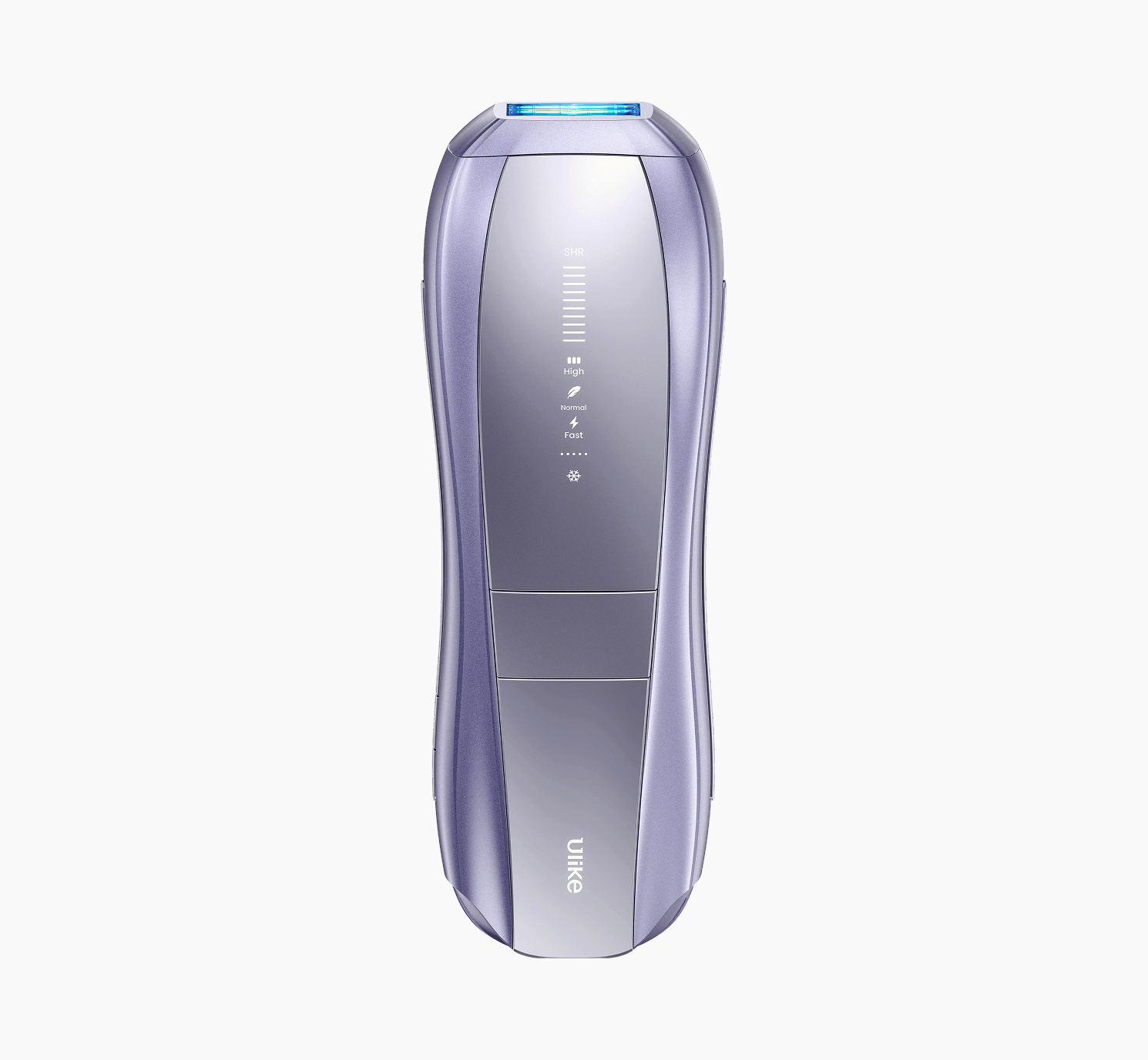
Modern devices designed for home use also include features that make treatments more comfortable on sensitive skin. For example, the Ulike Air 10 includes sapphire ice-cooling technology that keeps the skin cool during each flash, helping sessions feel noticeably gentler — particularly in areas that may be more sensitive.
If you’re interested in learning more, this guide also explains how IPL hair removal works in greater detail.
How At-Home IPL Works for This Area
IPL works by emitting controlled pulses of light that are absorbed by the pigment (melanin) in the hair follicle. This light energy gently heats the follicle, which gradually slows its ability to produce new hair.
Because hair grows in cycles, IPL works best when treatments are spaced consistently to target follicles during their active growth phase. Understanding the hair growth cycle and IPL timing helps explain why results appear gradually over several weeks.
The buttocks area often responds well to IPL treatments because the hair there tends to be slightly coarser, making it easier for the light energy to target the follicle effectively.

A typical treatment schedule looks like this:
-
Weeks 1–8: one session per week
-
After initial course: maintenance sessions every 1–3 months
For first-time sessions, a few practical steps help ensure comfort and effectiveness:
-
Exfoliate gently the day before treatment
-
Start with clean, dry skin
-
Begin on the lowest comfortable intensity setting
-
Move slowly to ensure full coverage
Devices like the Ulike Air 10 also include a skin tone sensor, which automatically checks whether the skin is suitable for IPL before each flash. This adds an extra layer of reassurance when treating areas that are slightly harder to see clearly.
If you're curious about treatment planning, this guide explains how many IPL sessions you need for lasting results.
What to Expect: A Realistic Timeline
IPL works gradually, so it helps to approach treatments with realistic expectations. For women looking for long-lasting hair removal for the bum area, this gradual reduction is what makes IPL appealing.
Sessions 1–3
It’s common to notice little visible change initially. IPL targets hair beneath the surface, so early sessions are working on the growth cycle rather than producing immediate cosmetic results.
Sessions 4–6
Many users begin to notice slower regrowth and softer hair texture during this stage.
Sessions 8–12
By this point, most women experience a noticeable reduction in hair growth, with maintenance treatments becoming less frequent.

Results vary depending on factors such as:
-
Hair colour
-
Skin tone
-
Consistency of treatment
Once the initial course is complete, occasional maintenance sessions every few months are usually enough to keep regrowth minimal.
Safety and Comfort Considerations
When you are treating areas like the buttocks, you need to take a few sensible precautions to make sure you have a comfortable experience.
Always do a patch test first.
Test a small area of skin about 24 hours before your first full treatment to make sure your skin responds well.
Do not treat skin that's already irritated.
You should not use Intense Pulsed Light on skin that is broken or inflamed or skin that has been waxed recently.
Follow the guidelines that the manufacturer gives you.
Every device comes with instructions that tell you which areas of the skin are suitable for treatment and what settings you should use.
If you need to, you should ask a professional for advice.
Women who have skin conditions or very dark skin tones may want to talk to a dermatologist before they start using Intense Pulsed Light.
The Intense Pulsed Light devices you can use at home are designed to be safe.
For example, Intense Pulsed Light devices, for skin areas, often have cooling systems and sensors that help make sure the treatments are both effective and comfortable.
A Private, Practical Alternative to Salon Treatments
If you’ve been looking for a more comfortable, private alternative to salon waxing for this area, at-home IPL is worth considering.
The Ulike Air 10 combines sapphire ice-cooling technology with a built-in skin tone sensor, helping treatments feel gentler on sensitive skin while adding reassurance when treating areas that are harder to monitor visually.
This Women's Month, Ulike is running a dedicated campaign with offers across their IPL range.
Explore the Air 10 and current promotions at:
uk.ulike.com/pages/campaign
Take your time, do your research, and make the choice that feels right for you.
FAQ
Is it normal to have hair on your bum?
Yes. Hair in the buttocks area is very common. Like hair on the legs or arms, it is simply part of the body’s natural hair pattern and is influenced by genetics and hormones. Some women have very little, while others notice more. It just is not talked about very often. Removing it or leaving it alone is entirely up to you.
What is the safest way to remove bum hair at home?
For most women, at-home IPL is one of the safer long-term options for bum hair removal, as it reduces the risk of ingrown hairs and skin irritation associated with shaving or waxing. Depilatory creams can also be used, but should be specifically formulated for sensitive skin and patch-tested first. Shaving is possible but carries a higher risk of irritation and ingrown hairs in this area.
Can you use IPL on the bum and bikini area?
Yes, most home IPL devices can be used on the outer buttocks and the bikini line. Devices such as the Ulike Air 10 are designed for body areas like these, as long as the skin tone falls within the recommended range.
The area directly around the anus is usually not recommended for at-home treatment, and IPL should never be used on broken or irritated skin. As with any new treatment area, it is sensible to do a patch test first.
How many IPL sessions does it take to see results on bum hair?
Most women begin to notice a reduction in hair regrowth after 4 to 6 sessions. A full initial treatment course of 8 to 12 weekly sessions is typically recommended for lasting results. Hair in the buttocks area is often coarser, which can actually aid IPL targeting — many users find this area responds well over the course of a full treatment plan.
Does IPL hurt on sensitive areas like the bum?
Modern IPL devices are considerably more comfortable than older models. Devices with built-in cooling technology — such as the sapphire ice-cooling feature on the Ulike Air 10 — actively cool the skin during treatment, making sessions on sensitive areas much more manageable. Most users describe the sensation as mild warmth. Starting on a lower intensity setting for the first session is always a sensible approach.
Can bum hair be removed permanently?
Completely permanent hair removal is difficult with any method. What IPL can do is reduce regrowth significantly over time.
With consistent sessions, many people notice hair growing back more slowly and becoming finer. After the initial treatment course, occasional maintenance sessions are usually enough to keep regrowth minimal.

How to Clean an IPL Hair Removal Device Safely

Can You Use IPL on Arms? Will It Work on Your Hair?

When Does IPL Hair Start Shedding? Signs It’s Working
Explore Beauty
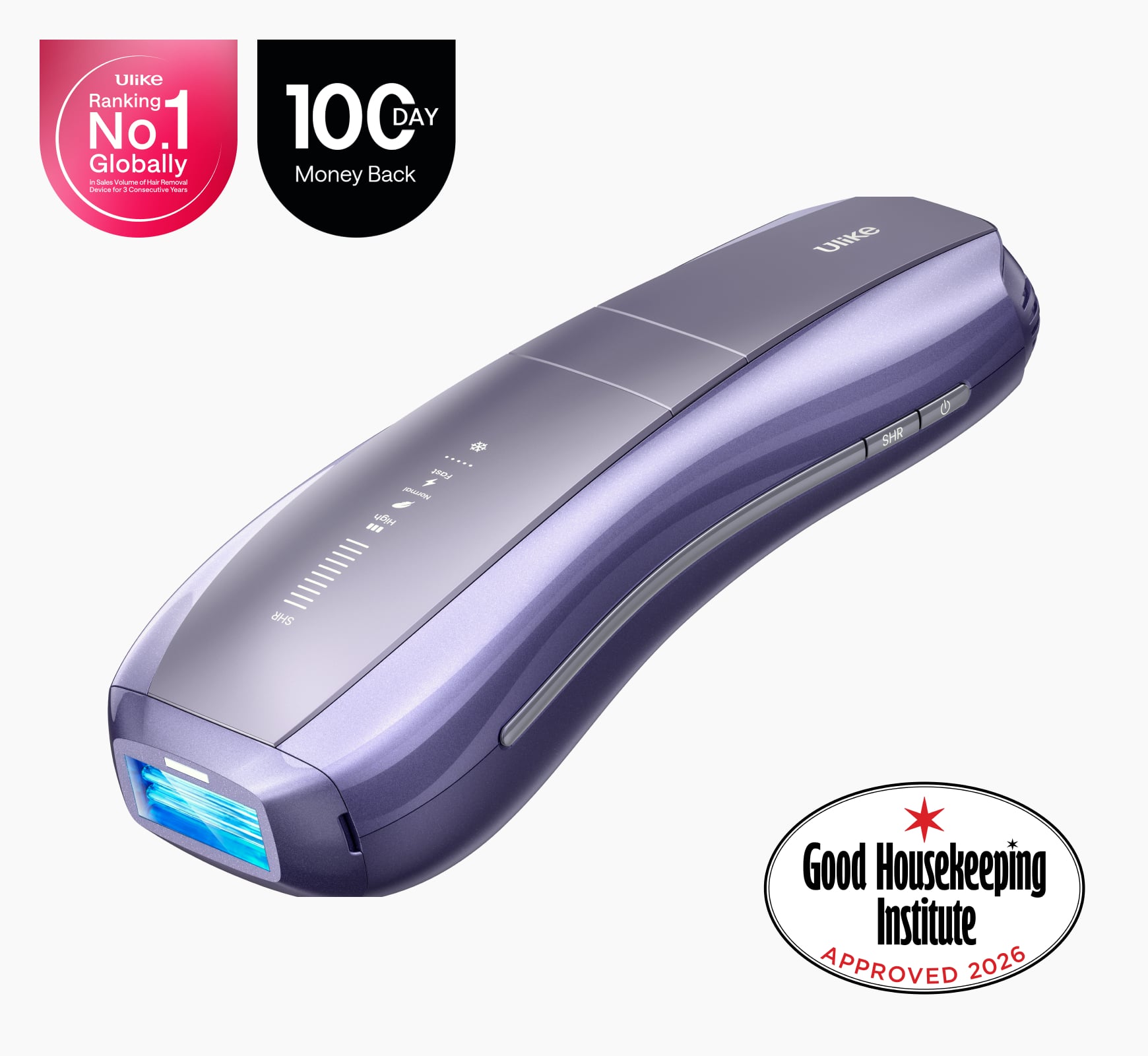
Ulike Air 10
2 weeks to silky smooth skin.
96% Hair Density Reduction in 2 Weeks
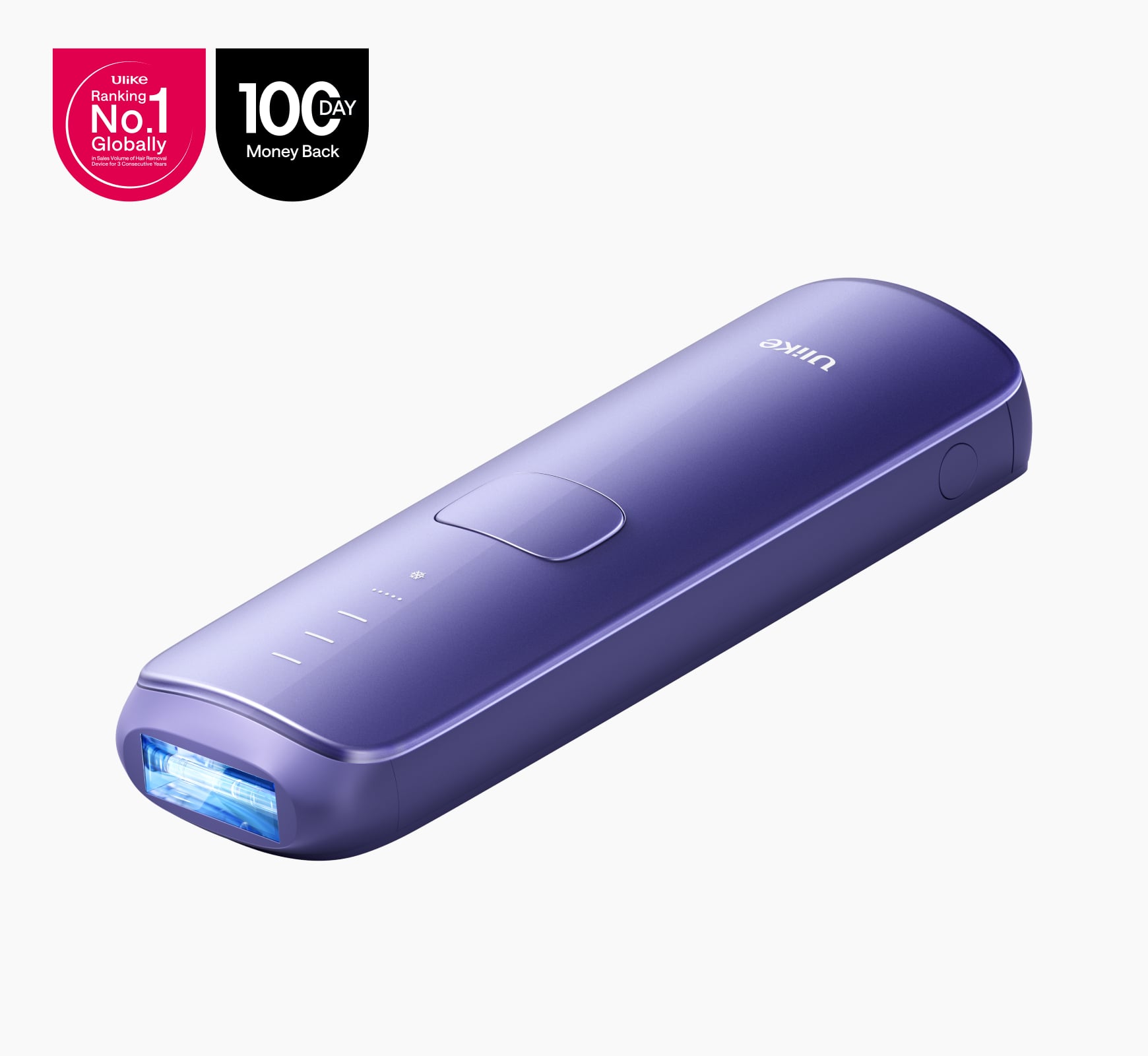
Ulike Air 3
3 weeks to silky smooth skin.
93% Hair Density Reduction in 4 Weeks
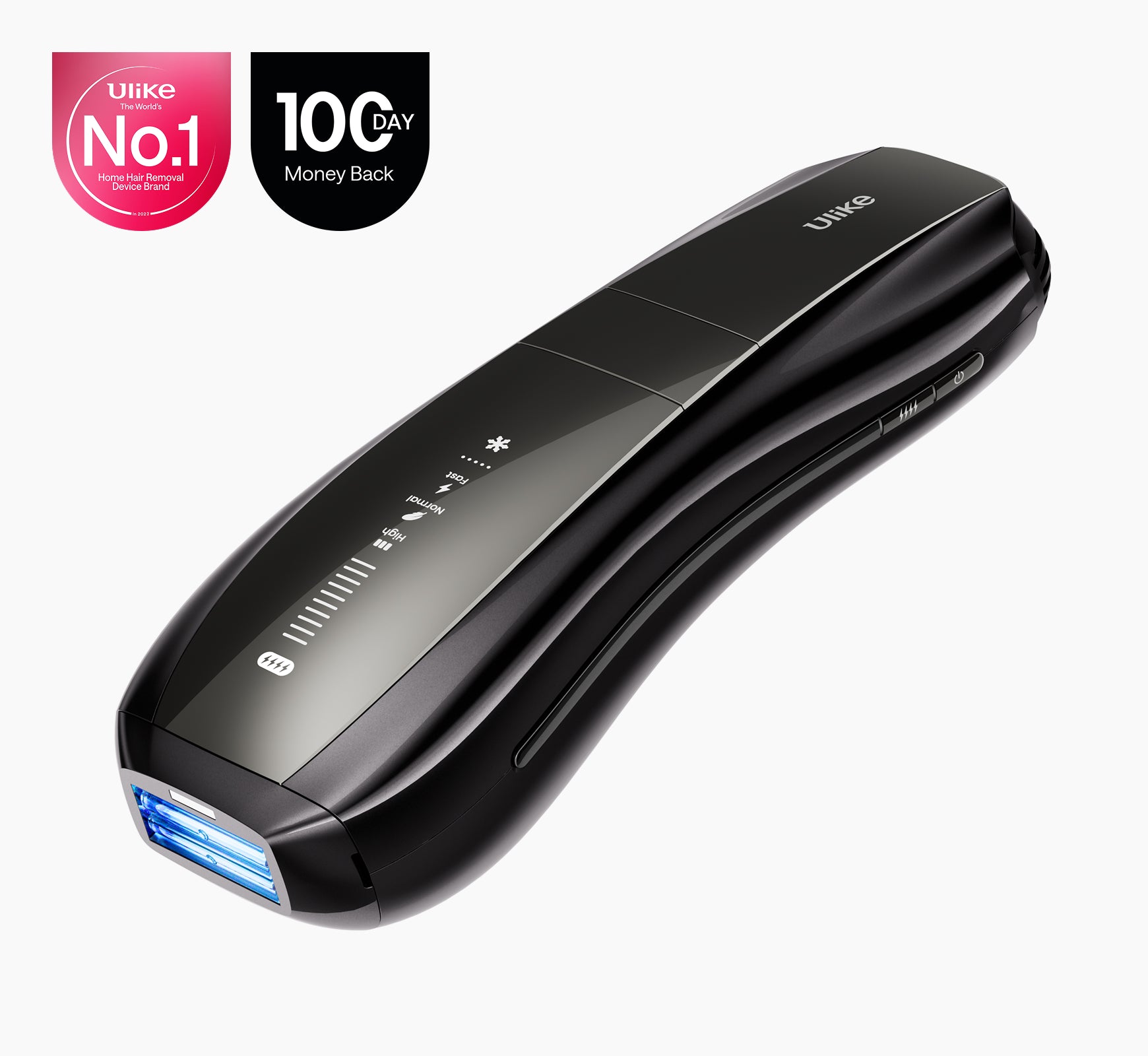
Ulike X
3 weeks to silky smooth skin.
94% hair reduction in just 2 weeks*
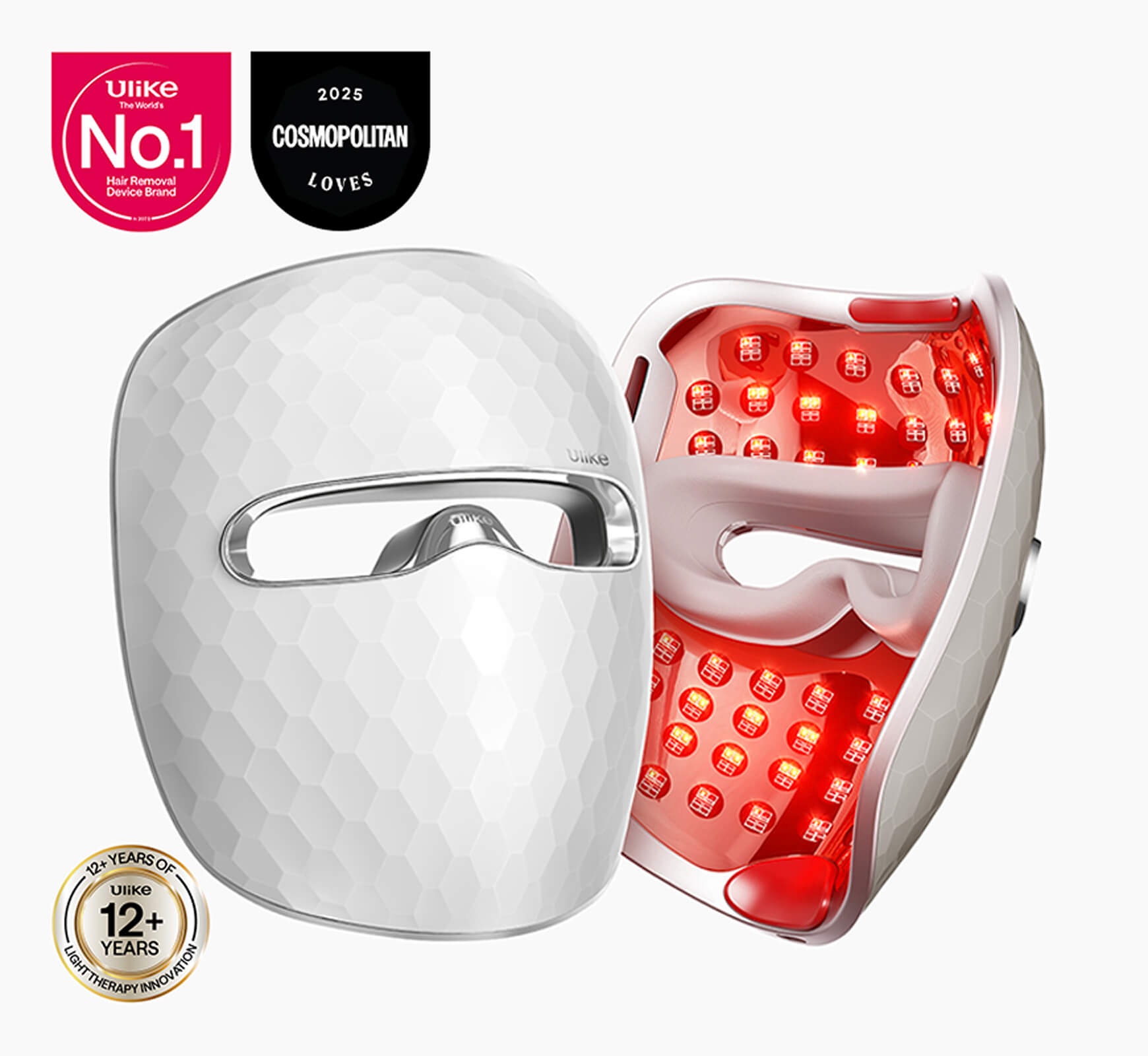
Ulike Reglow
Clearer skin in 2 weeks: Fewer breakouts
Smoother skin in 4 weeks: Fewer lines, firmer feel