




Female Facial Hair: Causes, What's Normal, and How to Remove It for Good

Female facial hair is an issue that most women face at some point in their lives, and do not speak much about. From a few coarse black hairs appearing on your chin to the presence of thick hairs on your upper lip, even noticing that there has been a new growth in your 40s, you certainly aren’t alone. This article will address all of those questions and help you figure out what really works.
Why Do Women Get Facial Hair?
It all boils down to hormones, mainly. But when someone says “I’m not hormonal", it isn’t meant as an insult; it’s just how biology works. All women produce androgens, a family of hormones to which testosterone belongs, and changes in hormone balance can result in changes in hair growth. Facial hair is usually one of the first things to change.
The role of androgens and hormonal changes
Androgens stimulate hair follicles. In most women, androgen levels are low enough that facial hair stays fine and barely visible. But when androgen levels rise, whether through a health condition, a change in contraception, or just the natural hormonal fluctuations across a lifetime those fine hairs can darken and coarsen into what dermatologists call terminal hair. Same follicle, different output.
PCOS and facial hair: what you need to know
Polycystic ovary syndrome (PCOS) is one of the most common reasons women develop noticeable facial hair, particularly on the chin and upper lip. It affects roughly 1 in 10 women in the UK, and excess facial hair (called hirsutism) is one of its most recognisable features. The condition drives androgen overproduction, which directly affects the hair follicles on your face.
If you've also been dealing with irregular periods, acne, or weight changes, it's worth mentioning the facial hair to your GP, not because it's alarming, but because treating the underlying condition often helps manage the hair growth alongside it.

Menopause, perimenopause, and increased facial hair
It's a surprise that comes as a shock for many women out there. During your forties and fifties, you begin to experience a decline in the level of your oestrogen due to perimenopause, and there will be an imbalance of the amount of oestrogen compared to the androgens in your body. The androgens are the winners in this case.
It's one of those menopause symptoms that doesn't get talked about enough. Hot flushes get all the attention. But the facial hair? That gets dealt with quietly, privately, in bathroom lighting.
Genetics and ethnicity as contributing factors
The genetic history of your family lineage does play a role in all this. If you're female and of South Asian, Mediterranean, or Middle Eastern descent, you naturally possess greater baseline sensitivity to androgens within your hair follicles, thus resulting in facial and body hair growth that's completely fine and doesn't indicate any issue at all.
Is Female Facial Hair Normal?
Yes. Full stop. Fine, nearly invisible hair covers almost the entire face; it's just that most of it is vellus hair (soft, light, short) that you'd only notice in a certain light. What concerns most women is when darker, coarser terminal hairs start appearing in places that feel unexpected.
The difference between vellus and terminal hair
Vellus hair is the fine, almost colourless hair that covers your face from childhood. You've always had it. Terminal hair is thicker, pigmented, and grows longer, the kind that shows up in the chin or upper lip area when hormonal changes kick in. The follicle converts from producing vellus to terminal hair, and once that conversion happens, it doesn't typically reverse on its own.
When to speak to a GP or dermatologist
Most female facial hair is entirely benign and doesn't require medical investigation. But there are times when it's worth getting checked. If you've noticed rapid, significant hair growth across a wide area — particularly with other symptoms like irregular periods, acne, or a deepening voice — that warrants a conversation with your GP. A condition called hirsutism can sometimes indicate an underlying hormonal issue that's worth diagnosing properly.
That said, a few chin hairs in your 40s? Genuinely normal. You don't need to panic.
Facial Hair Removal Methods: An Honest Comparison
There's no shortage of options, and the right one depends on how much hair you're dealing with, how much pain you're willing to tolerate, and whether you're looking for a short-term fix or something that actually reduces regrowth over time.

Threading and waxing: pros, cons, and ongoing cost
Threading is precise and doesn't use any chemicals on your skin, which makes it a solid option for the upper lip and brow area. The downside is that it hurts, more than most people expect, and the results last only 3 to 6 weeks. At £10 to £20 per session at most UK salons, you're looking at somewhere between £120 and £240 a year just for upper-lip threading. That adds up quietly.
The hair removal process via waxing involves removing hair from the roots, making hair grow much more slowly compared to shaving. However, waxing facial hair constantly may irritate the skin and, eventually, result in burst blood vessels.
Depilatory creams: what works and what to avoid on facial skin
Depilatory cream is the use of chemicals to break down the hair shaft, normally thioglycolates. They are relatively inexpensive, easy to apply, and take only several minutes. The problem with this method is that depilatory creams are rarely developed for facial areas, and, therefore, application of this product on your lip hair will most likely result in painful chemical burns.
It does last a bit longer than shaving due to more effective removal from the follicle area, but it will not be more than one-two weeks nonetheless.
Dermaplaning and shaving: myths vs. reality
Certainly, a woman may shave her face. However, it does not cause any growth of new hairs, as it is a misconception that is disproved time and again. Since shaving cuts hairs just beneath the skin, the regrown hairs have blunted ends and therefore become stubbly, though the diameter and colour of the hair do not change. In dermaplaning, another technique, which uses the blade of a scalpel, both dead cells and stubby hairs are removed.
Both are temporary. Regrowth appears within days.
Electrolysis: the only truly permanent method
Electrolysis uses an electric current to destroy each hair follicle individually. It's the only method the FDA classifies as genuinely permanent. It works on all hair colours (which is the key advantage over IPL) and all skin tones. The downside: it's slow, it's expensive, and it requires a lot of sessions. Treating the upper lip might take months of weekly appointments. For small areas, though, it's worth knowing about, especially for anyone with very light or grey facial hair.
IPL for facial hair: how it works and realistic results
Intense Pulsed Light (IPL) is not a laser since it delivers broadband light energy, which aims at the melanin found within the hair follicle. The light energy is then changed into thermal energy that affects the follicle in such a way that the follicle can no longer produce hair in the normal fashion.
The catch: IPL works best on dark hair and lighter skin because the contrast allows the light to target the follicle without affecting the surrounding skin. It's less effective on very fair, red, or grey hair. Results are gradual; most people see a real reduction after 3 to 4 sessions, with more significant results after 6 to 8.
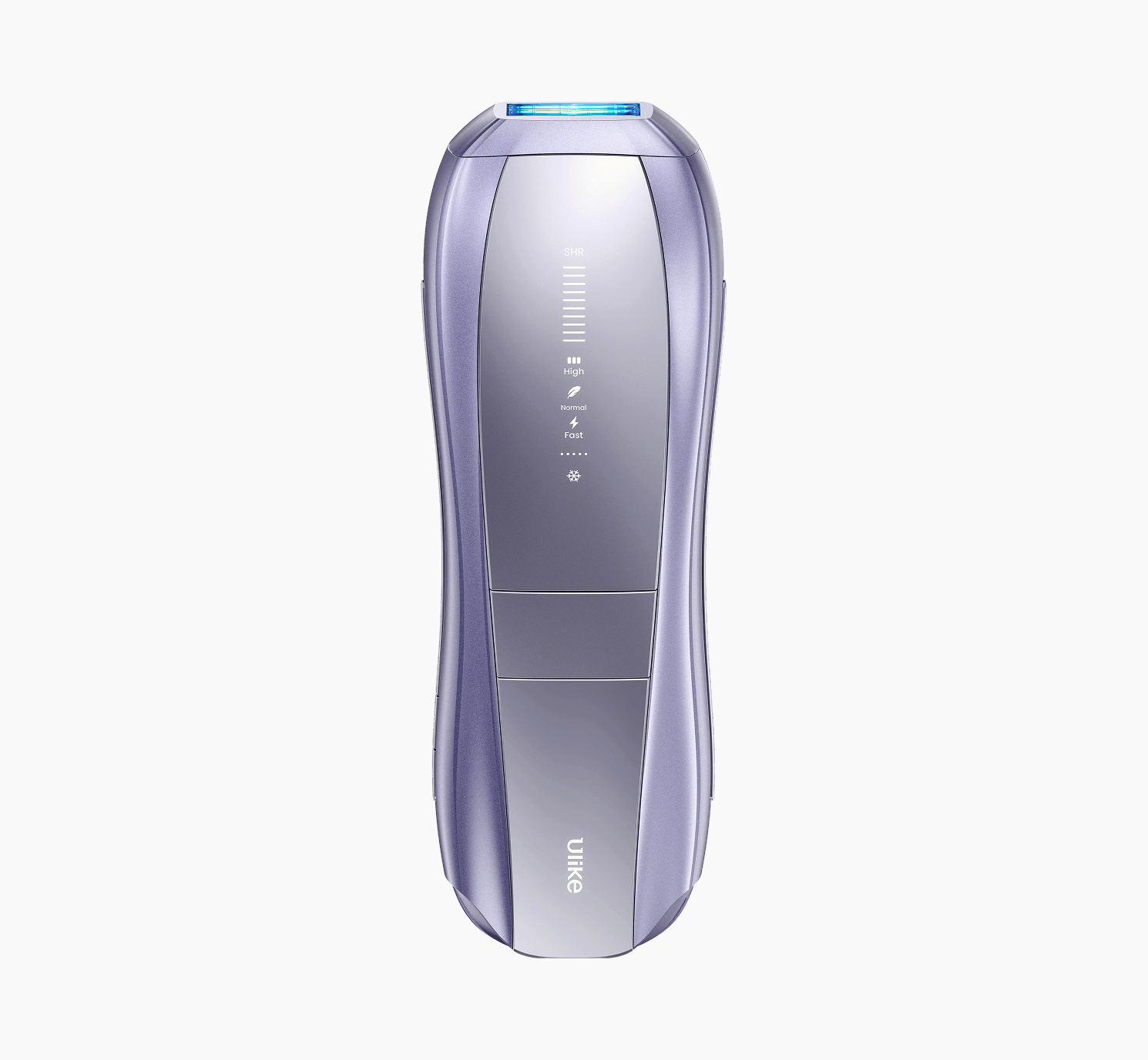
At-home IPL devices have made this accessible. If you've been considering trying one, the Ulike Air 3 is worth looking at. It includes a facial precision head and an ice-cooling function that makes it noticeably more comfortable on the face than most devices.
Is IPL Safe for the Face?
The IPL procedure can be performed safely on any areas of the face except the eyebrows, along with any areas close to the eye region. The reason for this is that the intensity of light is strong enough to damage one’s vision; hence, it is not allowed by good machines.
Facial skin is thinner and more sensitive than body skin, so this is one area where cutting corners is a bad idea. Reputable at-home devices include built-in skin tone sensors and adjustable intensity settings specifically for this reason.

Which facial areas can be treated with IPL
The upper lip, chin, jawline, cheeks, and sideburn area are all suitable for IPL treatment. The forehead can be treated too, though it's less commonly needed. As above, avoid the eyebrows and eye area entirely.
Skin tones and hair colours: who gets the best results
IPL works on a spectrum. Individuals with lighter or medium skin types and darker hair are most likely to have noticeable effects due to the contrast between hair and skin, which allows the equipment to pinpoint the follicles precisely. The process can be used on darker skin tones as well with IPL technology, but it is necessary to use the correct devices with the right settings, including those that measure skin tone.
Very fair, grey, or red hair doesn't contain enough melanin for IPL to target effectively. For these hair types, electrolysis is the better permanent option.
How many sessions does facial IPL take?
For the face, most users need 6 to 8 initial sessions (usually spaced 2 to 4 weeks apart), followed by occasional maintenance every few months. The face tends to respond slightly differently from body areas because of the hormonal nature of facial hair growth, so ongoing maintenance may be needed, particularly if you have a hormonal condition like PCOS.
At-Home IPL for Facial Hair: What to Look for in a Device
Not all IPL devices are created equal, and the facial area specifically requires a few features that generic body-hair devices often skip.
Key features: energy levels, skin sensor, and facial-safe attachments
Look for: a dedicated, smaller head attachment for precision on the face (the full-size window doesn't work well on the upper lip or chin), a skin tone sensor that adjusts automatically, adjustable intensity levels so you can start lower and build up, and an ice-cooling function if you have sensitive skin. Without cooling, the face can get quite uncomfortable, more so than the legs or underarms.
Ulike Air 3: built for precision facial use
The Ulike Air 3 was designed with facial use specifically in mind. It includes a precision facial head for targeting smaller areas accurately, sapphire ice-cooling technology that keeps the skin surface cool during treatment (which makes a real difference on the sensitive skin around the upper lip and chin), and a built-in skin tone sensor. It's FDA-cleared and dermatologist-tested, and the results timeline, visible reduction from around 4 weeks, is consistent with clinical expectations rather than marketing fantasy.
Cost comparison: salon vs. at-home IPL over 12 months
Method |
Cost per session |
Annual cost (est.) |
Upper lip threading |
£10–£20 |
£120–£240 |
Upper lip waxing |
£8–£15 |
£96–£180 |
At-home IPL (device) |
One-off purchase |
Pays for itself in 3–4 months |
The upfront cost of an at-home IPL device feels significant at first. But if you're threading or waxing monthly, the maths shifts fairly quickly. Within a year, most regular salon-goers are ahead financially and dealing with significantly less regrowth.
Frequently Asked Questions
Can you use IPL on upper lip hair?
Yes. The upper lip is one of the most common facial areas treated with IPL. Use a device with a smaller precision head, start on a lower intensity setting until you know how your skin responds, and follow the treatment schedule consistently for best results.
Does IPL hurt on the face?
Painless, but still, it is more commonly referred to as a warm snap rather than anything painful. The upper lip seems to be more sensitive than the chin area. Ice-based devices such as Ulike Air 3 minimise it significantly. You can apply some cold gel to the skin before the session if you have very sensitive skin.
Will facial hair grow back after IPL?
Hair tends to become increasingly fine and slow-growing after each treatment in the follicles that have been treated. Due to the hormonal nature of hair in the face, particularly for those suffering from PCOS or experiencing menopause, periodic maintenance treatments might be necessary every few months. This is not a permanent solution like electrolysis, but it certainly helps.
Is it safe to use IPL if I have PCOS?
IPL is safe for the skin in women with PCOS, but be aware that because PCOS drives ongoing androgen production, hair regrowth may occur more persistently than in women without the condition. You'll likely need more sessions and more regular maintenance. Many women with PCOS find IPL genuinely effective at managing facial hair even if complete permanent removal takes longer. If you're also on medication for PCOS, check with your GP that the treatment doesn't affect photosensitivity.
Ready to stop your monthly salon visits? The Ulike Air 3 is designed for exactly this — facial use, with a UK-specific IPL device built around comfort and clinical results. View the Ulike Air 3
Related Readings


How to Clean an IPL Hair Removal Device Safely

Can You Use IPL on Arms? Will It Work on Your Hair?

When Does IPL Hair Start Shedding? Signs It’s Working
Explore Beauty
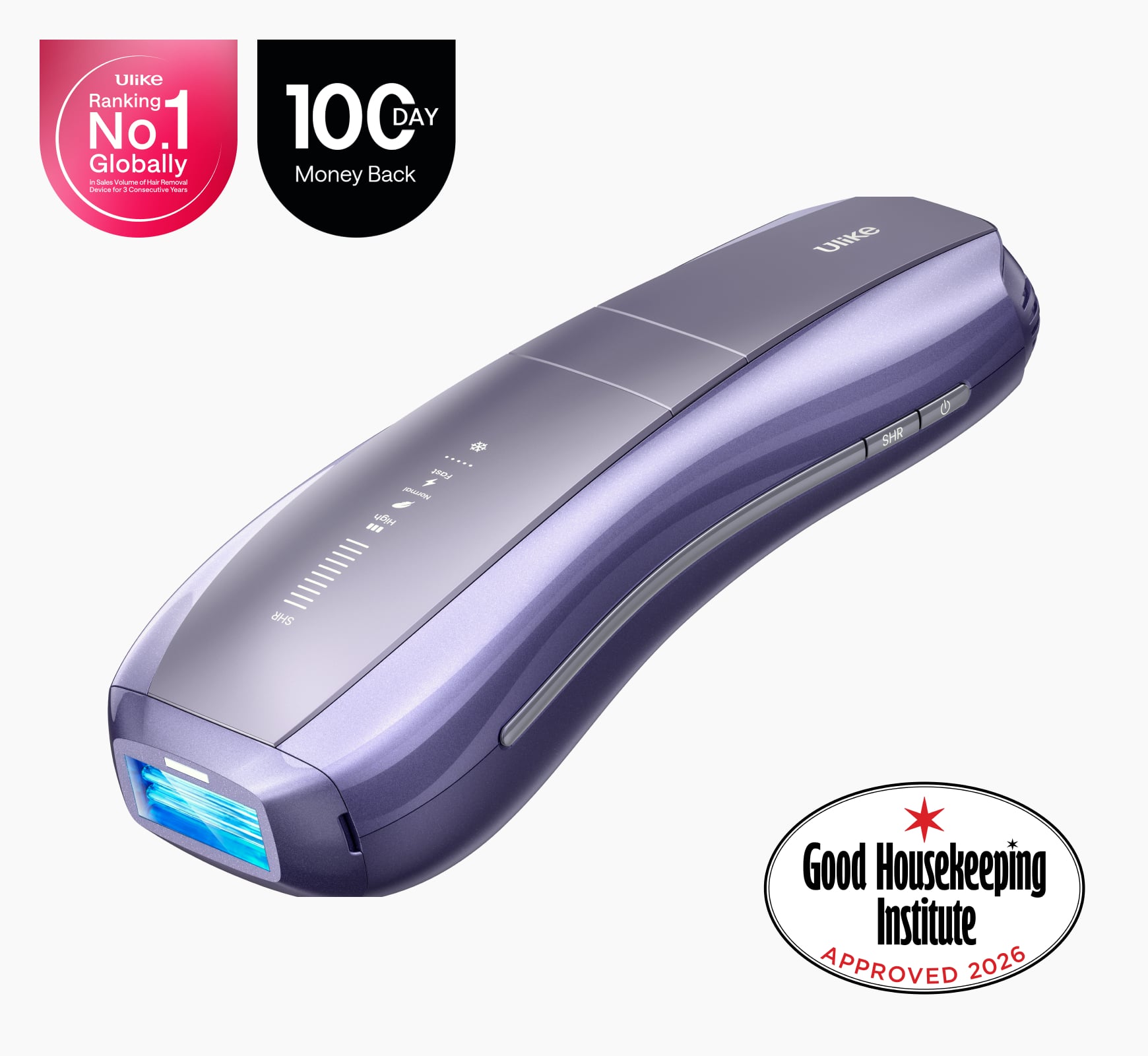
Ulike Air 10
2 weeks to silky smooth skin.
96% Hair Density Reduction in 2 Weeks
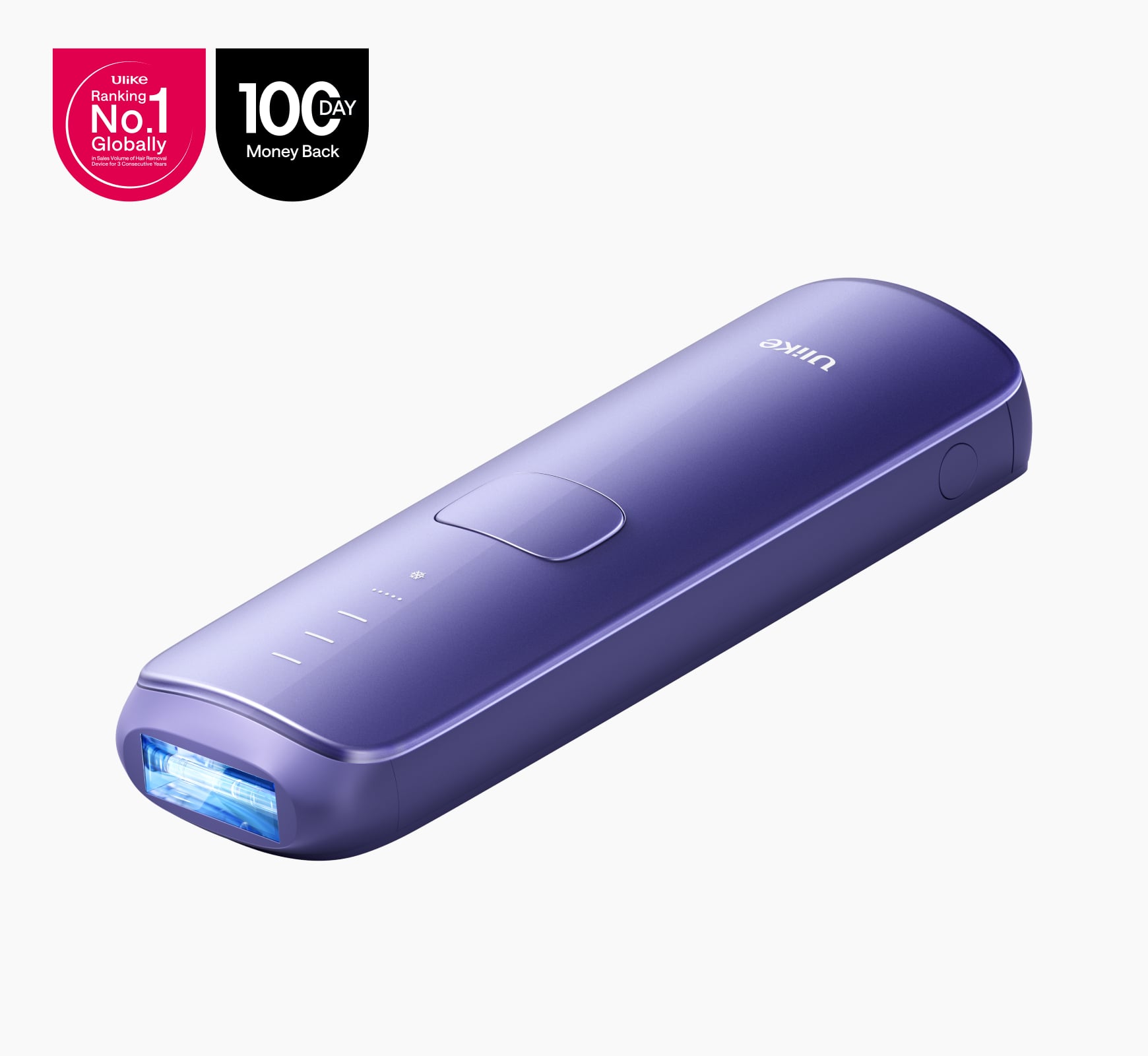
Ulike Air 3
3 weeks to silky smooth skin.
93% Hair Density Reduction in 4 Weeks
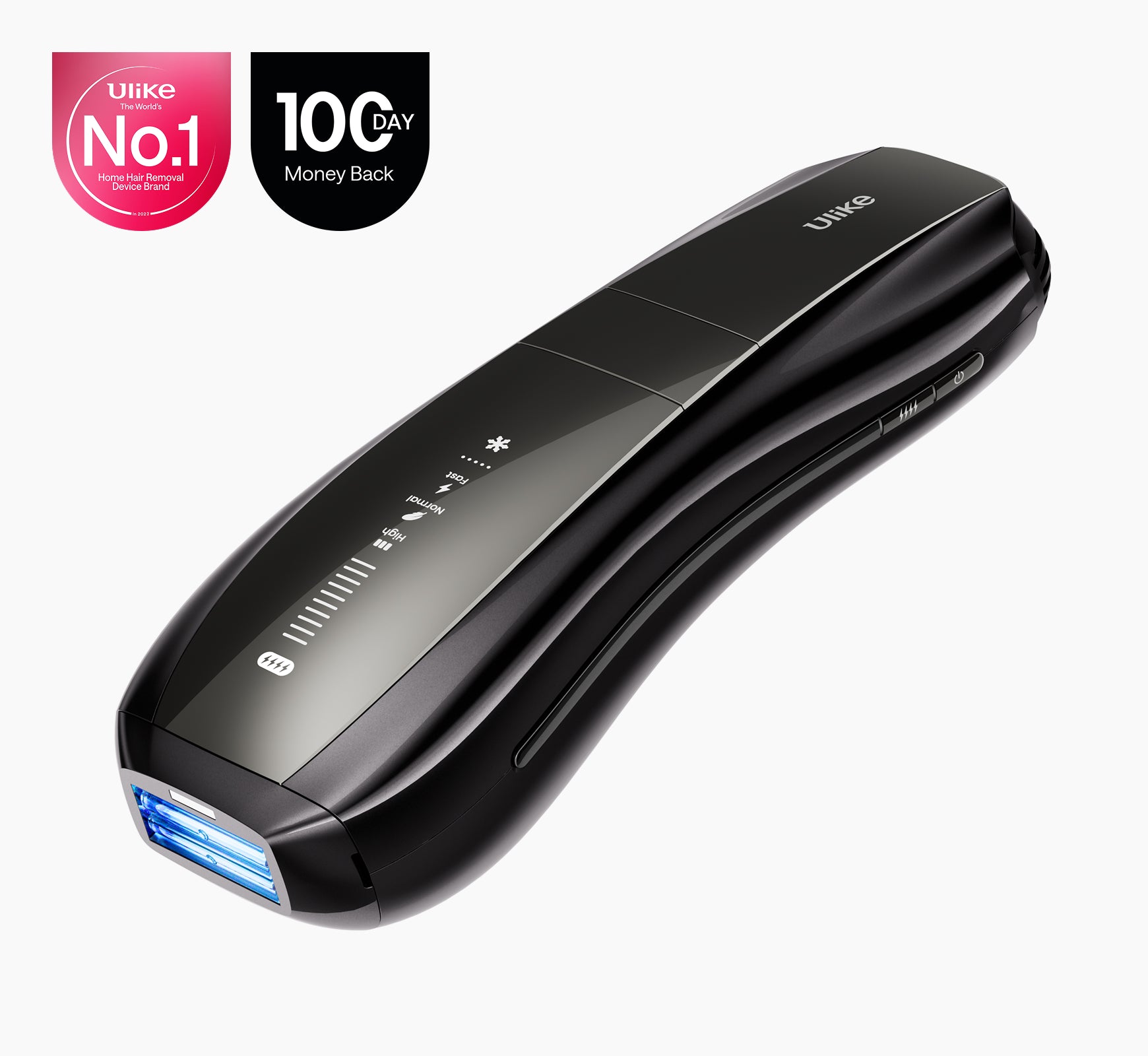
Ulike X
3 weeks to silky smooth skin.
94% hair reduction in just 2 weeks*
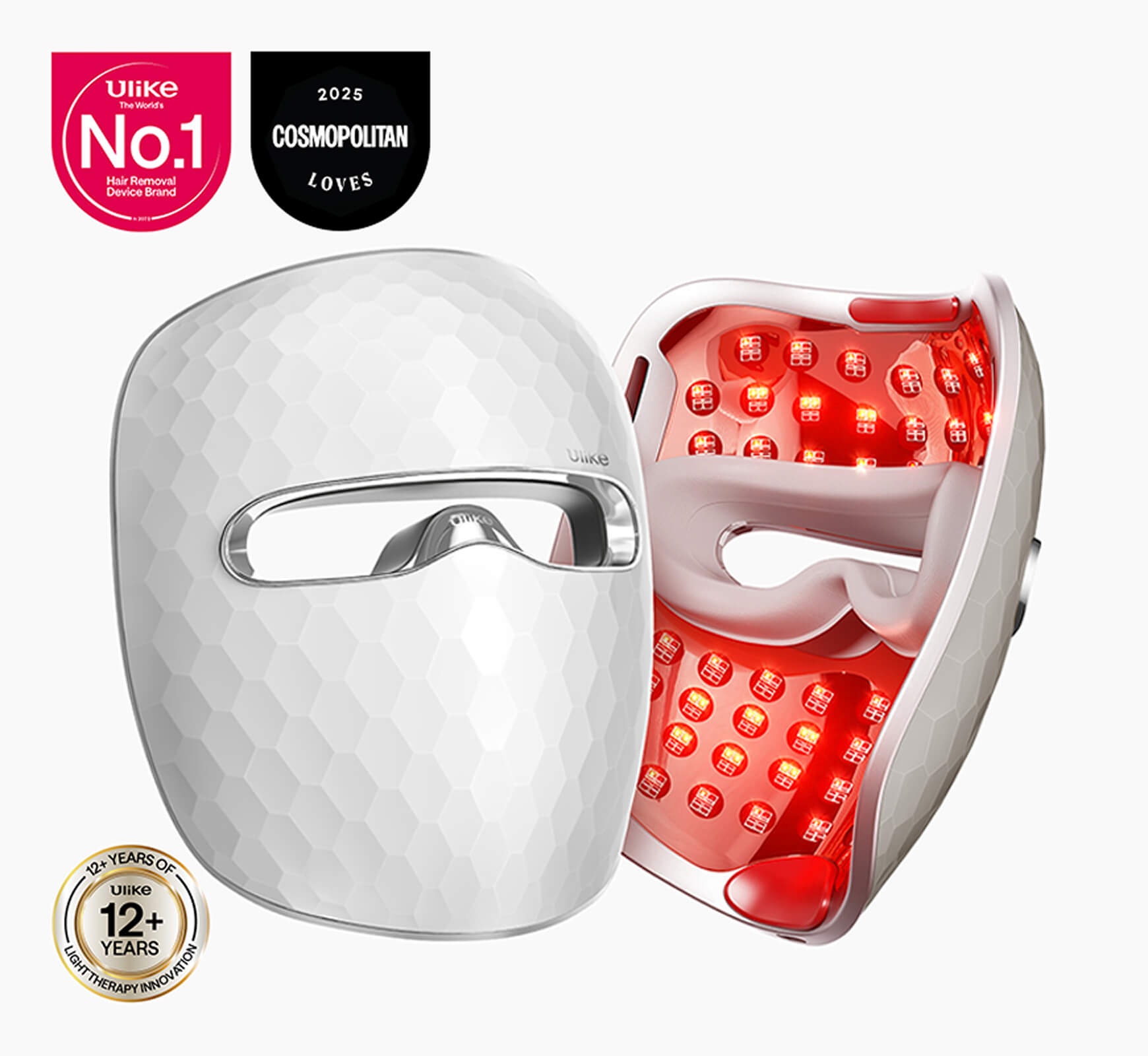
Ulike Reglow
Clearer skin in 2 weeks: Fewer breakouts
Smoother skin in 4 weeks: Fewer lines, firmer feel