



Waxing vs Shaving Before Your Wedding: The Honest Comparison

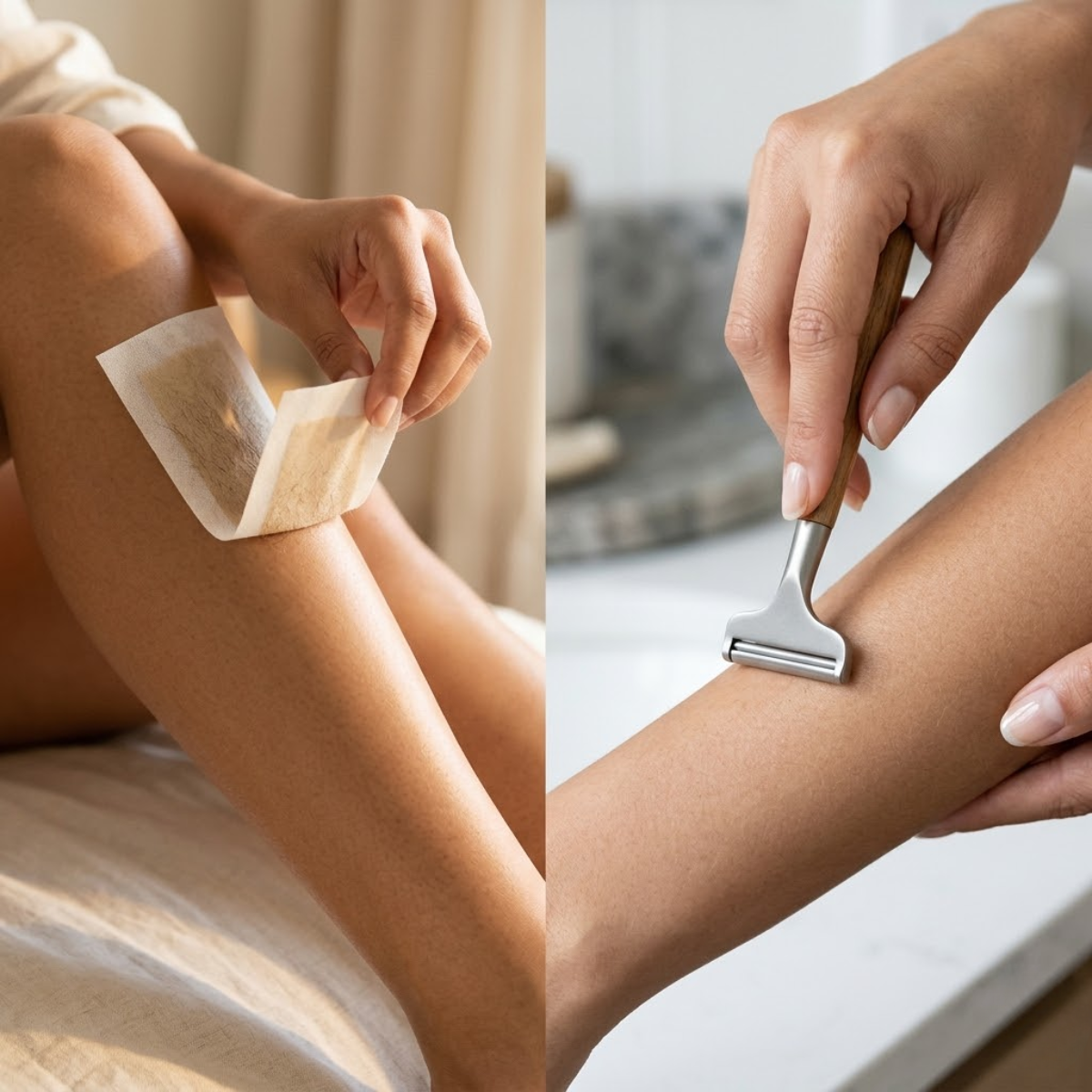
Waxing vs Shaving. Every bride I've spoken to over the years has had some version of this conversation, usually in the weeks before the wedding, usually while simultaneously managing a seating plan, a caterer, and a family member with strong opinions about the centrepieces. The hair removal question lands right in the middle of all of it, and somehow it never feels like a small one.
So here it is, without the drama: waxing and shaving are both fine options before a wedding. Neither is automatically better. What actually matters is which one works for your skin, your schedule, and how much runway you have before the day. I've covered enough bridal beauty to know that the brides who fare best aren't the ones who follow a strict protocol; they're the ones who know their skin and don't try anything new at the last minute.
This is the comparison I'd want a friend to give me. Honest, practical, and with no particular agenda.
Waxing vs Shaving: What's Actually Different?
How Long Results Last
In areas like legs, where the comparison between methods plays out most visibly, this tends to be the deciding factor for most people, and rightly so.
Waxing extracts hair from its roots, and therefore, the effects will last for three to six weeks. Shaving involves cutting hair off from the skin’s surface, and most people will notice that the hair regrows in less than two days.
On the wedding day itself, both can leave skin looking smooth. The gap becomes obvious in the days and weeks that follow. If your wedding runs straight into a honeymoon, or you just don't want to think about a razor for a fortnight, waxing has the longer window by some distance.
Comfort and the Bit People Don't Always Mention
Shaving is painless. The discomfort, when there is any, tends to come after a little razor burn, some irritation, or the odd ingrown hair. Waxing is uncomfortable in the moment; that's just the truth of it. In sensitive areas, it can be genuinely sharp, especially if you haven't done it in a while. I've sat in enough waxing rooms to know that reactions vary wildly from person to person. Some people barely flinch. Others find it unexpectedly intense.
These are not reasons for disqualifying the technique. However, it is best to be truthful with oneself regarding this, especially if one is already feeling energised by the planning process and lacking adequate sleep.
Which Skin Types Tend to Get on Better With Each
Shaving is normally a safer route to go since it does not involve any disruption on the surface of the skin like waxing would do. Nevertheless, using a dull blade or drying your skin beforehand will result in irritation just the same as an improper wax job.
Waxing works well for most skin types when it's timed correctly. The problem isn't usually the waxing itself; it's the timing.
Upkeep in the Run-Up
Should you shave, then you shave every second to third day, with even more frequent intervals as you get closer to the date. Should you go for the waxing treatment, then your schedule is once every fourth to sixth week, and nothing else.
What to Think About Before You Decide

Your Skin's Actual History
This is where the underrated advice comes into play; the skin is already telling you its thoughts. If you have waxed in the past and everything has gone well for you, then do so again now. However, if you’ve had redness, bumps that took a week to go away, or an entire reaction, then waxing near your wedding day is likely not something you need to put yourself through.
How Much Time You Actually Have
Two weeks or less before the wedding: shave. The risk of a waxing reaction with no time to recover simply isn't worth it, unless you have a long, consistent waxing history and your skin has never given you trouble with it.
Four to eight weeks out: waxing is a reasonable option. There's enough time to have a session, see how your skin settles, and adjust if needed.
More than eight weeks: plenty of time to establish a routine with either method or to think about whether now might be a good moment to start something more long-term.
The Irritation Question
Both methods carry a risk, and stress makes skin more reactive than usual. I've seen brides sail through a wax two weeks before the wedding with no issues, and I've seen others get a mild reaction from their usual shaving routine because their skin was just more sensitised than normal. Wedding planning does that.
The practical response: keep it simple. One method, consistent, with calm aftercare. This is not the moment for a new seven-step routine.
Hair Type and Longer-Term Thinking
Thicker or faster-growing hair tends to show regrowth sooner after shaving, making waxing the more practical long-term pick. Finer hair can do well with shaving; results sometimes last longer than you'd expect. If you're also thinking about the months and years after the wedding, consistent waxing does weaken the follicle over time, producing finer regrowth. Worth knowing.
The Honest Pros and Cons
|
Waxing |
Shaving |
Results last |
3–6 weeks |
1–3 days |
Smoothness |
Hair from the root — close, even finish; softer regrowth over time |
Cut at surface — can look smooth short-term; stubble returns quickly |
Timing needed |
4–6 weeks before the day minimum |
Can be done the night before |
Comfort |
Uncomfortable in the moment, especially first time |
Painless — irritation risk comes after, not during |
Irritation risk |
Redness or sensitivity if timed poorly |
Razor burn and ingrown hairs from poor technique or blunt blade |
Upkeep |
Every 4–6 weeks — minimal maintenance between |
Every 2–3 days — adds to the to-do list |
Honeymoon |
Smoothness holds for weeks — nothing to think about |
Regrowth within a day or two |
Waxing: What it Does Well and Where it Falls Short
What it does well:
- Results last three to six weeks; you're not thinking about it again for a good while
- Hair grows back finer and softer with regular use
- Removes hair from the root, so the finish is close and even
- Better for the honeymoon: no maintenance required for the first few weeks
- Professional options available for tricky areas
Where it falls short:
- Needs four to six weeks of lead time before the wedding, minimum
- Can cause temporary redness, sensitivity, or minor breakouts
- Requires a minimum hair length to grip, which means planning ahead
- Uncomfortable, particularly on sensitive areas and for first-timers
- Ingrown hairs are one of waxing's more frustrating side effects
- If something goes wrong close to the day, there's no quick fix.
Shaving: The Case For and Against
What it does well:
- Can be done the night before; no lead time needed
- Painless for most people
- No minimum hair length, no booking required
- Low cost, simple to repeat
- You already know how your skin responds
Where it falls short:
- Regrowth appears quickly, within one to three days for most people
- Razor burn, ingrown hairs, and nicks are real risks with poor technique
- Stubble can catch light in photos, particularly on legs
- Sensitive areas need a careful hand
- Regular upkeep throughout the run-up adds to an already full to-do list
Neither is Perfect and That's Fine
I have written enough about beauty to know that I do not believe that there is always an absolute answer to such questions. It is those brides who are rushed and waxed too late or shave their legs with a dull razor on the morning of their wedding day who find themselves spending the day with irritated legs.
Both outcomes are avoidable. Neither had anything to do with which method they chose.
A well-timed shave the night before can produce beautifully smooth skin. So, can a wax be done four weeks later? The execution and timing matter far more than the method itself.

The Mistakes I Actually See
Waxing Too Close to the Day
This is the big one. Skin can stay sensitive, pink, or mildly reactive for 24 to 48 hours after a wax, sometimes longer. With four to six weeks' lead time, you have a buffer. With ten days, you have none. I've spoken to brides who waxed the week before and were absolutely fine. I've spoken to others who weren't. The difference was mostly down to how reactive their skin already was, and under wedding stress, that baseline shifts. Don't test it.
Shaving Habits That Invite Irritation
The dull razor, dry skin, and shaving against the grain top the list of the worst methods for an irritating shaving experience. Employ a good razor that’s well-sharpened. Utilise a lubricating shaving foam or oil; avoid soap and dry shaving. Shave with the direction of the hair growth. Rinse using cold water. Moisturise using an unscented moisturiser. The process is simple since it’s true, but ignoring a single step results in the problem.
Trying Something New With no Trial Run
Your wedding week is not the time to experiment. Not with a new wax studio, a new razor brand, or that exfoliating product someone recommended in a Facebook group. Test everything at least four to six weeks out, so you know exactly what your skin does before it actually matters.
Doing Too Much at Once
Gentle exfoliation a day before hair removal helps. Overdoing it, or following up with a new lotion and a fragranced body oil, does not. Keep the routine simple. Fewer products, calmer skin.
This section covers the most common mistakes. For a fuller breakdown, the complete guide is here.
Keeping Skin Calm in the Run-up
The Basics, Done Consistently
Daily moisturising. Gentle exfoliation two or three times a week. A fragrance-free body lotion after any hair removal. Nothing revolutionary but done consistently, these things make a real difference to skin texture and keep ingrown hairs at bay. Simple beats ambitious every time in this window.
Don't Change What's Working
If your skin is doing fine on your current routine, leave it alone. The run-up to a wedding is one of the worst times to introduce something new stress already makes skin more unpredictable than usual. If it's not broken, genuinely don't fix it.
A Longer-term Option Worth Knowing About
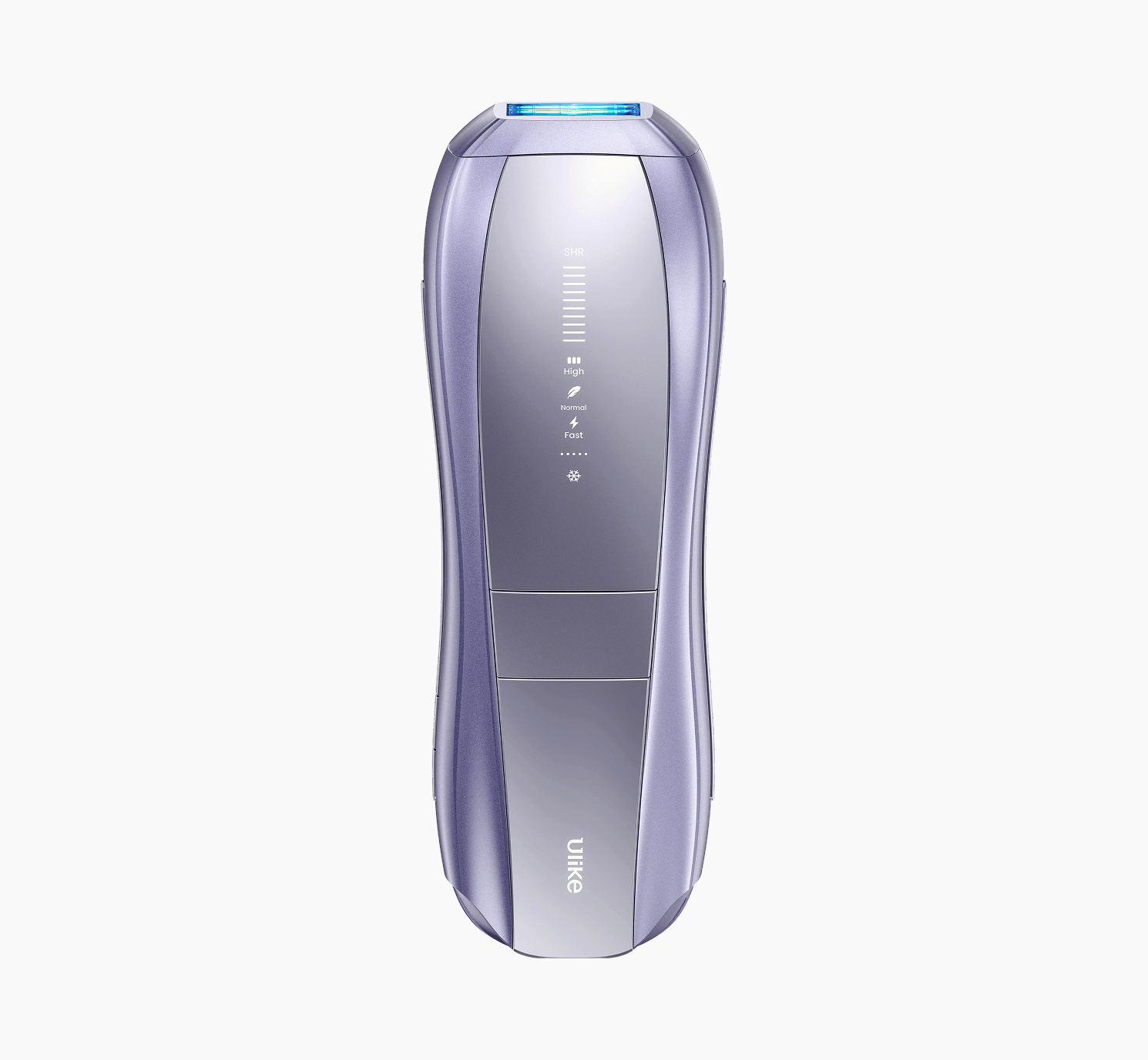
For anyone who finds the ongoing cycle of waxing appointments or regular shaving genuinely stressful to maintain, at-home IPL is worth knowing about not as a quick fix before the wedding, but as a longer-term investment. Used consistently over several months, IPL gradually reduces hair density, which means less maintenance overall. Ulike's at-home devices are designed for regular use on a home schedule, and for brides who are still in the earlier stages of planning, building an IPL routine now can meaningfully reduce the effort in the months leading up to and after the wedding.
Results build over time rather than overnight, but if hair removal is something you find genuinely time-consuming or stressful, it's a more sustainable approach long-term than either waxing or shaving alone.
→ How IPL works: a beginner's guide
→ How many IPL sessions do I need?
Not sure if IPL is right for your skin? The quiz takes two minutes.

Your Questions, Answered
Is waxing or shaving better before a wedding?
Honestly, it depends on your skin and your timeline. Waxing gives longer-lasting results but needs four to six weeks' lead time. Shaving is lower-risk and can be done the night before, but regrowth comes back faster. A lot of brides do both waxing in the weeks leading up, then shaving any areas that need a quick tidy the night before. That's not a cop-out; it's actually what tends to work.
Can I shave the night before my wedding?
Yes, but cautiously. Employ a sterile and sharp razor, along with a lubricated shaving cream or oil. Allow the skin to rest for the night before putting on any body makeup or bronzer. Never shave without a lubricant, and finish off with a mild and unscented moisturiser.
How long before the wedding should I get waxed?
Four to six weeks is the widely recommended window. That gives any redness or sensitivity time to settle and leaves room to address it calmly if something doesn't go as expected. Avoid waxing within two weeks of the day unless you have a well-established routine and your skin has never given you trouble with it.
Which is better for sensitive skin?
Shaving appears to be the safer method for skin care in general. Unlike waxing, shaving does not stretch out the skin. However, there are still some precautions that need to be made when it comes to shaving, and those precautions have everything to do with how you shave. Shaving with a dull razor can actually irritate skin just as much as waxing it.
Does waxing actually give smoother results than shaving?
Well, generally speaking, yes, since hair is removed from its roots, it ensures longer-lasting smoother skin. After all, shaving takes away only the tip, which implies that hair will grow back in a matter of days. Of course, there are differences depending on different skin regions, but on parts such as the legs, shaving might be quite similar.
So, Waxing vs Shaving?
This question does not have a universal right answer, and I am saying this not to avoid answering it but because it is truly the case. Both approaches are effective. Both approaches have their flaws. The approach that will work for you is the approach that will match your skin type, will fit into your schedule, and, most importantly, will not add to your existing pressure.
Waxing should be the go-to route if that is usually the way you prefer to remove hair, give yourself some lead time to plan the appointment, and do it like you normally would. On the other hand, if it is coming down to the last few days before the event and you need an easy solution, the day before the wedding is enough time to shave the area properly with a razor. Finally, if you are early on in your preparations and are looking to solve the problem long-term, you may want to consider the use of an at-home IPL system such as the Ulike.
Whatever you choose: practise it, time it right, and don't experiment in the final week. You know your skin better than any article does.
Related Readings


How to Clean an IPL Hair Removal Device Safely

Can You Use IPL on Arms? Will It Work on Your Hair?

When Does IPL Hair Start Shedding? Signs It’s Working
Explore Beauty
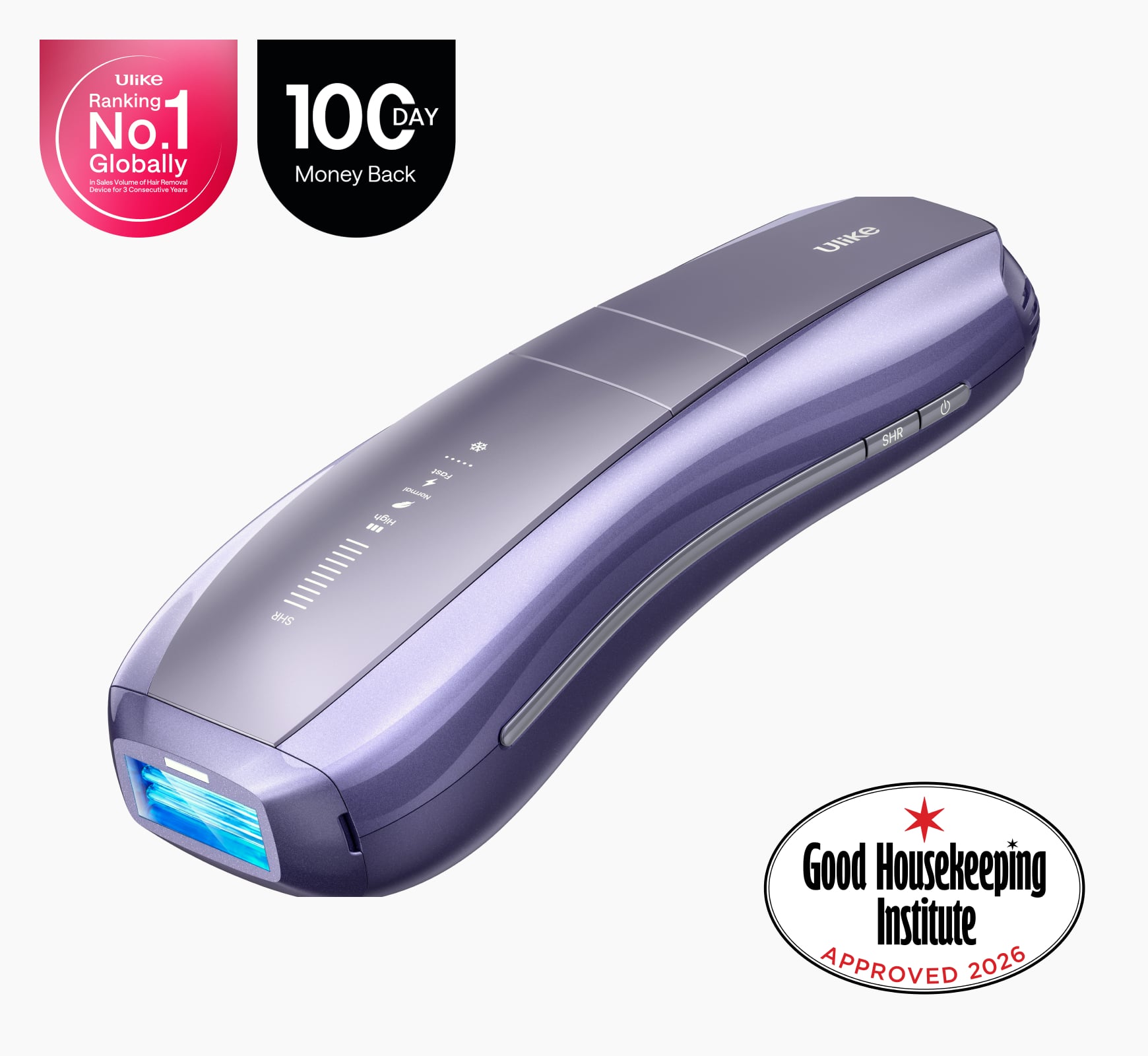
Ulike Air 10
2 weeks to silky smooth skin.
96% Hair Density Reduction in 2 Weeks
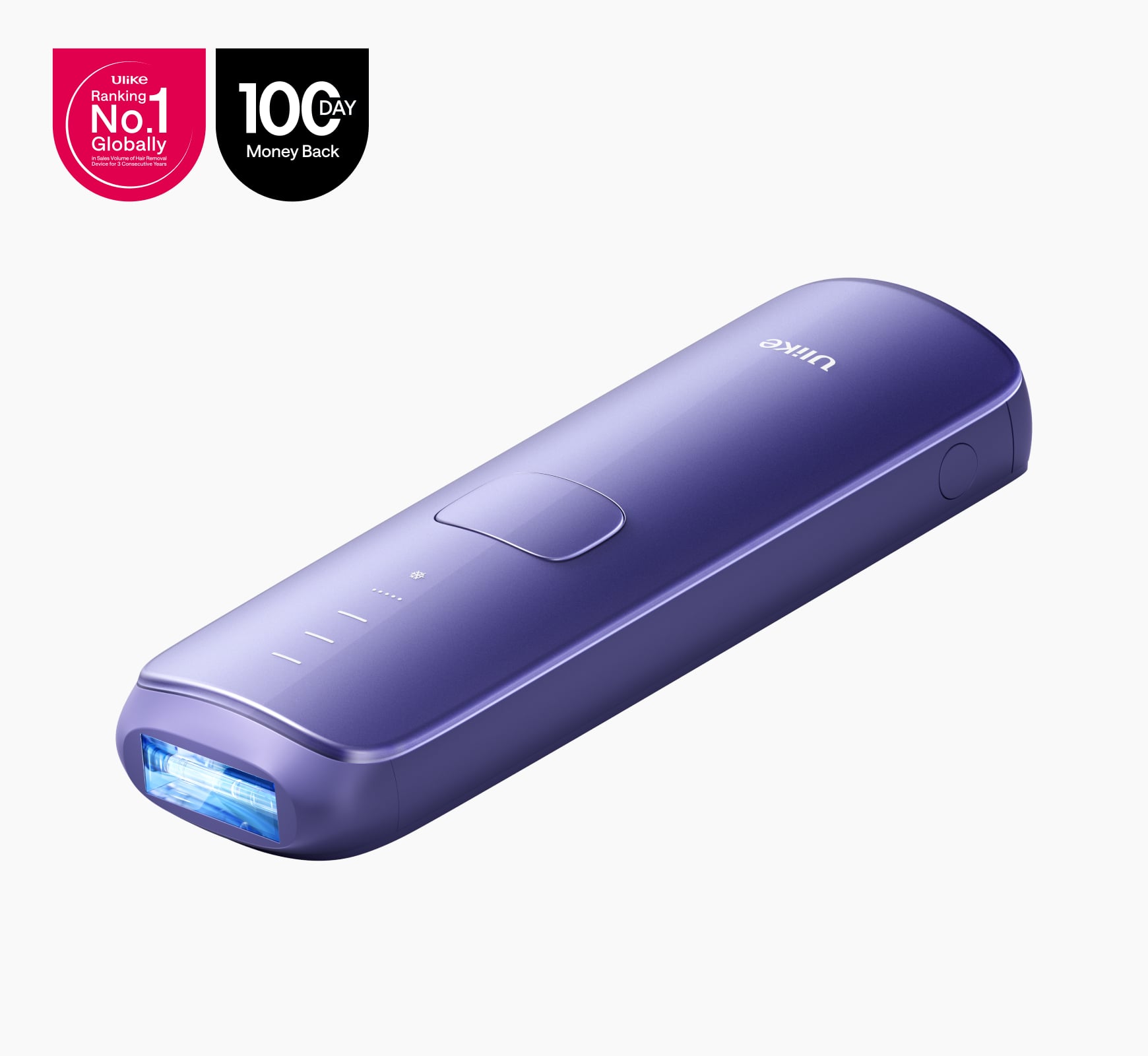
Ulike Air 3
3 weeks to silky smooth skin.
93% Hair Density Reduction in 4 Weeks
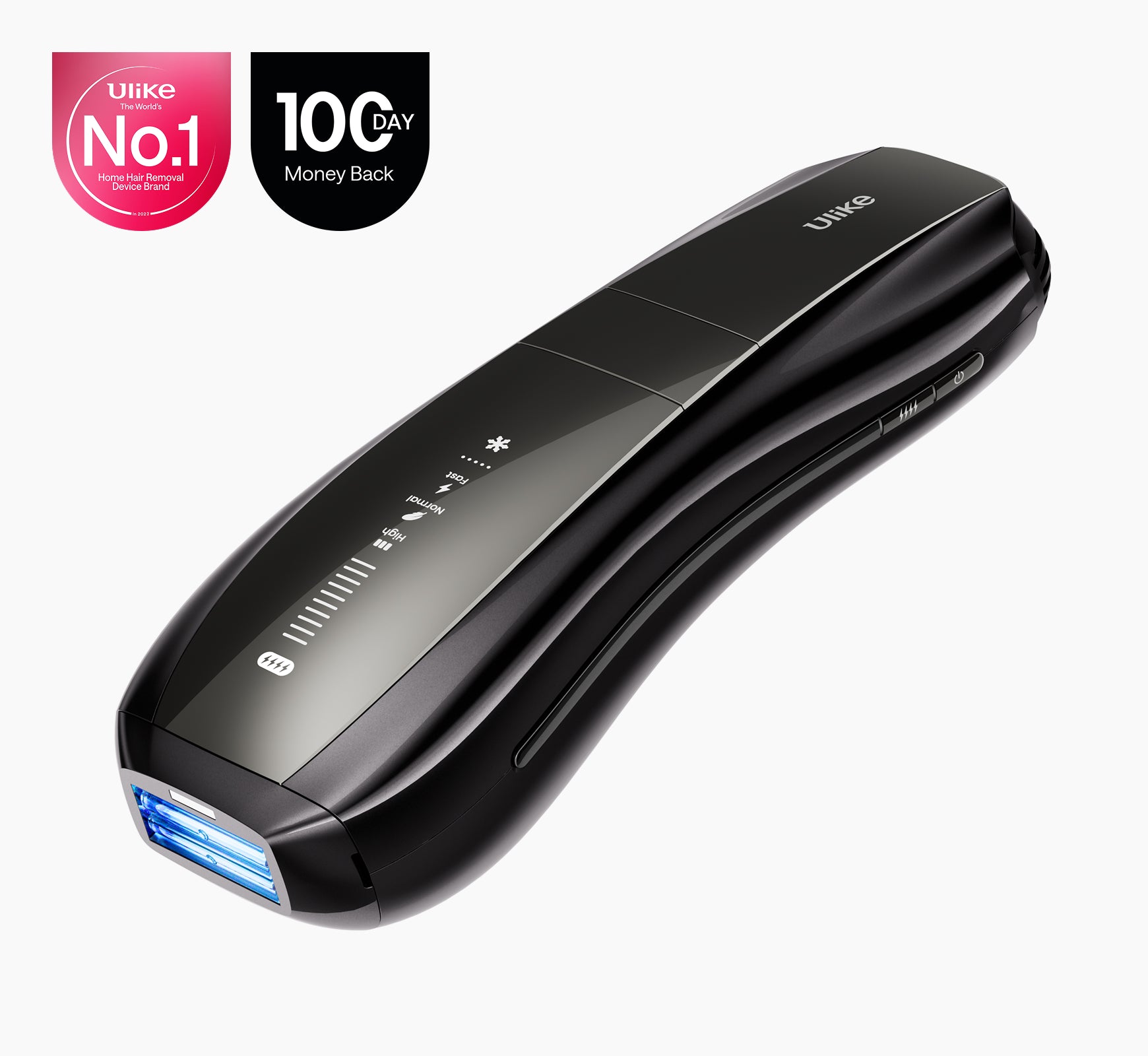
Ulike X
3 weeks to silky smooth skin.
94% hair reduction in just 2 weeks*
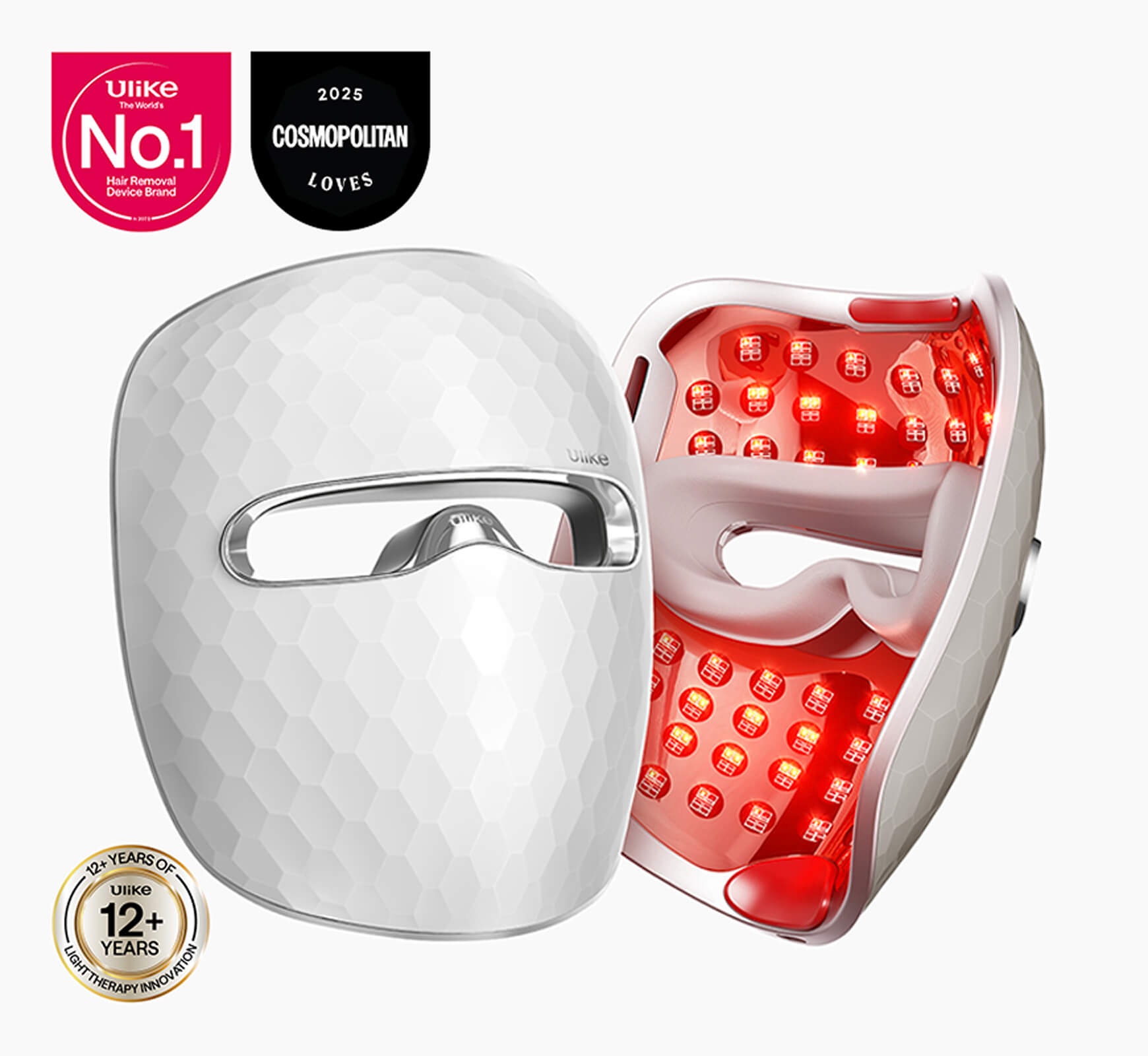
Ulike Reglow
Clearer skin in 2 weeks: Fewer breakouts
Smoother skin in 4 weeks: Fewer lines, firmer feel