




Hair Removal Before a Wedding: A Realistic Timeline for Smooth, Photo-Ready Skin

Wedding preparation is the process that makes you think of everything as something important. You will need to organize dress fittings, seating plans, flowers, catering, and between all that stuff you will eventually wonder about your skin. Which part of it will stay visible for thirty years from now in the pictures?
Hair removal before a wedding is a thing that most people postpone due to the fact that they consider this action easy. It is pretty simple; however, choosing a method and timing will significantly affect the appearance of your skin on your big day. Starting too late means that you will have to deal with redness and irritations on the morning of your wedding ceremony. Starting early makes these problems a non-issue.
This timeline is not a to-do list that is going to send you into a frenzy. It is simply a step-by-step guideline for removing hair and what is involved in the process so that you are completely knowledgeable, no matter if your wedding takes place in six weeks or six months.
Why Hair Removal Needs More Time Than You Might Think

How hair growth cycles affect results
Nevertheless, not all hairs grow and develop equally fast. Hairs located on the body at one moment can have different stages of growth. Some hairs may experience active development, whereas other hairs remain dormant.
This is vital to know about when discussing hair removal methods such as IPL and laser treatments. This type of procedure works solely with actively developing hairs, meaning that only currently developing hairs are affected by this method. The follicles that will start their development only after two weeks will be beyond the scope of the current method. There are no problems from a technical viewpoint because this is how the hair growth cycle works.
Unlike IPL and laser procedures, waxing does not depend on hair cycles; however, it can only affect hair that is long enough to be plucked. This makes waxing a procedure that helps to regulate hair cycles gradually.
Why leaving it to the last minute causes more stress
The most common mistake usually made is the approach taken towards removing the hair from being last minute to becoming a process. This means that while preparing for their wedding, they get themselves scheduled for a waxing appointment the week prior to their event only to find out that their skin becomes sensitive for 48 hours following the procedure.
Starting early takes all of that pressure away. It gives your skin time to recover between treatments, time to show you how it responds to different approaches, and time to adjust if something is not working. The brides who feel most at ease about their skin on the day are almost always the ones who began thinking about this six months before, not six days.
A Month-by-Month Hair Removal Timeline Before Your Wedding
Assuming that you have six months left until the special occasion and are planning to use IPL or a professional laser, then this is where you should start. If you have a shorter period, then simply move down the list to the point where you find yourself.
6 months before The ideal time to start IPL or laser
Here is where you have the most freedom. Whether you’re looking to get started on using an IPL device at home or begin a series of laser sessions, this is your opportunity to do so. The typical number of sessions required for achieving any notable effect in terms of regrowth is between six and eight sessions, which occur a few weeks apart due to the different growth cycles of hair. By starting your regimen at this point, you ensure you've completed the majority of it well in advance of those last few days, thereby giving your skin enough time to settle down nicely. Now is the ideal time to patch test if you plan on starting IPL.
3 months before Assess progress and adjust your routine
If you have chosen to undergo IPL or laser therapy, you will certainly understand that the hair growth process will become much faster and more profuse compared to what happened before. The explanation is that you have been unable to achieve this until now. It’s high time for you to find out what methods work best for you and move further accordingly. Make sure you book an appointment for waxing within the coming weeks. In any case, it’s reasonable to pay attention to your skin by using moisturizers and lotions on it. Your skin moisturising will result in its photography under the bright light.
4 to 6 weeks before Your last waxing appointment
In case waxing is among your pre-wedding preparations, then your final waxing session will be done within this period. Since waxing involves pulling hair from the roots, there is a period required for the follicles to heal.
Getting your final waxing four to six weeks before your wedding ceremony ensures that all the reddening and irritation resulting from the procedure are well healed. Avoid getting waxing services from a new salon or trying out different types of waxing during this period. If you were using IPLs, this period offers you a chance to stop the treatment.
1 week before Low-risk options only
Now is definitely not the time to play around. No hair removal treatments such as waxing, threading, laser, or IPL are to be done at this point. Nothing should be applied to the skin from which any treatment has been conducted within a period of just a couple of days. The skin has been successfully balanced by now and all you need to do is to take care of it without complicating things unnecessarily. Shaving would be the ideal choice to get rid of unwanted hair.
The day before Shaving safely and prepping skin
If you choose to shave on the day before or on the actual day that you plan to get married, you must make sure to shave using a brand-new razor and some good shaving cream. This is the reason why people tend to get their skin irritated after shaving, especially when they have used an old razor to shave off their facial hair without putting any moisture on their skin. Once you have shaved, rinse your skin with cold water, and apply some fragrance-free lotion to it.
Comparing Hair Removal Methods for Brides
Professional laser hair removal: Effective but requires planning
The professional laser employs a concentrated light beam to penetrate into the pigments within the hair follicles in order to reduce hair regrowth through multiple treatments. Professional lasers are superior to home-use lasers and are adjusted according to your skin colour and hair type by a qualified operator, which makes all the difference in terms of both pain and effectiveness.
If you wish to have your wedding ready, professional laser would be an effective option provided you initiate the process early enough. Usually, six to eight laser treatments would be required in intervals of four to six weeks, making it necessary to start with a minimum of six months prior to the wedding day. The professional laser would be most effective on darker hair with light skin, although advanced lasers are able to tackle other types of hair too.
At-home IPL: A flexible option that fits around a busy schedule
IPL stands for intense pulsed light therapy and uses light from a wider spectrum than lasers but still follows a similar procedure. IPL devices are made for regular use without any special training required, and they perfectly complement the daily regime that weddings demand by providing treatment during convenient times – just a few minutes, 2-3 times a week.
The results will be accumulating slowly with each session, but it is for this very reason that an early start will pay off for you. It normally takes 6-8 sessions over several months for most individuals to achieve visible results in terms of reduced hair growth. Using IPL treatment in addition to shaving makes it even more affordable.
It is absolutely critical that one undergoes a patch test before undergoing IPL treatments, irrespective of whether your machine has a skin sensor. This must be done for each area of your body where you plan on using the IPL system, and the test should remain there for at least 24-48 hours. This is particularly important for people with dark skin, pregnant women, those on photosensitive medications, and anyone suffering from a skin condition.
Waxing: A reliable choice when timed carefully
This process involves the removal of hair from the root level. It is readily available, easily applied to various parts of the body, and results can be predicted when one knows his/her skin's reaction to it.
Timing is very important with regard to waxing. This process causes one's skin to become red and sensitive for up to 24 or 48 hours after the procedure. Skin becomes highly sensitive after waxing; therefore, one should ensure that his/her last visit for waxing is well timed. One needs to schedule the last waxing appointment four to six weeks before the big day. This will give him/her time to handle any re-growth by simply shaving.
Those who have never had their skin waxed need to schedule waxing several months before their weddings. Some people have found out that their skin becomes hypersensitive the first time it is waxed.
Shaving: Low-risk but short-lived, best used as a top-up
Shaving is the lowest-risk option in the final few days before the wedding. It does not irritate the follicle in the way waxing does, and the results are immediate. The obvious trade-off is that regrowth appears within one to three days, depending on the individual.
Shaving is mainly used as a maintenance procedure in the last few days, particularly if you have any areas that have not been included in your overall plan for hair removal. All that is needed for a good shave is a new razor, shaving cream or gel, and moisturiser straight away after.
What to Avoid in the Week Before Your Wedding
There's no way to introduce a new treatment or product a week before your wedding day. Sometimes even products that were well-tolerated by your skin under normal circumstances could turn out unpredictable due to changes caused by stress, change in daily routine, and weather conditions. This is a list of things to avoid using:
- Body waxing and threading. Side effects might last up to 48 hours.
- IPL or laser treatments. There's absolutely no need to introduce a new problem for yourself to cope with a week before the big day.
- Chemical peels with glycolic acid or strong salicylic acid products applied on newly exposed areas of skin.
- Using self-tan right after shaving or waxing your skin as penetration will be irregular causing streaks.
- Anything you never used on your face or body. No new lotions, creams, masks, or serums – just skip those.
- Long baths with hot water shortly after shaving. It will make your pores open up leading to increased risk of irritation.
In case you are unsure about introducing any product into your skin care regimen now – simply don't do that.
Skin Care and Aftercare: Keeping Results Looking Their Best

Moisturising and exfoliation dos and don'ts
Moisturised skin always photos more beautiful than the dry one. It is a quite easy-to-understand concept as it is all about how the skin texture acts when lit well. Making yourself form a habit to moisturise skin regularly from the very first days of the hair removal procedure is essential because your skin will look much better during the whole period, not only on the day of the wedding.
It is necessary to make sure that your skin surface is even through regular exfoliations. Once or twice per week, you should take a body scrub – it is enough for almost everyone. But the main thing about using a scrub is that it should be gentle because rubbing sensitive skin after waxing and/or light procedures can make the situation only worse.
In the last week, do not exfoliate anymore but change your moisturiser to fragrance free and without any active elements.
Sun protection before and after treatments
UV light causes an increase in skin sensitivity after IPL and waxing, greatly increasing the chances of experiencing post-procedure pigmentation, especially in darker skin. It goes without saying that if you have any light procedures scheduled, using sunscreen becomes essential. You should use at least SPF 30 daily on the affected skin area.
Skin sensitivity to UV after waxing and IPL lasts for two days after the procedure; thus, it is crucial to protect the treated skin from sunlight during this period. This precaution holds true anywhere in the UK all year round since even overcast weather allows some amount of UV light to reach the earth's surface.
In case of any outdoor activities planned before the wedding ceremony (such as a hen night or engagement), schedule your appointments accordingly so as to avoid starting a new treatment course immediately after sunbathing.
FAQ: Your Wedding Hair Removal Questions Answered
When should I start hair removal before my wedding?
In an ideal situation, six months prior to the wedding date, especially if you want to go with IPL treatment or laser, both of which require a number of sessions to be performed one after the other. In case you are short on time, waxing can be opted for six to eight weeks prior to the event, while shaving would work well at the very end.
Can I use an IPL device close to my wedding date?
It is generally advisable to stop IPL sessions at least four weeks before your wedding. This gives your skin time to recover from any temporary redness or sensitivity and allows you to see how it has responded before the day. Starting at least six months in advance gives you the best results with the least risk of timing issues.
Is waxing better than laser before a wedding?
Neither can be said to be absolutely superior, as it all comes down to time and how your body reacts. With lasers and IPL, you get better lasting effects in terms of hair growth inhibition, but you have to wait months to see any visible changes. Waxing gets rid of hair fast and is a surefire way to go, but only if you do it a few weeks before the big day.
What is the safest hair removal option for sensitive skin?
Shaving has the least likelihood of resulting in an allergy, but it cannot have lasting effects. Similarly, IPL can be used effectively on sensitive skin if the right settings are set after carrying out a patch test. Nevertheless, waxing may irritate sensitive skin for the next 24 to 48 hours. No matter what method of removing hair one opts to use, it should be done well in advance before getting married.
How many IPL sessions do I need before a wedding?
It will depend on the colour of your hair, your skin tone, and where you want to remove the hair, but most people would notice a great difference after six or eight sessions. In preparation for a wedding, it is best to begin six months prior to the date. It is always better to follow the directions on your device’s packaging.
What should I avoid doing to my skin in the week before the wedding?
For a week before, it is important to stay away from waxing, threading, IPL, lasers, and any chemicals that may irritate and disrupt natural processes of healing. Also, avoid self-tanning products for the same reasons. If you still have to shave in the few last days before your wedding day, use clean shaving cream and a sharp razor. No new products until your wedding day.
There are many details when it comes to preparing for your wedding day. Having an easy plan that can work realistically relieves you of additional stress. The procedure itself is easy and straightforward, what makes it a source of worry for most brides is lack of time to let skin heal, but by following this timeline, this problem can be avoided easily.
If you have six months left, you can try any of the listed methods. If you have less, waxing and shaving can also do wonders. The main idea here is not to panic and rush in the last minute.
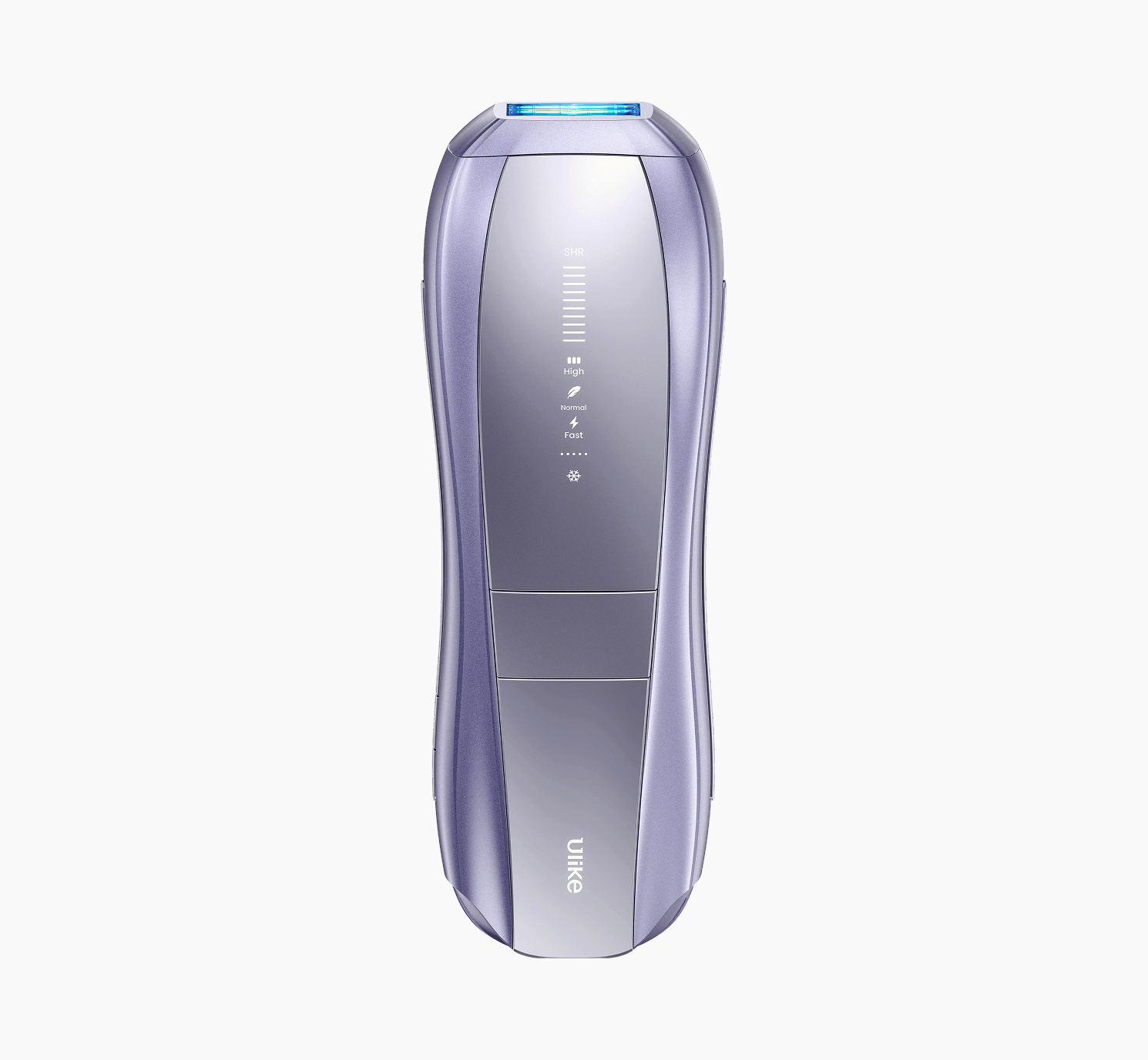
Considering at-home IPL as part of your bridal prep, the Ulike Air 10 is built for exactly this kind of planned, consistent use. It is comfortable enough for sensitive skin, fast enough to treat both legs in around ten minutes, and flexible enough to fit around everything else wedding planning involves. Learn more at uk.ulike.com.
Prior to using IPL treatments, always conduct a patch test first. Those suffering from a skin disorder, taking photosensitive medication, or pregnant should consult their healthcare practitioner before using IPL hair removal device.

How to Clean an IPL Hair Removal Device Safely

Can You Use IPL on Arms? Will It Work on Your Hair?

When Does IPL Hair Start Shedding? Signs It’s Working
Explore Beauty
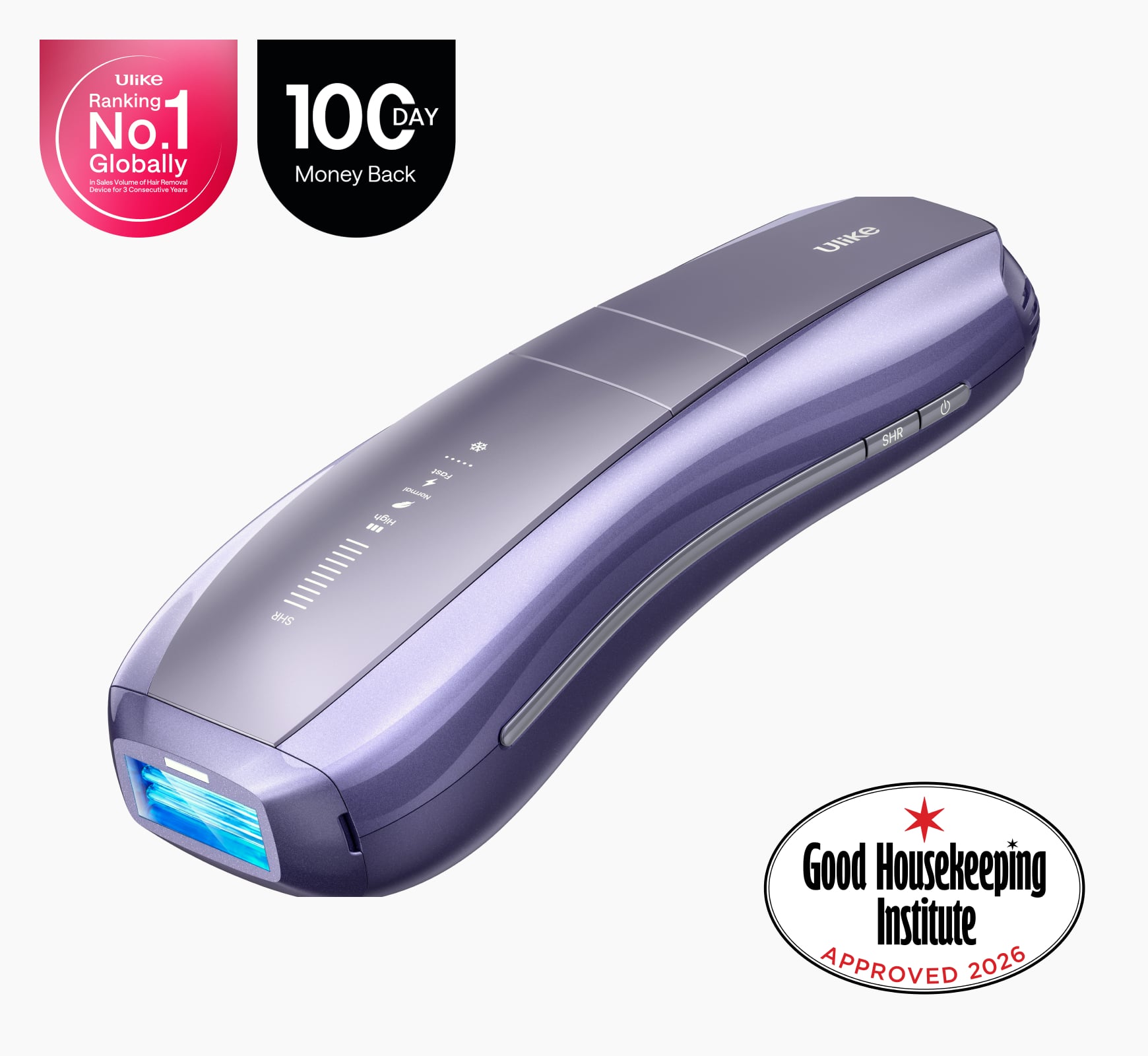
Ulike Air 10
2 weeks to silky smooth skin.
96% Hair Density Reduction in 2 Weeks
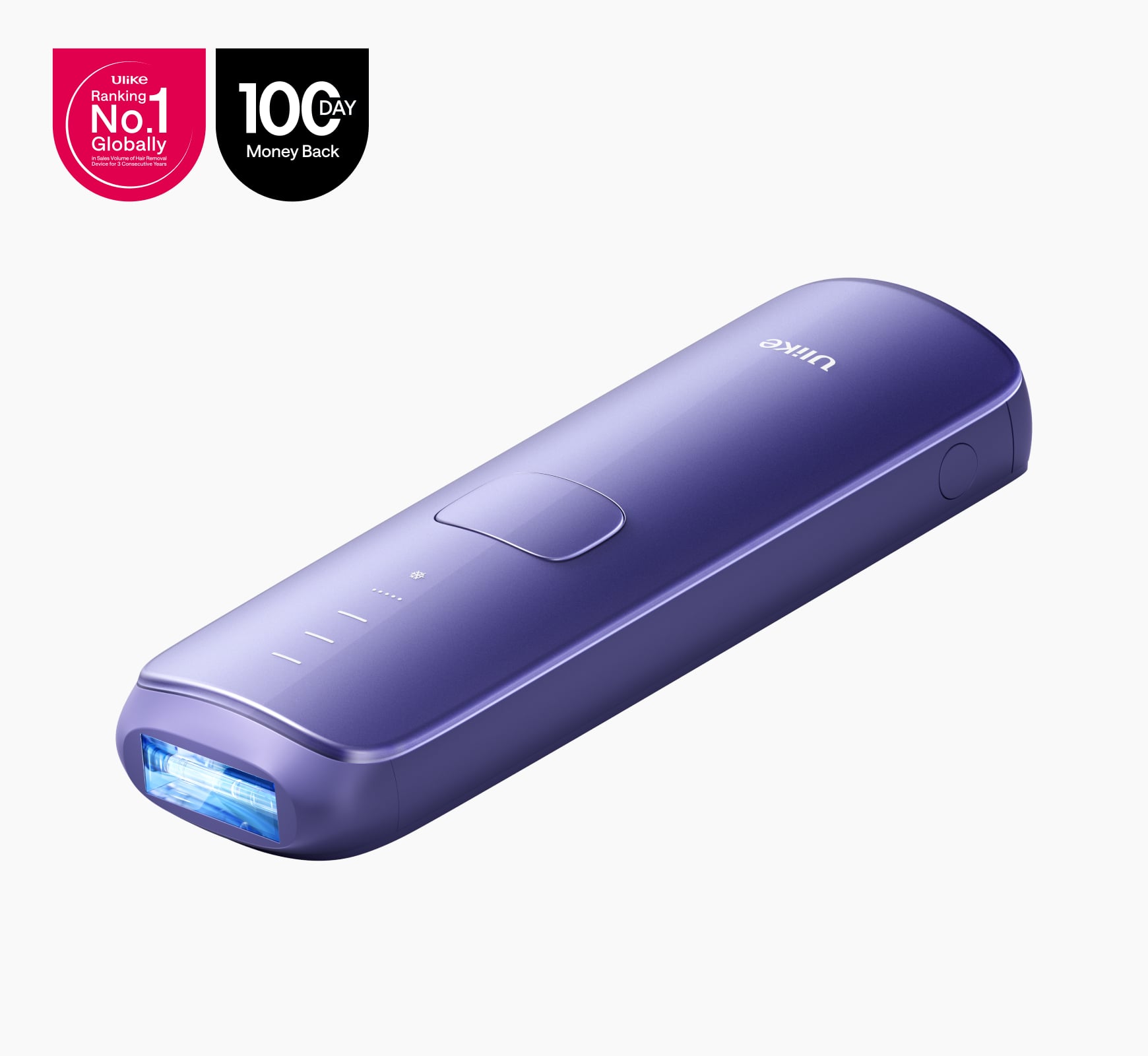
Ulike Air 3
3 weeks to silky smooth skin.
93% Hair Density Reduction in 4 Weeks
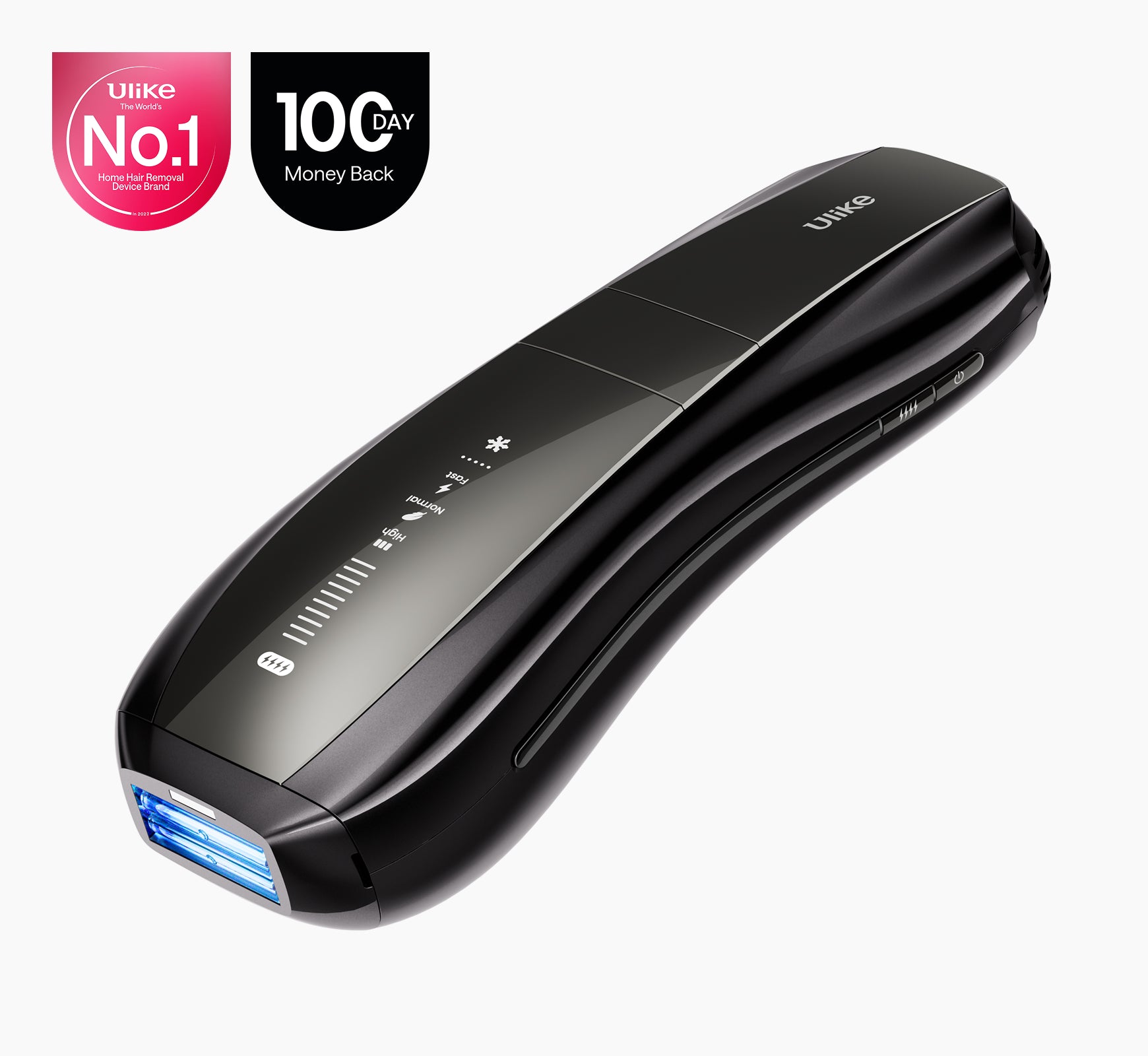
Ulike X
3 weeks to silky smooth skin.
94% hair reduction in just 2 weeks*
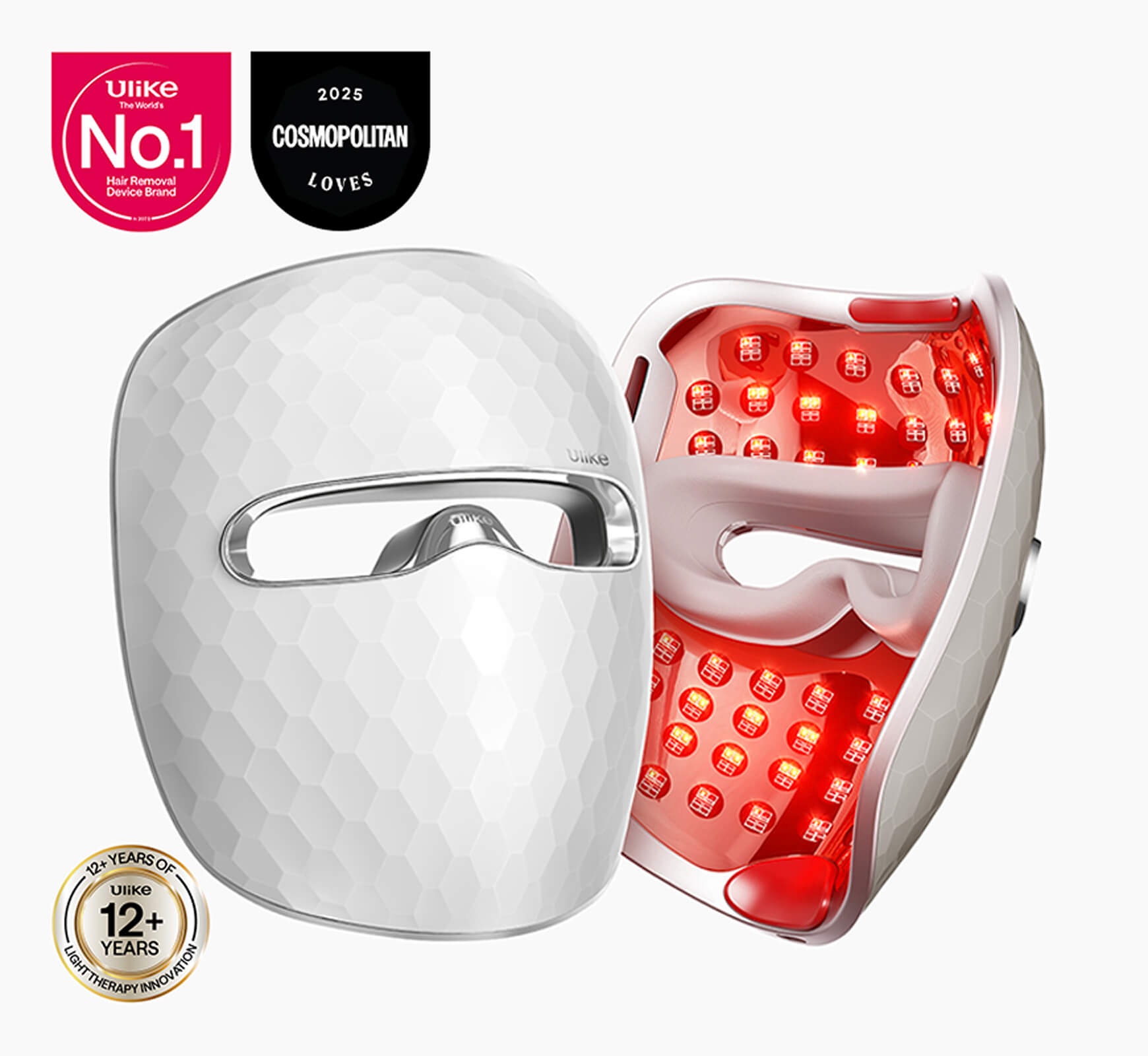
Ulike Reglow
Clearer skin in 2 weeks: Fewer breakouts
Smoother skin in 4 weeks: Fewer lines, firmer feel