



IPL Hair Removal Benefits for Skin: Ingrown Hairs & Irritation

IPL Hair Removal Benefits for Skin: What Actually Changes and Why
Most people first hear about IPL hair removal because it reduces unwanted hair. That tends to be the headline benefit. What often gets less attention is how changing your hair removal method can affect the skin itself.
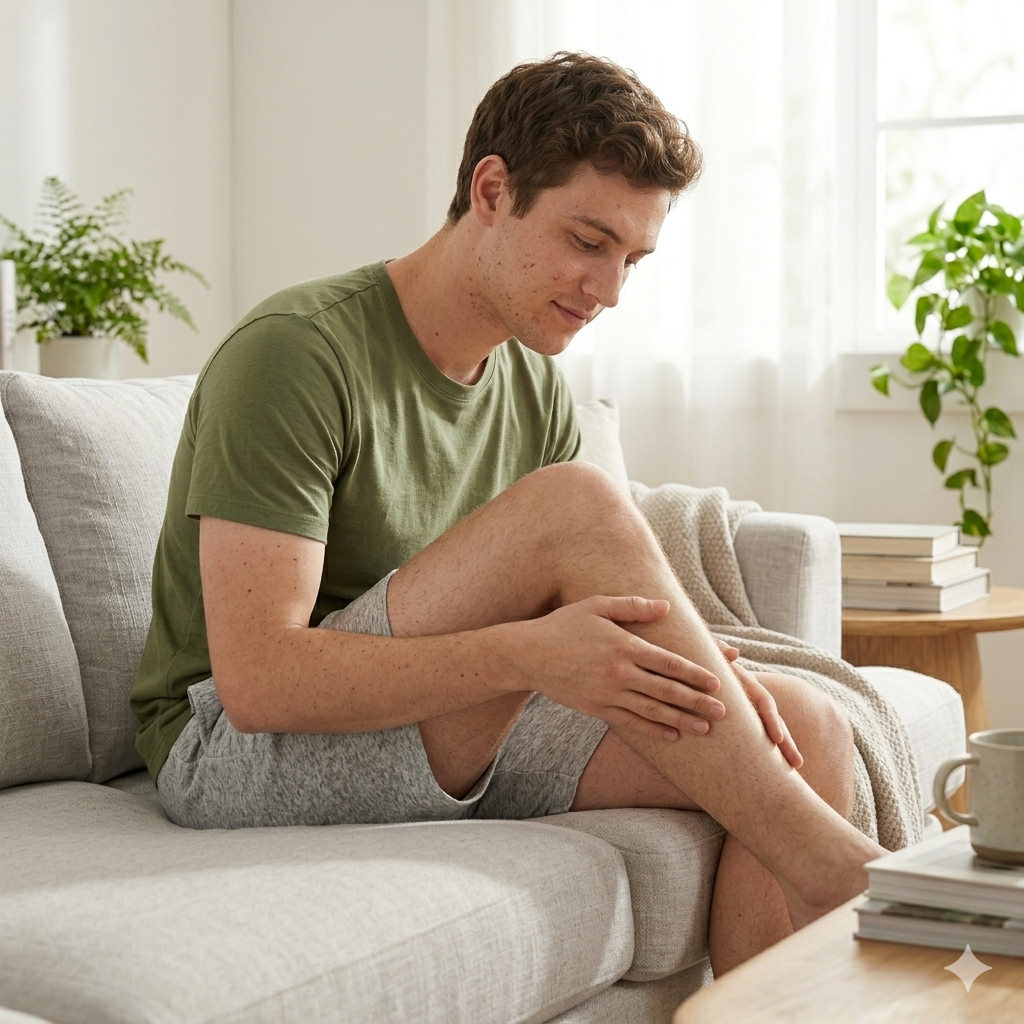
Many of the most common grooming frustrations are actually skin issues rather than hair issues. Ingrown hairs, razor rash, darkened skin in frequently shaved areas, and that slightly rough texture after shaving are familiar experiences for many people. These problems are usually the result of repeated mechanical hair removal rather than hair growth itself.
This is where IPL hair removal benefits for skin start to become interesting. It works by targeting the hair follicle not just cutting or pulling the hair out. This means that IPL hair removal can help reduce the irritation that you get from shaving and waxing. People who use IPL hair removal often see that their skin is smoother. They also get ingrown hairs and less redness in areas that used to get irritated when they removed hair. IPL hair removal is great because it helps your skin look and feel better, over time.
The purpose of this guide is to explain what actually changes in the skin when someone switches to IPL. Not the marketing version. The practical, realistic version based on how IPL works and what people tend to experience over a course of treatment.
IPL and Skin: Why There Is More to the Story
When people think about hair removal methods, they often focus on how well the method removes hair. That is understandable. Hair removal has traditionally been about the immediate result.
But the method you use repeatedly on your skin matters.
Shaving is when you move a blade over your skin. This can still hurt your skin a little even if you do it right. Waxing works by pulling hair from the root. This can make the skin, around the hair. The hair follicle get red and swollen.
When these methods are repeated week after week, the skin reacts. Redness, ingrown hairs, bumps, and changes in pigmentation can all develop in areas that are frequently shaved or waxed.
IPL works differently. Instead of removing the visible hair, it delivers light energy into the follicle beneath the skin surface. This interrupts the hair growth cycle and gradually reduces regrowth.
That shift in approach is what leads to many of the skin-related benefits people notice.
How IPL Works on the Skin (Not Just the Hair)
IPL is a kind of treatment that uses pulsed light. This treatment uses flashes of energy that get absorbed by the pigment in the hair follicle.
When the light energy gets to the follicle it turns into heat. This heat stops the follicle from producing hair like it normally does. After some time the hair that grows back is slower and finer.
The good thing about IPL hair removal is that it does more than just reduce hair growth. Since IPL targets the hair follicle at the root it does not. Pull hair like other methods do. This means that the skin gets less irritated and there are ingrown hairs and razor rash.
Over a session people notice that their skin is smoother, they get fewer ingrown hairs and the skin color is more even, after hair removal. These benefits happen slowly. Get better as the hair reduction gets better too.
The light energy used in at home IPL devices is calibrated for safe repeated use. This is different from professional laser treatments, which typically use higher energy levels and are performed less frequently in clinics.
At home devices work through consistency rather than intensity. Sessions are carried out regularly over several weeks so that hair follicles can be treated during their active growth phases.
If you are unfamiliar with the process, it can help to read more about how IPL hair removal works and the hair growth cycle explained, since timing treatments correctly plays an important role in results. Some readers also find it useful to compare IPL vs laser hair removal before deciding which approach suits them.
Benefit 1: Significant Reduction in Ingrown Hairs
Shaving and waxing both the create one of their most common skin problems through the development of ingrown hairs. The condition occurs when hair fails to exit the follicle and instead enters the skin. Curly hair types tend to be particularly prone to this. Areas where hair is coarse or dense can also see more ingrown hairs.
Shaving creates a problem because it leaves hair ends cut straight across. As hair starts to grow back, the pointed tip of the hair will start to pierce through the skin again. Waxing completely removes the hair from the body, but the new hair that develops after the procedure can still grow underneath the skin as it starts to develop.

IPL approaches the problem from another direction.
The treatment causes hair to grow back during the treatment period with thinner and softer hair because it directly attacks the hair follicle. The follicle itself becomes less active over time. The body has fewer hairs that can become trapped under the skin when hair density decreases.
The majority of IPL users who switch to the treatment experience decreased ingrown hairs in their bikini line and underarm and leg areas after using the treatment for several weeks.
Skin comfort improves for people who have ongoing battles with ingrown hairs when they understand how to stop ingrown hairs and use IPL therapy.
Benefit 2: Reduced Skin Irritation and Razor Rash
Razor rash represents a form of skin inflammation. The blade cuts through the skin to remove hair, which results in damage to the skin's protective outermost layer. Shaving techniques which show high attention to detail still result in minor skin discomfort. Some people experience redness that fades within hours. Some individuals experience persistent razor bumps together with itching and small areas of inflamed skin.
Waxing serves as a skin irritant. The pulling action creates temporary inflammation which affects hair follicles in sensitive skin regions. When IPL treatment begins to reduce hair growth, patients experience a significant decrease in their requirement for shaving or waxing. The skin now experiences protection from repeated friction and pulling movements which used to occur.
The skin has time to settle between sessions.
Over time, many users notice that areas which once reacted badly to shaving become calmer. The surface of the skin is less inflamed simply because it is no longer being disturbed as frequently.
Readers with reactive skin sometimes explore IPL for sensitive skin to understand whether this approach may suit their skin type.
Benefit 3: Smoother Skin Texture Over Time
Skin texture is closely linked to hair follicles.
Each hair grows from a follicle beneath the skin. When hair is thick or dense, the follicle openings can become more visible. Frequent shaving can also leave the skin feeling slightly rough as hair regrows.
IPL gradually changes this.
As follicles become less active, the amount of hair pushing through the skin decreases. The hair that does regrow during treatment tends to be finer and softer.
With fewer active follicles producing coarse hair, the skin surface often begins to feel smoother.

This is not an overnight effect. It develops slowly over several sessions as hair density decreases. People usually notice the change most clearly in areas where hair was previously thick, such as legs, underarms, or the chest.
For readers wondering about timelines, a guide to at-home IPL results: what to expect can help explain how results build over a typical treatment course.
Benefit 4: Less Post-Hair-Removal Pigmentation
The skin in areas that receive regular shaving or waxing treatments will develop a darker appearance because of these hair removal methods. The condition known as post inflammatory hyperpigmentation occurs when skin damage causes the body to create excess skin pigment.
People commonly experience symptoms in their underarms and bikini line and inner thigh regions. Those who shave their neck area develop this condition because of their shaving habits. The skin will experience better restoration results when people limit their exposure to skin irritants.
The need for repeated hair removal methods gets decreased through IPL which helps prevent the skin condition that results in this type of pigmentation. The fact that IPL does not work as a pigmentation treatment needs to be understood because people believe it can make their skin lighter.
Using IPL safely is also important because incorrect use on unsuitable skin tones can create pigmentation problems rather than prevent them. This is why guidance around IPL skin tone compatibility matters when choosing a device.
What the Ulike X Does for Skin Specifically
Comfort during treatment plays a bigger role in skin health than many people realise.
Traditional IPL devices can feel warm on the skin because the light energy converts into heat inside the follicle. For some users this heat sensation can cause temporary redness or discomfort.
Cooling technology helps address this.
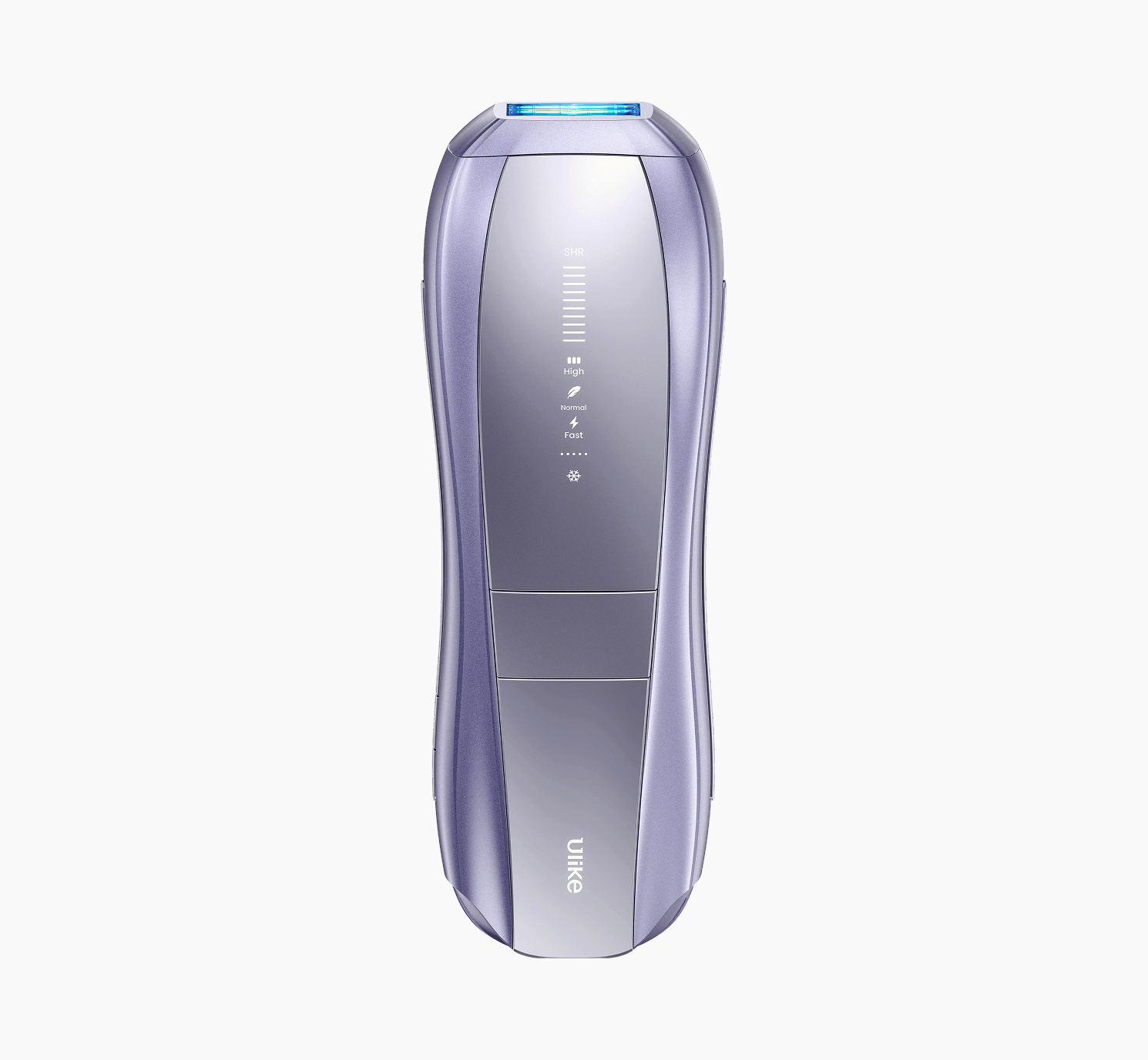
Devices such as the Ulike X include sapphire ice cooling technology that keeps the treatment window cool while the light pulse is delivered. This cooling effect helps balance the heat produced during the IPL flash.
For the user, this often means the session feels more comfortable and the skin is less likely to appear flushed afterwards.

The device also includes a built in skin tone sensor. This sensor checks the skin before each flash to ensure the energy level is appropriate for that skin tone. Safety features like this help reduce the risk of pigmentation issues caused by incorrect settings.
Another practical consideration is treatment consistency. Devices designed for home use need to deliver stable energy levels across multiple sessions so that hair follicles are treated evenly over time.
When used consistently and according to instructions, IPL devices like the Ulike X allow users to carry out treatments at home without relying on repeated shaving or waxing.
What IPL Cannot Do for Skin
It is important to keep expectations realistic.
IPL is primarily a hair reduction technology. The skin benefits people notice tend to happen as a result of reducing hair growth and reducing the need for other hair removal methods.
IPL is not designed to treat medical skin conditions. It will not cure acne or replace professional dermatological treatments. It also does not function as a general skin rejuvenation treatment.
Anyone with an existing skin condition should speak with a dermatologist before beginning IPL treatment.
Approaching IPL with clear expectations usually leads to better satisfaction with the results.
Considering IPL for Your Skin Routine
Many people initially look into IPL because they want to reduce the effort of frequent shaving or waxing. Over time, the skin related benefits often become just as valuable.
Fewer ingrown hairs, calmer skin, and a smoother surface are common experiences reported by users who stick with the treatment schedule.
If the skin benefits of IPL are part of what interests you, it can be worth choosing a device designed with skin comfort in mind as well as hair reduction.
The Ulike X includes sapphire ice cooling technology that helps keep the skin cool during each flash. A built in skin tone sensor also helps ensure treatments are delivered safely for the user's skin tone.
Take your time, compare options, and choose what fits your routine and your skin.
FAQ
Does IPL actually improve skin texture?
IPL can contribute to smoother skin texture over time, mainly as a secondary effect of reducing hair follicle activity. As hair regrowth becomes finer and less dense, the skin surface in treated areas often feels smoother. This change usually develops gradually across multiple sessions.
Does IPL help with ingrown hairs?
Yes. Many users report fewer ingrown hairs after switching to IPL. Because the follicle is targeted directly, hair that regrows tends to be finer and less likely to curl back into the skin.
Can IPL cause skin damage if used incorrectly?
IPL can cause irritation or pigmentation changes if used incorrectly or on unsuitable skin tones. This is why devices often include safety features such as skin tone sensors. A patch test before the first treatment is always recommended.
How long does it take to see skin benefits from IPL?
Skin related improvements such as fewer ingrown hairs and less irritation often begin to appear around sessions four to six. The full effect usually develops after completing an initial treatment course of eight to twelve sessions.
Is IPL suitable for sensitive skin?
IPL can be suitable for sensitive skin when used carefully. Devices that include cooling technology can help reduce heat sensation during treatment. A patch test is always recommended before treating larger areas, especially for sensitive skin types.

How to Clean an IPL Hair Removal Device Safely

Can You Use IPL on Arms? Will It Work on Your Hair?

When Does IPL Hair Start Shedding? Signs It’s Working
Explore Beauty
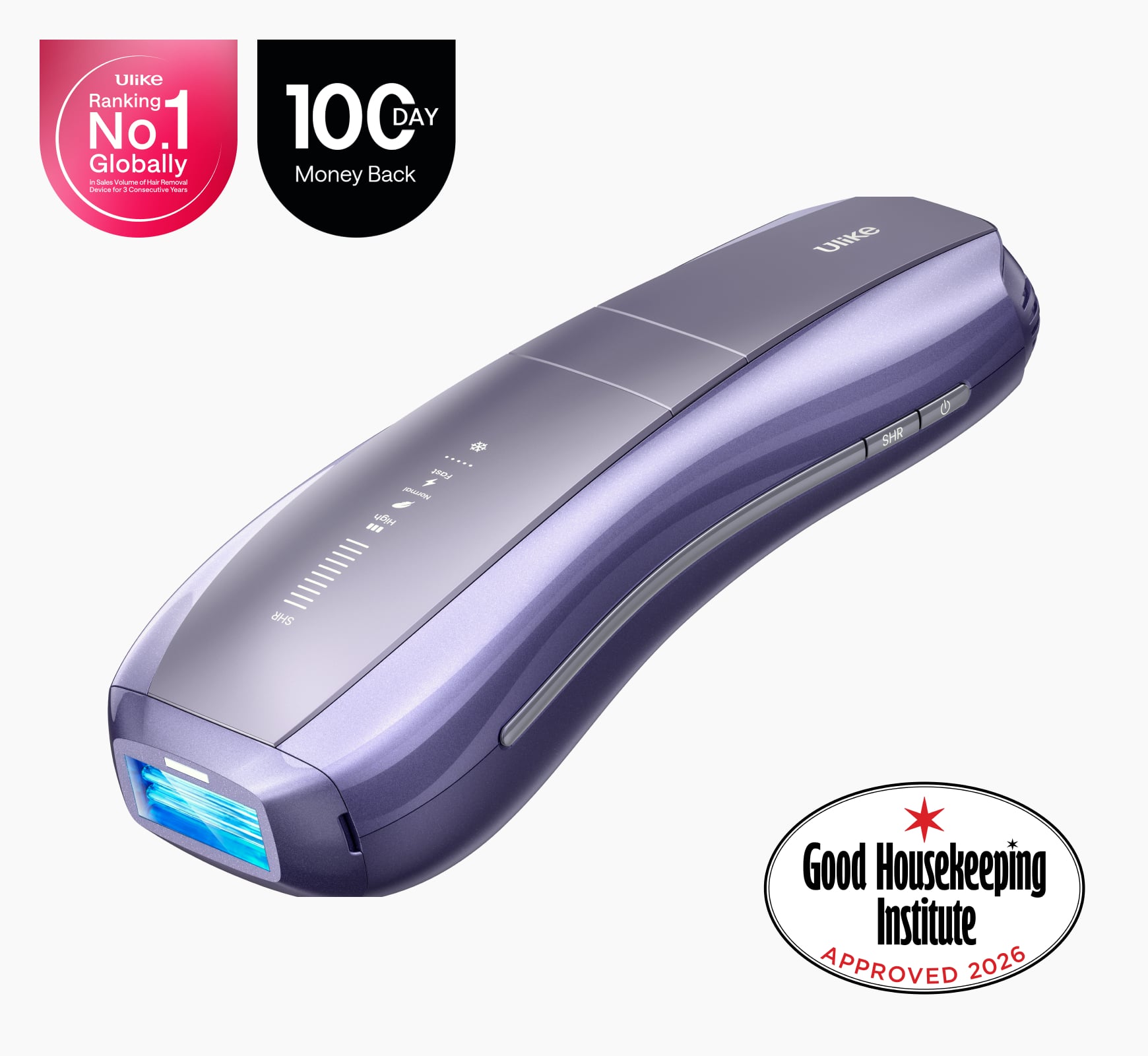
Ulike Air 10
2 weeks to silky smooth skin.
96% Hair Density Reduction in 2 Weeks
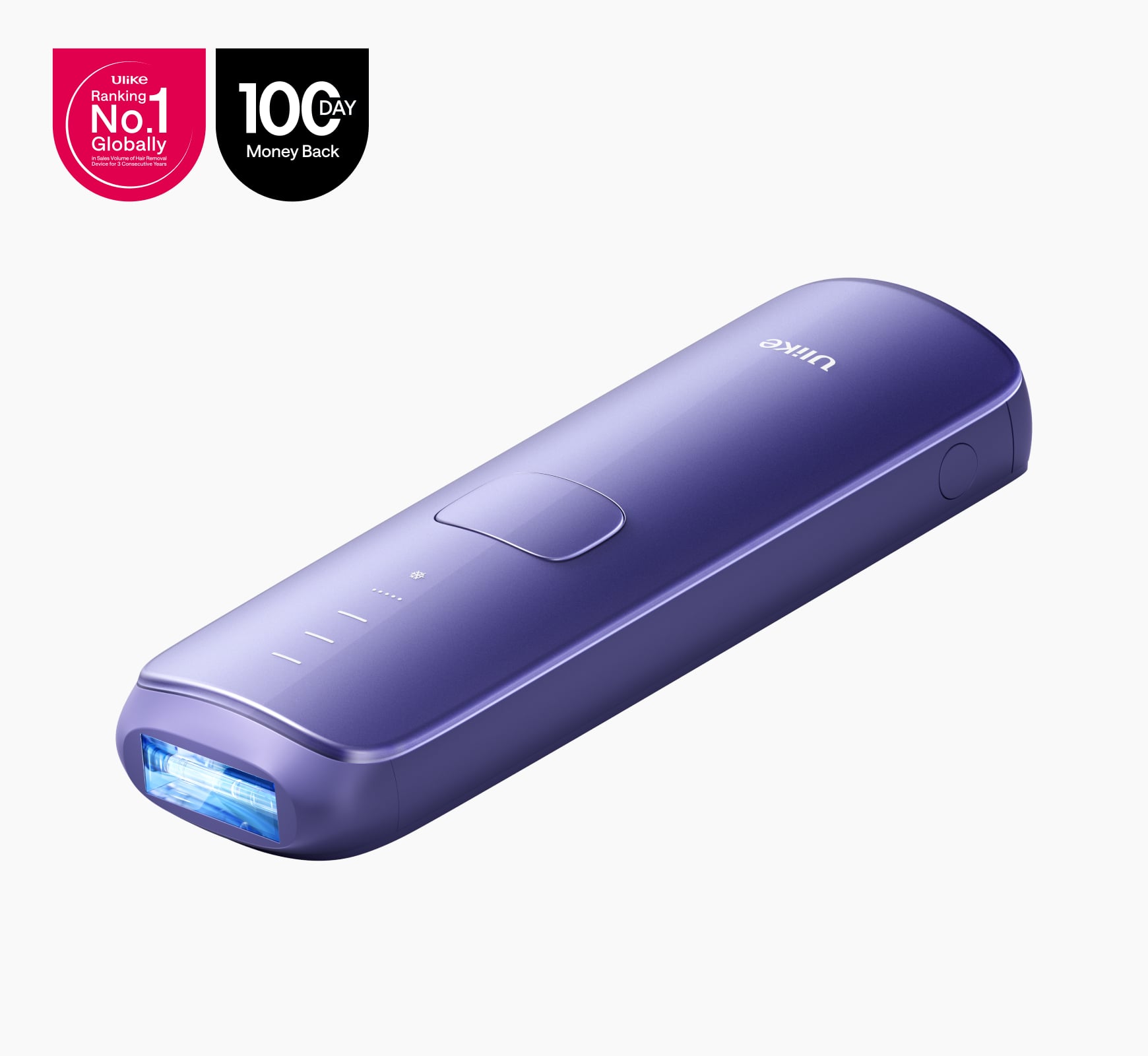
Ulike Air 3
3 weeks to silky smooth skin.
93% Hair Density Reduction in 4 Weeks
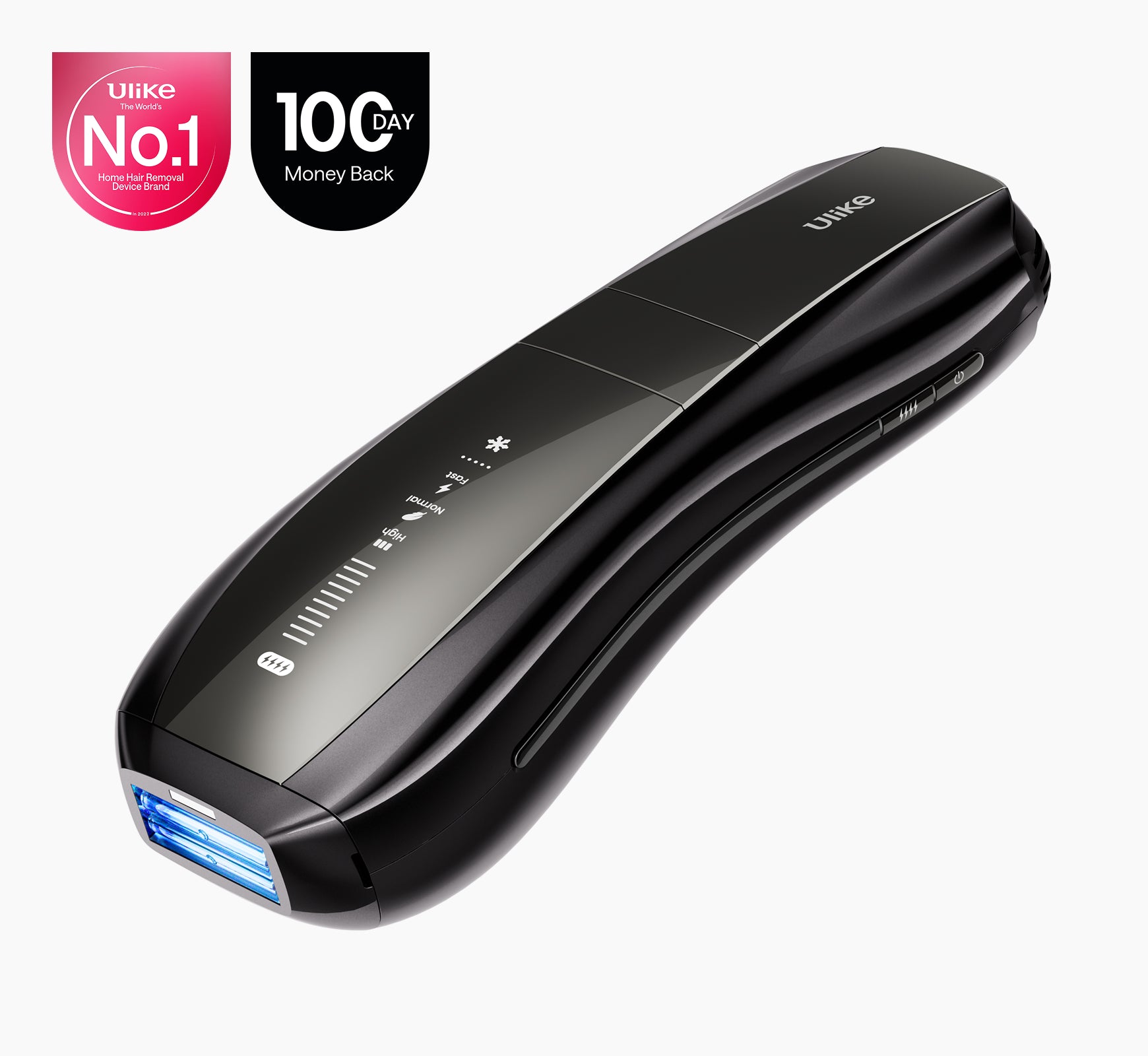
Ulike X
3 weeks to silky smooth skin.
94% hair reduction in just 2 weeks*
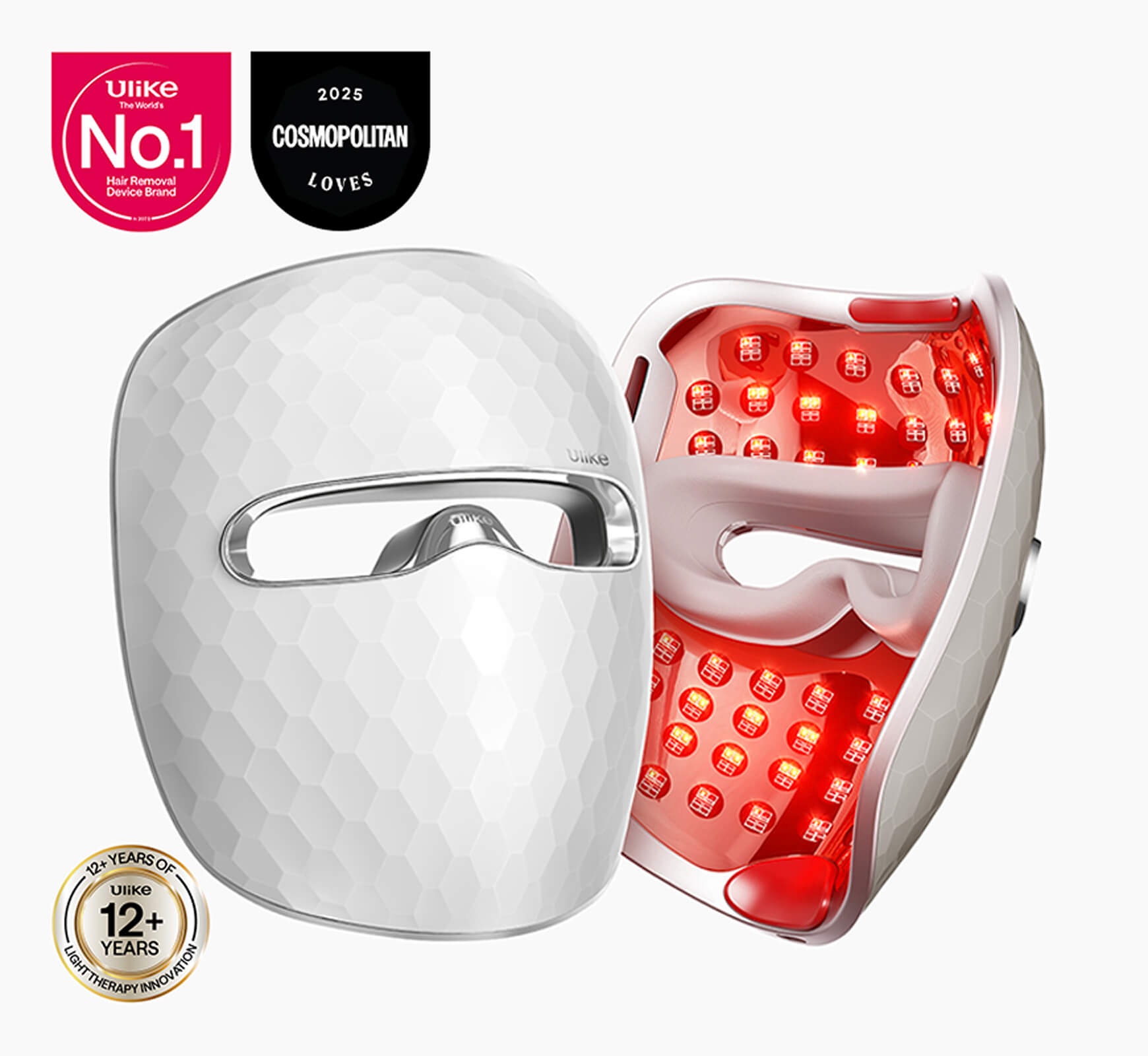
Ulike Reglow
Clearer skin in 2 weeks: Fewer breakouts
Smoother skin in 4 weeks: Fewer lines, firmer feel