



How to Shave Your Pubic Hair: Step-by-Step Guide
Many people wonder how to shave their pubic hair and avoid bumps, redness, or razor burn. You're certainly not the only one. Wanting a smoother, more comfortable feel is a common reason to shave. However, using a regular razor in the bikini area without proper preparation can lead to irritation, razor burn, or even ingrown hairs. That is far from the result you want.
Those annoying red, itchy bumps can often be reduced with the right preparation and technique. It starts with getting the skin and hair ready for shaving. Trimming longer hairs first, gently exfoliating and soaking in warm water can help make shaving more comfortable and reduce the chance of irritation.
There are also plenty of myths about pubic hair removal. One common belief is that shaving makes hair grow back thicker or darker. It doesn't. Hair can simply appear thicker or darker as it grows back because shaving leaves the end of the hair with a blunt tip.
In this step-by-step guide, we'll cover how to prepare your skin, choose the right tools, trim and shave your pubic hair, and care for your skin afterwards.
Benefits of Shaving Pubic Hair
Trimming or shaving pubic hair has many advantages in relation to your personal grooming and comfort in general:
1. Enhanced Skin and Self-Esteem
Shaving, waxing, or trimming the hair leads to your skin having a smooth and soft texture, while also looking attractive.
Reduction of hair not only enhances comfort, especially while wearing underwear, leggings, or swimsuits, but it also raises your morale.
On the other side, a smoother skin texture enhances self-esteem and due to a more groomed and polished body boosts the self-confidence.
2. Better Hygiene
Trimming, waxing, or shaving hair leads to lower accumulation of sweat, odours, as well as bacteria around the privates, especially during workouts or hot days.
Trimming or shaving the pubic hair leads to cleaner, fresher, and more breathable skin. Shaving or waxing leads to a pleasant smell in the body and also reduces sweating and enhances the overall personal hygiene.
3. Comfort Improvements
Shaving leads to less coarse and more refined-looking pubic hair, meaning less physiological strain while wearing tight apparel, exercising, and walking.
Whenever the place has been shaved or even properly trimmed, it reduces the chafing and thus the movement becomes extremely convenient.
Almost all of the people have claimed that after the showers, the feeling to perspire or sweat has largely reduced and the grooming has also become simpler and faster.
4. Aesthetics and Everyday Comfort
Taking care of your bikini line is about more than just appearance. It can really make you feel more comfortable and free to move around.
Whether you decide to shave everything off or just clean things up a bit. It can help you feel cleaner, smoother, and more confident in your own body.

How to Prepare Before Shaving Your Pubic Hair
Before bringing a razor near your pubic area, take a few minutes to prepare your skin and hair. Good preparation can make shaving more comfortable and may help reduce irritation. If you have a skin condition, open cuts, or frequently experience irritation when shaving, speak to a dermatologist before shaving.
- Shower Before Shaving: Begin with a warm shower, rather than hot water, and allow around 3–5 minutes for the hair and skin to soften. This helps hydrate the hair and skin, making the hair easier to shave and reducing the need to press or tug with the razor.
- Trim Longer Pubic Hair: If your pubic hair is longer than around a quarter of an inch, trimming it first can make shaving easier. Longer hairs can clog the razor and make it harder to get an even shave, which may also increase irritation. Use a suitable trimmer and take your time, particularly around more sensitive areas.
- Gently Exfoliate Before Shaving: After showering and trimming, gentle exfoliation can help remove dead skin cells from the surface of the skin. A soft washcloth or gentle exfoliating glove can be used, but avoid vigorous scrubbing, especially if your skin is sensitive. Exfoliation may also help the razor move more smoothly over the skin.
- Check Your Skin: Before you start shaving, check the area for redness, rashes, cuts, bumps or soreness. If your skin is already irritated or has any breaks in the skin, wait until it has recovered before shaving. Shaving over damaged or irritated skin can make discomfort worse.
Taking a few minutes to shower, trim longer hair, gently exfoliate and check your skin can make the shaving process more comfortable. It also gives you a chance to identify any irritation before you start.

Choosing the Right Products
Cutting the hair down there is not a simple matter, as selecting the right products for shaving pubic hair is indeed a critical issue, especially for the sensitive bikini area. The products must primarily consist of high-quality, sensitive-skin formulations to ensure a more comfortable and smooth shave, as well as to help prevent skin irritation. These include:
1. Shaving Gel or Cream: The Foundation of a Smooth Shave
The best shaving gel, in our opinion, is not optional when it comes to achieving smooth and irritation-free skin. It should be a product specifically designed to perform well on sensitive areas.
Key Features to Look For:
- Hydrating Ingredients: Look for gels or creams that contain aloe vera, oatmeal, oat extract, coconut oil, and glycerine. These ingredients offer hydrating, calming, and protective effects on the skin, reducing the likelihood of razor burn and irritation.
- Clear Gel: A clear gel allows you to see exactly where you are shaving, helping to avoid missed spots, nicks, or cuts.
- Fragrance-Free & Hypoallergenic: Opt for fragrance-free products that are dermatologically tested for sensitive skin. These are less likely to cause redness, irritation, or allergic reactions.
- Avoid Bar Soap: Refrain from using bar soap, as it tends to dry out the skin, leading to discomfort and irritation both during and after shaving.
2. Razor: The Right Tool for the Job
The razor greatly influences how your shave turns out. For shaving pubic hair, you should pick a razor that specifically says it is for sensitive areas to ensure a smooth glide without possible cuts and irritation.
Razor Tips:
- Sharp Blades: Always use a sharp razor with a fresh blade. Duller blades rip through skin, increasing the chances of cuts, razor burn, and ingrown hairs. Experts advise changing the blade of the razor every 5 to 7 shaves or sooner if it starts becoming uncomfortable while shaving.
- Flexible Head and Lubricating Strip – Pick a razor that has a head that can bend to accommodate creases and curves around the bikini area and a lubricating strip for easy gliding.
- Single or Double Blade Razors - You want this, if you're using multi-blade razors, this is the best investment you can make for your skin—and your beard. A single or double-bladed razor will be much less likely to cause razor bumps because they don't shave too close to the skin, but instead shaves a bit further away.
- Expert Tip: Better to have a razor for pubic hair, which is designed for sensitive skin and provides more control and a less nick-prone shaving experience.
3. Post-Shave Care: Calming the Skin
After shaving, it is imperative to moisten the shaved areas so the skin remains hydrated and protected from irritation. Apply a fragrance-free, soothing moisturiser to avoid future dryness and discomfort.
Using the proper products, whether it's a soothing gel, sharp blades, or mild moisturisers, makes it easier to ensure an experience free from inconvenience, discomfort, or irritation. With these essentials, you’re well-prepared for a super-smooth shave that leaves your skin feeling refreshed and calm.

Step-by-Step Guide on How to Shave Your Pubic Hair
Shaving your pubic hair doesn’t have to be nerve‑wracking. With the right shaving technique, you can achieve silky smoothness without irritation. Here’s exactly how to shave your pubic hair like a pro—step-by-step:
Step 1: Trim Your Pubic Hair First
Before picking up a razor, trim longer hair first. Aim for around ¼ inch using an electric trimmer with a comb attachment or small precision scissors. Longer hair can clog the razor and cause tugging, which may increase irritation. Trimming first can make the shaving process easier and help the razor move more smoothly over the skin.
Recommended trimming tools:
- Electric trimmer with a comb guard
- Precision or spot-clean scissors
- Fine-tooth comb for guidance
Trimmers designed for intimate areas often have adjustable guards to help maintain an even length and make trimming easier around sensitive areas such as the labia or bikini line. If trimming manually, use a fine-tooth comb to guide the hair and keep the scissors parallel to the skin. Take your time and avoid cutting too close to the skin.
Trimming before shaving can help prevent longer hairs from getting caught in the razor. It also makes it easier to see the skin and shave more evenly.

Step 2: Apply Shaving Gel or Cream
Once you've trimmed the hair, apply a shaving cream designed for sensitive skin or a clear, hydrating shaving gel. A suitable shaving product can help reduce friction and allow the razor to glide more easily over the skin.
Application tips:
- Apply enough gel or cream to cover the area evenly.
- If using a gel, follow the product instructions. Some formulas can be left on the skin for a short time before shaving.
- Avoid products that contain strong fragrances or ingredients that you know can irritate your skin.
- Do not shave dry skin. Make sure the area is well covered with shaving gel or cream before you begin.
A shaving gel or cream can make the razor easier to move across the skin and may help reduce tugging and discomfort. If your skin is sensitive, look for a formula with moisturising ingredients such as aloe vera or glycerine.
Apply the product evenly and give it a moment to coat the hair and skin before you start shaving.

Step 3: Shave Carefully
Take your time when shaving your pubic hair. Hold the razor at a slight angle and use short, controlled strokes. Start by shaving in the direction the hair grows. Shaving with the grain can help reduce friction and may be more comfortable for skin that is prone to irritation.
Key shaving tips:
- Avoid stretching the skin more than necessary. Keep the area relaxed and use your free hand to gently steady the skin where needed.
- Use light pressure and let the razor glide over the skin rather than pressing or dragging it.
- Start with one gentle pass over each area. Avoid repeatedly going over the same patch of skin.
- Rinse the razor regularly to remove hair and shaving product from between the blades.
- If you want a closer shave, apply more shaving gel or cream before making another careful pass. Going against the direction of hair growth may give a closer result, but it can also increase irritation for some people.
If your skin is prone to razor burn, itching or redness, take particular care with pressure and repeated strokes. You may find that a less close shave is more comfortable than repeatedly going over the same area.
The best shaving technique depends on your skin and how it responds. Take your time, use gentle strokes and stop if the skin becomes uncomfortable.

Step 4: Rinse Your Razor Often
Rinse your razor regularly as you shave. After a few strokes, hold it under warm running water to remove hair, shaving gel and residue from between the blades. This helps keep the razor clear and makes it easier to glide over the skin.
Razor care tips:
- Rinse the razor thoroughly after shaving.
- Let it dry completely before storing it.
- Avoid leaving it in a constantly damp area, such as inside the shower.
- Replace the blade if it becomes dull or starts pulling, skipping or feeling uncomfortable against the skin.
A clean, sharp razor can make shaving more comfortable and help you avoid unnecessary tugging or repeated strokes over the same area.
Rinse Your Skin Gently
Once you've finished shaving, rinse the area with cool or lukewarm water to remove any remaining shaving gel, loose hair or residue. Avoid scrubbing the freshly shaved skin, as this can cause unnecessary friction.
How to rinse properly:
- Gently splash or rinse the area with cool or lukewarm water.
- Make sure all shaving gel and loose hair have been removed.
- Pat the skin dry with a clean, soft towel rather than rubbing it.
There is no need to use very cold water. The main aim is to rinse away any remaining product without irritating the skin. Once the area is clean and dry, you can move on to moisturising.
Step 6: Pat Dry and Moisturise
After shaving, gently pat your skin dry with a soft, clean towel. Avoid rubbing, as freshly shaved skin can be more sensitive. Once the area is dry, apply a gentle, fragrance-free moisturiser to help keep the skin hydrated and comfortable.
Look for moisturisers with ingredients such as:
- Aloe vera – commonly used in soothing skincare products
- Chamomile extract – often included in products for sensitive skin
- Shea butter – helps moisturise and soften the skin
- Glycerine – helps draw and retain moisture in the skin
You can apply moisturiser once you've finished rinsing and drying the area. Follow the product instructions and avoid applying anything that you know irritates your skin.
Moisturising after shaving helps keep the skin comfortable and hydrated. If you notice persistent redness, swelling, pain or other signs of irritation, stop using products that may be contributing to the problem and allow the skin time to recover.

Additional Tips for Shaving Your Pubic Hair
A few simple habits can make shaving more comfortable, particularly if your skin is prone to irritation.
Pull Skin Taut for Precision
Gently stretch the skin with your free hand to create a flatter surface. This can help the razor move more smoothly and make it easier to shave around curves such as the bikini line. Take extra care on areas where the skin is delicate.
Choose Sensitive-Skin-Friendly Products
Use a shaving cream or gel formulated for sensitive skin. If you know that fragrance or certain ingredients irritate your skin, choose a simpler formula and avoid them.
Consider Your Tool
A multi-blade razor can provide a close shave, but some people may find that repeated close shaving increases irritation or contributes to ingrown hairs. If your skin is particularly sensitive, an electric trimmer may be a more comfortable option when you don't need a completely smooth finish.
Avoid Repeated Passes
Going over the same area repeatedly can increase friction and irritation. If you need another pass, reapply shaving cream or gel first and use a light touch.
Let Skin Breathe
After shaving, wear loose, comfortable clothing to reduce rubbing against freshly shaved skin.
Exfoliate Regularly
Gentle exfoliation can help remove dead skin cells and may help reduce the chance of ingrown hairs. If your skin becomes irritated or bumps appear, stop shaving until the area has settled. Avoid picking or tweezing at bumps.
These simple habits can make shaving more comfortable and help you look after your skin before, during and after shaving.
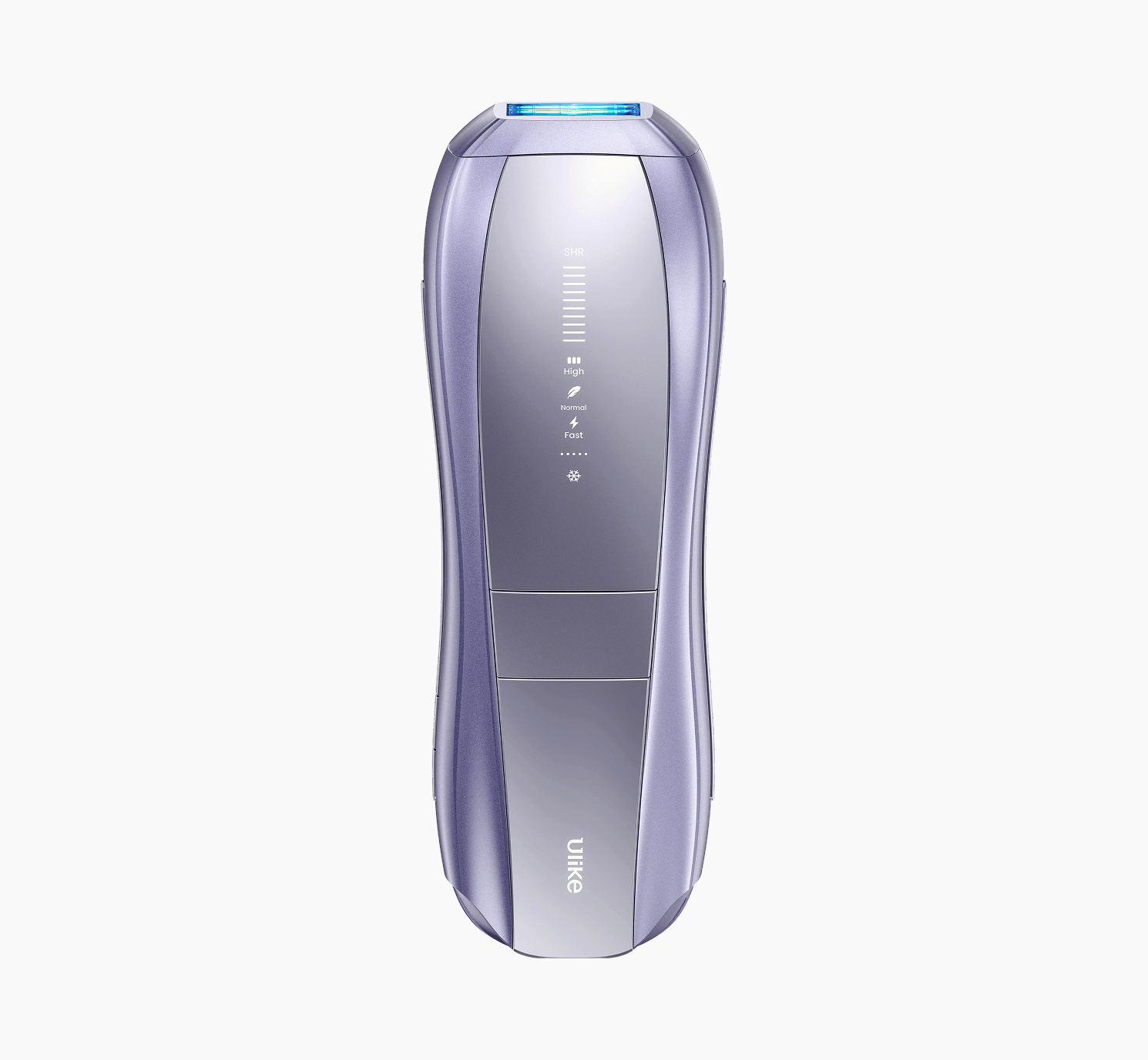
An Alternative to Regular Bikini-Line Shaving: IPL
If you're tired of shaving your bikini line again and again, IPL can help reduce the need for regular hair removal. Unlike shaving, which cuts hair at the surface of the skin, IPL uses pulses of light to target the hair follicle and reduce hair regrowth.
At-home IPL treatment is typically done once a week for 10–12 weeks, followed by monthly maintenance treatments. Treatment schedules vary between devices, so follow the schedule provided by the manufacturer.
Tips for Safe IPL Use on the Bikini Line
- Patch test first: Test a small area before your first treatment and follow the device's instructions. A reaction means you should stop treatment and check the manufacturer's guidance before continuing.
- Choose the right setting: Use the setting recommended for your skin tone and treatment area. Sensitive skin may need a lower setting for greater comfort.
- Shave before IPL: Shave the treatment area before using IPL. Avoid waxing or plucking beforehand because these methods remove the hair from the root.
- Look after your skin afterwards: Follow the aftercare instructions provided with your device. Avoid products or activities that cause irritation while the skin settles.
IPL offers an alternative to regular bikini-line shaving for people who want to reduce how often they need to remove hair. Choose a device that is suitable for your skin tone and follow its treatment instructions.
Related Readings


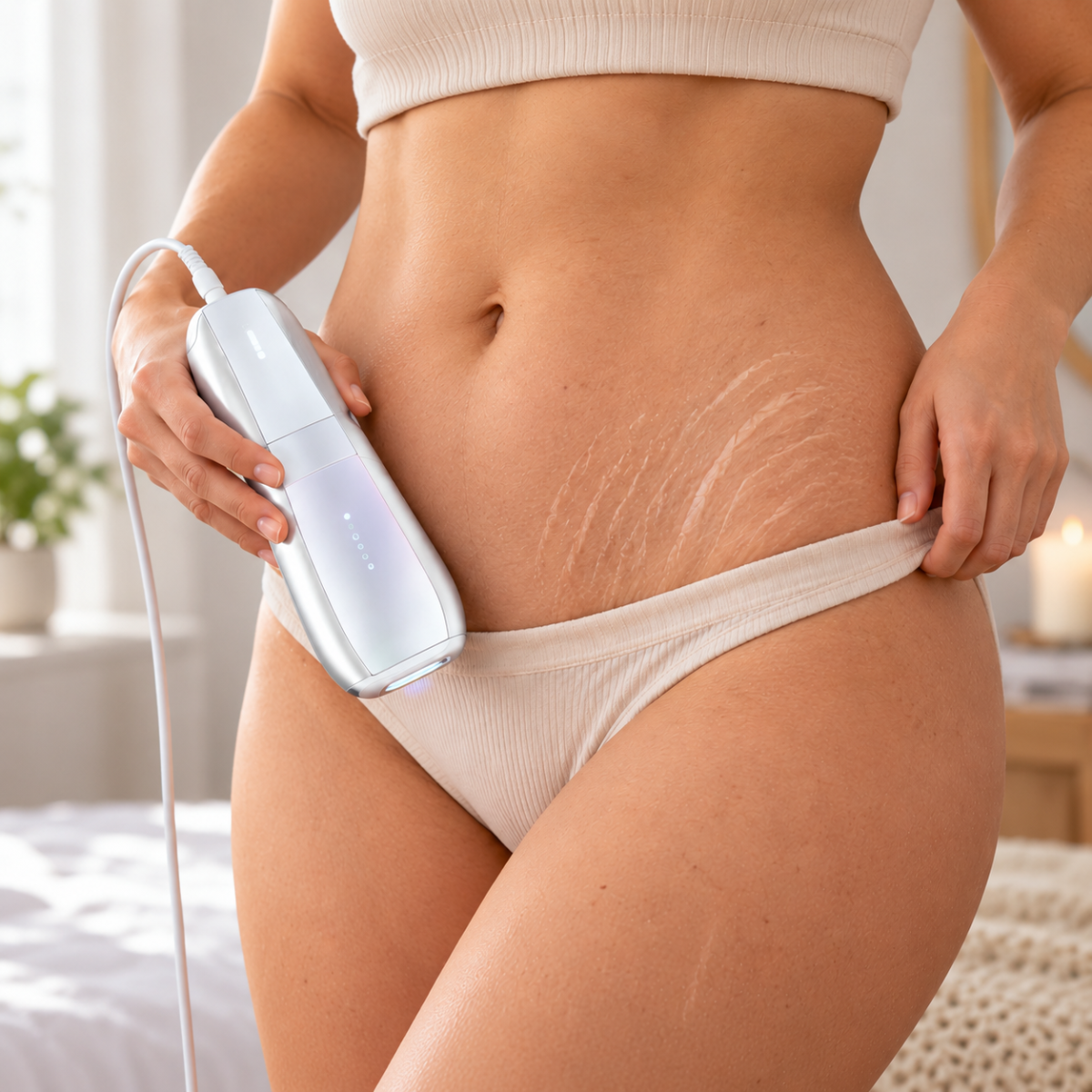
Can You Use IPL on Stretch Marks? Old vs New Marks

Can You Use IPL on Freckles? | Safety & Hair Removal
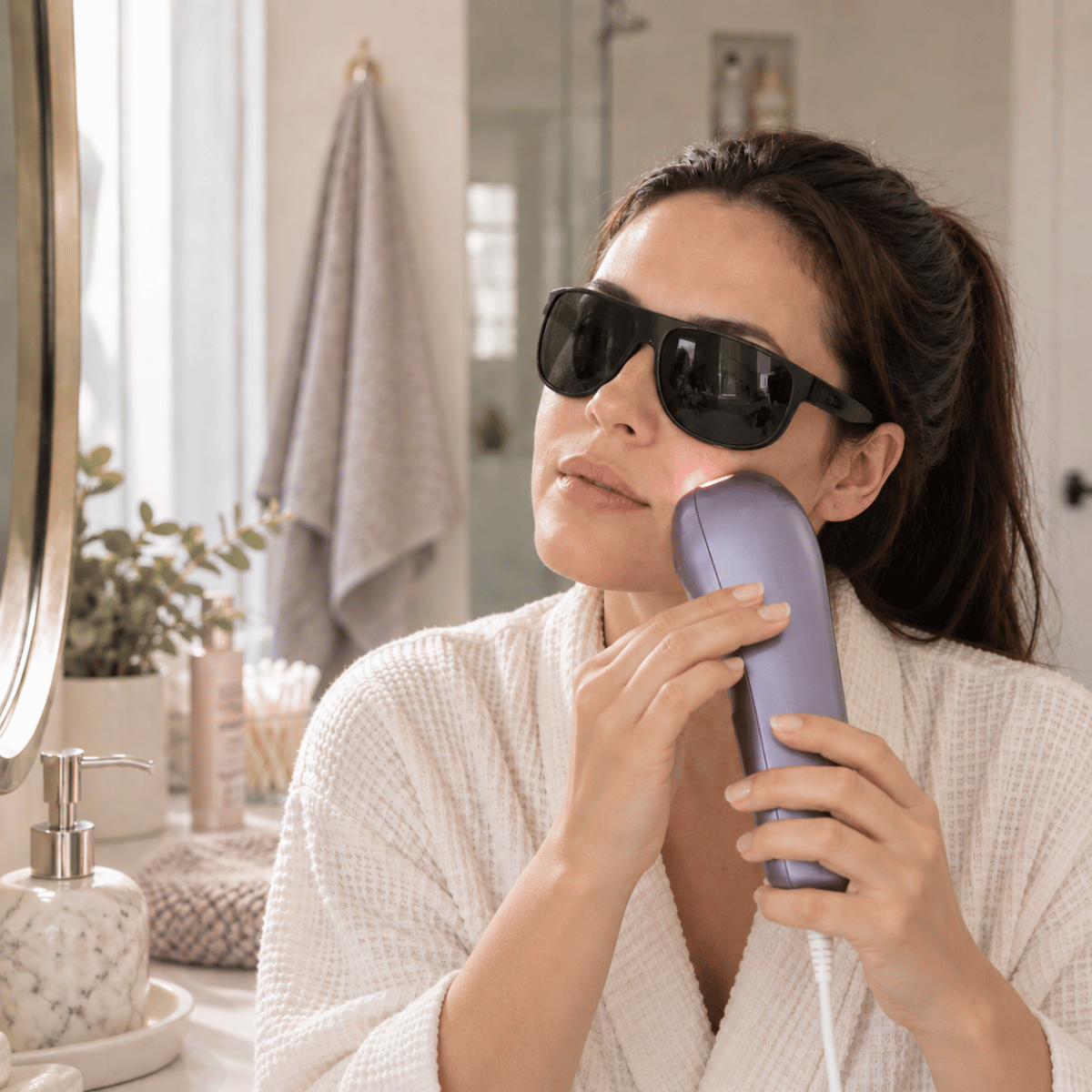
Can You Use IPL on Your Face Every Day? How Often Should You Use It?
Explore Beauty
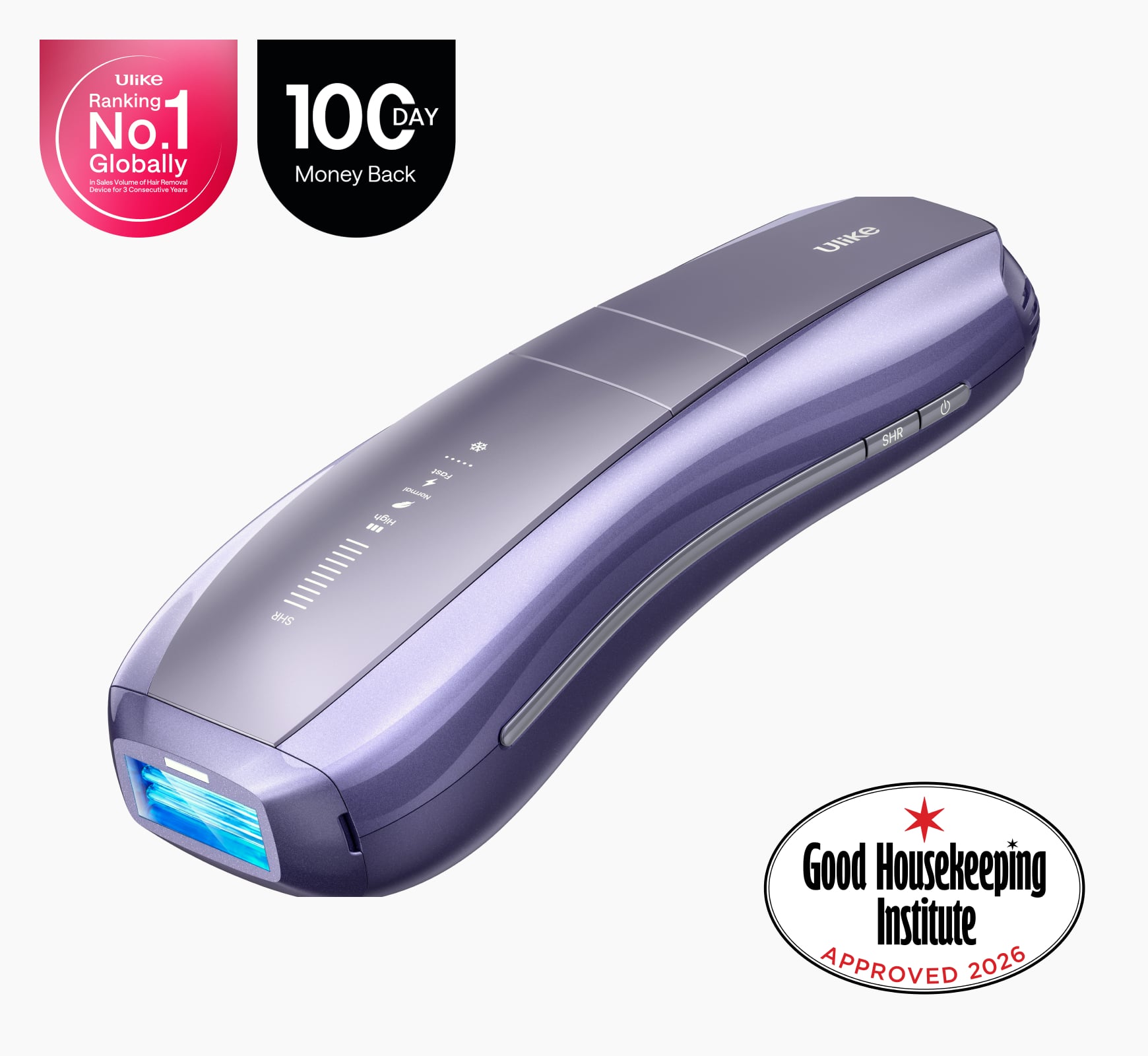
Ulike Air 10
2 weeks to silky smooth skin.
96% Hair Density Reduction in 2 Weeks

Ulike Air 3
3 weeks to silky smooth skin.
93% Hair Density Reduction in 4 Weeks
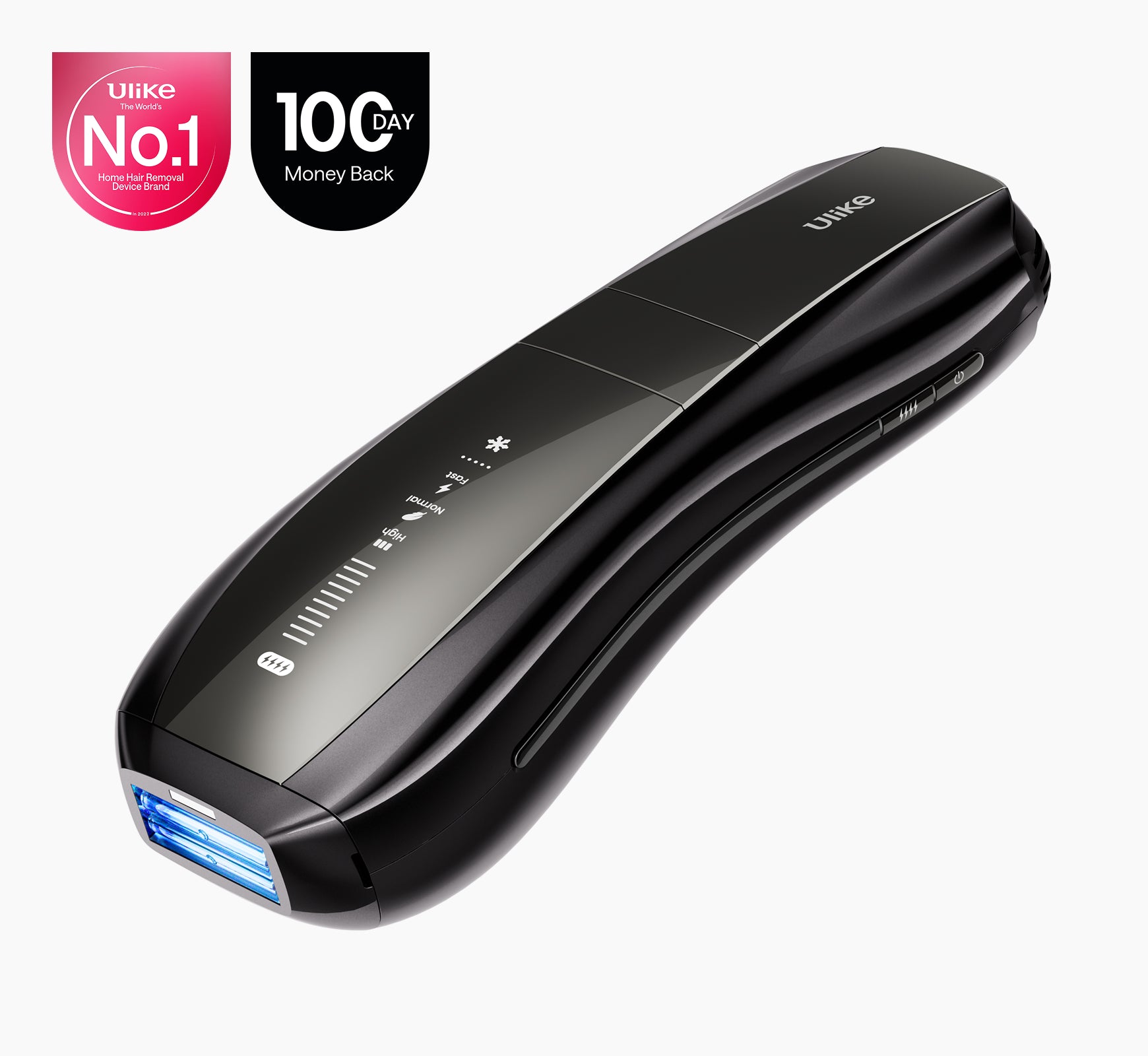
Ulike X
3 weeks to silky smooth skin.
94% hair reduction in just 2 weeks*
Ulike Reglow
Clearer skin in 2 weeks: Fewer breakouts
Smoother skin in 4 weeks: Fewer lines, firmer feel