


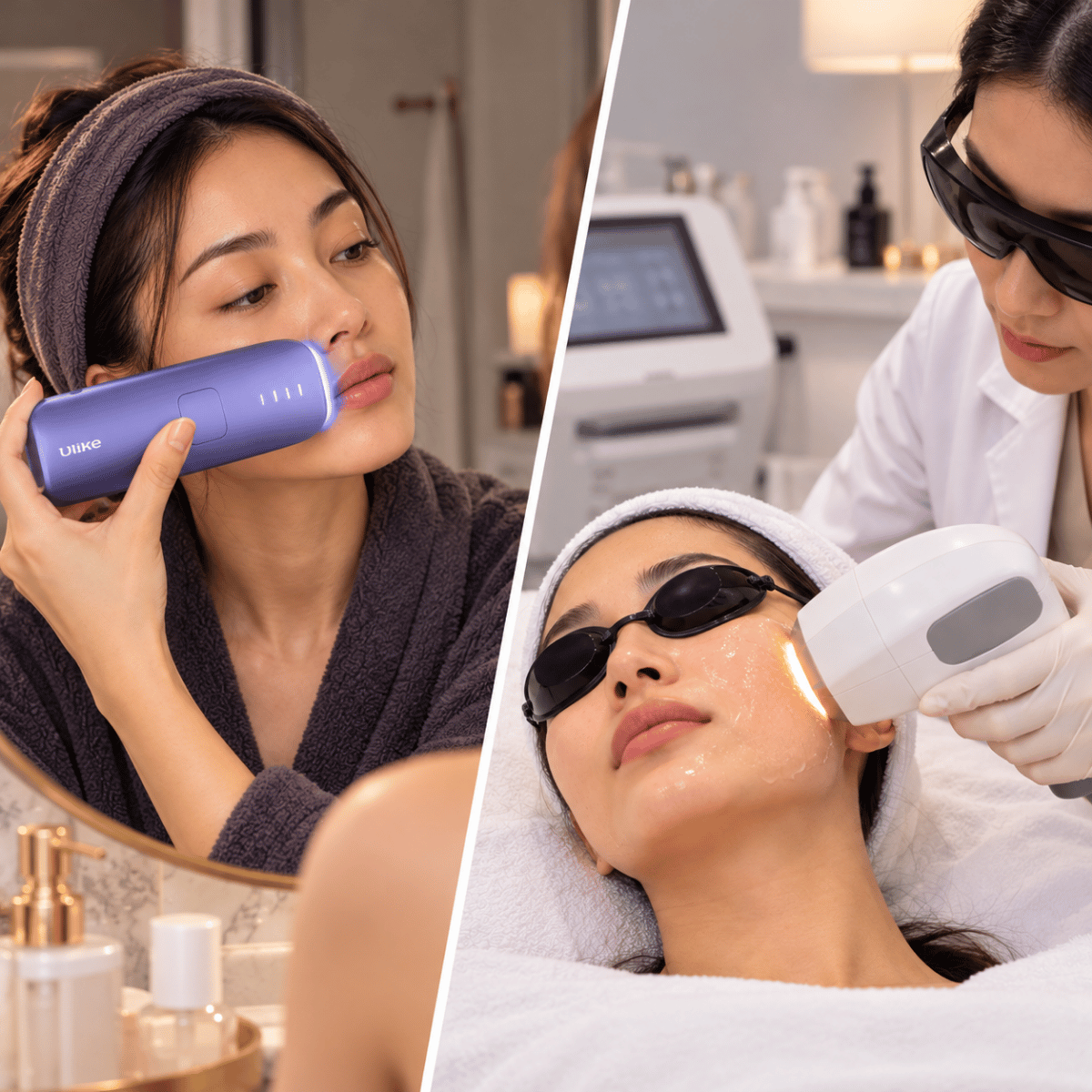
IPL Hair Removal vs. Skin Rejuvenation: Which Treatment is Right for You?
IPL refers to intense pulsed light. It is a type of technology that delivers multiple pulses of light across a wide range of wavelengths rather than using a single laser wavelength. Different light wavelengths can be absorbed by different types of chromophores, which are light-absorbing substances present in the skin. The chromophores involved in IPL include melanin and haemoglobin, which are found in the skin, hair and blood vessels.
When these chromophores absorb light at the right wavelength, they convert the light energy into heat. The wavelength, pulse duration and energy level all play a role in how selectively IPL heats the target areas while limiting damage to surrounding areas. This phenomenon is called selective photothermolysis.
IPL is used for more than one purpose. In hair removal, the target is melanin in the hair follicle, while in professional skin rejuvenation, the target could be superficial pigmentation or blood vessels.

What Is IPL Hair Removal and How Does It Work?
IPL hair removal is a method of long-term hair reduction. The device flashes light onto the skin, and melanin in the hair shaft absorbs some of that energy. The energy becomes heat, which can weaken the follicle and reduce its ability to produce hair. Treatment is most effective when the hair is in the active growth, or anagen, phase. Because follicles move through their growth cycles at different times, a course of repeated treatments is needed rather than one session.
Common treatment areas include the legs, underarms, arms, bikini line and some areas of the face, depending on the device instructions. IPL can reduce the need for shaving or waxing and may also ease the irritation and ingrown hairs associated with repeated hair removal. Results are gradual. Hair may grow back more slowly, more finely or in a lower density, followed by occasional maintenance treatments.
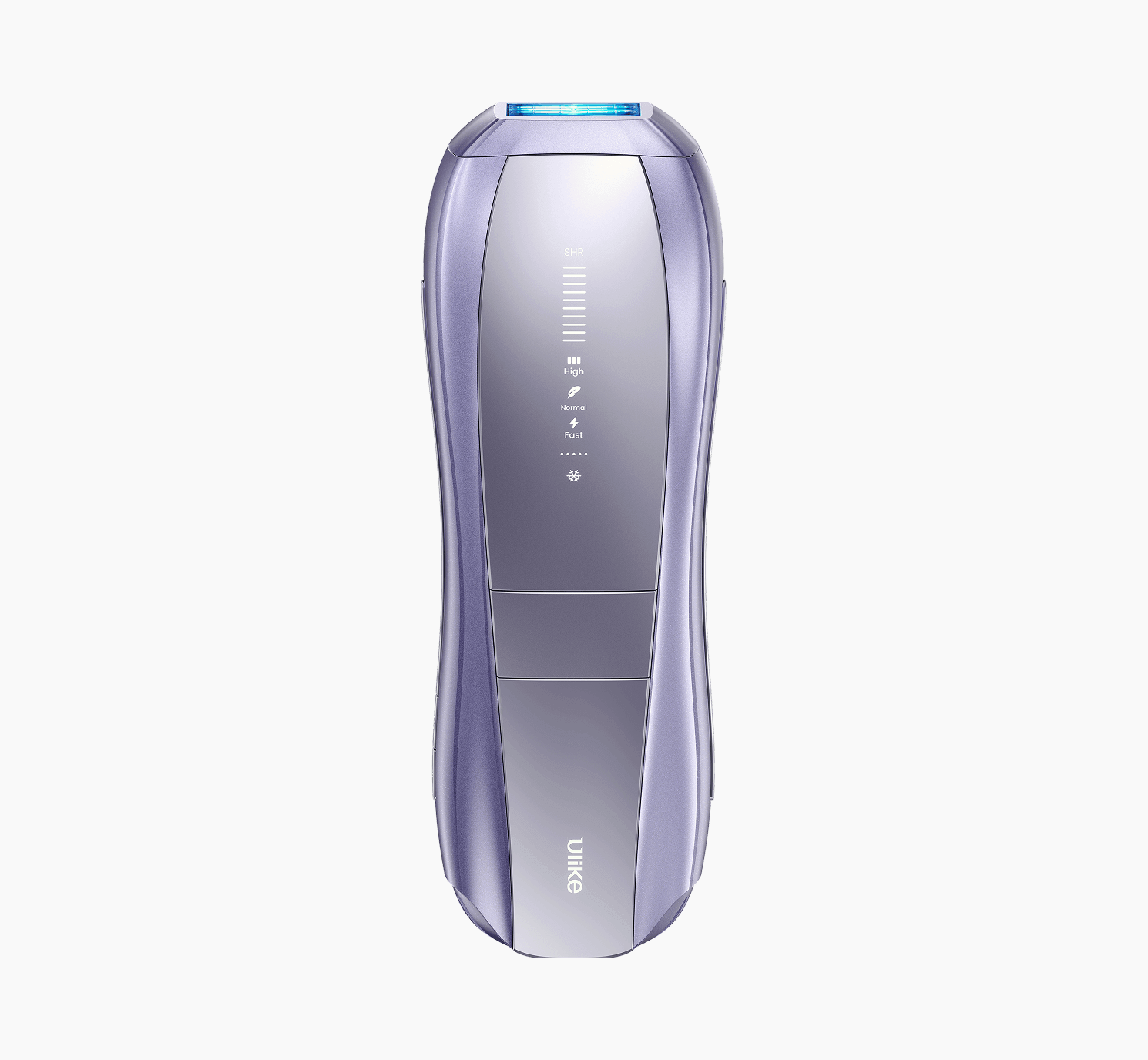
At-home devices generally use lower energy than professional systems and are designed for consumer use. The correct schedule varies by brand. For example, Ulike Air 3 recommends three treatments per week during the first four weeks, followed by less frequent treatments and maintenance. Always use the schedule and intensity guidance supplied with your own device rather than copying a routine from another product.
What Are the Benefits of IPL Hair Removal?
The main benefit of IPL is that it can gradually reduce unwanted hair, which means less reliance on daily shaving or regular waxing appointments. A wide treatment window may help cover larger areas efficiently, while features such as skin-contact sensors and cooling can make flashes more comfortable when used correctly.
Ulike’s Air 3 highlights a UV filter, Sapphire Ice Cooling and an AutoGlide mode. These features may support comfort and consistent use, but cooling does not remove the need to follow the skin-tone chart, patch-test instructions and safety warnings.

Who Can Use IPL Hair Removal?
IPL usually works best where there is clear contrast between lighter-to-medium skin and dark brown or black hair. Darker skin contains more melanin, which can absorb more of the light intended for the hair and increase the risk of burns or pigment changes. Blonde, red, grey and white hair may contain too little melanin to respond reliably.
Do not use a home IPL device on recently sunburned or tanned skin,tattoos, broken skin, suspicious marks or areas excluded by the instructions. Ulike also advises users to avoid treatment or seek medical advice in certain situations, including pregnancy or breastfeeding, photosensitivity, some skin disorders and the use of photosensitising medicines.
If you have polycystic ovarian syndrome or unusually rapid hair growth, speak with a healthcare professional before starting; IPL may reduce hair but will not treat the underlying hormonal cause.
What Is IPL Skin Rejuvenation?
IPL skin rejuvenation, sometimes called a photofacial or photorejuvenation, is generally performed by a trained practitioner to address certain skin concerns. The practitioner chooses a suitable filter and settings according to the concern, skin type and treatment area. The treatment may help improve the appearance of sun spots, lentigines, uneven pigmentation, facial redness or small visible vessels. Over a course of treatments, IPL may also improve overall skin tone and texture.
The target depends on the concern. Melanin in unwanted pigmentation absorbs light and converts it into heat, while haemoglobin in some superficial blood vessels can absorb light and respond to controlled thermal injury. Professional IPL may also affect the deeper layers of the skin through controlled heating, although the results vary and should not be taken as a guarantee of collagen production.
IPL skin rejuvenation is not the same as treating every form of acne, rosacea, scarring or pigmentation. Some conditions need a different treatment, and some pigmentation can worsen with light or heat. A consultation is important, particularly for darker skin tones, melasma, active inflammation or a history of abnormal scarring.

What Are the Benefits of IPL Skin Rejuvenation?
Professional IPL can improve the appearance of sun spots, freckles, diffuse redness and some broken capillaries. The aim is usually to achieve a more even-looking complexion, with improvements in skin texture and brightness. Unlike hair removal, which focuses on the hair follicle, skin rejuvenation targets pigmentation and visible blood vessels.
Some of the potential benefits include:
More even skin tone: IPL can help reduce the appearance of sun spots, age spots and other forms of superficial pigmentation.
Reduced visible redness: Light absorbed by haemoglobin can target certain superficial blood vessels, helping improve the appearance of facial redness and small visible vessels.
Improved skin texture: Some IPL treatments may produce improvements in overall skin texture and photoaged skin.
Gradual results: Skin changes develop over a course of treatments rather than immediately. Several sessions may be needed, depending on the skin concern and treatment protocol.
Can You Use Light Therapy Devices at Home for Skin Rejuvenation?
Professional IPL is not the only option for people looking to improve the appearance of their skin at home. Other devices use different technologies and target different skin concerns.
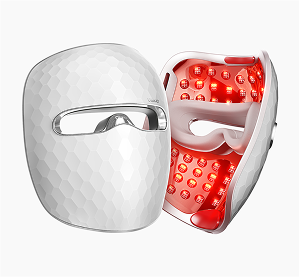
Ulike ReGlow is an LED light therapy mask designed for at-home skincare. It combines red, infrared, yellow and blue light across four treatment modes, with features intended to address concerns such as fine lines, uneven-looking skin tone and breakouts. Unlike professional IPL photorejuvenation, it uses LED light therapy rather than IPL.
Another option is the JMOON by Ulike NouvelleSkin M12 Max (RD), an at-home device positioned for lifting, firming and smoothing the skin. It offers another approach to at-home skin care beyond IPL and LED masks.
These products are not interchangeable with professional IPL treatments. The appropriate option depends on the skin concern, the device's intended use and individual suitability.

Who Is Suitable for IPL Skin Rejuvenation?
IPL skin rejuvenation is best considered when there is a specific skin concern that can be safely treated with light-based therapy, along with realistic expectations about the results. A professional should assess whether a mark is appropriate for cosmetic treatment and whether the skin can tolerate the chosen settings. Active infection, recent sun exposure, active inflammatory skin disease, photosensitivity and some medicines may mean treatment should be postponed or avoided.
People with darker skin or a tendency to develop post-inflammatory hyperpigmentation need particular care because the skin’s melanin can also absorb IPL energy. A qualified practitioner may recommend another technology, a longer wavelength, a conservative test area or no IPL at all. Never use an at-home hair-removal handset as a substitute for assessment of a changing mole, unexplained pigmentation or persistent redness.
What Is the Difference? Hair Removal vs. Skin Rejuvenation
Both treatments use pulsed light, but they have different targets, settings and intended outcomes.
Criterion |
IPL hair removal |
IPL skin rejuvenation |
Primary goal |
Long-term reduction of unwanted hair growth |
Improvement in the appearance of selected pigmentation, redness and signs of photoageing |
Main target |
Melanin in the hair shaft and follicle |
Melanin in pigmentation and/or haemoglobin in superficial vessels, depending on the concern |
Light delivery |
Home or professional device designed for hair reduction; settings are product-specific |
Professional system with a selected filter and parameters tailored to the skin concern |
Common concerns |
Legs, underarms, bikini line, body and some facial hair |
Sun spots, uneven tone, diffuse redness, visible vessels and selected photodamage |
Typical protocol |
Repeated sessions during hair-growth cycles, followed by maintenance |
A consultation and a course of clinic sessions, often spaced weeks apart |
Expected result |
Slower, finer or less dense regrowth; not guaranteed permanent removal |
A more even-looking tone or reduced appearance of selected lesions; results vary |
Home use |
Some regulated consumer devices are designed for this purpose |
Do not assume a home hair-removal device is approved or suitable for rejuvenation |
Main safety issue |
Excess energy can injure skin, especially where skin melanin is high |
Incorrect settings can cause burns, pigment changes, blistering or scarring |

Is IPL Safe? What Are the Possible Side Effects?
Temporary warmth, redness or mild swelling can occur after IPL. More serious complications can include blistering, crusting, infection, changes in pigmentation and scarring. Incorrect settings, excess energy or treatment of unsuitable skin can increase risk. Darker skin types require particular caution because epidermal melanin competes with the intended target for light absorption.
For home hair removal, there are a few precautions worth keeping in mind before using your device:
Read the manual from beginning to end and follow the recommended treatment schedule and intensity.
Shave if the instructions require it, and make sure the skin is clean and dry before treatment.
Complete a patch test before treating a larger area, and follow the instructions for eye protection.
Do not flash over tattoos, dark marks, open wounds or irritated skin.
Avoid using IPL on recently tanned or sunburned skin, and protect treated skin from unnecessary sun exposure.
Before professional treatment, tell the practitioner about pregnancy or breastfeeding, recent tanning, cold sores, skin conditions, previous reactions, medicines and any history of scarring or pigment changes. These details can affect whether treatment is suitable or whether it should be postponed.
The NHS also advises people considering cosmetic procedures to research the treatment, speak to an expert, choose a qualified practitioner, ask what could go wrong and take time before committing.
How Do You Choose Between IPL Hair Removal and Skin Rejuvenation?
IPL hair removal is worth considering if your main concern is unwanted dark hair and your skin tone and hair colour fall within the device's recommended range. Professional IPL skin rejuvenation is a different matter. A practitioner should first identify the skin concern and determine whether IPL is an appropriate treatment.
Do not treat a diagnostic question as a cosmetic one: a changing mole, unexplained lesion or persistent rash needs medical assessment.

Which Ulike Devices Are Designed for Hair Removal and Skincare?
Ulike offers different at-home devices for hair removal and skincare. The Air 3 is designed for IPL hair reduction, while the ReGlow LED Light Therapy Mask is intended for at-home skincare.
Ulike GLOW DUO brings these two approaches together, combining the Air 10 IPL hair removal device with the ReGlow LED mask. They serve different purposes: one is designed to reduce unwanted hair, while the other supports an at-home skincare routine.
It all depends on what you want to achieve. If unwanted hair is your main concern, an IPL hair removal device might be the right choice, provided your skin tone and hair colour are suitable. If you're more interested in LED skincare, a device specifically designed for that purpose may be more appropriate.

What Should You Know Before Choosing an IPL Treatment?
IPL hair removal vs skin rejuvenation both use light, but they are not meant to do the same thing. Hair removal targets melanin in the hair follicle to slow down regrowth, while professional skin rejuvenation focuses on pigmentation and certain visible blood vessels. The difference is worth remembering, especially when choosing an at-home device, because a handset designed for hair removal is not automatically suitable for treating other skin concerns.
It comes down to what you want to address and whether the treatment is suitable for your skin. Follow the instructions that come with your device, and speak with a qualified professional about any changing, unexplained or persistent skin concern. For at-home hair reduction, you can explore Ulike's Air 3 IPL device and learn more about its features.
Frequently Asked Questions
Can IPL help with both hair removal and skin concerns?
Professional IPL platforms can be used for hair reduction and selected pigment or vascular concerns, but the filter, energy and treatment plan differ. A home hair-removal device should only be used for the purpose stated by its manufacturer.
Is IPL skin rejuvenation the same as a photofacial?
In many clinics, “photofacial” and “IPL photorejuvenation” describe similar professional treatments for selected pigmentation, redness or photoageing. Terminology varies, so ask which device and indication are being used.
What is the main difference between IPL and laser treatments?
IPL delivers a broad spectrum of filtered light, while a laser delivers a more focused wavelength. Both can heat a target chromophore, but the device, settings and safety profile differ.
How many IPL sessions are needed for pigmentation?
There is no universal number. Professional courses commonly involve several sessions, with intervals and outcomes depending on the type and depth of pigmentation, the device and the individual.
Are at-home IPL devices effective for skin rejuvenation?
Many consumer handsets are designed and tested for hair reduction, not professional treatment of pigmentation, redness or vascular lesions. Check the manufacturer’s stated use and seek professional advice for skin concerns.
Is IPL hair removal permanent?
IPL is better described as long-term hair reduction. Regrowth can occur because follicles respond differently and hormonal changes affect hair growth. Maintenance sessions may be needed.
What are the risks of IPL treatments?
Temporary redness, warmth and swelling are possible. Burns, blistering, pigment changes, infection and scarring are less common but important risks. Follow the device or practitioner’s instructions and avoid treating recently sun-exposed skin.
Important: This article is for general information and does not replace medical advice. Individual results vary. Always follow your device or practitioner’s instructions, complete a patch test where advised, and seek professional guidance if you have a skin condition, take photosensitising medication, or are unsure whether IPL is suitable for you.
References
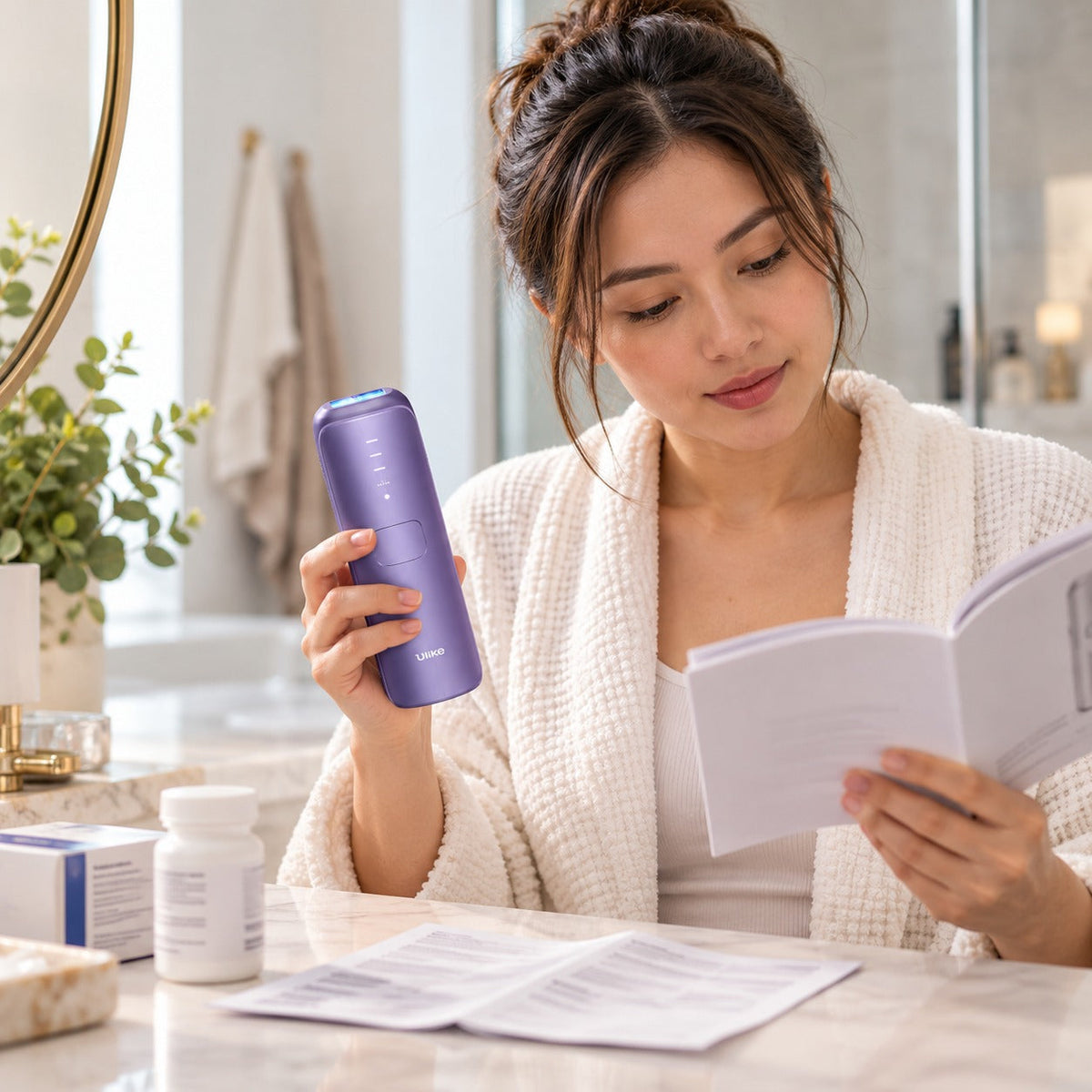
Which Medications Make IPL Hair Removal Unsafe?
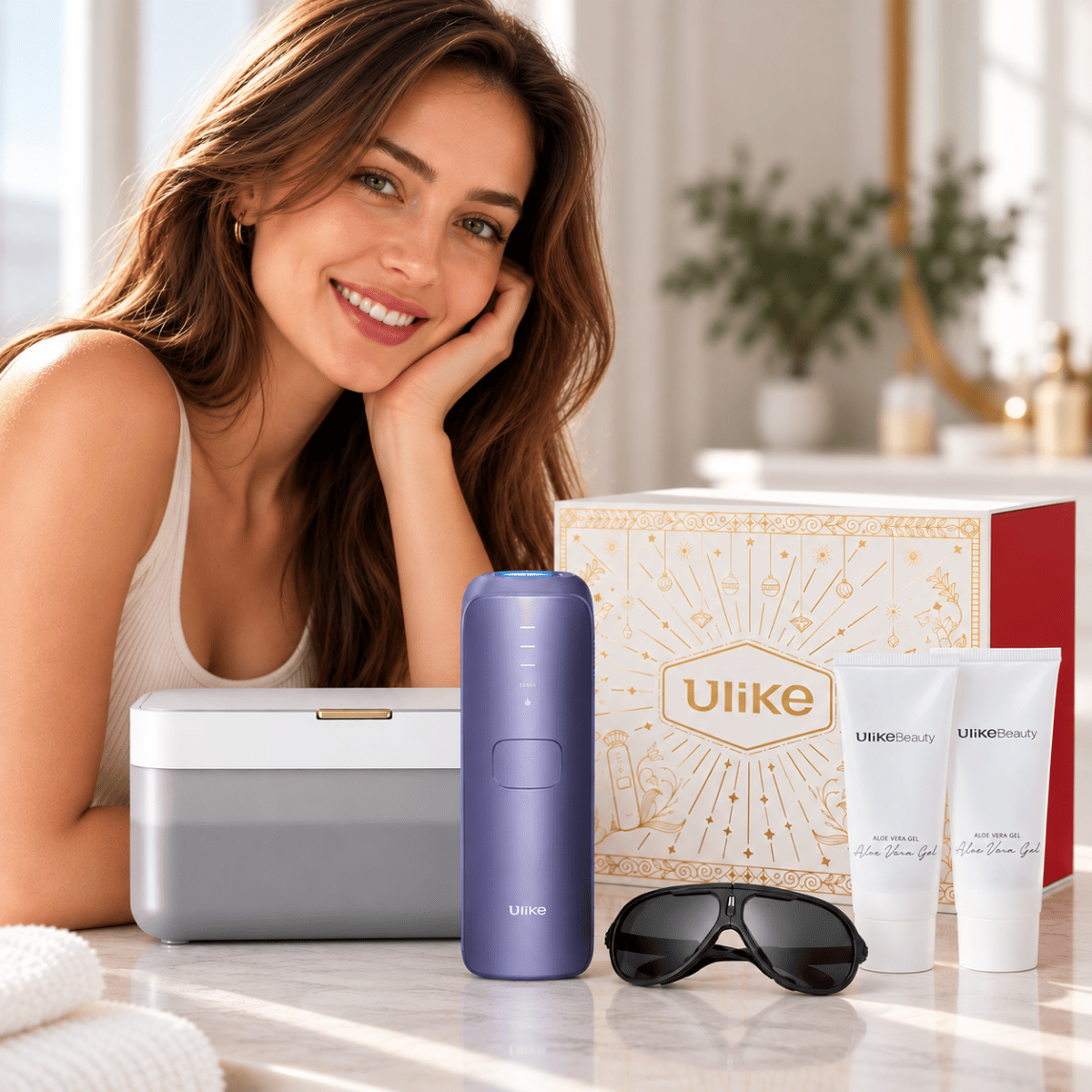
Ulike Air 3 Deluxe Set: What’s Included and Is It Worth It?
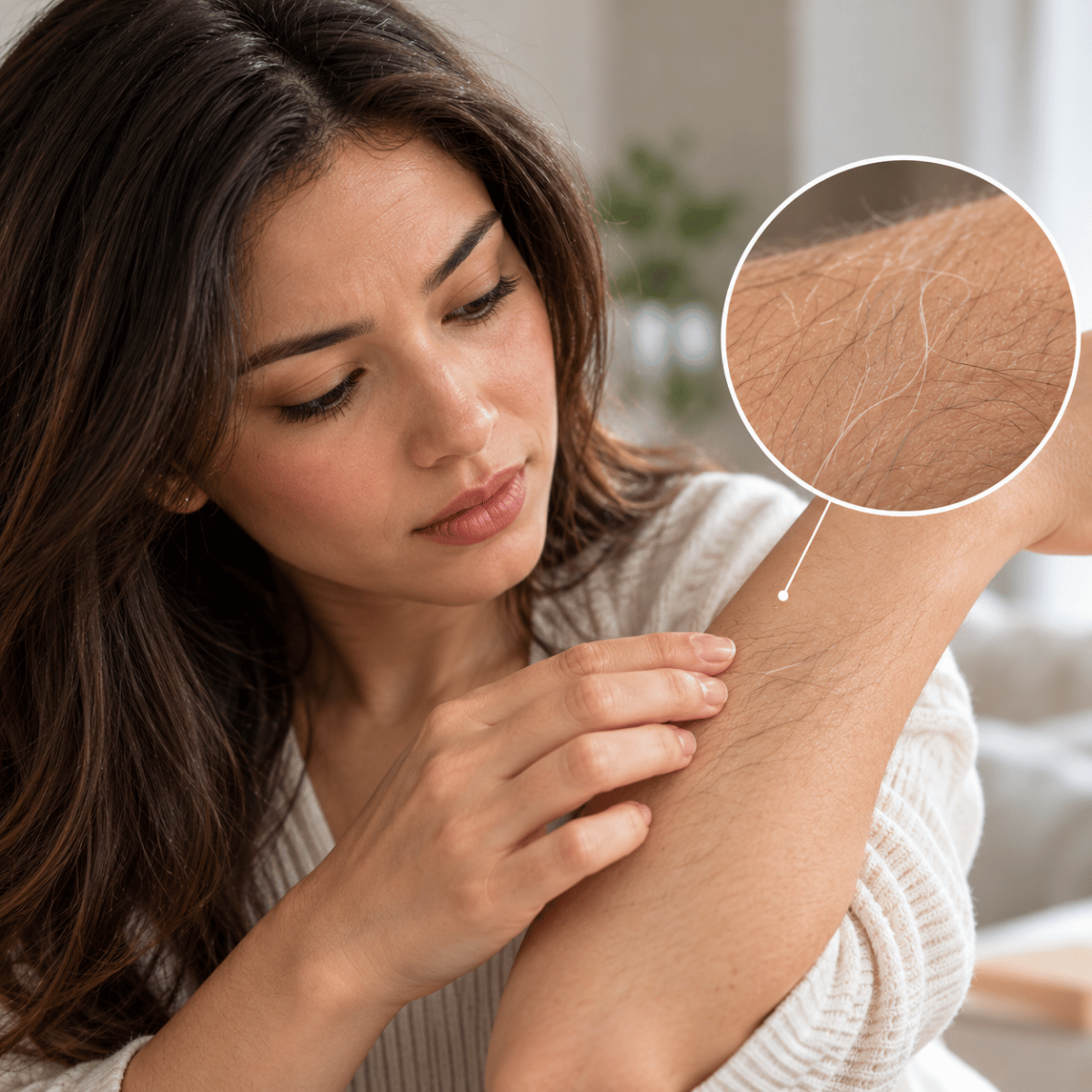
Can IPL Turn Your Hair White? The Facts on Leukotrichia
Explore Beauty
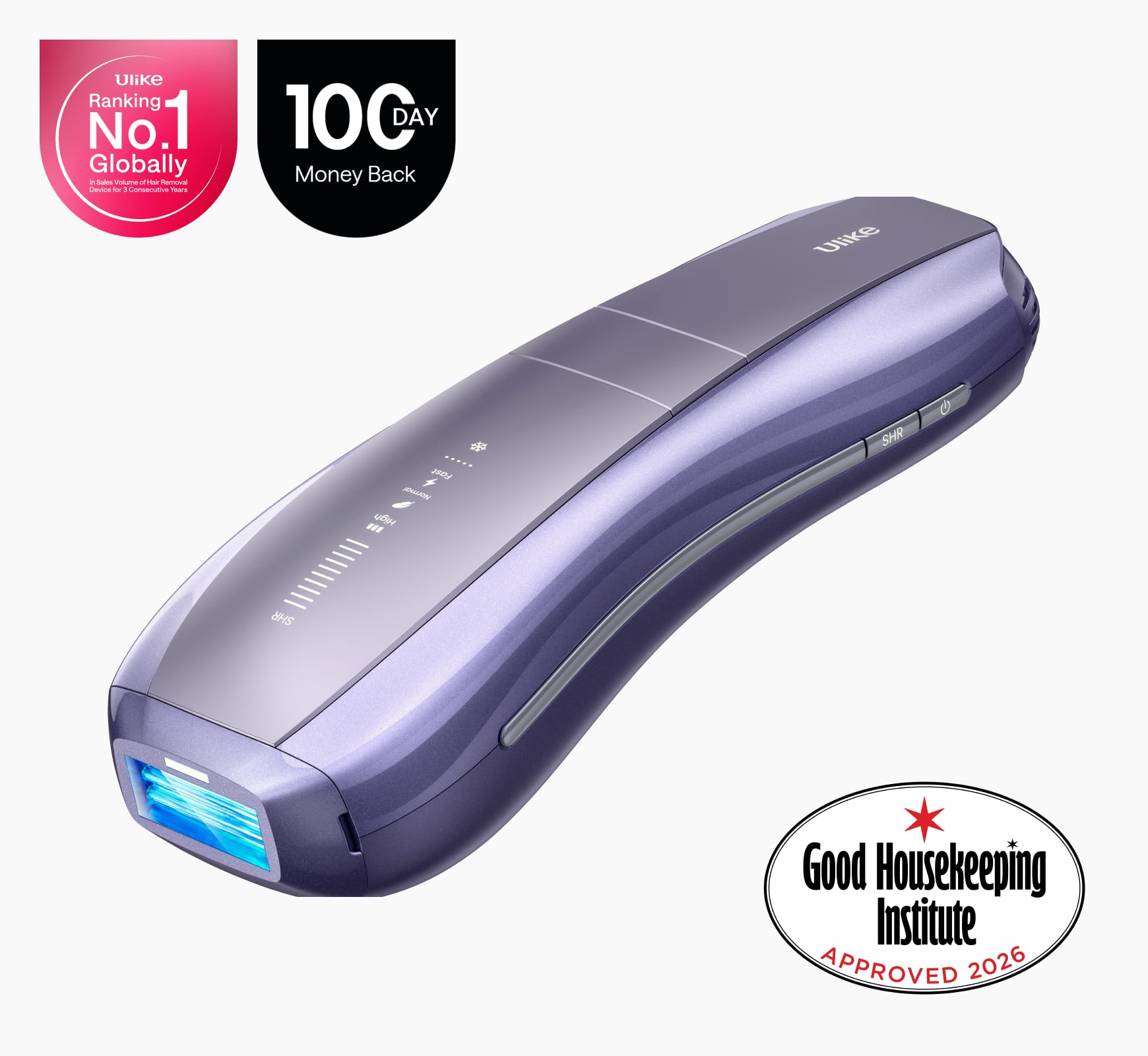
Ulike Air 10
2 weeks to silky smooth skin.
96% Hair Density Reduction in 4 Weeks
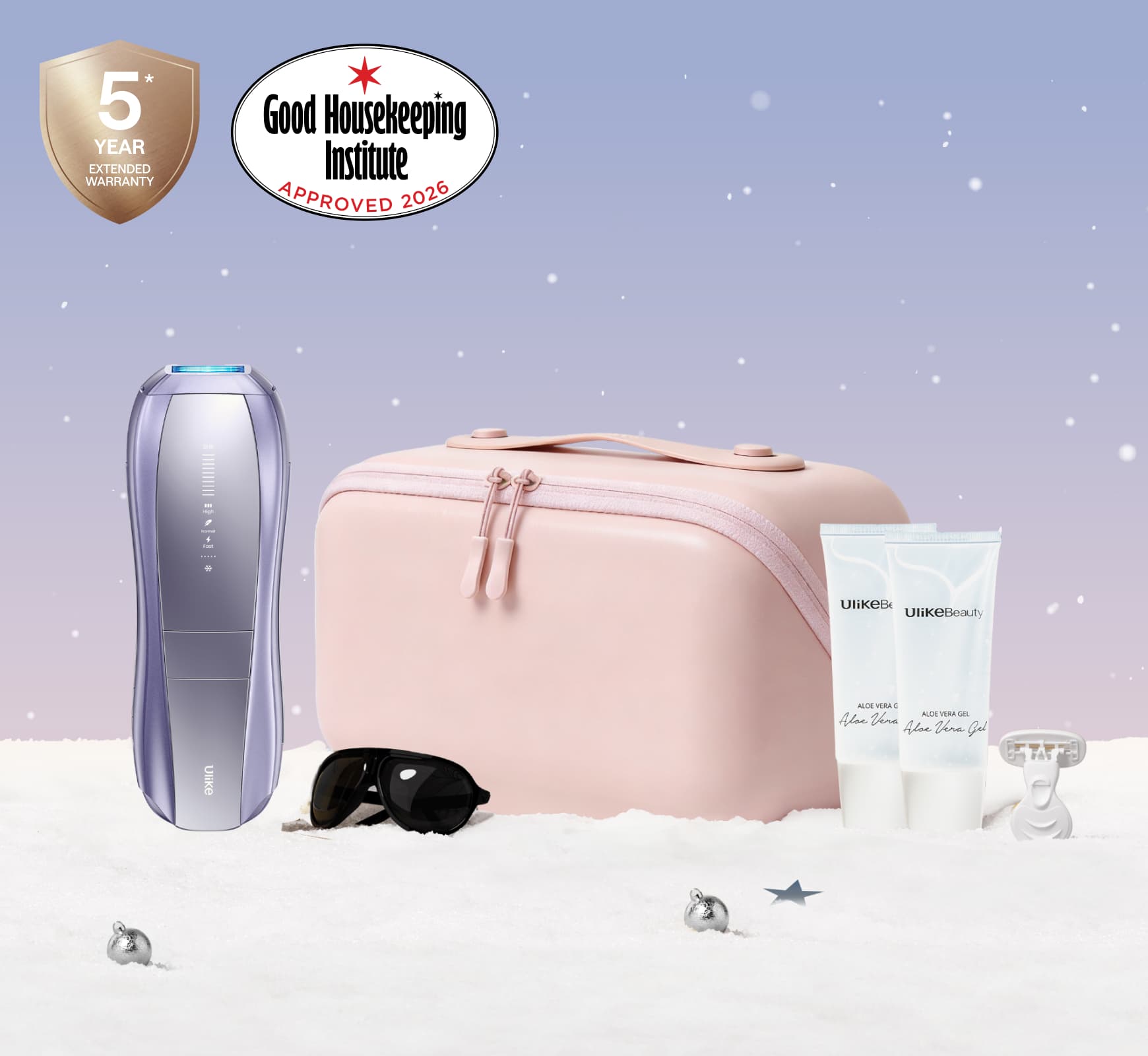
Ulike Air 10 Deluxe
10-minute full-body sessions
96% Hair Density Reduction in 4 Weeks
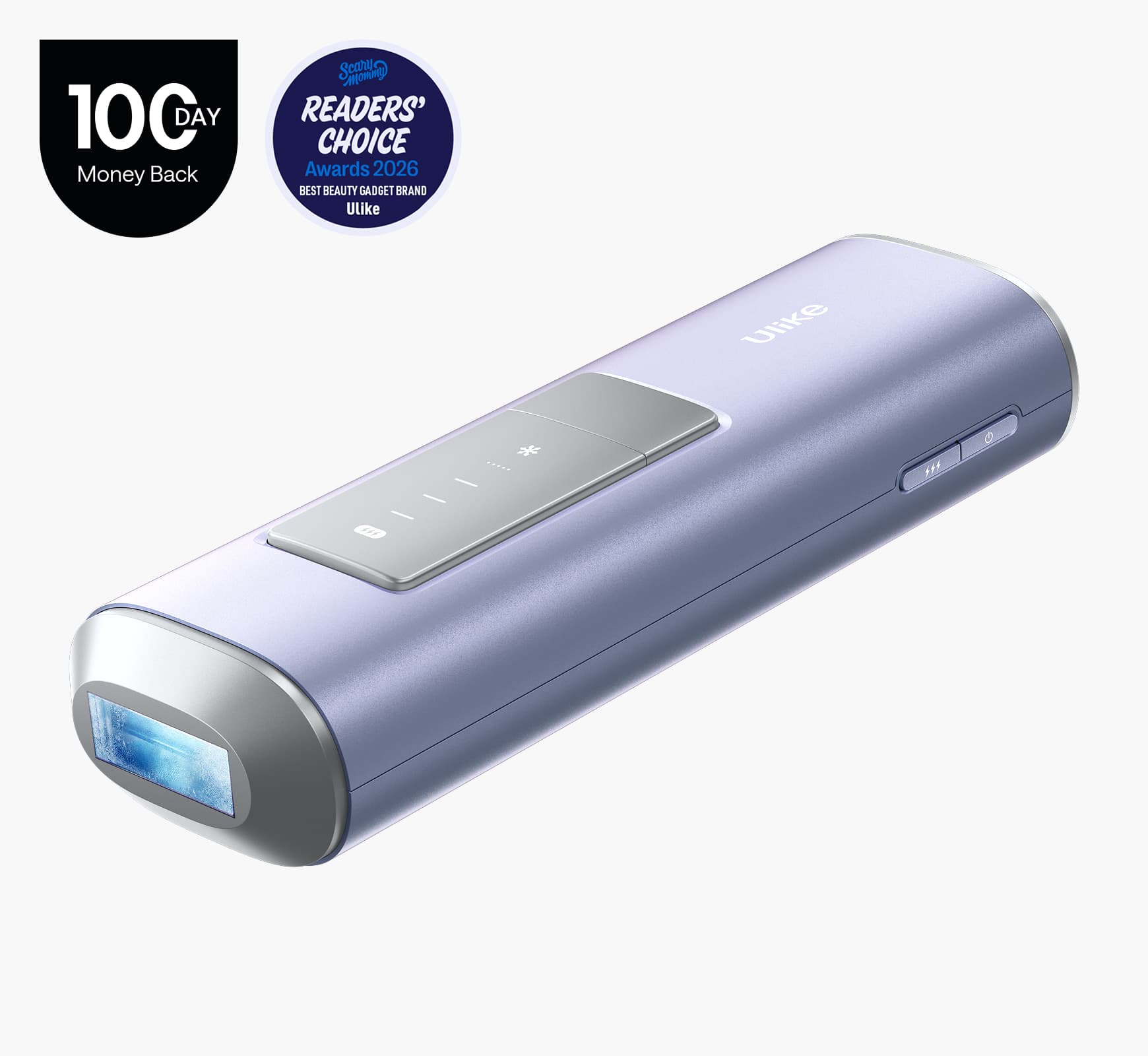
Ulike 2 Max
Gentle on sensitive skin
94.5% hair reduction in 4 weeks*
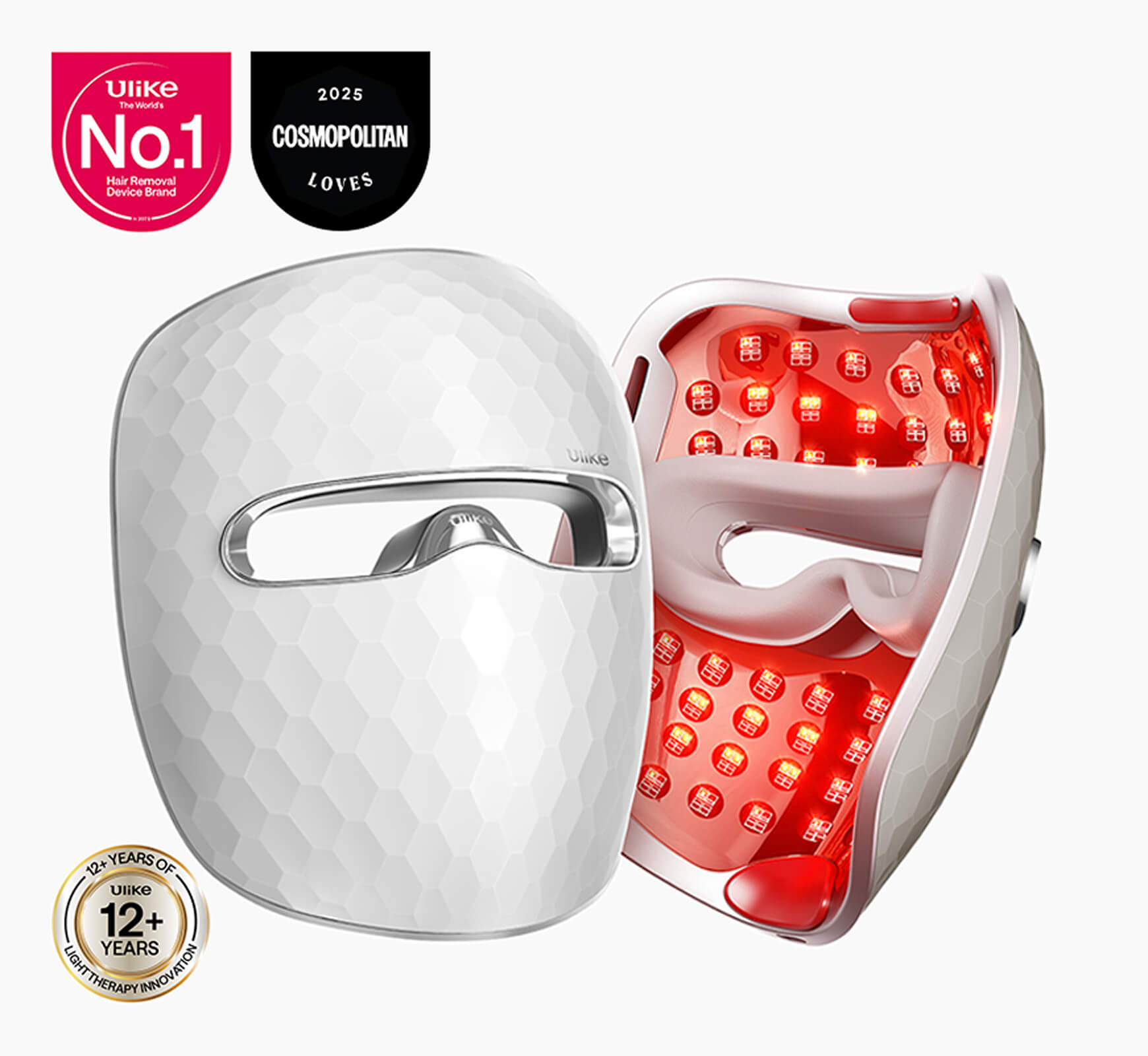
Ulike Reglow
Clearer skin in 2 weeks: Fewer breakouts
Smoother skin in 4 weeks: Fewer lines, firmer feel
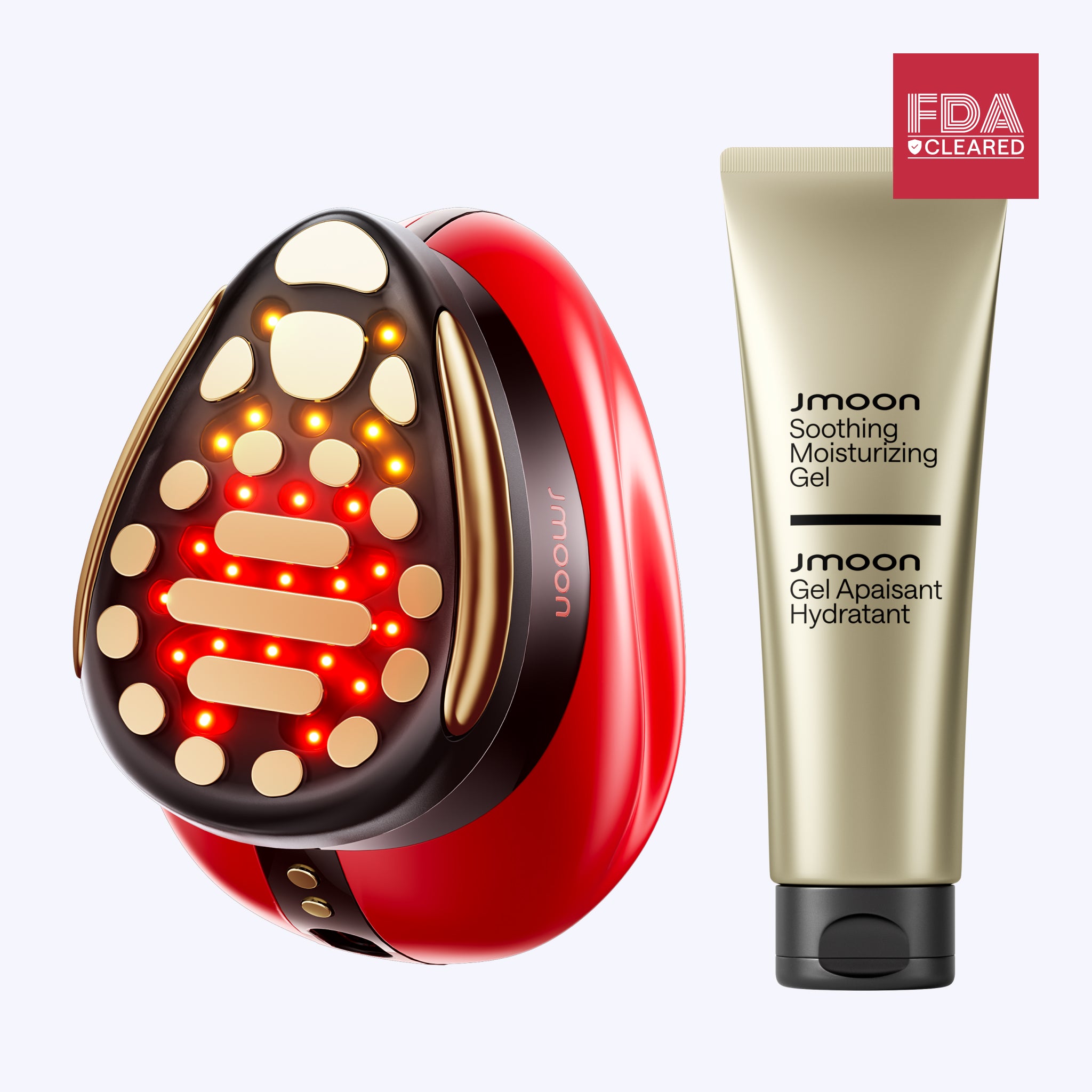
JMOON by Ulike M12 Max (RD)
Lift, Firm, and Smooth Your Skin With One Device