



IPL Hair Removal UK: Your Complete Guide to Safe, Effective Treatment at Home and in Salon

For those considering IPL hair removal but who do not know where to begin, you will find all of your questions answered here. From what the treatment involves to its safety and effectiveness, to expected results and deciding whether to treat at home or in a salon, there is no question that has not been asked by a potential consumer. Even for those who have received a couple of sessions before, you will still find useful advice on what it means to undergo IPL treatments and what to look for.
What is IPL hair removal?
IPL stands for intense pulsed light. This is a light-based method that targets and removes hair from the body by acting on the melanin found in each follicle. Heat produced when the light hits the follicle damages it in such a way that it becomes unable to produce new hairs in the future.
It is important to distinguish IPL from laser hair removal treatments right from the beginning since they are sometimes conflated. The former employs a range of light wavelengths, while the latter uses one concentrated wavelength. For this reason, IPL is usually considered less precise compared to medical lasers; however, the quality of IPL has advanced significantly with recent developments of at-home IPL kits, making it highly effective when used regularly.
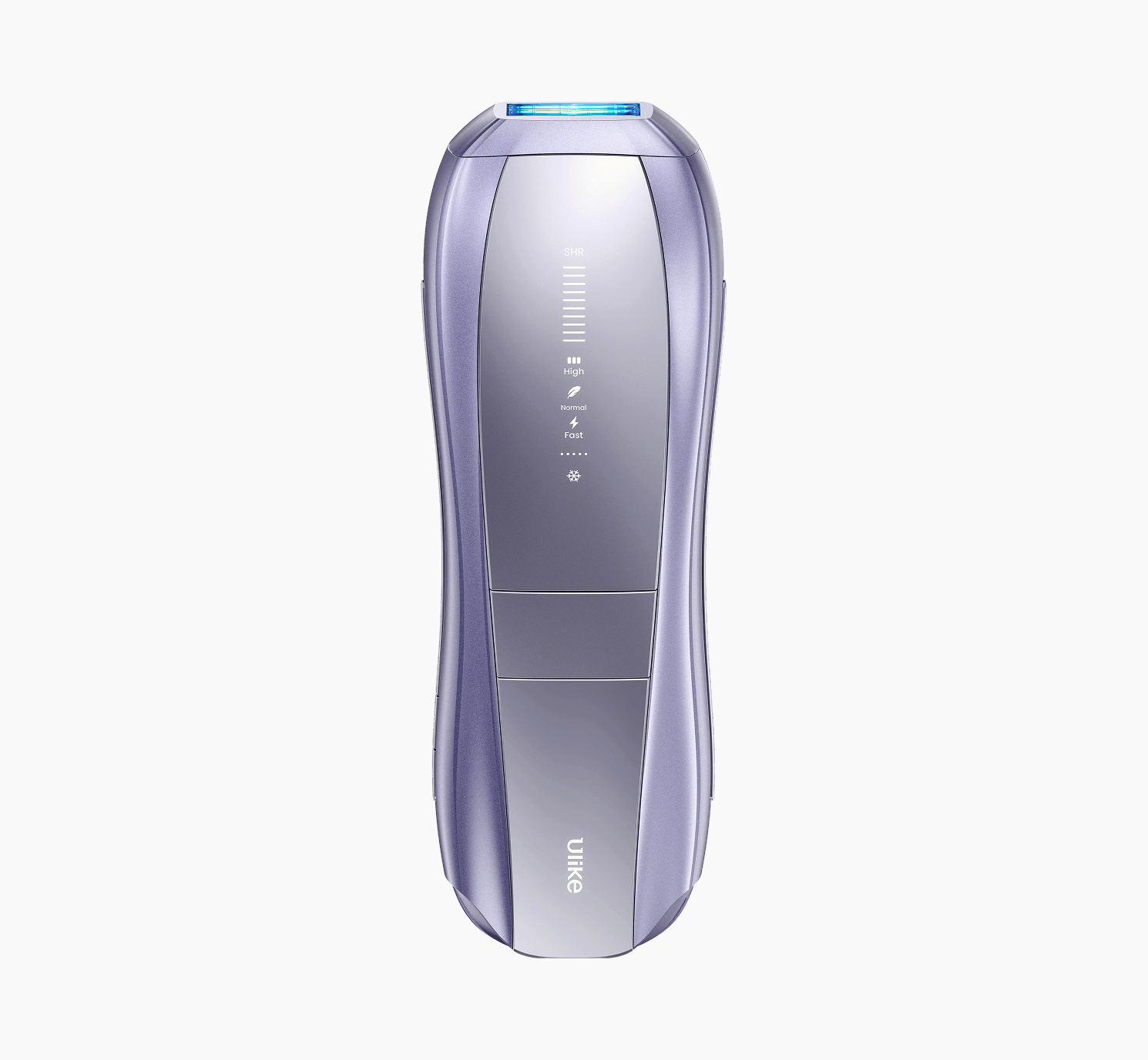
This technique has been known for decades now and has gained popularity as a home procedure during the last decade, thanks to consumer-oriented IPL devices manufactured by such companies as Philips, Braun, and Ulike. Although the core of their technology remains the same as that of salon IPL, it is more moderate in terms of energy output and therefore safer to use alone.
Quick note: Throughout this guide, you will see references to IPL 'permanently reducing' hair rather than 'permanently removing' it. This is the correct, regulated term used by the industry and reflects what the treatment actually does. More on this in the results section.
How does IPL hair removal work?

The role of melanin
As mentioned above, IPL focuses on melanin, the main colouring agent of hair. Once the light energy is received by the hair follicle and converted into heat, it goes deeper into the follicle, where it affects hair-producing cells while sparing the adjacent skin cells from any damage.
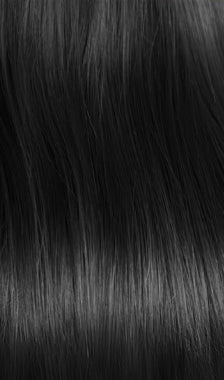
The importance of hair colour becomes evident at this point. Since dark hair has plenty of melanin and, consequently, receives a bigger portion of light energy, it reacts best to treatment. The lightest hair colours, such as grey, white, blonde, and red, are hard to treat due to low levels of melanin.
Hair growth cycles and why multiple sessions are needed
Hair growth does not happen simultaneously for all strands. This process involves three stages known as anagen (growth stage), catagen (intermediate phase), and telogen (resting phase). For the procedure of IPL to work, the hair must be in the anagen stage, when it is still attached to the hair follicle.
As a result of not all of your hair follicles being in the anagen cycle at once, only some of your hair will be targeted by the procedure during one session. Therefore, a number of sessions are required to cover all follicles at their proper cycles. Failing to attend sessions is among the major causes of treatment inefficiency.
What actually happens during and after treatment
Following each session, you might observe shedding of hair in one to three weeks after treatment. This process is natural since it indicates that the treatment was successful in treating the affected follicles. You may also experience redness or warmth in your skin, similar to that of a sunburn, for a few hours after the procedure.
With continued sessions, you will start to notice gradual hair thinning. The remaining hairs that regrow will be thinner compared to previous sessions.
Is IPL hair removal safe? UK-specific guidance
UK regulatory standards
UK IPL products that are intended for personal use must have either a CE or UKCA mark on them, indicating that they are compliant with safety testing standards before being put up for sale. Provided you purchase from a legitimate merchant, the products available for sale will be compliant.
In the case of salon-based procedures, however, the issue becomes more complex. In contrast to laser skin therapy, IPL treatment provided in beauty parlours in England is not monitored by the Care Quality Commission and thus can be offered by any individual, irrespective of whether they have received any training for that purpose. Therefore, it would be wise to enquire about your service provider’s qualifications and previous experience before getting the treatment done.
The cancer question: what the evidence actually shows
The most common query asked about IPL is whether it poses the risk of developing cancer. The answer, according to the latest scientific findings, is no. IPL employs non-ionising light technology. In simple terms, this light technology cannot damage DNA like X-rays and ultraviolet light. It is not considered a cause of cancer by the NHS.
In case you have any previous experience with skin cancer or any other skin diseases in the areas to be treated, consult your general physician before undergoing any such procedure.
When IPL should be avoided
There are instances where IPL cannot be employed. IPL should not be used by pregnant women since not enough information has been generated regarding its effects on pregnant women. Some drugs will increase sensitivity to sunlight and, thus, should not be used concurrently with IPL. These drugs include antibiotics and some drugs used for treating acne, like isotretinoin. Tattoos should not be subjected to IPL since the dye contained in the tattoo might attract light rays, leading to burns.
One should not undergo IPL treatment if they were exposed to the sun recently or had been using a sunbed because their skin may burn, since tanned skin tends to absorb more light energy.
IPL on sensitive skin and rosacea
Individuals with sensitive skin can feel apprehensive about the idea of IPL because redness and sensitivity tend to be typical side effects. Despite this, there are many individuals with sensitive skin who can complete their course of IPL successfully. It is simply a matter of beginning at a lower level and patch testing each new area.
Rosacea is one such condition that requires medical treatment by IPL; however, there is a marked difference between IPL treatment in clinical environments for rosacea and IPL hair removal equipment that individuals use at home. In any case where an individual suffers from rosacea, it is advised that he or she seek the advice of a dermatologist before attempting to use an IPL machine.
Who is IPL suitable for? Skin tone and hair type guide
Understanding the Fitzpatrick scale
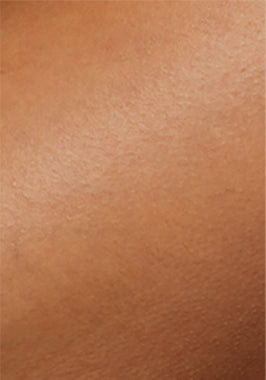
The Fitzpatrick scale can be used to classify skin colour depending on how the skin reacts to sunlight. This is on a scale of Type I to Type VI, ranging from very fair with the tendency to burn and never tan to very deeply pigmented skin, which never burns.
The reason why skin colour becomes such an important issue with IPL is due to the difference between the skin colour and the pigment in the hair. This allows for effective targeting of the hair follicle.
Which skin tones respond best
The IPL method is most effective on lighter skin types (Fitzpatrick Types I-III) with dark hair. Darker skin and hair serve as the best target for this procedure since the melanin in the hair absorbs the light, whereas the skin itself tends to reflect it.
Medium skin types (Fitzpatrick Type IV) will be easier to handle than dark skin, but there remains a risk of temporary skin colour changes if the IPL settings are too intense. Many devices available today are equipped with automatic sensors to adjust the amount of energy emitted by the lamp depending on the skin colour.
It goes without saying that dark skin types (V-VI) should be treated with great care since the IPL technique is contraindicated in such cases due to high risks of burns, as well as hyperpigmentation and hypopigmentation.
If you happen to belong to a dark skin category and are interested in getting light-based hair removal treatments, it is advised to visit a specialist and get diode laser treatments designed specifically for dark skin types with Nd:YAG technology.
Does hair colour affect IPL results?
Absolutely! As was stated above, IPL depends on the pigment called melanin within the hair. It follows that:
Brown and black hair respond better and will have more effective results.
Medium brown hair responds well to IPL treatments as well, although the duration of action may be slightly increased.
Light brown and dark blond hair can reduce growth to an extent; however, the results tend to vary.
Light blond, red, grey, and white hair do not contain enough pigmentation, making IPL ineffective.
Thus, if you have light hair, IPL may not be an option for you. One solution in this case may be electrolysis, which does not depend on hair colour.
Which body areas can be treated?
The IPL may be applied to virtually any area of your body, such as legs, arms, underarms, bikini line, face (beneath the cheekbones only), and pubic area. As various brands give slightly different instructions on how to use their particular models, you should make sure you read the instructions carefully.
Pubic area treatment is among the topics that people look up most frequently, and they all ask a very important question: whether it is possible to treat that area. The answer is yes, most at-home IPLs are safe to use in that area, provided the proper technique is used.
Does IPL hair removal hurt?
What it actually feels like
The most frequent example used when comparing is the one with a hot spoon on the skin. The heat feels instantaneous and sharp, coming every time that the apparatus fires, and generally, people consider it quite tolerable, especially as compared to waxing.
The level of feeling depends on the energy level you use and the specific part of the body you treat, as well as your own individual pain tolerance level. When using low energy levels, most people hardly feel anything.
Which body areas are most sensitive
The lips and chin are usually among the most sensitive parts of the face. When it comes to other body parts, the bikini zone and inner thighs are more sensitive compared to other zones such as the limbs. The underarms are also usually more sensitive because of their thin skin.
The IPL hair removal equipment in salons is generally more powerful than home-based kits, which implies that there will be slight differences in how the procedure feels in each setting. In professional salons, a cooling gel is often applied on the skin to make the process less painful.
How to reduce discomfort
- Shave the area just before treatment to ensure that the light penetrates the follicle and not the hair.
- Begin using the lowest intensity level and increase the power gradually as you become accustomed to it.
- Always conduct treatment at the same time every session so that your skin remains in the same condition.
- For home treatments, cool down the treated area with a wet, clean cloth right after each pulse.
- Do not use the device during the period when you experience increased sensitivity in some parts of your body.
IPL results: what to expect and when
The typical treatment timeline
Most people need between eight and twelve sessions to achieve significant, lasting hair reduction. Sessions are usually spaced four to six weeks apart for body areas, and two to four weeks apart for the face, where the hair growth cycle is shorter.
Stage |
Sessions |
What to expect |
Early stage |
1 to 3 |
Little visible change in most cases. Some hairs may shed 1 to 2 weeks after each session. |
Mid stage |
4 to 6 |
Noticeable reduction in hair density. Regrowth begins to slow. Hairs that do return are often finer. |
Late stage |
7 to 12 |
Significant reduction in most cases. Remaining hairs are typically sparse and fine. |
Maintenance |
Occasional top-ups |
Some hairs may eventually regrow, particularly after hormonal changes. One or two sessions per year is common. |
Is IPL permanent?
IPL treatment falls under the category of a 'hair reduction treatment’. It is an important distinction to make because it implies that, while the treatment could effectively reduce the number of hair follicles on the skin, it is unlikely to ensure that they would never grow back again.
In certain cases, for example during pregnancy or after taking some medications, hormonal factors may result in activation of dormant follicles which have already been affected by the treatment. The majority of patients require a single touch-up session only once per year.
What can affect your results
Consistency remains the key issue. It will be very difficult to achieve results if one misses sessions or does not have sessions for some time. The colour of skin and hair is also an important consideration here, which we have mentioned before. Those individuals who have light skin colour and dark hair get the best results.
Additional skin benefits
In addition to reducing body hair, another benefit of using the IPL method is its effectiveness in preventing the formation of ingrown hairs, which are quite common after shaving and waxing. This method can unclog pores and reduce swelling caused by ingrown hairs. Some users may even experience improved skin texture on the treated areas.
At-home IPL vs salon treatment: which is right for you?
The key differences
The most significant practical difference between at-home and salon IPL is the energy output. Professional salon machines deliver higher fluence (light energy per unit area) than consumer devices, which in theory means faster and potentially more powerful results per session. However, consumer devices have improved considerably over the past few years, and with consistent use, at-home IPL can produce results that are comparable for many people.
Factor |
At-home IPL |
Salon IPL |
Cost |
£80 to £500+ for the device (one-off) |
£50 to £150+ per session depending on area |
Long-term cost |
Lower once device is paid for |
Higher with ongoing sessions |
Power output |
Lower (regulated for safety) |
Higher, adjusted by a practitioner |
Convenience |
Treat at home, any time |
Appointments required |
Skin tone guidance |
Built-in sensor on better models |
Assessed by trained practitioner |
Results speed |
Slightly slower in most cases |
Can be faster per session |
Suitability check |
Self-assessed using manual |
Professional consultation included |
When a salon makes more sense
If you fall into the grey areas regarding your skin tone within the safety limits of the home device or are aiming to achieve faster results, professional treatment could be something to consider. Professional treatment will also be useful if you wish to treat large surfaces such as your full legs but do not wish to monitor the process on your own.
If you suffer from any skin problems or take medication, it would make sense to first consult a clinic before buying a device for home use.
What to look for in an at-home IPL device
IPLs for consumers may not be created equally. Consider these factors when selecting an IPL device for home use in the UK:
Skin tone sensor for automatic intensity adjustment.
Various intensity settings for a gradual increase in exposure from a low level.
Number of flashes sufficient to complete a whole course of treatment without exhausting the cartridge. Minimum 300,000 flashes.
CE or UKCA mark indicating compliance with safety regulations for devices in the UK.
Facial and body attachments for combined application of IPL on both body parts.
Device warranty and customer service in the UK.
IPL vs laser hair removal: what you need to know
The core technical differences
While both IPL and laser technology employ light energy to address hair follicles, there are subtle differences in their approaches. Laser systems deliver a high concentration of light energy, while IPL systems produce multiple wavelengths rapidly. In practice, laser treatment is more focused and efficient and may yield better results, especially for those with dark skin, in which case specialised lasers can be utilised to minimise any damage to the surrounding skin.
When dealing with light skin and dark hair, there is less variance in performance between IPL and laser technology than what manufacturers claim, especially between home-use IPL and professional salon laser systems.
Which gives better results?
The laser-based treatments, especially the diode and the Nd:YAG laser treatments, usually provide faster and more reliable outcomes when compared to IPLs in a controlled environment. Nevertheless, they are also quite costly per session, as well as harder to find in the form of a home kit. In this sense, for many people, the question becomes not about choosing the most effective technology but rather about the most viable one.
In case your comparison goes between the home IPL treatment and the salon laser treatment, the latter option should prevail in terms of speed and power of the outcome achieved. As for the comparison between salon IPL and salon laser treatments, it comes close; however, the latter should prevail again.
Cost comparison
IPL hair removal devices sold for home use usually go for between £80 and £500. In salons in Britain, a laser treatment session for smaller areas like the top lip costs around £40, while an entire leg treatment session could cost up to £300 or more, with a course of treatment potentially costing thousands of pounds.
Compared to these prices, home-use IPL works out to be much cheaper in the long run, despite the initial investment in the machine.
Other alternatives to consider
Electrolysis is the sole form of hair removal technique that the FDA of the USA and other countries' regulatory bodies recognise as a permanent treatment. This is because, unlike Intense Pulsed Light (IPL) and lasers, electrolysis does not depend on any light source and thus can be performed on all hair colours and skin tones.
SHR, or super hair removal, is a newer variant of light-based treatment that uses lower energy pulses delivered more rapidly, which some practitioners find gentler for sensitive skin tones. It is currently less widely available in the UK but worth investigating if standard IPL has not worked well for you.
IPL side effects and risks
Common side effects
Skin reddening and sensitivity are usually common among individuals immediately after the IPL procedure. This should, however, clear within a couple of hours. Patients undergoing this treatment may also feel that their skin is warm, just like it would when you have been exposed to the sun for a while. It may be common for patients to have darkened skin where follicles are present.
Less common but more serious side effects
If the machine operates at a higher intensity than what is suitable for the colour of your skin or if the machine stays still, burns and blisters could result. Burns and blisters are more probable if you have been exposed to the sun and have a tan, if you choose a machine that lacks a skin tone sensing function, or if you disregard the proper settings for the skin tone.
Changes in skin pigmentation may also take place, which involve either hyperpigmentation (darkened skin) or hypopigmentation (whitened skin). Such cases are common among individuals who have medium or dark complexions.
Paradoxical hair growth
It is less talked about but equally as important a risk. In certain instances, the use of IPL and lasers can actually cause hair to grow in certain areas where it should not, such as for women who suffer from hormonally based hair growth on their faces, jaws, and necks. Should you notice that hair is growing where it was never before treated, then discontinue any further treatments and speak to a dermatologist about it.
When to stop and seek advice
Stop treating and seek medical advice if you experience persistent blistering, significant pain that does not settle within a day or two, any sign of infection in the treated area, or unusual pigmentation changes that do not resolve within a few weeks.
How much does IPL hair removal cost in the UK?

Salon IPL prices
There is great variance in cost among salon packages depending on the part of the body being waxed and the location of the salon, with the average cost listed in the table below for the United Kingdom:
Body area |
Per session (approx.) |
Typical course cost |
Upper lip |
£20 to £50 |
£120 to £300 |
Underarms |
£30 to £60 |
£180 to £360 |
Bikini line (standard) |
£40 to £70 |
£240 to £420 |
Bikini line (full/Brazilian) |
£50 to £100 |
£300 to £600 |
Half legs |
£50 to £90 |
£300 to £540 |
Full legs |
£80 to £150 |
£480 to £900 |
Back or chest |
£60 to £120 |
£360 to £720 |
London and major cities typically sit at the higher end of these ranges. Many clinics offer package discounts for booking a course of six or more sessions upfront.
At-home device costs
Basic IPL kits for home use cost between £80 and £150. Mid-priced IPL kits generally include skin sensors and other modes of intensity levels and are priced between £150 and £300. High-end IPL kits for home use include Ulike and similar brands, costing more than £300 but less than £400.
Is the investment worth it?
For most people who want longer-term hair reduction across multiple body areas, the economics of at-home IPL compare favourably to ongoing waxing or salon IPL over a two to three year period. The upfront cost can feel significant, but a quality device should last for many years if maintained properly.
How to use IPL safely at home: a step-by-step guide

Before your first session
Before you start to use your IPL machine for the first time, conduct a patch test. Treat the area of your skin you plan to use the IPL machine on at your selected intensity level. Wait for 24 to 48 hours and see whether there are any negative effects before using your IPL machine.
Shaving should be done either one day prior to your treatment or on the day itself. Waxing, threading, and epilation are discouraged since these procedures strip away the hair follicles. The follicles are what the light will act upon during the treatment process.
The area should be completely free of all creams and oils since these will affect the effectiveness of the light absorption.
During the session
Place the device flat against the skin with the flash window in full contact with the surface. Press the flash button and move the device to the adjacent area without overlapping. Work systematically across the treatment zone so you do not miss any areas or double-treat others.
Use the lowest or second-lowest level of intensity in your first treatment. Increase the intensity gradually in future treatments depending on your reactions to it.
Do not apply the machine to any moles, tattooed areas, or where there is any irritated skin.

Aftercare
After your treatment is over, use a moistened cloth to cool down your skin if it feels warm. Moisturise your skin if it feels dry. Stay away from taking hot baths, visiting saunas, and exercising for 24 hours post-treatment.
Sun protection is vital in your treatment regimen. In case your skin becomes hypersensitive to the UV rays, then you have to put an SPF of 30 or above on the affected parts.
How often to treat each area
Face: every two to three weeks during the first eight treatments, and thereafter when necessary.
Underarm and bikini line: every three to four weeks.
Legs and Arms: Every four to six weeks.
For maintenance treatment on all body parts: once a month to three months after the first phase.
Common IPL mistakes and how to avoid them
Stopping the course too early
By far, this is the most common reason why people believe IPL has failed to deliver the desired outcomes. Since IPL targets only those hairs that are actively growing, and since not all follicles grow hair at the same rate, the treatment’s effectiveness develops progressively over the entire course of the treatment regimen. Missing appointments or discontinuing treatment halfway through the process may mean that not enough follicles were exposed to the treatment.
Using the wrong intensity
Setting the intensity too low will produce little effect. Setting it too high for your skin tone risks burning or pigmentation changes. Use the skin tone guide that comes with your device and let the built-in sensor do its job if your device has one. As a rule, it is better to spend an extra session or two at a moderate setting than to rush results by pushing the intensity too high.
Waxing or plucking between sessions
Waxing, threading, tweezing, and epilating all remove the hair shaft and root from the follicle. IPL needs the pigmented hair shaft to be present in the follicle for the light to work. Shaving is the only safe method of hair removal between sessions because it leaves the follicle and root intact.
Treating tanned skin
A tan significantly increases the melanin content of the skin, which raises the risk of the light energy being absorbed by the skin rather than the hair follicle. This can cause burns and pigmentation issues. Always wait for a tan to fully fade before treating, and apply SPF consistently during your IPL course if any treated areas will be exposed to the sun.
Inconsistent timing
It is best for IPL to be done on a consistent interval schedule in accordance with the cycle of hair growth. If there are wide intervals between treatments, the effectiveness will be less than expected. Schedule each treatment appointment accordingly, regardless of whether or not hair growth is evident.
Frequently asked questions
Is IPL hair removal safe in the UK?
Yes, for most individuals falling into the advised skin colour and hair colour categories. For home usage, look out for machines bearing CE or UKCA approval marks. For salon-based services, seek the services of a professional therapist. If you are suffering from any skin ailment, pregnancy, or taking medication that makes your skin sensitive to light, consult your doctor first.
Does IPL hurt?
Usually, people compare it to an elastic band being flicked at their skin. However, this pain tends to be bearable, although areas such as the upper lip and bikini line may hurt more. Setting the device to the lowest level possible and shaving prior to using the device will alleviate pain.
How long does IPL take to work?
The majority of individuals begin to see results after about three or four treatments. There is usually a marked change after completion of eight to twelve treatments within a period of three to six months.
Does IPL permanently remove hair?
IPL is a technique used for permanent hair reduction, but not permanent hair removal. This implies that IPL can effectively minimise the hair growth on a particular spot but does not promise no hair growth in the future because the hormones in your body may trigger hair growth in some follicles that have undergone the procedure before.
Can IPL be used on pubic hair?
Yes, most at-home IPL devices are suitable for use on the pubic area and bikini line. Follow the specific guidance in your device's manual, use an appropriate intensity level for the area, and take particular care with the technique given the sensitivity of the skin.
Is at-home IPL as effective as salon IPL?
Salon IPL typically uses higher energy output, which can produce faster results per session. However, with consistent use over a full course, at-home IPL can produce comparable results for most people within the recommended skin and hair type range. The main trade-off is time versus cost.
IPL vs laser: which is better?
Clinical laser treatments generally have a slight edge in speed and precision, particularly for people with medium to darker skin tones. For lighter skin tones with dark hair, the practical difference in results between IPL and laser is often smaller. Laser tends to cost more per session. The better choice depends on your skin tone, budget, and how quickly you want results.
What are the side effects of IPL?
The most frequent side effects include temporary reddening and sensitivity of the skin following each treatment, which usually resolve in several hours. Some side effects that occur less frequently are changes in pigment production, and, in very rare instances, burns may occur due to improper use of the instrument or excessive energy levels on the skin. Hair growth is another possible side effect, especially in females with hormonally induced facial hair growth.
How much does IPL hair removal cost in the UK?
The home-based systems are available in a price range of £80 to £500 according to the brand and functionality of the product. In the case of salon treatments, each session can be priced between £20 and £150 based on which part of the body needs to be treated. Full courses will then cost several hundred pounds.
Can IPL work on dark skin tones?
Standard IPL is not generally recommended for Fitzpatrick skin types V and VI due to the increased risk of burns and pigmentation changes. People with darker skin tones interested in light-based hair removal should seek a consultation with a qualified practitioner who can recommend a suitable specialist laser treatment.
Does IPL cause cancer?
No. IPL employs non-ionising radiation, which does not have the capacity to alter DNA or induce cancer. According to the NHS, IPL is not listed as a cancer risk factor. It would be wise if you had a history of skin cancer in your family or even yourself to consult a physician.
Why is my IPL device not working?
The most common reasons are that the hair colour or skin tone is not well matched to IPL technology, that sessions have not been spaced consistently, or that the hair has been waxed or plucked rather than shaved between sessions. It is also worth checking that the device's flash count has not run out, and that the flash window is making full contact with the skin during treatment.
This guide is for informational purposes only and does not constitute medical advice. If you have any concerns about your suitability for IPL hair removal, speak to your GP or a qualified dermatologist before starting treatment.

How to Clean an IPL Hair Removal Device Safely

Can You Use IPL on Arms? Will It Work on Your Hair?

When Does IPL Hair Start Shedding? Signs It’s Working
Explore Beauty
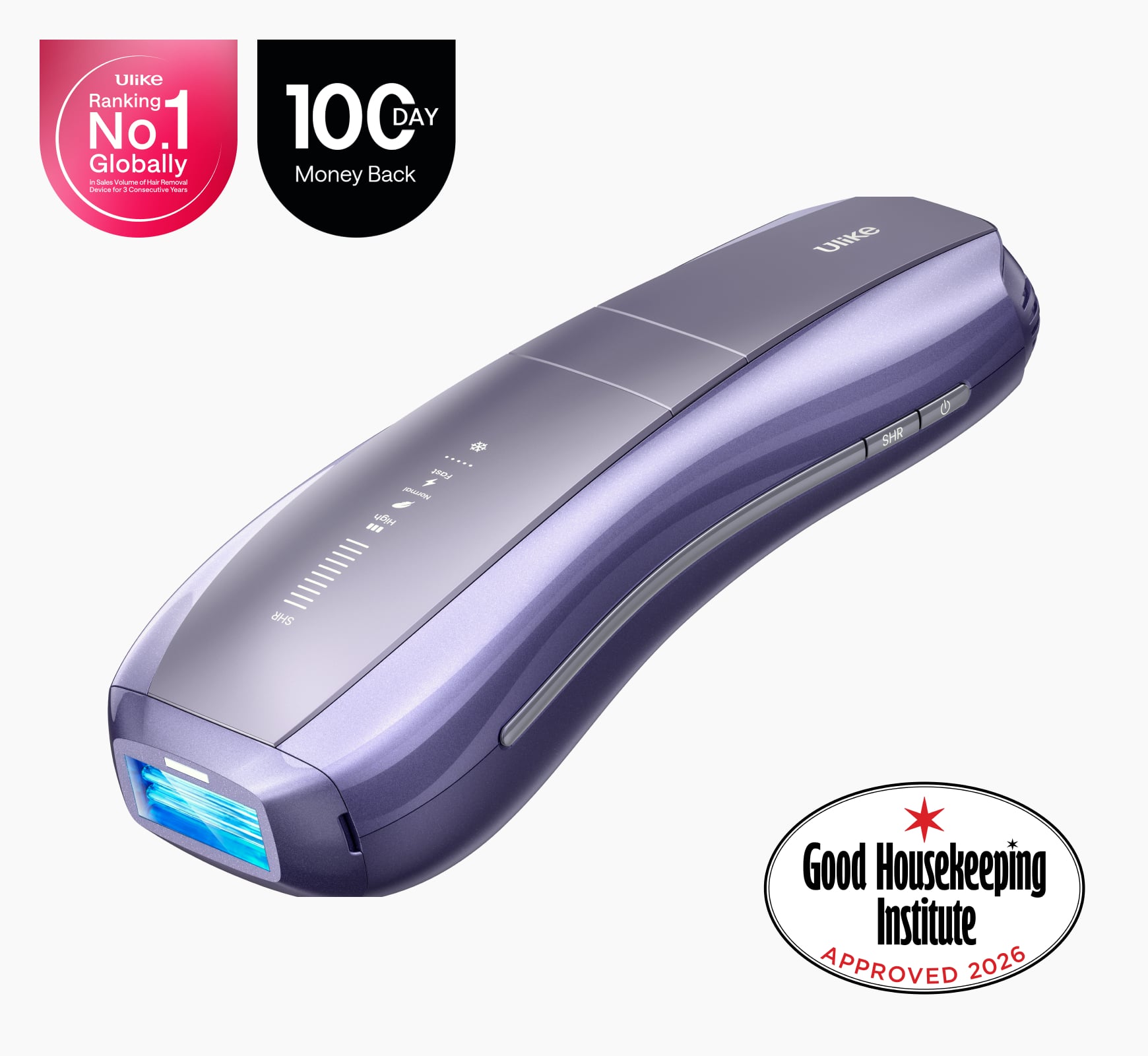
Ulike Air 10
2 weeks to silky smooth skin.
96% Hair Density Reduction in 2 Weeks
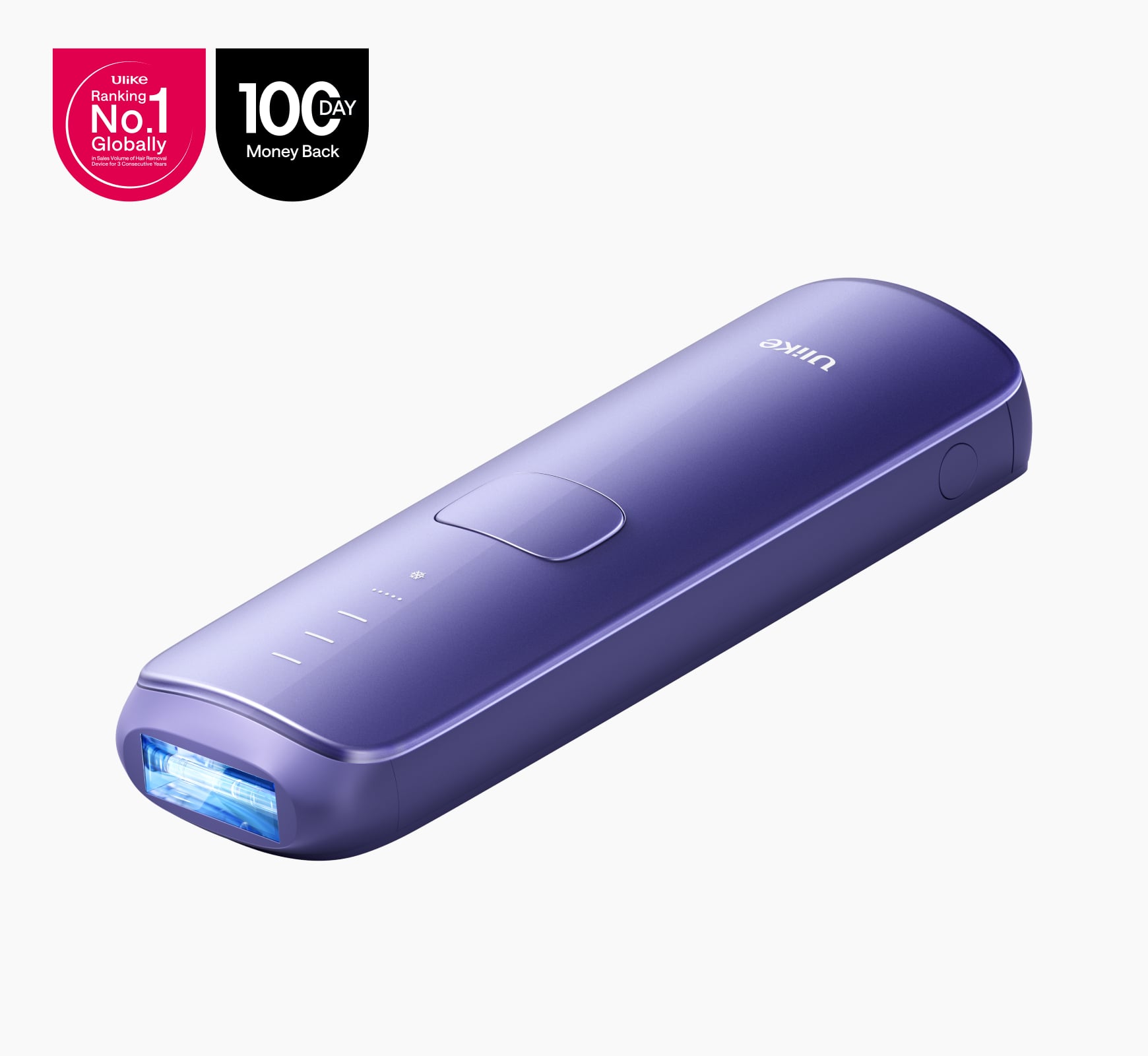
Ulike Air 3
3 weeks to silky smooth skin.
93% Hair Density Reduction in 4 Weeks
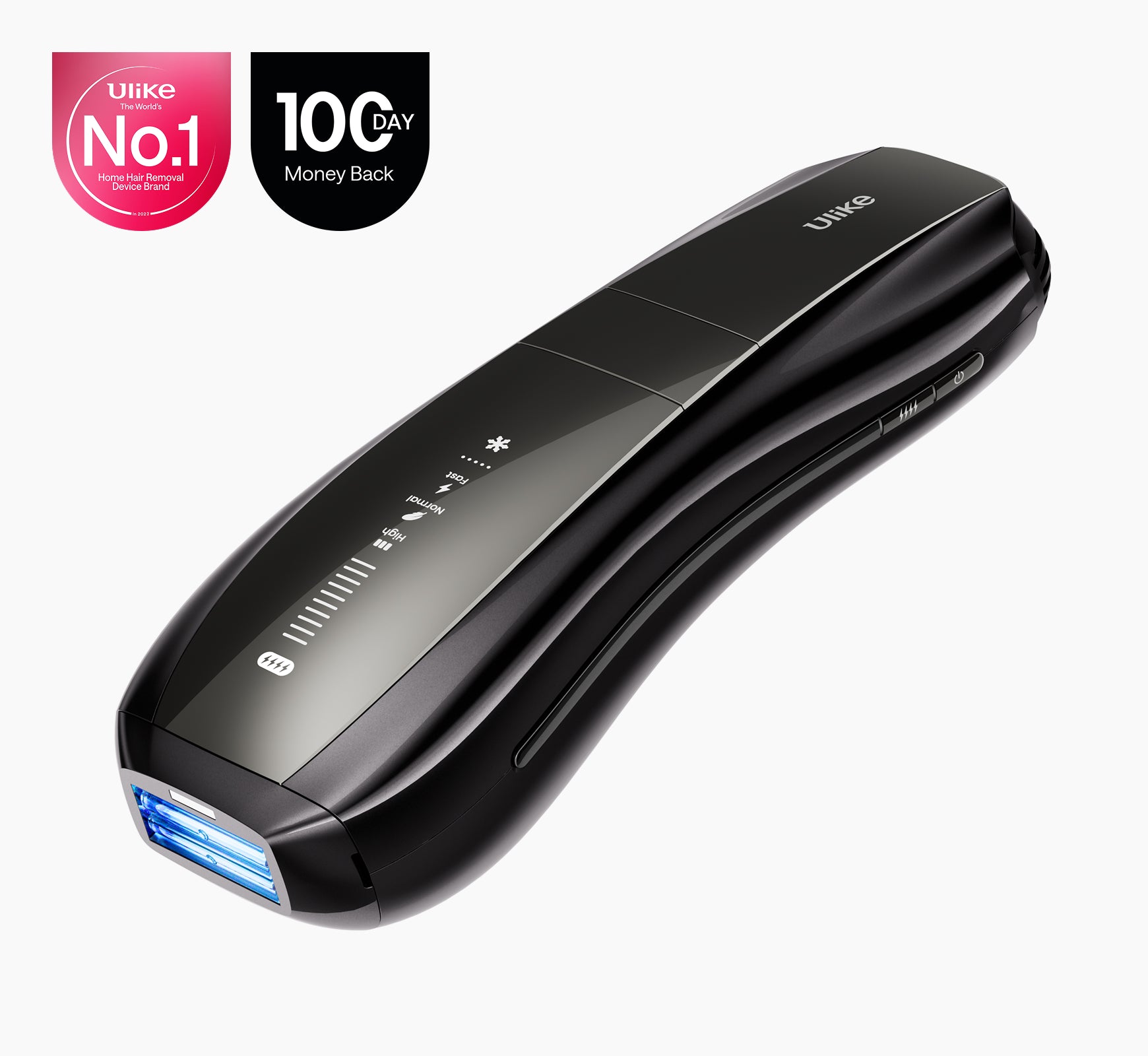
Ulike X
3 weeks to silky smooth skin.
94% hair reduction in just 2 weeks*
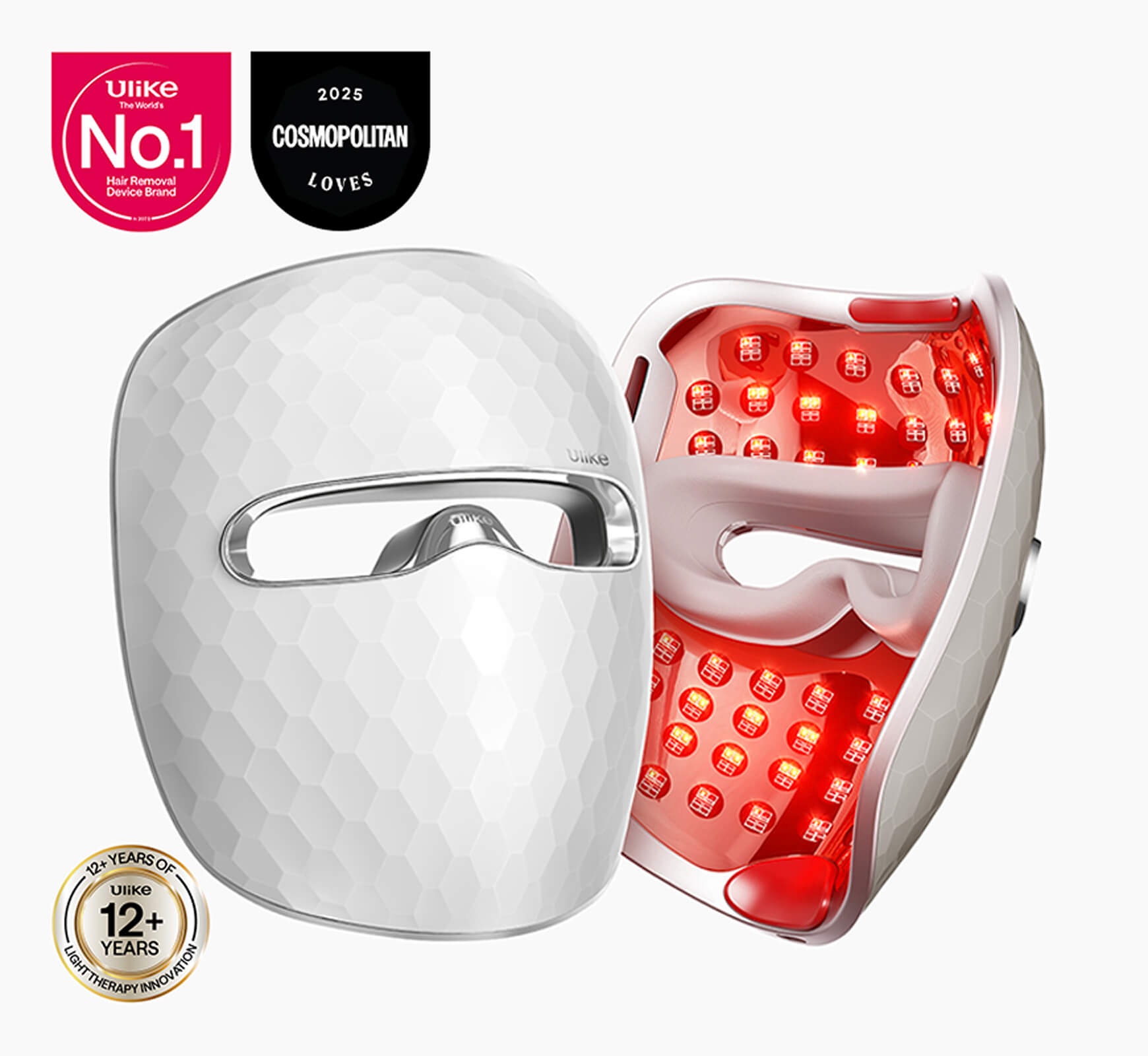
Ulike Reglow
Clearer skin in 2 weeks: Fewer breakouts
Smoother skin in 4 weeks: Fewer lines, firmer feel