SHR Laser Hair Removal Explained: How It Works and How It Compares to IPL
Hair Removal

SHR Laser Hair Removal Explained: How It Works and How It Compares to IPL

SHR laser is a term that often appears when people start looking into longer-term hair reduction treatments. It usually comes up alongside familiar options such as traditional laser hair removal and IPL devices, which can make the differences between them difficult to pin down at first. SHR laser hair removal is a clinic treatment that uses repeated low-energy light pulses to warm the hair follicle gradually. As the device moves across the skin, heat builds inside the follicle, which can slow future hair growth. Because hair grows in cycles, treatments are normally spaced across several sessions. The goal is not instant removal but a gradual reduction in regrowth over time. This also helps explain how SHR compares with other light-based hair removal technologies. Some people prefer clinic treatments, while others look into at-home options such as the Ulike Air 10 IPL Hair Removal device for a routine they can manage themselves. What “SHR” Means in Laser Hair Removal SHR stands for Super Hair Removal. It refers to a laser technology designed to reduce hair growth gradually using a sequence of low-energy pulses. Rather than delivering one intense burst of energy, the device releases multiple gentle pulses in quick succession. These pulses slowly heat the hair follicle while the treatment device moves across the skin. The gradual heating approach is intended to make the process more comfortable than older laser systems. SHR treatments are usually performed in clinics or aesthetic practices. As with most light-based hair removal technologies, the aim is long-term reduction in hair growth rather than permanent removal. What Happens During an SHR Laser Hair Removal Treatment SHR laser hair removal treatments are relatively straightforward. They work on the same principle as most other light-based hair removal systems. Hair follicles contain a pigment called melanin, which gives hair its colour. During an SHR treatment, the device releases light energy that is absorbed by this pigment in the hair follicle. When the light is absorbed, it turns into heat. This heat travels down the hair shaft into the follicle. Repeated treatments can weaken the follicle over time, which helps slow future hair growth. Hair grows in cycles, which is why several treatments are usually required. Clinics typically recommend scheduling sessions every few weeks so that different growth stages can be targeted. After a number of treatments, people often notice gradual changes. Hair may grow back more slowly, the strands can become finer, and the overall density of hair may reduce. Some clinics also recommend occasional maintenance sessions after the initial treatment course. Why Some Clinics Use SHR for Hair Reduction Clinics often promote SHR as a modern approach to laser hair reduction. While experiences vary, several characteristics explain why the technology attracts interest. One commonly mentioned benefit is the gradual heating technique. Because the energy is delivered in smaller pulses, the skin does not experience the same sudden temperature increase that can occur with some traditional laser systems. The treatment method also allows the device to move continuously across the skin. This can make sessions quicker for larger areas such as legs or back. Some clinics also highlight the possibility of treating a wider range of skin types compared with older technologies, although suitability still depends on individual skin and hair characteristics. As with all light-based hair removal methods, results usually develop over time rather than immediately. SHR Laser and Traditional Laser Hair Removal Compared SHR is often described as a newer development in laser hair removal, but the most important difference lies in how energy is delivered to the skin. Traditional laser systems generally release a single, concentrated pulse of energy that targets the follicle directly. SHR spreads the energy across multiple smaller pulses while the device moves across the treatment area. Feature SHR Laser Traditional Laser Energy delivery Multiple low-energy pulses Single stronger pulse Comfort level Often described as gentler Can feel sharper Treatment method Continuous movement across skin Pulse-by-pulse targeting Sessions required Several sessions Several sessions Both methods aim to reduce hair growth gradually through repeated treatments. SHR vs IPL: The Key Differences You may also come across IPL, which stands for Intense Pulsed Light, when researching SHR treatments. Both technologies target the pigment in hair follicles, but they deliver light energy in slightly different ways. SHR uses a focused wavelength of light that gradually heats the follicle during treatment. IPL devices use a broader spectrum of light made up of multiple wavelengths. In both cases, the goal is to heat the follicle so that hair growth slows over time. One of the biggest differences is where these treatments usually take place. SHR treatments are typically performed in clinics by trained practitioners. IPL technology, on the other hand, is now widely available in at-home devices. Products such as the Ulike Air 10 IPL Hair Removal device deliver controlled pulses of light designed for regular use at home. For some people, this makes IPL a convenient option for maintaining hair reduction without needing regular clinic appointments. Safety Considerations for SHR Laser Treatments SHR Laser Hair Removal is used a lot in beauty clinics. It is considered safe when it is done by people who know what they are doing. This is true for people with the skin and hair. SHR Laser Hair Removal works well when the color of the hair is different from the color of the skin. This is because the machine can see the hair better. Dark hair is easier to remove because it has color in it. When you go to a professional for SHR Laser Hair Removal they will look at your skin before they start. They might use a gel to keep your skin cool. Some machines even have a built-in cooler to keep the skin comfortable. If you want to remove hair at home there are machines you can use. These machines have features that help you use them safely. They can tell what kind of skin you have. They can keep the skin, around the hair cool. This helps prevent any problems. Possible Side Effects After SHR Laser Treatments Most people tolerate SHR treatments well, but mild temporary effects can occur. Some people notice slight redness in the treated area shortly after a session. The skin may also feel warm for a short time. These effects usually settle within a few hours. Clinics often advise avoiding direct sun exposure immediately after treatment and using sunscreen on exposed areas. A patch test may also be recommended before beginning a full treatment course. This allows practitioners to check how the skin responds before treating larger areas. Following aftercare guidance helps keep the skin comfortable while treatments progress. Typical Cost of SHR Laser Hair Removal Cost is often one of the first practical questions people ask when considering laser treatments. In the United Kingdom the price of SHR sessions is normally based on the area of the body that needs to be treated. For areas like the upper lip it can cost somewhere between forty and seventy pounds for each session. Larger areas, such as the legs can cost a lot more. One hundred and twenty to two hundred pounds or even more for each session. You usually need to have six to eight sessions to complete a course of treatment and this can vary depending on the person and the area being treated. For this reason, the total cost can add up over time. Maintenance sessions may also be recommended to keep regrowth under control. Because of this long-term commitment, some people begin looking at at-home hair removal devices as a more flexible alternative. A device such as the Ulike Air 10 IPL Hair Removal Handset allows users to carry out treatments themselves over time, which can feel more manageable for people balancing busy schedules. When At-Home Hair Removal Devices Become an Alternative Hair removal treatments at a clinic are good for a lot of people. They are not always what you need. Some people like to remove hair at home because it's private and they can do it when they want to. Others think it is just easier to remove hair at home so they do not have to make appointments all the time. An at-home device can be particularly appealing if you want to treat multiple areas or maintain results gradually. Regular treatments at home can fit into everyday routines. Over time, this consistency is often what helps light-based technologies deliver visible hair reduction. Devices such as the Ulike Air 10 IPL Hair Removal Handset are designed with home use in mind. Cooling technology and simple controls aim to make treatments more comfortable and straightforward. For many people, the appeal is not only convenience but also the sense of being able to manage treatments independently. Choosing Between Clinic Laser Treatments and At-Home IPL There is no single hair removal method that suits everyone. SHR laser treatments are good for people who like going to a clinic and having a set treatment plan. IPL devices are popular with people who want to reduce hair at home in a way. Both technologies rely on the same core principle of targeting pigment in the hair follicle to slow regrowth over time. The right choice often comes down to practical considerations such as lifestyle, budget, and how you prefer to manage treatments. People who prefer clinic care can try SHR laser treatments. Those who want flexibility can try IPL devices for hair reduction. SHR laser treatments and IPL devices are two options, for hair removal. Seasonal Offers on Ulike IPL Devices If you are thinking of removing hair at home for a time the Ulike Air 10 IPL Hair Removal Handset is made to make regular treatments easy and comfortable. You can check out the deals now as part of Ulikes Spring Campaign. Visit the campaign page to see the latest offers and learn more about how at-home IPL technology fits into a long-term hair reduction routine. https://uk.ulike.com/pages/campaign Frequently Asked Questions About SHR Laser Hair Removal What does SHR laser stand for? The SHR laser stands for Super Hair Removal. This is a laser technology that gives off lots of energy pulses of light. These pulses gradually heat up the hair follicles. This helps to reduce the hair that grows back. Is SHR laser permanent? The SHR laser treatments are meant to help reduce hair growth for a time. They do not completely remove the hair forever. You may need to go for more sessions after you finish the first set of treatments. Is SHR better than IPL? Both the SHR and IPL technologies work by targeting the color in the hair follicle. This helps to slow down the growth of the hair. The SHR laser is usually done in a clinic. On the hand IPL devices are often used at home because they are easy to use. Can SHR be done at home? The SHR laser technology is typically used in a clinic. If you want to try something at home you might consider using an IPL device. This can be an alternative if you want to slowly reduce the amount of hair you have. SHR laser treatments are usually done by a professional. Is SHR Laser Hair Removal the Right Option for You? SHR laser hair removal is one method to reduce hair. Many people still go to clinics for treatments.. Now IPL devices make it possible to reduce hair at home for a long time. To choose what works best for you it helps to know how SHR laser hair removal and IPL devices work. This way you can pick what fits your life and what you expect from hair removal.
Mar 15, 2026
Share:
Table of Contents

SHR laser is a term that often appears when people start looking into longer-term hair reduction treatments. It usually comes up alongside familiar options such as traditional laser hair removal and IPL devices, which can make the differences between them difficult to pin down at first.

SHR laser hair removal is a clinic treatment that uses repeated low-energy light pulses to warm the hair follicle gradually. As the device moves across the skin, heat builds inside the follicle, which can slow future hair growth.

Because hair grows in cycles, treatments are normally spaced across several sessions. The goal is not instant removal but a gradual reduction in regrowth over time.

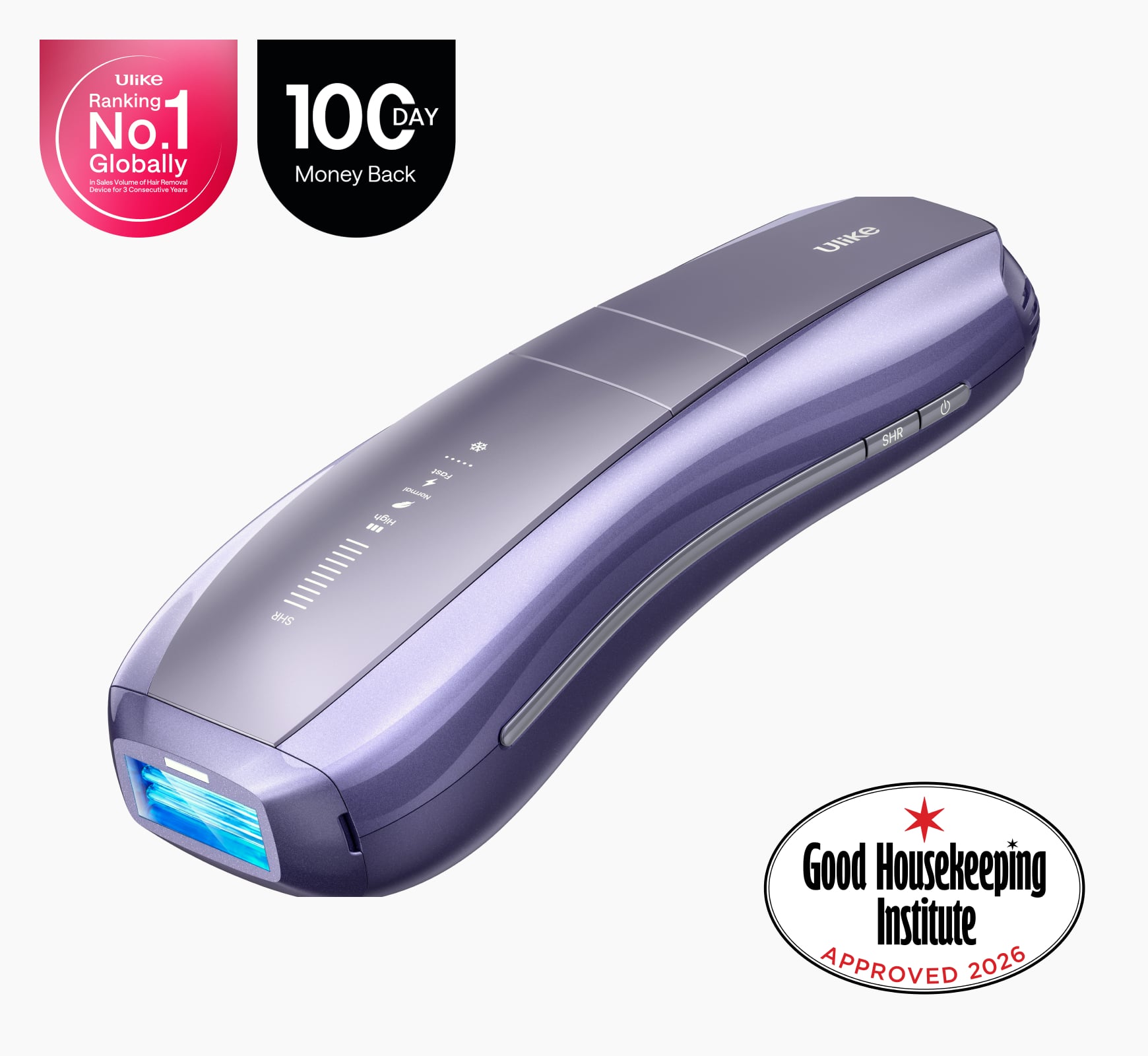
This also helps explain how SHR compares with other light-based hair removal technologies. Some people prefer clinic treatments, while others look into at-home options such as the Ulike Air 10 IPL Hair Removal device for a routine they can manage themselves.

What “SHR” Means in Laser Hair Removal

SHR stands for Super Hair Removal.

It refers to a laser technology designed to reduce hair growth gradually using a sequence of low-energy pulses. Rather than delivering one intense burst of energy, the device releases multiple gentle pulses in quick succession.

These pulses slowly heat the hair follicle while the treatment device moves across the skin. The gradual heating approach is intended to make the process more comfortable than older laser systems.

SHR treatments are usually performed in clinics or aesthetic practices. As with most light-based hair removal technologies, the aim is long-term reduction in hair growth rather than permanent removal.

What Happens During an SHR Laser Hair Removal Treatment

SHR laser hair removal treatments are relatively straightforward. They work on the same principle as most other light-based hair removal systems.

Hair follicles contain a pigment called melanin, which gives hair its colour. During an SHR treatment, the device releases light energy that is absorbed by this pigment in the hair follicle.

When the light is absorbed, it turns into heat. This heat travels down the hair shaft into the follicle. Repeated treatments can weaken the follicle over time, which helps slow future hair growth.

Hair grows in cycles, which is why several treatments are usually required. Clinics typically recommend scheduling sessions every few weeks so that different growth stages can be targeted.

After a number of treatments, people often notice gradual changes. Hair may grow back more slowly, the strands can become finer, and the overall density of hair may reduce.

Some clinics also recommend occasional maintenance sessions after the initial treatment course.

Why Some Clinics Use SHR for Hair Reduction

Clinics often promote SHR as a modern approach to laser hair reduction. While experiences vary, several characteristics explain why the technology attracts interest.

One commonly mentioned benefit is the gradual heating technique. Because the energy is delivered in smaller pulses, the skin does not experience the same sudden temperature increase that can occur with some traditional laser systems.

The treatment method also allows the device to move continuously across the skin. This can make sessions quicker for larger areas such as legs or back.

Some clinics also highlight the possibility of treating a wider range of skin types compared with older technologies, although suitability still depends on individual skin and hair characteristics.

As with all light-based hair removal methods, results usually develop over time rather than immediately.

SHR Laser and Traditional Laser Hair Removal Compared

SHR is often described as a newer development in laser hair removal, but the most important difference lies in how energy is delivered to the skin.

Traditional laser systems generally release a single, concentrated pulse of energy that targets the follicle directly.

SHR spreads the energy across multiple smaller pulses while the device moves across the treatment area.

Feature

SHR Laser

Traditional Laser

Energy delivery

Multiple low-energy pulses

Single stronger pulse

Comfort level

Often described as gentler

Can feel sharper

Treatment method

Continuous movement across skin

Pulse-by-pulse targeting

Sessions required

Several sessions

Several sessions

Both methods aim to reduce hair growth gradually through repeated treatments.

SHR vs IPL: The Key Differences

You may also come across IPL, which stands for Intense Pulsed Light, when researching SHR treatments. Both technologies target the pigment in hair follicles, but they deliver light energy in slightly different ways.

SHR uses a focused wavelength of light that gradually heats the follicle during treatment. IPL devices use a broader spectrum of light made up of multiple wavelengths. In both cases, the goal is to heat the follicle so that hair growth slows over time.

One of the biggest differences is where these treatments usually take place. SHR treatments are typically performed in clinics by trained practitioners.

IPL technology, on the other hand, is now widely available in at-home devices. Products such as the Ulike Air 10 IPL Hair Removal device deliver controlled pulses of light designed for regular use at home.

For some people, this makes IPL a convenient option for maintaining hair reduction without needing regular clinic appointments.

Safety Considerations for SHR Laser Treatments

SHR Laser Hair Removal is used a lot in beauty clinics. It is considered safe when it is done by people who know what they are doing. This is true for people with the skin and hair.

SHR Laser Hair Removal works well when the color of the hair is different from the color of the skin. This is because the machine can see the hair better. Dark hair is easier to remove because it has color in it.

When you go to a professional for SHR Laser Hair Removal they will look at your skin before they start. They might use a gel to keep your skin cool. Some machines even have a built-in cooler to keep the skin comfortable.

If you want to remove hair at home there are machines you can use. These machines have features that help you use them safely. They can tell what kind of skin you have. They can keep the skin, around the hair cool. This helps prevent any problems.

Possible Side Effects After SHR Laser Treatments

Most people tolerate SHR treatments well, but mild temporary effects can occur.

Some people notice slight redness in the treated area shortly after a session. The skin may also feel warm for a short time. These effects usually settle within a few hours.

Clinics often advise avoiding direct sun exposure immediately after treatment and using sunscreen on exposed areas.

A patch test may also be recommended before beginning a full treatment course. This allows practitioners to check how the skin responds before treating larger areas.

Following aftercare guidance helps keep the skin comfortable while treatments progress.

Typical Cost of SHR Laser Hair Removal

Cost is often one of the first practical questions people ask when considering laser treatments.

In the United Kingdom the price of SHR sessions is normally based on the area of the body that needs to be treated.

For areas like the upper lip it can cost somewhere between forty and seventy pounds for each session. Larger areas, such as the legs can cost a lot more. One hundred and twenty to two hundred pounds or even more for each session.

You usually need to have six to eight sessions to complete a course of treatment and this can vary depending on the person and the area being treated.

For this reason, the total cost can add up over time. Maintenance sessions may also be recommended to keep regrowth under control.

Because of this long-term commitment, some people begin looking at at-home hair removal devices as a more flexible alternative.

A device such as the Ulike Air 10 IPL Hair Removal Handset allows users to carry out treatments themselves over time, which can feel more manageable for people balancing busy schedules.

When At-Home Hair Removal Devices Become an Alternative

Hair removal treatments at a clinic are good for a lot of people. They are not always what you need.

Some people like to remove hair at home because it's private and they can do it when they want to. Others think it is just easier to remove hair at home so they do not have to make appointments all the time.

An at-home device can be particularly appealing if you want to treat multiple areas or maintain results gradually.

Regular treatments at home can fit into everyday routines. Over time, this consistency is often what helps light-based technologies deliver visible hair reduction.

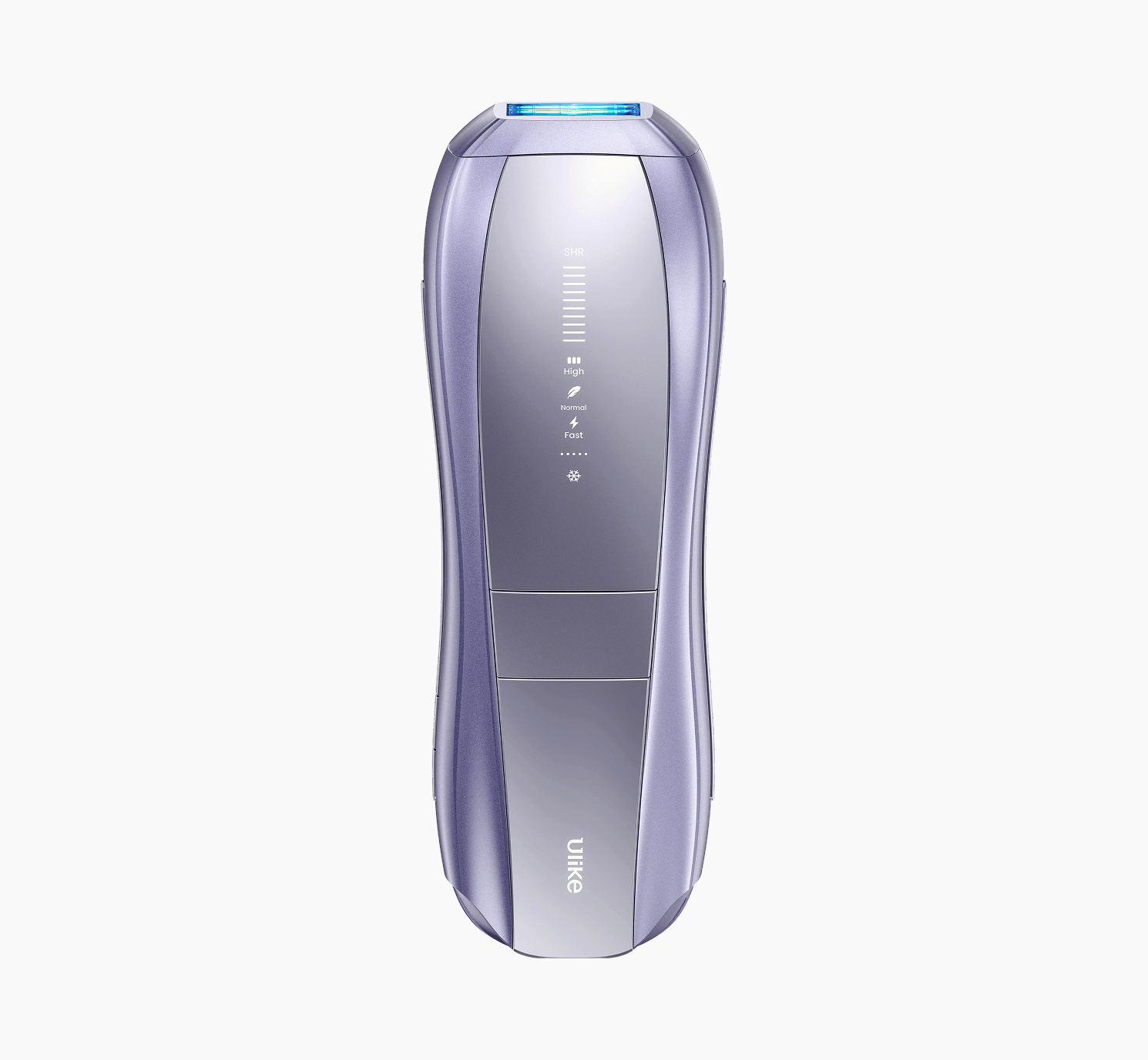
Devices such as the Ulike Air 10 IPL Hair Removal Handset are designed with home use in mind. Cooling technology and simple controls aim to make treatments more comfortable and straightforward.

For many people, the appeal is not only convenience but also the sense of being able to manage treatments independently.

Choosing Between Clinic Laser Treatments and At-Home IPL

There is no single hair removal method that suits everyone.

SHR laser treatments are good for people who like going to a clinic and having a set treatment plan.

IPL devices are popular with people who want to reduce hair at home in a way.

Both technologies rely on the same core principle of targeting pigment in the hair follicle to slow regrowth over time.

The right choice often comes down to practical considerations such as lifestyle, budget, and how you prefer to manage treatments.

People who prefer clinic care can try SHR laser treatments. Those who want flexibility can try IPL devices for hair reduction. SHR laser treatments and IPL devices are two options, for hair removal.

Seasonal Offers on Ulike IPL Devices

If you are thinking of removing hair at home for a time the Ulike Air 10 IPL Hair Removal Handset is made to make regular treatments easy and comfortable.

You can check out the deals now as part of Ulikes Spring Campaign.

Visit the campaign page to see the latest offers and learn more about how at-home IPL technology fits into a long-term hair reduction routine.

https://uk.ulike.com/pages/campaign

Frequently Asked Questions About SHR Laser Hair Removal

What does SHR laser stand for?

The SHR laser stands for Super Hair Removal. This is a laser technology that gives off lots of energy pulses of light. These pulses gradually heat up the hair follicles. This helps to reduce the hair that grows back.

Is SHR laser permanent?

The SHR laser treatments are meant to help reduce hair growth for a time. They do not completely remove the hair forever. You may need to go for more sessions after you finish the first set of treatments.

Is SHR better than IPL?

Both the SHR and IPL technologies work by targeting the color in the hair follicle. This helps to slow down the growth of the hair. The SHR laser is usually done in a clinic. On the hand IPL devices are often used at home because they are easy to use.

Can SHR be done at home?

The SHR laser technology is typically used in a clinic. If you want to try something at home you might consider using an IPL device. This can be an alternative if you want to slowly reduce the amount of hair you have. SHR laser treatments are usually done by a professional.

Is SHR Laser Hair Removal the Right Option for You?

SHR laser hair removal is one method to reduce hair. Many people still go to clinics for treatments.. Now IPL devices make it possible to reduce hair at home for a long time.

To choose what works best for you it helps to know how SHR laser hair removal and IPL devices work. This way you can pick what fits your life and what you expect from hair removal.

Previous
Ulike Air 10 vs Air 4 vs Air 3: Which One Should You Buy?
Next
Hairy Bum: What’s Normal, What Your Options Are, and What Actually Works
Share:
SHR Laser Hair Removal Explained: How It Works and How It Compares to IPL

SHR Laser Hair Removal Explained: How It Works and How It Compares to IPL

SHR laser is a term that often appears when people start looking into longer-term hair reduction...
Mar 15, 2026
Ulike Air 10 vs Air 4 vs Air 3: Which One Should You Buy?

Ulike Air 10 vs Air 4 vs Air 3: Which One Should You Buy?

Ulike Air 10 vs Air 4 vs Air 3: Which IPL Hair Removal Device Should You Choose? At-home IPL hair...
Mar 8, 2026
IPL Hair Removal Reviews: Honest Results Explained

IPL Hair Removal Reviews: Honest Results Explained

IPL Hair Removal Reviews: What People Really Say Reading IPL hair removal reviews can feel confu...
Mar 8, 2026

Explore Beauty

Ulike Air 10

2 weeks to silky smooth skin.

96% Hair Density Reduction in 2 Weeks
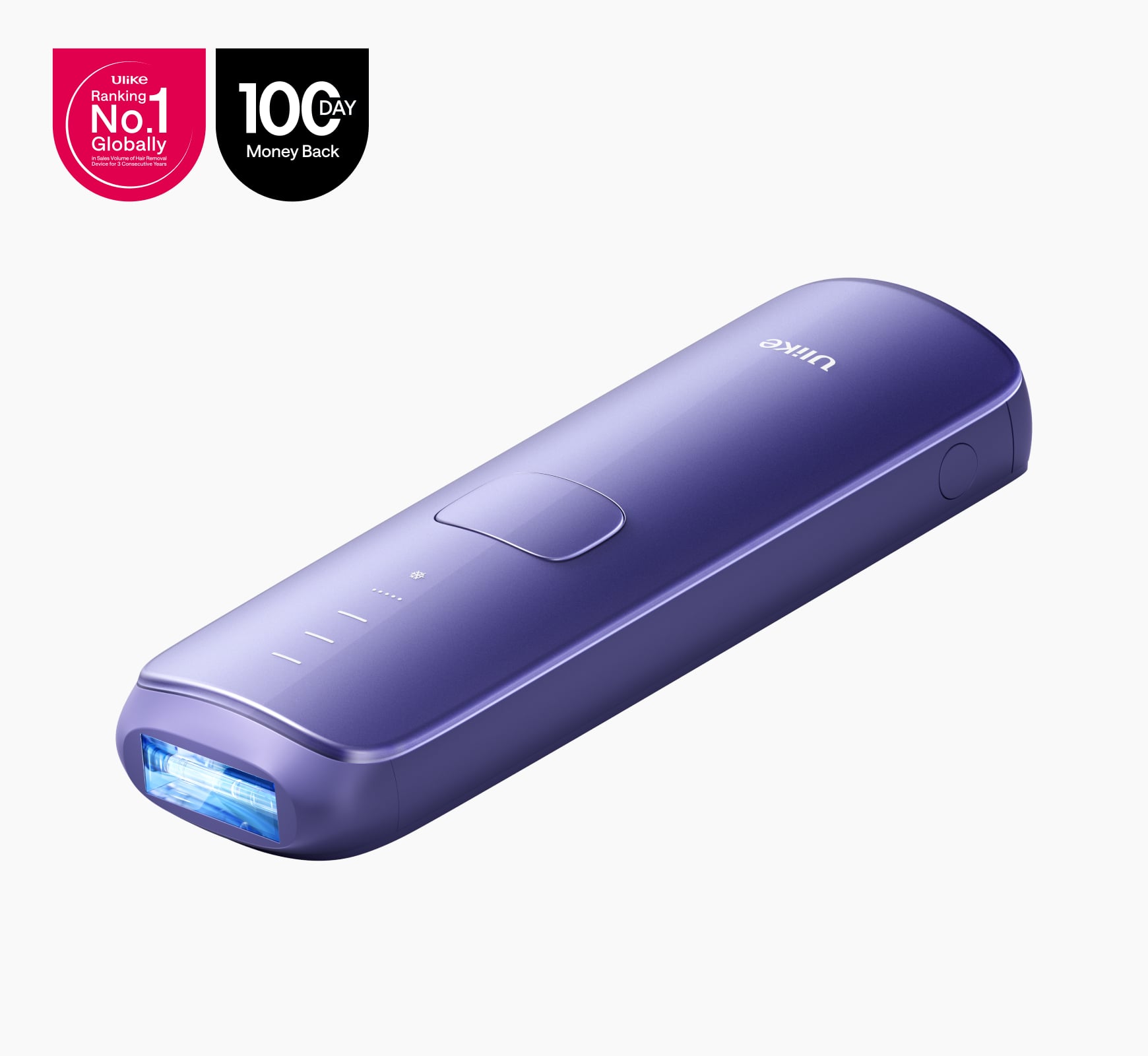
Ulike Air 3

3 weeks to silky smooth skin.

93% Hair Density Reduction in 4 Weeks
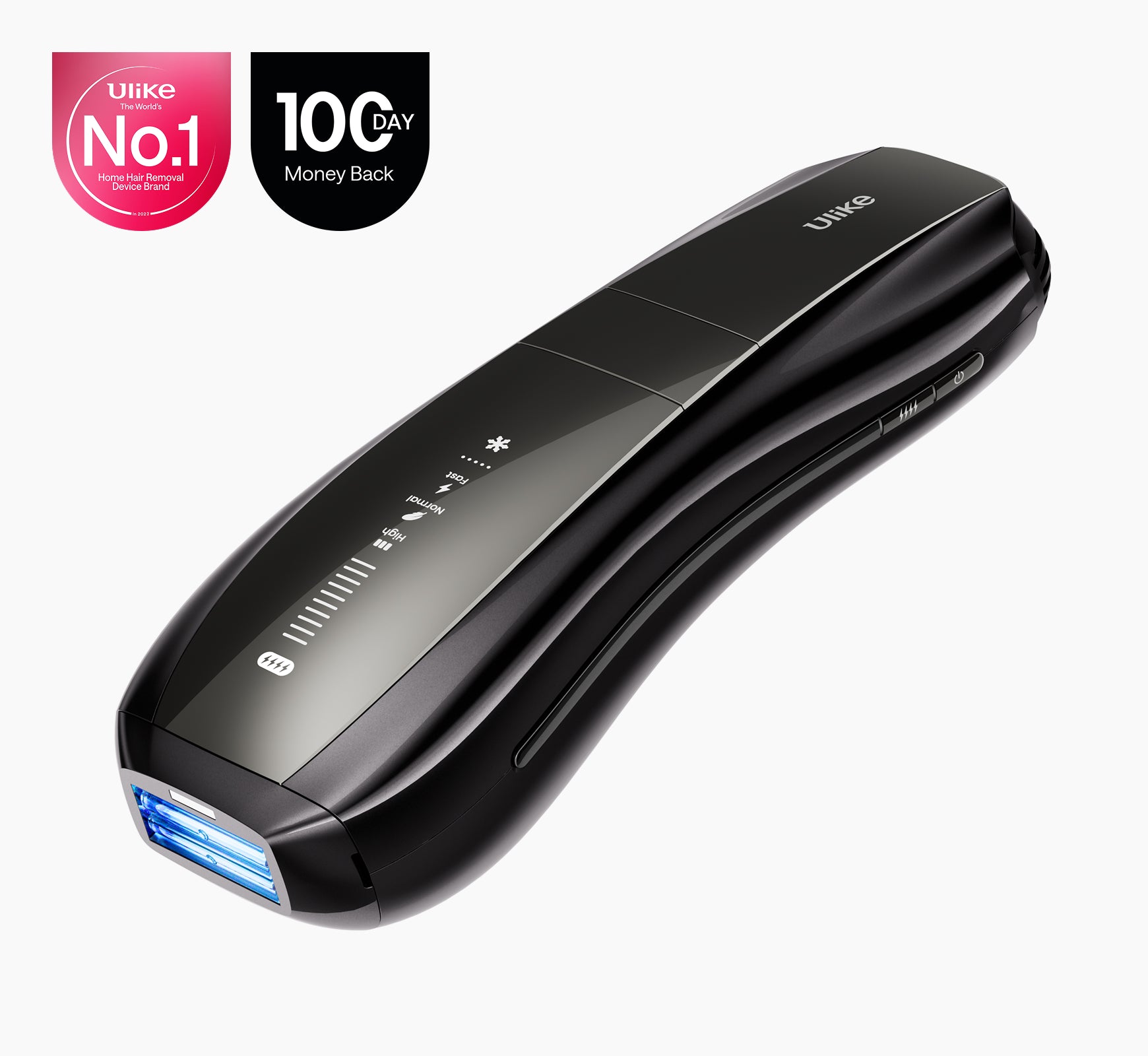
Ulike X

3 weeks to silky smooth skin.

94% hair reduction in just 2 weeks*
Ulike Reglow

Clearer skin in 2 weeks: Fewer breakouts
Smoother skin in 4 weeks: Fewer lines, firmer feel