




IPL Not Working? 7 Reasons Why & How to Fix It (UK)
IPL not working? You’ve spent a small fortune on an IPL device, stuck to the routine for weeks, and… nothing. The hair is still turning up right on schedule, as if it’s making a point. Meanwhile your best mate swears hers “worked in no time” and you’re stood there shaving again, wondering what you’ve done wrong.
If that’s where you’re at, you’re not being dramatic. It’s genuinely annoying when you’ve invested the money and the effort and you’re not seeing the smooth-skin payoff.
Here’s the reassuring bit. In most cases, IPL does work, but only when a few key things line up. Timing matters. Consistency matters. Prep matters. Your skin and hair combination matters too, and that one can be the deal-breaker. The upside is that the majority of issues are fixable once you know what to look for.
This guide walks you through seven common reasons why IPL is not working, plus the practical changes that usually get results moving again. We’ll keep it simple, realistic, and very UK-friendly. No miracle claims, no guilt trips. Just clear troubleshooting so you can work out whether you need to tweak your routine, adjust your settings, reset your timeline, or consider a different option altogether.

Reason 1: You’re Not Being Patient Enough
The problem: You’ve done three or four sessions, checked the mirror, and thought, “Why is my IPL not working?”
This is the single most common reason people lose confidence in their device. Not because they’ve done anything wildly wrong, but because IPL is slower than most of us expect.
How IPL actually works
IPL targets the pigment inside the hair follicle. The catch is that it only works on hairs in their active growth phase. At any one time, only around 20 to 30 per cent of your follicles are actively growing. The rest are resting or preparing to shed.
That means each session only affects a portion of the hair in that area. The follicles that are “asleep” during one treatment may wake up in the following weeks. This is why repetition matters so much.
When IPL hair removal is not working early on, it is usually because the growth cycle has not been fully covered yet.
A realistic timeline
Most at-home devices recommend weekly sessions for the first 8 to 12 weeks. Results tend to build gradually rather than appearing all at once.
Weeks 1 to 2: No visible difference. Completely normal.
Weeks 3 to 4: Some shedding may begin. Regrowth can start to slow slightly.
Weeks 6 to 8: Areas may look patchier, with noticeable reduction.
- Week 12 onwards: Hair generally grows back finer, lighter and less dense
It is also worth being clear about terminology. IPL delivers permanent hair reduction. That means fewer, softer hairs over time, not a promise of total elimination after a handful of sessions.
The fix
Patience and consistency are the real foundations of making IPL work.
Complete at least 10 to 12 weekly sessions before assessing results.
Take progress photos under the same lighting. Gradual change is easy to miss day to day.
Stick to shaving between sessions rather than waxing or plucking.
Follow your device’s recommended schedule properly.
Think of it like any slow transformation. The changes can feel invisible at first, then suddenly obvious once enough time has passed.
Early frustration does not automatically mean your IPL is not working. More often than not, it simply has not finished the job yet.
Reason 2: Your Hair or Skin Colour Isn’t Ideal for IPL
The problem: You’ve followed the instructions carefully, kept to your schedule, and still feel like your IPL device is not working at all.
This is the point where it can feel personal. You start wondering whether you are doing something wrong. In reality, it may come down to biology rather than technique.
Why colour contrast matters
IPL works by targeting melanin, the pigment found in hair. The light energy travels down the hair shaft and heats the follicle, which disrupts future growth. For that to happen safely and effectively, there needs to be clear contrast between your skin tone and your hair colour.
The device needs to distinguish between the two. When there is not enough contrast, results can be limited or non-existent.
What you can do about it
Hair colour is the sticking point for a lot of people. IPL simply needs pigment to work with. Blonde, red, grey and white hairs do not contain enough of it, so no amount of persistence will change the outcome. In that situation, electrolysis is usually the more realistic option. It takes longer, but it does not rely on colour.
Skin tone can also affect things. Very deep skin tones are generally not suited to at-home IPL because the light can be absorbed by the skin as well as the hair. And light brown hair often responds more slowly than very dark hair. None of that means you have done anything wrong. It just means the technology has limits, and sometimes a different approach makes more sense.

Reason 3: You’re Not Following a Consistent Schedule
The problem: Treatments happen “when you remember” rather than on a proper plan, and now you’re questioning why your IPL is not working.
With IPL, consistency is not a bonus. It is the whole point.
Why regular timing matters
Hair grows in cycles, and IPL only works on hairs in the active growth phase. Weekly treatments in the early stage give you the best chance of catching follicles as they become active.
Long gaps between sessions mean follicles can move through their cycle untouched. That slows everything down and can make it seem as though your IPL device is not working, when in reality it just has not been used often enough.
Sporadic treatments also make it harder to see patterns. You cannot judge progress properly when the routine keeps changing.
Common scheduling mistakes
Doing a session, then leaving it two or three weeks
Pausing completely after a holiday and not restarting properly
Stopping after four sessions because results feel slow
Treating different areas on totally different timelines
The fix
A clear plan makes all the difference.
For most at-home devices, the initial phase involves one treatment every 7 days for 8 to 12 weeks. After that, sessions usually move to every 4 to 8 weeks for maintenance.
To make IPL work more effectively:
Choose a fixed day each week and stick to it
Set a recurring reminder on your phone
Treat all chosen areas during the same session
Restart properly if you have had a long gap rather than dipping in and out
Think of it less as a beauty extra and more as a short-term course you are completing. Once the initial phase is done, maintenance becomes much lighter.
Reason 4: You’re Preparing Your Skin the Wrong Way
The problem: You are doing your sessions regularly, but your IPL hair removal is not working as expected.
Before blaming the device, it is worth looking at what happens in the 24 hours before you press that button. Preparation makes a bigger difference than most people realise.
The mistake that stops IPL working altogether
Waxing, plucking or threading between sessions is the biggest culprit.
IPL needs the hair root in place so the light can travel down the shaft and heat the follicle. When you wax or pluck, you remove the very target the device is trying to treat. No root, no result.
You can shave as often as you like. You just cannot remove the hair from the root.
Other prep habits that reduce effectiveness
A few smaller things can also interfere:
Applying lotion, oil, or fake tan before treatment
Treating damp skin straight after a shower
Using strong exfoliating acids or retinoids right before a session
-
Skipping shaving and treating longer hair
Surface product can block the light or cause irritation. Longer hair above the skin can singe and waste energy that should be travelling down to the follicle.
What proper preparation looks like
Keep it simple.
Shave the area within 24 hours before treatment
Do not wax, pluck or thread at any point during your course
Make sure skin is clean and completely dry
Avoid heavy exfoliation, retinoids or strong acids for a few days beforehand
-
Skip moisturiser or deodorant on the area just before treatment
That is it. No elaborate ritual required.
A small adjustment in preparation can be the difference between feeling like IPL is not working and finally starting to see proper reduction.
Reason 5: Your Device Settings Are Not Quite Right
The problem: Your IPL device is not working properly, or you are unsure whether it is doing anything at all.
Settings are one of those details people either overthink or ignore completely. Both can cause problems.
Some go straight to the highest intensity, assuming more power means faster results. Others stay on the lowest setting forever because they are nervous. Neither approach is ideal.
When intensity is too high
Cranking it up to maximum from day one can make treatment uncomfortable and put you off continuing. Redness, stinging, and anxiety about the next session often follow.
Higher does not automatically mean more effective. It just means more energy delivered. The goal is effective but tolerable treatment, not proving how much you can endure.
When intensity is too low
On the other hand, staying at the lowest level long-term may not deliver enough energy to properly disrupt the follicle.
A mild warmth or gentle snapping sensation is normal. Feeling absolutely nothing at all, session after session, can be a sign that the intensity needs adjusting.
When someone says their IPL is not working, it is sometimes simply a matter of finding the right setting for their skin tone.
When the device will not flash
Most at-home IPL devices have built-in safety features. They will not flash unless:
The treatment window is fully flat against the skin
The skin tone sensor detects a safe match
The device head is clean
-
The battery is adequately charged
If your IPL device is not working in the sense that it will not flash, check those basics first before assuming it is broken.
How to get it right
A steady, sensible approach works best.
Start on a lower setting for your first couple of sessions
Increase gradually if your skin tolerates it well
Ensure the device is fully flush against the skin for each flash
Move methodically rather than rushing across the area
-
Follow the specific guidance in your device manual
Getting the balance right can make a surprising difference. Small adjustments in intensity or technique are often what turn “IPL hair removal not working” into a visible, steady reduction over the following weeks.
Reason 6: Hormones Are Playing a Role
The problem: You have been consistent, careful, and patient, yet hair keeps returning, or new growth seems to appear. At this point, it is natural to wonder why IPL is not working for you when it seems to work for others.
Hormones can quietly change the picture.
Hair growth is heavily influenced by androgens. When those hormone levels shift, follicles can become more active, especially on the face, chin, chest or stomach. IPL can treat existing follicles, but it cannot stop hormonal signals from activating new ones.
Conditions that can affect results
A few common situations can make IPL hair removal feel less predictable:
Polycystic ovary syndrome Perimenopause and menopause
Pregnancy or the postpartum period
Thyroid disorders
-
Certain medications, such as steroids or hormone therapy
With PCOS in particular, higher androgen levels can lead to thicker or more persistent hair growth. That does not mean IPL is pointless. It simply means expectations need adjusting.
Why progress can feel slower
In hormonally driven hair growth, you may successfully reduce existing hair only to notice fresh growth months later. It can feel as though your IPL device is not working, even though it has treated what was there at the time.
The goal in these cases is often management rather than total elimination. Fewer hairs. Slower regrowth. Less daily maintenance.
What you can do
A few practical steps can help:
Accept that you may need more sessions in the initial phase
Plan for regular maintenance long term
Speak to your GP if hair growth is new, worsening o,r accompanied by other symptoms
Consider combining IPL with medical support where appropriate
Addressing the hormonal side alongside hair removal tends to deliver better overall results than focusing on surface treatment alone.
It is also important to say this clearly. If hormones are involved, the slower progress is not your fault. You are not doing IPL incorrectly. Your body simply has different drivers influencing hair growth.
Reason 7: The Device Itself May Be the Issue
The problem: You have the right hair and skin type. You have followed the schedule properly. You have shaved, adjusted settings and been patient. Yet your IPL is not working at all.
At this point, it is reasonable to question the device rather than yourself.
Not all at-home IPL machines deliver the same level of energy. Power output, safety features and build quality vary more than most people realise. Some are consistent and well-engineered. Others are simply underpowered.
Signs your IPL device may not be performing properly
A few things are worth paying attention to:
No warmth or sensation at any setting
Inconsistent flashing or random cut-outs
Overheating after a short session
The skin tone sensor blocking treatment on clearly suitable skin
-
Poor customer support or unclear safety marking
A completely pain-free experience does not automatically mean your IPL device is not working. However, most effective devices produce at least a mild warmth or light snapping sensation.
Lower-priced devices can look similar to premium ones on the outside, but internal components and energy stability often differ. That does not mean affordable devices never work. It does mean results can be slower or less noticeable if energy levels are inconsistent.
What to check before giving up
Before replacing anything, run through the basics:
Confirm the device carries UKCA or CE marking
Read verified UK reviews rather than generic marketplace ratings
Contact customer support to rule out faults
Check whether it is still under warranty
If you have completed 12 to 15 consistent sessions with no visible reduction and the device seems unreliable, upgrading or switching to professional treatment may be more effective.
Sometimes the issue is timing. Sometimes it is technique. And occasionally, it is simply that the device does not have the power needed for noticeable reduction.
Recognising that is not defeat. It is just being practical.
Quick Troubleshooting Flowchart
Still stuck and thinking your IPL is not working?
The flowchart below walks you through the most common sticking points in a simple order. Start at the top and follow the path that applies to you.

How to use it
Begin with the first question: have you completed fewer than six sessions? If the answer is yes, it is almost certainly too early to judge results. Keep going with weekly treatments.
If you have completed a full course, the chart guides you through the next likely factors:
Hair and skin suitability
Weekly consistency
Waxing or plucking between sessions
Device performance
-
The 12-week milestone
If you reach the final step and you have genuinely done everything correctly for 12 weeks or more with absolutely no change, that is the point where reviewing your device or considering professional treatment makes sense.
FAQ: Common Questions on IPL Not Working
How long does IPL take to work?
Most at-home devices require weekly treatments for 8 to 12 weeks before noticeable reduction appears. Some people see slower regrowth earlier, but full results take patience and consistency.
Can IPL work on blonde or grey hair?
No. IPL needs pigment in the hair to work. Blonde, red, grey and white hairs do not contain enough melanin for the light to target.
Does IPL work on dark skin?
Most at-home IPL devices are not suitable for very deep skin tones due to the risk of burns or pigmentation changes. Professional laser designed for darker skin may be a better option.
Why did IPL work at first but hair is growing back?
IPL reduces hair long-term, but it does not guarantee permanent removal. Dormant follicles can activate later, and maintenance sessions are usually needed.
Can hormonal issues affect IPL results?
Yes. Conditions like PCOS or menopause can stimulate ongoing hair growth. IPL can still help, but you may need more sessions and regular maintenance.

Is Your IPL Really Not Working?
Frustration usually comes down to one of four things:
Expecting fast results
Skipping weekly sessions
Waxing between treatments
Staying on very low settings
Tighten those up and most people start to see steady reduction.
IPL works gradually. The shift is subtle at first. Then you notice you are shaving less often and the regrowth feels finer.
A full 12-week course, done properly, gives you a fair answer. At that point, the results will speak for themselves.
No change at all after that? It is reasonable to reconsider your device or look at professional options.
That is how you find out whether your IPL truly is not working or simply needed a better run at it.
Still feeling like your IPL is not working? It may not be you. It may be the device. Ulike IPL devices are designed for consistent weekly use, intelligent skin tone detection and comfortable energy levels that support gradual, long-term hair reduction at home. Explore the Ulike range and see what properly powered IPL can really do.
Related Readings


How to Clean an IPL Hair Removal Device Safely

Can You Use IPL on Arms? Will It Work on Your Hair?

When Does IPL Hair Start Shedding? Signs It’s Working
Explore Beauty
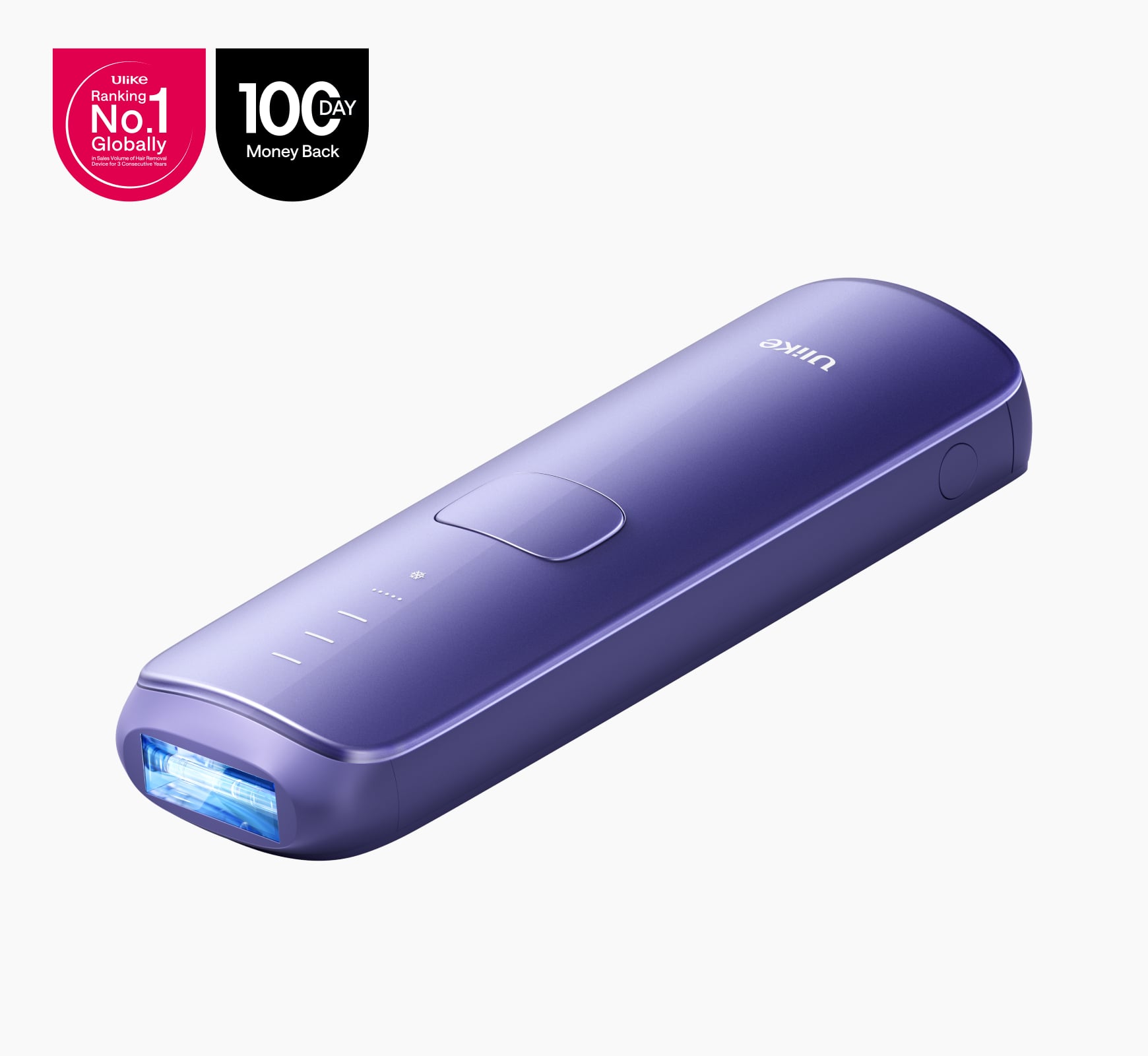
Ulike Air 10
2 weeks to silky smooth skin.
96% Hair Density Reduction in 2 Weeks
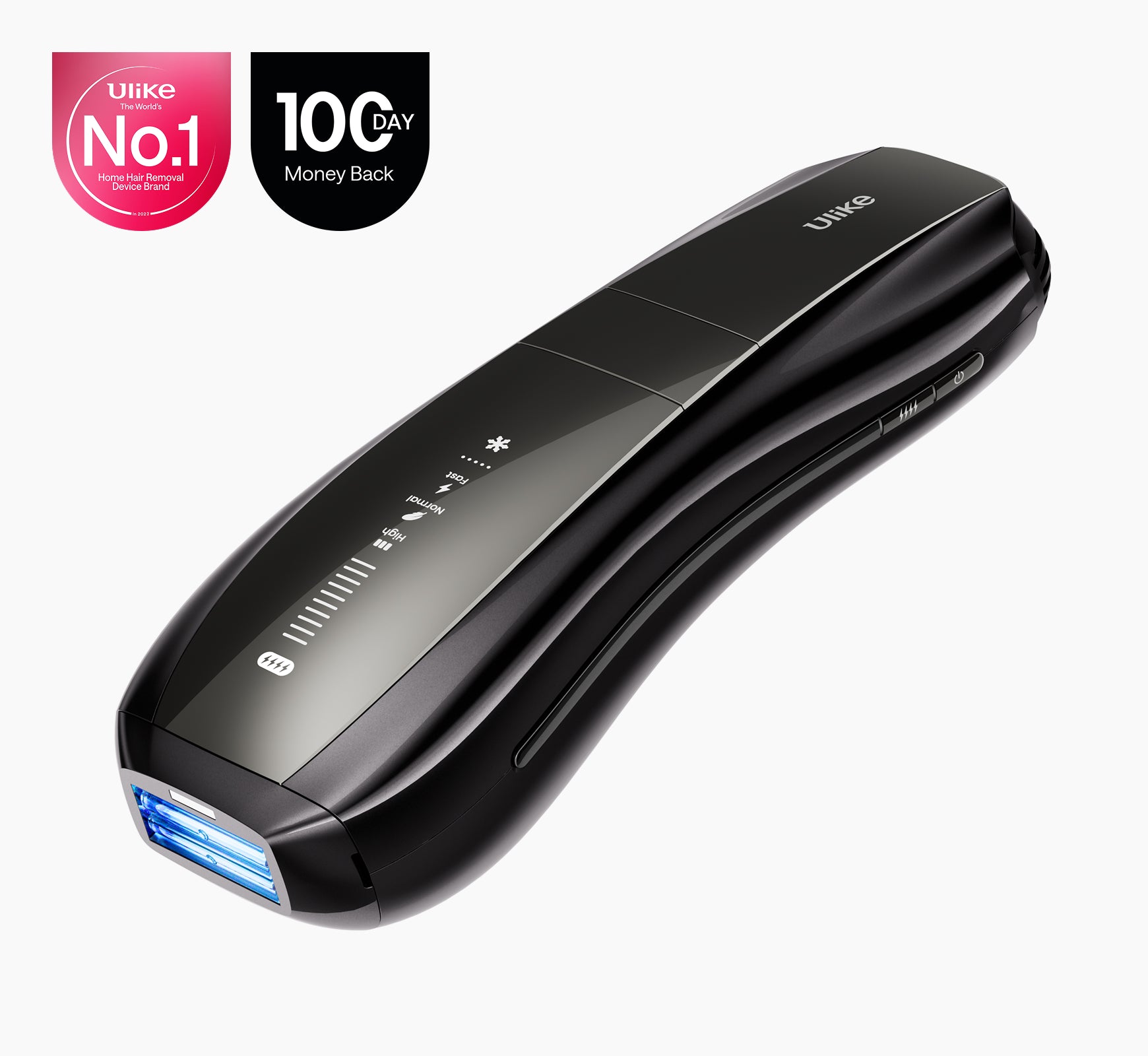
Ulike Air 3
3 weeks to silky smooth skin.
93% Hair Density Reduction in 4 Weeks
Ulike X
3 weeks to silky smooth skin.
94% hair reduction in just 2 weeks*
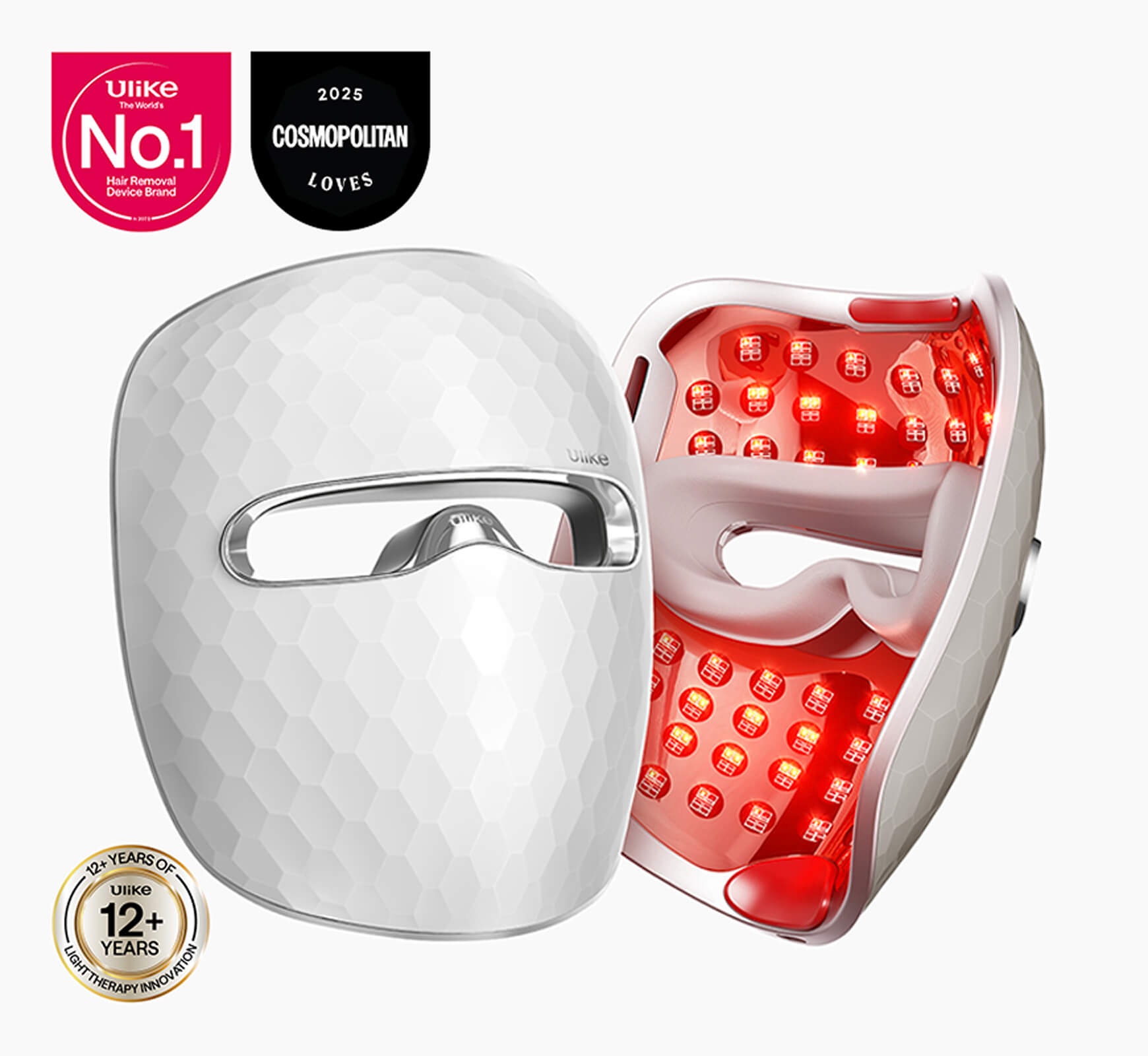
Ulike Reglow
Clearer skin in 2 weeks: Fewer breakouts
Smoother skin in 4 weeks: Fewer lines, firmer feel