



Home Laser Hair Removal in the UK: What to Expect in 2026
Home laser hair removal is amongst the most researched topics in the field of beauty in the UK; however, there seems to be some misconception when it comes to this phrase.
While many of the products referred to as "home laser hair removal" products are IPL devices and not actual medical-grade laser treatment devices used at spas and clinics, both serve the same purpose of minimizing hair regrowth.
This guide will help clarify what home laser hair removal means in the UK and compare it with professional laser hair removal treatment and their expected results.

What is home laser hair removal in the UK?
Home laser hair removal in the UK generally means IPL devices that are intended for use at home. These at-home machines make use of light energy for targeting hair follicles. Genuine laser treatment for hair removal can only be accessed at clinical settings and cannot be used at home.
Does home laser hair removal actually work?
Yes, at-home devices can reduce hair regrowth over time, but results are gradual and depend on consistent use.
In general:
- IPL devices (home use) – gradual long-term hair reduction
- Professional laser (clinic only) – faster, more targeted results under medical supervision
- Waxing – temporary results lasting weeks
- Shaving – very short-term results lasting days
Is Laser Hair Removal at Home UK Actually Possible?
Searches for laser hair removal at home UK or home laser hair removal UK usually reflect one question. Can clinic-level laser technology be used safely outside a professional setting? The technical answer is no. Medical-grade laser hair removal systems are not sold for consumer use at home in the UK.
This is not about what you are capable of managing. It comes down to regulation and risk level. Professional laser systems used for hair removal are typically regulated for trained use in clinical environments. They operate at higher energy levels and require assessment of skin type, hair colour, medical history, and treatment settings before each session.
That distinction matters. Clinic lasers deliver concentrated energy to the hair follicle, which is why they can produce faster results. Higher power also carries greater risk if used incorrectly, including burns, pigmentation changes, or eye injury. Practitioners are trained to reduce those risks through correct calibration and established safety protocols.
Consumer devices are designed differently. At-home options are built with lower energy limits and integrated safety features so they can be used without medical supervision. The aim is to separate treatments that require clinical judgement from those developed specifically for safe home use.
In the UK, professional laser hair removal systems are regulated for clinical settings and operated by trained practitioners rather than sold as consumer at-home devices.
IPL vs Laser Hair Removal: What’s the Difference?
Professional laser systems are designed for clinics. At home, the technology available is IPL. Looking at IPL vs laser hair removal makes the distinction clearer and sets realistic expectations.
Laser hair removal uses a single, concentrated wavelength of light. The beam targets pigment in the hair follicle with precision. IPL, or Intense Pulsed Light, uses a range of wavelengths delivered in short pulses. The light spreads more widely across the skin and reaches the same pigment in a softer, more diffused way.
Both methods heat melanin within the follicle to interrupt the hair growth cycle and reduce regrowth over time. The core principle is similar. The delivery and intensity are not.
Clinic lasers operate at higher energy levels and require professional calibration. IPL devices are built for self-use. They run at lower energy levels and include integrated safety features, producing gradual, long-term hair reduction with consistent treatment.
How Professional Laser Hair Removal Works
Professional laser systems fall within regulatory frameworks overseen in the UK by bodies such as the MHRA. Professional laser hair removal uses one specific wavelength of light to target pigment in the hair follicle. Different systems use different wavelengths. Alexandrite lasers work at around 755nm, while Nd:YAG systems operate at approximately 1064nm. The wavelength is chosen according to skin tone and hair colour.
The light beam is tightly focused. Energy travels directly into the follicle with very little spread into surrounding tissue. Because of that intensity, treatments are carried out in clinics by trained practitioners. Skin type and medical history are reviewed before settings are adjusted.
Clinic machines run at much higher power levels than home devices. That higher energy often means fewer sessions are needed. Many people have 6 to 8 treatments spaced several weeks apart. In the UK, prices commonly range from £100 to £300 per session, depending on the treatment area and clinic.
Quick Comparison of Professional Laser Types
| Laser Type | Wavelength | Best For | Key Advantage |
|---|---|---|---|
| Alexandrite | 755nm | Lighter skin tones | Fast treatment speed |
| Diode | ~800–810nm | Most skin types | Balanced depth + safety |
| Nd:YAG | 1064nm | Darker skin tones | Safest for deeper pigmentation |
How At-Home IPL Hair Removal UK Devices Work
At-home IPL hair removal UK devices use broad-spectrum light rather than a single laser wavelength. Instead of one focused beam, IPL releases multiple wavelengths — typically in the 500–1200nm range — which spread gently across the skin. This wider light spectrum is intentionally designed for consumer use, delivering energy in a way that’s effective yet significantly safer for self-treatment at home.
Although the delivery method differs from clinic lasers, the core principle is the same: light targets melanin in the hair follicle, heating it enough to disrupt the growth cycle over time. The difference is intensity. Home IPL devices operate at lower power levels so they can be used safely without clinical supervision. That’s why they’re designed with built-in safety sensors, skin tone detection, and clear treatment guidelines.
Because of this gentler approach, results develop gradually rather than instantly. Most users follow an initial course of around 8–12 sessions, usually spaced weekly or fortnightly depending on the device, followed by occasional maintenance sessions. The trade-off for slower results is convenience and control — you can treat areas whenever it suits your schedule, without appointments or travel.
Cost is another major factor. Instead of paying £100–£300 per clinic session, a single device — usually priced between £200–£450 — can be used repeatedly for years. For many households, that makes at home IPL hair removal UK options far more practical long term.
IPL isn’t “budget laser” or a lesser version of clinic treatment. It’s a different technology intentionally developed for safe, effective home use, giving you a realistic way to achieve long-term hair reduction on your own schedule.
Professional Laser vs At-Home IPL: Side-by-Side Comparison
| Feature | Professional Laser | At-Home IPL |
|---|---|---|
| Light type | Single wavelength | Broad spectrum (multiple wavelengths) |
| Location | Clinic only | Home use |
| Operator | Trained professional | Self-administered |
| UK regulation | Medical device | Consumer device (CE-marked) |
| Power level | High intensity | Lower intensity (safety-capped) |
| Sessions needed | 6–8 typically | 8–12 initial, then maintenance |
| Session cost | £100–£300 each | Device: £200–£450 (one-time) |
| Total cost | £600–£2,400+ | £200–£450 total |
| Skin tone range | All types (with right laser) | Best for light–medium skin |
| Hair colour | Most colours | Dark hair most effective |
| Results | Faster, more dramatic | Gradual, long-term reduction |
| Convenience | Appointment-based | Anytime at home |
Both laser and IPL work on the same basic principle—targeting melanin in hair follicles. The difference is precision vs convenience.

What At-Home IPL Hair Removal UK Devices Are Available?
Let’s be honest. No one looks forward to the sharp sting of a bikini wax. However, the pain is brief and typically only lasts for a few seconds during the actual waxing process. Most UK women rate bikini wax pain as 6-8/10 on the pain scale, depending on their pain threshold and the sensitivity of the area. Areas like the inner thighs and the bikini line can be more painful, while the outer areas may feel less intense.
Pain varies from person to person, but most women in the UK find that after the initial shock, the discomfort subsides quickly, leaving only smooth, hair-free skin. If you're particularly sensitive, it can be helpful to understand when the pain is most likely to occur and how to manage it.
Pain Management Tips from UK Salons
Research into permanent hair removal at home UK options quickly shows a clear pattern. Almost all legitimate devices available to consumers are based on IPL technology. At-home IPL hair removal UK devices dominate the market because they are designed to operate within consumer safety limits while still reducing regrowth over time. They are not scaled-down clinic lasers. They are built specifically for home use.
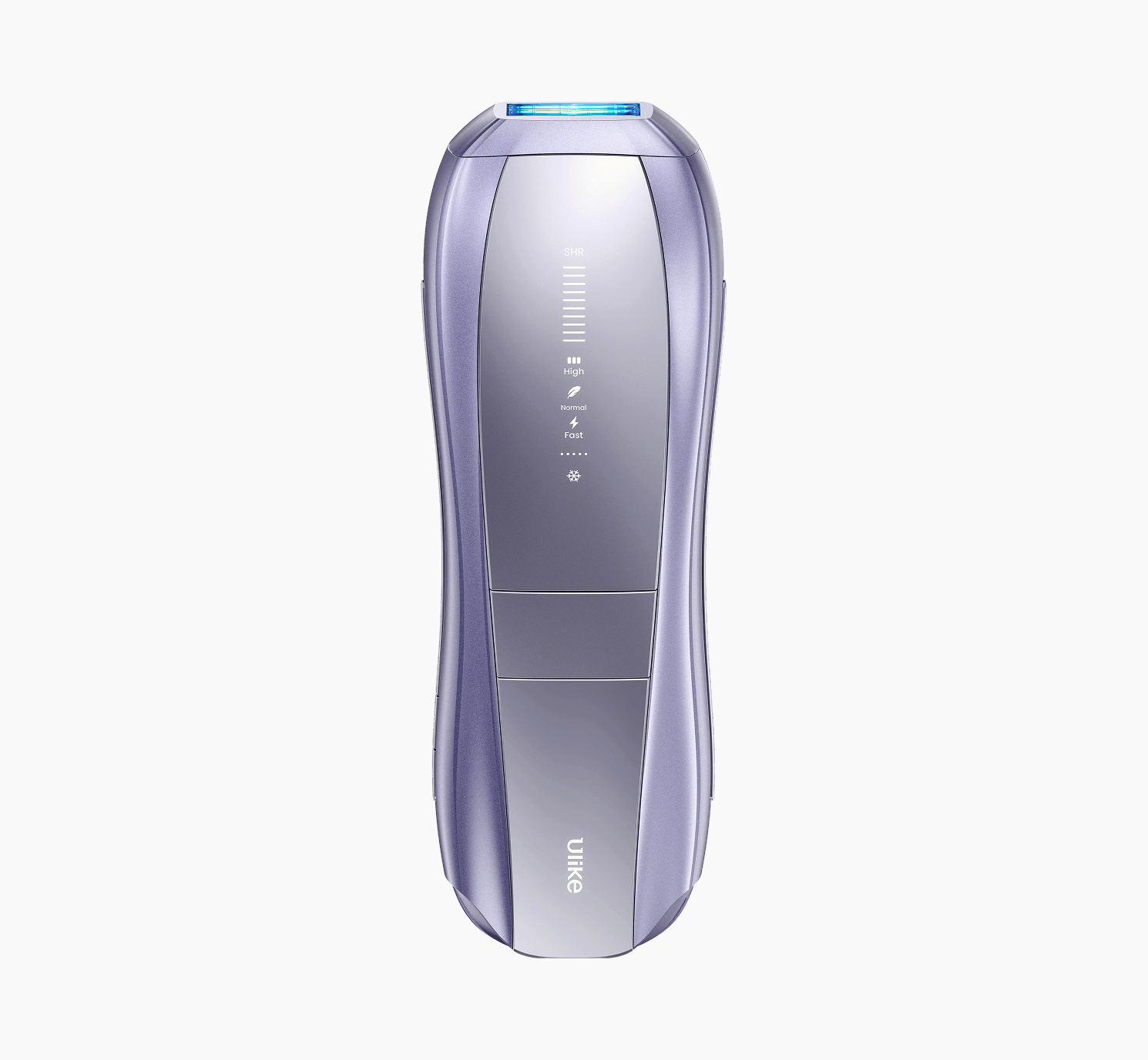
Devices sold in the UK must meet recognised product safety standards and carry appropriate conformity markings, such as CE or UKCA where applicable. Established brands include Philips Lumea, Braun Silk-expert, Ulike, and SmoothSkin. These companies operate within regulated frameworks, and their devices are tested to meet safety requirements before being sold to the public.
Modern IPL devices have developed considerably. Many include built-in skin tone sensors that adjust intensity automatically, integrated cooling systems for comfort, and multiple energy settings for different areas of the body. High flash counts, often 300,000 or more, allow for years of use. Cordless designs make treatment easier to fit into a routine.
Expectations still need to be realistic. Claims of instant permanent removal are misleading. These devices are designed for long-term hair reduction. Regrowth becomes slower and often finer with consistent treatment, followed by occasional maintenance sessions.
At-home IPL is not a substitute for clinic laser. It is a separate approach developed to balance effectiveness with consumer safety, allowing hair reduction to be managed privately at home.
Want to understand how at-home IPL delivers results? Learn about the science behind IPL hair removal and what to expect.
FAQ: Is Home Laser Hair Removal Safe in the UK?
Is home laser hair removal safe in the UK?
At-home devices sold as “home laser hair removal” in the UK are typically IPL devices rather than clinic lasers. Reputable IPL devices are designed for home use with lower energy limits and built-in safety features. Safety depends on following the manufacturer’s instructions carefully.
Is IPL hair removal safe to do at home?
For most people, yes. Modern IPL devices include skin tone sensors, contact sensors, and adjustable intensity settings to reduce risk. Mild redness or warmth can occur after treatment, but this usually settles within a few hours.
Can IPL burn your skin?
Skin irritation or burns are possible if the device is used incorrectly. Risk increases on recently tanned skin, on unsuitable skin tones, or when treating over tattoos. Starting on a lower setting and carrying out a patch test reduces the likelihood of problems.
Who should not use at-home IPL?
IPL is generally unsuitable for very dark skin tones and for blonde, red, grey, or white hair due to low melanin levels. People who are pregnant, breastfeeding, taking photosensitising medication, or experiencing active skin conditions should seek medical advice before use.
Do you need to patch test before using IPL?
Yes. A patch test 24 to 48 hours before full treatment helps check how your skin responds. This is especially important for sensitive skin or when increasing intensity levels.
Home Laser Hair Removal UK: What This Means for You
Clarity makes choosing far easier. The confusion around home laser hair removal UK is largely about language, not effectiveness. Clinic laser and at-home IPL are different technologies designed for different settings. One is regulated for professional use in clinical environments. The other is developed specifically for safe, consistent use at home.
Searching for home laser hair removal usually reflects a simple aim. Long-term hair reduction without appointments, travel, or ongoing clinic costs. That option exists in the UK, and it sits under the name IPL. It is not a lesser version of clinic treatment. It is a separate approach built to balance safety, convenience, and gradual results.
Whichever route you choose, realistic expectations matter. Hair grows in cycles. Results take consistency. Reduction builds over time rather than appearing overnight. Patience and routine tend to make more difference than the label on the box.
If you’re ready to explore at-home options, browse our range of at-home IPL hair removal devices designed for real UK routines. Each device is developed with safety features, practical settings, and long-term use in mind, so you can choose what fits your skin, schedule, and budget with confidence.
Related Readings


How to Clean an IPL Hair Removal Device Safely

Can You Use IPL on Arms? Will It Work on Your Hair?

When Does IPL Hair Start Shedding? Signs It’s Working
Explore Beauty
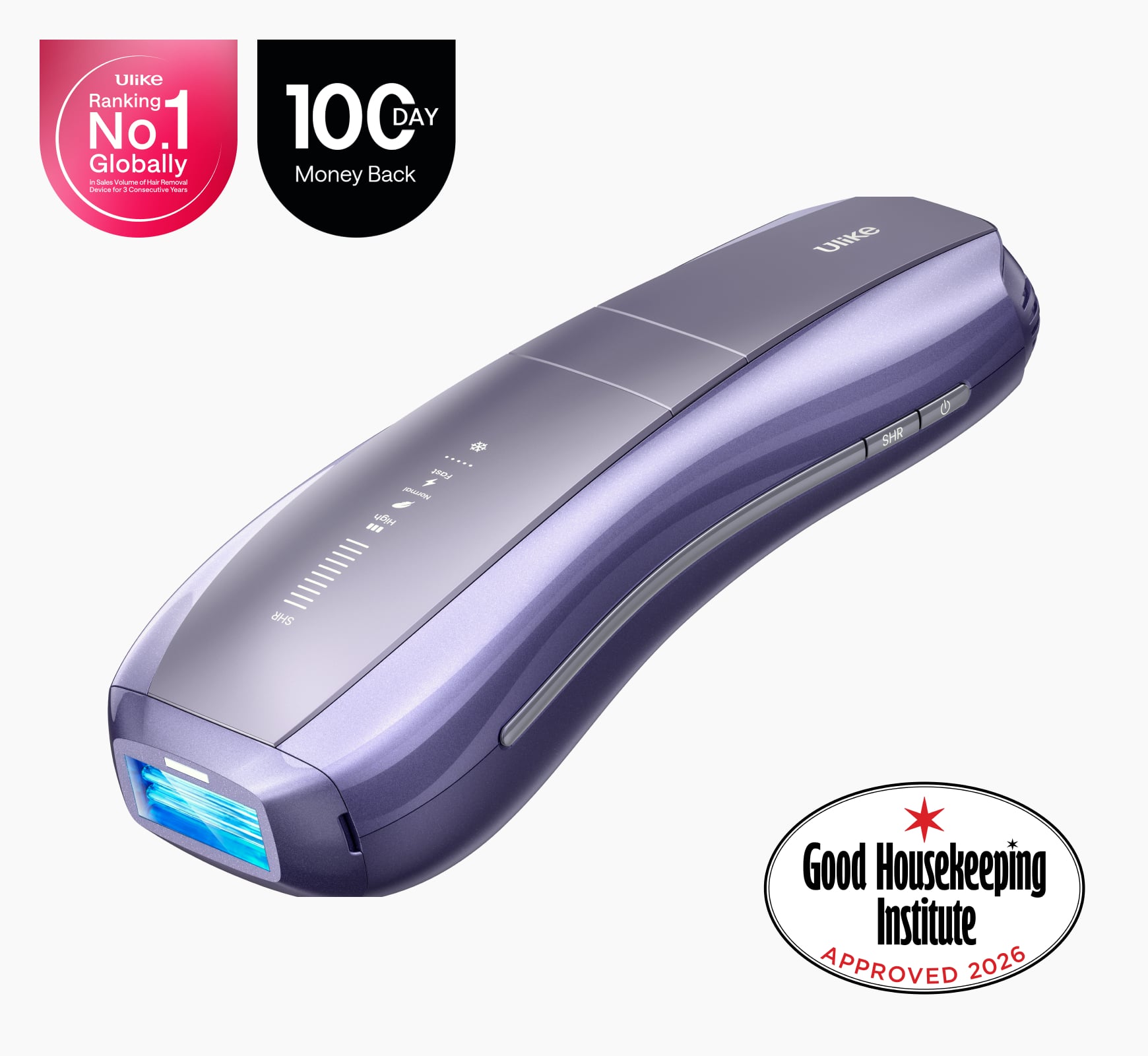
Ulike Air 10
2 weeks to silky smooth skin.
96% Hair Density Reduction in 2 Weeks
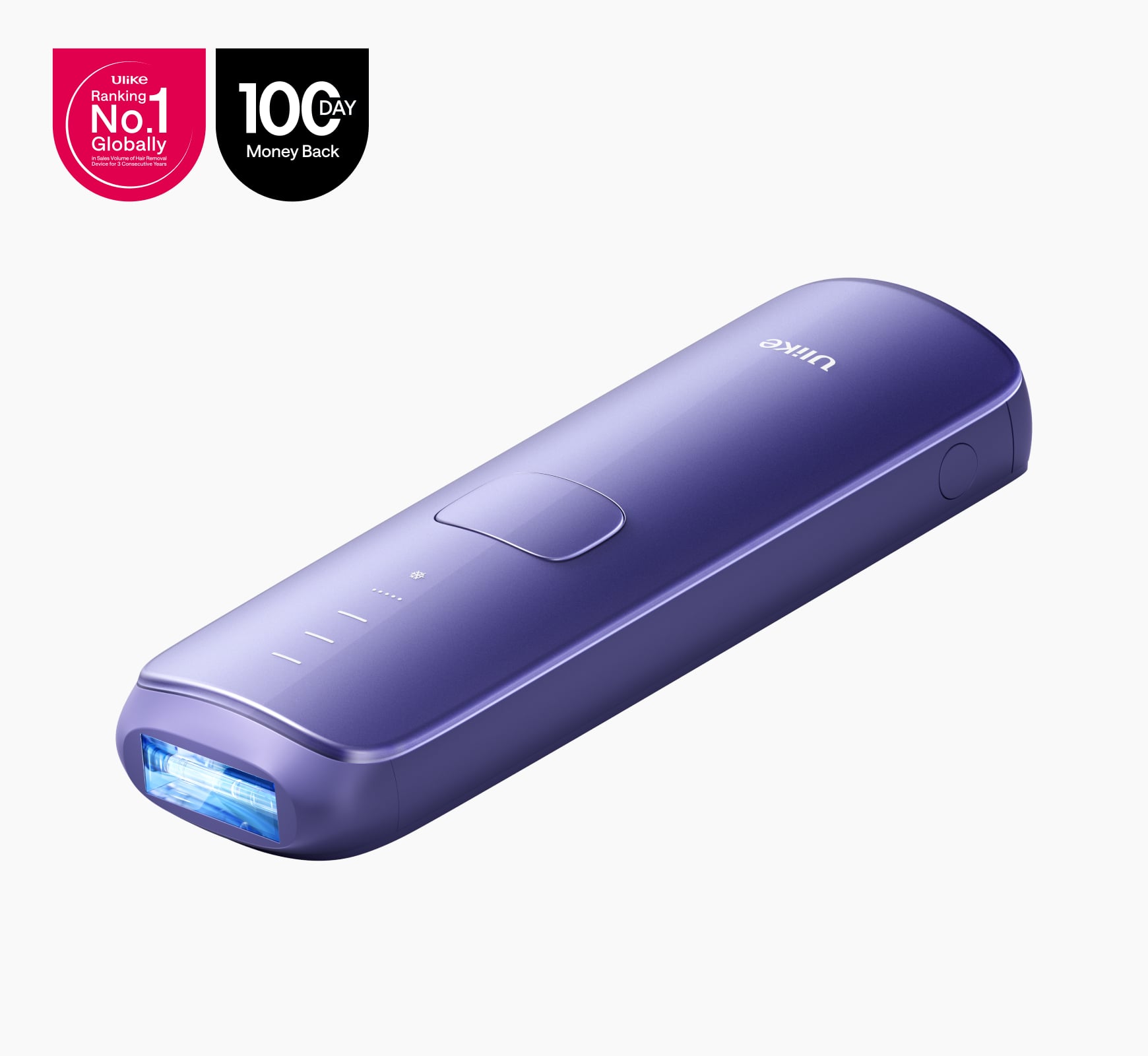
Ulike Air 3
3 weeks to silky smooth skin.
93% Hair Density Reduction in 4 Weeks
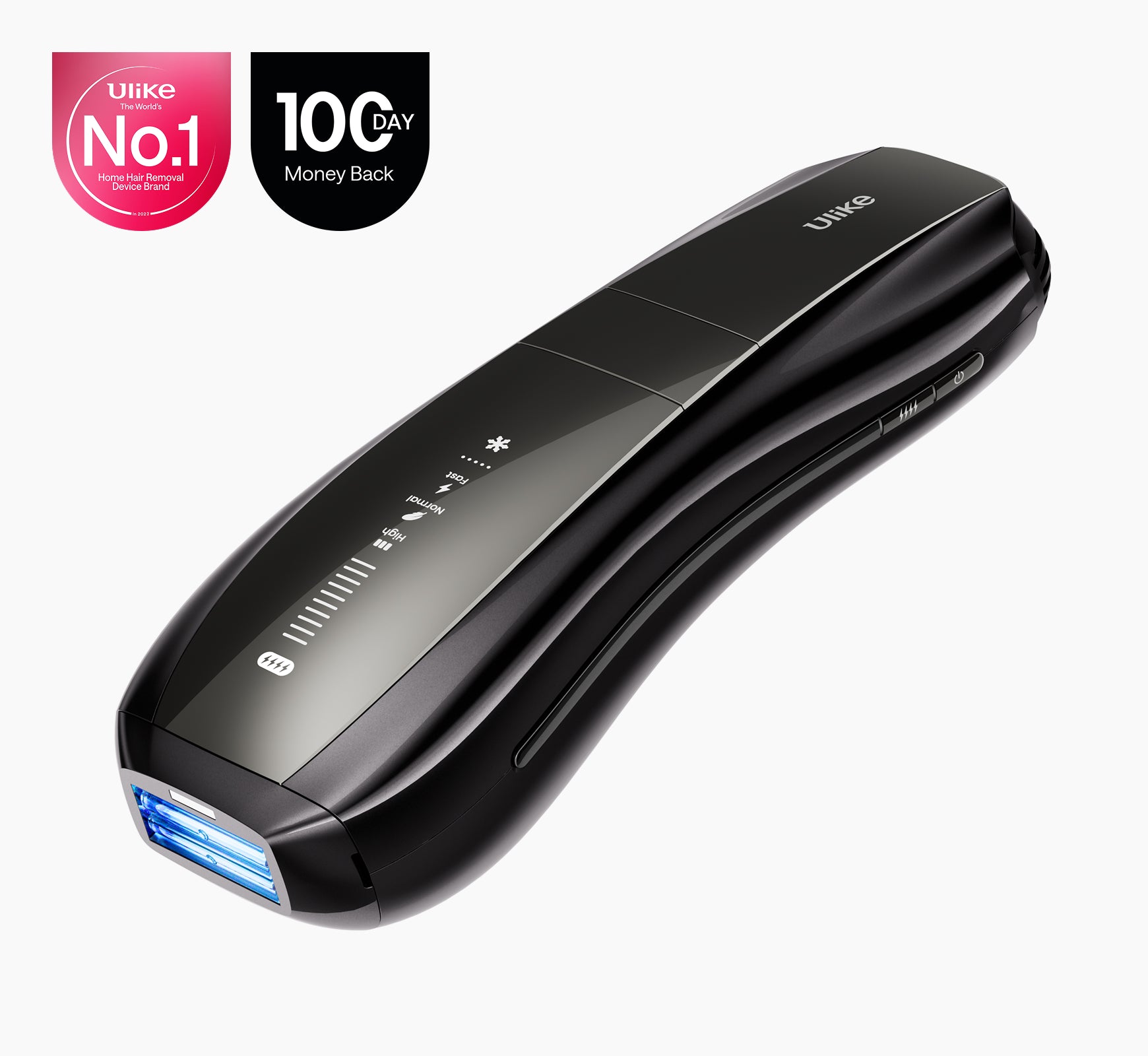
Ulike X
3 weeks to silky smooth skin.
94% hair reduction in just 2 weeks*
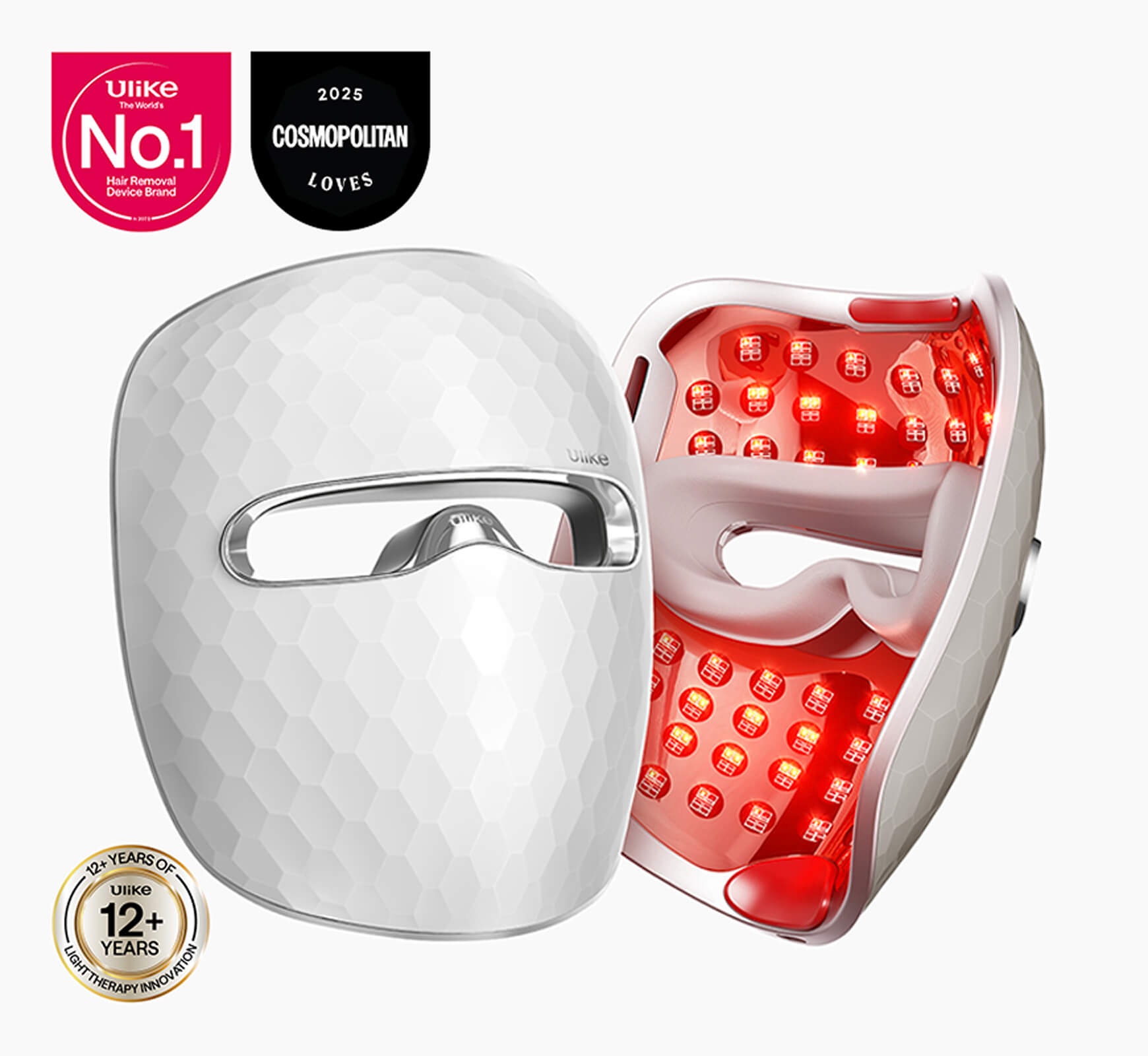
Ulike Reglow
Clearer skin in 2 weeks: Fewer breakouts
Smoother skin in 4 weeks: Fewer lines, firmer feel