



Removing women’s facial hair is a concern many women manage at some stage. Upper lip, chin, or jawline hair can feel persistent, especially when regrowth appears quickly after shaving or waxing. While temporary removal is straightforward, long-term reduction requires a different approach.
This guide explains the main options for removing women’s facial hair, how long they last, and what to consider when choosing between short-term smoothing and longer-term hair reduction.

Why Women Get Facial Hair
Facial hair growth in women is common and usually linked to normal hormonal activity. All women produce androgens, including testosterone. Changes in hormone levels or increased follicle sensitivity can lead to darker or thicker facial hair.
Polycystic ovary syndrome, often referred to as PCOS, is one recognised cause of increased facial hair growth. Menopause can also influence hair patterns due to hormonal shifts. Genetics plays a significant role, and hair density often runs in families.
In medical terms, excessive facial hair growth in women is known as hirsutism. Sudden or significant changes, particularly when accompanied by irregular periods or other symptoms, should be assessed by a GP.
Hormonal facial hair growth can vary throughout life. Conditions such as PCOS are commonly associated with persistent chin or upper lip hair due to elevated androgen levels. In these cases, removing women’s facial hair addresses the visible symptom, but underlying hormone management may also be considered.

Hirsutism in women is typically diagnosed when hair growth appears in areas more commonly associated with male patterns, including the chin, upper lip, or jawline. Treatment options may include medical management, lifestyle changes, or cosmetic hair removal methods, depending on individual circumstances.
It is important to distinguish between sudden hormonal changes and gradual, inherited patterns of facial hair growth. Where hair growth develops rapidly or is accompanied by acne, scalp hair thinning, or menstrual irregularities, clinical advice should be sought.
For many women, however, facial hair does not indicate a medical condition. It reflects normal hormonal variation, and management focuses on comfort rather than treatment.
Common Methods for Removing Women’s Facial Hair
Several temporary methods are widely used for removing women’s facial hair. These approaches remove visible hair but do not change future growth.
Temporary Facial Hair Removal Methods Compared
| Method | How It Works | How Long It Lasts | Discomfort Level | Main Limitation |
|---|---|---|---|---|
| Shaving | Cuts hair at the surface | 1 to 3 days | Low | Rapid regrowth |
| Waxing | Removes hair from the root | 2 to 4 weeks | Moderate | Hair must regrow between sessions |
| Threading | Pulls hair from the root | 2 to 4 weeks | Moderate | Can irritate sensitive skin |
| Depilatory Cream | Dissolves hair at surface | A few days | Low to moderate | Risk of skin reaction |
| Bleaching | Lightens pigment only | Until regrowth | Low | Does not remove hair |
Shaving is often used for quick upper lip or chin hair removal. Waxing and threading last longer but require repeated sessions. Depilatory creams are convenient, though facial skin can react unpredictably. Bleaching reduces contrast rather than removing hair.
Temporary methods manage appearance. They do not reduce how often hair returns.
Long Term Solutions for Removing Women’s Facial Hair
Long-term methods aim to reduce regrowth by targeting the hair follicle.
Long Term Facial Hair Removal Methods Compared
| Method | How It Works | Results | Typical UK Cost | Best For |
|---|---|---|---|---|
| Professional Laser | Concentrated light heats follicle | Long term reduction | £200 to £500 per course | Clinic-based treatment |
| At-Home IPL | Broad spectrum light disrupts growth cycle | Gradual reduction | One-time device purchase | Home treatment |
| Electrolysis | Electric current destroys follicles individually | Permanent removal of treated hairs | High due to multiple sessions | Small areas |
A professional laser is performed in clinics and requires several sessions. Electrolysis treats each follicle individually and is recognised as permanent, though it can be time-intensive.
At-home IPL uses similar light-based principles and allows treatment to take place privately. Results develop gradually with consistent use.
Why At-Home IPL Is Used for Facial Hair Reduction
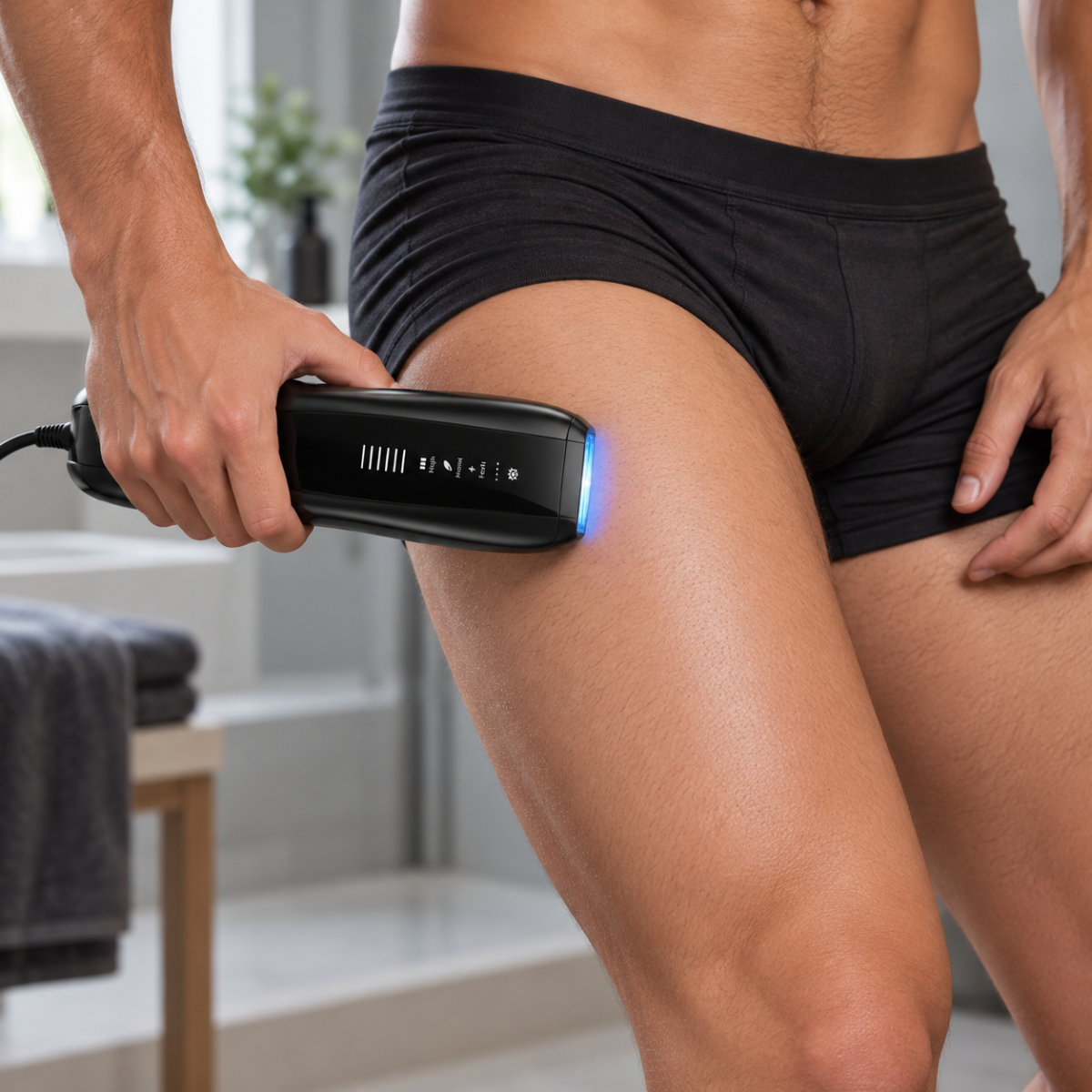
At-home IPL targets pigment in the hair using controlled light pulses. The energy converts to heat and reaches the follicle beneath the skin. Repeated sessions disrupt the growth cycle, leading to slower regrowth and reduced density.
Devices designed for facial areas are calibrated for smaller zones such as the upper lip and chin.
Laser vs IPL for Removing Women’s Facial Hair
Laser hair removal and IPL both use light energy to target the hair follicle, but they differ in how that energy is delivered. Laser treatments use a single concentrated wavelength and are performed in clinics by trained practitioners. IPL uses a broader spectrum of light and is available in at-home devices designed for regular use.
Laser treatments typically require a course of appointments spaced several weeks apart. Costs can be higher upfront, particularly for facial areas. IPL devices involve an initial purchase, followed by self-administered sessions at home over a structured period.
Both approaches aim for long-term facial hair reduction rather than immediate removal. Comfort levels vary depending on device type, skin sensitivity, and energy settings. Maintenance sessions are usually required with either method to sustain results.
For women comparing options for removing facial hair, the decision often comes down to budget, convenience, and preference for clinic-based or at-home treatment.
What to Look for in an IPL Device for Facial Hair
Not all devices are equally suited to removing women’s facial hair.
Key Features
Facial-specific settings
Smaller treatment windows and adjustable intensity settings allow better control of areas such as the upper lip.
Cooling systems
Cooling technology helps manage surface heat during treatment.
Balanced power output
Energy levels must affect the follicle without overwhelming delicate facial skin.
Safety mechanisms
Skin tone sensors and clear instructions for facial use are essential.
A well-designed device should support consistent, safe use over the recommended treatment period.
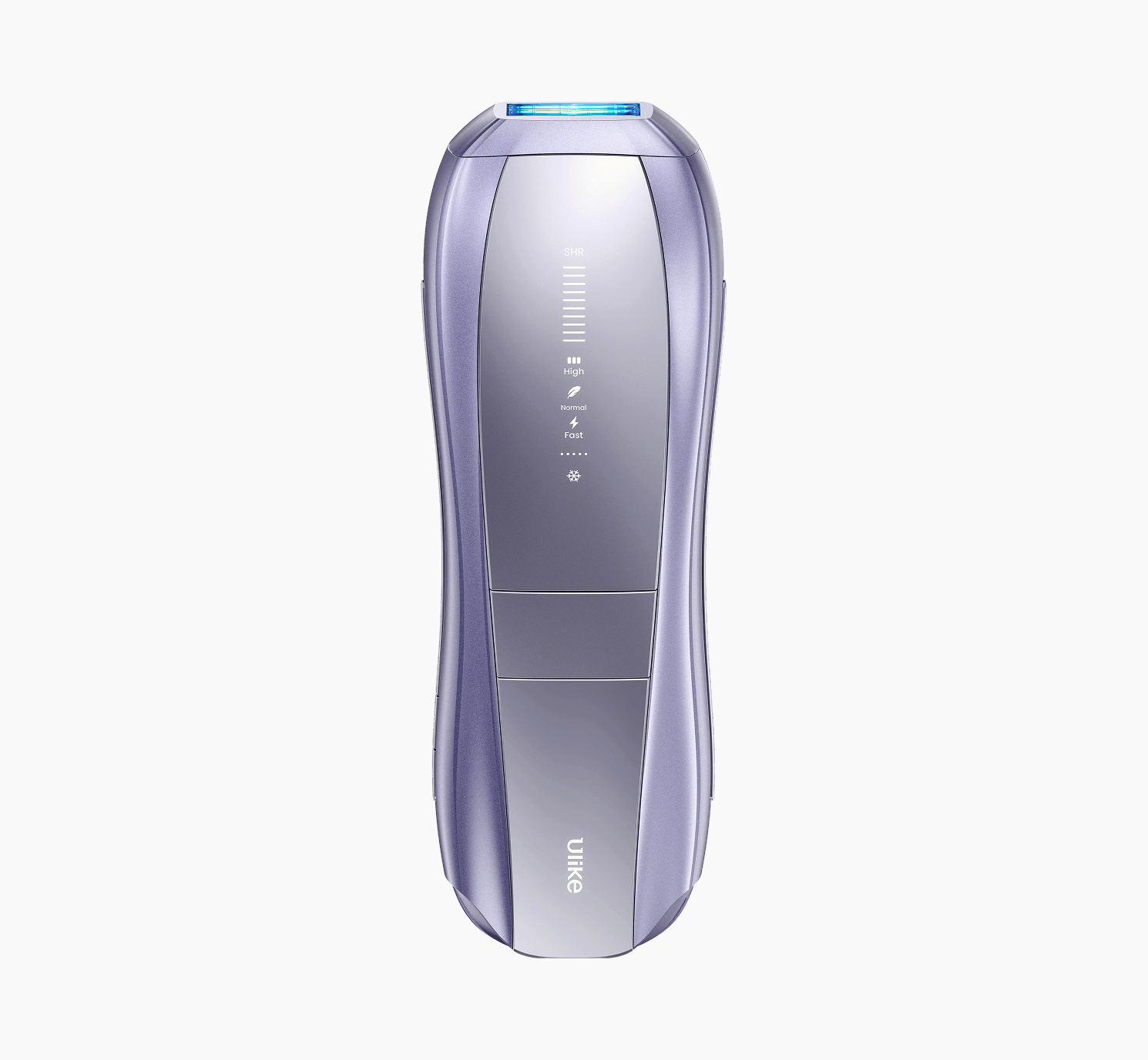
The Ulike Air 10 for Facial Hair Reduction
The Ulike Air 10 is designed for at-home IPL treatment, including facial areas such as the upper lip and chin.
It incorporates Sapphire Ice-Cooling technology to regulate skin temperature during each flash. Adjustable intensity settings allow gradual increases where appropriate. A precision treatment window supports controlled coverage along smaller facial zones.

Treatment Schedule
Weekly sessions are generally recommended for the first eight to twelve weeks, followed by maintenance treatments as required. Results vary depending on hair colour, skin tone, and consistency.
The Air 10 is positioned as a device for gradual, long-term facial hair reduction rather than immediate removal.

How to Use At-Home IPL Safely
Correct technique supports both safety and effectiveness.
Carry out a patch test 24 hours before first use.
Shave before treatment so light can reach the follicle.
Ensure skin is clean and dry.
Begin with a lower intensity setting.
Follow a consistent schedule.
Avoid directing flashes towards the eyes.
Apply a gentle moisturiser after treatment.
Safety Considerations
Confirm skin tone compatibility
Avoid use on irritated or sunburned skin
Do not treat over tattoos or moles
-
Seek medical advice if facial hair growth is linked to hormonal concerns
FAQ: Common Follow-Up Questions About Removing Women’s Facial Hair
What is the best way to remove women’s facial hair permanently?
Electrolysis is recognised as a permanent method because each follicle is treated individually. Laser and IPL provide long-term reduction rather than guaranteed permanent removal.
How do you remove facial hair for women at home?
Short term methods include shaving and waxing. For longer term reduction, IPL devices designed for facial use are commonly used.
Does IPL work on women’s facial hair?
IPL can reduce regrowth when used consistently. It works best on darker hair with sufficient pigment.
How long does it take to see results?
Some reduction may be noticed within four weeks. More visible changes often appear after eight to twelve weeks of consistent treatment.
Is IPL safe for sensitive skin?
Devices designed for facial use include adjustable settings and cooling systems. A patch test is recommended before full treatment.
Can IPL be used on the upper lip and chin?
Yes, provided the device is approved for facial areas. The eye region should always be avoided.
Choosing a Method for Removing Women’s Facial Hair
Removing women’s facial hair involves weighing convenience, cost, and long-term expectations. Temporary methods require frequent repetition. Long-term approaches aim to reduce how often maintenance is needed.
Professional laser and electrolysis are clinic-based options. At-home IPL offers a structured alternative for gradual reduction carried out privately.
The Ulike Air 10 is one option designed specifically for facial areas, with cooling technology and adjustable intensity settings.
Disclosure: This article includes the Ulike Air 10 as a recommended at-home IPL device. Women experiencing sudden or excessive facial hair growth should consult a GP.