



Men’s Pubic Area Hair Removal: Safe Ways to Groom and Maintain Hair at Home

The Celebrity Traitors has kept British viewers occupied with suspicion, strategy and a fair amount of drama. Men's pubic area hair removal is a rather different subject, but it comes with its own decisions: trimming, shaving, waxing, depilatory creams or IPL.
Each method has practical drawbacks, from razor bumps and skin irritation to the cost and upkeep of longer-term hair reduction. Here's how they compare, what to expect from each and what they typically cost in the UK.
Is It Necessary to Remove Pubic Hair?
No. Pubic hair is not a hygiene problem waiting to be solved. Men do not need to remove it to stay clean, and nobody needs to add another grooming chore to an already crowded bathroom shelf.
Regular washing is enough to keep the area clean. Removing the hair does not stop sweating, either. There is, however, a downside to shaving: the NHS lists the pubic area among the places where ingrown hairs are more likely to develop. Its advice for preventing them? Stop shaving.
What Are the Best Ways to Remove Men’s Pubic Hair?
Grooming scissors, body trimmer, razors or waxing will all give very different results. Some will leave a small amount of hair, some will remove the hair right from the root and others will help prevent it growing back over time. The first thing to consider will be what finish you would like and how much maintenance you are happy with.
If your priority is |
Start with |
Watch for |
A neater look with minimal fuss |
Trimming with a guard |
Regular upkeep, and nicks in the creases |
Smooth skin for a short time |
Shaving |
Stubble, razor bumps, ingrown hairs |
Smoothness that lasts longer between sessions |
Waxing by a trained professional |
Discomfort, redness, ingrown hairs, three weeks’ regrowth beforehand |
Hair removed without a blade |
Depilatory cream made for the intimate area |
Chemical irritation, strict area limits |
Gradual, longer-term hair reduction |
IPL, where the device instructions allow |
Device restrictions, skin and hair compatibility, a course of sessions |
The type of hair can also play a part. Coarse or curly hairs are more likely to become ingrown so men who always get bumps when shaving should start with trimming.
Trimming
A hair trimmer is a great alternative to cutting the pubic area down to nothing, using the guard allows you to decide how much hair you want left. By removing the guard you will get a closer cut and less room for error. However nicks and irritation can still occur, especially on any loose skin and creases.
Read the instruction manual first. Some hair trimmers cannot be used when wet so it is important to know this.
Start by using the longest guard and work your way down one setting at a time until you reach your desired length. Different hair trimmers have different length guards so make sure you check what attachments you have. Comb lengths vary by model: the Braun Series 7 body groomer ships with 2mm, 3mm and 5mm combs, and Manscaped’s has adjustable 2 to 6mm and 8 to 12mm combs.
Ensure you have a good light source and mirror to help you. Work slowly and let the trimmer do the work. You won’t get a better result by pressing harder.
Clean the blades after use. Follow the manufacturer’s instructions on how to clean your attachments and remove hair.
Be extra careful whilst trimming around the scrotum and any loose/creased areas. Don’t rush and force the trimmer over rough areas. If the manufacturer has a sensitive attachment use this.

Shaving (Closer Finish, Higher Maintenance)
Shaving gives a closer finish than trimming and needs more frequent upkeep, because stubble returns as hair regrows. Razor bumps, irritation, cuts and ingrown hairs are the main drawbacks. The NHS advice for reducing ingrown hairs is the core of a sensible routine:
Trim longer hair first so the razor does not drag.
Wet the skin with warm water and use shaving gel.
Use a sharp, clean razor. The NHS advises against blunt blades, and suggests trying an electric razor instead of wet shaving.
Shave in the direction the hair grows, with as few strokes as possible, rinsing the razor after every stroke.
Avoid shaving too close, because leaving at least 1mm of stubble can help reduce ingrown hairs, and avoid shaving every day where possible.
Afterwards, hold a cool, wet cloth to the skin and apply a gentle, fragrance-free moisturiser if you tolerate it. Aggressive exfoliation straight after shaving adds to irritation.
For a full walkthrough, see [how to shave correctly].
Razor bumps, ingrown hairs and when to get them checked
An ingrown hair looks like a raised, itchy bump, and waxing, plucking and threading can cause them as well as shaving. The NHS advises against scratching, picking or squeezing them, because that can damage the skin and lead to infection. A pharmacist can suggest products for itching and irritation, and preventing ingrown hairs has more detail.
See a GP when the area is very painful, hot or swollen, or you have a high temperature or feel very unwell. Other skin conditions are easily mistaken for ingrown hairs, so bumps that spread, keep returning or do not settle deserve a professional look.

Waxing (Longer Lasting but More Intense)
Waxing removes hair from the root, so skin usually stays smooth for longer than after shaving, though regrowth varies. It also asks the most of you beforehand. Bannatyne states that the area should not be shaved or trimmed for at least three weeks before an appointment, and that hair must be at least half a centimetre long to wax successfully.
Intimate waxing is uncomfortable and the skin is delicate, so first-timers should book a suitably trained professional rather than waxing at home. Temporary redness and irritation are common afterwards, and skin that is broken, inflamed or irritated should be left alone until it has healed. Follow the practitioner’s aftercare, avoid friction and excessive heat straight after treatment and keep strong exfoliants and fragranced products off freshly waxed skin.

Hair Removal Creams (Chemical Option)
Depilatory creams use chemicals to break the hair down so it can be wiped away. They do not work from the root, so results are temporary, and the same chemicals can irritate or burn skin when used on an unsuitable area or left on too long.
The product has to be made for the area. Superdrug lists Veet’s standard men’s cream for the back, chest, shoulders, arms, underarms and legs, which does not include the pubic area. Veet’s separate intimate kit is different: its pack states it is suitable for the groin, pubic area, base of the penis, scrotum and buttocks, with a total application time of no more than 10 minutes. The same pack says it is not suitable for the shaft or tip of the penis, between the buttocks or around the anus. Instructions differ between products, so the label is the rule. Use only a product whose instructions name the area you are treating.
Do a patch test 24 hours before full application, as Veet advises. A patch test does not make an unsuitable area safe.
Never exceed the application time, and rinse immediately if burning starts.
IPL Hair Reduction
IPL uses pulses of light that pigment in the hair absorbs. It is designed to reduce hair growth over a course of treatments, so removal is gradual, not immediate. Suitability depends on the device, skin tone, hair colour and treatment area, and each device publishes its own compatibility chart and area restrictions.
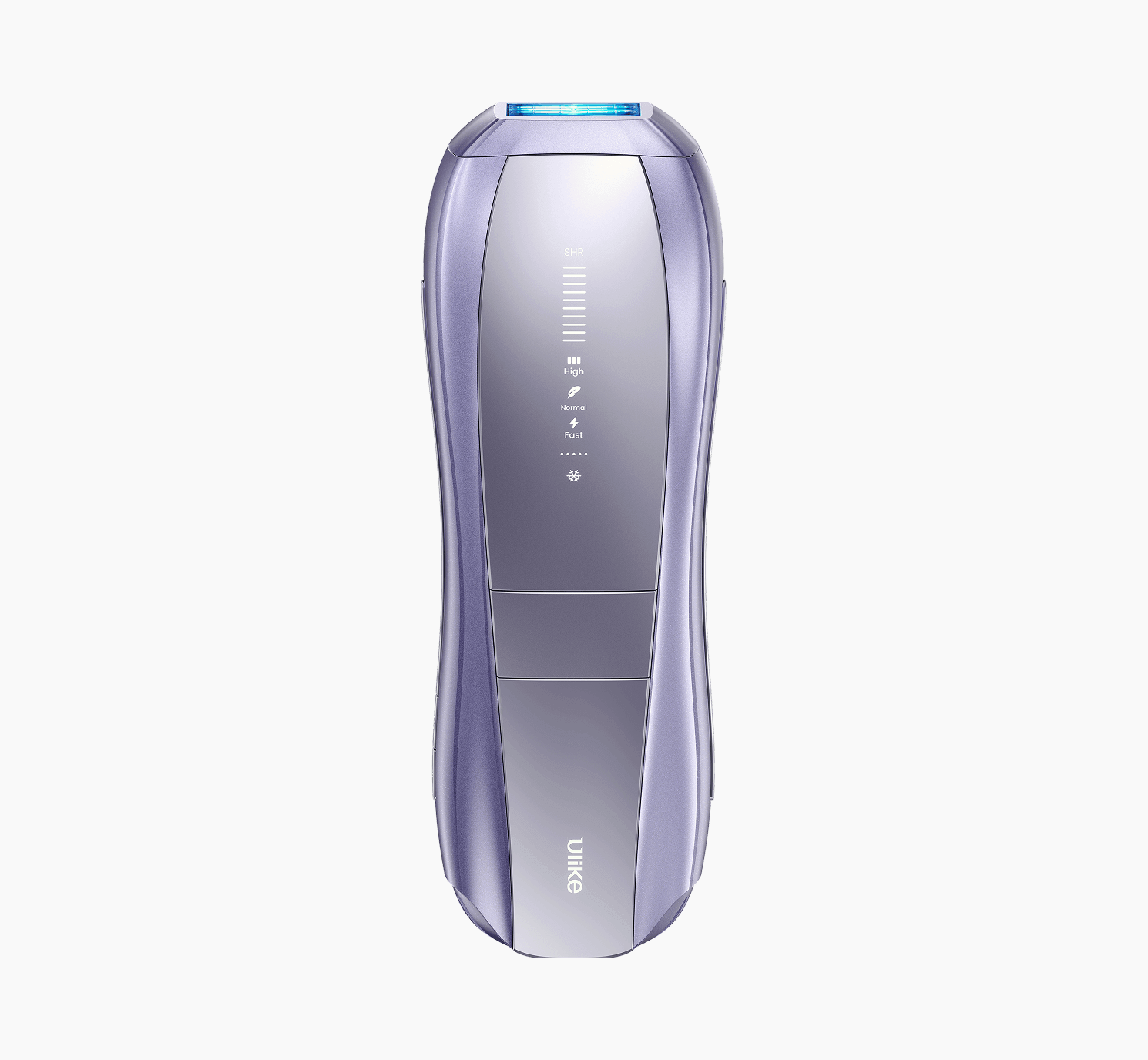
Ulike’s UK FAQ states that its IPL is not suitable for the inner parts of the bikini area and must never be used on the scrotum or anus. The permitted external areas depend on the device instructions, so check the guidance for your model first. Other manufacturers’ rules differ.
Considering IPL for intimate grooming? Read our guide to whether IPL is safe on male genitals for treatment areas, restrictions and precautions.
Typical Men’s Pubic Hair Removal Costs in the UK
These are example prices checked in November 2026. Promotions and location change them, so treat them as a guide and not a quote.
Trimming: all-in-one grooming kits from Braun and Philips start from about £15 and run to around £67 on PriceSpy UK, and a dedicated body groomer such as the Braun Series 7 is listed at £65 to £100.
Shaving: Gillette Fusion5 cartridges are from £17.19 for eight (about £2.15 each) and £23.99 for sixteen (about £1.50 each) on PriceSpy UK. Gel is an extra cost.
Cream: Veet Men’s 200ml body cream is around £5.69, while the intimate kit with aftercare balm has a lowest price of £6.99 and a usual price of £10.50.
Waxing: a male Brazilian is from £63 at Bannatyne, £58 to £72 at a London studio and £80 in Croydon. Salon Searcher’s 2026 guide puts typical UK prices at £35 to £60, rising to around £70 in London.
IPL: Ulike UK lists the Air 10 at £369.99 and the Air 10 Deluxe at £299.99, both against a £399.99 list price. It is a one-off purchase, and the device instructions decide which areas can be treated.
How to Groom the Pubic Area Without Irritating the Skin
Before Grooming
Wash the area gently and make sure every tool is clean. Use good light and a mirror for the creases, and trim long hair first when shaving or using a method that needs shorter hair. Leave skin that is cut, inflamed or irritated until it has settled.
During Grooming
Work slowly and use light pressure. Use the tool made for the job, follow the product’s own directions and avoid passing a blade or device repeatedly over the same patch of skin.
After Grooming
Rinse away any residue and pat the skin dry instead of rubbing. A gentle moisturiser helps if your skin tolerates it, and loose clothing reduces friction while the skin settles. Alcohol, strong antiseptics and fragranced products do not belong in a routine aftercare kit.
Common Men’s Pubic Grooming Mistakes
Shaving without preparation. Dry shaving raises friction.
Using a blunt or dirty razor. Both increase irritation and the chance of cuts.
Shaving against the direction of growth. This can raise the risk of ingrown hairs for some men.
Shaving too close. The NHS advises leaving at least 1mm of stubble.
Using an unsuitable cream. The product must name the area where you apply it.
Grooming irritated skin. Cuts and bumps need time to recover.
Expecting every method to give the same result. Finish, upkeep and side effects differ.
Frequently Asked Questions About Men’s Pubic Hair Removal
What is the safest way for men to remove pubic hair?
Trimming keeps the cut hair further from the skin than a razor does, but it can still cause nicks and irritation. The safest choice depends on skin sensitivity, technique and the finish you want. Men concerned about irritation can start with a trimmer and a guard, then step down one length at a time.
Is trimming better than shaving pubic hair?
Trimming leaves some hair above the skin and avoids the close blade contact of wet shaving, which suits men who want a neater result with less risk. Shaving gives a smoother finish but raises the chance of razor bumps and ingrown hairs, and stubble returns sooner.
How often should men trim or shave pubic hair?
Frequency depends on how quickly your hair grows, the finish you want and how your skin responds. The NHS advises not shaving every day where possible, and shaving again while the skin is irritated is best avoided.
Can shaving pubic hair cause ingrown hairs?
Yes. Shaving can leave hairs that curl back into the skin, causing small, sometimes painful bumps, and coarse or curly hair makes this more likely. The NHS advises shaving in the direction of growth, using few strokes, avoiding blunt blades and leaving at least 1mm of stubble. An electric razor is another option.
Can men use hair removal cream on their pubic area?
Only when the product states it is suitable for the area. Standard body creams are often made for the chest, back, arms and legs. Veet’s intimate kit lists the groin, pubic area, base of the penis and scrotum as suitable, and excludes the shaft and tip of the penis and the area around the anus. Always follow the label.
Does removing pubic hair improve hygiene?
No. Removing pubic hair is not necessary to stay clean. Regular washing is enough for ordinary hygiene, and grooming is a personal preference. Hair removal does not stop the body sweating, and every method carries some risk of cuts, irritation or ingrown hairs.
How can men prevent irritation after pubic hair removal?
Use a clean tool, move slowly with light pressure and avoid going over the same patch repeatedly. Rinse afterwards, pat the skin dry and add a gentle moisturiser if it suits you. Loose clothing reduces friction while the skin settles, and irritated skin needs time to recover before the next session.
Choosing the Right Pubic Hair Removal Method
Men’s pubic grooming is a personal decision, and the right method comes down to comfort, how your skin responds and the finish you want. Trimming keeps hair tidy with the least skin contact, shaving gives a closer result for regular upkeep, and waxing, creams and IPL aim for smoothness that lasts longer.
Which Medications Make IPL Hair Removal Unsafe?

Ulike Air 3 Deluxe Set: What’s Included and Is It Worth It?
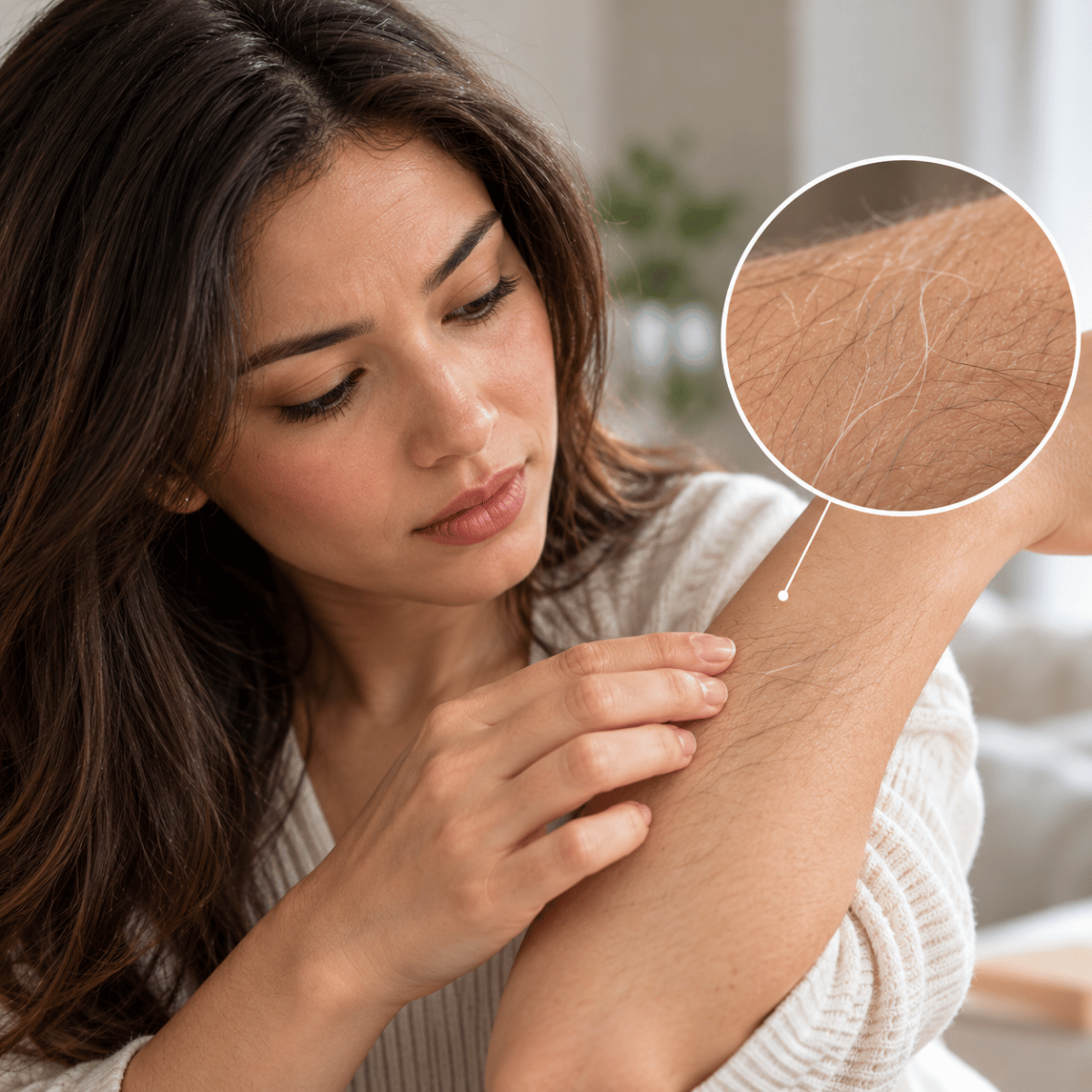
Can IPL Turn Your Hair White? The Facts on Leukotrichia
Explore Beauty
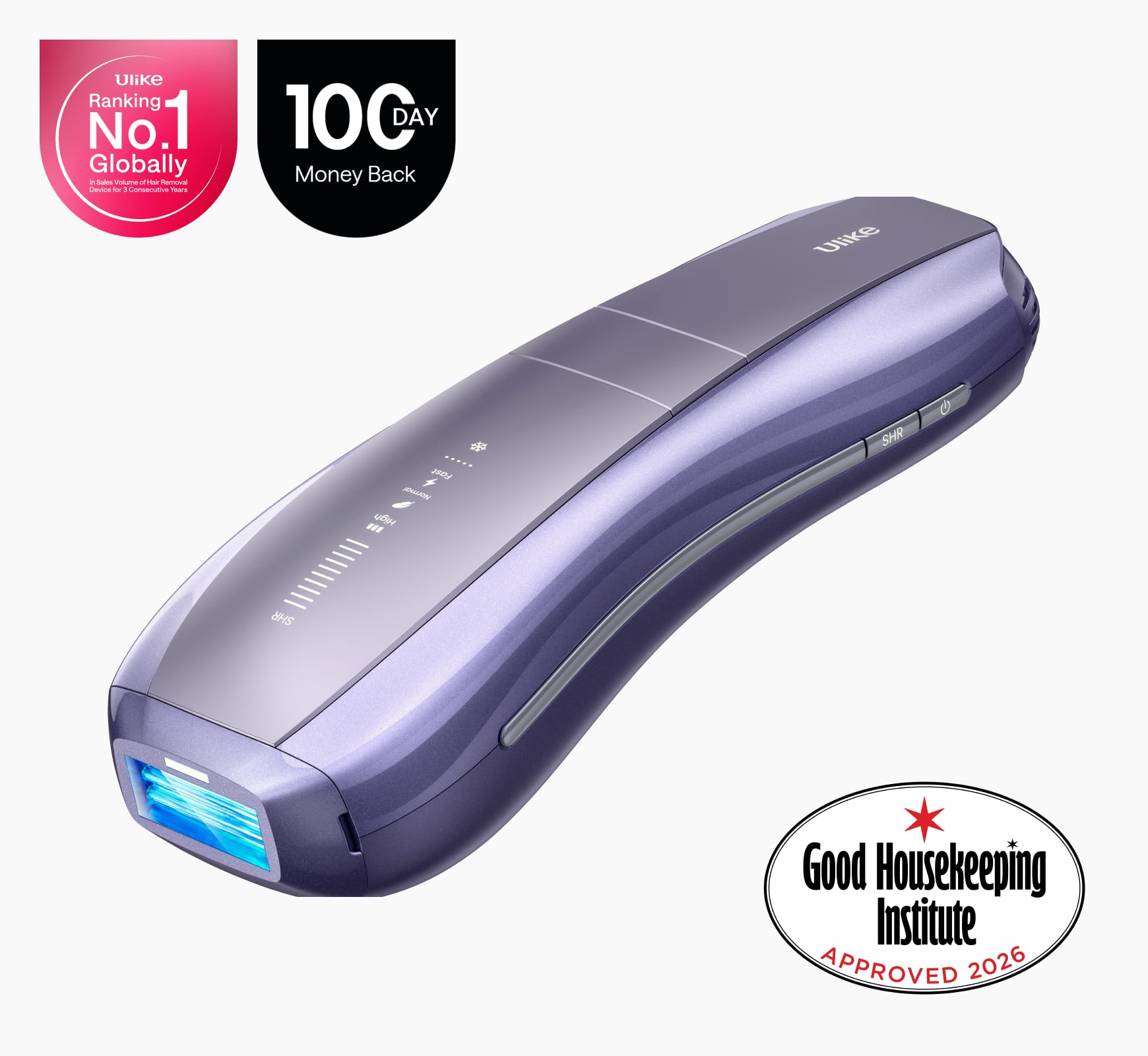
Ulike Air 10
2 weeks to silky smooth skin.
96% Hair Density Reduction in 4 Weeks
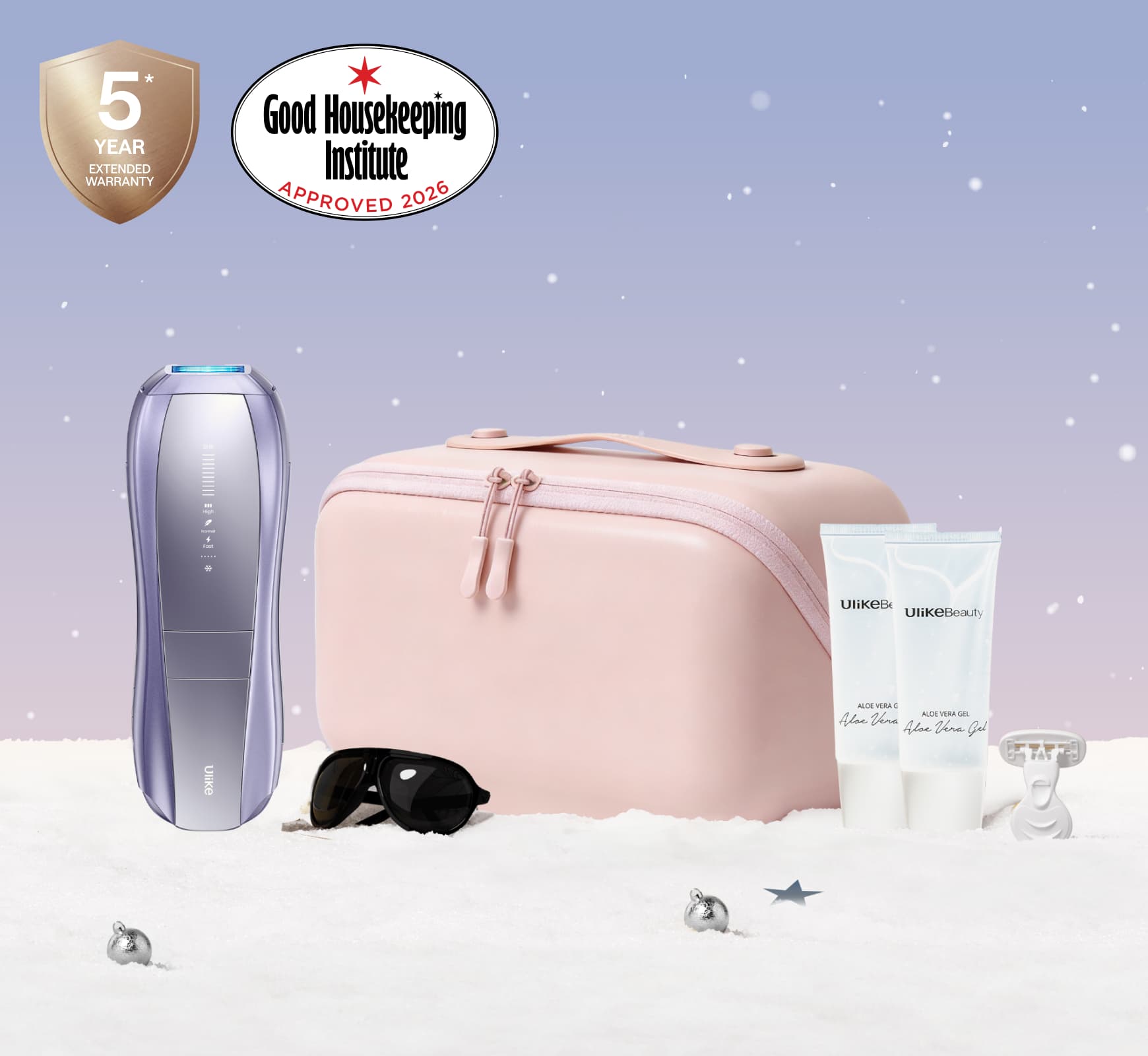
Ulike Air 10 Deluxe
10-minute full-body sessions
96% Hair Density Reduction in 4 Weeks
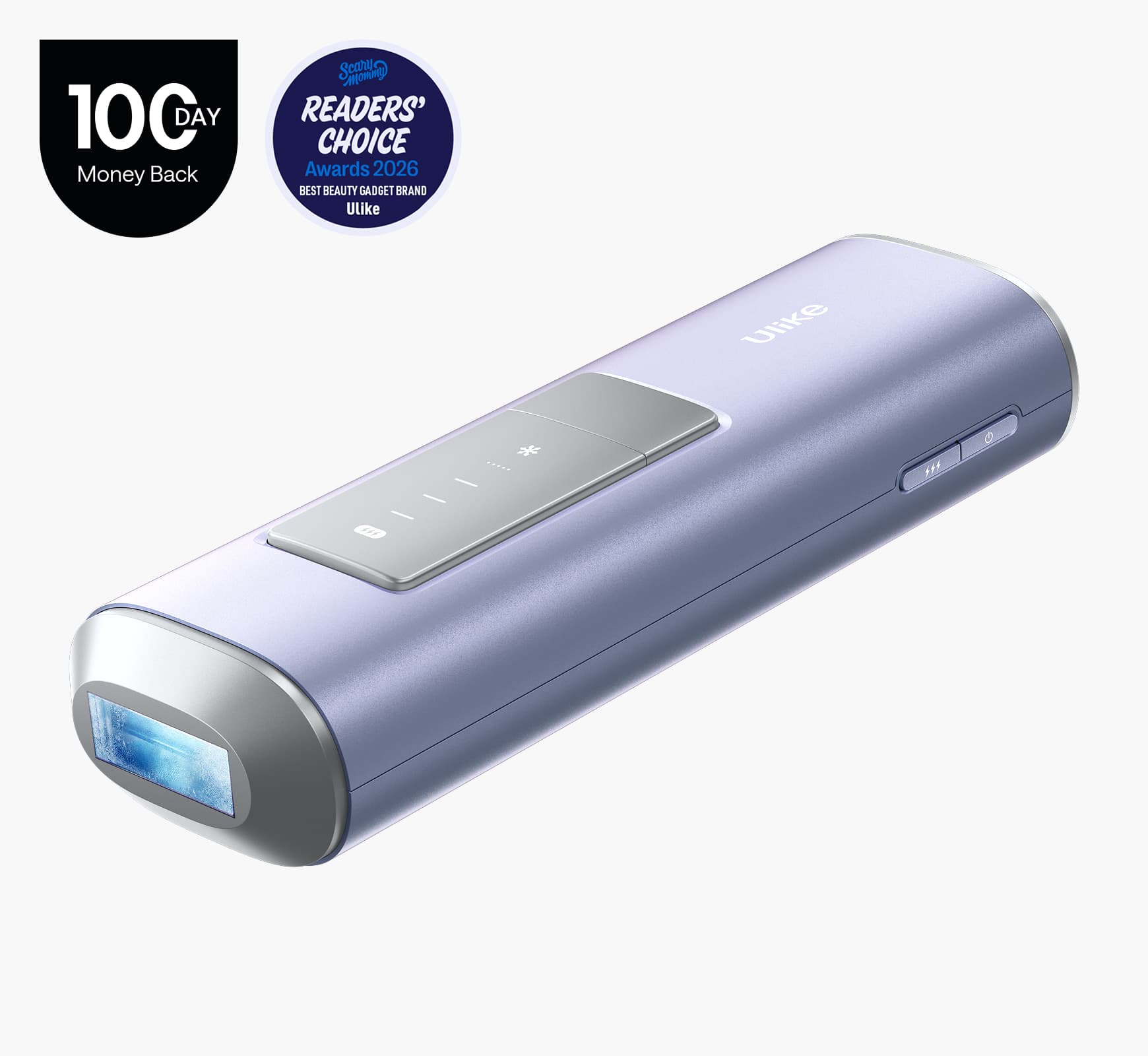
Ulike 2 Max
Gentle on sensitive skin
94.5% hair reduction in 4 weeks*
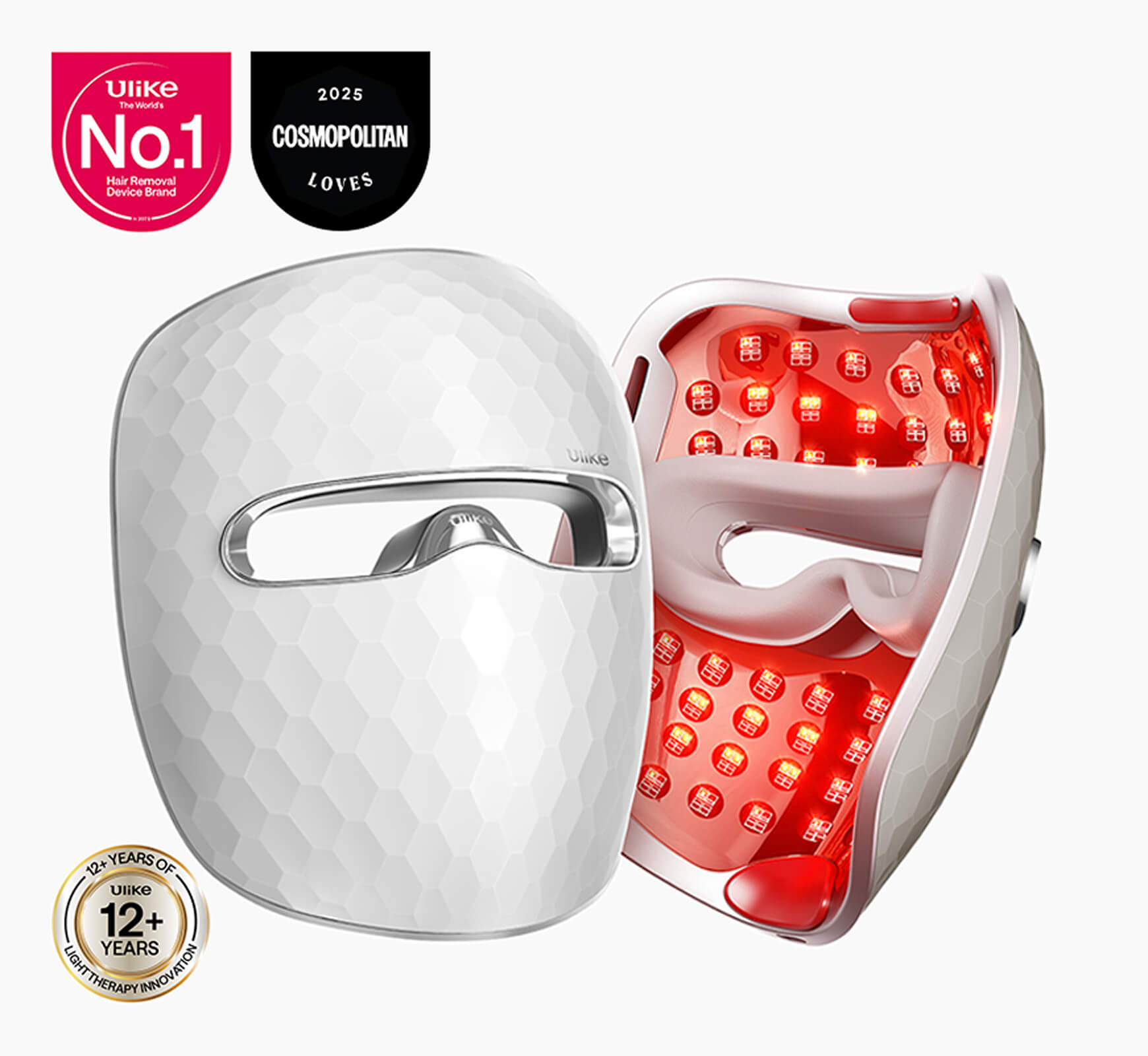
Ulike Reglow
Clearer skin in 2 weeks: Fewer breakouts
Smoother skin in 4 weeks: Fewer lines, firmer feel
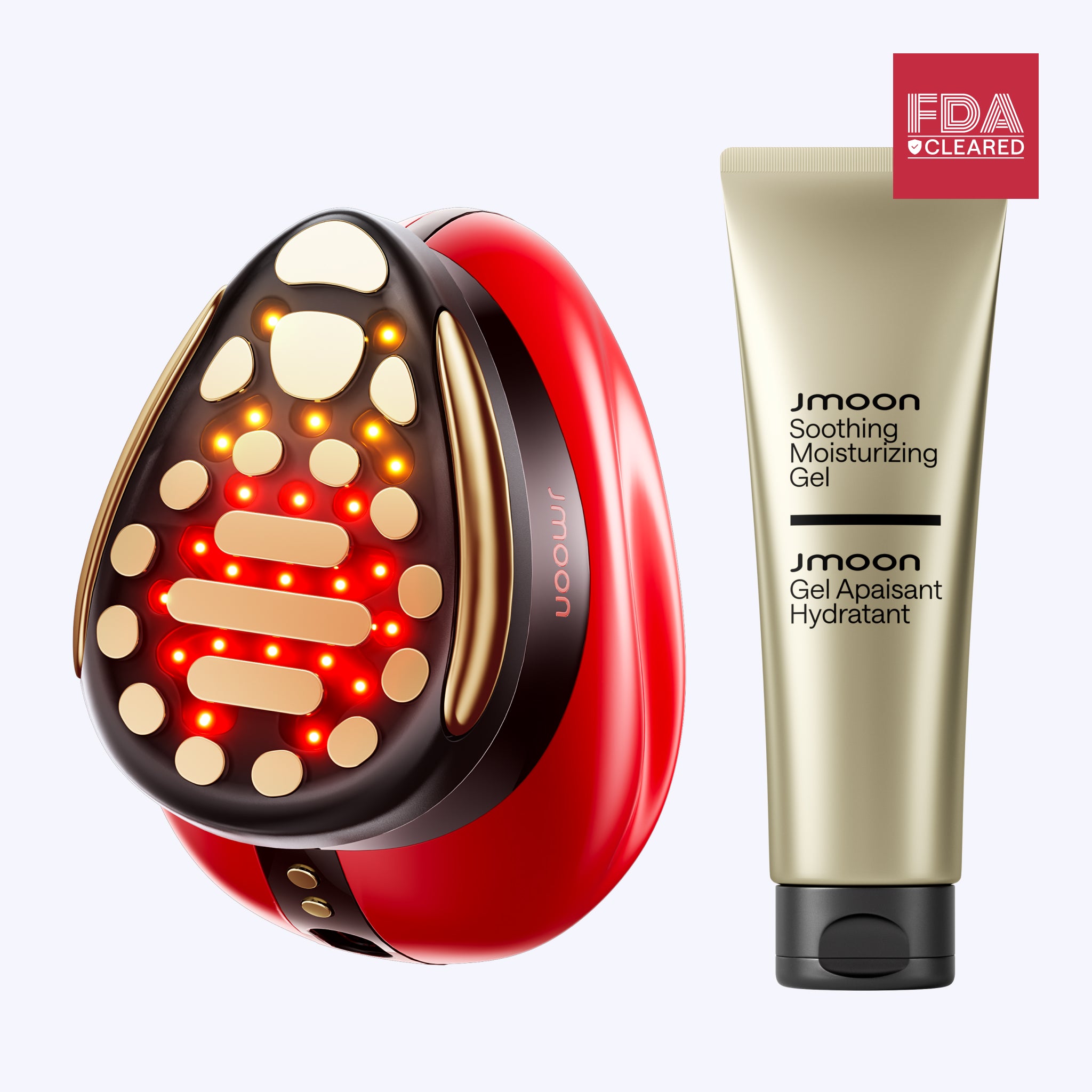
JMOON by Ulike M12 Max (RD)
Lift, Firm, and Smooth Your Skin With One Device