



Brazilian Hair Removal at Home: IPL vs Laser — Which Is Better? (UK Guide 2026)
Brazilian Hair Removal: IPL vs Laser — Which Is Actually Better?
IPL vs Laser: The quick answer. For most UK women, at-home IPL is the smarter choice for Brazilian hair removal. It costs a fraction of professional laser, works in your own home, and modern devices like the Ulike Air 10 deliver results that rival clinic treatments. Laser hair removal is faster and more powerful — but at £70–£100 per session across 6–8 visits, it's a serious commitment. If you have fair to medium skin and dark hair, IPL can give you the same smooth results over a slightly longer timeline, without the clinic price tag or the awkward appointments.
Read on for the full comparison — including pain levels, UK costs, skin tone guidance, and exactly what to expect when treating the Brazilian area specifically.
What "Brazilian" Actually Means in a UK Hair Removal Context
Before comparing methods, it's worth clarifying what we mean by "Brazilian" — because the terminology gets muddled.
In the UK, there are three common styles for intimate hair removal:
- Bikini line: Removes hair visible outside swimwear — the sides and top only.
- Brazilian: Removes most of the pubic hair, leaving a small strip or triangle at the front.
- Hollywood: Removes all pubic hair, front to back.
This article focuses on the Brazilian and bikini line area, which is the most commonly requested treatment at UK clinics and one of the most-asked-about areas for at-home IPL. The pubic region is a sensitive area with coarser, darker hair than legs or underarms, which means the choice of method and settings matters more here than elsewhere.
What Is Laser Hair Removal?
Laser hair removal has been among the most well-established cosmetic treatments in the UK. It is offered by clinics like Sk:n, Laser Clinics UK, and NAAMA Studios for very good reasons, as it really works.
The portable machine uses a focused monochromatic light source that penetrates the skin to affect the melanin pigment located inside the hair follicles. The heat affects the follicles without causing any damage to the skin; therefore, there is a reduction in hair regrowth. The procedure takes around 20 to 30 minutes.

How many sessions do you need?
Most people need 6–8 sessions spaced 4–6 weeks apart to see a significant, long-term reduction. Hair grows in cycles, so spacing is important — the laser can only target follicles in their active growth phase.
Who does it work best for?
Laser hair removal therapy works effectively in people with light skin and dark hair colours since the contrast between these two makes the laser remove hair from the follicle without damaging the nearby skin tissue. Fortunately, due to technological advancements in the laser hair removal process, now even people with dark skin are benefiting a lot from it.
Benefits of laser hair removal:
Pain is often compared to the sharp snap of an elastic band. Cooling systems or gels help make it more bearable, but being prepared — intimate areas like a Brazilian can feel a little sharper.
As for side effects, you might notice a bit of redness or swelling afterwards, but it usually settles down within a day or two.
Benefits of Laser Hair Removal:
- Faster results — significant reduction often visible after 3–4 sessions
- Precise targeting — good for small, defined areas like the bikini line
- Clinically administered — a trained technician assesses your skin and adjusts settings
- Long-lasting results when a full course is completed
What Is At-Home IPL Hair Removal?
IPL or Intense Pulsed Light uses a broad spectrum of light wavelengths rather than a single focused beam. This scattered light heats and damages hair follicles across a wider area, slowing and eventually stopping regrowth with repeated use.
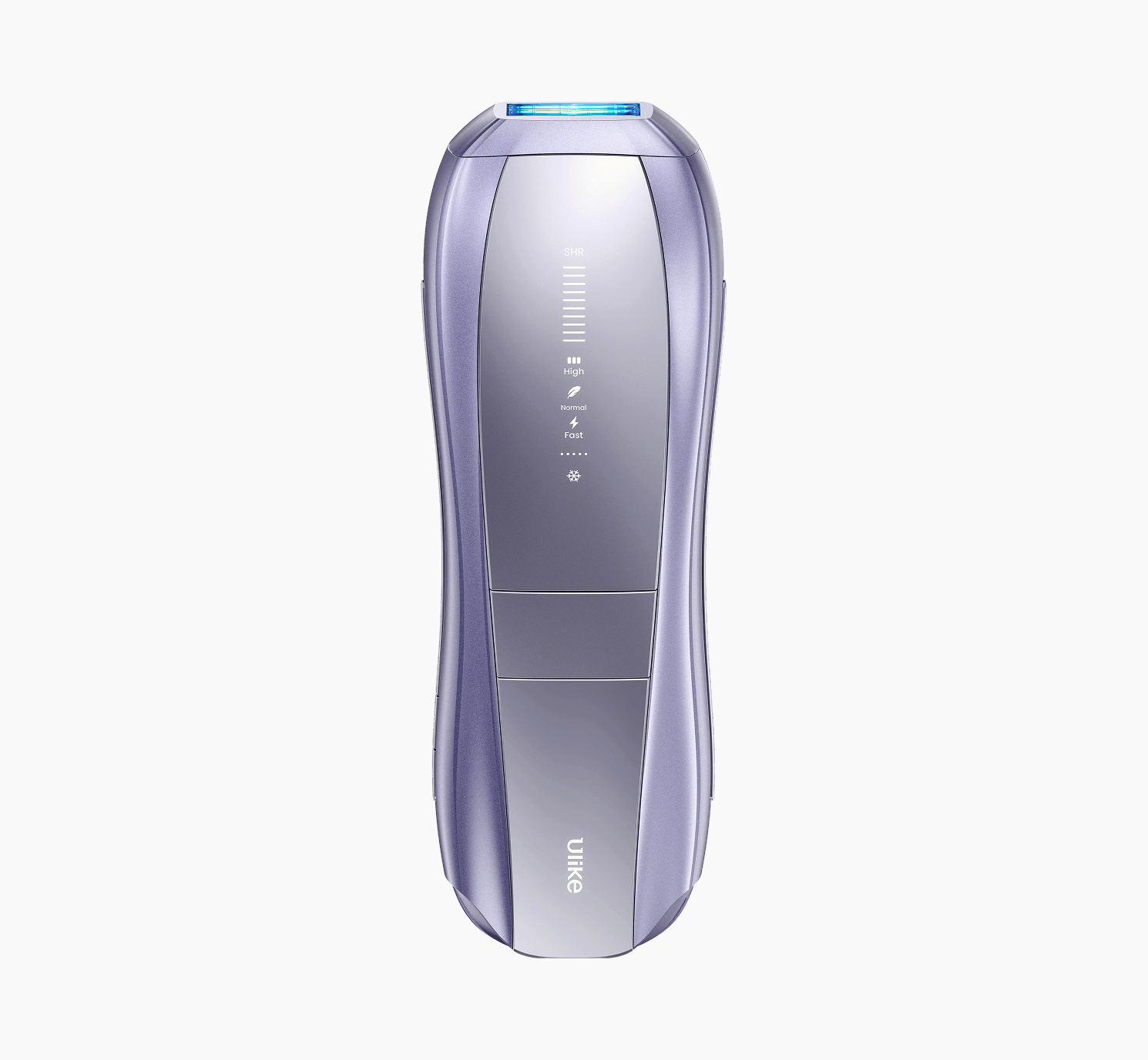
At-home IPL devices have improved enormously in the last few years. The Ulike Air 10 is a strong example: it combines dual-light IPL with a Sapphire Ice Cooling plate that brings the treatment window down to around 5.9°C, making even sensitive areas like the bikini line much more comfortable to treat.
How at-home IPL works for Brazilian hair removal
The technique for the Brazilian area with an IPL device is straightforward, but requires care:
- Shave the area 24 hours before your session — surface hair absorbs the light and reduces effectiveness at the follicle
- Start on the lowest intensity setting and test a small patch first
- Work methodically across the area, slightly overlapping each flash
- Treat 2–3 times per week for the first month, then monthly for maintenance
Many users see slower regrowth within 3–4 weeks. A full course (typically 8–12 weeks) usually delivers visible, long-term reduction.
The convenience advantage
This is where IPL genuinely wins. Treating a Brazilian at home means no appointments, no awkward positions on a clinic table, and no having to explain to a stranger what you'd like done. For a private area, that matters.
Laser vs IPL: How IPL and Laser Are Different
Both methods target the melanin in hair follicles using light energy converted to heat. But the mechanics differ in one key way:

| Category | Laser | IPL |
|---|---|---|
| Light type | Single wavelength (e.g., 755nm, 810nm) | Broad spectrum (500–1200nm) |
| Precision | High — targets follicle precisely | Lower — covers a wider skin area |
| Energy concentration | Higher per pulse | Lower, more distributed |
| Best for | Small, defined areas (bikini line, upper lip) | Larger areas (legs, arms, full Brazilian) |
| Settings | Fixed by clinic technician | Adjustable at home |
Lasers use a pinpointed light, meaning that the amount of energy used in one session per follicle is much higher. On the contrary, while being an asset for bigger surfaces, IPL uses less energy per square millimetre of skin, thus requiring more treatment sessions.
Pain Levels: IPL vs Laser for the Brazilian Area
Let's be direct: the Brazilian area is more sensitive than your legs or underarms. Coarser, darker hair in this region absorbs more heat, and the skin is thinner. Both methods will feel more intense here than elsewhere on the body.
Laser: Most people describe it as a sharp snap or flick — similar to an elastic band. In sensitive areas like the bikini line, this can be quite noticeable. Most clinics use cooling gels or built-in cooling systems to reduce discomfort, but expect some redness and tenderness for 24–48 hours after.
At-home IPL: Generally described as a warm tingle or a mild snap — less intense than laser. With a device like the Ulike Air 10, the Sapphire Ice Cooling technology actively cools the skin during treatment, making it one of the gentlest options available for the Brazilian area. Most users describe it as very manageable, even on the first session.
Pain factors to keep in mind:
- Start on the lowest intensity setting for the bikini line / Brazilian area — you can increase as your skin adjusts
- Treat after a warm shower when skin is clean and pores are open
- Avoid treating during your period when the area is more sensitive
- As hair density decreases with repeated sessions, treatments become progressively less uncomfortable
Effectiveness for Long-Term Hair Removal
Laser hair removal results
Permanent hair reduction can be achieved after a complete course of treatment using lasers for hair removal, which takes six to eight treatments. It is estimated that after completing such treatments, a 70% to 90% reduction will be realised.
For the Brazilian area, results are generally strong — the coarse, dark hair responds well to laser. Results are often visible from session 3 or 4.
At-home IPL results
At-home IPL requires more patience — typically 8–12 sessions over 3–4 months to achieve comparable reduction. Consistent use is the key variable. The Ulike Air 10 cites 96% hair density reduction in 2 weeks in clinical conditions, though real-world results for coarser areas like the bikini line are slower and more variable.
The honest comparison: laser is faster. But for most people with an appropriate skin and hair type, IPL delivers results that are genuinely comparable over a slightly longer timeline — at a fraction of the cost.
Skin Tone and Hair Colour: Who Should Choose What
This is arguably the most important section for safety, and it's where many comparison articles fall short. Both methods carry real risks if used on incompatible skin types.
IPL suitability by skin tone (Fitzpatrick scale)
| Fitzpatrick Type | Skin Description | At-Home IPL Suitability |
|---|---|---|
| I | Very fair, always burns | ✅ Suitable |
| II | Fair, usually burns | ✅ Suitable |
| III | Medium, sometimes burns | ✅ Suitable |
| IV | Olive, rarely burns | ⚠️ Use with caution; use lower settings |
| V | Brown | ❌ Not recommended for most at-home devices |
| VI | Dark brown/black | ❌ Not recommended |
Important: The Ulike Air 10 includes an automatic skin tone sensor that reads your skin before each flash and adjusts accordingly. If you're on the border (Type III–IV), always patch test first and follow the Ulike skin compatibility guide.
Hair colour suitability
IPL and laser both target melanin in the hair follicle. This means they work best on dark brown or black hair. Results are reduced for:
- Light brown hair — may still respond, but slower
- Dark blonde — limited effectiveness
- Red, grey, white, or light blonde — generally not effective with either method
If your hair is lighter in this area than on your head (not uncommon), results may be more variable than expected.
If IPL isn't suitable for you
If your skin tone or hair colour puts you outside the optimal range for at-home IPL, professional laser — particularly Nd:YAG laser — is the safer, more effective option. Nd:YAG works at a longer wavelength that bypasses surface melanin, making it considerably safer for darker skin tones.
Cost Comparison: IPL vs Laser Hair Removal UK (2026)
Professional laser hair removal costs
Prices vary by clinic, location, and laser technology used. As a general guide for the Brazilian area at UK clinics in 2026:
| Clinic Type | Per Session | Full Course (6–8 sessions) | Annual Maintenance |
|---|---|---|---|
| Mid-range clinic (e.g., Sk:n, Laser Clinics UK) | £70–£100 | £420–£800 | £70–£150 per session |
| Budget clinic / group deal | £40–£60 | £240–£480 | £70–£150 per session |
| Premium clinic (Harley Street etc.) | £120–£200+ | £720–£1,600+ | £70–£150 per session |
Most clinics offer package deals that reduce the per-session cost when you commit to a full course.
At-home IPL device costs
| Device | Price (approx.) | Expected lifespan | Effective cost per year |
|---|---|---|---|
| Ulike Air 10 | £269.99 (currently on sale) | 3–5+ years | ~£54–£90/year |
| Ulike Air 3 | £249.99 | 3–5+ years | ~£50–£83/year |
| Braun Silk·expert Pro 5 | ~£300 | 3+ years | ~£60–£100/year |
| Philips Lumea 9000 | ~£350 | 3+ years | ~£70–£117/year |
At-home IPL requires an upfront investment, but it treats your entire body — legs, underarms, face, and bikini area — for one price. When used consistently, it pays for itself within the first year compared to professional sessions.
Where Can You Treat with Laser and IPL?
Both methods are suitable across the body. Here's how they compare by area:

Note: Neither laser nor at-home IPL should be used directly on the genitals. Both are suitable for the surrounding pubic area, inner bikini line, and perianal area (for Hollywood treatments), but direct genital application is not recommended or safe with any current device.
Side Effects and Aftercare: What UK Women Should Know
Both methods are generally safe when used correctly, but the Brazilian area is more sensitive than other body parts. Here's what to expect.
Common side effects (both methods)
- Redness and inflammation tend to subside after several hours (IPL) or up to 24-48 hours (laser).
- Mild swelling or warmth in the treated hair follicles
- Skin sensitivity — the area is sensitive for a couple of days.
- Tiny red spots or pinpoints surrounding hair follicles (this occurs more with the laser treatment and usually clears up rapidly)
Less common but possible
- Temporary pigmentation changes — more likely with darker skin tones or if sun-exposed recently
- Ingrown hairs in the first few weeks as treated follicles shed
- Blistering or burns if incorrect settings are used (particularly with at-home IPL on unsuitable skin tones)
Aftercare for the Brazilian area
- Apply a cold pack or cooling gel directly after treatment to alleviate redness.
- Wear loose-fitting cotton undergarments for 24-48 hours; avoid tight synthetic garments.
- No hot baths, saunas, or steam baths for 48 hours
- No exfoliation or harsh products applied to treated areas for a minimum of one week
- Use SPF 30+ protection on any areas that will be exposed to the sun (this is less of a concern for the Brazilian area but more applicable to the bikini line in summer months).
- No waxing or threading between treatments – it is recommended to shave before each IPL treatment session.
To learn about how to avoid all the pitfalls associated with IPL treatment, please view our IPL side effects and aftercare guide.
Which Should You Choose?
Use this quick guide based on your situation:
Choose professional laser if:
- You want the fastest possible results (full reduction in 6–8 sessions)
- Your skin tone is Type IV–VI (laser, specifically Nd:YAG, is safer than at-home IPL for darker skin)
- You have very coarse, stubborn hair and want maximum power
- You prefer a professionally administered treatment with no self-management
Choose at-home IPL (like the Ulike Air 10) if:
- Your skin is Fitzpatrick Type I–III with dark hair — the ideal combination for IPL
- Budget is a priority — you want a one-time investment rather than ongoing clinic costs
- Privacy matters to you — doing a Brazilian in a clinic isn't for everyone
- You want to treat your whole body (legs, underarms, face) from a single device
- You're willing to be consistent over 3–4 months for equivalent results
Key Takeaways: Laser (Clinic) vs At-Home IPL
| Aspect | Laser (Clinic) | At-Home IPL |
|---|---|---|
| Technology | Single-wavelength, focused beam | Broad-spectrum, wider coverage |
| Best skin types | All types (with correct laser) | Fitzpatrick I–III (fair to medium) |
| Best hair colours | Dark hair (all types work better) | Dark brown to black hair |
| Sessions needed | 6–8 clinic sessions | 8–12 home sessions |
| Time to results | Faster (3–4 sessions) | Slower (6–8 weeks for first results) |
| Pain level | Moderate to high (especially Brazilian area) | Low to moderate (often with Ice Cooling) |
| Brazilian-area cost | £420–£800+ per course | £250–£350 one-time device purchase |
| Privacy | Clinic-based | Fully private at home |
| Full-body coverage | Extra cost per area | Included in device price |
| Long-term value | Maintenance sessions needed | Device reusable indefinitely |
Conclusion
Both laser and at-home IPL work for Brazilian hair removal — the right choice comes down to your budget, skin type, and how much time you're willing to invest.
If you're after the fastest route and cost isn't the primary concern, professional laser delivers results in fewer sessions. But for the majority of UK women with fair to medium skin and dark hair, at-home IPL is the better overall package — effective, private, and a fraction of the ongoing cost of clinic visits.
The Ulike Air 10 is our recommendation for Brazilian IPL at home. The Sapphire Ice Cooling technology makes it significantly more comfortable in sensitive areas than standard IPL devices, the skin sensor ensures you're using safe settings, and the SHR mode delivers the kind of energy output needed for coarser pubic hair.
→ Explore the Ulike Air 10 — currently £130 off
Not sure which Ulike device is right for you? Compare our full range here.
Frequently Asked Questions
Can you do a full Brazilian with an at-home IPL device?
Yes — at-home IPL devices including the Ulike Air 10 are designed for use on the bikini line and Brazilian area. You should not use any device directly on the genitals, but the surrounding pubic area, inner bikini line, and perianal area are all treatable. Start on the lowest setting and always do a patch test first.
How many IPL sessions does it take to see results on the Brazilian area?
People usually observe reduced regrowth after 3 to 4 sessions. However, a substantial reduction would require about 8 to 12 sessions, lasting 3 to 4 months. In Brazil, it usually takes more time than legs or armpits due to coarse hairs and deep follicles.
Does Brazilian laser or IPL hair removal hurt?
The Brazilian area is more sensitive than most other body areas, so yes, both methods feel more intense here. Professional laser is generally described as a sharp snap; at-home IPL is milder, especially with cooling technology. The Ulike Air 10's Ice Cooling plate reduces skin temperature to around 5.9°C during treatment, which most users find makes the Brazilian area very manageable.
Is IPL safe for the Brazilian area if you have darker skin?
Brazilian hair removal using IPL at home is not advised for people with Type V-VI Fitzpatrick skin because of the high chance of burning and discolouration. If you have dark skin and wish to get Brazilian hair removal, a Nd:YAG laser performed by an expert would be better suited.
How long do Brazilian IPL results last?
Through regular treatments throughout the entire course (8-12 treatments), many patients enjoy extended reduction for 12-24 months before requiring a touch-up. The effectiveness depends on individual skin pigmentation, hair colour, hormonal changes, and whether the entire course was strictly followed.
Can I use IPL on my Brazilian area during pregnancy?
No. Neither IPL at home nor professional laser hair removal is advisable while pregnant. It’s best to wait until you’ve weaned the baby before starting treatment again.
What's the difference between a Brazilian and Hollywood hair removal treatment?
In a Brazilian, they leave a small patch of hair on the front side while they remove hair from the sides, bottom, and rear side. Hollywood is when all the hair from the area is shaved off. Both can be done using IPL at home.
Devices like the Ulike Air 10 offer salon-quality Brazilian hair removal results from the comfort of your own home – perfect for busy women who want smooth, beautiful skin without the clinic price tag!
Related readings
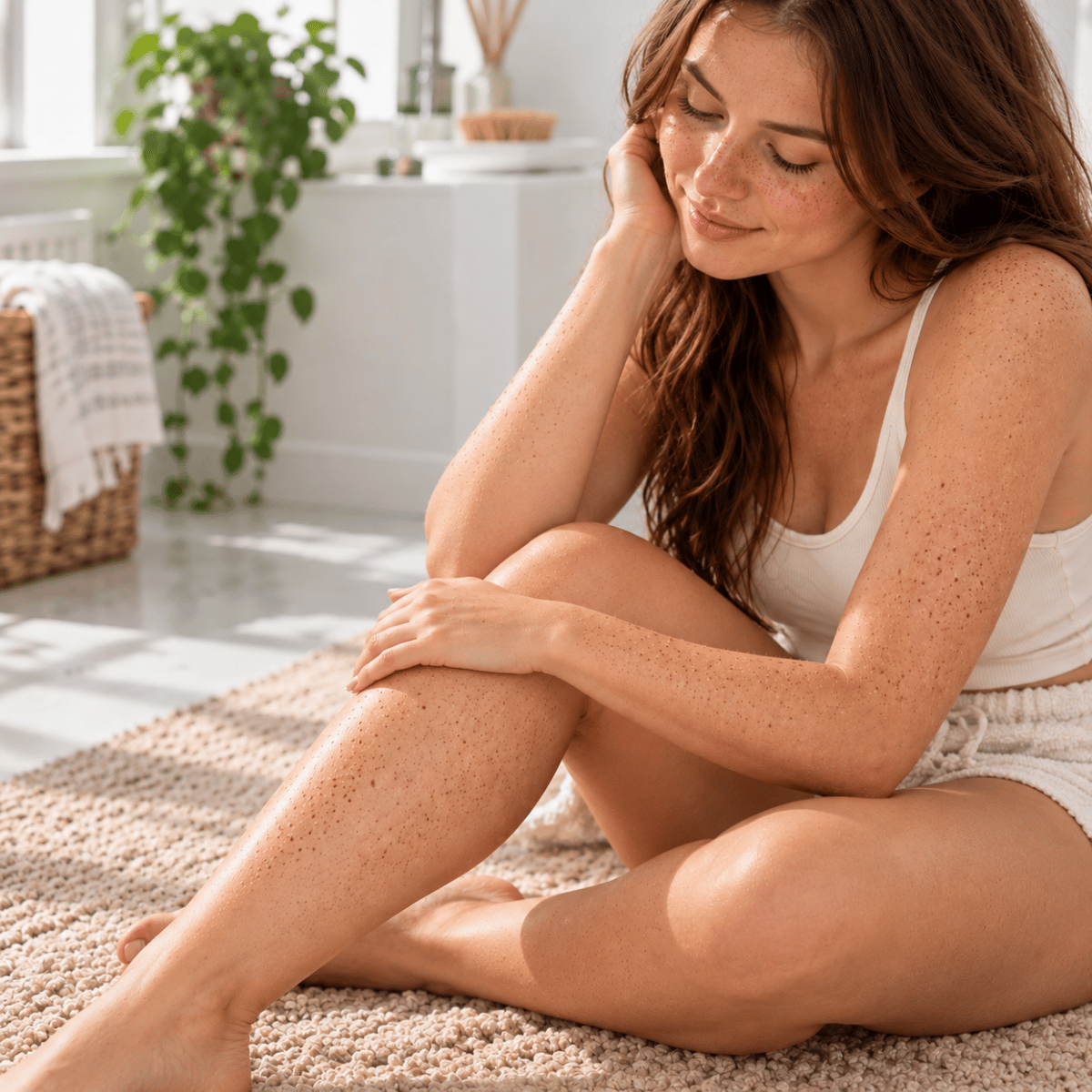
Can You Use IPL on Freckles? | Safety & Hair Removal
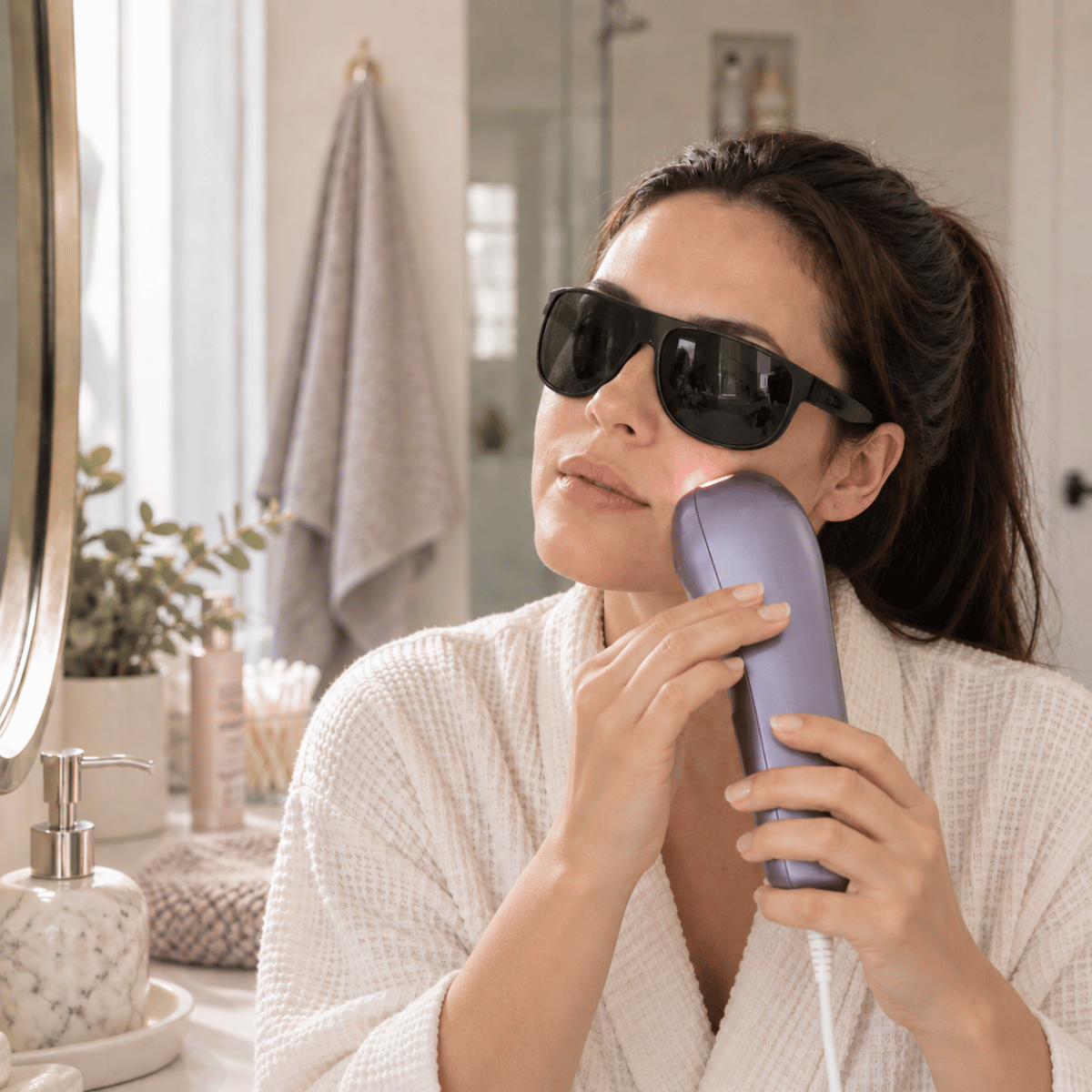
Can You Use IPL on Your Face Every Day? How Often Should You Use It?
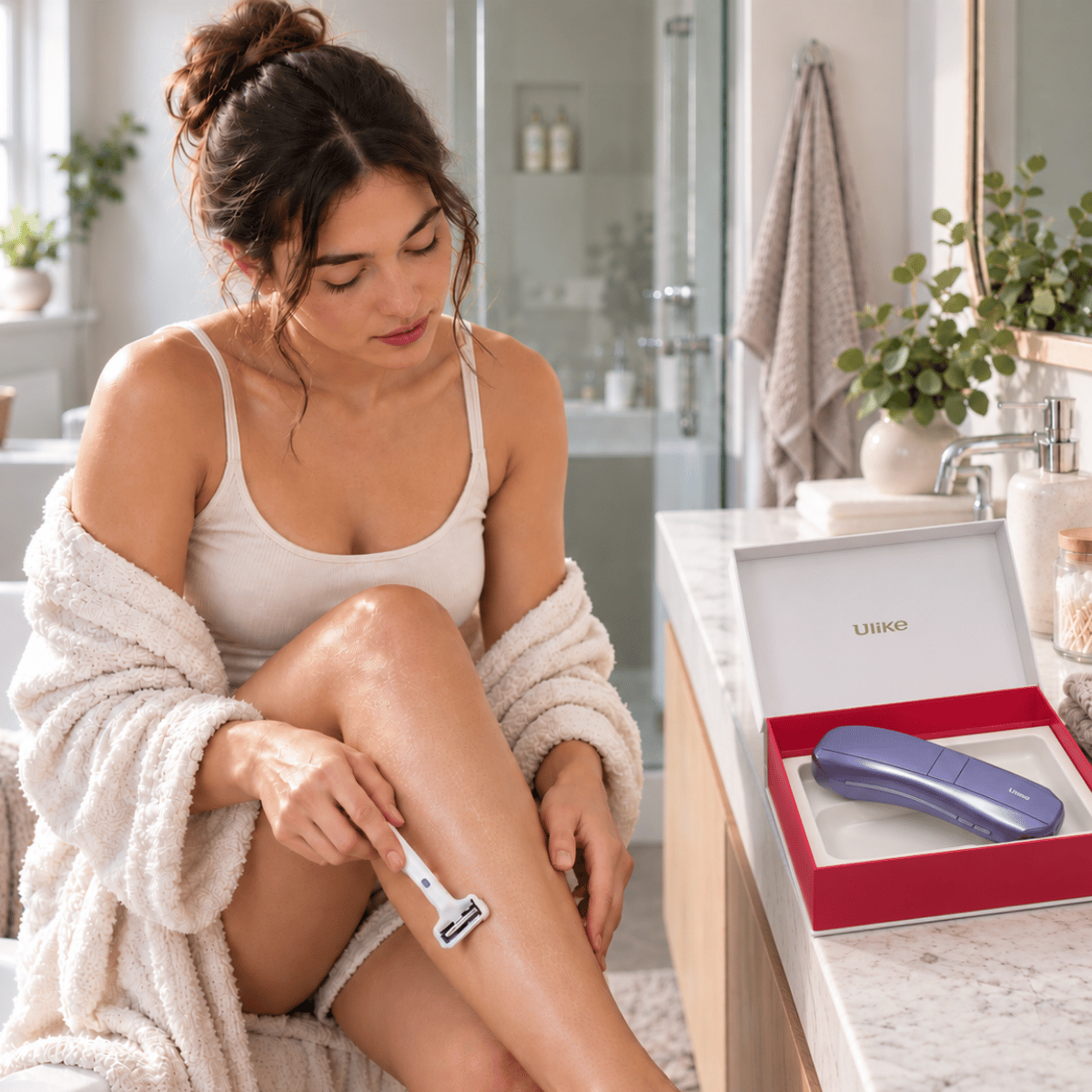
What to Do Between IPL Treatments: Shaving, Exfoliation & Hair Regrowth
Explore Beauty
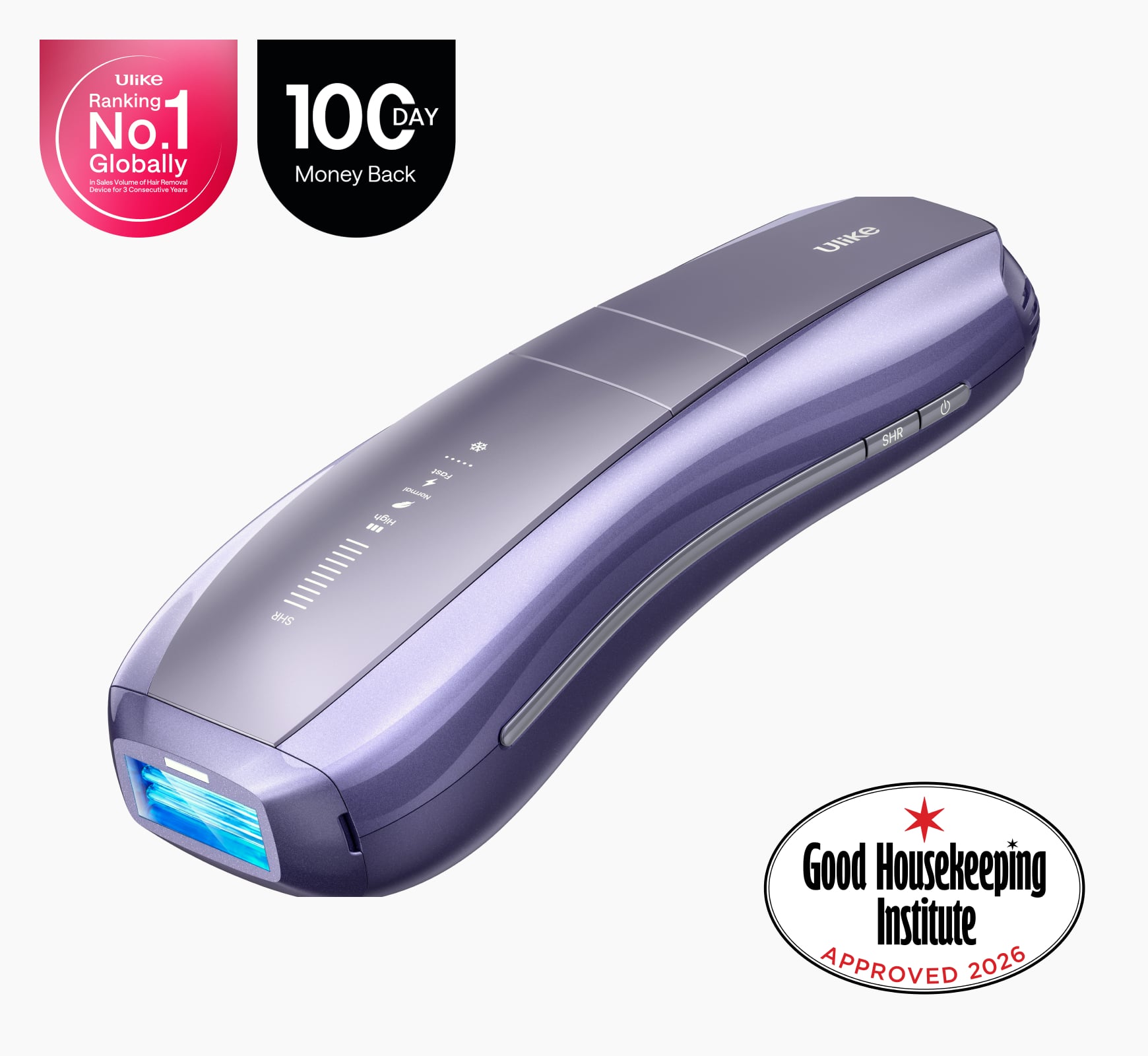
Ulike Air 10
2 weeks to silky smooth skin.
96% Hair Density Reduction in 2 Weeks
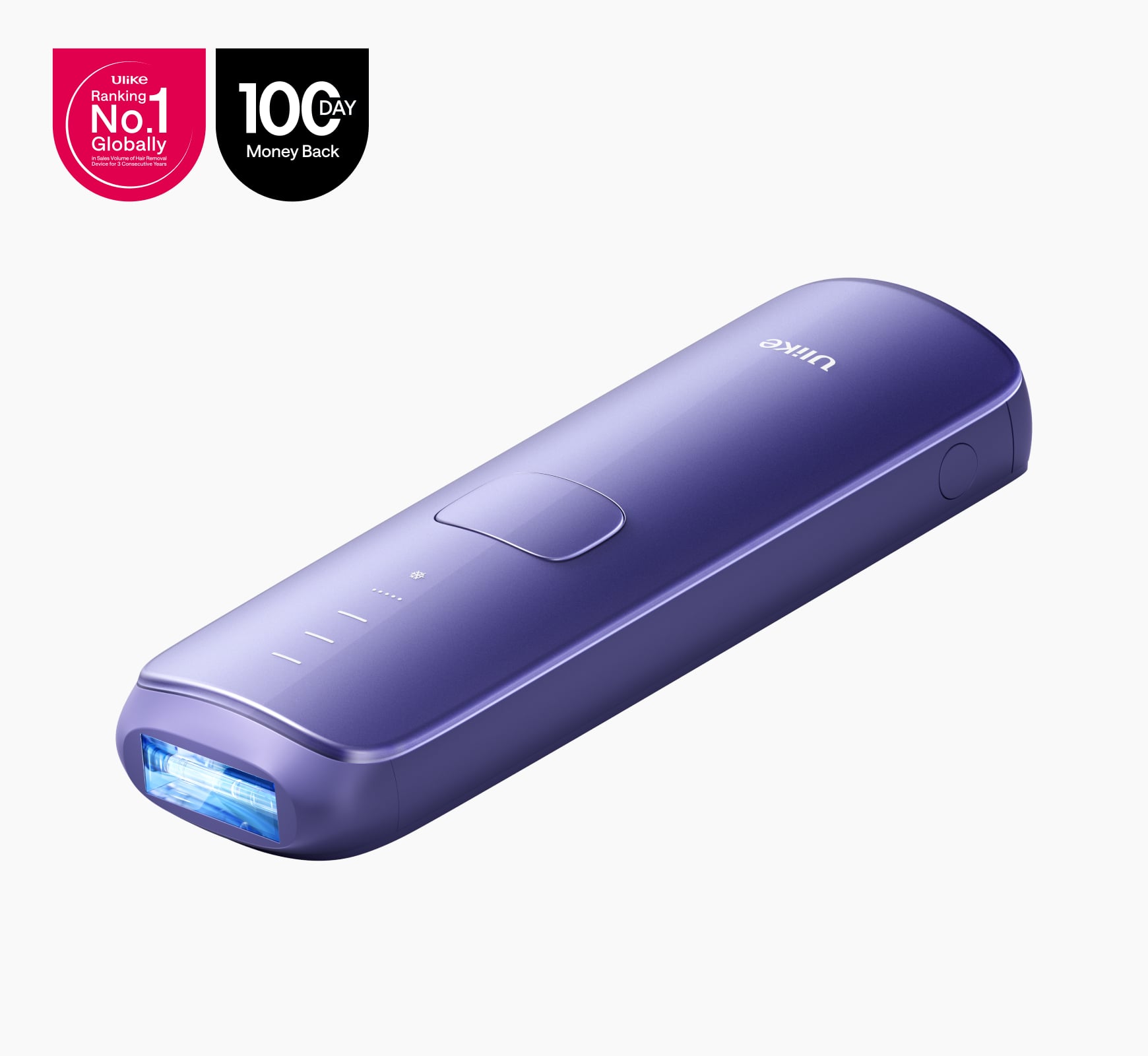
Ulike Air 3
3 weeks to silky smooth skin.
93% Hair Density Reduction in 4 Weeks
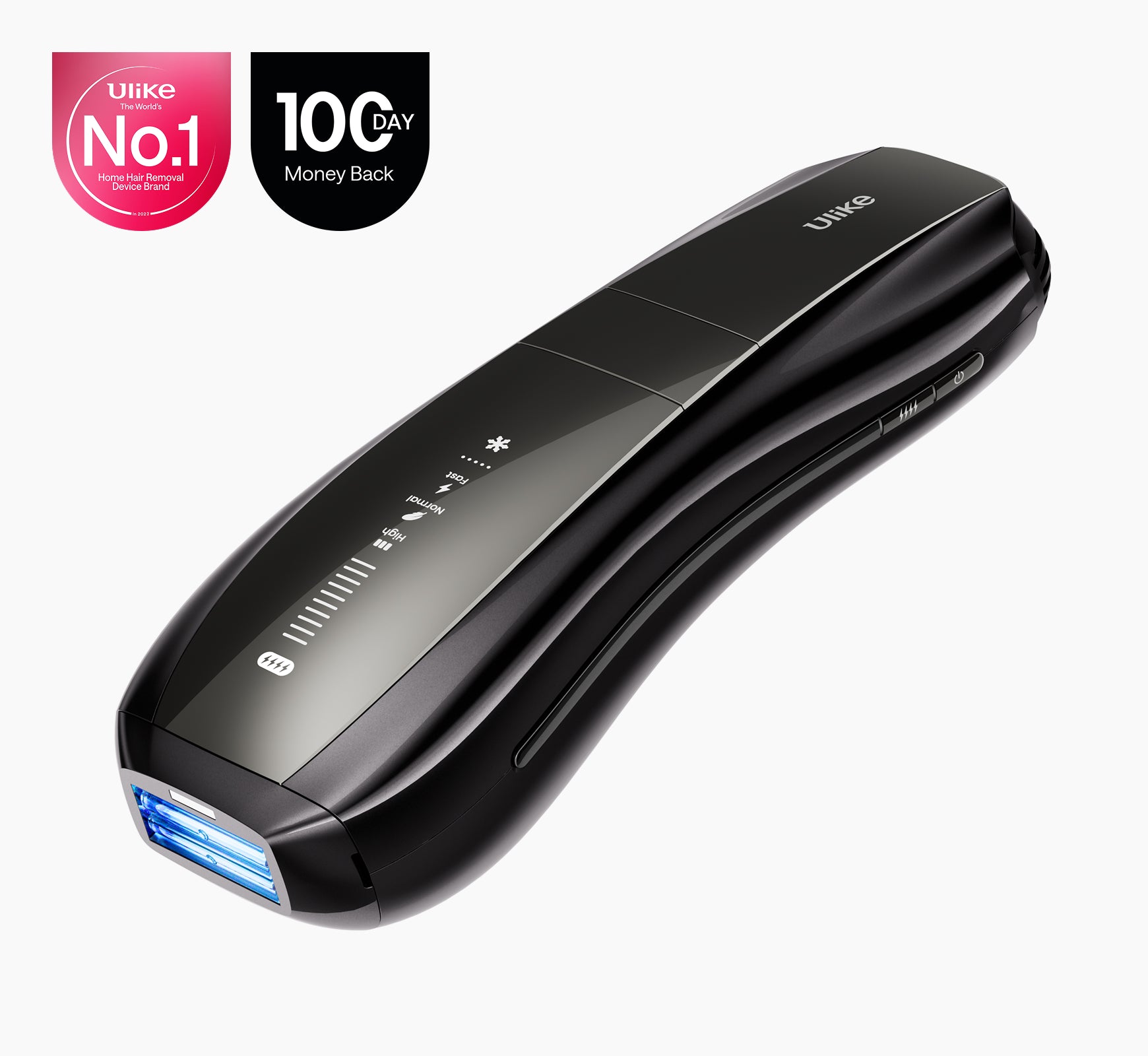
Ulike X
3 weeks to silky smooth skin.
94% hair reduction in just 2 weeks*
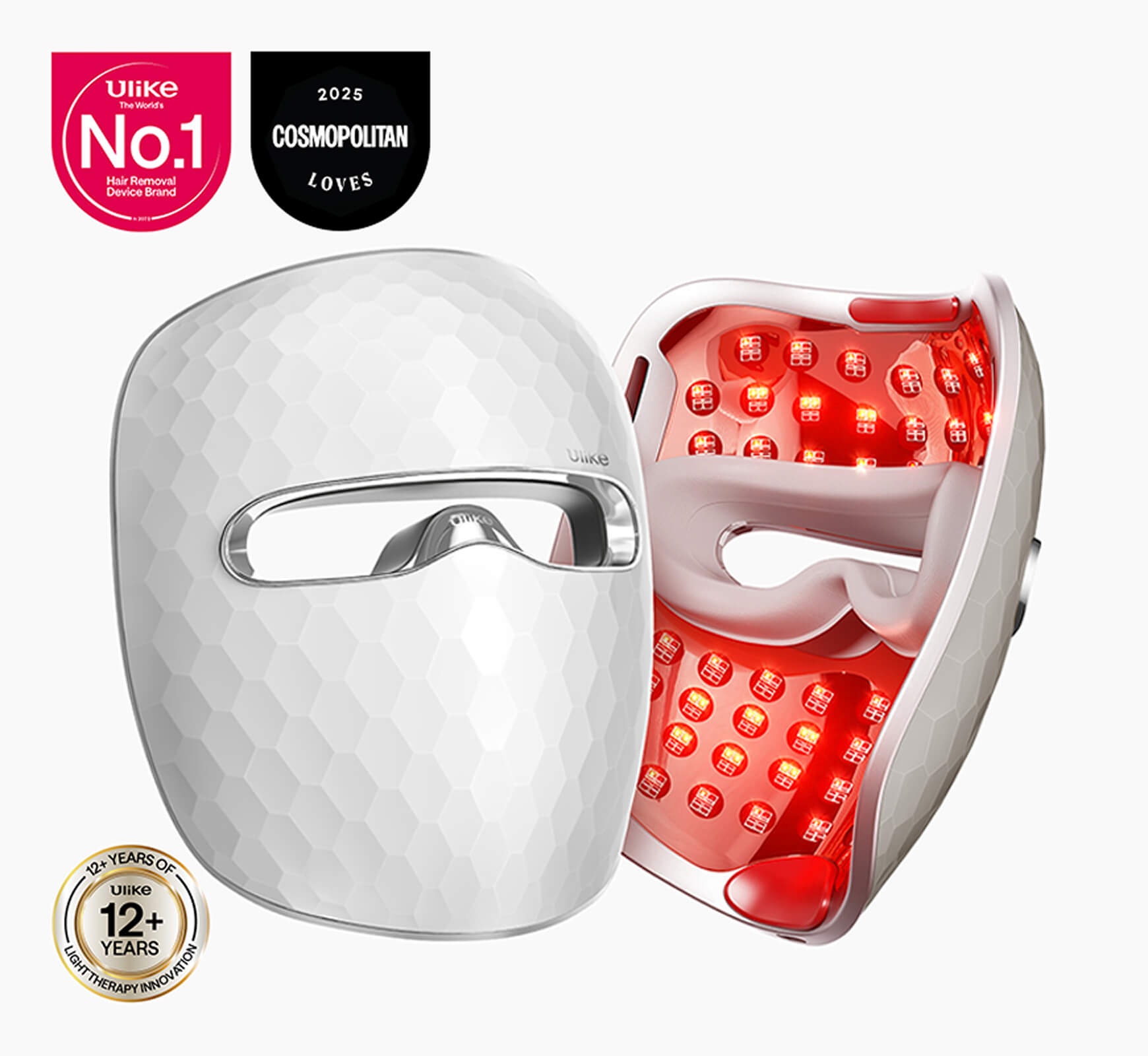
Ulike Reglow
Clearer skin in 2 weeks: Fewer breakouts
Smoother skin in 4 weeks: Fewer lines, firmer feel