
Diode Laser vs IPL Hair Removal: Which Is Better in the UK?
Hair Removal

Diode Laser vs IPL Hair Removal: Which Is Better in the UK?

Diode Laser vs IPL Hair Removal: Why the Difference Matters If you’re choosing between diode laser vs IPL hair removal, you’re already at the point where the details matter. Both use light to target the hair follicle, but the way they do that isn’t the same. That’s why people end up having quite different experiences in terms of results, comfort, cost, and how well each option suits them. What makes this harder is that a lot of comparisons don’t really sit in the middle. They tend to favour one side, which leaves you trying to read between the lines. It’s a decision you’ll live with for a while, whether that means committing to clinic sessions or doing treatments at home. Taking the time to understand the differences properly makes it easier to decide which personal care routine is actually right for you. How Diode Laser Hair Removal Works Diode laser hair removal uses a single wavelength of light, usually around 808 to 810nm. That light is drawn to the pigment in the hair follicle, where it builds heat and disrupts future growth. Because the energy is quite focused, this type of treatment is usually done in clinics. The settings can be adjusted each time, depending on your skin and hair, which is why it tends to work well on darker, coarser hair, especially on lighter skin tones. It’s often seen as one of the more effective options for long-term hair reduction. You typically need fewer sessions than with IPL, and results can show up a bit sooner. The trade-off is the cost and the need to keep going back for appointments. How IPL Hair Removal Works at Home IPL uses broad-spectrum light across multiple wavelengths, filtered to target the hair follicle while limiting impact on the surrounding skin. The energy is less concentrated than diode laser, which makes IPL suitable for safe at-home use. Modern at-home IPL devices deliver consistent, calibrated energy per flash, designed to balance effectiveness with safe use. IPL usually requires more sessions, typically 8 to 12, but it delivers significant long-term hair reduction for most suitable users. IPL is slower to reach the same endpoint as diode laser, but the gap has narrowed significantly with newer devices. Consistent use is the key to meaningful, lasting results. If you want a more detailed breakdown, here’s how IPL hair removal works. Difference Between Diode Laser and IPL Hair Removal Diode laser and IPL both target the hair follicle using light energy, but they don’t work in quite the same way. Diode laser uses a single, concentrated wavelength, usually around 808nm. That allows it to focus energy more precisely on the follicle, which is why it’s mainly used in clinic treatments where higher energy levels can be managed safely. IPL works differently. It uses a broader range of light wavelengths, which are filtered to target the follicle. Because the energy is less concentrated, it’s suitable for repeated use at home over a series of sessions. In practical terms, diode laser often reaches noticeable results in fewer sessions. At-home IPL usually takes a bit longer to get there, but with consistent use, it can deliver similar long-term reduction for many people. The difference is that IPL spreads that process out over time, while also giving you the option to treat at home, whenever it suits you. Feature Diode Laser IPL (At-Home & Clinic) Wavelength Single, concentrated (808–810nm) Broad-spectrum, filtered Setting Clinic only Clinic & at-home devices Number of Sessions 6–8 for significant reduction 8–12 sessions for comparable results Pain / Comfort Can feel more intense due to higher energy Often more comfortable, especially with cooling technology Cost £100–£400+ per session (UK, multiple sessions) One-time device cost, unlimited sessions Skin Tone Suitability Works well on many tones in clinical settings Safe for a wide range; many devices include skin tone sensors Accessibility Requires appointments, travel, waiting lists Treat at home anytime, no scheduling constraints Diode Laser vs IPL Results: Which Works Better? Diode laser is known for getting to visible results more quickly, with fewer sessions needed in many cases. That’s one of the main reasons it’s often seen as the clinic standard. At-home IPL takes a more gradual approach. With consistent use, it can still achieve noticeable and lasting hair reduction for most suitable users, but it usually builds over a longer period. Devices like the Ulike Air 10 reflect how far at-home IPL has come. They’re designed to deliver steady energy in a way that balances effectiveness with comfort and safe use. While this doesn’t match the speed of clinic diode laser, it does narrow the gap over time for many people. Results will always depend on factors like skin tone, hair colour, and how consistently treatments are done. For many women, at-home IPL becomes a practical alternative, even if the overall experience and timeline are not exactly the same. Diode Laser vs IPL Cost UK: What You Pay Over Time Clinic diode laser costs in the UK vary depending on the area being treated. Full legs are often in the range of £150 to £400 per session, underarms around £60 to £150, and bikini treatments typically £80 to £200. With 6 to 8 sessions usually recommended, plus occasional maintenance, the total cost can build into the thousands over a few years. At-home IPL works differently in terms of cost. Instead of paying per session, you’re investing in a device that can be used across multiple areas over time. Devices like the Ulike Air 10 are designed for repeated use, so once you have it, there are no ongoing treatment fees. For some women, the speed and structure of clinic treatments make the cost feel worthwhile, particularly if their skin and hair respond well to laser. For many others, at-home IPL offers a more manageable long-term option, especially when flexibility and overall spend are part of the decision. At-Home IPL vs Clinic Laser: Which Is Right for You? Consider diode laser if: You want the fastest results possible You have a skin/hair combination that responds exceptionally well to laser You have the budget for multiple clinic sessions You’ve tried at-home IPL without satisfactory results Consider at-home IPL if: You want a cost-effective long-term solution Convenience, privacy, and independence matter You’re a suitable candidate based on skin tone and hair colour You want flexibility to treat multiple areas on your own schedule The Ulike Air 10 addresses key concerns for at-home IPL users: Sapphire ice-cooling technology → enhanced comfort compared to intense clinic laser sessions Skin tone sensor → ensures treatments remain safe for a broad range of skin tones Adjustable intensity levels → lets users tailor treatment to their comfort and efficacy needs Diode Laser vs IPL Hair Removal: FAQs Q1: What is the main difference between diode laser vs IPL hair removal? Diode laser uses a single concentrated wavelength of light, typically around 808nm, to target melanin in the follicle. IPL uses broad-spectrum light filtered to target follicles. Diode laser is clinic-based, while IPL is designed for safe at-home use. Both disrupt hair growth to achieve long-term reduction. Q2: Is diode laser more effective than IPL? Diode laser may achieve results in fewer sessions, particularly for darker hair on lighter skin. Modern at-home IPL devices, including the Ulike Air 10, can provide long-term hair reduction when used according to guidelines. Q3: Is at-home IPL as safe as clinic diode laser? At-home IPL devices are designed with safety features such as built-in skin tone sensors. Professional diode laser is administered by trained practitioners. Both methods are safe when used correctly. Q4: How much cheaper is at-home IPL compared to clinic diode laser? Clinic diode laser in the UK is usually priced per session, anywhere from around £60 up to £400 depending on the area. Most people need several sessions, and sometimes top-ups later on, so the total can add up quite quickly. With at-home IPL, you’re buying a device rather than paying each time. Once you have it, you can use it on different areas as needed, which tends to work out much lower overall if you’re using it consistently. Q5: Can at-home IPL replace clinic diode laser? For many women, it can be a realistic alternative. As long as your skin tone and hair colour are suitable and you stick with the treatment plan, IPL can give lasting reduction over time. That said, clinic diode laser can still make more sense if you want quicker results, or if your skin and hair respond particularly well to that type of treatment. It’s less about one replacing the other, and more about which one fits your situation better. A Practical At-Home IPL Option to Consider If at-home IPL seems like the right fit for your routine, the Ulike Air 10 is worth considering. It provides consistent energy delivery in a safe, at-home format, with features such as sapphire ice-cooling technology for comfort and a built-in skin tone sensor for safety. This Easter, Ulike is offering dedicated promotions across their IPL range. You can explore the Air 10 and current offers at uk.ulike.com/pages/campaign. Choose the option that fits your life, budget, and routine.
Mar 26, 2026
Share:
Table of Contents

woman considering diode laser vs IPL hair removal at home

Diode Laser vs IPL Hair Removal: Why the Difference Matters

If you’re choosing between diode laser vs IPL hair removal, you’re already at the point where the details matter.

Both use light to target the hair follicle, but the way they do that isn’t the same. That’s why people end up having quite different experiences in terms of results, comfort, cost, and how well each option suits them.

What makes this harder is that a lot of comparisons don’t really sit in the middle. They tend to favour one side, which leaves you trying to read between the lines.

It’s a decision you’ll live with for a while, whether that means committing to clinic sessions or doing treatments at home. Taking the time to understand the differences properly makes it easier to decide which personal care routine is actually right for you.

How Diode Laser Hair Removal Works

Diode laser hair removal uses a single wavelength of light, usually around 808 to 810nm. That light is drawn to the pigment in the hair follicle, where it builds heat and disrupts future growth.

Because the energy is quite focused, this type of treatment is usually done in clinics. The settings can be adjusted each time, depending on your skin and hair, which is why it tends to work well on darker, coarser hair, especially on lighter skin tones.

It’s often seen as one of the more effective options for long-term hair reduction. You typically need fewer sessions than with IPL, and results can show up a bit sooner. The trade-off is the cost and the need to keep going back for appointments.

diode laser hair removal treatment in clinic setting

How IPL Hair Removal Works at Home

IPL uses broad-spectrum light across multiple wavelengths, filtered to target the hair follicle while limiting impact on the surrounding skin. The energy is less concentrated than diode laser, which makes IPL suitable for safe at-home use.

Modern at-home IPL devices deliver consistent, calibrated energy per flash, designed to balance effectiveness with safe use. IPL usually requires more sessions, typically 8 to 12, but it delivers significant long-term hair reduction for most suitable users.

IPL is slower to reach the same endpoint as diode laser, but the gap has narrowed significantly with newer devices. Consistent use is the key to meaningful, lasting results.

If you want a more detailed breakdown, here’s how IPL hair removal works.

at home hair removal routine in a relaxed private setting

Difference Between Diode Laser and IPL Hair Removal

Diode laser and IPL both target the hair follicle using light energy, but they don’t work in quite the same way.

Diode laser uses a single, concentrated wavelength, usually around 808nm. That allows it to focus energy more precisely on the follicle, which is why it’s mainly used in clinic treatments where higher energy levels can be managed safely.

IPL works differently. It uses a broader range of light wavelengths, which are filtered to target the follicle. Because the energy is less concentrated, it’s suitable for repeated use at home over a series of sessions.

In practical terms, diode laser often reaches noticeable results in fewer sessions. At-home IPL usually takes a bit longer to get there, but with consistent use, it can deliver similar long-term reduction for many people. The difference is that IPL spreads that process out over time, while also giving you the option to treat at home, whenever it suits you.

Feature

Diode Laser

IPL (At-Home & Clinic)

Wavelength

Single, concentrated (808–810nm)

Broad-spectrum, filtered

Setting

Clinic only

Clinic & at-home devices

Number of Sessions

6–8 for significant reduction

8–12 sessions for comparable results

Pain / Comfort

Can feel more intense due to higher energy

Often more comfortable, especially with cooling technology

Cost

£100–£400+ per session (UK, multiple sessions)

One-time device cost, unlimited sessions

Skin Tone Suitability

Works well on many tones in clinical settings

Safe for a wide range; many devices include skin tone sensors

Accessibility

Requires appointments, travel, waiting lists

Treat at home anytime, no scheduling constraints


Diode Laser vs IPL Results: Which Works Better?

Diode laser is known for getting to visible results more quickly, with fewer sessions needed in many cases. That’s one of the main reasons it’s often seen as the clinic standard.

At-home IPL takes a more gradual approach. With consistent use, it can still achieve noticeable and lasting hair reduction for most suitable users, but it usually builds over a longer period.

Devices like the Ulike Air 10 reflect how far at-home IPL has come. They’re designed to deliver steady energy in a way that balances effectiveness with comfort and safe use. While this doesn’t match the speed of clinic diode laser, it does narrow the gap over time for many people.

Results will always depend on factors like skin tone, hair colour, and how consistently treatments are done. For many women, at-home IPL becomes a practical alternative, even if the overall experience and timeline are not exactly the same.

Diode Laser vs IPL Cost UK: What You Pay Over Time

Clinic diode laser costs in the UK vary depending on the area being treated. Full legs are often in the range of £150 to £400 per session, underarms around £60 to £150, and bikini treatments typically £80 to £200. With 6 to 8 sessions usually recommended, plus occasional maintenance, the total cost can build into the thousands over a few years.

At-home IPL works differently in terms of cost. Instead of paying per session, you’re investing in a device that can be used across multiple areas over time. Devices like the Ulike Air 10 are designed for repeated use, so once you have it, there are no ongoing treatment fees.

For some women, the speed and structure of clinic treatments make the cost feel worthwhile, particularly if their skin and hair respond well to laser. For many others, at-home IPL offers a more manageable long-term option, especially when flexibility and overall spend are part of the decision.

At-Home IPL vs Clinic Laser: Which Is Right for You?

Consider diode laser if:

  • You want the fastest results possible

  • You have a skin/hair combination that responds exceptionally well to laser

  • You have the budget for multiple clinic sessions

  • You’ve tried at-home IPL without satisfactory results

Consider at-home IPL if:

  • You want a cost-effective long-term solution

  • Convenience, privacy, and independence matter

  • You’re a suitable candidate based on skin tone and hair colour

  • You want flexibility to treat multiple areas on your own schedule

The Ulike Air 10 addresses key concerns for at-home IPL users:

  • Sapphire ice-cooling technology → enhanced comfort compared to intense clinic laser sessions

  • Skin tone sensor → ensures treatments remain safe for a broad range of skin tones

  • Adjustable intensity levels → lets users tailor treatment to their comfort and efficacy needs

Diode Laser vs IPL Hair Removal: FAQs

Q1: What is the main difference between diode laser vs IPL hair removal?

Diode laser uses a single concentrated wavelength of light, typically around 808nm, to target melanin in the follicle. IPL uses broad-spectrum light filtered to target follicles. Diode laser is clinic-based, while IPL is designed for safe at-home use. Both disrupt hair growth to achieve long-term reduction.

Q2: Is diode laser more effective than IPL?

Diode laser may achieve results in fewer sessions, particularly for darker hair on lighter skin. Modern at-home IPL devices, including the Ulike Air 10, can provide long-term hair reduction when used according to guidelines.

Q3: Is at-home IPL as safe as clinic diode laser?

At-home IPL devices are designed with safety features such as built-in skin tone sensors. Professional diode laser is administered by trained practitioners. Both methods are safe when used correctly.

Q4: How much cheaper is at-home IPL compared to clinic diode laser?

Clinic diode laser in the UK is usually priced per session, anywhere from around £60 up to £400 depending on the area. Most people need several sessions, and sometimes top-ups later on, so the total can add up quite quickly.

With at-home IPL, you’re buying a device rather than paying each time. Once you have it, you can use it on different areas as needed, which tends to work out much lower overall if you’re using it consistently.

Q5: Can at-home IPL replace clinic diode laser?

For many women, it can be a realistic alternative. As long as your skin tone and hair colour are suitable and you stick with the treatment plan, IPL can give lasting reduction over time.

That said, clinic diode laser can still make more sense if you want quicker results, or if your skin and hair respond particularly well to that type of treatment. It’s less about one replacing the other, and more about which one fits your situation better.

A Practical At-Home IPL Option to Consider

If at-home IPL seems like the right fit for your routine, the Ulike Air 10 is worth considering. It provides consistent energy delivery in a safe, at-home format, with features such as sapphire ice-cooling technology for comfort and a built-in skin tone sensor for safety.

This Easter, Ulike is offering dedicated promotions across their IPL range. You can explore the Air 10 and current offers at uk.ulike.com/pages/campaign. Choose the option that fits your life, budget, and routine.

Previous
Electrolysis vs IPL Hair Removal: Permanent or Practical?
Next
Shaving Bumps: Why They Keep Coming Back (and How to Stop Them)
Share:
Close-up of a woman's lower face against a soft neutral background

Upper Lip vs Chin vs Sideburns: How IPL Works Differently Across Your Face

Wondering how IPL compares on your upper lip vs chin vs sideburns? Each area responds differently...
May 4, 2026
Close portrait of a woman with natural skin examining her facial hair

Female Facial Hair: Causes, What's Normal, and How to Remove It for Good

Dark hairs on your chin or upper lip? You're not alone — and it's usually hormonal. Here's an hon...
May 4, 2026
Split image showing waxing on the left and shaving on the right — a comparison of two hair removal methods before a wedding

Waxing vs Shaving Before Your Wedding: The Honest Comparison

Waxing vs shaving before your wedding? We compare both, honestly covering smoothness, timing, irr...
Apr 25, 2026

Explore Beauty

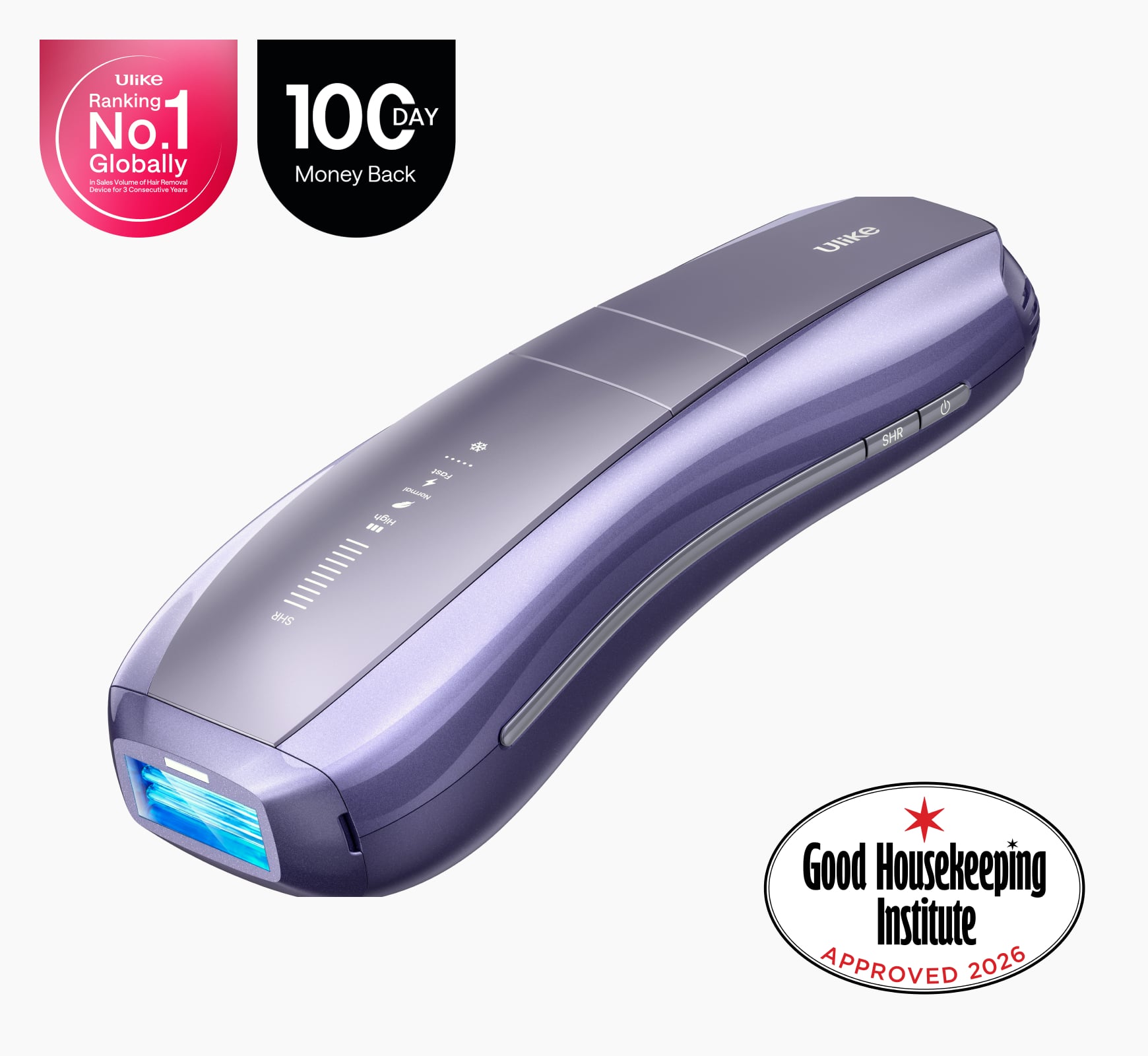
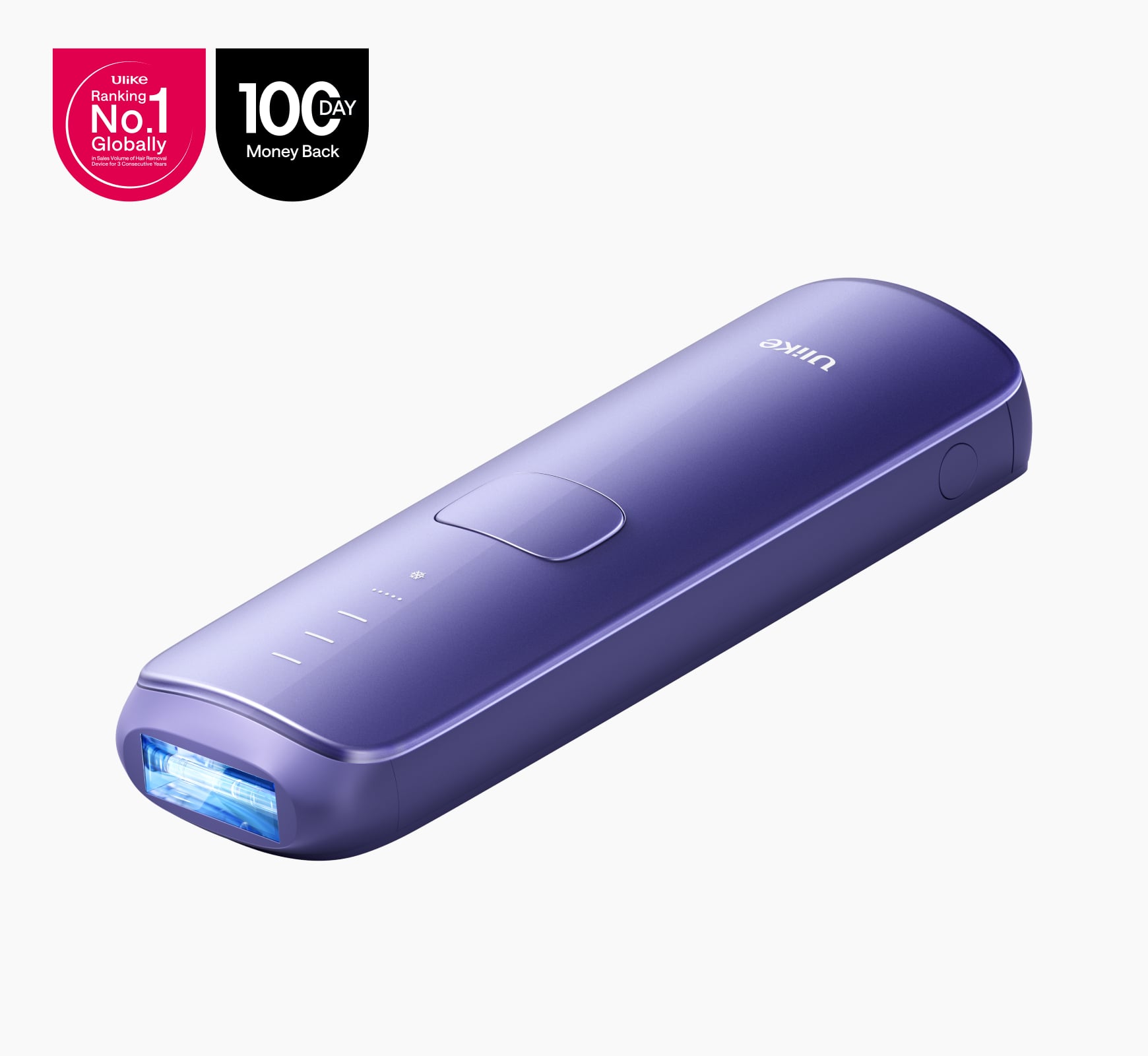
Ulike Air 10

2 weeks to silky smooth skin.

96% Hair Density Reduction in 2 Weeks
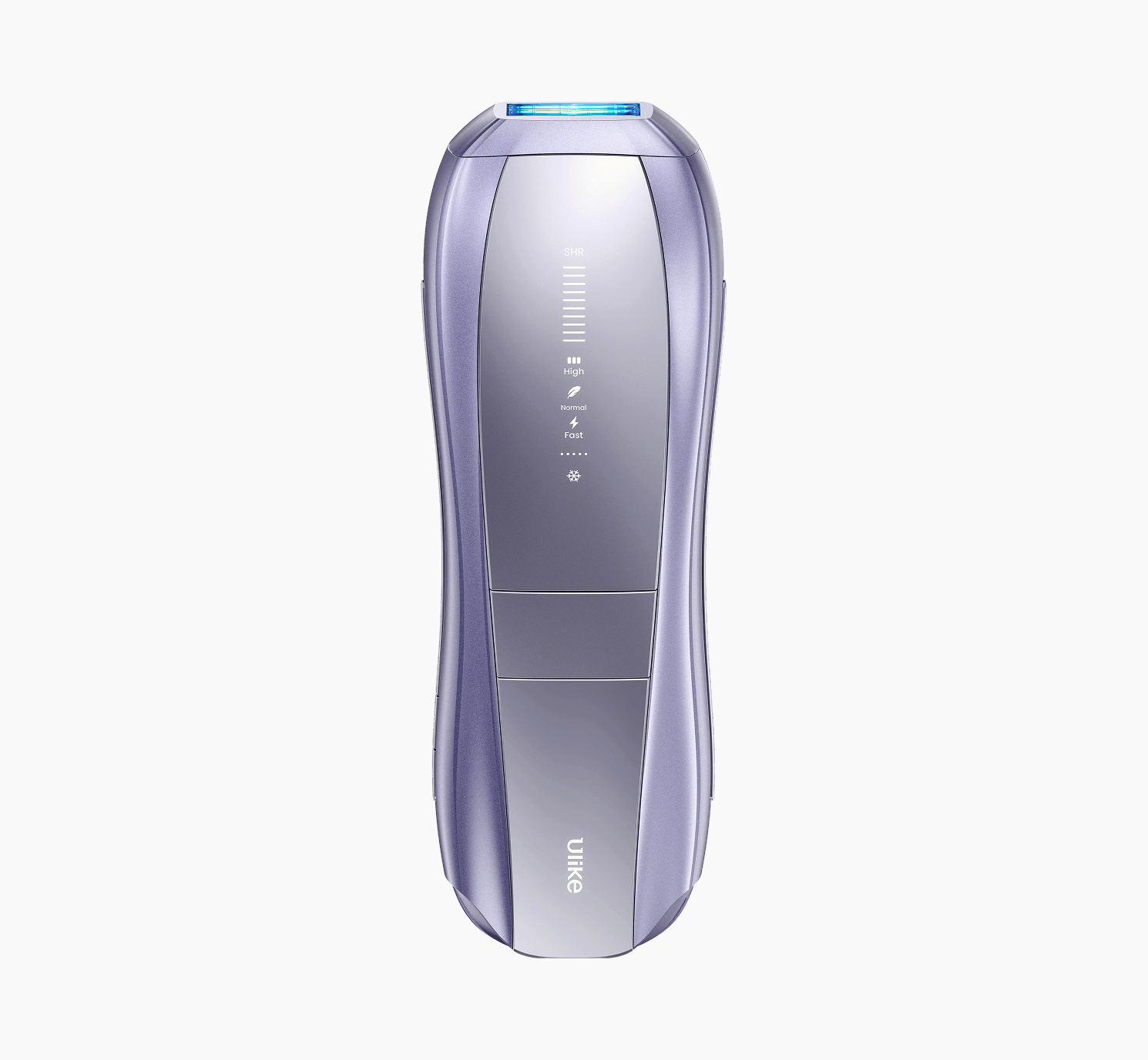
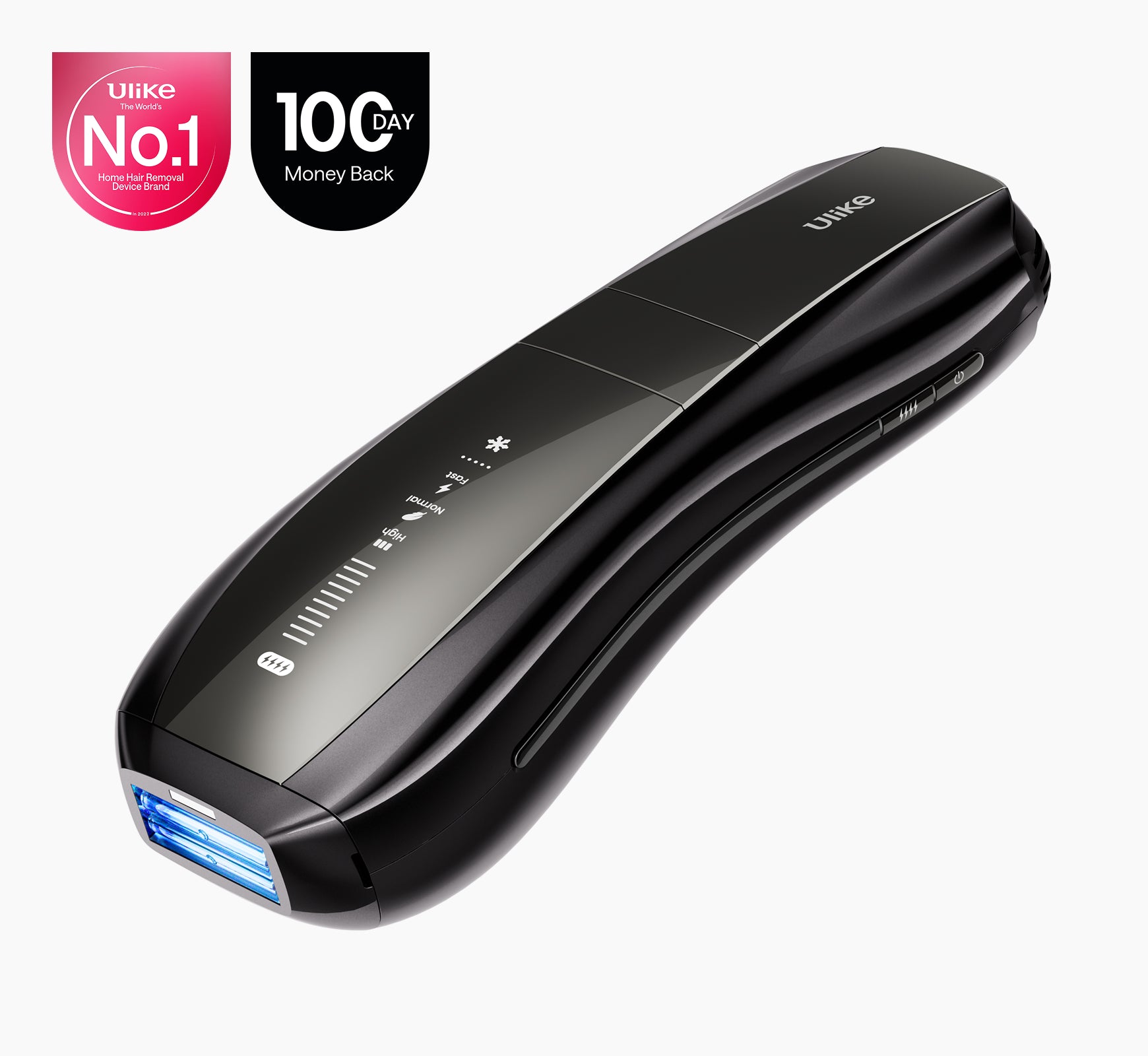
Ulike Air 3

3 weeks to silky smooth skin.

93% Hair Density Reduction in 4 Weeks
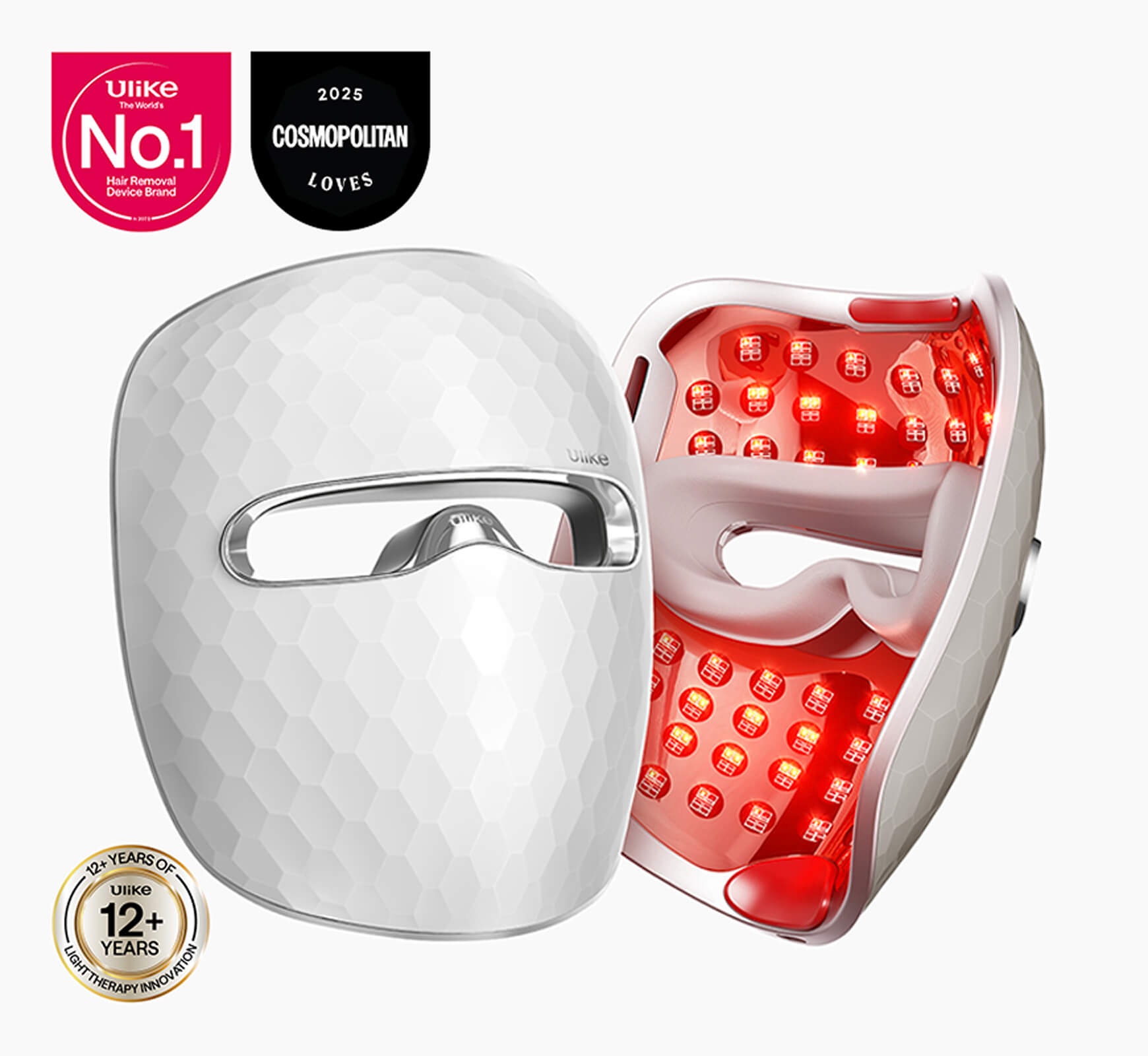
Ulike X

3 weeks to silky smooth skin.

94% hair reduction in just 2 weeks*
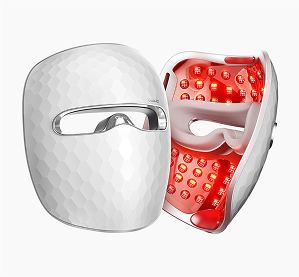
Ulike Reglow

Clearer skin in 2 weeks: Fewer breakouts
Smoother skin in 4 weeks: Fewer lines, firmer feel