




Electrolysis vs IPL Hair Removal: Permanent or Practical?
Electrolysis vs IPL Hair Removal: An Honest Comparison of Results, Cost, and Suitability

Electrolysis vs IPL Hair Removal: Why the Difference Matters
Comparing electrolysis vs IPL hair removal can be confusing. They are often grouped together, so it is easy to assume they do much the same thing.
They do not.
The gap between them shows up quickly once you look a bit closer. Not just in how they work, but in what the process actually involves over time.
One point sits underneath it all. Permanence.
Electrolysis removes hair permanently. IPL reduces how much comes back. Often enough to feel manageable, but it is not the same outcome.
It might sound like a small detail. It is not. It changes how often you need to treat, how long you stay consistent, what personal care products you use, and what the results feel like day to day.
This comparison breaks things down so you can see what fits.
How Electrolysis Hair Removal Works (and Why It Is Considered Permanent)
Electrolysis treats each hair individually. A practitioner places a very fine probe into the follicle and applies a small electrical current to destroy it at the root.
There are a few ways this can be done, but the aim is always the same. Stop that follicle from producing hair again.
The main approaches are:
-
Galvanic, which uses a chemical reaction to break down the follicle
-
Thermolysis, which uses heat
-
Blend, which combines both methods
In practice, the difference between them matters less than the outcome. Once a follicle has been successfully treated, it does not grow back.
The trade-off is time.
Each hair has to be treated on its own, and only when it is in the right stage of growth. This is why electrolysis is done over multiple sessions. You are not just clearing hair. You are catching it at the right moment, again and again.
For smaller areas, that can feel quite manageable. For larger areas such as legs or bikini, it becomes a longer process that often stretches over many months, and sometimes longer.
Where electrolysis stands apart is in who it works for. It does not depend on pigment, so it can treat:
-
blonde hair
-
red hair
-
grey or white hair
-
any skin tone
It is also the only method recognised as permanently removing hair. Not in a marketing sense, but in a clinical one. The result is lasting. The process to get there simply takes time.
How IPL Hair Removal Works (and What Results You Can Expect)
IPL stands for Intense Pulsed Light, but the name matters less than what it actually does.
Instead of treating one hair at a time, it works across a larger area. Each flash of light targets pigment in the hair and sends energy down to the follicle, slowing how quickly it grows back.
That dependence on pigment is what shapes who IPL works for. Darker hair responds well. Lighter hair, especially blonde or grey, is much harder to treat because there is less for the light to pick up.
You start to see the difference after a few sessions. Hair does not disappear all at once. It comes back more slowly, and often not as thick as before.
Over time, that usually looks like:
-
less hair overall
-
softer regrowth
-
longer gaps between treatments

At-home devices are designed to keep this process within a safe range. Most include things like a skin tone sensor and adjustable intensity levels, so you can find a setting that feels comfortable and suitable.
IPL is not permanent in the same way as electrolysis. Hair can still return, which is why maintenance is part of it. For many, that ends up being a quick session every month or two once things have settled.
For women with the right hair and skin combination, the result is often simple. Less hair to deal with, and far less often.
Electrolysis vs IPL Hair Removal: Key Differences Explained
Electrolysis and IPL are often compared, but they work in very different ways. Seeing them side by side tends to make those differences easier to understand.
|
Electrolysis |
IPL |
|
|
Permanence |
Permanent once the follicle is treated |
Reduces growth over time, with some maintenance |
|
Hair colour |
Works on all colours, including blonde and grey |
Works best on darker hair |
|
Skin tone |
Suitable for all skin tones |
Works across a range, but not all |
|
Speed |
One hair at a time, which makes it slower |
Covers larger areas in each session |
|
Sessions |
Often 15 to 30+ over time |
Usually 8 to 12 to start, then occasional upkeep |
|
Comfort |
Often described as a pricking sensation |
|
|
Cost |
Builds across multiple appointments |
One-time device cost for at-home use |
|
Setting |
Clinic only |
Can be done at home or professionally |
Looking at it this way, the trade-offs become clearer.
Electrolysis is precise and permanent, but it takes time and consistency. IPL is quicker to use and easier to fit into a routine, as long as your hair and skin fall within a suitable range.
For many women, that is where the decision starts to settle.
Electrolysis vs IPL: Is One Truly Permanent?
Electrolysis is permanent in a way that IPL is not. That is the simplest place to start.
Once a follicle has been successfully treated with electrolysis, it does not grow back. That is what “permanent” means in clinical terms. The part that often gets missed is how long it takes to reach that point.
Hair grows in cycles, and electrolysis can only treat follicles at the right stage. This is why sessions are repeated over time. For smaller areas, that can feel manageable. For larger areas such as legs or bikini, it usually becomes a longer commitment that can stretch over many months, sometimes longer.
IPL takes a different approach. It reduces growth rather than removing each follicle completely. After an initial course, usually around 8 to 12 weekly sessions, hair tends to come back more slowly and often finer than before.
Maintenance is still part of it. For many, that means a session every month or two once things have settled.
The difference sounds clear on paper, but it plays out a bit differently in real life.
Electrolysis removes hair permanently, but it takes time and consistency to get there. IPL does not offer the same clinical permanence, but it fits more easily into a routine and can reduce hair to a level that feels manageable day to day.
For some women, that balance makes IPL easier to live with. For others, especially where IPL is not suitable, electrolysis is not really optional. It is the method that will work.
Electrolysis vs IPL: Which Works for Your Skin Tone and Hair Type?
Suitability is often the point where this decision becomes clearer.
Electrolysis is the most inclusive option available. It works on all skin tones and all hair colours, including blonde, red, grey, and white hair. For women who have previously been told that light-based treatments are not suitable for them, electrolysis is not a compromise. It is the method designed for that situation.
IPL, by contrast, depends on the presence of pigment in the hair. It works best on darker hair, typically brown to black, and within a safe skin tone range where the device can distinguish between hair and skin.
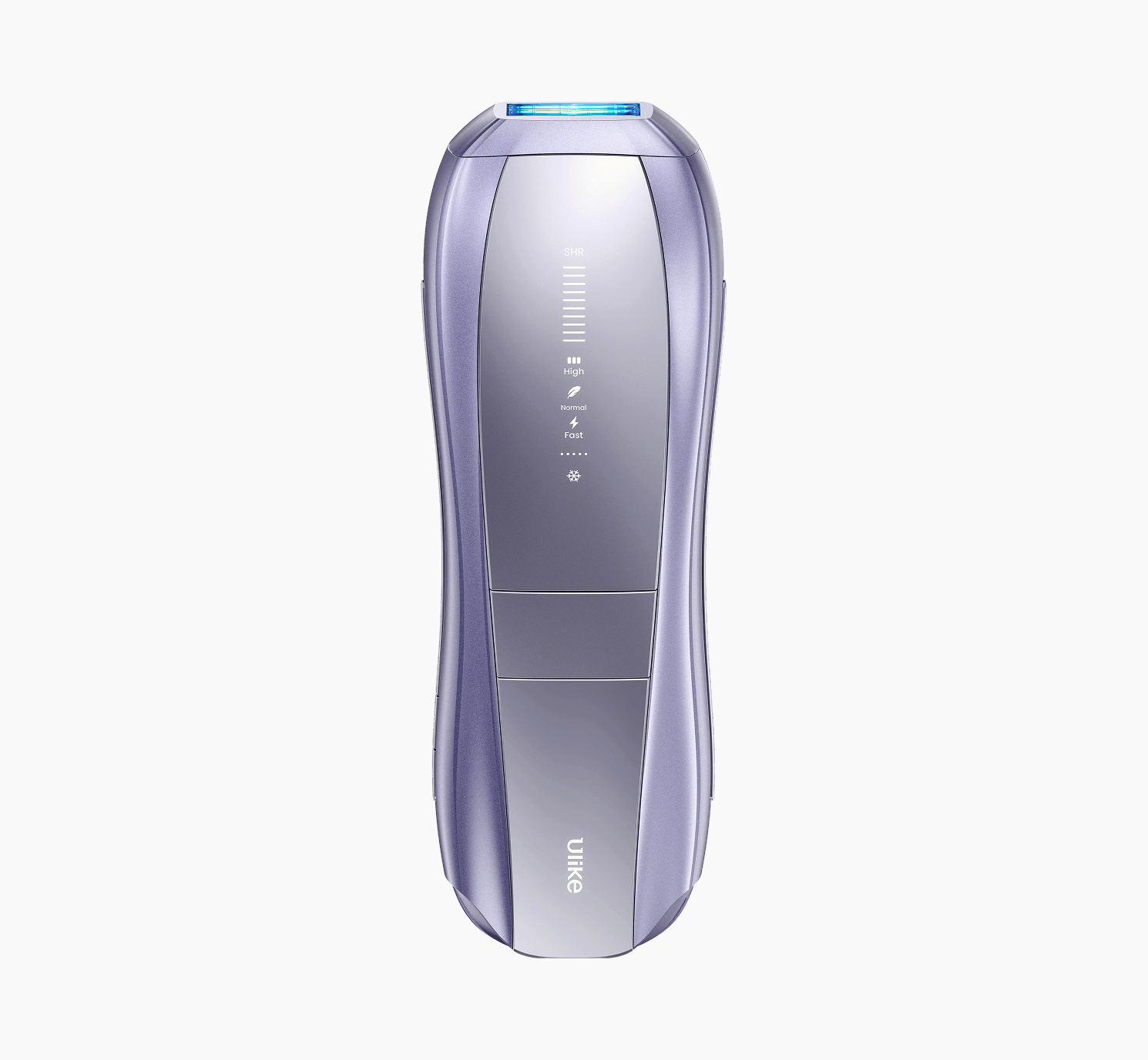
This is where modern at-home devices have improved the experience. The Ulike Air 3, for example, includes a built-in skin tone sensor that helps confirm whether your skin is within the device’s safe operating range before each session. It is a small feature, but it adds a layer of confidence, particularly for first-time users who are unsure whether IPL is suitable for them.
In practical terms, the decision often comes down to this:
-
If your hair is dark and your skin tone falls within the suitable range, IPL is not only viable, but significantly more convenient for treating larger areas
-
If your hair lacks pigment, or your skin tone falls outside that range, electrolysis is likely to be the more reliable route
For some women, this will feel like a choice. For others, it is a matter of suitability. Recognising which group you fall into is an important first step.
Electrolysis vs IPL Cost and Time in the UK: What to Expect
This is usually where the difference becomes easier to picture.
Electrolysis in the UK is often priced between £30 and £80 per 30-minute session. On its own, that does not sound too significant. The part that adds up is how many sessions are needed.
Because each hair is treated individually, progress is gradual. A small facial area might take 15 to 20 sessions over a few months. Larger areas are very different. Treating the lower legs, for example, can involve well over 100 hours of treatment, spread across regular appointments over one to two years.
That is where the cost builds. For larger areas, it can run into the thousands by the time everything is complete.
IPL follows a different pattern.
With at-home devices such as the Ulike Air 3, the cost is upfront rather than ongoing. After that, it becomes part of a routine rather than a series of appointments.
A typical approach looks something like this:
-
one session each week for the first 8 to 12 weeks
-
around 10 to 20 minutes to treat both legs
-
maintenance every month or two once things have settled

The difference is not just the total cost, but how it fits into everyday life.
Instead of booking appointments and travelling back and forth, you can do a short session at home and move on with your day. There is no per-session cost, and no waiting between treatments.
For women who are suitable for IPL, this often means less time spent overall and a lower long-term cost. For those who are not, electrolysis is still the option that will work, even if it takes longer to get there.
Knowing what each path actually involves makes the decision a lot clearer.
Electrolysis vs IPL: Which Hair Removal Method Is Right for You?
The right choice depends on your specific situation.
Electrolysis may suit you better if:
-
Your hair is blonde, red, grey, or white
-
Your skin tone falls outside IPL's suitable range
-
You want clinically permanent results
-
You are comfortable with a longer treatment timeline
At-home IPL may suit you better if:
-
You have darker hair and a compatible skin tone
-
You want a more flexible, at-home routine
-
You prefer a lower long-term cost
-
You are looking for a practical, long-term reduction rather than clinical permanence
For women who fall into the second group, the Ulike Air 3 is a considered place to start. It is straightforward to use, designed with safety features that support informed use, and built to deliver consistent results over time.
The decision does not need to be about choosing the “best” method. It is about choosing the one that works for your hair, your skin, and your life.
Electrolysis vs IPL Hair Removal: FAQs
What is the main difference between electrolysis and IPL hair removal?
Electrolysis treats each hair individually and destroys the follicle, so that hair does not grow back. IPL works across many hairs at once, using light to slow regrowth rather than remove it completely.
Electrolysis is permanent but takes time. IPL is quicker to use, but needs occasional maintenance and works best on darker hair.
Is electrolysis more painful than IPL?
Electrolysis is generally more uncomfortable than IPL. It treats each hair individually, which can feel like a repeated pricking sensation across the area.
IPL feels different. It is more like a quick flash of warmth on the skin, and each pulse lasts only a moment.
Many people find IPL easier to tolerate, especially with devices that include cooling to reduce heat during treatment.
Can IPL replace electrolysis for permanent hair removal?
Not completely. IPL can reduce hair to a level that feels manageable for many women, especially if the hair is dark and the skin tone is suitable.
But it is not permanent in the same way as electrolysis. Hair can still come back over time, so occasional maintenance is needed. For those who are not suitable for IPL, electrolysis is often the option that will work.
How much does electrolysis cost compared to at-home IPL in the UK?
Electrolysis in the UK is usually priced at £30 to £80 per 30-minute session. The cost builds over time, as most areas need repeated treatments, and larger areas can run into the thousands overall.
At-home IPL works differently. You pay once for the device and use it over time, so there are no ongoing session costs. For women who are suitable for IPL, that often works out as the lower-cost option in the long run.
Does electrolysis work on all skin tones and hair colours?
Yes, it does. Electrolysis does not rely on pigment, so it can treat all hair colours, including blonde, red, grey, and white, across all skin tones.
That is what makes it different from IPL. If light-based treatments are not suitable for you, electrolysis is often the option that will still work.
A Considered Next Step
If you have worked through the comparison and at-home IPL feels like the right fit, the Ulike Air 3 offers a straightforward place to begin.
It is designed for women who want reliable, long-term hair reduction at home without unnecessary complexity. With a built-in skin tone sensor, consistent energy delivery, and a design intended for long-term use, it supports a routine that fits around your life.
For women who have taken the time to understand the difference between electrolysis and IPL, it represents a practical next step. One that is informed, considered, and aligned with your own situation.
This Women's Month, Ulike is running a dedicated campaign across its IPL range. You can explore the Air 3 and current offers at uk.ulike.com/pages/campaign.
You have done the research. The next step is choosing what works for you.
What to Do Between IPL Treatments: Shaving, Exfoliation & Hair Regrowth

What Happens If You Miss an IPL Treatment?
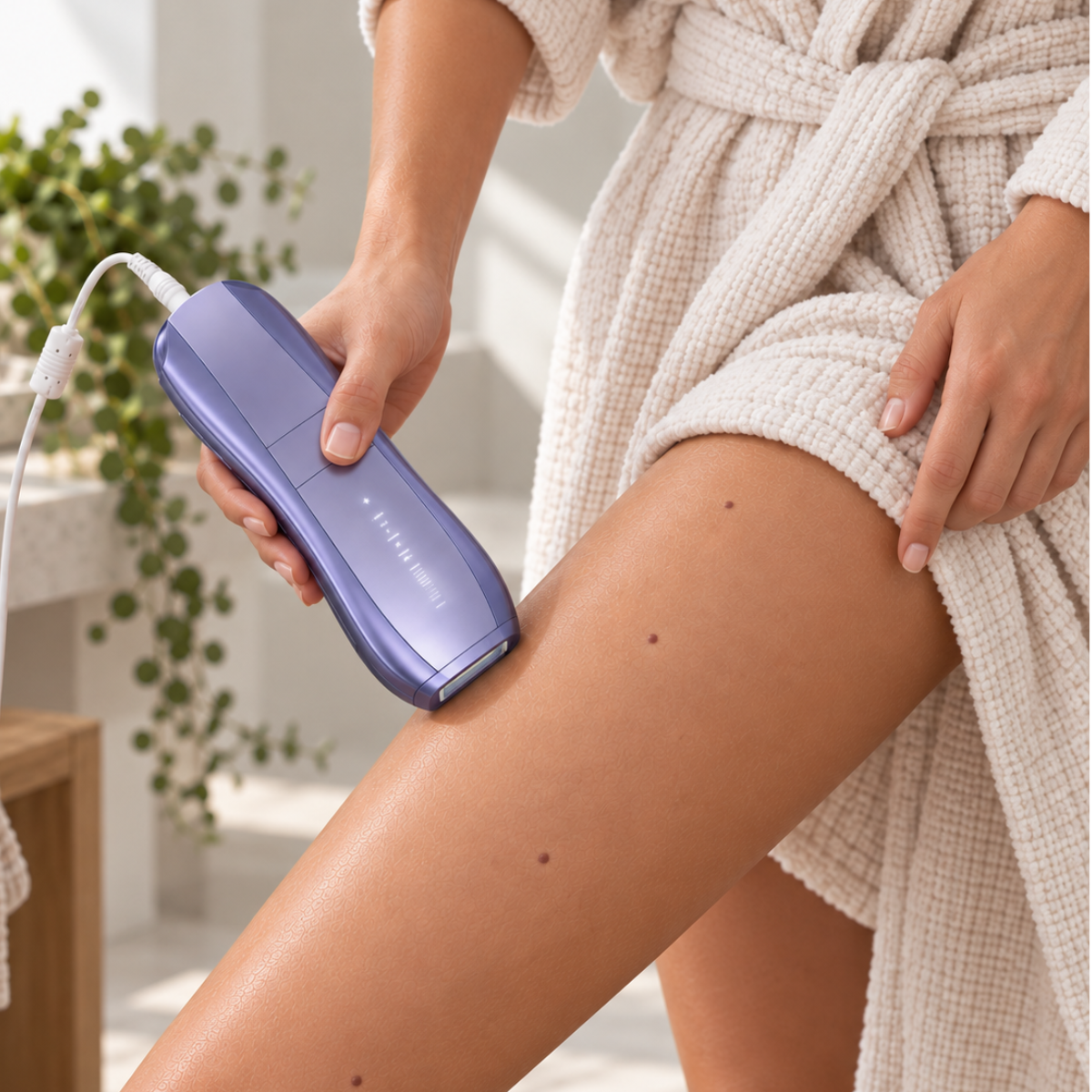
Can You Use IPL on Moles and Birthmarks?
Explore Beauty
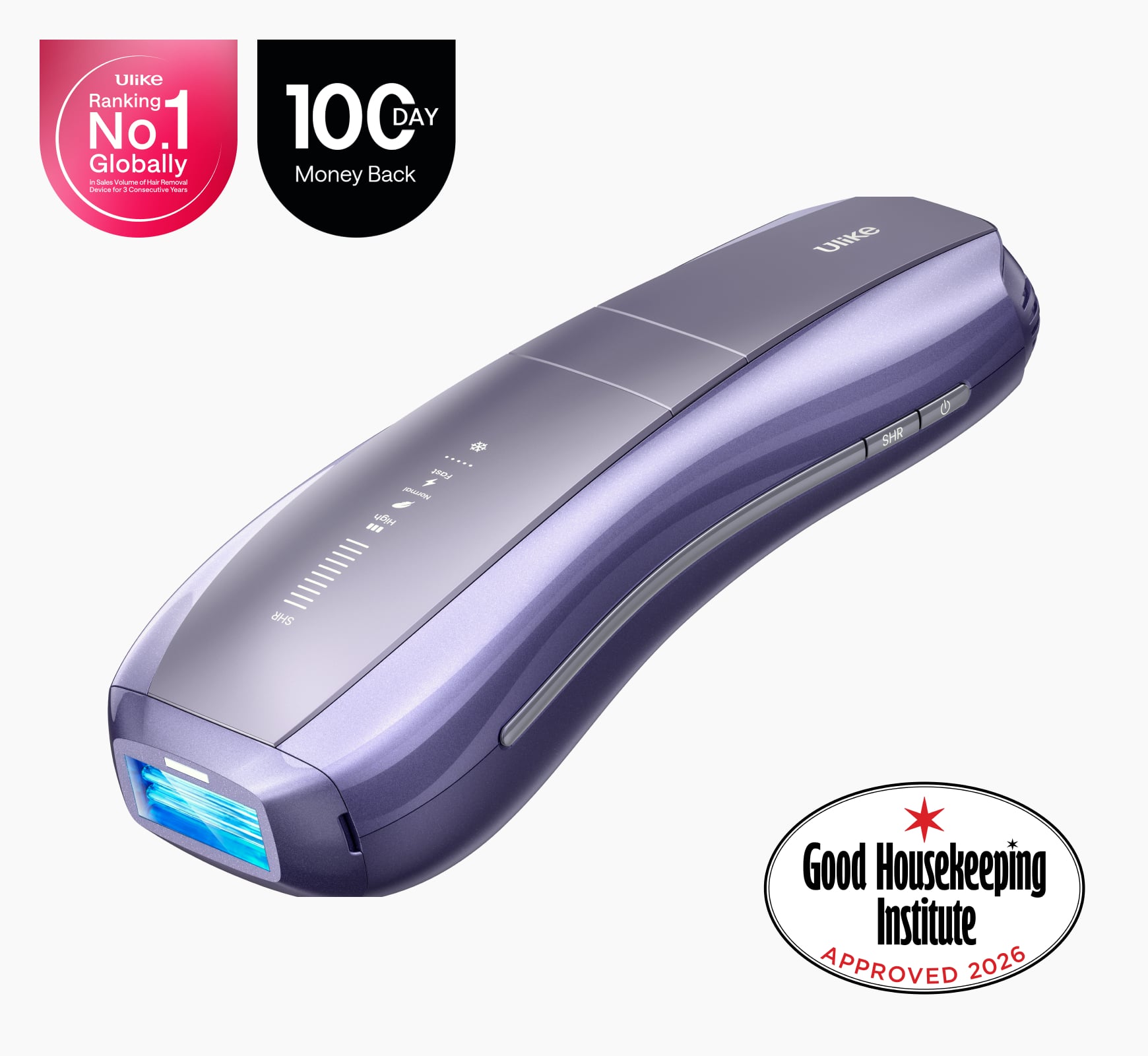
Ulike Air 10
2 weeks to silky smooth skin.
96% Hair Density Reduction in 2 Weeks
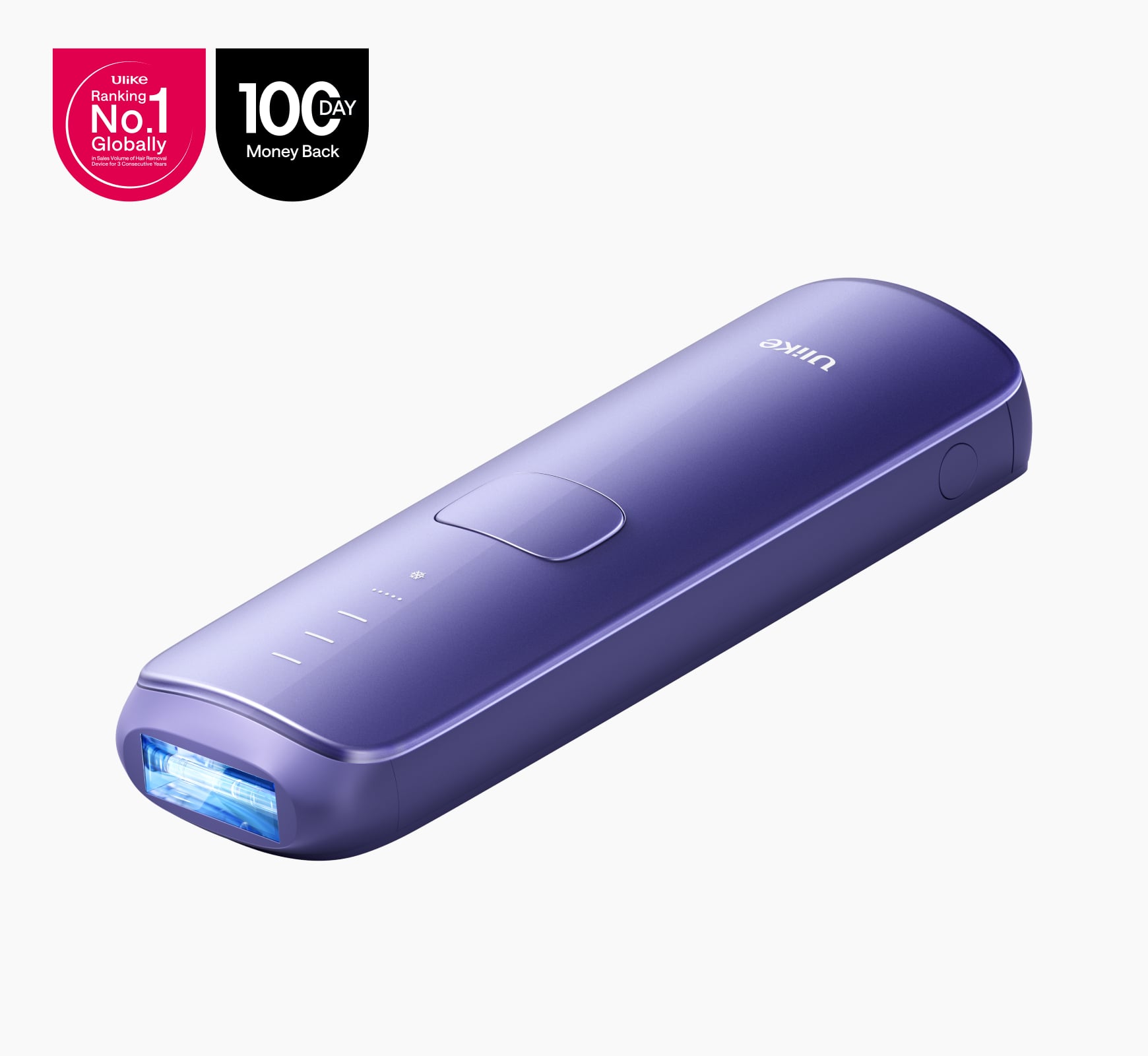
Ulike Air 3
3 weeks to silky smooth skin.
93% Hair Density Reduction in 4 Weeks
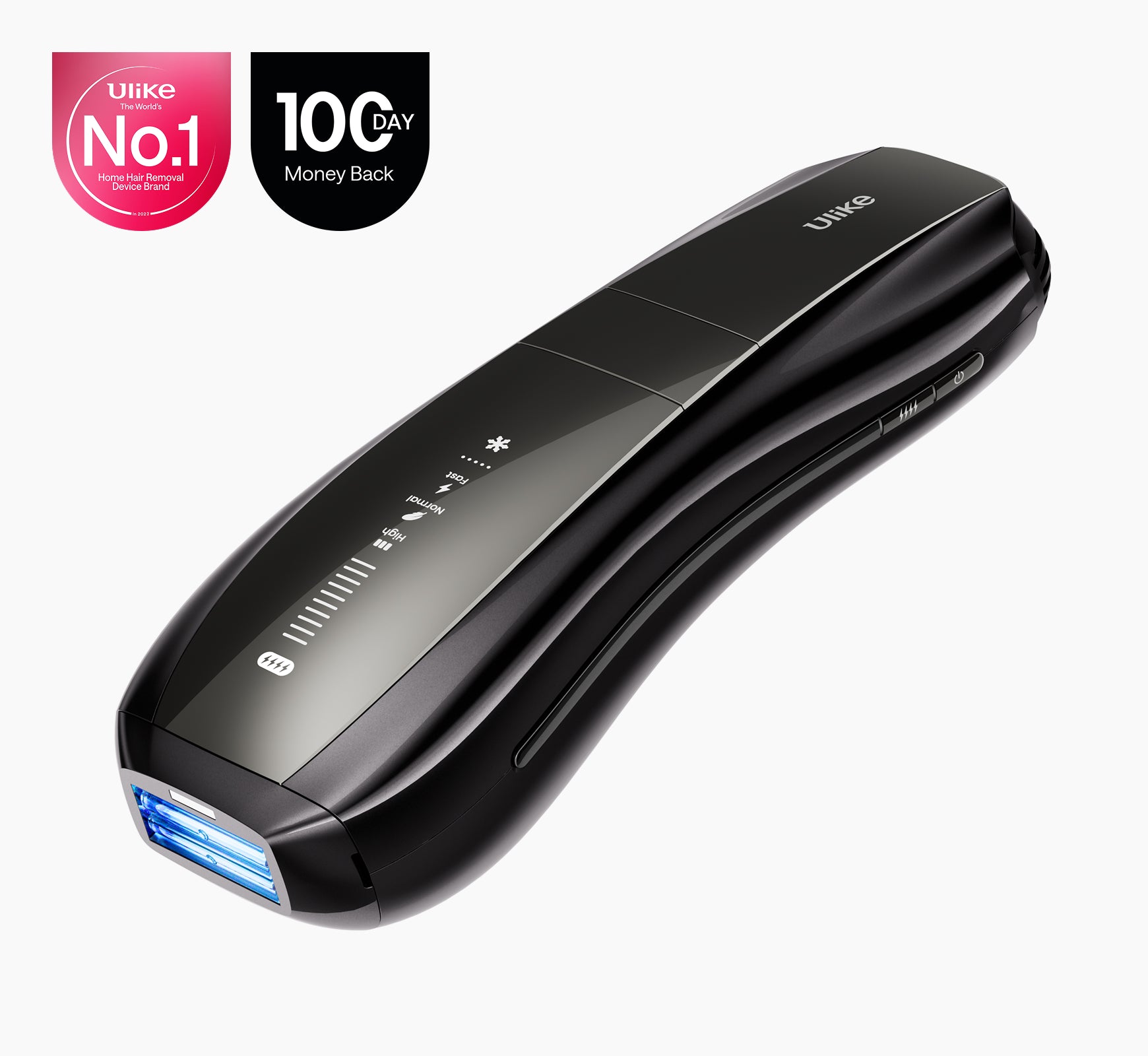
Ulike X
3 weeks to silky smooth skin.
94% hair reduction in just 2 weeks*
Ulike Reglow
Clearer skin in 2 weeks: Fewer breakouts
Smoother skin in 4 weeks: Fewer lines, firmer feel