



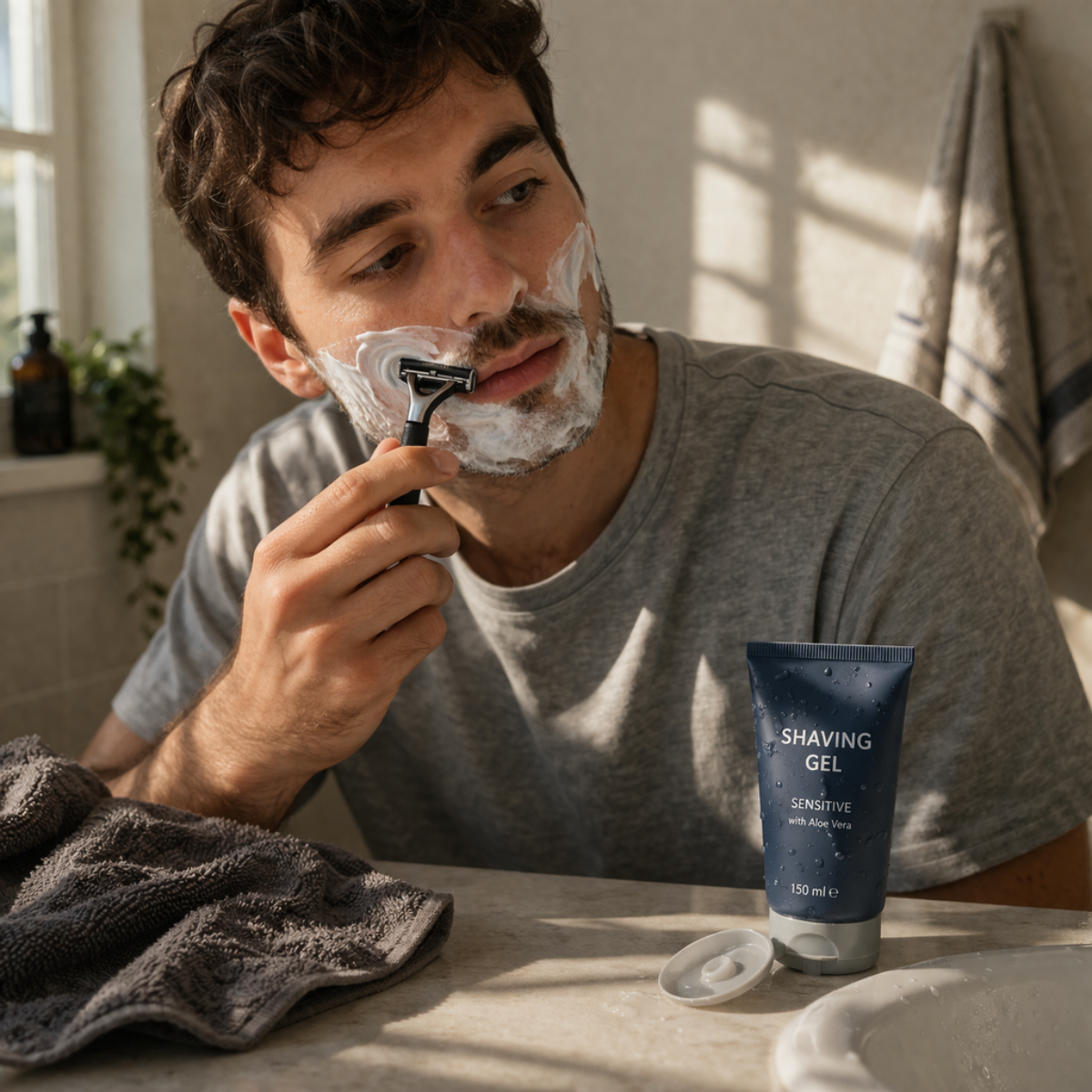
Shaving Bumps: Why They Keep Coming Back (and How to Stop Them)

As the seasons change and more skin comes into view, shaving bumps tend to show up again. You might change razors or try a different gel. It can help for a bit, but the same areas often react in the same way.
After a while, it stops feeling like something you’re doing wrong. The pattern is usually the same. The bumps settle, then come back, especially in areas that have always been prone to it.
What’s behind that isn’t always obvious. It’s not just about how you shave. This article looks at why it happens and what actually helps such as personal care products for your routine.
What Shaving Bumps Actually Are
Shaving bumps start when a cut hair doesn’t grow out of the skin properly. Instead, it turns back in or grows sideways. That’s what causes the small raised bumps you see after shaving.
It tends to happen more with thicker or curlier hair. Some areas are just more prone to it. You shave, it settles, then the same spots react again.
You’ll usually hear two terms used. Ingrown hairs are when the hair curls back into the follicle. Pseudofolliculitis barbae is when the hair grows out but then pushes back into the skin nearby. In practice, both show up in a similar way.
They can appear anywhere you shave. Legs, underarms, bikini line, face, neck. It depends on where the hair tends to struggle to grow out cleanly.

Why Some People Are More Prone to Shaving Bumps Than Others
Hair type makes a difference. Some hair grows straight out. Some doesn’t. When it’s thicker or more curved, it’s easier for it to turn back into the skin after shaving.
That’s why the same areas can keep reacting. You shave, it looks fine, then a few days later the bumps show up again.
Skin plays into it as well. Some people notice even a small amount of irritation. Others barely react. The regrowth might be similar, but the skin response isn’t.
Technique can make things better or worse. Shaving very close, using a dull blade, or going against the direction of growth can all increase the chances of bumps. But fixing those things doesn’t always stop it.
For some people, it keeps happening anyway. At that point it’s less about how carefully you shave, and more about how the hair grows back afterwards.
Why Some People Are More Prone to Shaving Bumps Than Others
Hair type makes a difference. Some hair grows straight out. Some doesn’t. When it’s thicker or more curved, it’s easier for it to turn back into the skin after shaving.
That’s why the same areas can keep reacting. You shave, it looks fine, then a few days later the bumps show up again.
Skin plays into it as well. Some people notice even a small amount of irritation. Others barely react. The regrowth might be similar, but the skin response isn’t.
Technique can make things better or worse. Shaving very close, using a dull blade, or going against the direction of growth can all increase the chances of bumps. But fixing those things doesn’t always stop it.
For some people, it keeps happening anyway. At that point it’s less about how carefully you shave, and more about how the hair grows back afterwards.
The Skin Health Consequences of Chronic Shaving Bumps
Shaving bumps can leave more behind than the bumps themselves. When the same areas keep reacting, the skin doesn’t always return to normal.
Repeated inflammation can lead to:
Post-inflammatory hyperpigmentation (PIH), where darker marks remain after healing
Scarring, especially if bumps are frequent or picked at
Bacterial infection, if the skin is broken
Ongoing discomfort, including tenderness, itching, or sensitivity
It doesn’t usually happen all at once. The same areas flare up, settle, then come back again.
How to Treat Existing Shaving Bumps
When bumps are already there, it usually helps to stop working over the area and let the skin settle.
Stop shaving the area for now
Shaving over it tends to keep the irritation going.Use a warm cloth
A bit of heat can help if the hair feels trapped under the skin.Don’t overdo exfoliation
Acids like salicylic or glycolic can help, but too much can make it worse.Keep products simple
Niacinamide or azelaic acid can help with redness. No need to add too much else.Don’t pick at it
This is where marks and scars usually come from.
If it becomes painful, keeps coming back, or looks infected, get it checked.
This kind of treatment helps it settle, but it doesn’t stop the same thing happening again.

How to Prevent Shaving Bumps: What Actually Helps
There are ways to reduce how often shaving bumps show up. They don’t always stop them completely, but they can make a difference.
Some changes to how you shave:
Shave in the direction the hair grows
Use a sharp blade, ideally a single blade
Let the skin warm up first before shaving
Use a shaving gel or cream that gives enough slip
What you do after matters as well:
Use something simple and fragrance-free to calm the skin
Keep the area hydrated
Avoid tight clothing straight after shaving, especially in more sensitive areas
Between shaves:
Light exfoliation can help keep the skin clear
Keeping your routine consistent helps the skin recover
These things can help reduce how often bumps appear, but for some people they don’t stop it altogether.
That’s usually the point where it stops being about improving technique and starts becoming a question of whether shaving is the right method for your skin at all.
The Long-Term Solution: Why Reducing Shaving Is the Most Effective Answer
Shaving bumps come from how hair is cut and how it grows back. The more often you shave, the more often that cycle repeats.
So one way to deal with it is to shave less.
There are a few ways people do that:
Waxing or epilating. Hair is pulled from the root, but ingrown hairs can still happen
Depilatory creams. These dissolve the hair, though some people find them irritating
IPL (Intense Pulsed Light). This works on the follicle and slows regrowth over time
IPL changes things a bit. Hair comes back more slowly, and often finer. That usually means less need to shave.
If you’re looking into longer-term options, it helps to understand how IPL hair removal works and what to expect from it.
How At-Home IPL Addresses Shaving Bumps at the Source
IPL works by delivering light energy to the hair follicle. Over time, this disrupts the growth cycle, leading to hair that regrows more slowly, more finely, and less densely.
That shift changes the entire dynamic:
Fewer hairs growing back means fewer chances for them to become trapped
Softer regrowth is less likely to irritate the skin
Reduced shaving frequency means less repeated stress on the skin
With consistent use, many people find they shave far less often — and in some areas, may not need to shave at all.
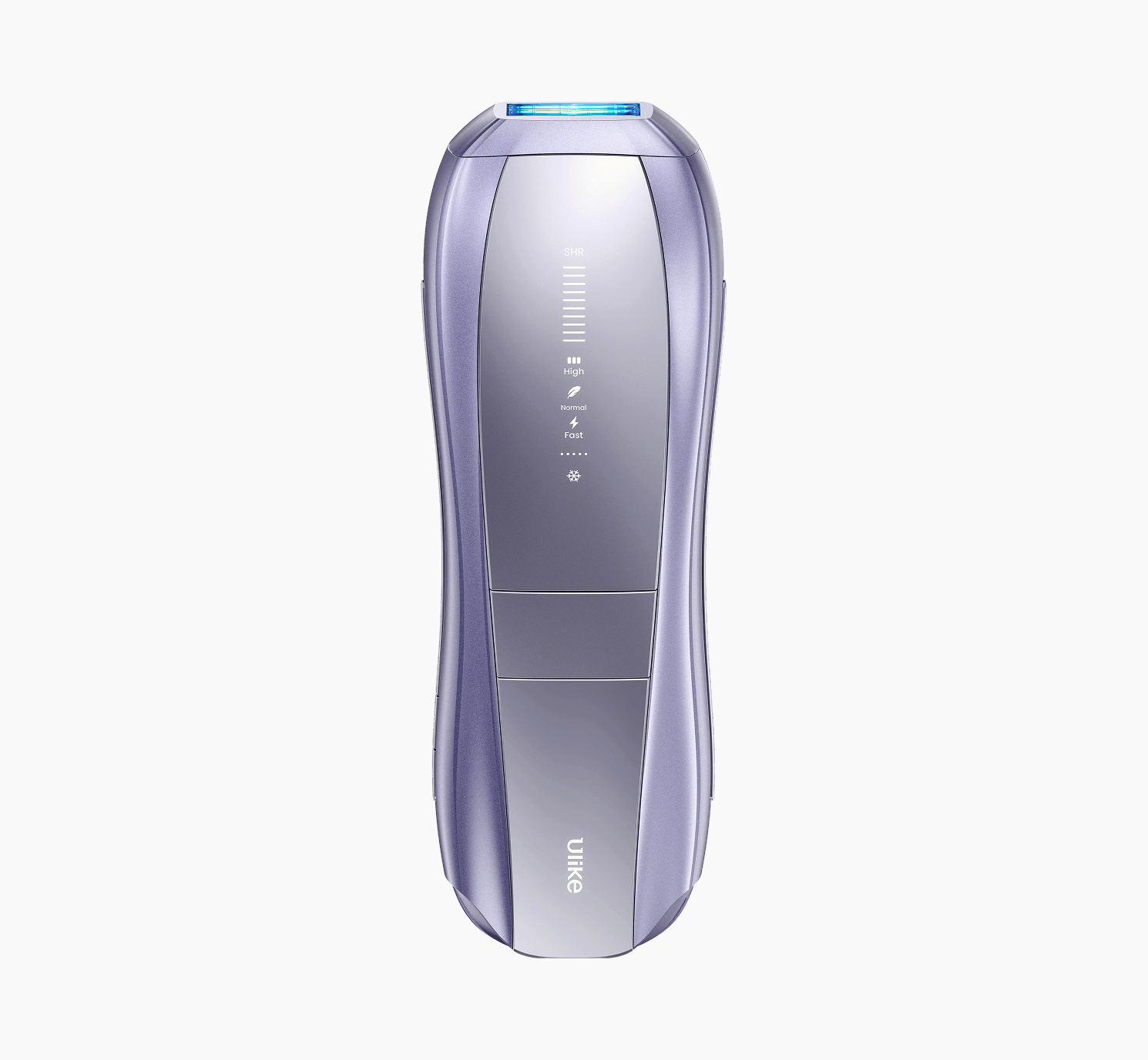
This is where at-home devices like the Ulike X come into the conversation. Designed for full-body use, it’s particularly relevant for people experiencing shaving bumps across multiple areas such as legs, underarms, and the bikini line.
For those already thinking about skin health more broadly, it’s also worth exploring the wider IPL hair removal benefits for skin — particularly around reducing ongoing irritation.

Ulike X: Versatile At-Home IPL for Wherever Shaving Bumps Occur
The Ulike X is designed as a full-body at-home IPL device, which makes it practical if shaving bumps aren’t limited to one area.
A few features are particularly relevant here:
Versatility across body areas
Suitable for legs, underarms, bikini line, and body — areas where bumps often occur simultaneouslyBuilt-in skin tone sensor
Helps confirm suitability before treatment, offering reassurance for a wider range of skin tonesAdjustable intensity settings
Allows you to begin at a comfortable level, which can be helpful if your skin is currently sensitive
There’s also the convenience of treating areas at home, which many people prefer — particularly for more private parts of the body.
As with all IPL devices, results vary depending on hair colour and skin tone. It tends to be most effective on darker hair, so it’s worth checking suitability beforehand.
If comfort is a concern, you may want to read more about does IPL hair removal hurt and what to expect from early sessions.
Considering a Longer-Term Change
Shaving bumps that keep coming back often point to the method rather than the routine.
The Ulike X is made for use across different areas of the body. It suits situations where bumps appear in more than one place. It includes a skin tone sensor. It also has adjustable intensity so you can begin at a level that feels comfortable.
IPL doesn’t clear existing bumps straight away. Over time, as hair grows back more slowly, the need to shave tends to reduce, and with it, the irritation.
As we move into a new season, Ulike is running a dedicated campaign across their IPL page. You can explore the Ulike X and current offers at:
https://uk.ulike.com/pages/campaign
The problem often has a longer-term answer. This may be a helpful place to begin.

What causes shaving bumps?
Shaving bumps happen when a cut hair grows back into the skin instead of out. The hair can curl back or stay just under the surface after shaving. That’s what leads to the bumps. It’s more common with thicker or curlier hair, which doesn’t always grow straight.
How do you get rid of shaving bumps fast?
Stop shaving the area and let the skin settle first. A warm cloth can help. Light exfoliation, something like salicylic acid, may clear blocked skin.
Avoid picking. That’s where marks usually come from.
If it doesn’t settle or starts to feel painful, it’s worth getting it checked.
How do you prevent shaving bumps from coming back?
Reducing how often you shave is what usually makes the biggest difference. Technique can help, but for some people the bumps still return. Methods like IPL lower how often hair grows back, so there’s less chance for bumps to form in the first place.
Can IPL help with shaving bumps?
Yes. It reduces how often hair grows back, so there’s less need to shave and less chance for bumps to form.
It’s not something to use on active bumps though. The skin needs to be calm first.
Are shaving bumps the same as ingrown hairs?
They are closely related but not identical. Ingrown hairs occur when hair curls back into the follicle, while shaving bumps (PFB) occur when hair penetrates the surrounding skin. Both are triggered by shaving and produce similar symptoms.
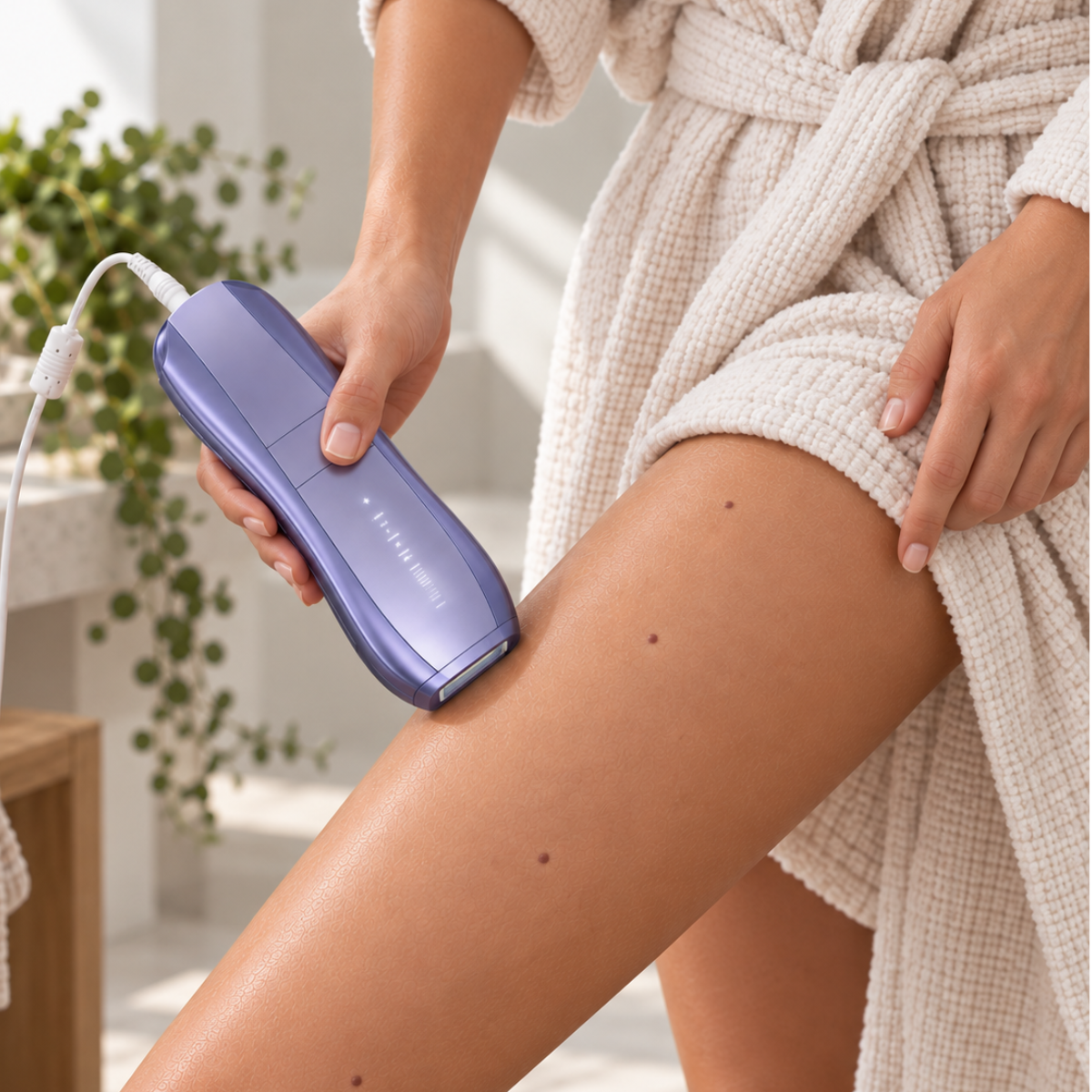
Can You Use IPL on Moles and Birthmarks?
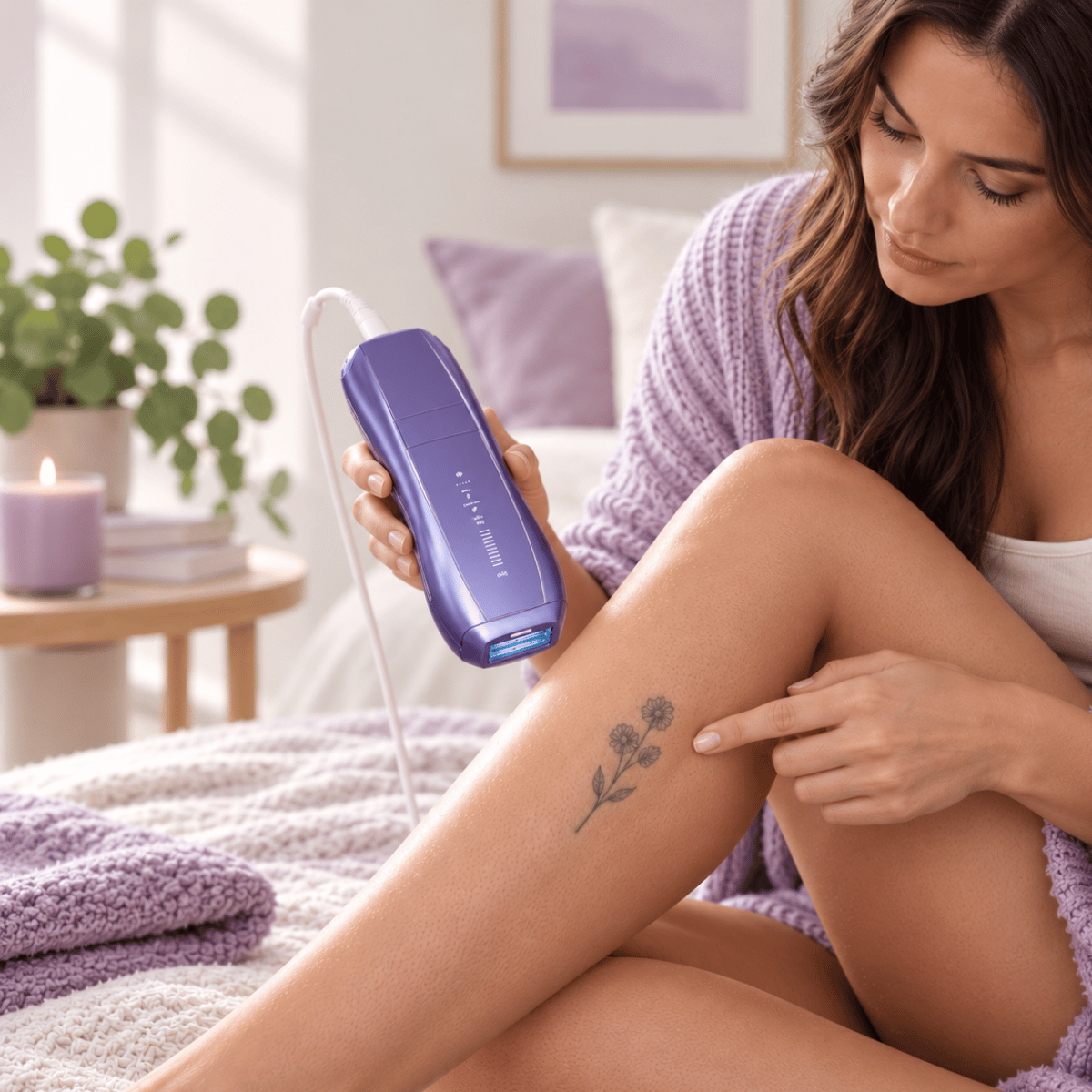
Can You Use IPL on Tattoos? What Happens If IPL Hits One?
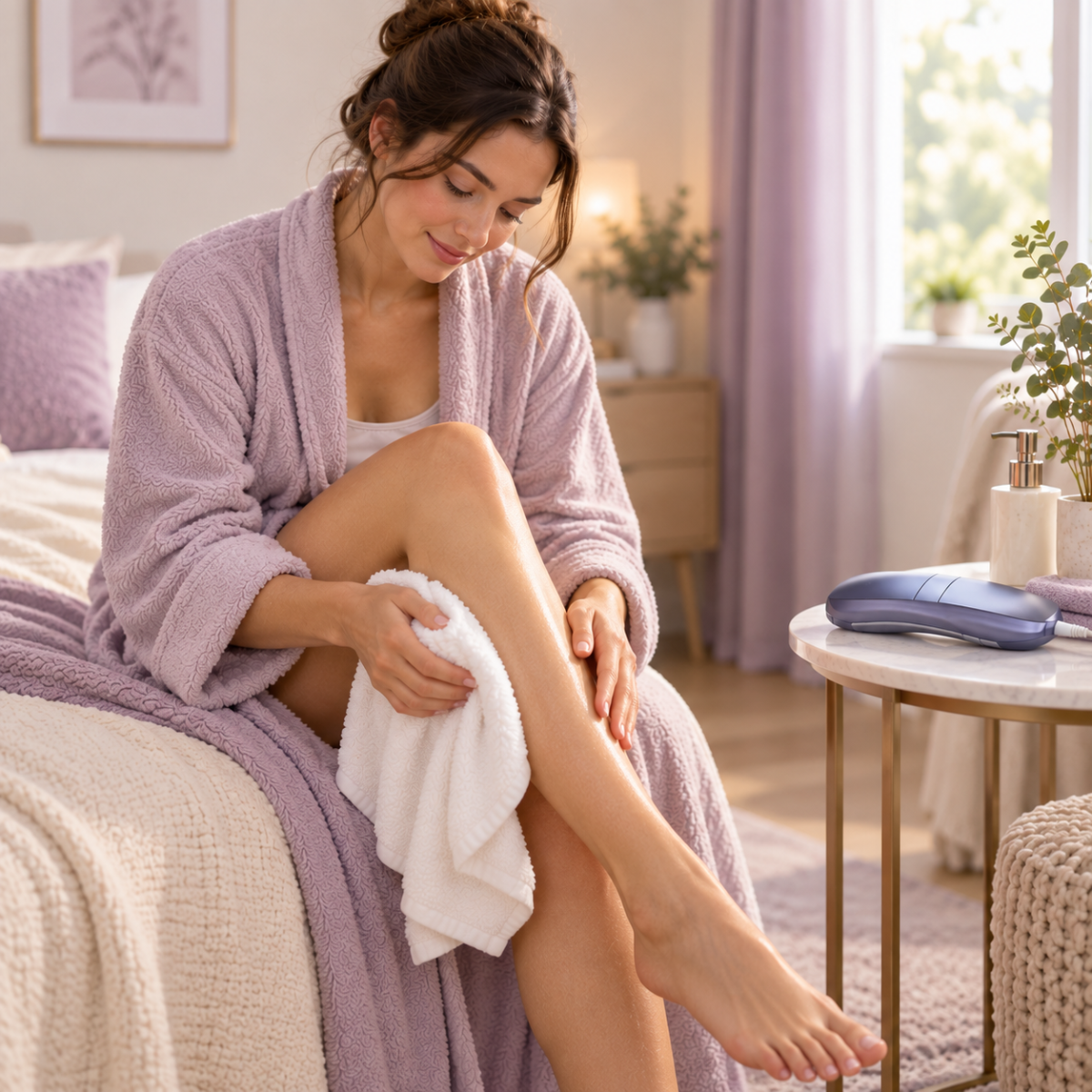
Can You Use IPL on Wet or Damp Skin?
Explore Beauty
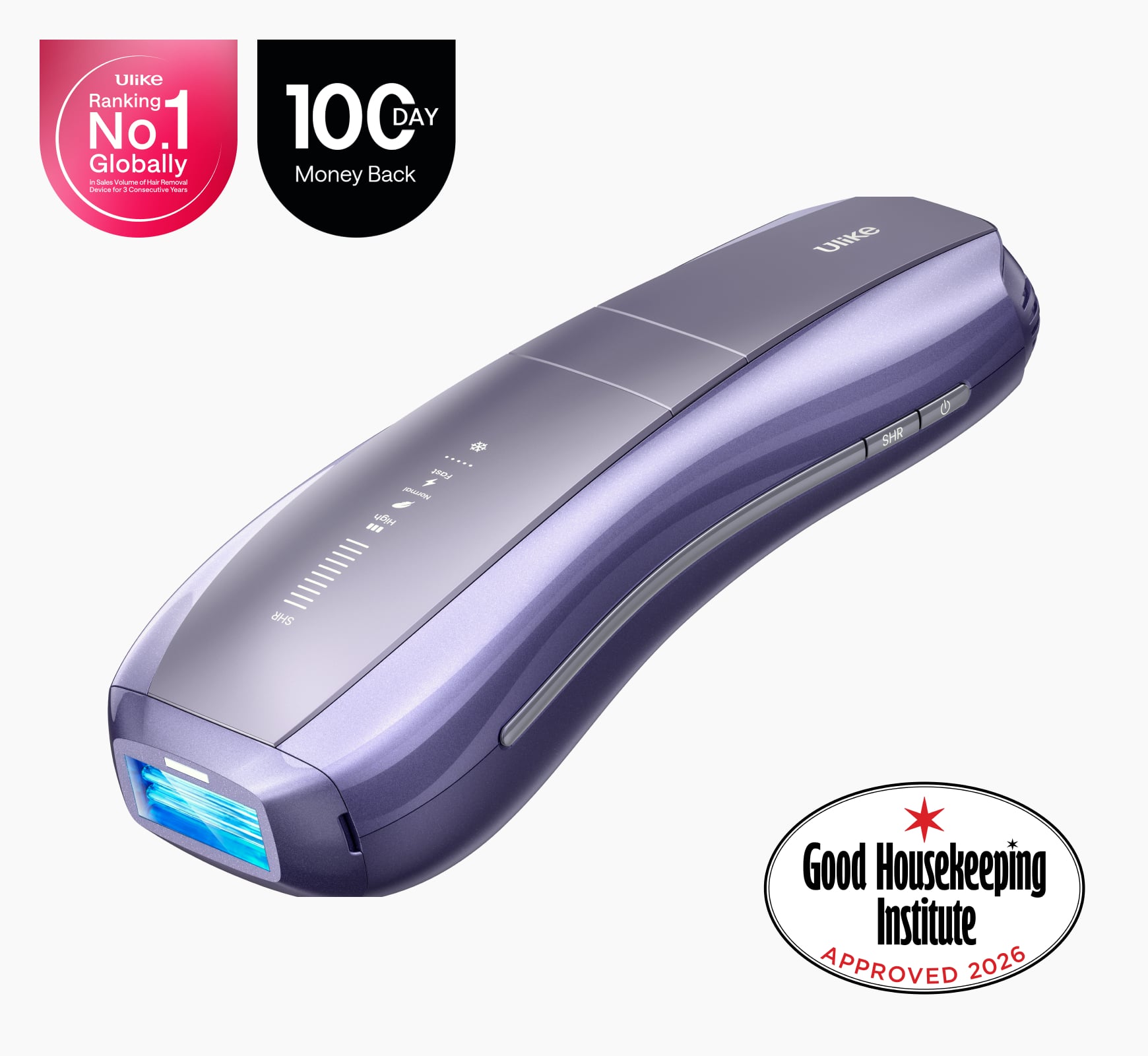
Ulike Air 10
2 weeks to silky smooth skin.
96% Hair Density Reduction in 2 Weeks

Ulike Air 3
3 weeks to silky smooth skin.
93% Hair Density Reduction in 4 Weeks
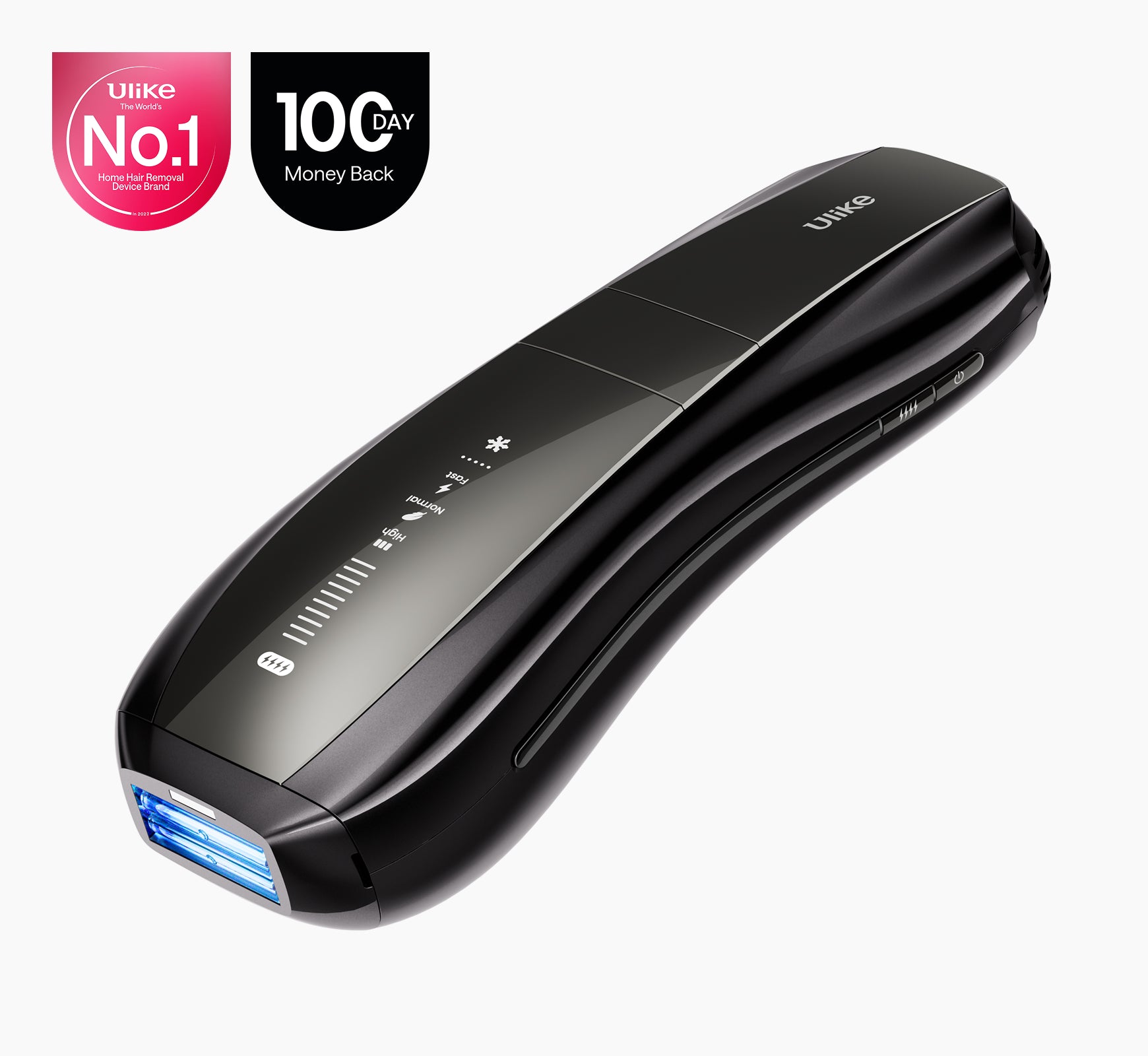
Ulike X
3 weeks to silky smooth skin.
94% hair reduction in just 2 weeks*
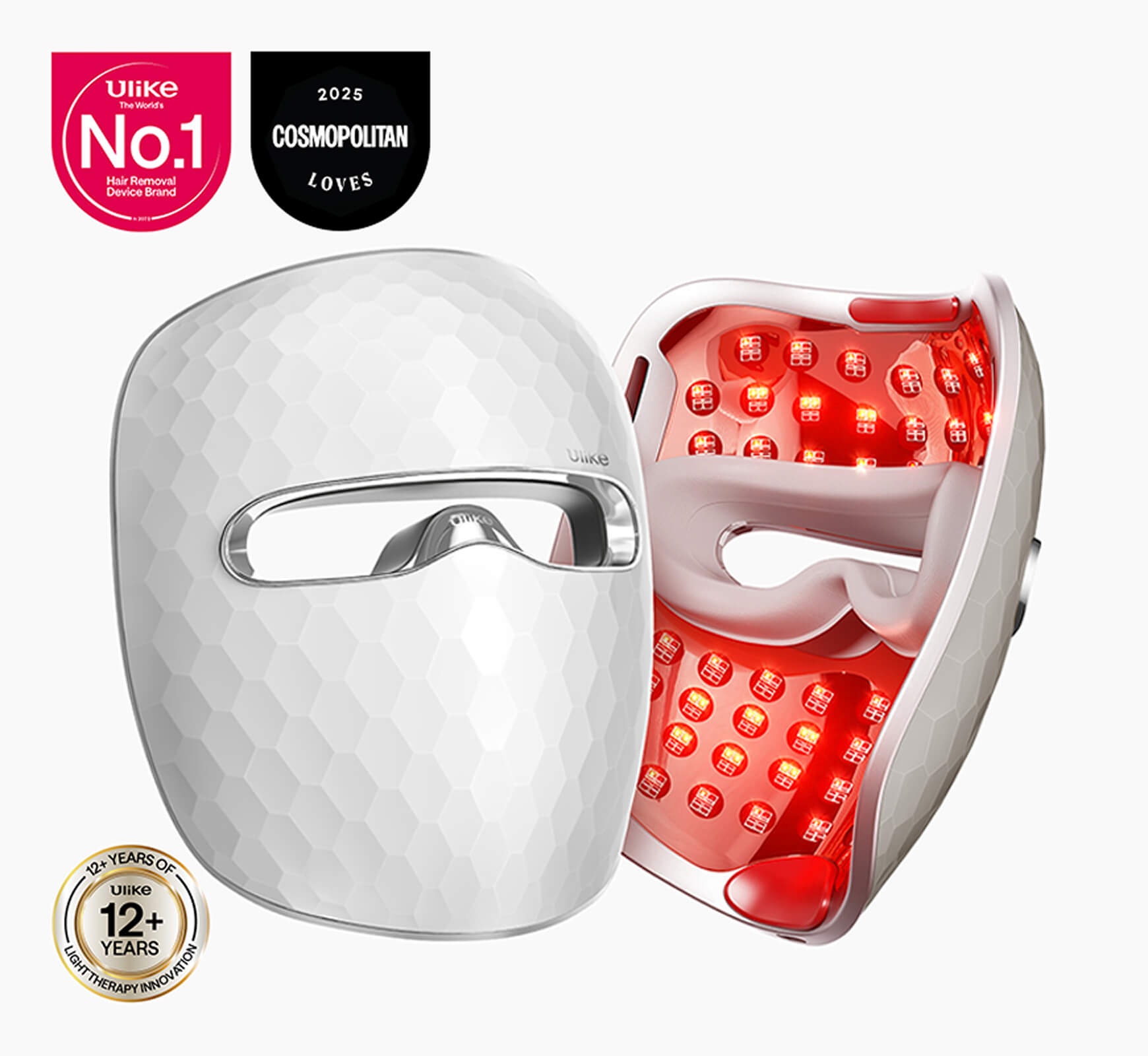
Ulike Reglow
Clearer skin in 2 weeks: Fewer breakouts
Smoother skin in 4 weeks: Fewer lines, firmer feel