




IPL Hair Removal Good for Skin? What Actually Changes

Is IPL Hair Removal Good for Skin? What People Are Really Asking
Is IPL hair removal good for your skin? The question is usually not just about the hair.
It’s more about what their skin has been like up to that point. Irritation after shaving, ingrown hairs that keep coming back, or just that feeling that things never quite settle.
IPL gets talked about as a hair removal method and part of your personal care products for your routine, but that’s not always the full reason people look into it. The question shifts pretty quickly once you start thinking about it properly.
It’s less about whether hair grows back, and more about whether your skin actually feels different once that cycle starts to change.
How IPL Hair Removal Affects Skin (Not Just Hair Growth)
If you’re trying to work out whether IPL hair removal is good for skin, it really comes down to what changes once hair growth starts slowing down.
IPL works by sending light into the skin, and that energy is absorbed by pigment in the hair follicle. The heat affects the follicle itself, so over time the hair doesn’t come back in the same way.
But the bigger shift isn’t just the hair.
When growth slows, you stop going over the same areas as often. Less shaving, less waxing. For a lot of people, that’s where things start to feel different. The skin isn’t being interrupted all the time.
IPL hair removal is good for skin in several specific and well-documented ways. It targets the follicle at the root instead of cutting hair at the surface, which breaks the cycle that leads to irritation, ingrown hairs, and razor bumps. Over time, skin tends to feel smoother, with fewer bumps and less uneven tone in the areas you’re treating.
Some areas make this more obvious. Places where hair is thicker, or where shaving has been a constant issue, usually show the change more clearly. There’s just more room for improvement there.

Fewer Ingrown Hairs and Razor Bumps with IPL
For a lot of people, this is where IPL starts to make a real difference.
Ingrown hairs and razor bumps usually come from the same pattern. Hair is cut at the surface, grows back with a sharper edge, and sometimes curls back into the skin instead of growing out. That’s when you get inflammation, shaving bumps, and marks that don’t always settle quickly.
If it keeps happening, it stops feeling like an occasional issue and starts to feel like how your skin just behaves.
IPL interrupts that pattern at the root. Instead of cutting the hair, it works on the follicle itself. As growth slows, hair comes back finer and softer, and there’s less of it overall. It sits differently in the skin.
The difference shows up more in areas where this has been a regular problem. The neck, beard line, chest, and bikini line are usually the ones. Especially where hair is thicker or more prone to curling back.
It’s not immediate. And it doesn’t fix everything all at once. But over time, what used to feel constant starts to ease off. Fewer ingrown hairs, fewer flare-ups, and less of that ongoing irritation that tends to come with them.

How IPL Reduces Ongoing Skin Irritation from Shaving
Regular hair removal, especially shaving, often comes with a low level of ongoing irritation.
Even when it’s done carefully, there’s still friction. The blade passes over the same area, the surface gets disrupted, and over time that starts to show up as redness or sensitivity. Sometimes it’s subtle, just a feeling that the skin never quite settles between sessions.
Waxing works differently, but it still puts the skin under repeated stress, particularly in areas that are already more reactive.
IPL changes the rhythm of that.
As hair growth slows, you’re not going back over the same areas as often. The gap between sessions gets longer, and the skin has more time to recover without being interrupted again.
That’s usually where the difference shows. The background redness fades a bit, the skin feels calmer, and there’s less of that constant low-level irritation. Not a sudden change, just the absence of something that used to be there all the time.
Smoother Skin Texture with IPL Over Time
Texture is one of those things you notice more than you describe.
It usually comes down to how the skin feels. In areas where hair is dense, the surface can feel uneven. Follicles are more active, there’s regrowth coming through, sometimes irritation or ingrown hairs sitting underneath it all.
As IPL slows that activity down, the surface starts to settle.
There’s less pushing through the skin, fewer bumps, and the regrowth that does come back tends to feel softer. The area just feels more even over time.
It’s gradual. You don’t see it all at once. It builds as the hair thins out and the skin has time to even itself out again.
Areas like the chest, back, shoulders, and legs usually show this most clearly, especially if the texture there has felt uneven for a while.
Can IPL Help Reduce Post-Shaving Pigmentation?
Repeated irritation can change how skin looks over time.
In areas where shaving or waxing happens often, the skin can react by producing more pigment. You see this quite a bit in places like the underarms, bikini line, or neck, where there’s regular friction and the skin is already a bit more sensitive.
When that cycle slows down, the trigger starts to fall away with it.
With IPL, there’s less need for repeated hair removal at the surface, so the skin isn’t being pushed in the same way. Over time, tone can start to even out again. It’s not quick, and it doesn’t happen all at once, but the skin has a chance to settle without being disrupted over and over.
One thing that does matter here is using IPL within the right skin tone range. Most devices include a skin tone sensor for that reason. Used properly, it supports the process. If it’s used outside those limits, you can end up with the opposite result.
IPL for Coarser or Denser Hair: What to Expect
Coarser, denser hair usually responds well to IPL. There’s more pigment in it, so it absorbs the light more easily.
That doesn’t make it quicker, though. If anything, the opposite at the start. Areas with thicker growth often take a bit longer to settle. You might need more sessions early on before things start to shift.
What changes first isn’t always how much hair there is, but how it grows back. It comes through slower, feels softer, and doesn’t sit in the skin in quite the same way. That’s where some of the skin benefits start to show up as well, especially in areas that were prone to irritation.
You see this most clearly in places like the chest, back, shoulders, or along the beard line, where growth tends to be heavier and more concentrated.
Facial hair can be treated, but it takes a bit more consistency. The growth cycle is different, and the density means progress is more gradual than it is on most body areas.
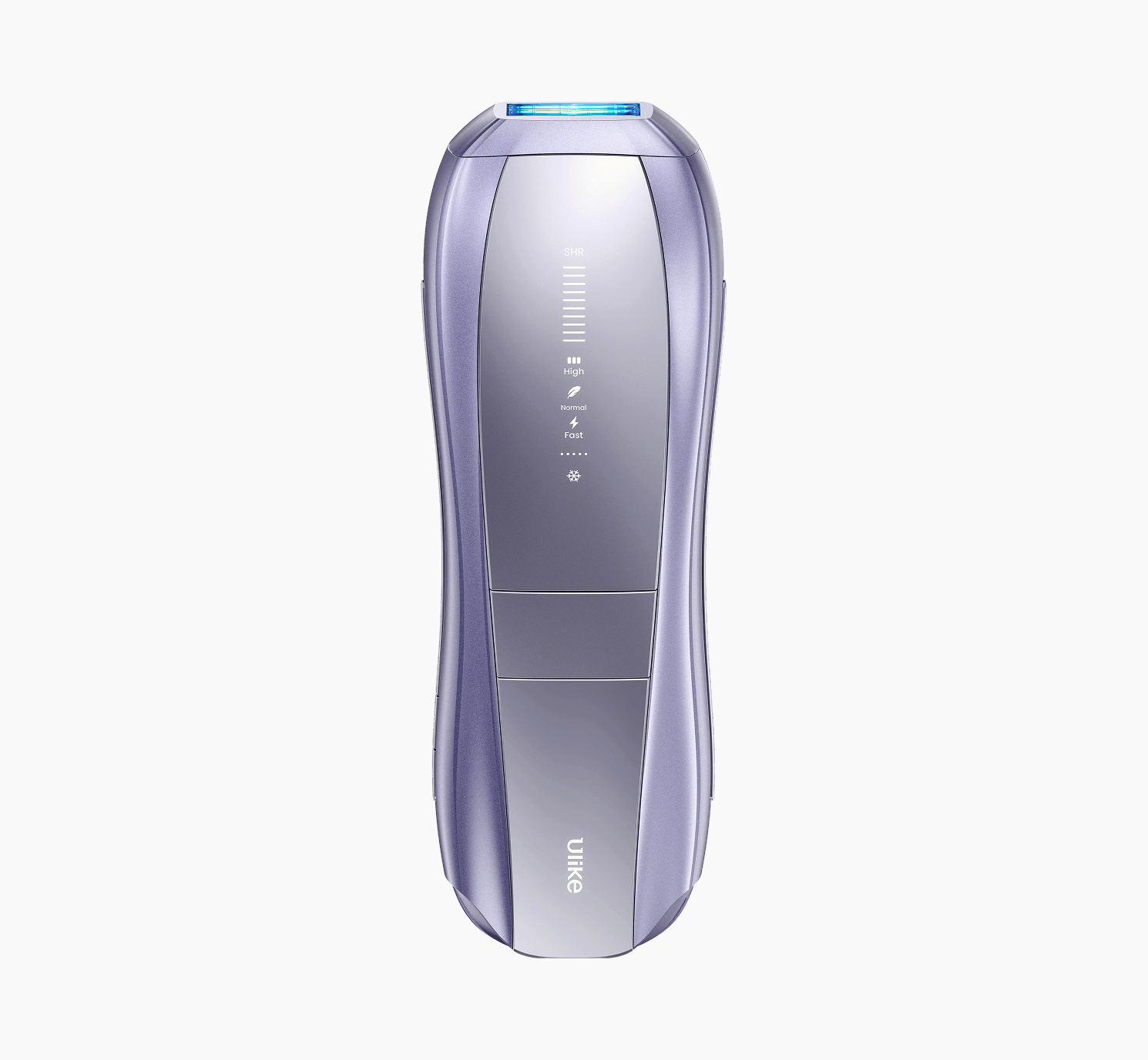
If you’re covering more than one area, practicality starts to matter. Using something designed for full-body use makes the process easier to keep up with, which is important because results build through consistency. The Ulike X fits into that kind of routine, with adjustable intensity so you can work across areas that feel quite different from each other.
How the Ulike X Supports Skin Health During Treatment
By the time someone is considering a device, the main question is usually whether it supports what they’re trying to achieve over time.
In the case of IPL, that’s not just about reducing hair, but about how the skin settles as a result of that process.
The Ulike X is designed for use across the full body, which matters for anyone treating larger or multiple areas. Consistency is what drives results with IPL, so having a device that can handle that range without complication makes a practical difference.

Features like a built-in skin tone sensor help keep treatment within safe parameters, which is particularly important when skin response is part of the consideration. Adjustable intensity levels allow you to ease into treatment or adapt it depending on the area.
There’s also the simple fact of using it at home. Being able to treat on your own schedule, without needing appointments, tends to make consistency easier to maintain. And with IPL, consistency is what leads to both hair reduction and the skin benefits that follow.
Frequently Asked Questions
Q1: Is IPL hair removal good for skin?
Yes. Beyond reducing hair growth, IPL can improve several aspects of skin condition over time. By reducing the need for frequent shaving or waxing, it helps limit irritation, ingrown hairs, and uneven texture. Many people notice smoother, calmer skin after completing a full treatment course.
Q2: Does IPL help with razor bumps and ingrown hairs?
Yes, this is one of the most noticeable benefits. Because IPL works at the follicle level, hair regrows more slowly and tends to be finer. That makes it less likely to curl back into the skin and cause bumps or inflammation.
Q3: Is IPL safe for different skin types?
IPL is safe when used within the recommended skin tone range for the device. Built-in safety features like skin tone sensors help ensure the energy level is appropriate. Following usage guidelines is important for safe and consistent results.
Q4: Can IPL be used on both face and body?
Yes, IPL can be used on most areas of the body and parts of the face below the cheekbones. Areas close to the eyes are generally avoided. Facial hair may take more sessions due to density.
Q5: How long does it take to see skin benefits from IPL?
Skin improvements tend to appear gradually, usually from around the fourth to sixth session. As hair growth slows and shaving becomes less frequent, the skin has more time to recover, which is when changes in texture and irritation become noticeable.
What to Look for in an At-Home IPL Device
If the skin benefits of IPL are part of what’s drawing you towards making a change, it helps to choose something that supports that process properly.
The Ulike X is designed for full-body use, with features that allow it to adapt across different areas and skin types. It’s built for people who want to approach hair removal in a way that also considers long-term skin condition, not just short-term results.
There’s also the practical side of using it at home. Being able to manage treatment in your own time makes consistency easier, and that consistency is what leads to meaningful results.
If you want to explore it further, you can view the Ulike X and current offers at uk.ulike.com/pages/campaign.
Whatever your reason for looking into IPL, the decision is yours to make in your own time.

How to Clean an IPL Hair Removal Device Safely

Can You Use IPL on Arms? Will It Work on Your Hair?

When Does IPL Hair Start Shedding? Signs It’s Working
Explore Beauty
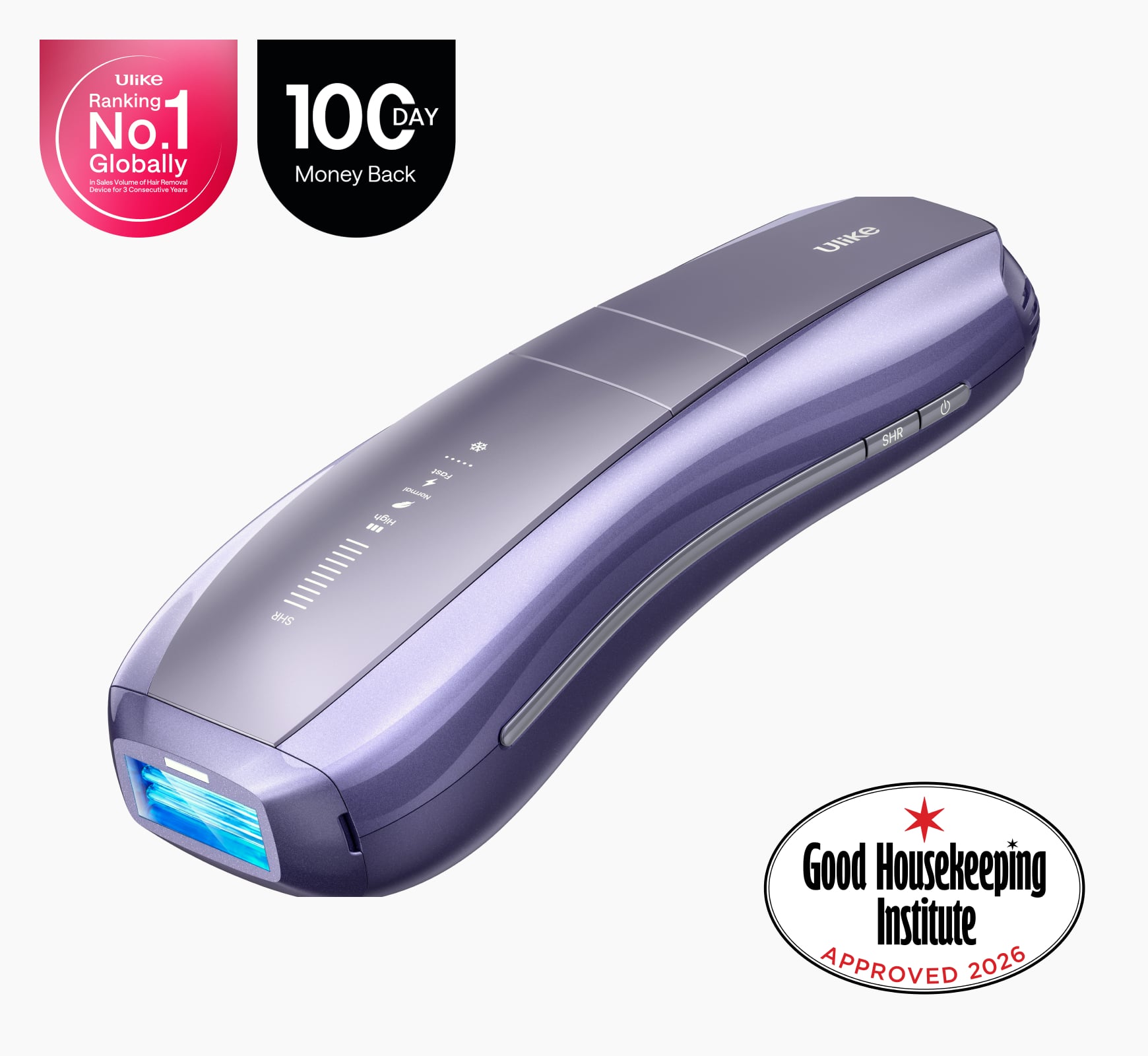
Ulike Air 10
2 weeks to silky smooth skin.
96% Hair Density Reduction in 2 Weeks
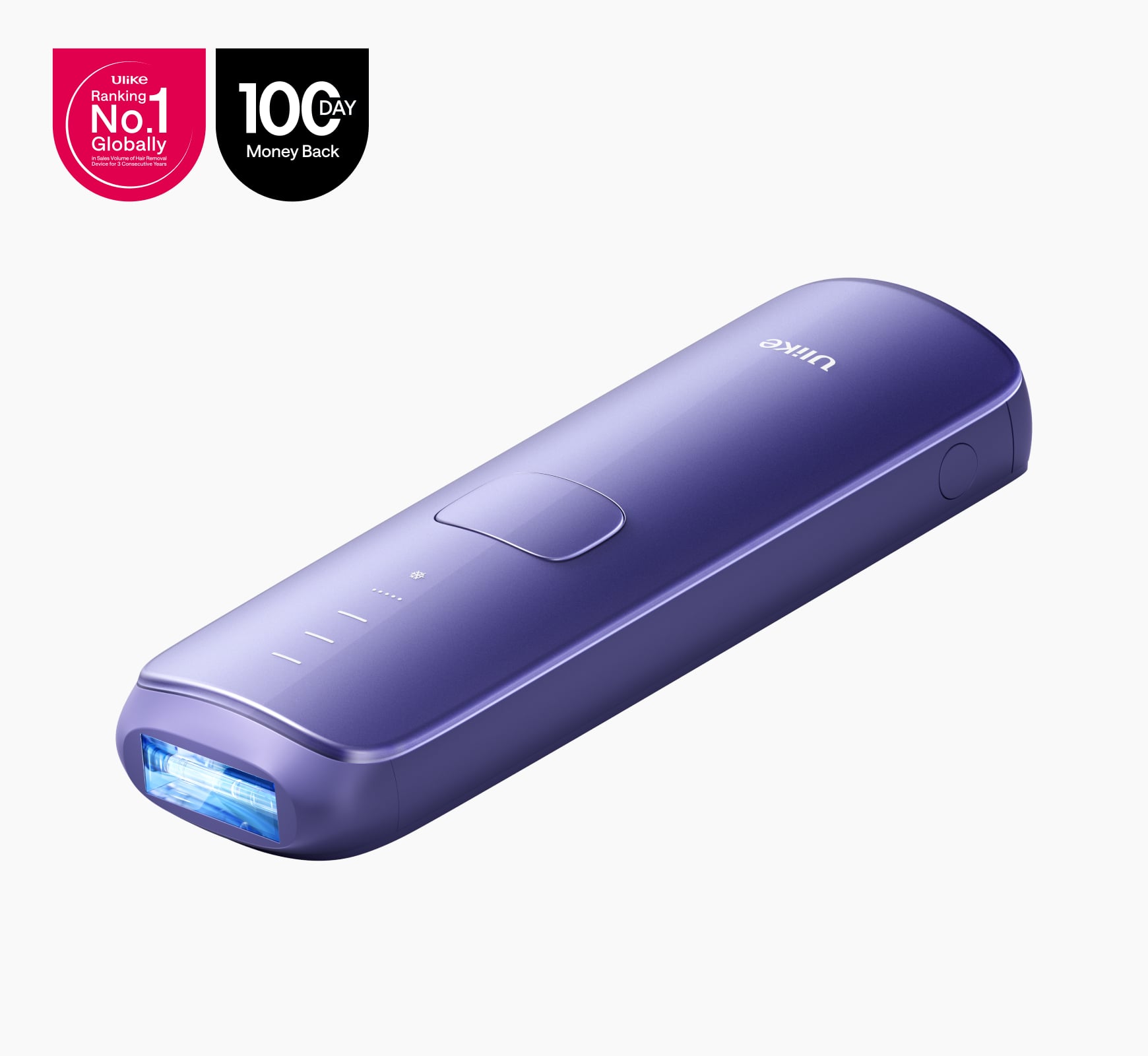
Ulike Air 3
3 weeks to silky smooth skin.
93% Hair Density Reduction in 4 Weeks
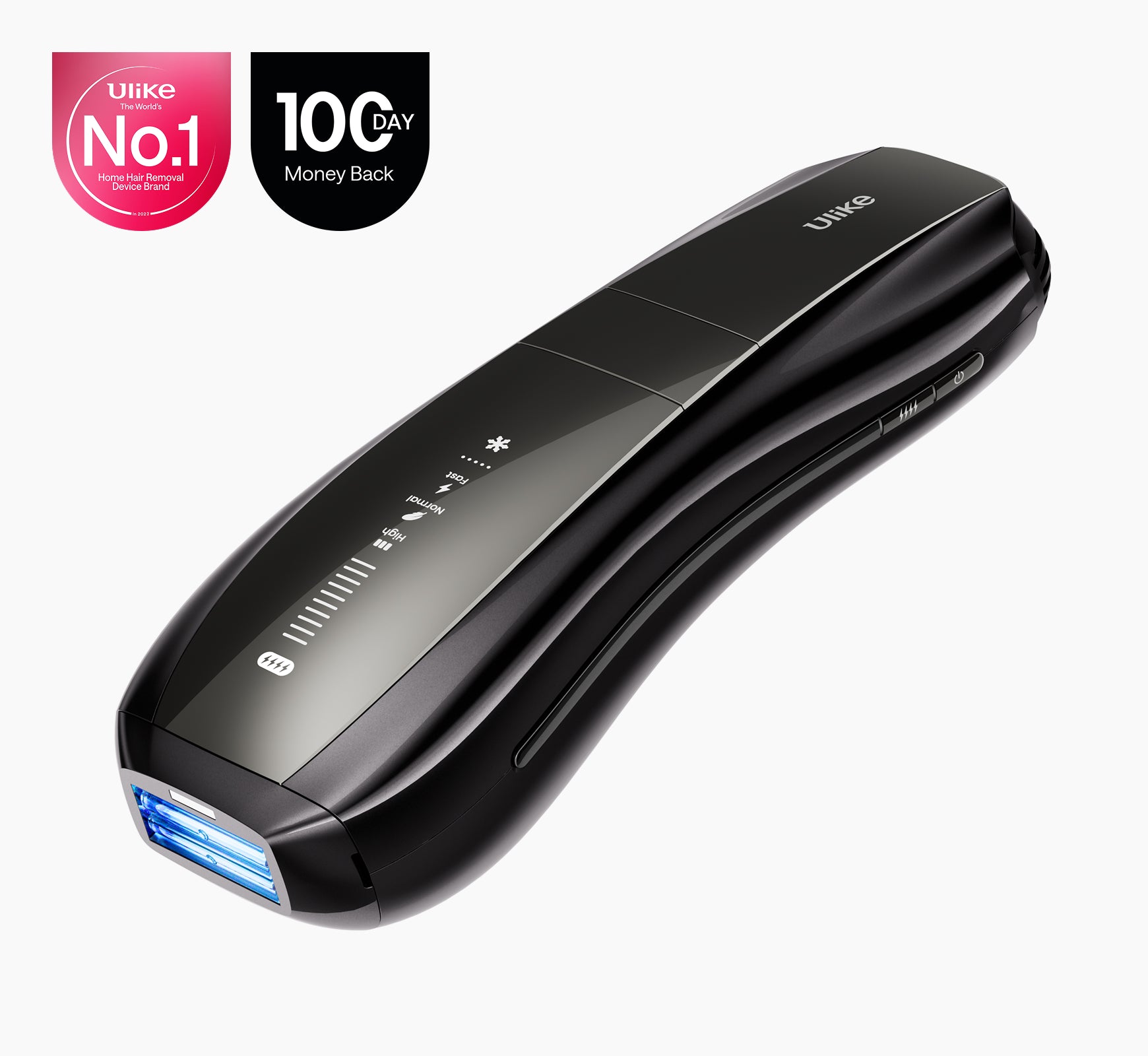
Ulike X
3 weeks to silky smooth skin.
94% hair reduction in just 2 weeks*
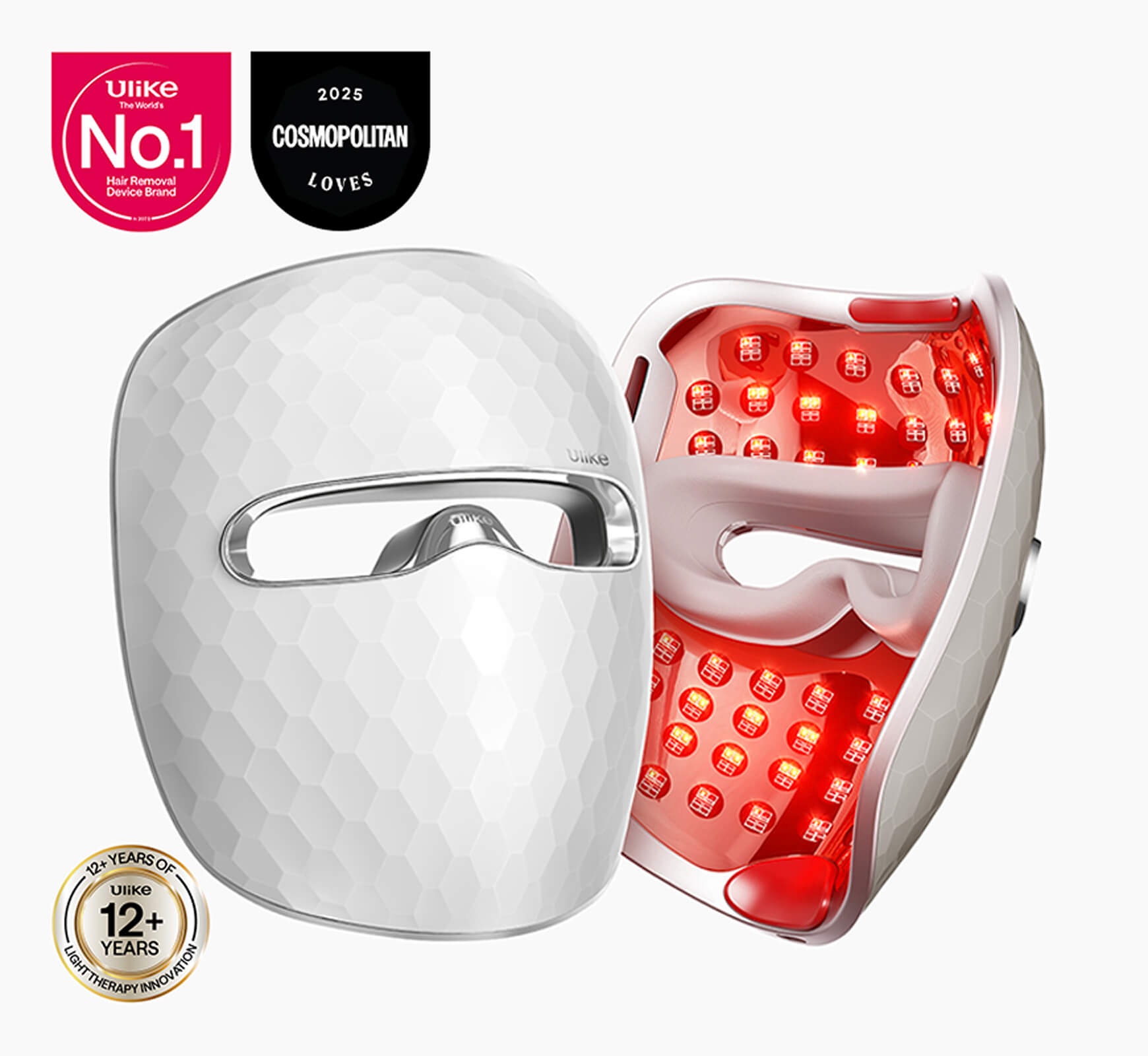
Ulike Reglow
Clearer skin in 2 weeks: Fewer breakouts
Smoother skin in 4 weeks: Fewer lines, firmer feel