



Hairy Woman Legs: What’s Better Than Shaving or Waxing?
Hairy Woman Legs: Your Honest Guide to Every Hair Removal Option

First, a Note on Choice
Hair on your legs is a personal choice. Some women leave it alone. Others prefer to manage it in a way that feels more comfortable or practical. Many shift between the two depending on the season, their routine, or simply how they feel at the time.
If you’ve searched for “hairy woman legs”, you’re likely looking for clear information, not judgement. Something that helps you understand your options so you can decide what suits you.
This guide keeps things simple. It covers the main approaches, from shaving and creams through to longer-term options like IPL. No pressure attached. Just a straightforward look at what each one involves.
More women now are taking a more practical view of personal care products for their routines. They choose what works for them, rather than following a fixed idea of what they should do.
Why So Many Women Find Leg Hair Removal Frustrating
For most women, the issue is not difficulty. It is the repetition. Just as it feels done, it needs doing again.
Shaving is usually the starting point. It is quick and easy to fit into a routine. The results do not last long. Regrowth can show within a day or two. That is when it starts to feel constant. Some people also notice irritation or ingrown hairs over time.
Waxing changes the rhythm. You can go a few weeks without thinking about it. That is the benefit.
The trade-off is harder to ignore. Appointments take time. Costs build up. You also have to wait for hair to grow back before booking again. That waiting stage is often what puts people off in the long run.
Other options exist, though they are used less often for legs. Creams are simple to use and do not take much time. The results tend to be similar to shaving. Threading and sugaring are usually better suited to smaller areas.
Most methods follow the same pattern. They work, but they need repeating. That is usually when people start to look for something that lasts longer.

What “Long-Lasting” Leg Hair Removal Actually Means
The word “permanent” can be misleading when it comes to hair removal. It sounds final. In practice, it usually means something more gradual.
Most familiar methods are temporary. Shaving, waxing, and creams remove hair at the surface or just below it. The follicle is still active underneath, so regrowth is always part of the cycle.
IPL and laser treatments take a different approach. They do not remove hair straight away. Instead, they work on the follicle over time. With repeated sessions, regrowth tends to slow down. Hair often comes back finer and less noticeable.
You may have seen figures such as “up to 90% reduction”. That can sound quite abstract, so it helps to put it into context. In most cases, it means:
-
hair grows back more slowly
-
regrowth looks lighter or finer
-
some areas may stop producing visible hair
This happens because the treatment targets the follicle itself. Timing matters. Hair grows in cycles, so several sessions are needed to catch it at the right stage. Leg hair often responds well, partly because there is usually enough contrast between hair colour and skin tone for the light to focus effectively.
It is not immediate. Results build over time. What tends to change is how often you need to think about it at all.
How At-Home IPL Works on Legs
IPL tends to make more sense once you start noticing what changes over time.
At first, nothing looks dramatically different. Hair still grows back. It just slows down a little. Then it becomes finer. In some areas, it may stop appearing, although not always evenly.
That shift comes from what is happening under the surface. IPL uses pulses of light that are absorbed by the pigment in the hair. Over time, this affects the follicle and changes how it grows.

Hair does not all grow at the same time. Some strands respond early. Others take longer. That is why results build gradually rather than all at once.
Legs are usually one of the more straightforward areas to treat. The hair tends to be slightly thicker, which helps. The size of the area can feel like a lot at first, but it becomes easier once you get used to the pace of it.
Most people begin to notice a difference after a few weeks. Not a dramatic change, just less regrowth and slightly softer hair.
In practice, the routine often settles into something like this:
-
weekly sessions to begin with
-
then spacing them out as regrowth slows
-
occasional top-ups when needed
The feel of it has changed quite a bit with newer devices. For most people, it comes across as a brief warmth on the skin. Nothing especially intense. That tends to matter more when you are working across a larger area like the legs.
Ulike Air 10: Designed for Treating Larger Areas Like Legs
Once you understand how IPL works, the next question is usually more practical. What it actually feels like to use on an area like your legs.
Treating both legs is not difficult. It just takes a bit of time, especially in the early weeks when sessions are more regular. That is usually the point where small design details start to matter.
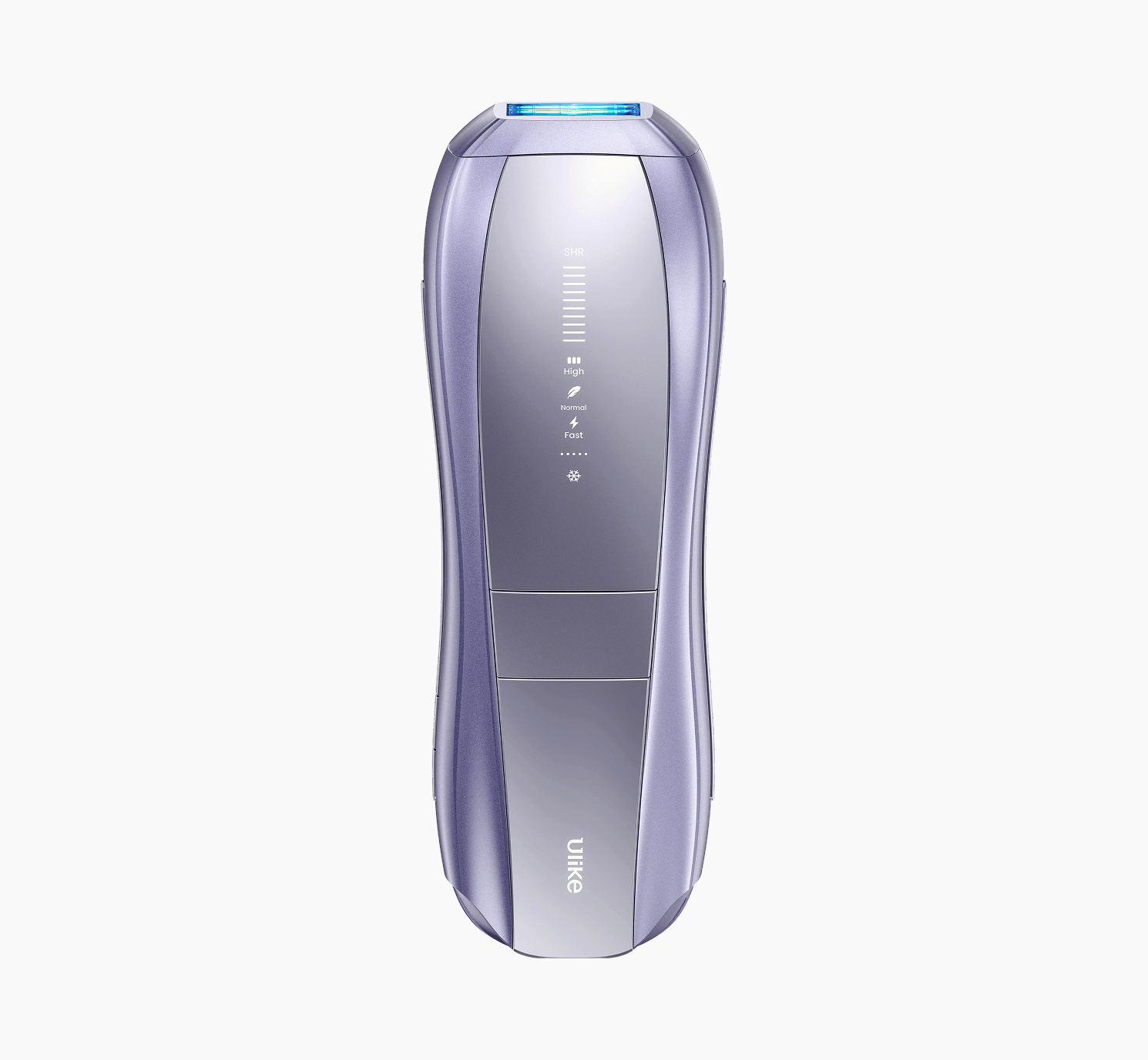
The Ulike Air 10 is designed around that kind of use. Its sapphire ice-cooling technology helps keep the skin cool as you move across the legs. The difference is subtle at first, but it becomes more noticeable as you work through a full session. For anyone who has found waxing uncomfortable, it tends to feel easier to continue without needing to pause.

The flash window is also wider than standard. In simple terms, that means you cover more skin with each pass. When you are working across both legs, that reduces the number of passes needed. It makes the process feel less repetitive over time.
There is also a skin tone sensor built in. This helps guide safe use based on your skin type. It is a small feature, but one that tends to make a difference when you are getting used to IPL at home.
These details do not change what IPL does. They change how it fits into a routine. That tends to matter more on larger areas like the legs, where comfort and consistency make the biggest difference over time.
If you are comparing options, you can look into the Air 10 in more detail.
IPL vs. Salon Laser for Legs: What’s the Practical Difference?
IPL and salon laser are often compared because they aim to do the same thing. The experience of using them can feel quite different.
Most of the difference shows up in how they fit into everyday life rather than the underlying technology.
|
At-home IPL |
Salon Laser |
|
|
Technology |
Uses a broader light range across the skin |
Uses a more focused wavelength in a clinical setting |
|
Cost |
One-time device cost |
Typically £150 to £400 per session, with multiple sessions needed |
|
Convenience |
Done at home, when it suits you |
Requires booking, travel, and fixed appointments |
|
Results over time |
Builds gradually with regular use |
Can show faster early changes for some people |
Laser can feel quicker at the beginning. That is often what draws people to it.
IPL tends to move at a steadier pace. The trade-off is that you can do it at home and keep it consistent without needing to plan around appointments.
For many women, that ends up being the deciding factor. Not just how fast it works, but how easy it is to keep going with it over time.

Is At-Home IPL Safe for Leg Hair Removal?
At-home IPL is considered safe when it is used correctly. Most people do not run into issues once they understand how to use it.
The key factor is contrast between hair colour and skin tone. Darker hair responds more easily. Very light, grey, or red hair does not. Skin tone also matters, as some devices are not designed for very dark skin.
It is worth pausing before starting if any of the following apply:
-
your skin is particularly sensitive
-
you have a skin condition
-
you are unsure whether your skin tone fits the device guidelines
Modern devices include built-in safeguards. Skin tone sensors are now standard. Energy levels can be adjusted depending on comfort. UK and EU safety standards also set limits on how these devices are designed.
In terms of sensation, most people notice a brief warmth on the skin. Sometimes a light flick. It is noticeable, but not intense.
Cooling features have improved the experience. On larger areas like the legs, that difference becomes clearer over a full session. The sapphire cooling used in the Air 10 helps keep the skin comfortable as you move across the area.
If your skin is sensitive, start slowly. That tends to be enough to avoid problems.
A Final Thought on Choosing What Works for You
If you’re thinking about moving away from regular shaving or waxing, at-home IPL is one option worth taking a closer look at before deciding.
The Ulike Air 10 is designed with larger areas like the legs in mind. Its sapphire cooling helps keep the skin comfortable during longer sessions. The wider flash window also means you can cover more ground in less time, which makes a difference when you are working across both legs.
Ulike is running a Women’s Month campaign across its IPL range, including the Air 10. If you want to explore it further, details and current offers are available at uk.ulike.com/pages/campaign.
There is no single right approach. It really comes down to what fits into your routine and what you are likely to keep up with over time
FAQ
How long does it take for IPL to work on leg hair?
Most people start to see a reduction after around 4 to 6 sessions, which usually falls within the first 6 to 8 weeks. A full course often runs closer to 8 to 12 sessions, with occasional maintenance after that.
The change is gradual. You might notice hair coming back more slowly before anything else looks different.
Leg hair tends to respond well, especially where there is a clear contrast between hair colour and skin tone.
Is IPL hair removal on legs painful?
IPL on the legs is generally not painful. Most people describe it as a brief warmth or a light flick against the skin.
The feeling is noticeable, but it is not intense. It tends to be easier to manage than waxing, especially over larger areas.
Newer devices have improved this further. The Ulike Air 10 uses sapphire cooling to keep the skin surface cool during treatment, which helps when working across both legs in one session.
How much does at-home IPL cost compared to professional laser for legs?
Professional laser for full legs in the UK usually costs between £150 and £400 per session. With multiple sessions needed, the total often goes beyond £1,000.
At-home IPL works differently. It is a one-time purchase that you can keep using over time, which is why many people see it as the more cost-effective option in the long run.
Can I use IPL on all parts of my legs?
Yes, IPL can be used across most areas of the legs, including the lower leg, knee, and upper thigh.
It is best to avoid areas where the skin is broken or very close to bone. Most devices will flag this in their guidance.
If you are unsure, check your skin tone compatibility and follow the instructions for your device. That is usually enough to use it safely.
How often do I need to maintain IPL results on my legs?
After the initial sessions, it usually becomes much less frequent. For many people, a top-up every couple of months is enough to keep things consistent.
It does not follow a strict schedule. Some notice they can leave it longer over time as regrowth slows down.
That tends to be the main shift. It stops feeling like something you have to keep up with regularly.

How to Clean an IPL Hair Removal Device Safely

Can You Use IPL on Arms? Will It Work on Your Hair?

When Does IPL Hair Start Shedding? Signs It’s Working
Explore Beauty
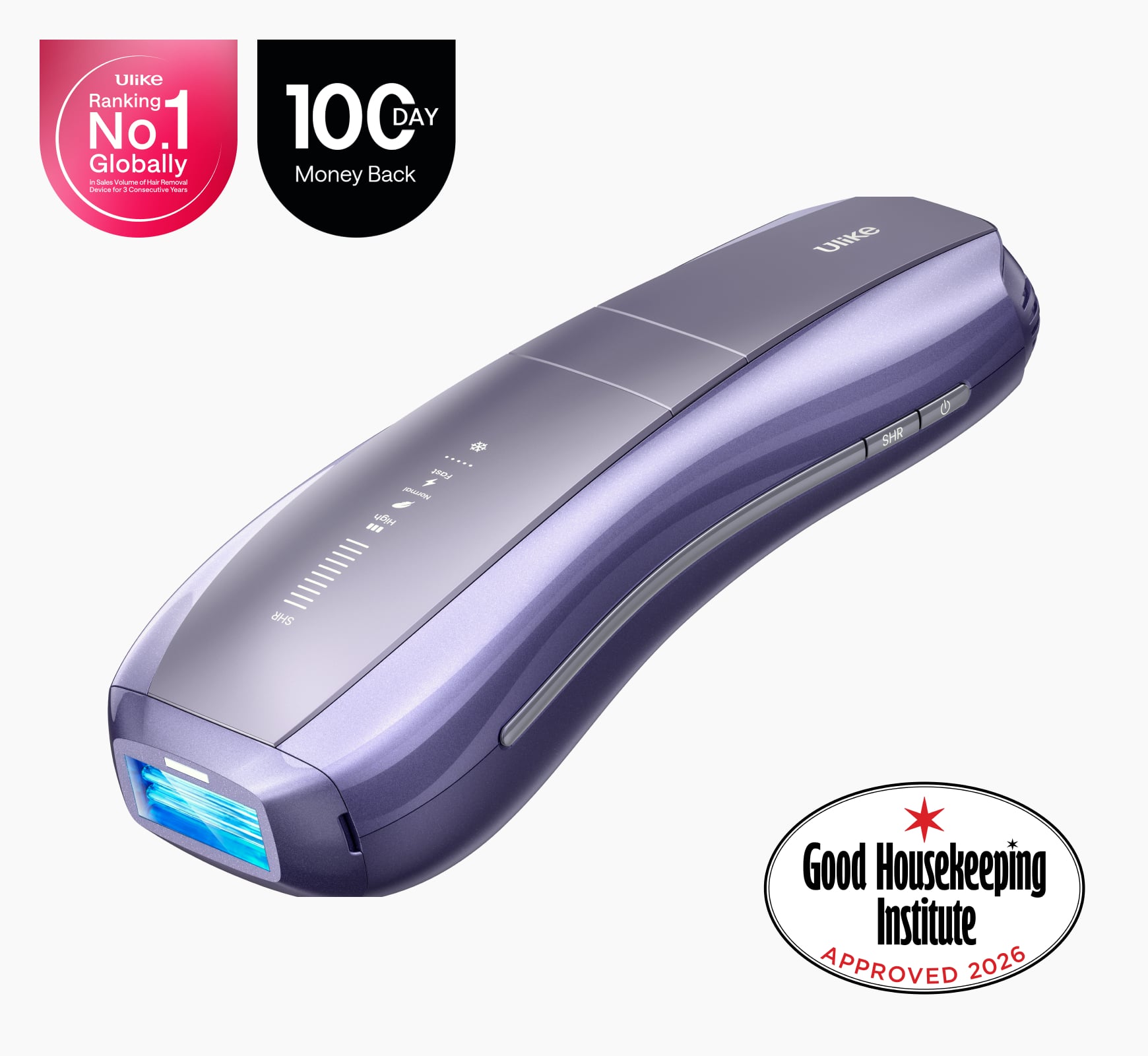
Ulike Air 10
2 weeks to silky smooth skin.
96% Hair Density Reduction in 2 Weeks
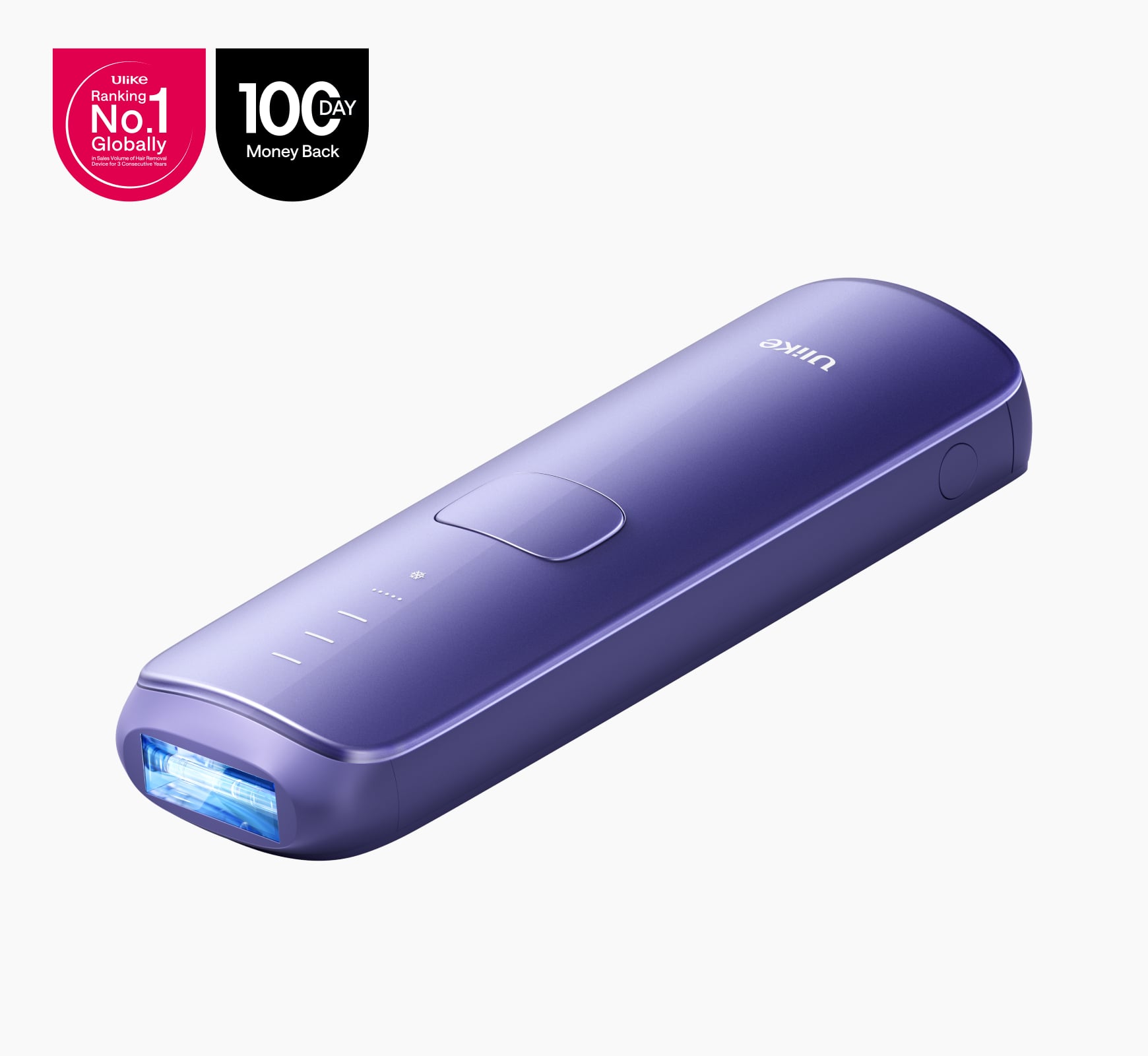
Ulike Air 3
3 weeks to silky smooth skin.
93% Hair Density Reduction in 4 Weeks
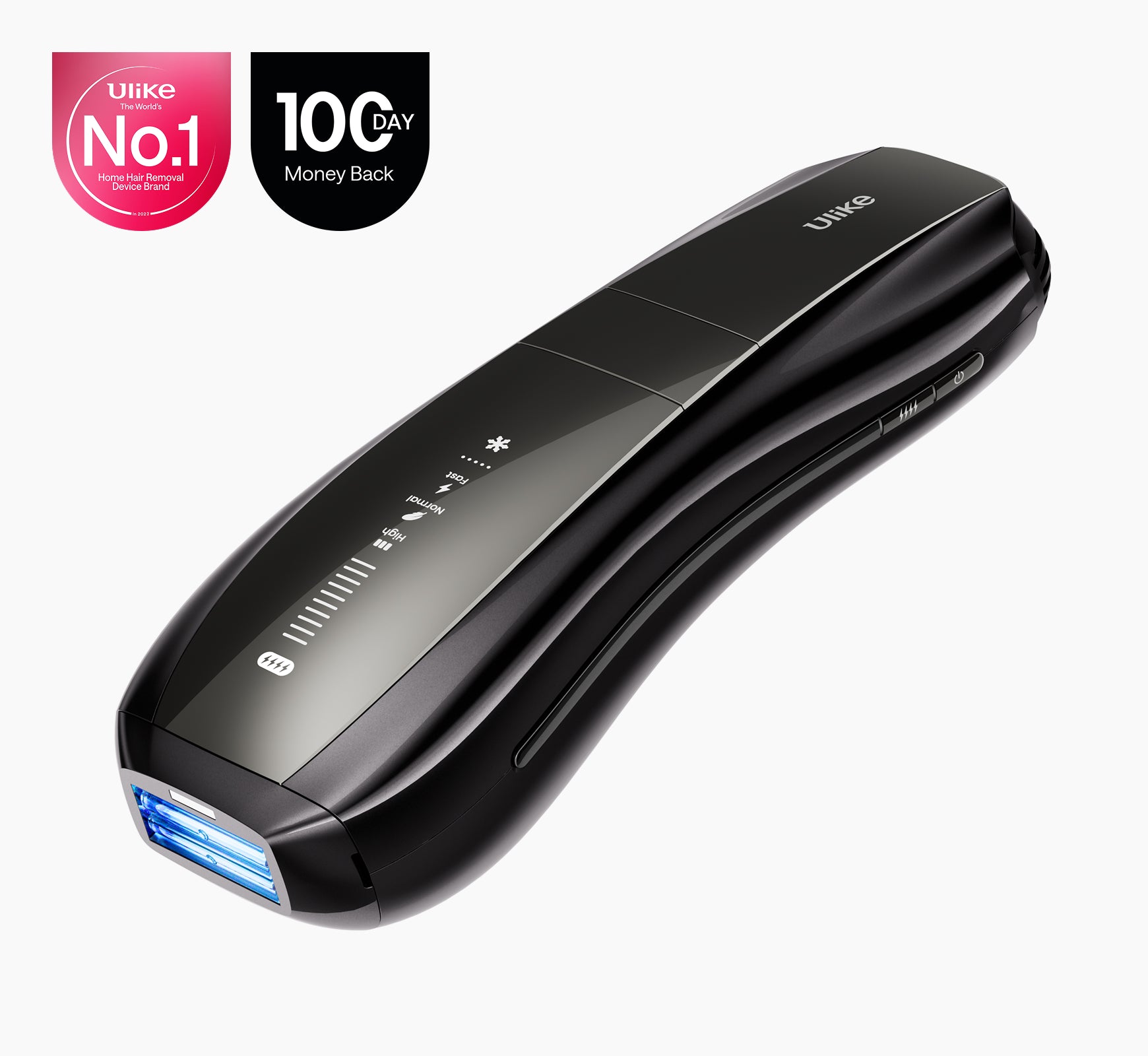
Ulike X
3 weeks to silky smooth skin.
94% hair reduction in just 2 weeks*
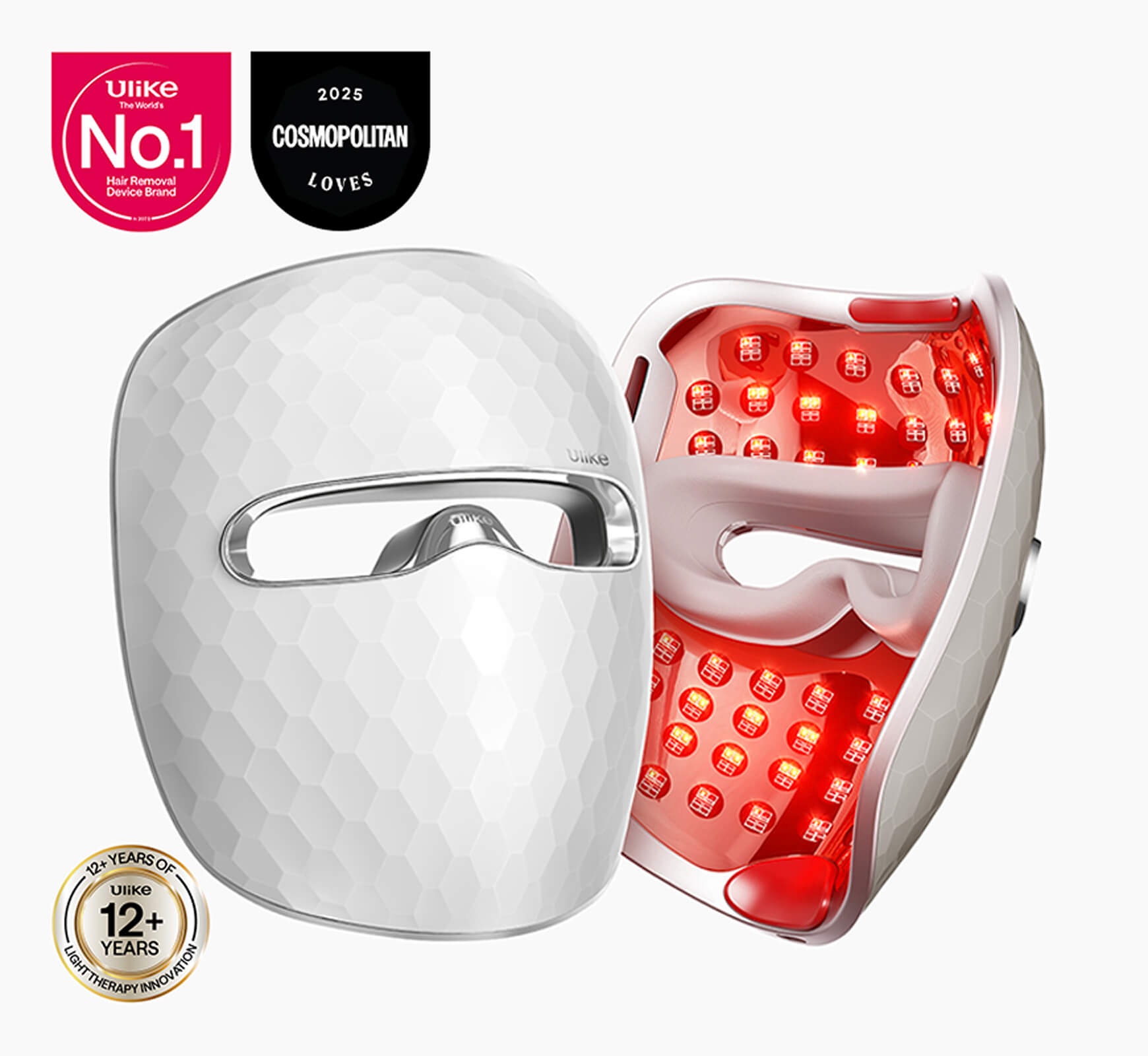
Ulike Reglow
Clearer skin in 2 weeks: Fewer breakouts
Smoother skin in 4 weeks: Fewer lines, firmer feel