




Does Waxing Cause Ingrown Hairs?

The Short Answer: Does Waxing Cause Ingrown Hairs?
Does waxing cause ingrown hairs?
Of course, this can happen. There is only one thing to note here which is making it happen less frequently than in case of shaving.
During shaving, the blade shaves off the tip of the hair, and hence the sharp tip is left above the skin. As the hair continues to grow, it becomes tangled with the sharp tip of the hair and curves inward instead of growing upwards from beneath the skin surface. During waxing, one removes the hair together with the roots. Consequently, new hair growth is thin and sharp, rather than blunt.
But waxing can also have some downsides in terms of clogged pores and improper aftercare, which causes the regrowth of the hair in the wrong direction. It thus curves inside the skin and results in ingrowns. But the correct answer here is that waxing can cause ingrown hairs, albeit far fewer than when using other hair removal techniques.
Why You Get Ingrown Hairs After Waxing
In cases where an ingrown hair develops, the hair follicle fails to penetrate the skin, leading to regrowth underneath the skin level. The bump that one sees from the skin surface is a product of inflammation from the skin's reaction to the foreign body.
Some of the main causes for the formation of ingrown hairs during waxing include:
• Dead skin cells covering the hair follicle. The process of cell turnover in your skin results in regular skin cell shedding, but sometimes a layer can form that covers the follicle and inhibits hair growth from underneath. This may be one of the most frequent reasons for recurring ingrowns even when you change to using waxing.
• Ripped hair. The hair may break before reaching the surface when the wax fails to grab onto it or if the strip is being pulled at the wrong angle. As a result, the hair that broke under the surface becomes exactly the same as cut hair. It comes back up with an end bluntly cut and poses a threat of turning into an ingrown right away.
• Thick or curly hair. Naturally curly hair has a tendency to turn back into the skin during its growth due to its shape. There is nothing anyone can do about this structurally inherent problem with their hair.
• Tight clothing after the process of waxing. Skin immediately after waxing is going to be soft skin with pores open, meaning it can become irritated easily or even build up heat. Wearing tight clothing such as leggings or undergarments will result in the hair becoming flattened.
• Dry or oily skin. Drier skin often comes with an accumulation of dry cells at the top layer of the epidermis. Oily skin will clog hair follicles with excess sebum from the opposite end. Both conditions act as hindrances to new hair growth.
What’s vital to remember here is that these factors are all controllable. They highlight issues relating to pre-waxing and post-waxing care rather than being intrinsic flaws in the process of waxing.

Waxing vs Shaving: Which One Causes More Ingrown Hairs?
This question gets asked quite often, mostly because they are both experienced, and no matter what either does, the user just cannot seem to find out which is causing the problem. To simplify it to the utmost, shaving is more likely than waxing to lead to ingrown hairs, although neither can be termed bea perfect option.
While shaving, the use of the cutting blade leads to the cutting of the hair strands at a point just above the skin surface leading to the formation of sharp ends on each hair that appear after roughly a week. This happens because hair strands are not cut at their roots, but hair strands come out more rapidly and thickly, thus increasing chances of growing curly hair. Irritations and follicle clogging happen as a result of additional layers of skin peeled during shaving.
In the shaving process, there is use of a cutting tool which is used to cut hair just above the skin level. This results in hair getting very sharp points on their tips, which will show up after a week. This is so because hair is not removed from their roots during the shaving process; however, hair grows faster and in larger quantities and hence, chances of having curls increase. Clogging of the follicles as well as skin irritations tend to become more common because there is an additional thin layer of skin that gets pulled by the tool in the process.
In contrast, waxing of the hair would mean that the hair is removed from its root and thus requires between three and four weeks before regrowth takes place. Nevertheless, hair growth will be thinner than previously. Waxing has an effect of reducing the density of hair, which leads to frequent occurrences of ingrown hair.
Consequently, it can be said that waxing may be more advantageous for coping with the issue of ingrown hair, but it cannot be regarded as a remedy since hair will continue to grow regardless of anything else.
Common Mistakes That Make Ingrown Hairs Worse After Waxing
Ingrown hairs after waxing are not always the result of unavoidable skin or hair type. A lot of the time, they come from habits that most people do not think to question. These are the ones worth addressing first:
• No exfoliation in between visits. People tend to exfoliate before waxing, but they fail to do it afterward. The problem is that there will be more and more dead skin cells accumulating in the area, and if the follicles get clogged once more, there will be hair trapped inside them. The effects of exfoliating two or three times a week after the procedure can be seen.
• Wearing tight clothing too soon. Forty-eight hours should be sufficient not to put on any type of clothing that may cause friction on waxed areas. This mostly refers to the bikini region and inner thighs, which will have the most friction with clothing due to their nature.
• Off days shaving. There is nothing worse for the effect of waxing than this practice. The first thing that can negatively affect your skin’s recovery process from waxing is the regrowth of blunt hair that breaks the regular hair cycle and resets it all. If you do not like waiting for regrowth on those off days before the next waxing session, the only thing left to do is to simply let it happen.
• Performing physical exercises right away after waxing. Regardless of how beneficial your physical exercise regime can be, sweating, warm-up, exercise, and skin rubbing will always have a negative effect on your post-waxing healing process. It is better to wait for at least two or three days.
• Forgetting about skin moisturisation outside the days of waxing sessions. Skin moisturising should be performed every day regardless of waxing.
How to Prevent Ingrown Hairs After Waxing

There is nothing in your beauty routine that needs to be dramatically changed. Just pay attention to the following advice concerning:
• To begin with, you have to exfoliate your skin 24 to 48 hours prior to waxing procedure. In this case, wax will be attached only to the hair but not to your skin; therefore, the follicles will regenerate faster.
• Right after redness from the waxing procedure subsides 48 hours later, you can start exfoliating once a week or once two weeks with the help of products having salicylic or glycolic acid in their composition. These substances will remove all the dead skin cells from your pores.
• You can never skip applying moisture on your skin on a daily basis. There is no need to spend lots of money on high-quality cosmetics as an inexpensive lotion will do. The important thing is to maintain elasticity of the skin necessary for hair growth.
• Wear loose clothing the following two days. It is strongly advised to wear cottons. This is very important for the bikini area.
• Use some kind of soothing product right after your waxing treatment. Aloe vera gel works well and is easily accessible. Any aftershave lotion that contains antibacterial or anti-inflammatory properties will serve the purpose.
• Do not touch the bumps in any way. By squeezing the ingrown hair, additional germs are transferred to the infected site, there is an increase in inflammation, and the chance of getting scars is extremely high.
It will be quite easy for you to abide by these recommendations, and the positive results will be seen quickly. Individuals who regularly exfoliate and apply moisturizers report having experienced drastic improvements within a few wax sessions.
Why Ingrown Hairs Keep Coming Back
For some people, all of the above makes a difference but ingrown hairs still return with every cycle. If that sounds familiar, the issue is probably not the aftercare routine. It is the cycle itself.
Every hair that grows out from there is going to do so using the same follicle, coming out from the same skin level, and growing out into the same kind of environment that caused the issue to start with. Those who have more thick hair, dry skin, or hair follicles that tend to become clogged up quite easily will find this rather frustrating indeed.
Imagine this analogy: proper aftercare can help control the symptoms of the current cycle. However, when it keeps repeating every four weeks for many months or even years, one will spend so much energy controlling the problem while not solving it. The skin has never gotten the chance to rest from the inflammation, follicles don't get enough time to recuperate between the sessions and the environment remains problematic with every hair growth.
This is where it is worth asking a different question. Not just 'how do I reduce ingrown hairs after waxing' but 'what would it look like if my hair grew back less often in the first place.'

Is There a Better Alternative to Waxing for Ingrown Hairs?
For some people, all of the above makes a difference but ingrown hairs still return with every cycle. If that sounds familiar, the issue is probably not the aftercare routine. It is the cycle itself.
Every hair that grows out from there is going to do so using the same follicle, coming out from the same skin level, and growing out into the same kind of environment that caused the issue to start with. Those who have more thick hair, dry skin, or hair follicles that tend to become clogged up quite easily will find this rather frustrating indeed.
Imagine this analogy: proper aftercare can help control the symptoms of the current cycle. However, when it keeps repeating every four weeks for many months or even years, one will spend so much energy controlling the problem while not solving it. The skin has never gotten the chance to rest from the inflammation, follicles don't get enough time to recuperate between the sessions and the environment remains problematic with every hair growth.
This is where it is worth asking a different question. Not just 'how do I reduce ingrown hairs after waxing' but 'what would it look like if my hair grew back less often in the first place.'
The Ulike Air 3 as a Lower-Irritation Option
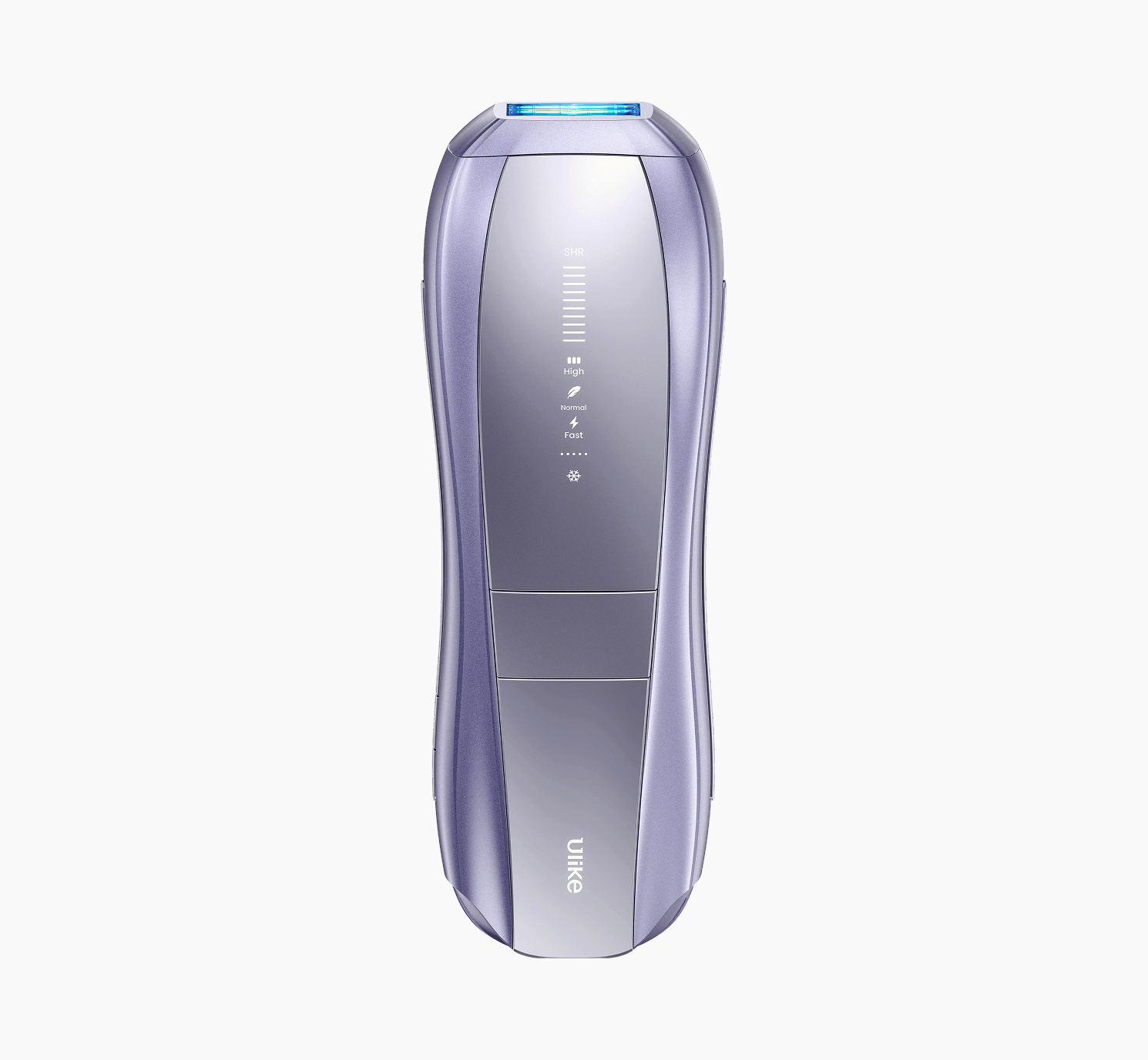
The Ulike Air 3 is a personal IPL device suitable for regular use. It is tailored towards treating areas where ingrown hair typically persists when waxed, including legs, arms, armpits, and the bikini area.
The practical benefit of using the Air 3 compared to visiting clinics regularly is the absence of any barriers regarding scheduling.
Consistency plays an essential role in the effectiveness of IPL therapy since every session addresses hair follicles at different stages of their growth cycles. Intermittence between sessions will weaken the overall efficiency of the treatment. Therefore, having access to the device enables users to follow through with their IPL routine without additional obstacles.

In contrast to other personal IPL devices, the Air 3 has a lower power output. This feature allows individuals with sensitive and reactive skin to undergo IPL sessions. It is not one of the most powerful IPL devices, yet it aims to ensure effective therapy through continuous use.
As a person who has been using a waxing regimen for many years, the best way to reduce dependency on this technique is by utilising the Ulike Air 3. Users can continue to wax without discontinuing the practice until they gradually eliminate their reliance on it.
A Simpler Routine That Actually Reduces Ingrown Hairs
It seems that the effort involved in managing the skin while undergoing the cycle of hair removal can be easily neglected while considering ingrown hairs. Monthly waxing would require you to take care of your skin for one whole month after that, to exfoliate, look out for bumps, treat any ingrown hair, and start the entire cycle all over again.
IPL does not require such frequent visits as the pace of growth slows, and hence, there are fewer visits necessary. This way, it helps prevent any irritation due to hair removal processes. It is once again the same two key factors of exfoliation and moisturization that will influence your skin differently this time as irritation has decreased.
Spring is an excellent period when one can sit back, think about all that has occurred, and determine which areas need improvement. When everything is working out well and the issue of ingrown hairs is sorted, one should carry on as normal. However, when no improvements have been made, and such occurrences continue to happen, one will have to seek other alternatives.
Thinking About Making a Change?
If you have been practising waxing regularly, but still continue to suffer from ingrown hair, then what you should do is follow the general trend rather than pay too much attention to individual cases. As hair growth becomes less common, the causes for ingrown hair problems will take care of themselves.
The Ulike Air 3 is an excellent solution for initiating the process in a convenient, home environment. The continuous use of this tool will eventually minimise hair regeneration frequency and hence minimise the recurrence of ingrown hairs caused by removal.
If a more maintenance-friendly regimen is what you plan to implement as part of your spring reset, then consider Air 3.
Frequently Asked Questions
Does waxing cause ingrown hairs?
Yes, since the main reason behind an ingrown hair is that dead skin may plug up the hair follicle, or the hair itself may grow inward. In any case, waxing is less likely to produce ingrown hairs as compared to shaving because it takes the hair out completely, leaving finer hair behind.
Why do I keep getting ingrown hairs after waxing?
The most common reasons are dead skin buildup over the follicle, coarse or curly hair that naturally curves back toward the skin, and skipping exfoliation between sessions. In some cases the problem comes down to hair type and skin type rather than technique, and those factors are harder to control with aftercare alone.
Is waxing better than shaving for ingrown hairs?
For most individuals, this is correct. When waxing, one pulls out hair from the root; therefore, there will be slow growth, which may not be as coarse or grow inwardly. On the other hand, shaving results in the hair growing back faster and sharper because the tip is left behind when shaving.
How can I prevent ingrown hairs after waxing?
Exfoliate 24 to 48 hours prior to the waxing session and then gently exfoliate two to three times a week when all signs of redness are gone. Also, moisturize every day, wear comfortable clothes for 48 hours after waxing, and do not engage in any physical activity or heat exposure in those 48 hours.
Is there a better alternative to waxing if I keep getting ingrown hairs?
For persistent ingrown hairs, particularly in people with coarser or curlier hair, reducing the frequency of regrowth can help more than managing each cycle. IPL targets the hair follicle over multiple sessions to slow and reduce regrowth. Less frequent hair growing back means fewer chances for ingrown hairs to form. The Ulike Air 3 is one at-home option for people looking to reduce their hair removal cycle over time.
Related Readings


How to Clean an IPL Hair Removal Device Safely

Can You Use IPL on Arms? Will It Work on Your Hair?

When Does IPL Hair Start Shedding? Signs It’s Working
Explore Beauty
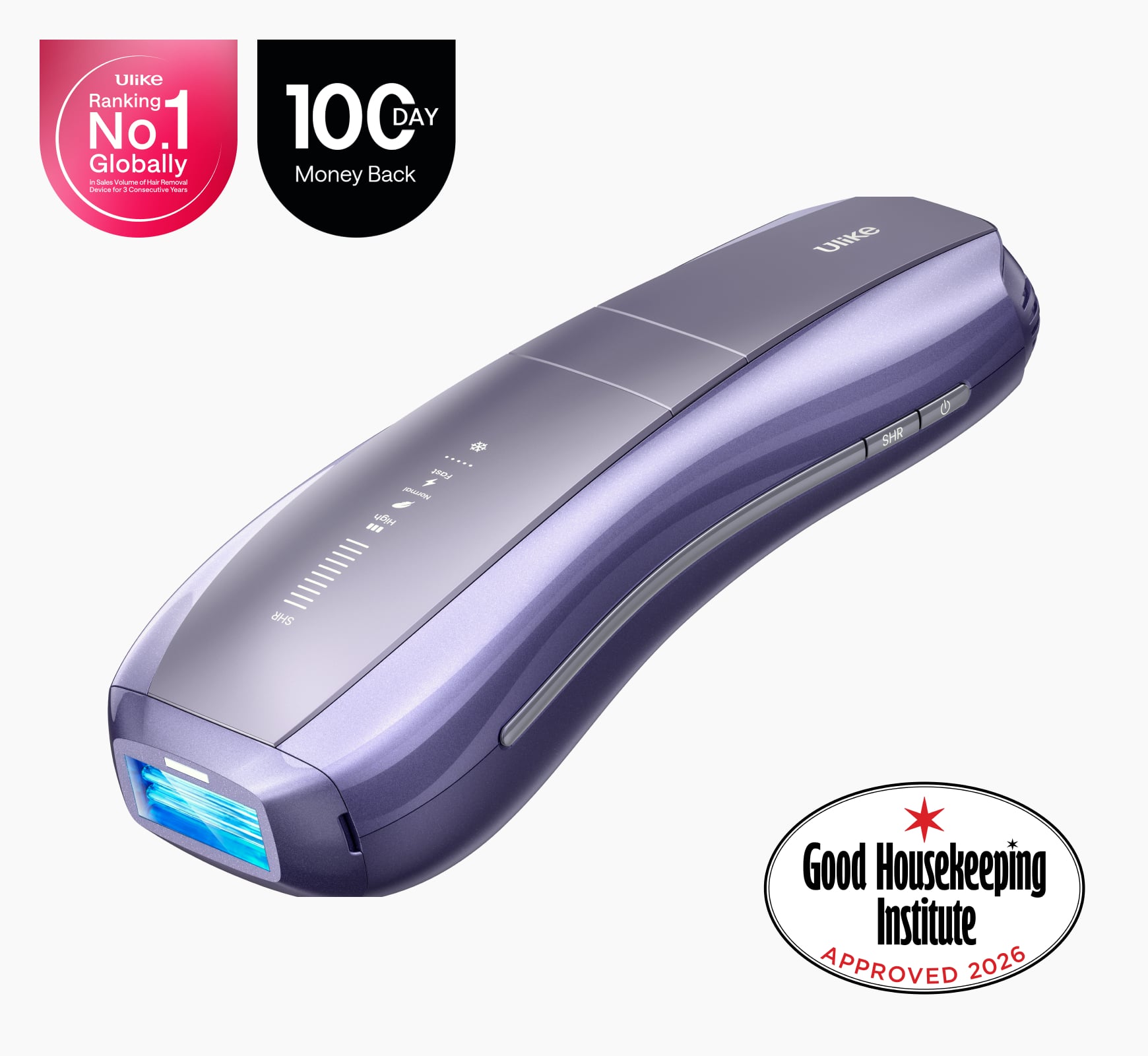
Ulike Air 10
2 weeks to silky smooth skin.
96% Hair Density Reduction in 2 Weeks
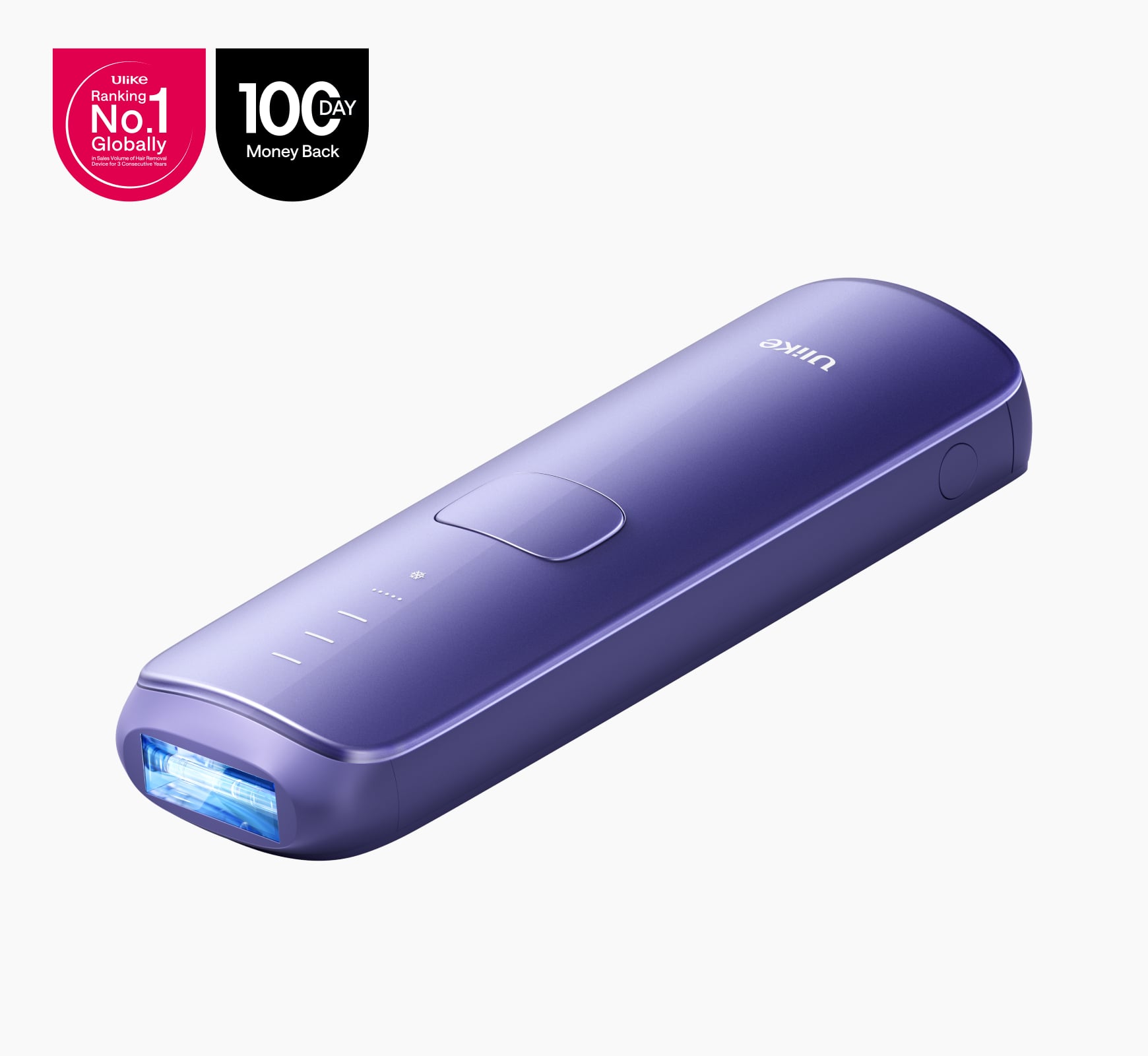
Ulike Air 3
3 weeks to silky smooth skin.
93% Hair Density Reduction in 4 Weeks
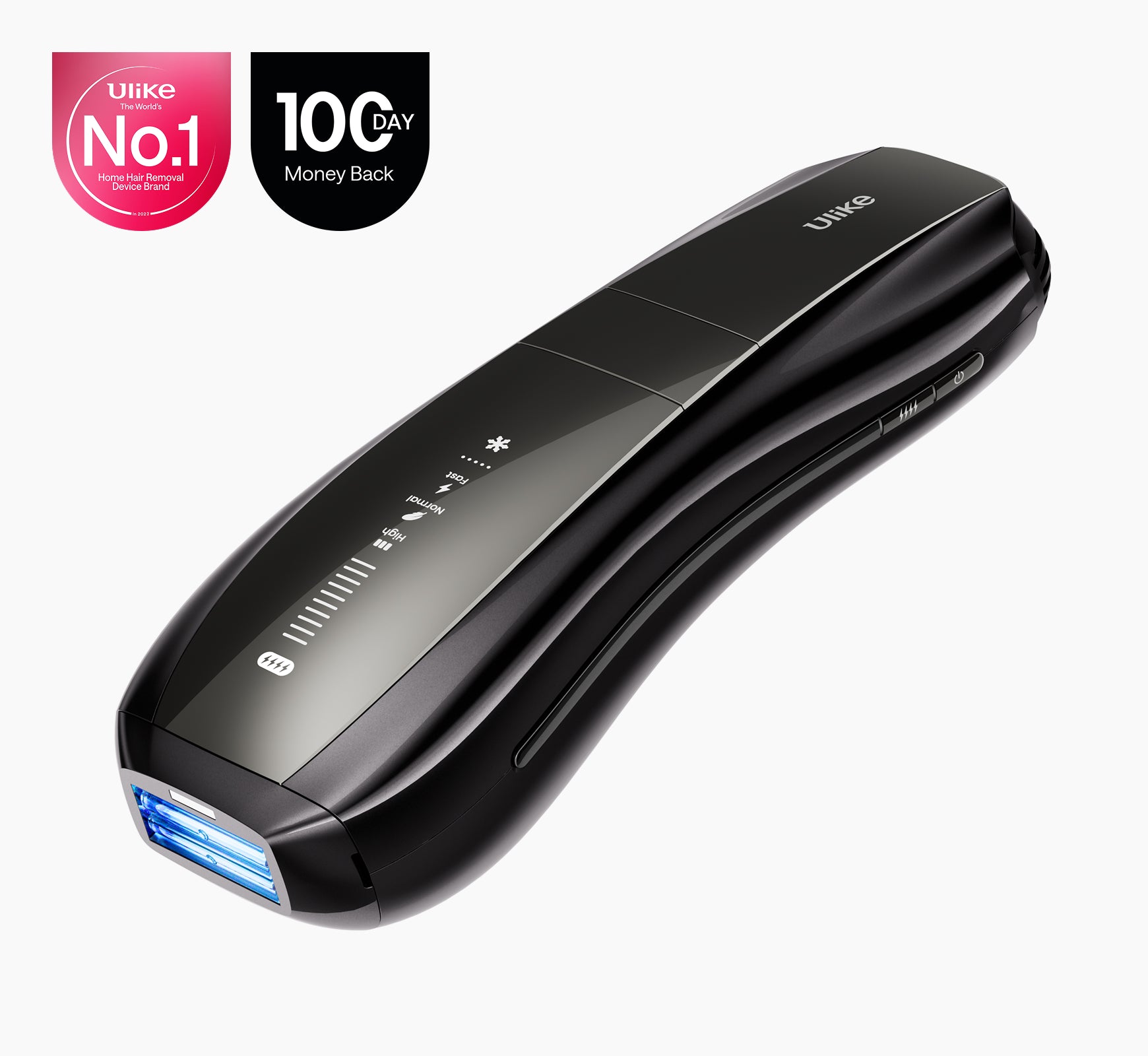
Ulike X
3 weeks to silky smooth skin.
94% hair reduction in just 2 weeks*
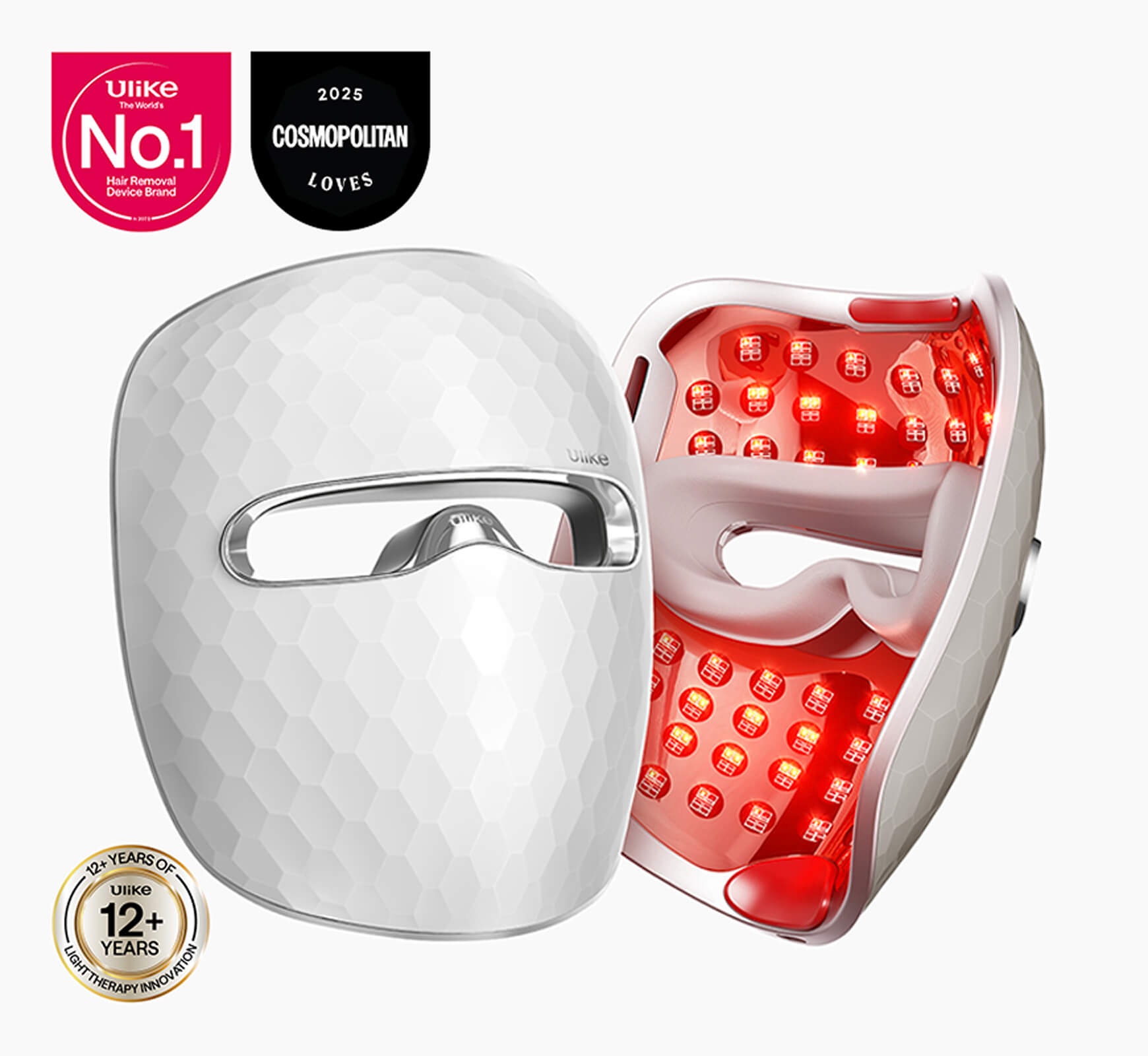
Ulike Reglow
Clearer skin in 2 weeks: Fewer breakouts
Smoother skin in 4 weeks: Fewer lines, firmer feel