



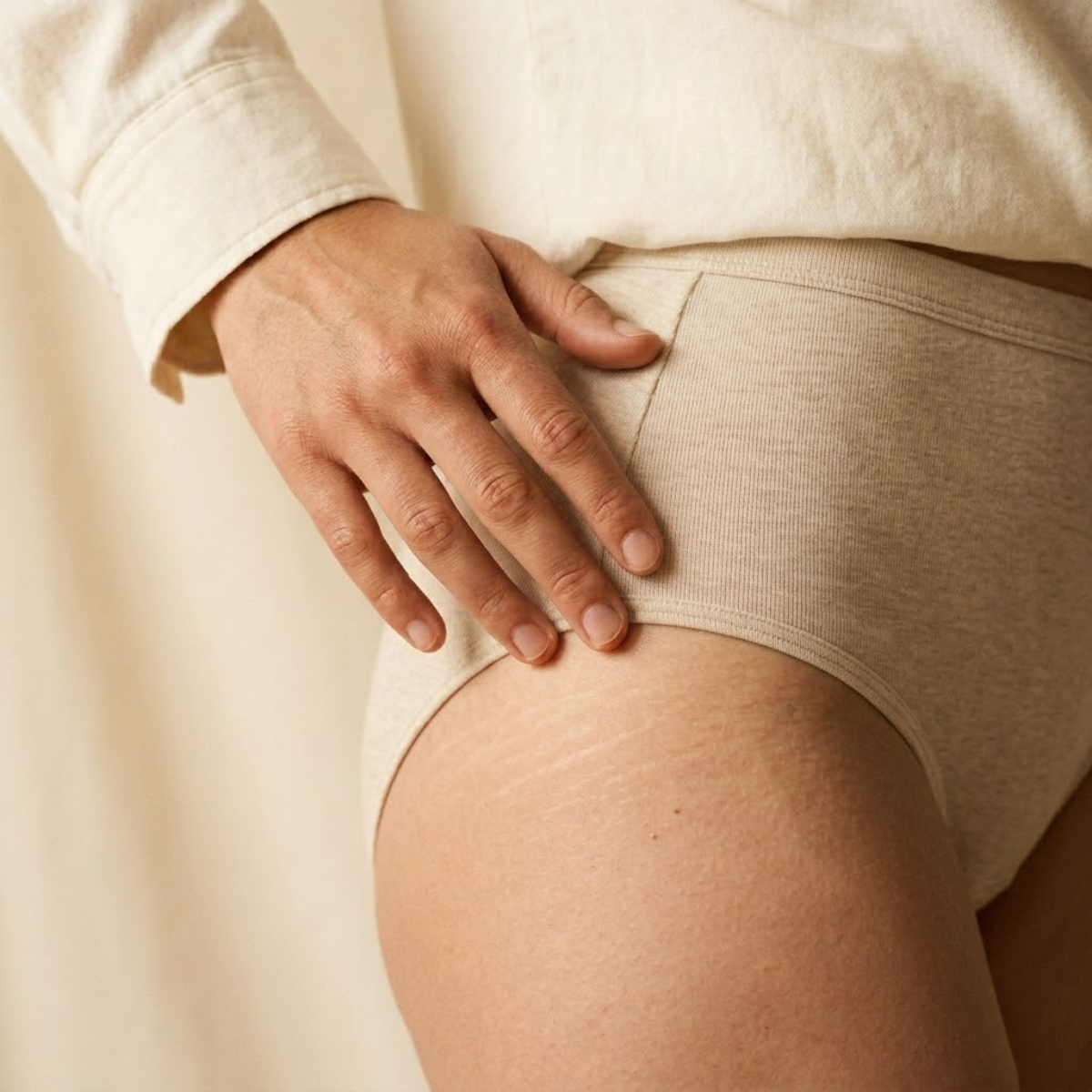
Ingrown Hairs in Pubes: Why They Keep Coming Back

Ingrown hairs in pubes can truly be considered one of the more prevalent grooming concerns in existence; however, most individuals find it difficult to research them due to their embarrassment. As a result, they simply allow them to stay there, make matters worse, or deal with the irritation.
None of that is necessary. Ingrown pubic hairs are manageable, and once you understand what is causing them, prevention gets a lot more straightforward.
Why Ingrown Hairs in the Pubic Area Are So Common
The pubic area is set up for ingrown hairs in a way that most other parts of the body simply are not.
The hair itself is thicker and curlier. The skin is thinner and more reactive. There is warmth, friction from clothing, and most people are removing hair there regularly, which means the follicles are constantly dealing with some kind of stress. Put it all together and you have a pretty reliable recipe for hairs that cannot find their way back out.
It does not mean you are grooming wrong. It is mostly just biology, and it affects a huge number of people who shave or wax this area.
If spring has you looking at your routine and wondering whether there is a better way to handle it, that is probably a useful instinct.
What Causes Ingrown Hairs in Pubes?
Ingrown hairs in pubes happen when hair curls up and grows back into the skin instead of outwards from it.
Ingrowns can be caused by such factors as shaving, waxing, or tight clothes and are especially likely to develop where there is coarse or curly hair. They typically produce a pimple that may feel sore, appear red, or even cause pain, but ingrowns normally heal without treatment.

A few things tend to make this more likely:
Curved hair. Pubic hair does not grow straight, and when you cut or remove it, the regrowth tip is already inclined to curl back toward the skin. In people with tighter curl patterns, this happens more often and more acutely.
Close shaving. With the razor being nearer to the skin surface, it will leave the tip of the hair sharper. With the regrowth process, the hair tip can grow sideways rather than upwards.
Waxing. Hair removal from its base may cause an alteration in the angle of the hair follicle. Consequently, the new hair may grow at an angle that does not match the skin's opening anymore and thus becomes trapped.
Blocked follicles. Build-up of dead cells and oils on top of the hair follicle can cause the hair to become trapped within the skin, despite the fact that the hair is growing correctly. This condition tends to develop in places where the skin stays moist and warm.
What you wear. Waist bands that are too tight, athletic gear, and synthetic undergarments push hairs against the skin and literally force the growth back through the hair follicles. Small point but an important one.
How to Treat Ingrown Pubic Hairs Safely
The most important aspect to consider: never poke or scratch at the hair.
By squeezing or digging around an ingrown hair, you allow bacteria to enter a sensitive follicle, which could result in an infection that would actually hurt and one that takes a long while to clear up. Even though you will be able to see the hair underneath your skin, resist the urge.
What actually helps is far less dramatic than most people expect.
A flannel cloth heated and then applied to the region a few times a day can make the skin soft enough for the hair to rise on its own. Apart from that, just cleaning the region and leaving it alone might do the trick. The majority of ingrown hairs sort themselves out within one or two weeks.

Once any active soreness has gone, light exfoliation can help prevent the skin from sealing over the follicle again. But do not exfoliate while the area is inflamed. It will just cause more irritation.
Loose, breathable clothing helps during this period, too. Anything that reduces friction gives the skin a chance to recover without being constantly aggravated.
If you experience swelling and heat or if your hair forms a yellow or green centre, that means there is an infection. This needs professional help from a pharmacist, and, if no improvement is seen, consultation with your doctor would be ideal. Don’t sit on it.
Why the Pubic Area Is More Prone to Ingrown Hairs
It comes back to hair structure, mostly.
Pubic hairs tend to sprout out in curled shapes. Before any trimming is done, this curvature ensures that when the hair re-grows, it curls back to its point of origin due to its natural predisposition. Trimming or waxing just makes it more pronounced.
The skin in this region is also noticeably more sensitive than, say, the skin on your legs. It reacts more strongly to friction, heat, and repeated trauma from hair removal. For people with darker or coarser hair, the angle of regrowth is generally more pronounced, which is why ingrown hairs tend to be a more persistent issue for some people than others.
If you add the warmth and constant covering of the area, which allows dead skin cells and oils to accumulate on the follicles, then you will have all the elements necessary to cause ingrown hairs.
Dealing with ingrown hairs is not just about addressing the issue but also being familiar with the situation in the area.
Why Shaving and Waxing Can Make It Worse
Both methods work. Neither is particularly gentle on the follicle.
The shaving process involves cutting the hair on an angle, and this leaves a sharp tip that can penetrate into the surrounding tissues while going upwards. The closer you get to your skin while shaving, the deeper the cut is made beneath the skin, and this creates an increasingly noticeable issue. Shaving the same spot repeatedly during a single shave session worsens the problem.
Even though waxing seems like a more natural way to remove unwanted hair since it comes out from the root, the process of continually stripping the hair through its life cycle makes it impossible to predict the direction in which it will grow back. Sometimes, when people wax consistently over long periods of time, the ingrown hair situation worsens rather than improves.
Neither method gives the skin much recovery time either, since both require fairly regular repetition to maintain results. For people who find themselves dealing with ingrown hairs after almost every session, the issue is not always technique.
Sometimes the method itself is the problem, and reducing how frequently the skin has to go through that cycle makes more difference than refining the process.
That is where longer-term hair removal options like IPL tend to come in.

How to Prevent Ingrown Hairs in the Pubic Area
Prevention is quieter work than treatment, but it pays off quickly once you are consistent.
Exfoliating two or three times a week removes the dead skin that can block follicles and trap regrowth. In this area, gentle really does mean gentle. A soft cloth or a mild chemical exfoliant designed for sensitive skin is enough. Coarse scrubs are likely to create more irritation than they solve.
Moisturising after bathing keeps the skin supple enough for hair to break through cleanly. Unscented formulas are better here. Fragrance is a common irritant, especially on already-sensitive skin.
If you shave, a few small adjustments make a meaningful difference: always use a fresh blade, use a proper shaving gel rather than soap, shave in the direction the hair grows rather than against it, and do not stretch the skin tightly while you shave. Wet the area thoroughly first. Shaving dry skin in the pubic area almost always causes problems.
Cotton underwear and avoiding tight waistbands in the days after hair removal reduces the friction that pushes regrowth flat against the skin.
And if you find yourself doing all of this and still dealing with ingrown hairs repeatedly, it may be worth thinking about reducing how often regrowth happens in the first place. Less frequent regrowth means fewer chances for hair to get trapped.
IPL hair removal works on this basis, and for people in a persistent ingrown hair cycle, it often addresses the problem at a level that technique changes alone cannot.
Can IPL Help Prevent Ingrown Pubic Hairs?
IPL will not clear an existing ingrown hair, but it can meaningfully reduce how often new ones form.
What IPL does is target the pigment in the hair follicle with concentrated pulses of light. Over a course of sessions, this gradually weakens the follicle's ability to produce hair. Regrowth becomes finer, slower, and less dense. With less hair growing back as frequently, there are simply fewer hairs that can become ingrown.
For people who get ingrown hairs almost every time they shave or wax, this change in regrowth pattern tends to make a noticeable difference within a few months of regular IPL treatment. The ingrown hairs do not disappear immediately, but the cycle becomes less reliable as the hair density decreases.
It is worth being clear about where IPL can be safely used in this area. The bikini line and external pubic mound are fine for IPL treatment. Internal or mucosal areas are not. Always check the device guidelines before you begin, and do a patch test on a small section of skin before treating the full area.
If you have questions about whether IPL suits your skin tone or is appropriate for sensitive skin, a built-in skin tone sensor can take a lot of the guesswork out of it. You can also find more detail in an IPL skin tone compatibility guide before you commit to a device.
The Ulike Air 10 for Sensitive Areas
The bikini line and pubic area require a device that can handle sensitive skin without causing more irritation than it resolves. Not all IPL devices manage this equally well.
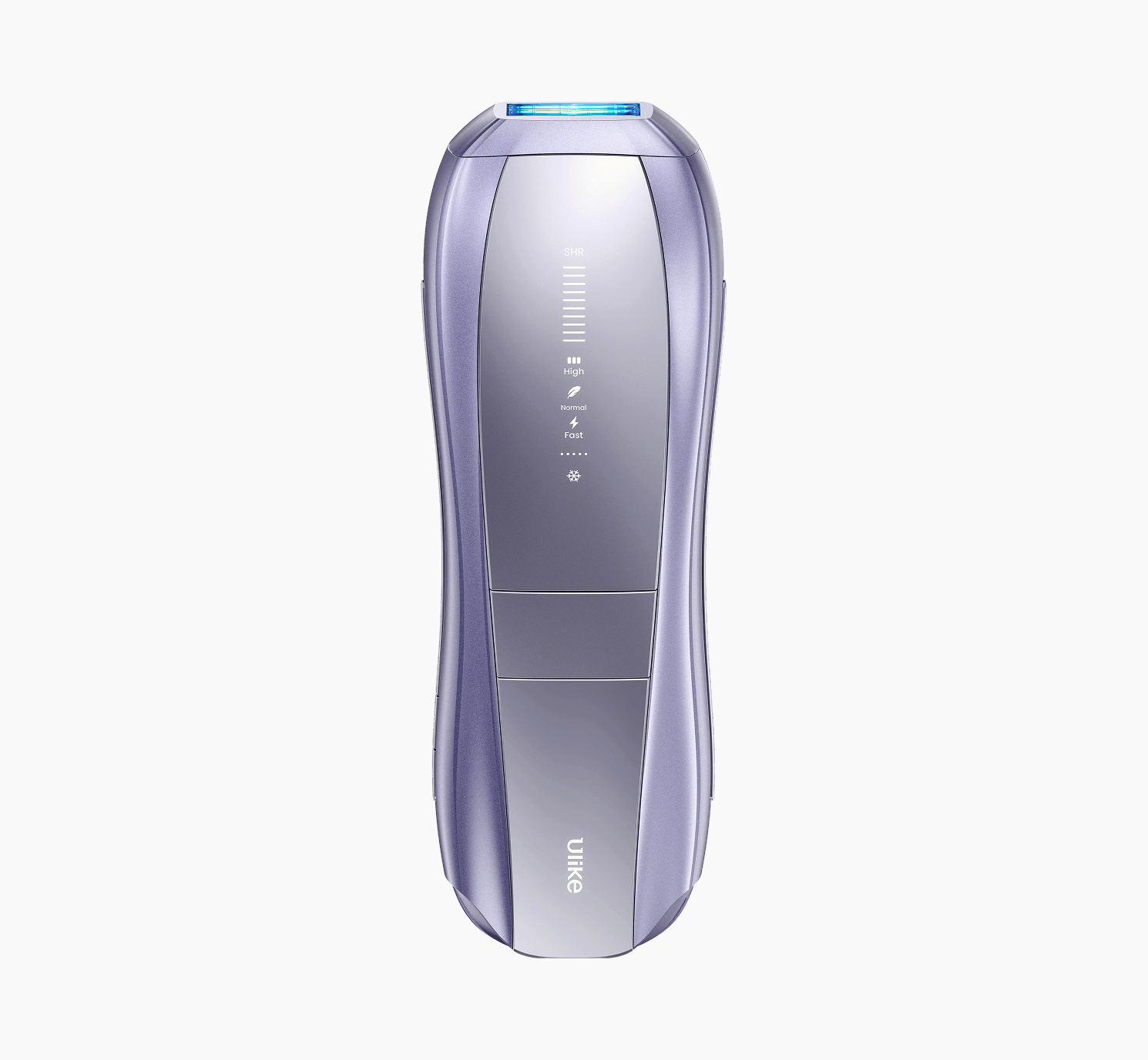
The Ulike Air 10 is built around a sapphire ice-cooling system that keeps the skin cool throughout each treatment. In practice this means the heat sensation that makes IPL uncomfortable in delicate areas is much reduced. People who have found other devices too intense in the bikini area tend to find this one considerably more manageable.

The skin tone sensor measures your skin every session, and adjusts the amount of light output depending on that, and that is crucial for both safety and precision. It ensures that there is no need for you to measure the intensity yourself, and adds a degree of comfort when dealing with such a sensitive area for the first time.
Results begin to accumulate through six to twelve weeks of continuous application, with the majority of people beginning to see their hair become thinner and grow back more slowly after only a few uses. It requires time and persistence, but then again, this treatment isn’t instantaneous and takes some dedication to produce results. But for those who have been plagued by ingrown hairs for months on end, that sort of shift is well worth the wait.
Building a Simple, Comfortable Routine
The goal is not to add a complicated set of steps. It is to change the conditions that keep creating the same problem.
For most people that means some combination of: regular gentle exfoliation, keeping the skin moisturised, adjusting their shaving technique, and either giving the skin longer to recover between removal sessions or reducing regrowth frequency with IPL over time. None of these individually is transformative. Together and consistently, they tend to break the cycle.
Less reactive skin, fewer ingrown hairs. That is really the whole thing.
If IPL fits into that plan, the Ulike Air 10 is worth a proper look, particularly if sensitivity has put you off other devices before. Its cooling design makes it a more realistic option for consistent use in this area than many alternatives.
Frequently Asked Questions
Why do I keep getting ingrown hairs in my pubic area?
The reasons include shaving, waxing, and rubbing against clothing. The pubic hairs tend to be thicker and curl inwards, thus making it possible for the growing hair to pierce the skin again instead of breaking out. Blockage of hair follicles due to the accumulation of dead skin is another reason.
How do you treat an ingrown pubic hair safely?
Just leave it be as much as you can. Putting a warm compress on it will help bring the hair out naturally. Ingrown hair usually sorts itself out in one or two weeks. Don’t pick or squeeze. If you have any infection, swelling, or your skin feels hot in the affected area, talk to a pharmacist or doctor.
Are ingrown pubic hairs something to worry about?
No, not usually. They happen a lot and aren't harmful. However, if an ingrown hair gets infected, then it should be examined; but for the everyday ingrown hairs, these are to be expected and can be handled.
Can IPL actually help with ingrown pubic hairs?
Over time, yes. IPL reduces how frequently and thickly hair regrows, which means fewer hairs are available to become trapped beneath the skin. It does not treat existing ingrown hairs but can significantly reduce how often new ones form.
Where on the pubic area can IPL be used?
IPL is appropriate for the bikini line and external pubic mound. It should not be used on internal or mucosal areas. Always follow the instructions for your device and carry out a patch test before treating the full area.
Does shaving cause ingrown hairs?
It is one of the most common causes, yes. The sharp edge left by a razor can pierce the skin on regrowth rather than breaking through the surface cleanly. Shaving with a fresh blade, in the direction of growth, on properly wet skin reduces the risk considerably, though it does not eliminate it entirely.
Related Readings: Ingrown Hairs


Can You Use IPL on Moles and Birthmarks?
Can You Use IPL on Tattoos? What Happens If IPL Hits One?
Can You Use IPL on Wet or Damp Skin?
Explore Beauty
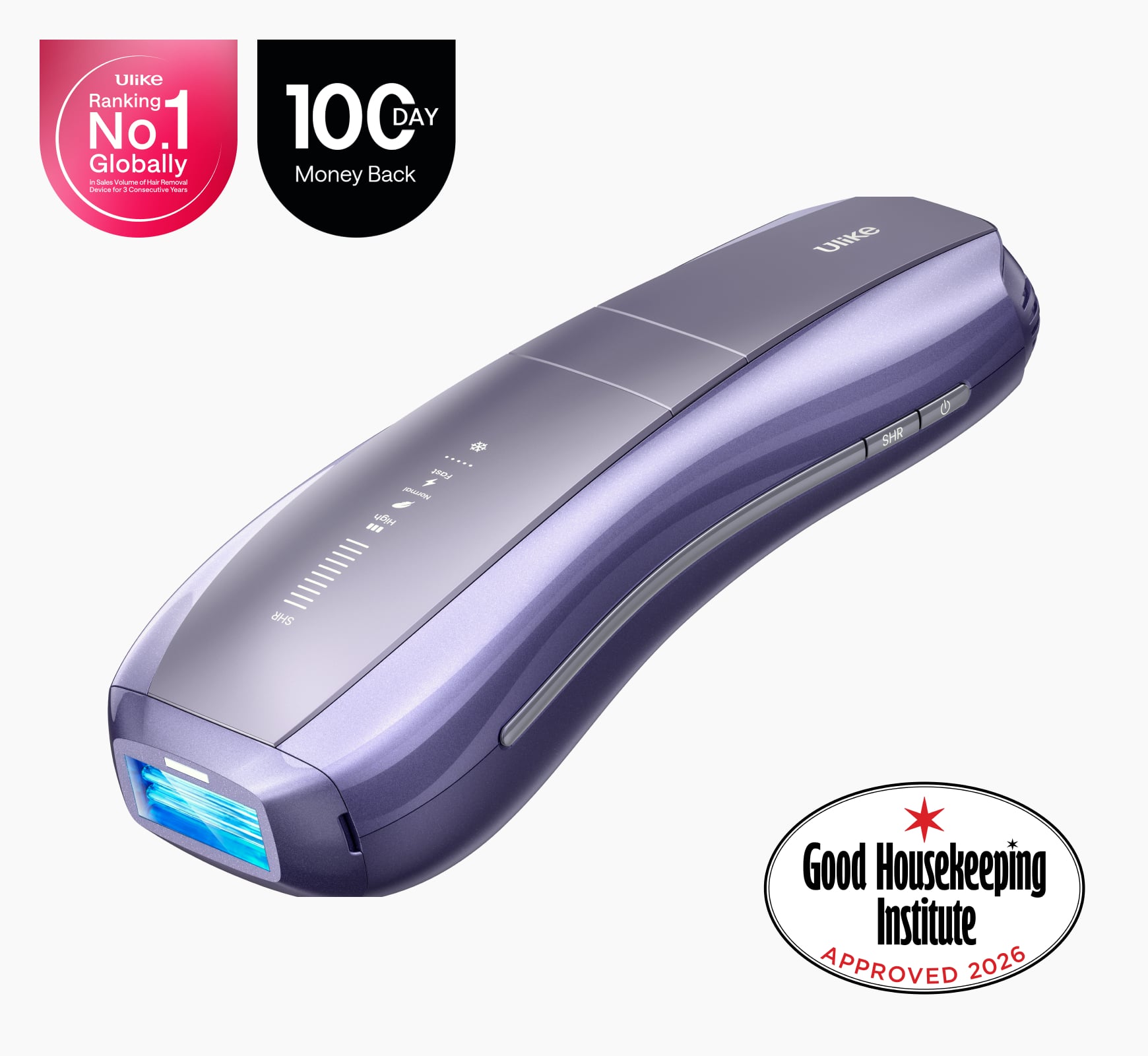
Ulike Air 10
2 weeks to silky smooth skin.
96% Hair Density Reduction in 2 Weeks
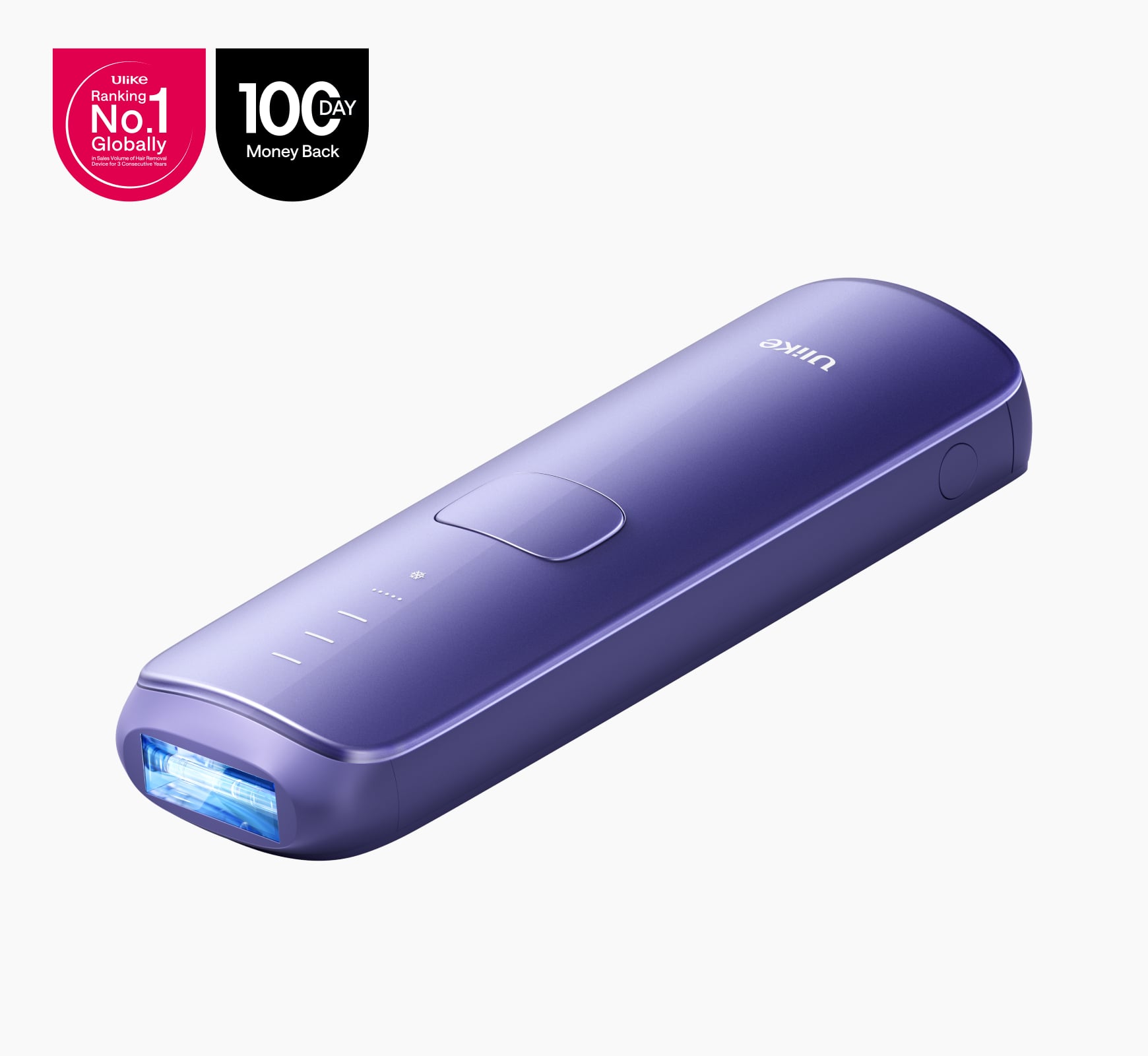
Ulike Air 3
3 weeks to silky smooth skin.
93% Hair Density Reduction in 4 Weeks
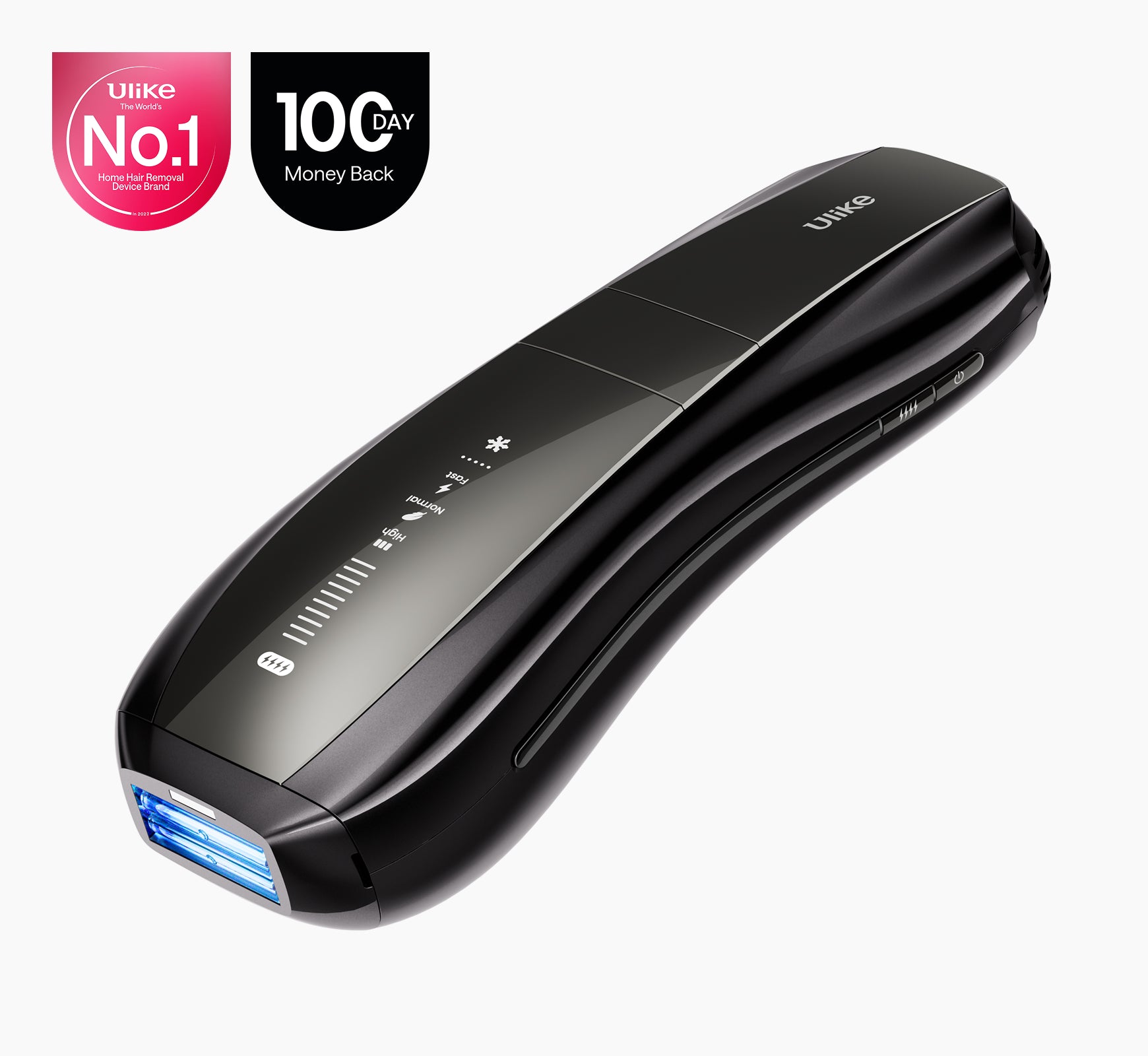
Ulike X
3 weeks to silky smooth skin.
94% hair reduction in just 2 weeks*
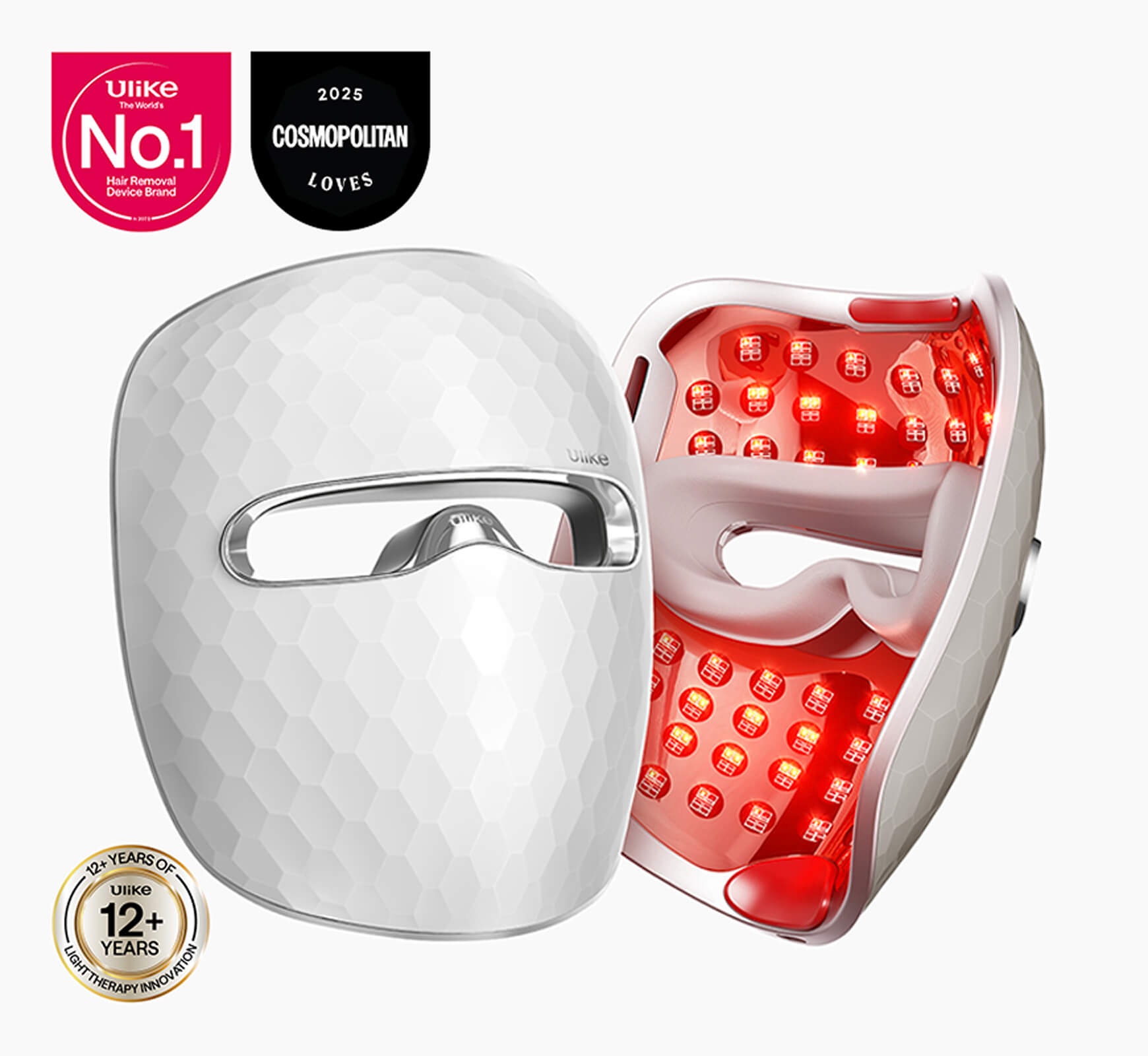
Ulike Reglow
Clearer skin in 2 weeks: Fewer breakouts
Smoother skin in 4 weeks: Fewer lines, firmer feel