



LED Face Mask UK: How They Work, Safety & How to Choose
An LED face mask in the UK was once something you would expect to see only in science fiction films or specialist skin clinics. Today, light-up masks are becoming more common in British bathrooms. Companies sell them as an easy way to smooth skin, reduce breakouts, soften fine lines, and improve skin appearance.
All from wearing a device on your face for just a few minutes a week. As LED face masks have become more popular, users are asking if they work and if they are worth the money.
LED face masks sit somewhere between skincare and beauty technology. They are not creams or serums, but they are also not medical devices in the traditional sense. That makes them appealing, but also confusing.

Many people want to understand how the technology works. They also want to know if it is safe to use at home. Finally, they want to know what results they can realistically expect.
Some users are also weighing up whether an at-home LED face mask offers better value than salon treatments. They wonder if it is just another trend that will disappear.
This article takes a calm, evidence-led look at LED face masks. It looks at how LED face masks work and what they can and cannot do. It also discusses their safety for different skin types and tones.
Finally, it explains what to consider when choosing an LED face mask in the UK. The goal is not to sell miracles. Instead, we want to help you decide if LED light therapy is right for your skincare routine.
What Is an LED Face Mask?
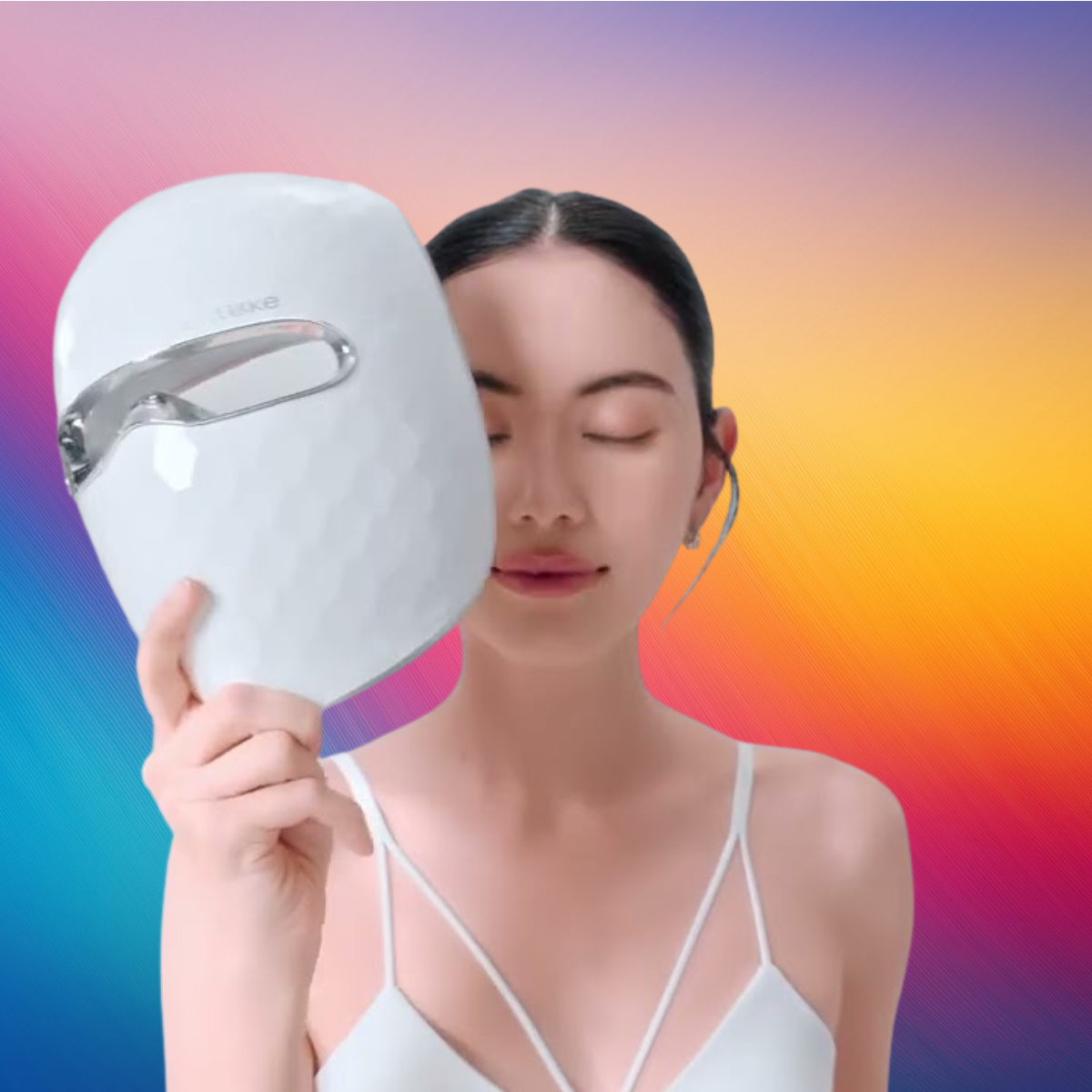
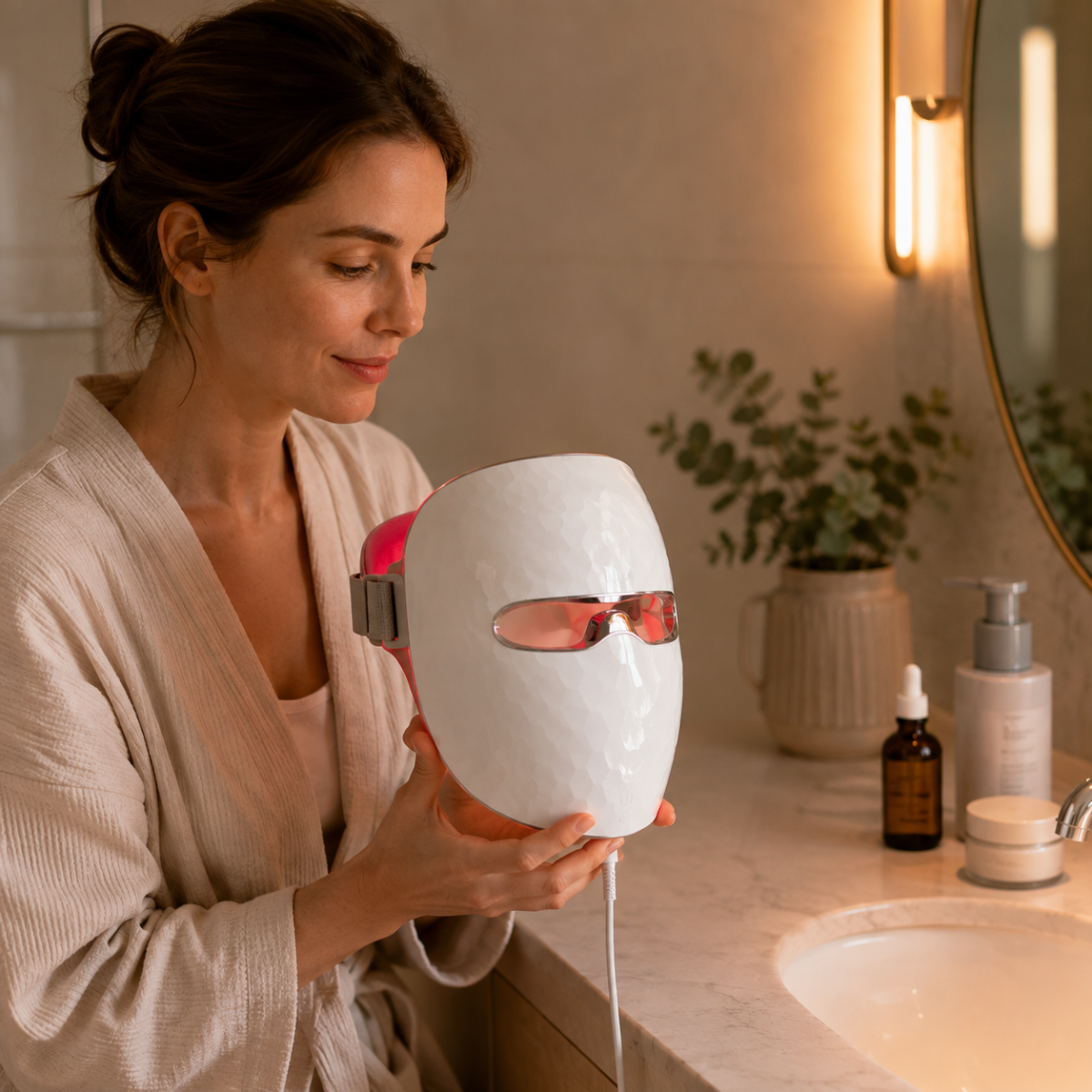
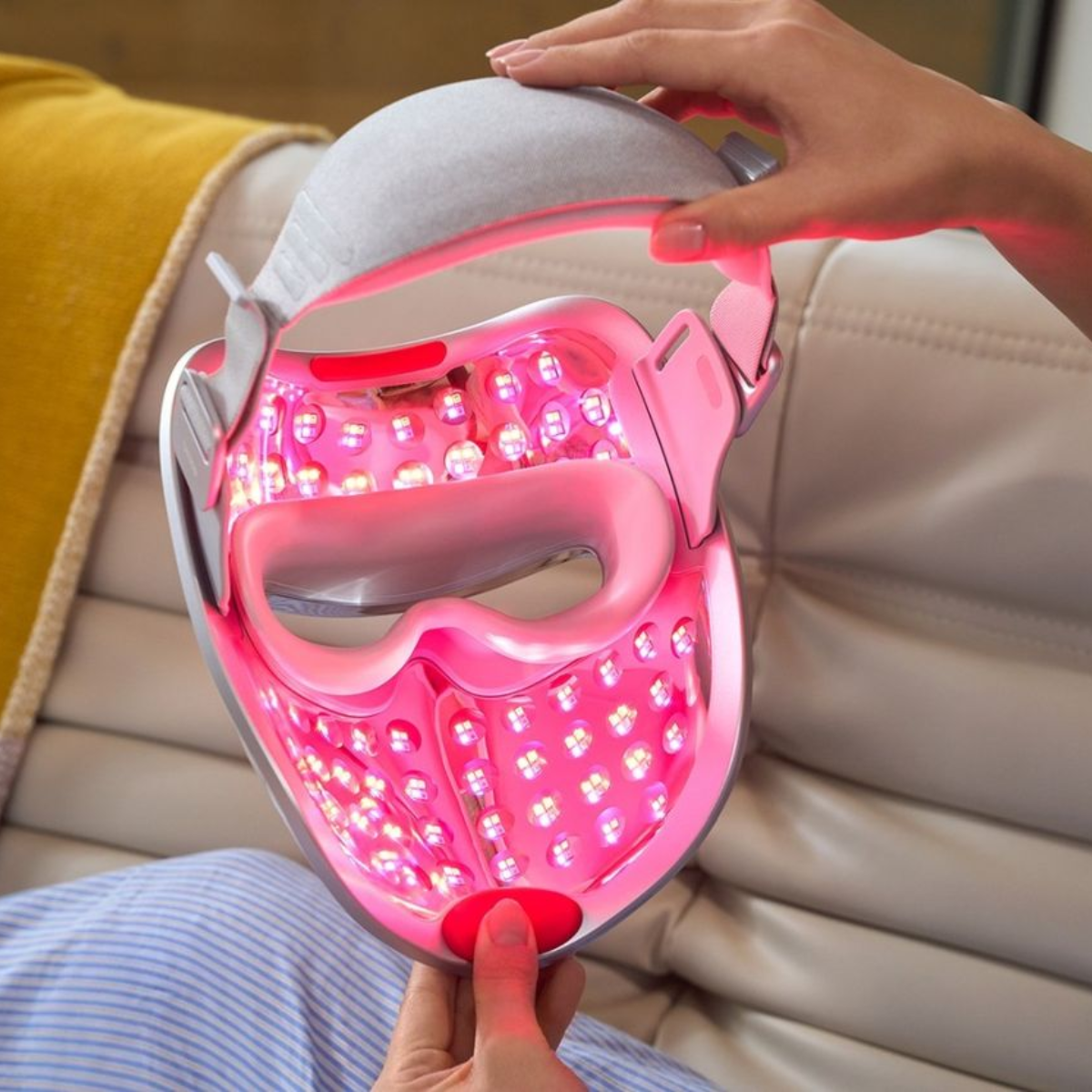
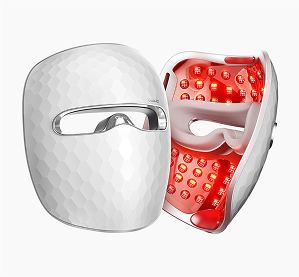
An LED face mask is a device you wear. It uses light-emitting diodes to send specific light wavelengths to your skin. This type of treatment is commonly referred to as LED light therapy. Unlike lasers or intense clinical treatments, LED devices use low-level light that does not heat or damage the skin.
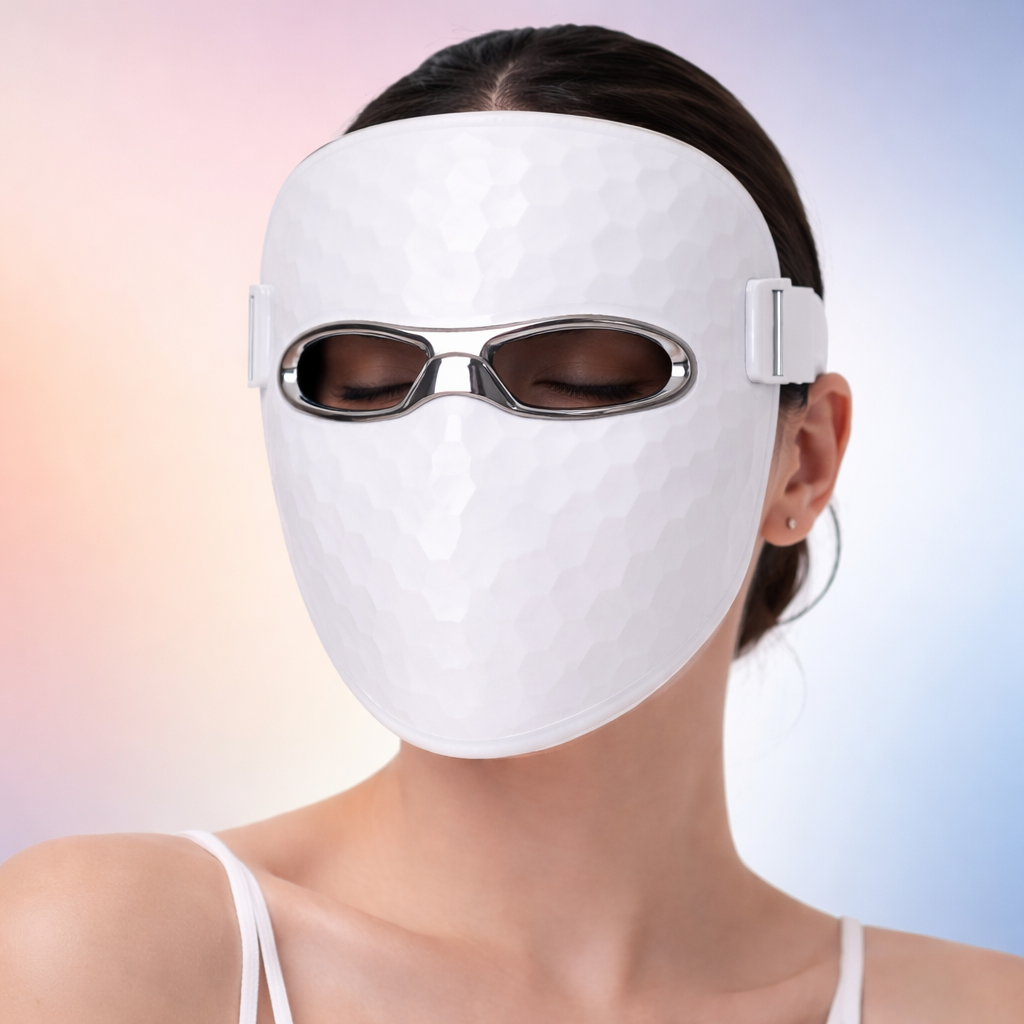
Manufacturers design the masks to fit closely to the face. This helps light spread evenly over important areas like the forehead, cheeks, jawline, and chin. Most at-home LED face masks in the UK are designed for regular use. They should be part of your ongoing skincare routine, not just a one-time treatment.
What does LED mean in skincare?
LED stands for light-emitting diode. In skincare, these diodes produce controlled wavelengths of visible or near-infrared light. Each wavelength interacts with the skin differently, depending on how deeply it penetrates and which cells it affects.
How light therapy interacts with the skin
When LED light reaches the skin, it is absorbed by certain components within skin cells. This interaction can influence cellular activity, including processes linked to inflammation, oil production, and collagen support. The effect is gradual rather than dramatic, which is why consistency matters more than intensity.

Do LED Face Masks Actually Work for At-Home Use?
LED face masks are not instant fixes, but there is evidence to suggest they can support skin health when used correctly and consistently. Results tend to be subtle and build over time rather than appearing overnight.
Many individuals use LED face masks to help with fine lines and wrinkles, acne-prone skin, redness, or uneven tone. Users often describe improvements as skin looking calmer, clearer, or more even rather than visibly transformed.
What results are realistic?
For anti-ageing concerns, LED light therapy is often associated with supporting collagen production and skin elasticity. This may help soften the appearance of fine lines over time. For acne-prone skin, certain wavelengths can target acne-causing bacteria and help regulate oil production.
How long does it take to see results?
Most users report changes after several weeks of consistent use. People generally use LED face masks multiple times a week, with sessions lasting between ten and twenty minutes. Patience is essential, as results depend on regular use rather than intensity.
LED Face Mask Light Colours Explained: Red, Blue & Infrared
LED face masks often offer different light colours, each associated with a specific wavelength and skin concern.
Red Light Therapy
Red LED light is commonly associated with anti-ageing benefits. Many people believe it supports collagen and elastin production, which contribute to skin firmness and elasticity. Researchers link red light to calming inflammation and improving overall skin tone.
Blue Light
Blue LED light is typically used for acne-prone skin. It works on the skin's surface. It targets bacteria that cause acne and helps control oil production. Blue light is effective for some people, but it is not always suitable for every skin tone.
Infrared and near-infrared light
Infrared light sits beyond the visible spectrum and penetrates more deeply into the skin. People often use it alongside red light to support deeper tissue processes and reduce inflammation. Many at-home LED face masks combine red and infrared light for broader benefits.

Are LED Face Masks Safe to Use at Home?
Experts generally consider at-home LED face masks safe when users follow the directions. They do not burn the skin or cause damage in the way that some stronger clinical treatments can.
Organisations such as the Dermatology Organisation emphasise the importance of cautious, informed use when it comes to light-based skincare devices.
Most side effects are mild and temporary. These may include slight redness, dryness, or a feeling of warmth after use. Eye protection is important, particularly with brighter devices or blue light settings.
Who should take extra care
People with sensitive skin should talk to a doctor before using LED light therapy. This also applies to those on medications that increase light sensitivity. Anyone with health concerns should consult a doctor as well. Following manufacturer guidelines closely is also important.
LED Face Masks and Different Skin Tones
Not all light wavelengths affect all skin tones in the same way. People sometimes overlook this important consideration.
Experts generally consider red and infrared light suitable for a wide range of skin tones. Some studies link blue light to an increased risk of hyperpigmentation in darker skin tones. This does not mean blue light is unsafe for everyone, but it does mean extra care and informed choice are important.
Choosing a device with adjustable settings and clear usage guidance can help reduce risks.
How Often Should You Use an LED Face Mask at Home?
Most manufacturers recommend using an LED face mask between two and five times a week. Using it more often does not usually lead to faster or better results.
Can you overuse an LED face mask?
Overuse can irritate the skin and may lead to redness or sensitivity. Consistency matters more than frequency. Following a steady routine over several weeks is better than using the device too often in a short period.
How to Choose an LED Face Mask in the UK
Choosing an LED face mask in the UK involves more than comparing prices or colours. Several practical factors make a real difference to results and comfort.
What actually matters
Wavelength accuracy is more important than the number of colours offered. Fit and coverage affect how evenly light reaches the skin. Comfort matters because you are unlikely to use a mask you dislike wearing consistently. Eye protection and clear safety instructions are also essential.
UK safety and trust signals
Look for clear information on warranties, returns, and customer support within the UK. Transparent product information and realistic claims are better indicators of quality than bold promises.
LED Face Masks in the UK: Safety Standards & What to Look For
When buying an LED face mask in the UK, safety and transparency matter as much as features.
Reputable devices sold in the UK are typically designed to meet recognised safety standards. They should be clearly labelled for cosmetic use at home rather than medical treatment. Clear instructions, realistic claims, and detailed wavelength information are all signs of a trustworthy product.
UK consumers should also consider:
- Whether the brand offers UK-based customer support
- Clear returns and warranty policies
- Honest guidance on who the device is and is not suitable for
Products that promise dramatic or instant results should be approached with caution. LED light therapy works gradually, and responsible brands tend to communicate this clearly.
Buying from well-known UK retailers or brands with a clear UK presence can give you extra peace of mind. This is helpful if you have questions or concerns after your purchase.
At-Home LED Face Masks vs Clinic LED Treatments
Clinic LED treatments are typically more powerful and supervised, but they are also more expensive and require regular appointments. At-home LED face masks trade intensity for convenience.
For many users, the appeal of at-home LED masks lies in their ability to fit into daily life. Used consistently, they can support skin maintenance without the time and cost commitment of clinic visits.

LED Face Mask vs Other At-Home LED Devices
LED face masks are not the only way to use light therapy at home. Some at-home users compare them with handheld LED wands or spot-treatment devices.
The main difference is coverage and consistency. LED face masks are designed to deliver even light across the entire face at once. This makes them easier to use regularly and more suitable for overall skin maintenance.
Handheld devices can be useful for targeting specific areas, but they often require more time and precision. For those considering LED therapy who want a simple, repeatable routine, a mask-style device is often more practical.
Neither option fully replaces professional treatments. However, for regular use at home, LED face masks are usually more convenient for most users.
Is an LED Face Mask Worth It in the UK?
For many individuals in the UK, the decision comes down to value rather than hype. LED face masks can feel like a significant investment. However, so are repeated clinic treatments and years of trying different skincare products.
An at-home LED face mask is best seen as a long-term skin maintenance tool. It suits many users who prefer gradual improvements, enjoy structured routines, and are realistic about results. Used consistently, it may help keep skin looking calmer, clearer, and more even over time.
From a UK perspective, convenience also matters. Clinic LED treatments often require multiple appointments, travel time, and ongoing costs. At-home LED face masks trade clinical strength for flexibility. You control when and how often you use them, without booking appointments or committing to a treatment course.
An LED face mask may be worth considering if:
- You want subtle, cumulative skin improvements rather than dramatic change
- You already invest time in skincare and are consistent with routines
- You prefer at-home treatments over salon or clinic visits
It may be less suitable if you expect instant results or are unlikely to use the device regularly.
Where Does Ulike’s LED Mask Fit?
Ulike’s LED face mask is an at-home device for regular LED light therapy. This product targets users who prefer structured routines and gradual results rather than quick fixes.
As with any device, suitability depends on skin concerns, lifestyle, and consistency rather than brand alone. Understanding how LED therapy works makes it easier to decide whether a particular mask fits your needs.
Who Is an LED Face Mask Best Suited For?
LED face masks are not one-size-fits-all. They tend to work best for individuals who view skincare as a long-term process rather than a quick fix.
They may suit:
- People with early signs of ageing
- Those managing mild acne or redness
- Anyone looking to support overall skin tone and texture
They are less likely to suit individuals with severe skin conditions or those seeking immediate, dramatic changes. In those cases, professional advice is always the better starting point.
LED Face Mask UK FAQs
Are LED face masks anti-ageing?
LED face masks may help support skin firmness and soften the appearance of fine lines over time. Results tend to be gradual and depend on consistent use rather than immediate change.
Do LED face masks actually work at home?
At-home LED face masks can support skin health when used regularly and as directed. They are less powerful than clinic treatments, but many users use them for long-term skin maintenance.
Are LED face masks safe to use in the UK?
LED face masks UK are sold for cosmetic use and are usually safe. This is true if you follow the manufacturer's guidelines. Users should always follow instructions carefully and avoid devices that make unrealistic claims.
Can LED face masks cause pigmentation?
Red and infrared light are generally considered suitable for most skin tones. Blue light may increase the risk of pigmentation in some darker skin tones, which is why informed use and appropriate settings matter.
How often should you use an LED face mask?
Most at-home LED face masks are designed for use between two and five times per week. Using the device more frequently does not usually improve results and may increase sensitivity.
Can you use retinol or active skincare with LED light therapy?
Many individuals use LED face masks on clean, dry skin before applying active products. However, skin sensitivity varies, so it’s important to introduce new routines gradually.
When will I see results from an LED face mask?
Most users report subtle changes after several weeks of consistent use. Individuals often describe improvements as calmer, clearer, or more even-looking skin rather than a dramatic transformation.
Who should avoid using an LED face mask?
Those considering LED therapy with photosensitive conditions, those taking light-sensitising medications, or anyone with underlying skin concerns should speak to a medical professional before use.
Final Thoughts
LED face masks UK are not miracle devices, but they are not gimmicks either. Used correctly, they can support skin health and complement a wider skincare routine. The key is to know what they can really offer. Choose a device that suits your skin, lifestyle, and needs.
If you are thinking about getting an LED face mask in the UK, making an informed choice matters more than hype.