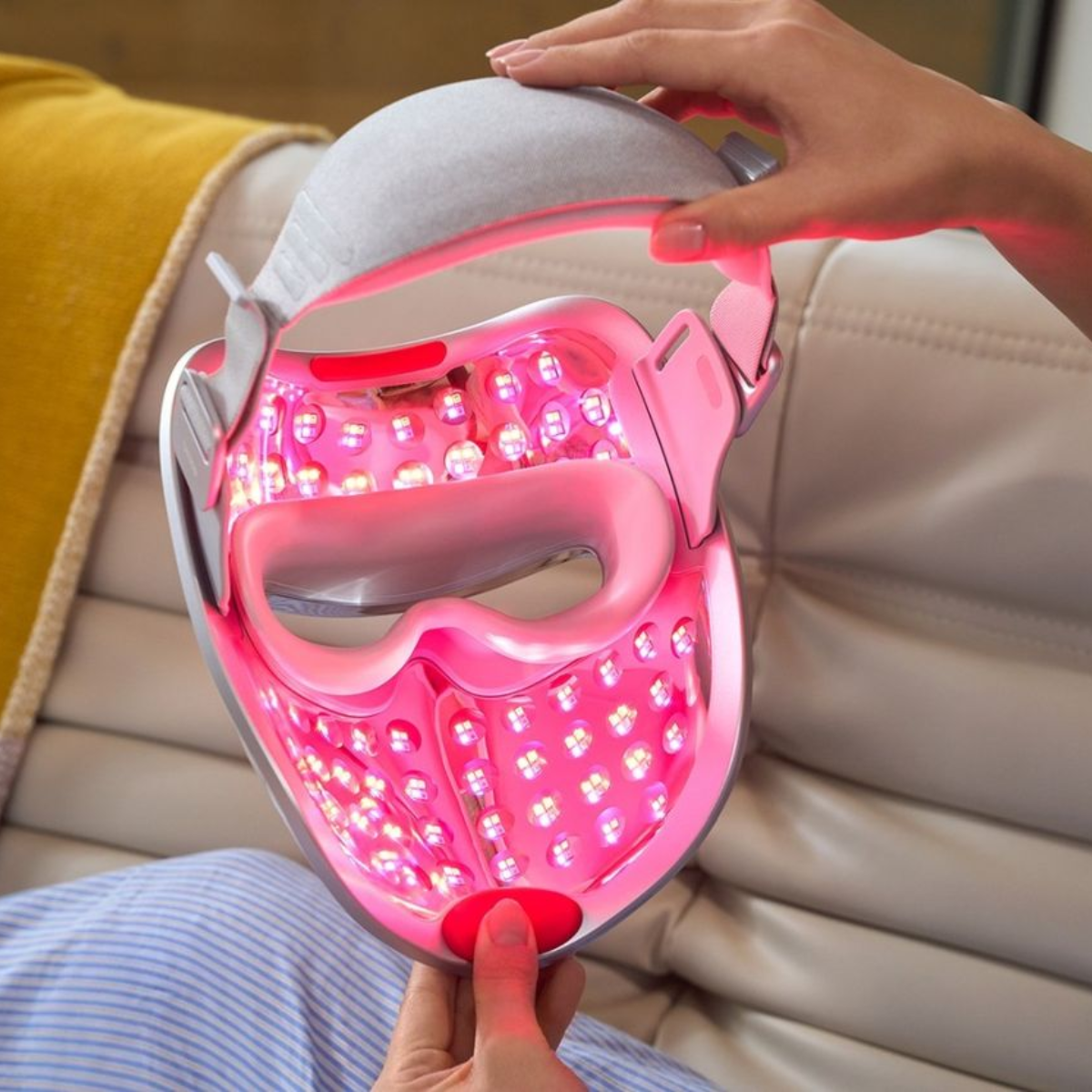
LED Mask for Acne: Do They Really Help Clear Breakouts?
LED Light Mask

LED Mask for Acne: Do They Really Help Clear Breakouts?

Breakouts can be frustrating, especially when they seem to return just as your skin begins to settle. It’s no surprise people start looking for something new, including an LED mask for acne. LED light therapy was once mostly used in dermatology clinics, but at-home devices have made the technology more accessible. These masks use specific wavelengths of light that may help target acne-causing bacteria and calm inflammation. For anyone dealing with recurring breakouts, the real question is whether LED light therapy can make a noticeable difference. What Is an LED Mask and How Does It Work for Acne? An LED mask is a wearable skincare device that emits specific wavelengths of light across the surface of the skin. Different colours of light interact with skin cells in slightly different ways LED light therapy has been used in dermatology clinics for years. More recently, at-home LED masks have made the technology more accessible for people who want to incorporate it into their regular skincare routine. Many LED masks use a combination of light types, but the two most commonly associated with acne treatment are: Blue light Red light Each works slightly differently in the skin. How LED Light Therapy Targets Acne Light therapy does not work in the same way as traditional topical acne treatments. Rather than relying on active ingredients, it uses specific wavelengths of light to affect processes within the skin. Blue Light and Acne Bacteria Blue light is often used in acne treatments because it interacts with the bacteria linked to breakouts, known as Cutibacterium acnes. These bacteria produce molecules that absorb blue light. When exposed to this wavelength, the bacteria may become less active, which can help reduce the conditions that contribute to breakouts. This is why blue light therapy appears in both clinic treatments and at-home devices. How Red Light Supports Acne-Prone Skin Red light works differently. Rather than targeting bacteria, it is often used to help calm the skin and support natural repair processes. In acne-prone skin, red light therapy may help: reduce visible redness support the skin’s healing response improve the overall appearance of irritated areas For this reason, many LED masks combine blue and red light therapy. Do LED Masks Work for Acne? What Research Suggests Studies on LED light therapy suggest it may help improve mild to moderate acne when used consistently. Blue light is commonly studied for its ability to target acne-related bacteria, while red light is associated with calming inflammation. When combined, these wavelengths may help support clearer-looking skin. However, results vary from person to person. LED masks tend to work best when they are used as part of a broader skincare routine rather than as a standalone solution. For people with severe or persistent acne, consulting a dermatologist is still the most reliable way to determine the right treatment approach. Who Should Try an LED Mask for Acne? Many people turn to LED light therapy when they want a non-invasive way to support their skincare routine. It may be particularly appealing for those who: experience recurring breakouts have sensitive skin that reacts to strong topical treatments want to try a technology-based approach alongside skincare products Because LED light therapy is generally gentle, it is often used as a complementary treatment rather than a replacement for traditional acne care. How to Use an LED Mask for Acne at Home Most LED masks are designed to fit easily into an existing skincare routine. A typical routine might be as simple as this: Cleanse the skin thoroughly to remove makeup and excess oil. Place the LED mask on clean, dry skin. Use the mask for the recommended session time. Follow with your usual skincare products. Many people use LED masks several times per week, although usage can vary depending on the device instructions. Consistency tends to be more important than intensity. Regular sessions over time are usually recommended to see noticeable improvements. LED Masks vs Traditional Acne Treatments LED therapy is one of several options available for managing acne. Topical Treatments Common topical ingredients include: benzoyl peroxide salicylic acid retinoids These treatments work by reducing oil, unclogging pores or encouraging skin renewal. Oral Medications In more severe cases, dermatologists may prescribe medications such as antibiotics or hormonal treatments. These options are typically reserved for persistent or inflammatory acne. LED Light Therapy Light therapy offers a different approach. Instead of relying on topical or oral ingredients, it uses light wavelengths to support the skin’s natural processes. Because it is non-invasive and generally gentle, it can often be used alongside other acne treatments. Are LED Masks Safe for Acne-Prone Skin? LED light therapy is widely considered a low-risk treatment when used correctly. Unlike some stronger acne treatments, it does not involve harsh chemicals or exfoliation. For many people this makes it a suitable option for sensitive or reactive skin. That said, it is still important to: follow the device instructions carefully avoid excessive use consult a professional if acne becomes severe or persistent As with any skincare treatment, individual responses can vary. Why At-Home LED Masks Are Becoming Popular for Acne At-home skincare devices have grown in popularity in recent years, particularly as people look for ways to maintain their routines without frequent clinic visits. LED masks bring light therapy into a format that can be used regularly at home. The idea is not to replace professional treatments but to provide a consistent way to support skin health between them. For people dealing with recurring breakouts, this type of technology can offer an additional option within a broader skincare approach. A Closer Look at the Ulike ReGlow LED Light Therapy Mask One example of an at-home LED device is the Ulike ReGlow LED Light Therapy Mask. The mask delivers targeted wavelengths of light across the skin,making it easier to incorporate LED therapy into a regular routine at home. Red light therapy in particular is often associated with supporting collagen production and calming visible inflammation. Like other LED devices, it is designed to complement skincare rather than replace it. Used consistently alongside a balanced routine, light therapy may help support healthier-looking skin over time. Spring Sale: A Good Time to Try LED Skincare If you have been curious about trying LED light therapy at home, seasonal offers can make it easier to explore. During the Ulike Spring Sale, the ReGlow LED Light Therapy Mask is available with several added benefits: Up to £130 off selected products 120-Day Money Back Guarantee Free Express Shipping Five complimentary gifts included For anyone interested in adding LED therapy to their routine, promotions like this can make it a little easier to try the technology while still having the reassurance of a generous return period. You can explore the product here: https://uk.ulike.com/products/ulike-reglow-led-light-therapy-mask How to Get the Best Results From LED Therapy If you are considering an LED mask for acne, a few habits can help maximise the potential benefits. Use the device consistently LED treatments tend to work gradually, so regular use is usually recommended. Maintain a balanced skincare routine Gentle cleansing, appropriate moisturisers and sun protection all support overall skin health. Avoid overusing strong treatments Combining too many active ingredients at once can sometimes irritate acne-prone skin. Be patient Light therapy often produces gradual improvements rather than immediate changes. Frequently Asked Questions About LED Masks for Acne Do LED masks help acne? LED masks may help improve acne by using blue light to target acne-causing bacteria and red light to calm inflammation. Results vary depending on the individual and the severity of the acne. Is blue light or red light better for acne? Both are commonly used. Blue light is associated with targeting acne-related bacteria, while red light is often used to calm inflammation and support skin recovery. How long does LED light therapy take to work? Light therapy usually works gradually. Some people notice improvements within a few weeks, while others may need longer periods of consistent use. Can you use LED light therapy every day? Usage depends on the specific device instructions. Many LED masks are designed to be used several times per week rather than daily. Is an LED Mask Worth Trying for Acne? Acne is a complex skin condition, and no single treatment works for everyone. For some people, LED light therapy offers a gentle way to support their skincare routine and address some of the factors linked to breakouts. When used consistently and alongside good skincare habits, LED masks may help improve the appearance of acne-prone skin over time. At-home devices such as the Ulike ReGlow LED Light Therapy Mask allow this type of light therapy to be incorporated into everyday routines, offering another option for those exploring ways to support clearer, healthier-looking skin.
Mar 12, 2026
Share:
Table of Contents

Breakouts can be frustrating, especially when they seem to return just as your skin begins to settle. It’s no surprise people start looking for something new, including an LED mask for acne.

LED light therapy was once mostly used in dermatology clinics, but at-home devices have made the technology more accessible. These masks use specific wavelengths of light that may help target acne-causing bacteria and calm inflammation.

For anyone dealing with recurring breakouts, the real question is whether LED light therapy can make a noticeable difference.

What Is an LED Mask and How Does It Work for Acne?

An LED mask is a wearable skincare device that emits specific wavelengths of light across the surface of the skin. Different colours of light interact with skin cells in slightly different ways

LED light therapy has been used in dermatology clinics for years. More recently, at-home LED masks have made the technology more accessible for people who want to incorporate it into their regular skincare routine.

Many LED masks use a combination of light types, but the two most commonly associated with acne treatment are:

  • Blue light

  • Red light

Each works slightly differently in the skin.

How LED Light Therapy Targets Acne

Light therapy does not work in the same way as traditional topical acne treatments. Rather than relying on active ingredients, it uses specific wavelengths of light to affect processes within the skin.

Blue Light and Acne Bacteria

Blue light is often used in acne treatments because it interacts with the bacteria linked to breakouts, known as Cutibacterium acnes.

These bacteria produce molecules that absorb blue light. When exposed to this wavelength, the bacteria may become less active, which can help reduce the conditions that contribute to breakouts.

This is why blue light therapy appears in both clinic treatments and at-home devices.

How Red Light Supports Acne-Prone Skin

Red light works differently. Rather than targeting bacteria, it is often used to help calm the skin and support natural repair processes.

In acne-prone skin, red light therapy may help:

  • reduce visible redness

  • support the skin’s healing response

  • improve the overall appearance of irritated areas

For this reason, many LED masks combine blue and red light therapy.

Do LED Masks Work for Acne? What Research Suggests

Studies on LED light therapy suggest it may help improve mild to moderate acne when used consistently.

Blue light is commonly studied for its ability to target acne-related bacteria, while red light is associated with calming inflammation. When combined, these wavelengths may help support clearer-looking skin.

However, results vary from person to person. LED masks tend to work best when they are used as part of a broader skincare routine rather than as a standalone solution.

For people with severe or persistent acne, consulting a dermatologist is still the most reliable way to determine the right treatment approach.

Who Should Try an LED Mask for Acne?

Many people turn to LED light therapy when they want a non-invasive way to support their skincare routine.

It may be particularly appealing for those who:

  • experience recurring breakouts

  • have sensitive skin that reacts to strong topical treatments

  • want to try a technology-based approach alongside skincare products

Because LED light therapy is generally gentle, it is often used as a complementary treatment rather than a replacement for traditional acne care.

How to Use an LED Mask for Acne at Home

Most LED masks are designed to fit easily into an existing skincare routine.

A typical routine might be as simple as this:

  1. Cleanse the skin thoroughly to remove makeup and excess oil.

  2. Place the LED mask on clean, dry skin.

  3. Use the mask for the recommended session time.

  4. Follow with your usual skincare products.

Many people use LED masks several times per week, although usage can vary depending on the device instructions.

Consistency tends to be more important than intensity. Regular sessions over time are usually recommended to see noticeable improvements.

Ulike Unveils the ReGlow LED Light Therapy Mask in the US for  Professional-Grade Skincare at Home

LED Masks vs Traditional Acne Treatments

LED therapy is one of several options available for managing acne.

Topical Treatments

Common topical ingredients include:

  • benzoyl peroxide

  • salicylic acid

  • retinoids

These treatments work by reducing oil, unclogging pores or encouraging skin renewal.

Oral Medications

In more severe cases, dermatologists may prescribe medications such as antibiotics or hormonal treatments.

These options are typically reserved for persistent or inflammatory acne.

LED Light Therapy

Light therapy offers a different approach. Instead of relying on topical or oral ingredients, it uses light wavelengths to support the skin’s natural processes.

Because it is non-invasive and generally gentle, it can often be used alongside other acne treatments.

Are LED Masks Safe for Acne-Prone Skin?

LED light therapy is widely considered a low-risk treatment when used correctly.

Unlike some stronger acne treatments, it does not involve harsh chemicals or exfoliation. For many people this makes it a suitable option for sensitive or reactive skin.

That said, it is still important to:

  • follow the device instructions carefully

  • avoid excessive use

  • consult a professional if acne becomes severe or persistent

As with any skincare treatment, individual responses can vary.

Why At-Home LED Masks Are Becoming Popular for Acne

At-home skincare devices have grown in popularity in recent years, particularly as people look for ways to maintain their routines without frequent clinic visits.

LED masks bring light therapy into a format that can be used regularly at home. The idea is not to replace professional treatments but to provide a consistent way to support skin health between them.

For people dealing with recurring breakouts, this type of technology can offer an additional option within a broader skincare approach.

A Closer Look at the Ulike ReGlow LED Light Therapy Mask

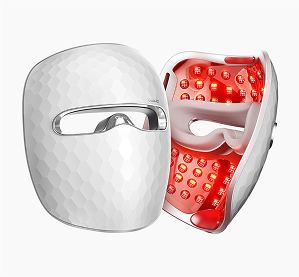
One example of an at-home LED device is the Ulike ReGlow LED Light Therapy Mask.

The mask delivers targeted wavelengths of light across the skin,making it easier to incorporate LED therapy into a regular routine at home. Red light therapy in particular is often associated with supporting collagen production and calming visible inflammation.

Like other LED devices, it is designed to complement skincare rather than replace it. Used consistently alongside a balanced routine, light therapy may help support healthier-looking skin over time.

Spring Sale: A Good Time to Try LED Skincare

If you have been curious about trying LED light therapy at home, seasonal offers can make it easier to explore.

During the Ulike Spring Sale, the ReGlow LED Light Therapy Mask is available with several added benefits:

  • Up to £130 off selected products

  • 120-Day Money Back Guarantee

  • Free Express Shipping

  • Five complimentary gifts included

For anyone interested in adding LED therapy to their routine, promotions like this can make it a little easier to try the technology while still having the reassurance of a generous return period.

You can explore the product here:
https://uk.ulike.com/products/ulike-reglow-led-light-therapy-mask

How to Get the Best Results From LED Therapy

If you are considering an LED mask for acne, a few habits can help maximise the potential benefits.

Use the device consistently
LED treatments tend to work gradually, so regular use is usually recommended.

Maintain a balanced skincare routine
Gentle cleansing, appropriate moisturisers and sun protection all support overall skin health.

Avoid overusing strong treatments
Combining too many active ingredients at once can sometimes irritate acne-prone skin.

Be patient
Light therapy often produces gradual improvements rather than immediate changes.

Frequently Asked Questions About LED Masks for Acne

Do LED masks help acne?

LED masks may help improve acne by using blue light to target acne-causing bacteria and red light to calm inflammation. Results vary depending on the individual and the severity of the acne.

Is blue light or red light better for acne?

Both are commonly used. Blue light is associated with targeting acne-related bacteria, while red light is often used to calm inflammation and support skin recovery.

How long does LED light therapy take to work?

Light therapy usually works gradually. Some people notice improvements within a few weeks, while others may need longer periods of consistent use.

Can you use LED light therapy every day?

Usage depends on the specific device instructions. Many LED masks are designed to be used several times per week rather than daily.

Is an LED Mask Worth Trying for Acne?

Acne is a complex skin condition, and no single treatment works for everyone. For some people, LED light therapy offers a gentle way to support their skincare routine and address some of the factors linked to breakouts.

When used consistently and alongside good skincare habits, LED masks may help improve the appearance of acne-prone skin over time.

At-home devices such as the Ulike ReGlow LED Light Therapy Mask allow this type of light therapy to be incorporated into everyday routines, offering another option for those exploring ways to support clearer, healthier-looking skin.

Previous
How Do You Get Rid of Jowls? Practical Ways to Support a Firmer-Looking Jawline
Next
Yellow Light Therapy for Skin: What It Does and Why It’s Used in LED Treatments
Share:
LED Mask for Acne: Do They Really Help Clear Breakouts?

LED Mask for Acne: Do They Really Help Clear Breakouts?

Breakouts can be frustrating, especially when they seem to return just as your skin begins to se...
Mar 12, 2026
woman applying sunscreen as part of daily skincare routine for sagging jowls

How Do You Get Rid of Jowls? Practical Ways to Support a Firmer-Looking Jawline

For a lot of people, the jawline is where the first changes show up. The line from chin to neck ...
Mar 11, 2026
Close-up of a white LED face mask used for at-home skincare

Are LED Face Masks Safe? UK Guide to Risks, Eyes & Skin

Wondering if LED face masks are safe to use at home? This UK guide covers side effects, eye safet...
Jan 30, 2026

Explore Beauty

Ulike Air 10

2 weeks to silky smooth skin.

96% Hair Density Reduction in 2 Weeks
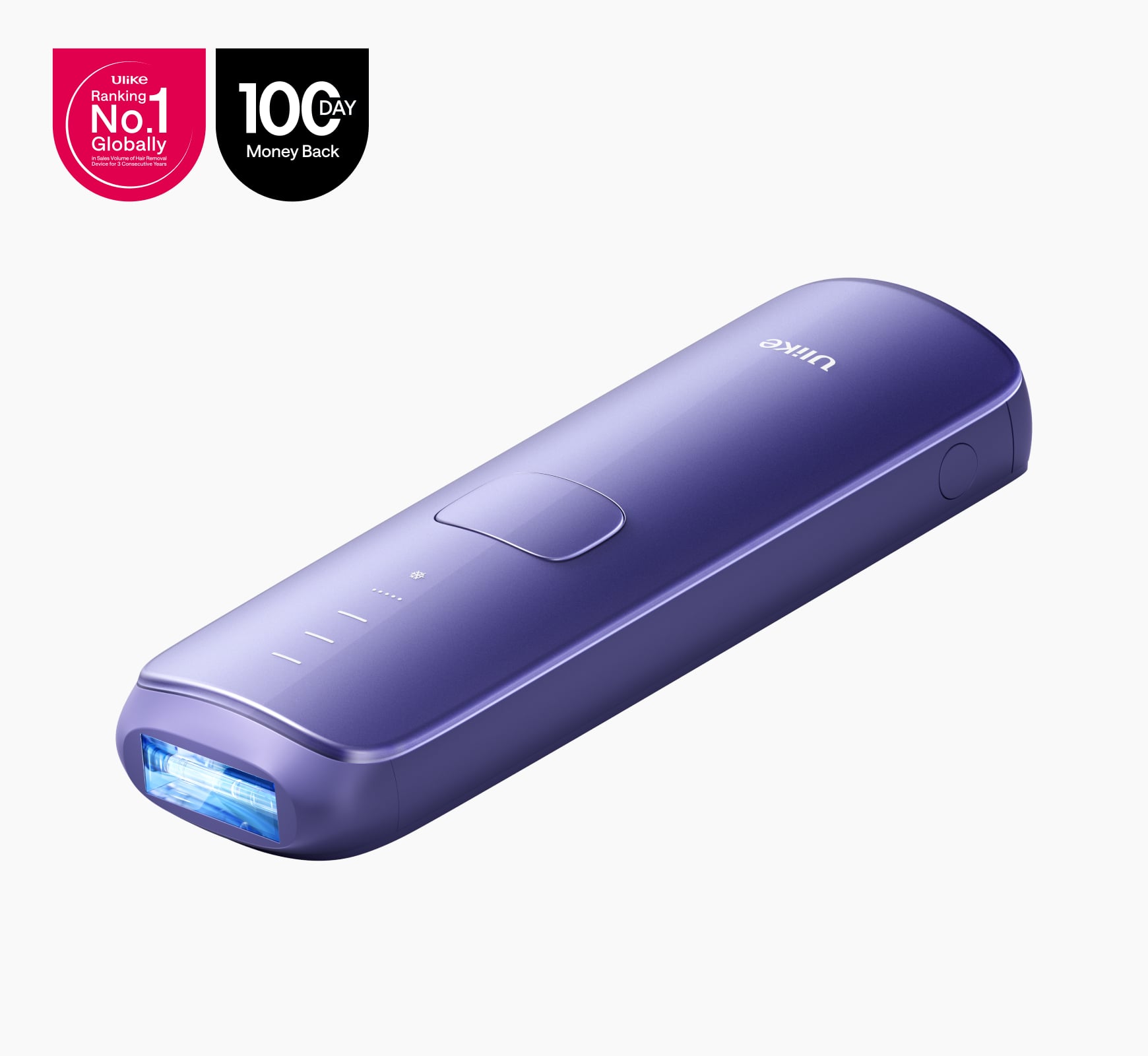
Ulike Air 3

3 weeks to silky smooth skin.

93% Hair Density Reduction in 4 Weeks
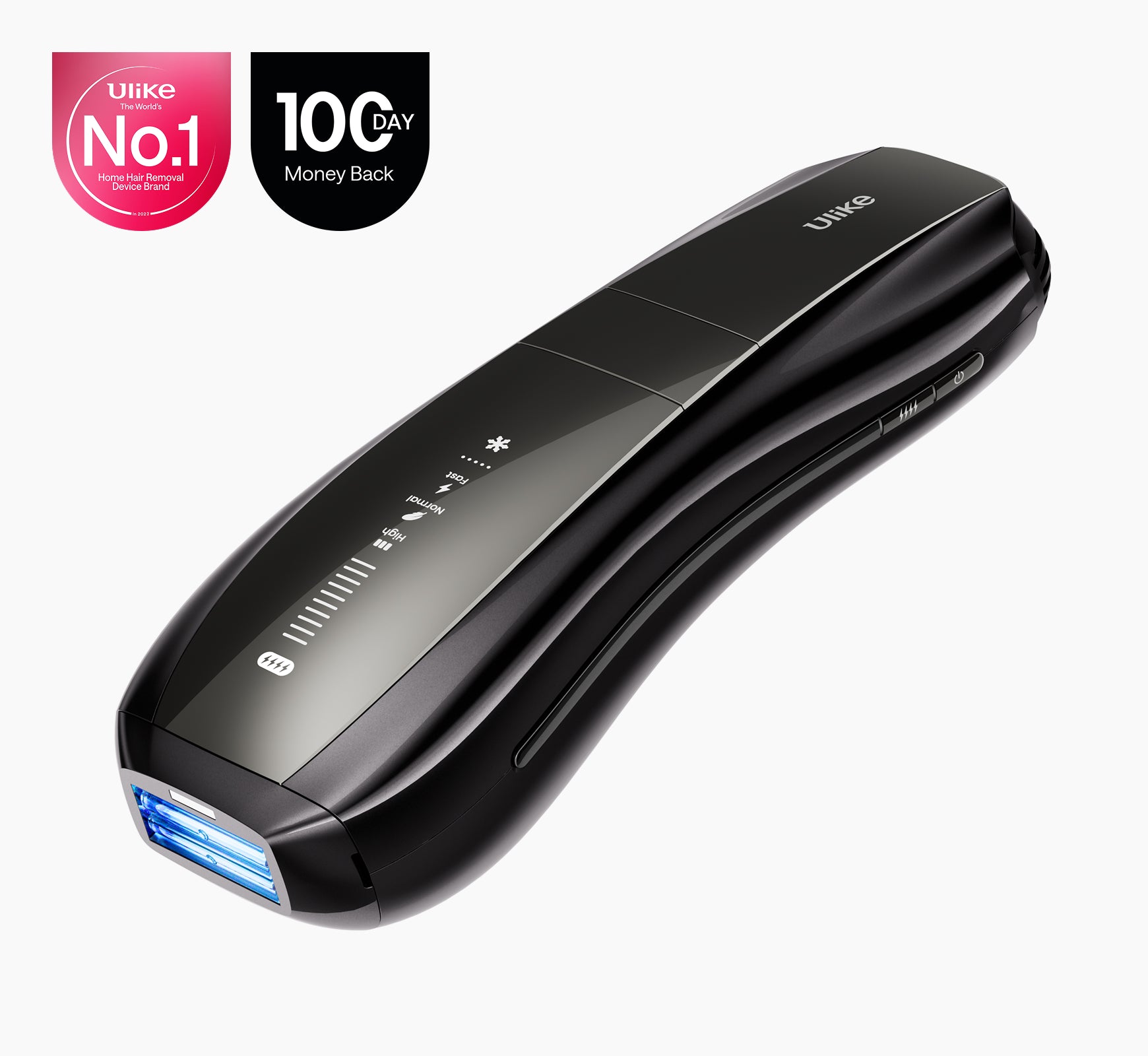
Ulike X

3 weeks to silky smooth skin.

94% hair reduction in just 2 weeks*
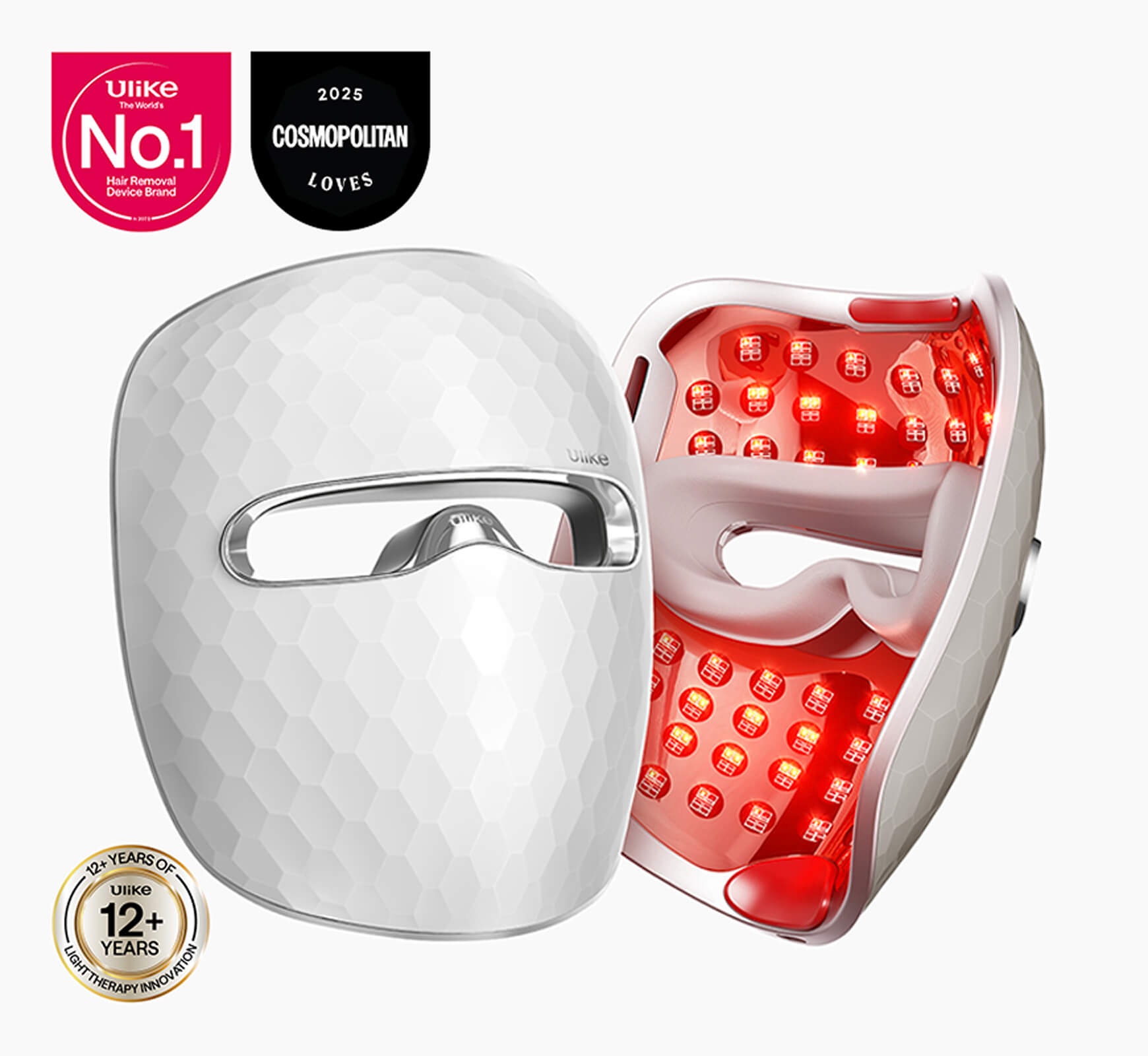
Ulike Reglow

Clearer skin in 2 weeks: Fewer breakouts
Smoother skin in 4 weeks: Fewer lines, firmer feel