


RF Microcurrent LED Facial Device: Meet JMOON by Ulike

What can at-home facial technology actually do?
At-home skincare devices use different technologies to address concerns such as the appearance of fine lines and skin firmness. Three approaches featured in facial devices are radiofrequency (RF), microcurrent and LED light therapy.
They work in different ways. RF delivers energy that generates heat, microcurrent devices use low-level electrical stimulation, and LED devices emit light at specific wavelengths. The evidence supporting each approach varies, and research on a technology does not automatically establish the effectiveness of every device that uses it.
This article explains the three technologies and introduces the JMOON by Ulike NouvelleSkin M12 Max (RD), which combines them in one at-home facial device. Manufacturer claims are identified separately from findings reported in scientific research.
The three technologies used in at-home skincare

How does radiofrequency (RF) affect skin firmness?
Radiofrequency (RF) devices deliver electrical energy that generates heat in tissue. In skin-tightening treatments, this heat can trigger changes in collagen structure and remodelling. Greene and Green's review of skin-tightening technologies describes this heat-induced tissue response as one of the mechanisms behind non-ablative RF treatments (2014).
The evidence needs to be interpreted in context. Research on professional RF treatments does not establish that every at-home device produces the same effects. The outcome depends on the device, its energy delivery, the treatment protocol and the evidence available for that specific product. RF treatments should not be presented as a replacement for surgical procedures.
What does microcurrent do for the face?
Microcurrent facial devices deliver low-level electrical current through electrodes placed against the skin, often with a conductive gel. These devices are marketed for facial toning and for improving the appearance of skin firmness, but their effects depend on the device and how it is used.
Evidence for microcurrent as a treatment for facial wrinkles remains limited. A 2023 bibliographic review examining microcurrent for static facial wrinkles found no consensus on its effectiveness and called for further research (Buarque, 2023). Although the review discussed differences between electrode application methods, its findings do not establish that all microcurrent devices produce the same results.
For the JMOON M12 Max (RD), the manufacturer's description of dual-frequency microcurrent identifies a device feature. It does not, on its own, demonstrate a particular degree of wrinkle reduction or facial lifting.

Does LED light therapy work on skin?
LED skincare devices emit light at specific wavelengths. Red and near-infrared light are used in photobiomodulation, a field of research examining how light interacts with biological tissue. The effects depend on factors including wavelength, dose, power density and treatment timing, and more light does not necessarily produce a greater response.
A 2009 review by Huang and colleagues discussed the biphasic dose response observed in low-level light therapy, in which the response can vary with the dose delivered. More recently, a 2026 systematic review of at-home LED devices for facial rejuvenation examined eight studies involving 365 participants. The review reported improvements across several measures of facial ageing, including wrinkles, skin texture and elasticity. However, the authors also noted variation in treatment protocols, limited comparative data and underrepresentation of diverse skin phenotypes.
These findings provide context for LED skincare, but they do not prove that every at-home device produces the same results. The M12 Max (RD) is described as using dual-wavelength LED light therapy. The product information available for this article does not specify the wavelengths, so we do not assign particular wavelengths to the device or claim that it delivers the outcomes reported in other studies.

Meet JMOON by Ulike NouvelleSkin M12 Max (RD)
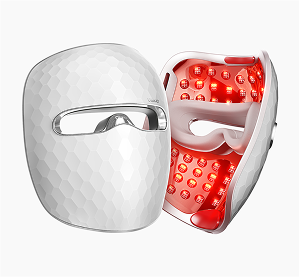
The JMOON by Ulike NouvelleSkin M12 Max (RD) is an at-home facial device designed around three treatment technologies. According to the manufacturer, it combines:
Radiofrequency (RF)
Dual-frequency microcurrent
Dual-wavelength LED light therapy
The product page presents the device for at-home care focused on the appearance of fine lines, facial contours and skin firmness. It also lists an intelligent safety-monitoring system, which is separate from the three treatment technologies.
Using several technologies in one device does not, by itself, establish that the combination is more effective than the individual technologies. The product's features and reported results should therefore be considered separately from the wider research on RF, microcurrent and LED.
For the full description and specifications, see the JMOON NouvelleSkin M12 Max (RD) product page.

What makes the M12 Max (RD) different?
What are the 21 precision electrodes for?
There are 21 precision electrodes as part of the M12 Max (RD)'s facial-toning design. The electrode count describes the device's design; it does not, by itself, demonstrate a particular level of lifting or firming.
How are the electrodes designed for different areas of the face?
The device describes two electrode designs for different facial areas. The 3D contoured electrodes are intended for the nasolabial folds and facial contours, while the Golden Triangle electrodes are designed for the delicate eye area and fine lines.
These descriptions explain the intended use of the electrode shapes. They do not independently establish how much improvement users can expect.
What safety monitoring does the M12 Max (RD) include?
Here are the following safety-monitoring features:
Skin-contact detection
NTC temperature monitoring, with 100 checks per second
Motion detection, with 20 checks per second
Automatic shut-off after three minutes of inactivity
These are safety features. Monitoring frequency describes how often the system checks conditions; it does not establish that the device is risk-free or remove the need to follow the manufacturer's instructions.
What does the manufacturer report about results after four weeks?
The product page describes a four-week evaluation of the M12 Max (RD) and reports improvements in the appearance of forehead lines. The information available for this article does not include the underlying study report, so the sample size, assessment method, test conditions and statistical analysis cannot be independently assessed.
These details matter when interpreting claims about wrinkle reduction. Without the full methodology, the reported results should not be treated as a prediction of the outcome an individual user can expect.
How to use the M12 Max (RD) in your skincare routine
The product page outlines three basic steps:
Cleanse your face and apply conductive gel.
Select your preferred mode: V-LIFT or FACE.
Glide the device across the treatment area.
Use 5-6 times per week for best results

The product information recommends regular use and provides separate session durations for its treatment modes. Before your first treatment, read the full instructions for the recommended frequency, intensity settings, conductive-gel requirements, cleaning and precautions. Follow the device-specific guidance rather than assuming that instructions for another facial device will apply.
Is a multi-technology facial device right for you?
Before choosing an at-home facial device, consider three things.
Does it fit your routine? Check the manufacturer's recommended treatment schedule and the time required for each session. Do not assume that all devices using RF, microcurrent or LED should be used at the same frequency.
Are your expectations realistic? The evidence for these technologies varies, and findings from one device cannot automatically be applied to another. Review the manufacturer's claims carefully and distinguish cosmetic aims from results demonstrated in research on the exact product.
Can you use it according to the safety instructions? Read the full manual before your first treatment, including any restrictions, contraindications and guidance on areas to avoid. The manufacturer lists restrictions for certain users, including people who are pregnant or breastfeeding, people with certain active skin conditions, and people with pacemakers or other implanted medical devices. This is not an exhaustive list: consult the product's current instructions for all contraindications. If you have a medical condition, take medication that may affect your skin's response to light, or are unsure whether the device is suitable for you, seek advice from a qualified healthcare professional before use.
A multi-technology device may appeal to people looking for several treatment modalities in one product, but the number of technologies alone does not determine effectiveness or suitability.
The technology behind JMOON
RF, microcurrent and LED use different mechanisms, and the evidence supporting each technology varies. The JMOON by Ulike NouvelleSkin M12 Max (RD) brings all three into one at-home facial device, alongside its listed electrode designs and safety-monitoring features.
If you are considering the M12 Max (RD), review the manufacturer's full product information and usage instructions, and assess the stated benefits in light of the evidence available.
References
Greene RM, Green JB. Skin Tightening Technologies. Facial Plastic Surgery. 2014;30(1):62–67. https://doi.org/10.1055/s-0033-1363756
Buarque LF. Use of microcurrent as a treatment for static facial wrinkles: a bibliographic study. Research, Society and Development. 2023;12(12). https://doi.org/10.33448/rsd-v12i12.44063
Huang Y-Y, Chen AC-H, Carroll JD, Hamblin MR. Biphasic dose response in low level light therapy. Dose-Response. 2009;7(4):358–383. https://doi.org/10.2203/dose-response.09-027.Hamblin
Das et al. Efficacy and Safety of At-Home Light-Emitting Diode Photobiomodulation for Facial Rejuvenation: A Systematic Review. 2026. https://doi.org/10.1007/s00266-026-06333-w
UK Advertising Standards Authority and Committee of Advertising Practice. Guidance on claims for electrical devices for lines and wrinkles. Consult the current guidance when substantiating efficacy claims for beauty devices.
RF vs HIFU vs LED: Which Skin Technology Is Right for You?

Yellow Light Therapy for Skin: What It Does and Why It’s Used in LED Treatments
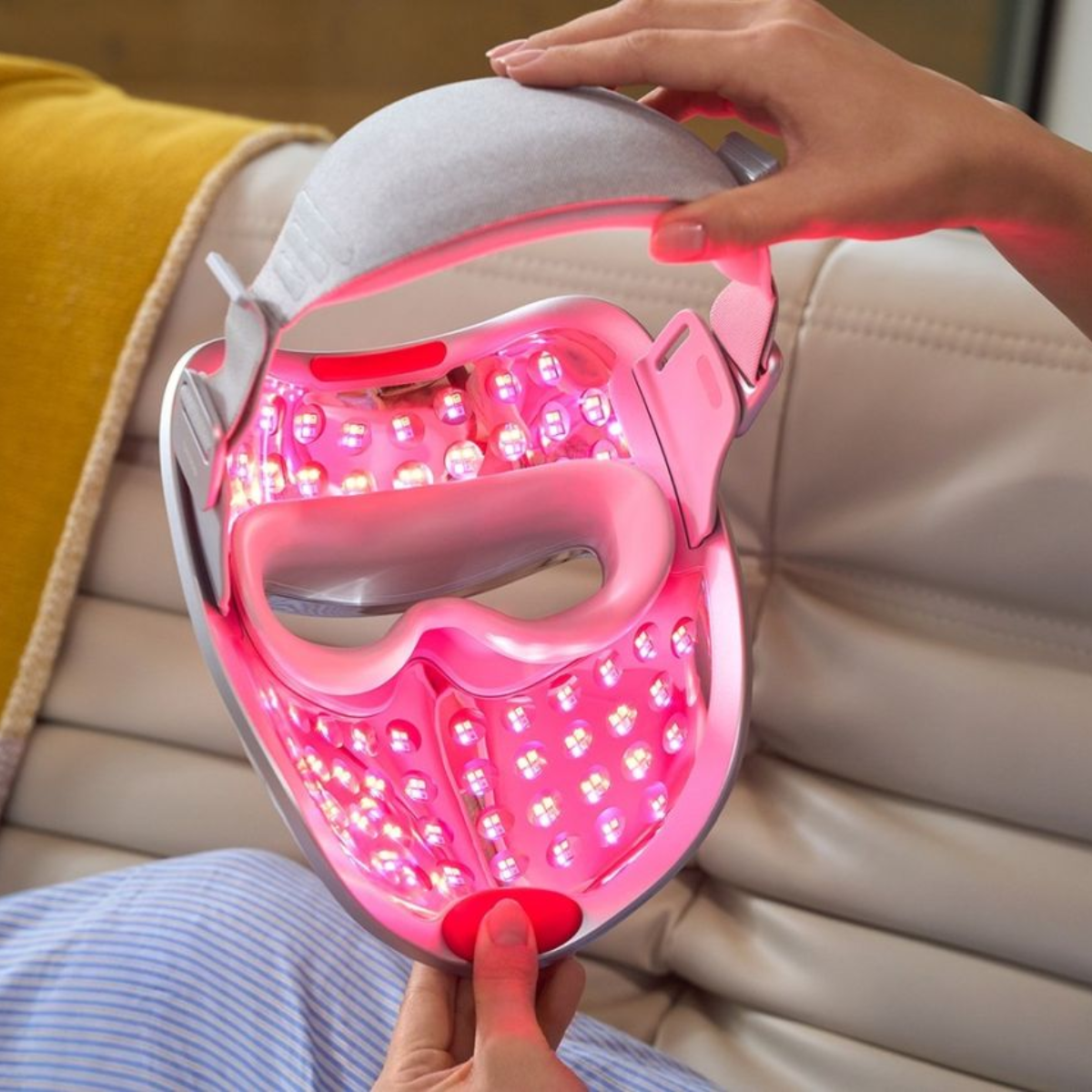
LED Mask for Acne: Do They Really Help Clear Breakouts?
Explore Beauty
Ulike Air 10
2 weeks to silky smooth skin.
96% Hair Density Reduction in 4 Weeks
Ulike Air 10 Deluxe
10-minute full-body sessions
96% Hair Density Reduction in 4 Weeks
Ulike 2 Max
Gentle on sensitive skin
94.5% hair reduction in 4 weeks*
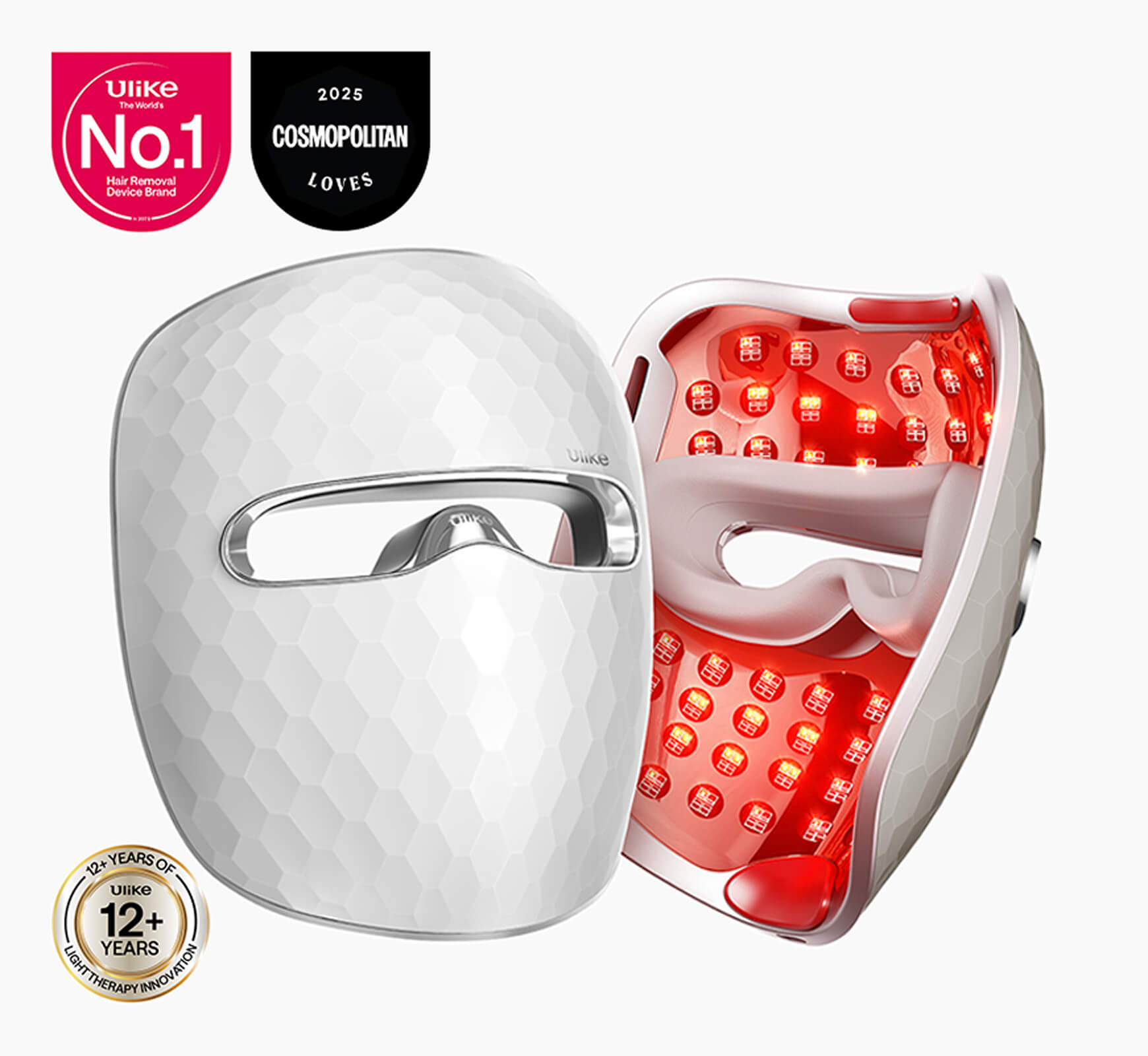
Ulike Reglow
Clearer skin in 2 weeks: Fewer breakouts
Smoother skin in 4 weeks: Fewer lines, firmer feel
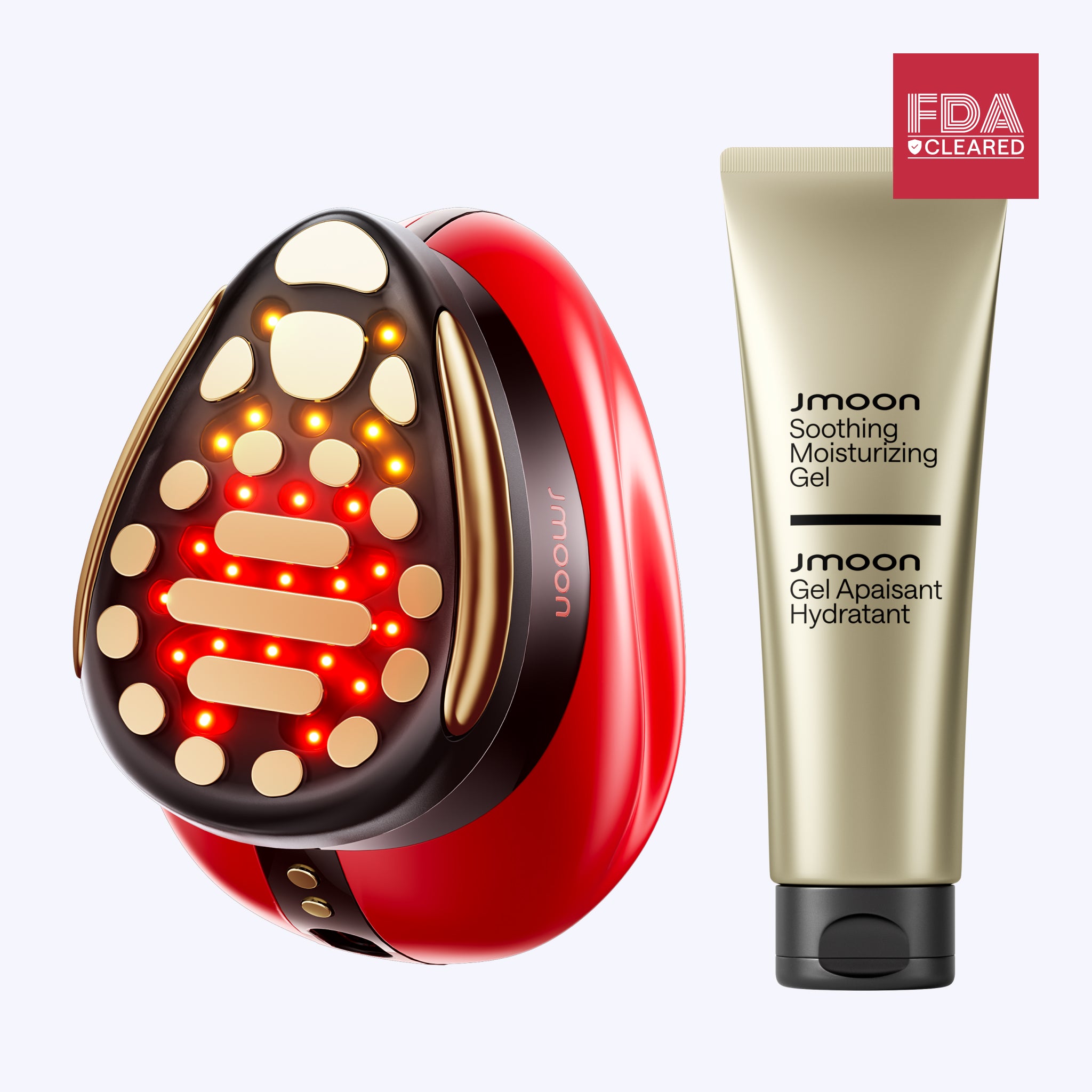
JMOON by Ulike M12 Max (RD)
Lift, Firm, and Smooth Your Skin With One Device