



Are LED Face Masks Safe?

Are LED face masks safe to use at home? It’s a question that usually comes up early for anyone considering LED light therapy. These devices sit close to the skin and eyes, use visible light, and are designed for repeated use as part of a regular skincare routine. Most people want a bit of reassurance before using one.
Much of the uncertainty comes from how LED face masks are positioned. They are not medical treatments, but they are also more than a standard skincare product. They sit somewhere in between, which can make it difficult to separate genuine safety considerations from marketing claims.
This guide looks at LED face mask safety in a practical, level-headed way. It explains how at-home LED masks are designed to be used, the side effects some users notice, and why eye safety and skin sensitivity matter. It also covers who may want to avoid LED light therapy or speak to a professional before starting.
The aim is not to overstate risks or offer reassurance for the sake of it. It’s to give you enough clarity to decide whether an LED face mask fits comfortably into your routine, and how to use one with confidence if it does.
Are LED Face Masks Generally Safe to Use at Home?
At-home LED face masks are widely regarded as safe when they’re used as intended. They’re designed for cosmetic use rather than medical treatment, which means the light levels are much lower than those used in clinics or laser procedures.
These devices don’t heat the skin or create controlled damage. Instead, they use specific wavelengths of low-level light during short, timed sessions. Results tend to build gradually, which is why LED face masks are meant to be used regularly rather than as occasional, high-intensity treatments.
In practice, safety depends less on the technology itself and more on how it’s used. Session length and frequency matter. Using a mask more often, or for longer than recommended, doesn’t speed things up and can leave skin more prone to irritation.
Expectations also play a role. LED face masks are designed to support skin health over time, not deliver instant or dramatic change. They tend to suit people who are comfortable with steady routines and subtle improvements. Used in that way, they usually fit into at-home skincare without causing problems.
Possible Side Effects of LED Face Masks
Most people who use an LED face mask at home don’t notice any side effects. When something does show up, it’s usually mild and short-lived, which is one of the reasons these devices are considered suitable for at-home use.
The effects people mention most often are fairly simple. Some notice temporary redness or a feeling of warmth straight after a session. Others find their skin feels slightly dry or tight during the first couple of weeks. Mild sensitivity can also occur, particularly when masks are used more often or for longer than recommended.
These reactions usually settle on their own. Redness tends to fade quickly, while dryness often signals that skin needs more hydration rather than indicating a problem. Sensitivity is more likely when people push past the suggested usage in the hope of faster results.
Skin doesn’t always respond immediately to new routines, especially when light-based treatments are involved. A short adjustment period can be normal. If discomfort lasts, worsens, or starts to interfere with everyday comfort, it’s sensible to pause use rather than carry on.
LED Face Mask Eye Safety
Eye safety is one of the first concerns people raise when they look at LED face masks. The devices sit close to the eyes and use visible light, so clear guidance matters more than reassurance alone.
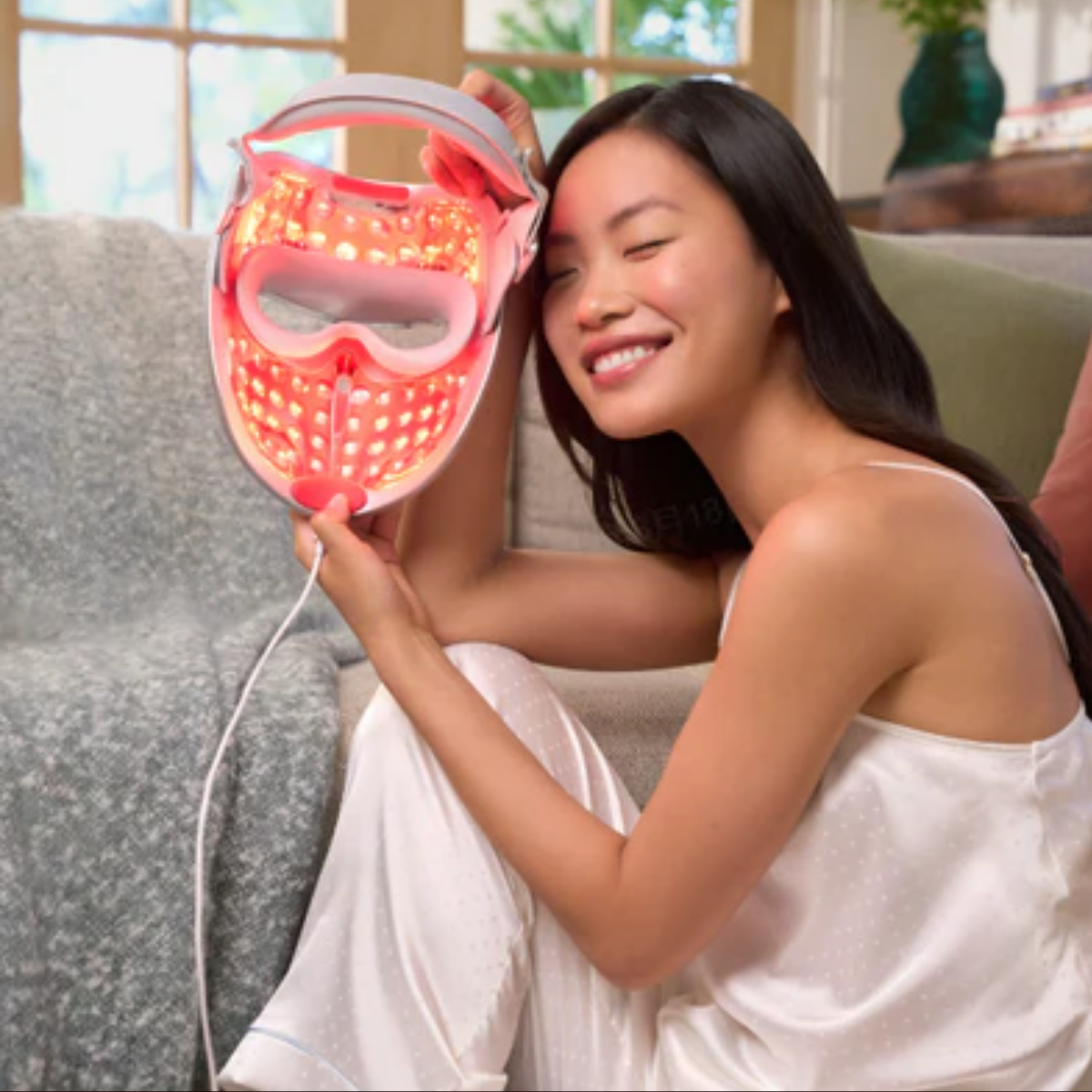
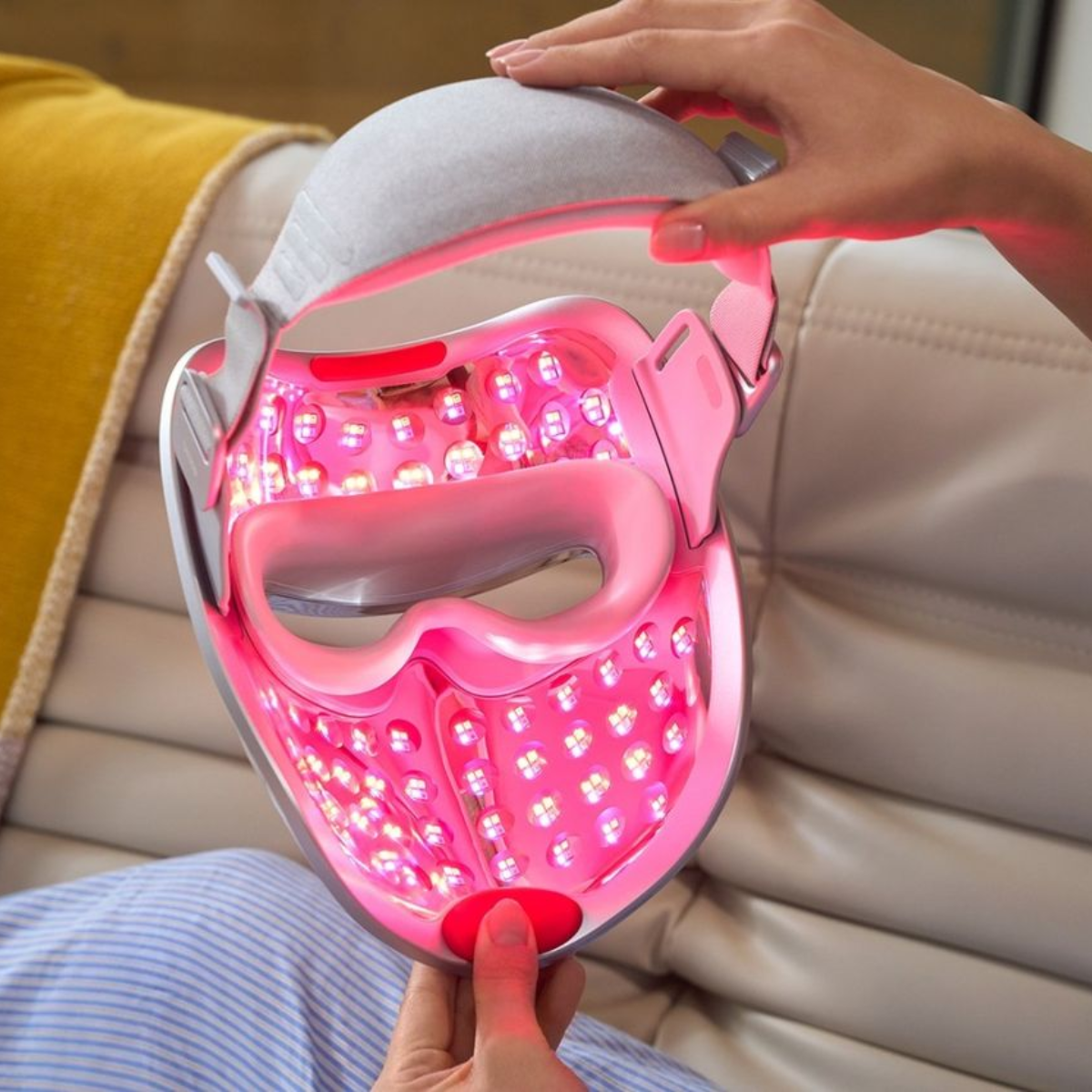
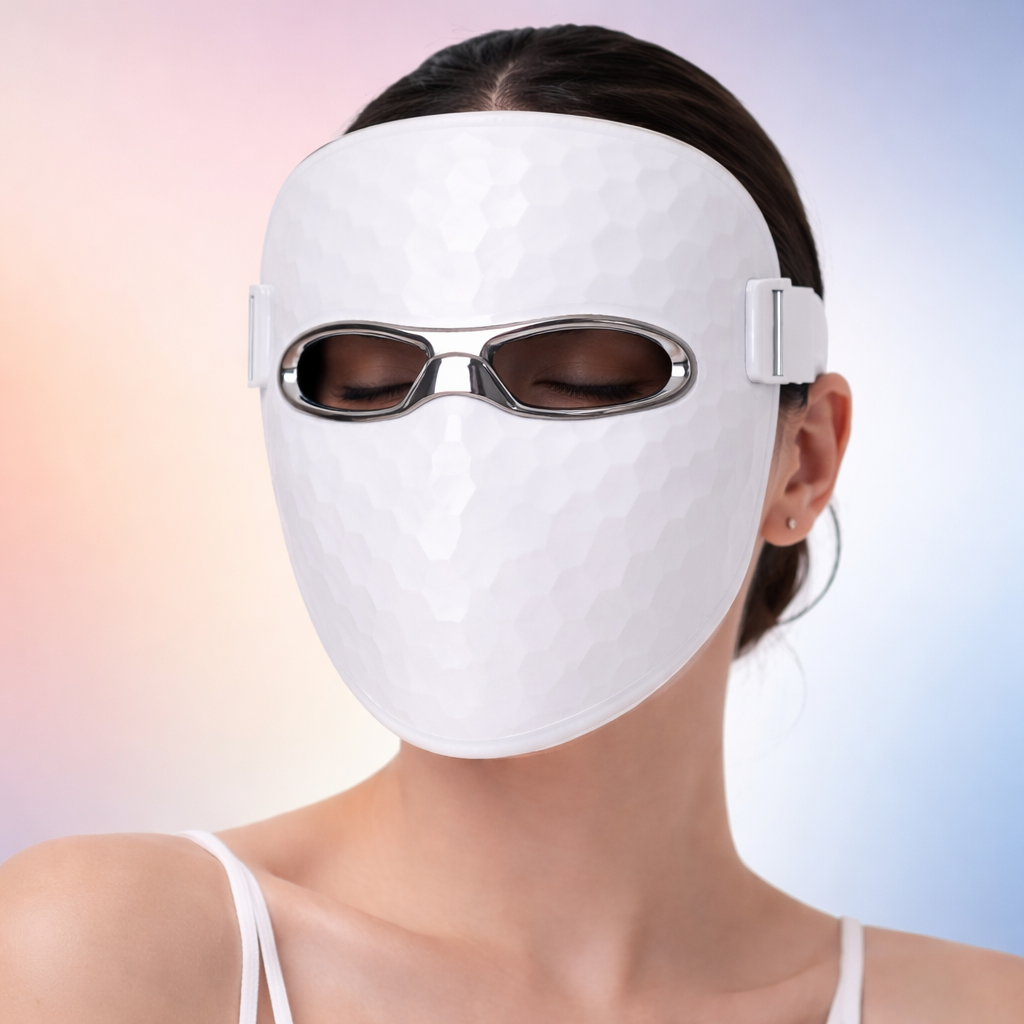
Most at-home LED face masks are designed to limit direct exposure around the eye area. Eye cut-outs, padding, or built-in shields help reduce light reaching the eyes, and sessions are timed to avoid prolonged exposure. Fit plays a role here. A mask that sits properly is less likely to let light leak where it shouldn’t.
1. Hair Growth Cycle (Affects 40% of Duration)
The growth cycle of your hair plays a significant role in how long your bikini wax lasts. Waxing only removes hair in the active growth (anagen) phase, which means that some hairs may still be in the resting (telogen) phase when the wax is applied.
Over time, consistent waxing helps synchronise your hair growth cycle, reducing the amount of regrowth and extending the duration between appointments. In the UK, where seasonal changes affect hair growth, you may notice that waxing lasts longer during the winter months when your hair growth slows.
LED light is still bright. Looking directly at the lights during a session isn’t advised, and keeping your eyes closed is a simple precaution that’s easy to forget. If the mask feels loose or misaligned, it’s better to adjust it before continuing rather than carry on as it is.

Blue light often draws more attention than other settings because it appears brighter and works closer to the surface of the skin. This doesn’t make it unsafe by default, but it does mean instructions matter more, particularly for those with sensitive eyes.
Eye discomfort, headaches, or visual strain during or after use shouldn’t be ignored. An LED face mask is meant to fit comfortably into everyday routines. If something feels off, stopping and reassessing is the sensible response.
Who Should Avoid Using an LED Face Mask?
LED face masks are widely marketed for at-home use, but that doesn’t mean they suit everyone. In some cases, a bit of caution is enough. In others, it’s better to step back unless you’ve had professional guidance.
Photosensitive Skin or Light-Sensitising Medications
If your skin reacts strongly to light or if you have been told to avoid light treatments, an LED face mask might not be right for you. The same is true for anyone taking medication that increases sensitivity to light. Even low-level LED exposure can feel uncomfortable or unpredictable in these situations, particularly with regular use.
Compromised or Healing Skin
When it comes to LED therapy, timing makes a real difference. Skin that is healing, recently treated, or already irritated may not respond well to additional stimulation. Using an LED face mask too soon after a procedure, or during an active flare-up, can slow recovery rather than support it. LED masks tend to work best on skin that is relatively stable.
When Professional Advice Makes Sense
Sometimes the question isn’t really about safety at all, but whether an LED mask is the right tool in the first place. If you’re dealing with a persistent or complex skin concern, an at-home LED face mask may not address the underlying cause. In those cases, professional advice is usually a better starting point than trial and error at home.
Listen to your gut. LED face masks are meant to support skin health, not override it. When something doesn’t feel like a comfortable fit, pausing and asking for guidance is often the most sensible step.
Are LED Face Masks Safe for All Skin Tones?
Skin tone is an important part of the safety conversation, and it’s one that often gets glossed over. LED light doesn’t interact with every skin tone in exactly the same way, so it helps to understand where differences can show up.
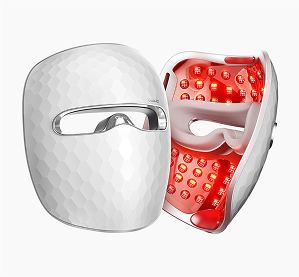
Red and near-infrared light are generally considered suitable for a wide range of skin tones when used in at-home LED face masks. These wavelengths are commonly used for overall skin support and tend to be better tolerated across different complexions when used as directed. This is one reason they are often the default settings on many at-home LED face masks.
Blue light needs a little more thought. It works closer to the surface of the skin and, for some people with darker skin tones, has been linked to a higher risk of uneven pigmentation when overused or used without care. That doesn’t mean blue light is automatically unsafe. It does mean that moderation, correct settings, and clear guidance matter more here.

Adjustability makes a difference. Masks that allow you to control session length or choose specific light modes offer more flexibility, particularly if you’re unsure how your skin will respond. Starting slowly and watching for changes in tone or sensitivity is more sensible than jumping straight into frequent use.
As with many aspects of skincare, individual response matters more than blanket rules. If you’ve experienced pigmentation issues before or feel uncertain about how your skin reacts to light-based treatments, a cautious approach is usually the better option.
How to Use an LED Face Mask Safely at Home
An LED face mask doesn’t require any special techniques, but moderation matters. These devices are designed for regular use and tend to work best when they’re treated as part of a routine rather than something to experiment with.
Follow the Manufacturer’s Instructions
Most issues with LED face masks come down to how they’re used. Session length and frequency limits aren’t arbitrary. Adding longer sessions or extra treatments during the week rarely improves results and can leave skin more reactive. Following the recommended settings is usually the simplest way to avoid irritation.
Start Slowly and Build Up
Skin doesn’t always respond the same way from the first session onward. Shorter sessions or fewer uses each week give skin time to settle. This also makes it easier to notice early changes, whether they’re positive or not, before they become more noticeable.
Use on Clean, Comfortable Skin
LED face masks are intended for clean, dry skin. Combining light therapy with strong actives, exfoliants, or heavily fragranced products can increase the risk of irritation. Many people find it more comfortable to keep skincare minimal before a session, then return to their usual routine afterwards.

Avoid Overuse
Excessive use can leave skin feeling tight or unsettled. Progress with LED light therapy is usually gradual, and attempts to speed it up often backfire. A steady routine over time is generally easier on the skin than frequent or extended sessions.
LED Face Mask Safety FAQs
Are LED face masks safe to use at home?
For most people, at-home LED face masks are generally considered safe when used as directed. They are designed for cosmetic use and use low-level light rather than the stronger settings found in clinical treatments.
Can LED face masks damage your skin?
Skin damage is uncommon with proper use. Problems are more likely when masks are used too often, for longer than recommended, or on already irritated skin. Following guidance and allowing skin time to adjust makes a difference.
Are LED face masks safe for your eyes?
Most at-home LED masks are designed to limit direct exposure around the eyes. Keeping eyes closed during use and making sure the mask fits properly are simple precautions. Any eye discomfort is a sign to stop rather than continue.
Can LED face masks cause pigmentation?
Red and near-infrared light are generally well tolerated across skin tones. Blue light requires more care, particularly for those prone to pigmentation. Overuse or incorrect settings can increase the risk of uneven tone for some people.
How often is it safe to use an LED face mask?
Most devices are designed for use a few times per week. Using a mask more frequently does not usually improve results and can increase sensitivity. Consistency matters more than frequency.
Who should avoid using an LED face mask?
People with photosensitive conditions, those taking light-sensitising medication, or anyone with healing or compromised skin should seek advice before use. If uncertainty remains, professional guidance is the safer option.
Is long-term use of LED face masks safe?
Long-term use is generally considered low risk when devices are used correctly. LED face masks are intended for gradual, ongoing skin support rather than intensive treatment.
Making an Informed Choice
LED face masks sit in an interesting space within skincare. They aren’t medical treatments, but they aren’t simple products either. Used with a bit of care and realistic expectations, they can fit comfortably into an at-home routine for many people.
Safety, in most cases, comes down to how the device is used and whether it suits your skin. Paying attention to instructions, avoiding overuse, and being mindful of sensitivity all make a difference. When something doesn’t feel right, stepping back is usually the sensible response rather than pushing through.
LED light therapy works gradually. It tends to reward consistency and patience rather than intensity. For those who prefer low-effort, maintenance-style treatments, an Are Are LED face masks safe? LED face mask can be a practical option. For others, particularly those with complex skin concerns, professional guidance may be the better route.
The most important takeaway is informed choice. Understanding how LED face masks are designed to work, who they are best suited for, and where extra care is needed makes it easier to decide whether they belong in your routine at all.