



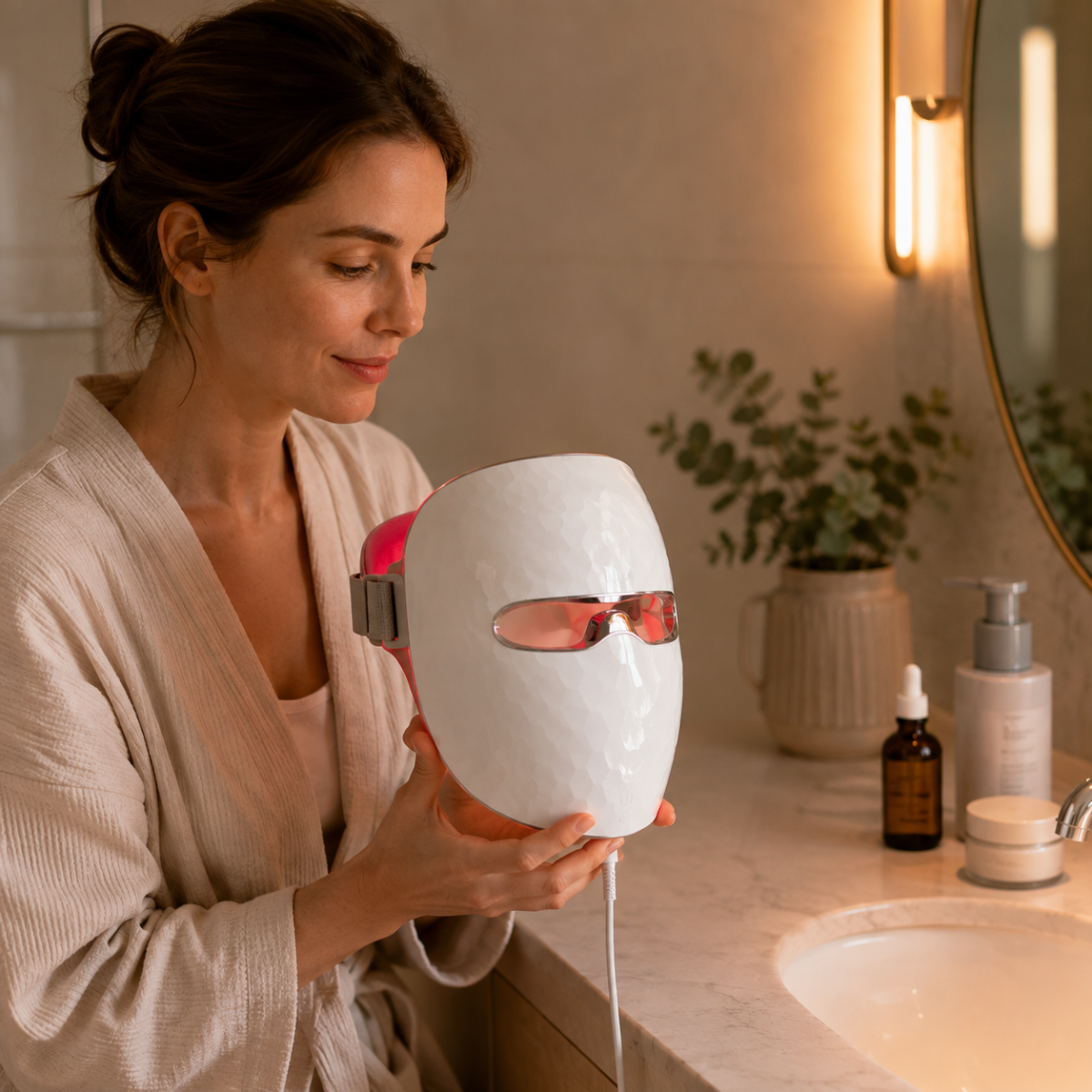
LED Light Spectrum Wavelengths Explained: What Different Colours Do for Skin
Light spectrum wavelengths can feel technical when you first come across them, but the basic idea is fairly simple. A wavelength is a measurement that describes where a type of light sits on the light spectrum, while colour is how visible light at those wavelengths is perceived by our eyes. In LED skincare, different colours of light correspond to different wavelengths, which are used for different cosmetic purposes.
As LED masks have become more common at home, terms such as red light, blue light, yellow or amber light, and infrared light have become part of everyday skincare conversations. Understanding where these types of light sit on the spectrum can make it easier to understand why different LED masks offer different light settings.
This guide breaks down light spectrum wavelengths in plain language. We’ll look at what wavelengths mean, how different LED colours are commonly used in skincare, and how this applies to an LED mask such as Ulike Reglow.

What Are Light Spectrum Wavelengths? (In Plain English)
Light is easier to understand than it sounds. We live with it every day, but rarely stop to think about how it works.
At its simplest, light comes in different colours. Those colours are created by light waves that are either shorter or longer. The distance between those waves is what we mean by wavelength.
Shorter wavelengths appear as cooler colours, like blue. Longer wavelengths appear as warmer colours, like red. These visible colours sit along the light spectrum, which is the range of light our eyes can see.
You might see wavelengths measured in nanometres, often written as nm. These numbers come up a lot in LED skincare. They are useful for comparing different types of light, but you do not need to memorise them.
In LED skincare, different wavelengths are used for different cosmetic purposes. LED devices use light at specific points on the spectrum to support how skin looks over time. The effects, if they appear, tend to build gradually with regular use.
Once you see it that way, the different colour settings make more sense. Red, blue, yellow and amber light each sit at different points on the spectrum, which is why they can be used with different skincare goals in mind.

Why LED Masks Use Different Light Colours
So why not just use one colour and be done with it?
Different colours sit at different points on the light spectrum, and different wavelengths are used for different cosmetic purposes. That is why LED masks can offer more than one light setting.
It comes down to what each type of light is intended to support. Different light colours are used because:
- different wavelengths interact with the skin in different ways
- different skin concerns may call for different light settings
- having more than one setting gives you flexibility within the same routine
Some wavelengths are associated with supporting how skin looks over time, while others are commonly used for more specific cosmetic goals. That does not make one colour better than the rest. They simply have different intended uses.
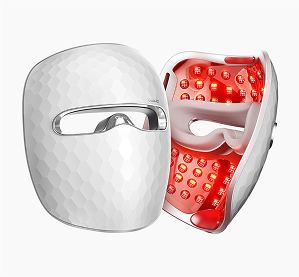
With Ulike Reglow, different light colours are brought together in one at-home LED mask. You can select the mode that matches the intended skincare goal, then use the mask as part of your regular routine.

Red Light Wavelengths and Longer Waves
Red light sits at the warmer end of the visible light spectrum. Its wavelengths are longer than blue light, which is why it is often talked about first when people start reading about LED skincare.
In simple terms, red light is commonly used to support skin that looks dull or tired. It is often associated with brightness and a more refreshed appearance..
Why Is Red Light Used in LED Skincare?
You will often see red light associated with regular sessions and gradual results, rather than a one-off treatment. It is the kind of setting people may return to as part of an ongoing skincare routine, particularly when their skin looks dull or tired.
The idea is consistency rather than intensity. Red light is generally used as part of a regular routine, with any visible changes, if they appear, building gradually over time. It is not something you would expect to notice immediately after switching on an LED mask for the first time.
That is also why realistic expectations matter. Red light is not about tightening skin overnight or reversing signs of ageing. In everyday skincare, it is more about supporting skin that looks smoother, brighter, more even and generally refreshed over time.
Red light can therefore be an easy setting to incorporate into a regular routine. Rather than expecting a dramatic change from a single session, the focus is on using the light consistently and giving your skin time to respond.

Blue Light Wavelengths and Shorter Waves
Blue light sits toward the cooler end of the visible light spectrum. Its wavelengths are shorter than those of red light, which is why the two are used with different skincare goals.
In LED masks, blue light is commonly associated with supporting clearer-looking skin. It is often considered when clarity is more of a priority than brightness or glow.
Blue light can sometimes cause confusion because of the amount of attention given to blue light from screens. The blue light used in an LED skincare device is a different context. LED masks use controlled light at specific wavelengths and are designed to be used for set periods of time.
Unlike red light, which is often used as part of a regular skincare routine, blue light may be chosen more selectively depending on the intended skin goal. There is no need to use every available light setting in every session.
As with other LED light settings, consistency and realistic expectations matter. Blue light is not intended to produce an overnight change. It is another option within a multi-colour LED mask, allowing the light setting to be chosen according to the intended skincare goal.
Yellow and Amber Light Wavelengths
Yellow and amber light sit between red and blue on the visible light spectrum. They are mentioned less often in LED skincare, so their role can be less familiar.
In the context of this article, yellow and amber light are associated with a calmer, more even-looking appearance. They may be considered when skin looks unsettled or when the aim is to keep a skincare routine feeling gentle and consistent.
The changes, if they appear, are generally expected to be subtle rather than dramatic. As with the other light settings, the focus is on regular use and realistic expectations rather than an immediate transformation.
Yellow and amber light are therefore best understood as another option within a multi-colour LED mask, rather than a setting that is better than red or blue. The choice depends on the intended skincare goal and the light settings available on the device.

Infrared Light and Longer, Invisible Wavelengths
Infrared light sits just beyond red on the light spectrum. Unlike the other colours discussed here, it is not visible to the eye. It is therefore a little different from the visible light settings you can see on an LED mask.
In skincare devices, infrared light is generally described as a supportive part of an overall LED routine rather than a setting that produces an immediate visible change. It can be used alongside visible light rather than replacing it.
Because infrared light cannot be seen, there is no obvious visual cue when it is being used. That makes it easy to focus on the more visible colours instead, but infrared can still form part of the light spectrum used in an LED mask.
It is also important to distinguish at-home LED use from clinical treatment. In the context of this article, infrared is simply another wavelength used in an LED skincare device, alongside visible light.
For Ulike Reglow, infrared is included as part of the device's combination of light wavelengths. Its role is best understood alongside the other settings, rather than as a standalone treatment.
How Ulike Reglow Uses Light Spectrum Wavelengths
Ulike Reglow brings different light spectrum wavelengths together in one wearable mask. Rather than using a single type of LED light, it combines different light colours and wavelengths within the same device.
The mask is designed for at-home use, with different light modes that can be selected as part of your skincare routine. You do not need to understand the science behind every wavelength to use the mask. The important part is knowing that each mode uses a different type of light.
To make that easier to understand, here is how the different light colours used in Ulike Reglow are positioned on the light spectrum and described in the context of skincare.
Light colour |
Where it sits on the spectrum |
Common cosmetic focus |
|---|---|---|
Red light |
Longer visible wavelengths |
Supporting brightness and a refreshed look |
Blue light |
Shorter visible wavelengths |
Supporting clearer-looking skin |
Yellow / Amber light |
Mid-range visible wavelengths |
Supporting a calmer, more even-looking appearance |
Infrared light |
Just beyond visible red light |
Used as part of the overall light combination |
The table is a reference point rather than something you need to memorise. Each colour sits at a different point on the light spectrum, which is why the different modes can be used with different skincare goals.
The focus is on making the different wavelengths practical for an at-home routine. You can choose from the available light modes without needing to treat the mask like a technical or clinical device.
By bringing multiple light colours and wavelengths together in one device, Ulike Reglow gives you different LED settings within the same skincare routine.
Choosing the Right Light Colour for Your Skin Goals
Once you have a sense of what the different light colours are commonly used for, the next step is working out which setting fits your skincare goal. This does not have to be complicated.
Red light is commonly used when skin looks dull or tired, while blue light is associated with supporting clearer-looking skin. Yellow or amber light is associated with a calmer, more even-looking appearance. Each colour has a different place on the spectrum and a different intended use.
There is no need to switch colours constantly. Choosing a setting based on your skincare goal can be more straightforward than changing modes every session. LED skincare is generally used as part of a regular routine, with any visible changes developing gradually over time.
If you are new to LED skincare, start by following the device's instructions and pay attention to how your skin responds. You do not need to find a “perfect” light colour from the beginning.
In practice, the most useful setting is the one that matches what you want to support and how the device is designed to be used. Keeping the routine simple can make it easier to use consistently.
Common Questions About LED Light Wavelengths
What are light spectrum wavelengths?
A wavelength describes the distance between the waves of light. It is measured in nanometres (nm), and different wavelengths sit at different points on the light spectrum. Colour describes how our eyes perceive visible light at those wavelengths.
In LED skincare, devices use specific wavelengths of light for different cosmetic purposes.
Which LED light wavelength is best for skin?
There is no single LED wavelength that is best for every skin goal. Different colours are commonly used for different cosmetic purposes, so the most suitable option depends on what you want the light to support. Red, blue, yellow and amber light each have different intended uses within LED skincare.
Is red or blue light better for the face?
Red and blue light are used with different skincare goals, so one is not simply better than the other. Red light is commonly used to support skin that looks dull or tired, while blue light is associated with clearer-looking skin.
Rather than choosing one as the “best” option, consider what you want the light setting to support and follow the device's guidance.
Are LED light wavelengths safe for home use?
At-home LED masks are designed for cosmetic use and should be used according to the manufacturer's instructions. If you are new to LED skincare, follow the recommended session time and pay attention to how your skin responds.
If you have concerns about whether LED skincare is suitable for you, check the device guidance before use.
Can you use different LED colours on the same day?
That depends on the device and its recommended usage. Different LED masks can have different instructions for combining or switching between light settings, so it is best to follow the guidance provided with your device.
You do not need to use every colour in every session. Choosing a setting that matches your intended skincare goal and using it consistently can keep your routine simpler.
Light Spectrum Wavelengths, Explained for Real Life
Light spectrum wavelengths are simply a way of describing the different types of light used in LED skincare. Each colour sits at a different point on the spectrum, which is why LED masks can offer different light settings for different cosmetic goals.
Red, blue, yellow, amber and infrared light are not competing options. They represent different parts of the spectrum and can have different intended uses within an LED skincare routine.
There is no need to choose the “perfect” wavelength. The more useful approach is to understand what each setting is intended to support, follow the guidance for your device, and keep your expectations realistic.
For Ulike Reglow, these different light wavelengths are brought together in one wearable mask. That makes the science behind the different colours easier to apply as part of an at-home skincare routine.
Related Readings


Yellow Light Therapy for Skin: What It Does and Why It’s Used in LED Treatments
LED Mask for Acne: Do They Really Help Clear Breakouts?

How Do You Get Rid of Jowls? Practical Ways to Support a Firmer-Looking Jawline
Explore Beauty
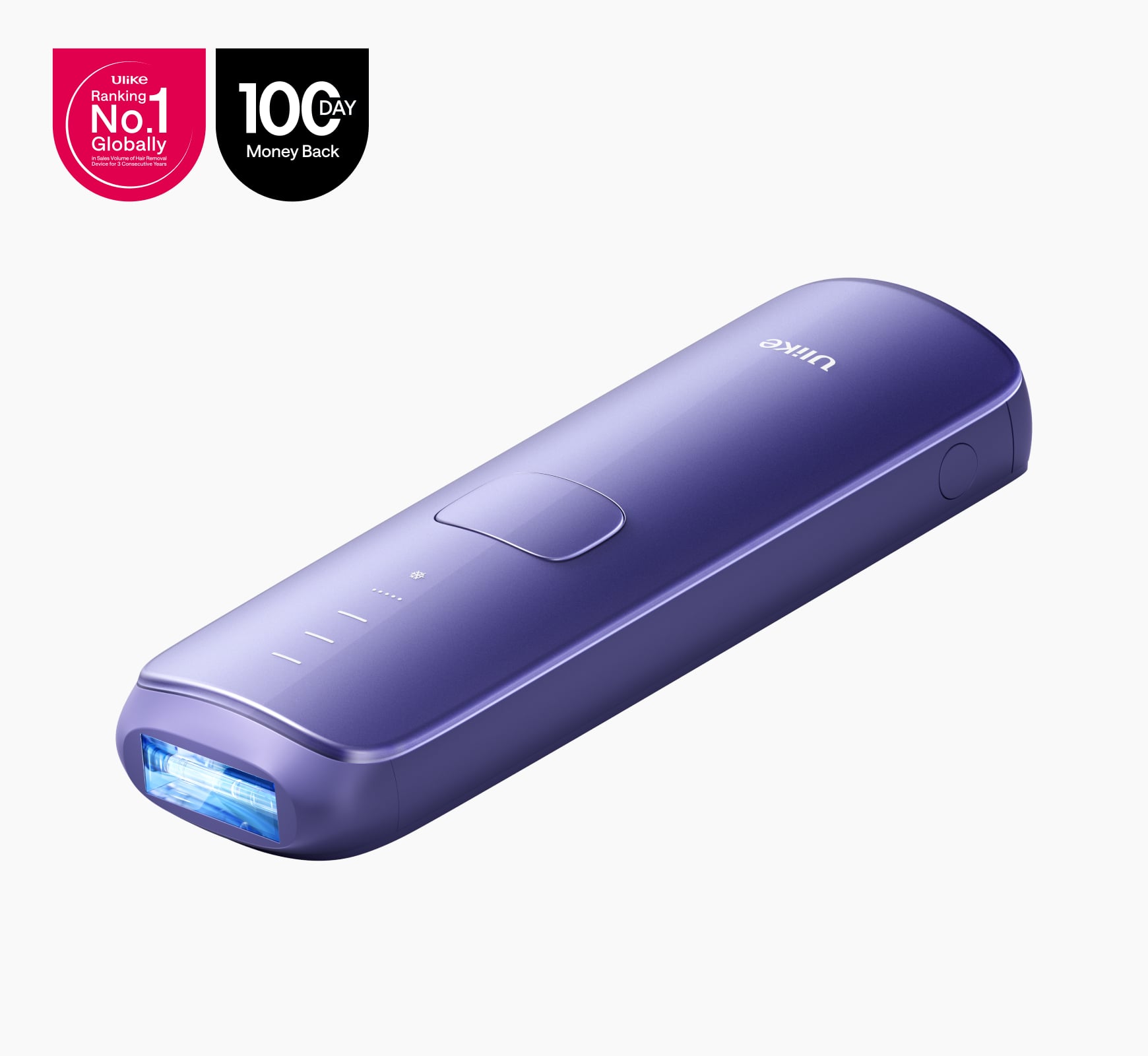
Ulike Air 10
2 weeks to silky smooth skin.
96% Hair Density Reduction in 2 Weeks
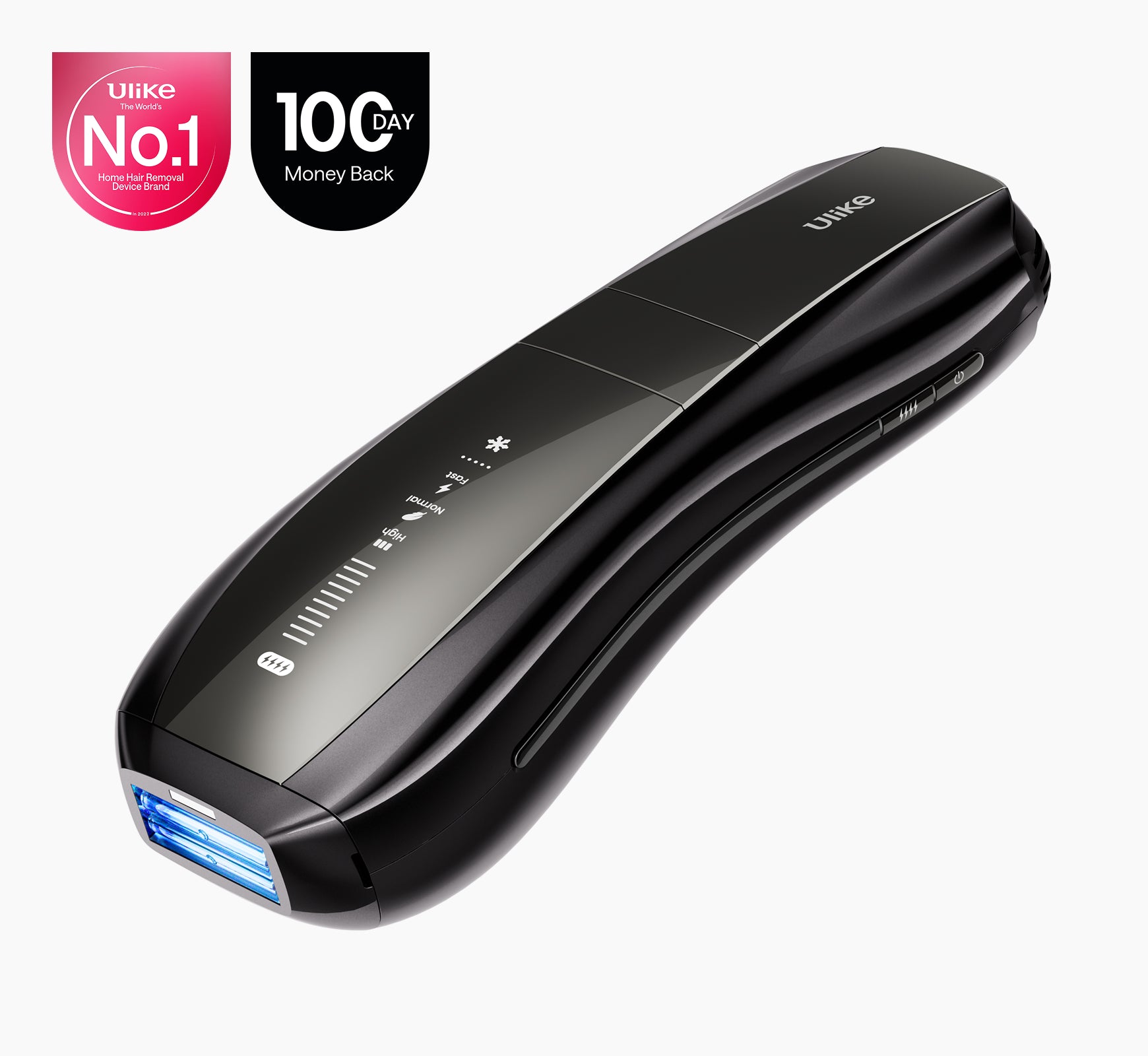
Ulike Air 3
3 weeks to silky smooth skin.
93% Hair Density Reduction in 4 Weeks
Ulike X
3 weeks to silky smooth skin.
94% hair reduction in just 2 weeks*
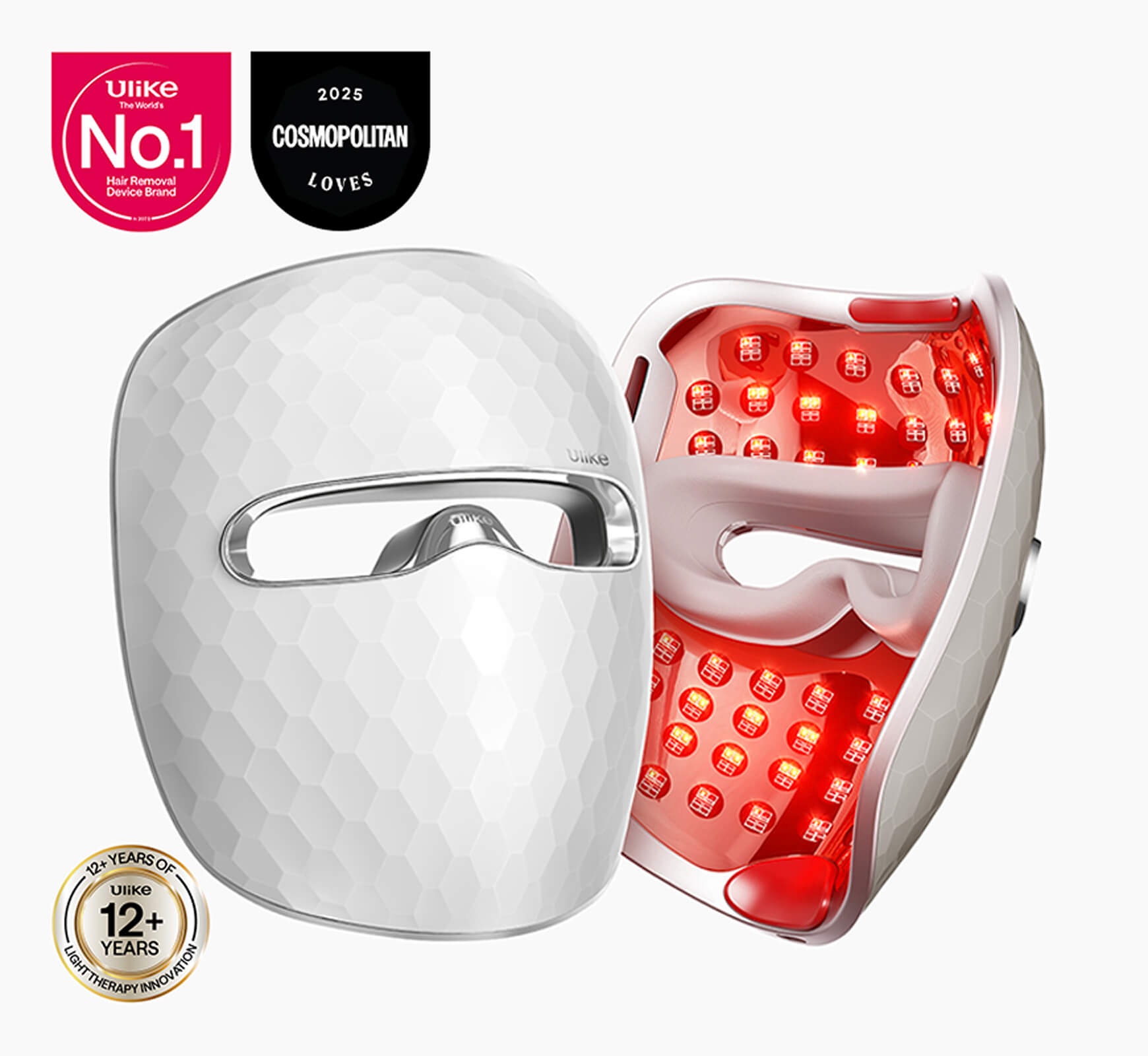
Ulike Reglow
Clearer skin in 2 weeks: Fewer breakouts
Smoother skin in 4 weeks: Fewer lines, firmer feel