



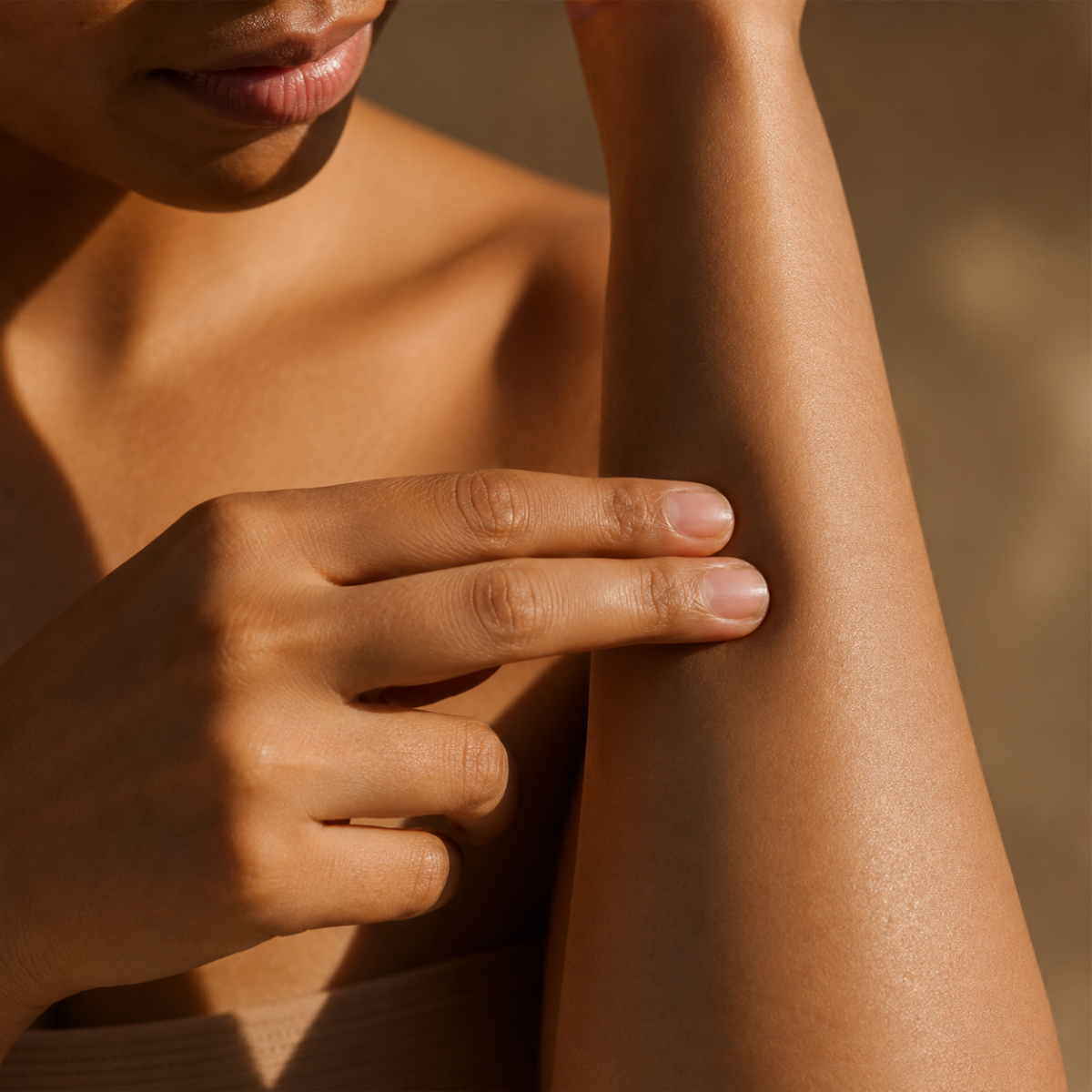
Sun Protection After IPL: Why SPF 30 Alone Is Not Enough in Summer

Sun Protection After IPL.
Just now, you did IPL and noticed that your skin feels warm. You start to wonder if spending some time out in the sun on that bright afternoon will cause problems. Maybe you have also planned a beach holiday in three weeks and want to know how to proceed from there.
The short answer is that you do not need to stop your IPL treatment in summer. You just need to manage it sensibly. This guide gives you the specific numbers, the actual risks, and a practical routine that fits around real life in the UK.
Why IPL Makes Your Skin More Sensitive to the Sun
Before getting into the how-long and the SPF numbers, it helps to understand the why. Once you understand what is happening in the skin after a session, the aftercare advice stops feeling arbitrary.

How IPL Interacts with Melanin in the Skin
IPL involves the delivery of pulsed light into the skin. This process uses light that has a broad spectrum and affects the melanin in hair follicles, thus heating them and damaging them, thereby inhibiting their growth.
The catch is that melanin in the hair follicle and melanin in the surrounding skin are not entirely separate. The light energy also temporarily affects the skin's own pigment cells. This leaves the treated skin in a sensitised state for several days after each session, where it absorbs UV radiation more intensely than it would normally.
Why Treated Skin Is Temporarily More Vulnerable to UV
Following IPL, the natural protection against UV rays that occurs naturally in the skin gets disturbed to some extent. Normally, the skin can deal with ultraviolet rays with the help of processes such as melanin formation, cellular regeneration, and natural protection from UV radiation.
UV rays, which should normally be taken care of through the skin’s natural process, can pass through much more easily, leading to inflammation, redness, and, worst of all, post-inflammatory hyperpigmentation (PIH). This means that there is discolouration of the skin around the treated area, which has been subjected to sunlight without any kind of protection. The time required for the patch to clear off is a few weeks or even months.
How Long Should You Avoid Sun Exposure After IPL?
Do not expose your face to direct sunlight within 48 hours after every IPL procedure. During the following two weeks, use sunscreen with an SPF of 30 or more daily, even when it is cloudy, since the rays still make their way through clouds, with up to 80% of UV radiation making it past the clouds. Your skin’s increased sensitivity does not just stop after one or two days.
The First 48 Hours: What to Do Immediately After a Session
These first two days are the most critical. Here’s how to do it practically:
Use an SPF 50 on the treated area when stepping out of the door, no matter how brief it may be
Wear clothing over the treated area wherever feasible, especially those that allow free movement
Stay away from sunlight, whether it’s indoors or outdoors, for long durations
Steer clear of activities like taking a hot bath or shower, sauna sessions, or steam baths
No application of active skin care products such as retinol, AHAs, or BHAs
The idea is not to shut yourself up inside your house, but only to give the skin some quiet time before exposing it to the sun and heat.
The Two-Week Rule
The heightened sensitivity period extends well beyond those first 48 hours. For two weeks after each session, daily SPF use on treated areas genuinely matters, not just the morning of treatment.
This is where UK users sometimes trip up. An overcast July day feels low-risk, but cloud cover does not block UV. Up to 80% of UV radiation still passes through clouds, which means a grey British afternoon is still enough to cause pigmentation issues on recently treated skin.
There is also a practical argument for consistency here beyond just avoiding damage. Research in IPL aftercare literature has noted that people who apply SPF consistently throughout the treatment period tend to achieve more even and longer-lasting results. The skin you protect between sessions is the skin that reflects your results.
What SPF to Use After IPL Treatment in the UK
It’s quite simple: SPF 50 in the first 48 hours post-procedure and on days where you’ll have a significant amount of sun exposure throughout your treatment course. Your daily minimum SPF between procedures is 30 (broad spectrum).
Don’t treat them as the same. SPF 30 prevents 97% of UVB, while SPF 50 stops 98%. The variation between the two might not appear that great to you, but if you have sensitive skin, it makes all the difference.

Mineral vs Chemical Sunscreen: Which Is Better Post-IPL?
Mineral sunscreens that contain zinc oxide or titanium dioxide function by acting as a barrier to UV radiation on top of the skin’s surface. These types of sunscreens do not have to penetrate the skin to be effective and thus are less irritating for sensitised skin than chemical formulas.
However, the most effective sunscreen after IPL treatment is the one you will apply. A smooth and comfortable-to-wear sunscreen with SPF 50 from the chemical family will offer much better protection than an ineffective mineral-based sunscreen that you may avoid due to its white appearance.
Choose a product that is fragrance-free, irrespective of whether you go for any of them. Fragrances are some of the most common irritants to new sunburnt skin and offer no contribution to protection from the sun either.
How Often to Reapply and What to Do on Overcast Days
One application of sunscreen in the morning isn't sufficient to protect skin exposed to the sun all day long. The sunscreen needs to be applied every two hours when outside and immediately following swimming or sweating.
On overcast UK days, do not skip it. Cloud cover is not sun protection. Up to 80% of UV radiation passes through, and British summer weather gives a false sense of safety that regularly catches people out. If you are in the first two weeks after a session and you are going outside, apply SPF to treated areas. Full stop.
Can You Continue IPL Treatments in Summer?
Yes. There’s no need to take a break from your IPL sessions during the summer period. The problem is that taking breaks for several months will greatly slow down your progress because the process is cumulative, and such periods will require you to start over.
It all comes down to proper handling of sunlight exposure.
How to Schedule Sessions Around Sun Exposure
A few practical scheduling adjustments make summer IPL much easier to manage:
Evening sessions are preferable on days with significant sun exposure — you have less time outdoors in peak UV after the session
Allow at least 48 hours between a session and any planned beach day or outdoor event
Wait 48 hours after significant sun exposure before your next session — give the skin time to settle first
If your skin looks or feels sunburned, or has developed any redness, skip the session and resume once it has calmed
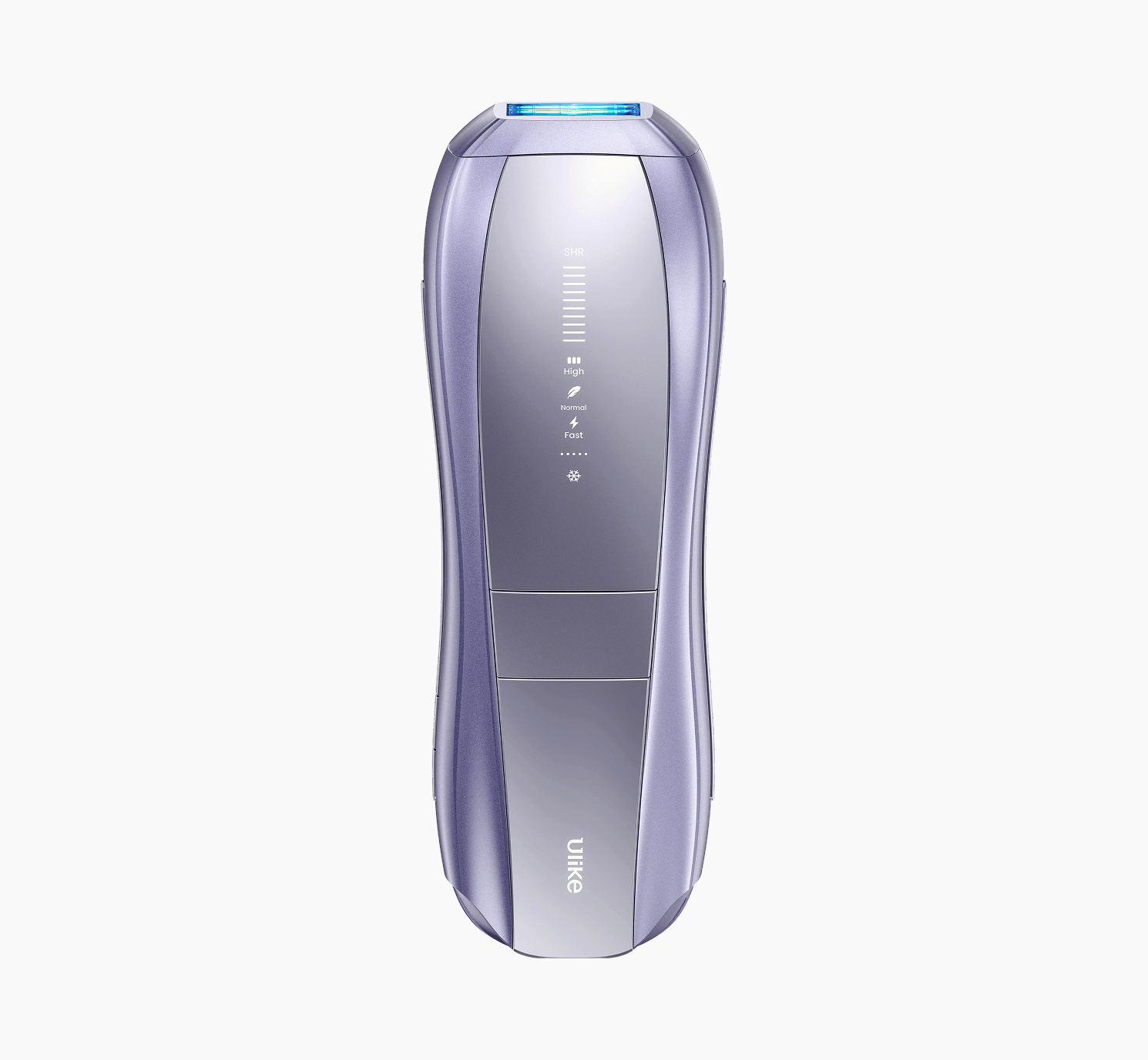
The Ulike Air 10 has a built-in SkinSensor that reads your skin tone in real time before each flash. If the skin is too dark, including from a recent tan, it stops flashing automatically. This adds a practical safety net for users managing treatment around an active summer lifestyle, but it does not replace your own judgement on scheduling.
What to Do If You Have a Tan or Have Been in the Sun Recently
This is one of the most common questions, and the answer is simple: wait.
Should you notice that your skin has become quite dark or if there is any sign of redness or sunburn on it, avoid the treatment and continue once your tan fades away. The amount of melanin present in tanned skin is more, and that is why there is a chance that the energy may get absorbed by the skin rather than the hair follicle.
The Air 10's SkinSensor will often alert you about this automatically. However, even if it doesn't, it should be left to your discretion. Not attending a single appointment will affect your final results very little because of the cumulative nature of your treatment course; it will only delay things for some time. For more on this matter, refer to how to deal with your tanned skin for IPL treatments.
Can You Go on Holiday During an IPL Treatment Plan?
Yes, with a little planning. Most people can travel, including to sunnier destinations, without abandoning their treatment course entirely.

Managing IPL Around Sun, Heat, and Travel in the UK and Abroad
For a UK weekend away: Even though the UV index is lower compared to southern Europe, it can be useful in summer. Use an SPF 50 on your treatment site every day, especially when out during the hours between 11 am and 3 pm.
For travel abroad: Remember to pack your SPF 50 and use it every day for the entire time that your body needs it in all affected areas. Protective clothing, such as loose sleeves and broad-brimmed hats, really does help out at the beach. Tanning booths should be totally avoided throughout the entire course.
A simple rule of thumb: Schedule your last IPL treatment well in advance of your departure date for your holiday in the sun. Upon returning, should the area show any evidence of tanning or redness, allow time for it to clear up before continuing.
What to Do If You Miss a Session or Get Caught Out
One missed session or a bit of sunlight exposure during an interval between classes won’t negate the effects you have gained through the previous classes. One missed class just means the process will take a little longer.
In case one’s skin has been exposed to too much sunlight, then waiting is always a wiser option than continuing with the training. Training can be resumed when one’s skin goes back to normal, with the redness disappearing. Progress might not be as fast during such days, but it is much better than having irritated skin.
What Happens If You Skip Sun Protection After IPL?
It is worth being specific about what the actual risks are not to alarm, but to help you understand why aftercare matters.
Hyperpigmentation: Why Skin Tone Becomes Uneven Without SPF
The primary worry would be post-inflammatory hyperpigmentation. This is where dark spots appear on those parts of the skin treated and then exposed to UV light without sunblock. As you may have guessed, this is very simple in theory; the hypersensitive skin will produce more melanin when exposed to UV light.
This is more common in regions with sensitive skin, especially around the upper lip area, bikini line, and inside the thighs. The discolouration usually fades away after a while; however, it might be difficult to get rid of in persons with medium to dark skin because the reaction from the melanin is higher in this category.
How Sun Damage Can Undermine Your IPL Results
Other than affecting the rate of pigmentation, tanning between treatments will cause your body to produce more melanin in your hair follicles, which may somewhat undermine the efforts put into using the IPL. However, it does not wipe out your gains but will only slow down any progress that would have otherwise been made. Your SPF cream does more than help keep your skin looking good; it protects the money you spend on the procedure.
What Else to Avoid After an IPL Session
Sun protection is the priority, but there are a few other aftercare rules worth knowing about.
Self-Tan, Fake Tan, and Tanning Beds
Fake tan adds surface pigment that can confuse IPL sensors and lead to uneven treatment or increased irritation. Many people assume fake tan is safe because it does not involve real UV exposure — but the added melanin on the skin surface is the problem, not just the UV. Avoid fake tan products throughout the full treatment course, not just for 48 hours post-session.
Tanning beds carry the same risks as sun exposure at higher intensity. They should be avoided entirely for the duration of your treatment plan.
Hot Showers, Steam Rooms, and Chlorine
Heat can lead to an increase in blood supply in the skin, thereby increasing the redness and inflammation caused by the already temporarily sensitive tissues. Do not expose yourself to hot showers or bathtubs, saunas, or steam room treatments within 24-48 hours of receiving any sessions. Lukewarm water will do just fine.
Chlorine in swimming pools acts as a chemical irritant and hence should be avoided.
Retinol and Active Skincare Ingredients
Skin care products such as retinoids, AHAs, BHAs, benzoyl peroxide, and alcohol toners increase your skin’s sensitivity. Do not use them one week before and after each IPL session.
When using IPL treatment, keep things simple: use an unscented cleanser, mild moisturiser, and sun protection cream. Your skin doesn’t need much during the healing process.
A Simple Post-IPL Skin Routine That Works in Summer
This is the part worth saving. A clear, consistent post-session routine makes everything else easier.
Immediately After Your Session
Place a cold pack or simple aloe vera gel on all those parts of your body that appear to be warm or red
Never touch or rub the part of the body which is being treated
Avoid using make-up on the treated skin area until after 24 hours
Try staying indoors or out of direct sunlight for the rest of the day
Keep yourself hydrated
The Ulike Air 10's Sapphire Ice-Cooling technology keeps the contact temperature below 19°C throughout treatment, which means the skin exits each session with less heat and redness than older IPL devices. This makes the immediate recovery more comfortable — but it does not replace SPF. Sun protection is still essential regardless of the device used.
For the First 48 Hours
Apply SPF 50 to all treated areas that will receive exposure to light during the day
Use fragrance-free moisturising lotion twice a day
Avoid excessive heat: no hot baths or saunas; no strenuous exercise or swimming
Cover your treated skin areas with loose clothes
No retinol or AHAs or other active treatments should be used on your treated skin
Avoid sun exposure as much as possible
Ongoing Care Between Sessions
Apply SPF 30 minimum to treated areas every day, regardless of the weather
Resume normal skincare — including actives — only once the skin has fully settled, usually five to seven days after a session
Keep treated areas well moisturised; hydrated skin responds better to subsequent sessions
Stick to the recommended session schedule for your device — for the Ulike Air 10, that is every two days for the first two weeks, then fortnightly maintenance sessions
Consistency across both sessions and aftercare determines the quality of your results. Protecting your skin between sessions is not a bonus step — it is part of the treatment.
Quick Reference: The Rules at a Glance
Timeframe |
What to Do |
Immediately after |
Cool compress, aloe vera, no makeup, stay in SPF 50 should be applied in the initial 48 hours post-treatment, as well as on any day that you will be exposed to sunlight. The minimum requirement is SPF 30 broad-spectrum, which needs to be worn on a daily basis during the entire duration of the treatment process. Fragrance-free products can prevent irritation of recently treated skin.shade |
First 48 hours |
SPF 50 on treated areas, no heat, no actives, no swimming |
First two weeks |
SPF 30 minimum daily, even on cloudy days |
Full treatment course |
No tanning beds, no fake tan, no self-tan products |
Before each session |
Wait 48 hours after significant sun exposure or if skin is tanned |
Frequently Asked Questions
How long after IPL can I go in the sun?
Do not be exposed to sunlight for 48 hours after every treatment procedure. Use a broad-spectrum sunscreen lotion of SPF 30 or more throughout the next two weeks. Even overcast days in the UK transmit around 80 per cent of UV rays. After a laser hair removal treatment, your skin will remain sensitive to UV rays for some time.
What SPF should I use after IPL treatment?
Use SPF 50 for the first 48 hours after treatment and on any day with meaningful sun exposure. SPF 30 broad-spectrum is the minimum for daily use throughout your treatment course. Choose fragrance-free formulas to avoid irritating recently treated skin. Mineral sunscreens containing zinc oxide or titanium dioxide are often gentler on sensitised skin than chemical alternatives.
Can you continue IPL in summer?
Yes. You do not need to pause IPL treatment during summer. Avoid treating skin that is tanned or sunburned, apply SPF 30 or higher daily on treated areas, and schedule sessions to allow at least 48 hours before prolonged sun exposure. Stopping treatment for months significantly slows results, so consistent sessions with careful sun management are the better approach.
Can I go on holiday during an IPL treatment course?
Yes, but with meticulous planning. Schedule your last session no less than 48 hours before leaving for that sunny vacation. Use sunscreen lotion with an SPF of 50 when on holiday in the affected areas and avoid exposure to sun beds as well as tanning lotions. In case you end up getting a tan on holiday, wait till it fades off completely before resuming your sessions.
What happens if you go in the sun after IPL without protection?
Hyperpigmentation can be experienced if IPL treatments are not followed by appropriate protection from sunlight as there will be dark spots that form on the affected areas owing to high production of melanin in response to UV rays. This can lead to redness and irritation and discolouration of the skin.
Can I use fake tan after IPL?
No. Using a fake tan will introduce skin pigmentation which could interfere with the IPL equipment and potentially cause inconsistencies during the treatment. Stay away from fake tanning creams and even tanning booths altogether during the entire treatment period.
References
- Babilas, P. et al. (2010) 'Intense pulsed light (IPL): A review,' Lasers in Surgery and Medicine, 42(2), pp. 93–104. https://doi.org/10.1002/lsm.20877.
- Diffey, B.L. (2002) 'Sources and measurement of ultraviolet radiation,' Methods, 28(1), pp. 4–13. https://doi.org/10.1016/s1046-2023(02)00204-9.
- Hawk, J.L.M. (2004) 'Chronic actinic dermatitis,' Photodermatology Photoimmunology & Photomedicine, 20(6), pp. 312–314. https://doi.org/10.1111/j.1600-0781.2004.00129.x.
- Lawrence, E., Syed, H.A. and Aboud, K.M.A. (2024) Postinflammatory hyperpigmentation. https://www.ncbi.nlm.nih.gov/books/NBK559150/.
- NHS (2025) Excessive hair growth (hirsutism). https://www.nhs.uk/symptoms/hirsutism/.
- Roberts, M. (2026) Riskiest skin cancer cases hit UK record high. https://www.bbc.com/news/articles/c4g0ryrewdxo.
- UK Health Security Agency (2025) What you need to know about UV (ultraviolet) radiation. https://ukhsa.blog.gov.uk/2025/06/27/what-you-need-to-know-about-uv-ultraviolet-radiation/.
- Wong, T.H. et al. (2018) 'British Association of Dermatologists and British Photodermatology Group guidelines for topical photodynamic therapy 2018,' British Journal of Dermatology, 180(4), pp. 730–739. https://doi.org/10.1111/bjd.17309.
Can You Use IPL on Freckles? | Safety & Hair Removal
Can You Use IPL on Your Face Every Day? How Often Should You Use It?
What to Do Between IPL Treatments: Shaving, Exfoliation & Hair Regrowth
Explore Beauty
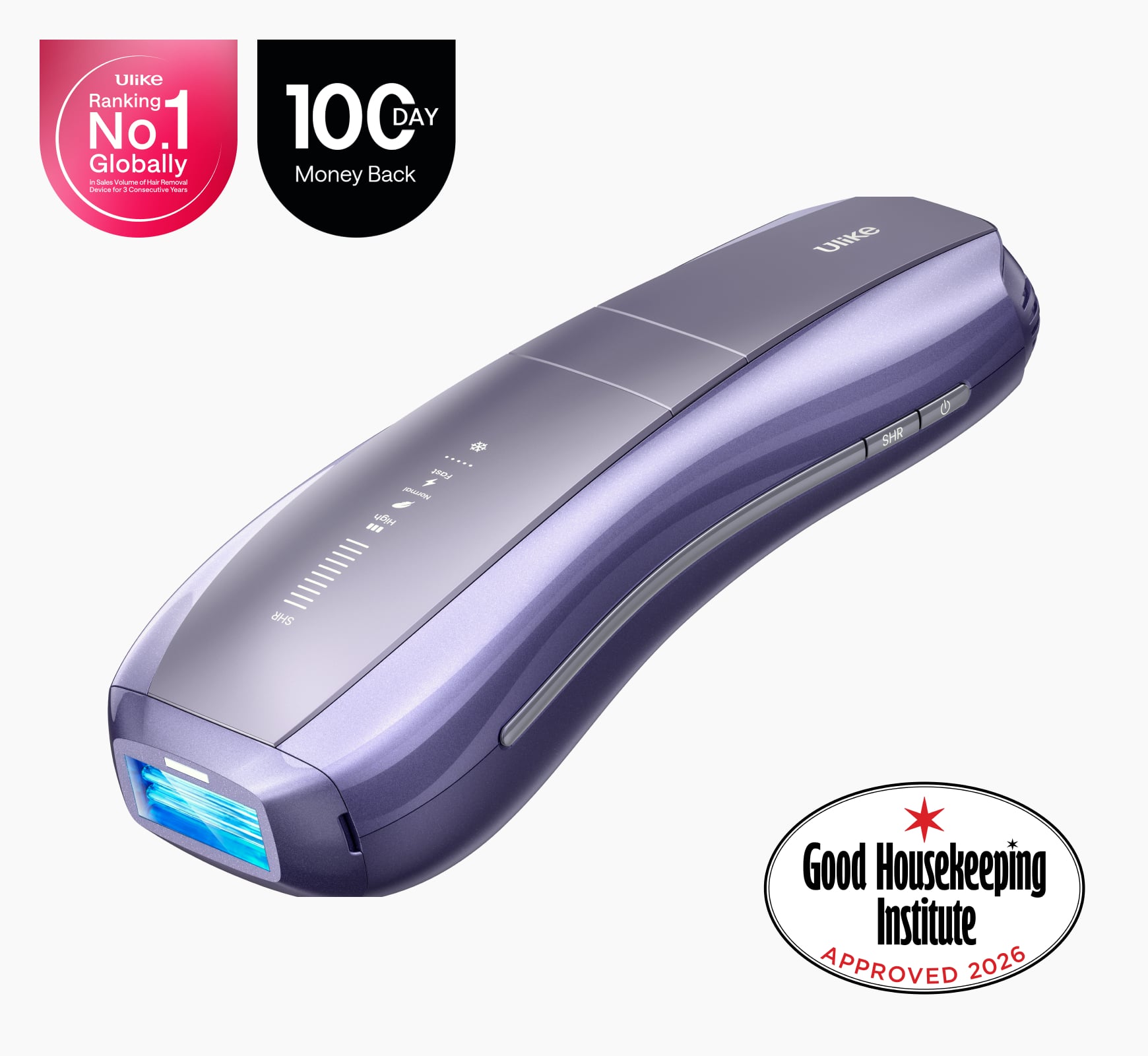
Ulike Air 10
2 weeks to silky smooth skin.
96% Hair Density Reduction in 2 Weeks
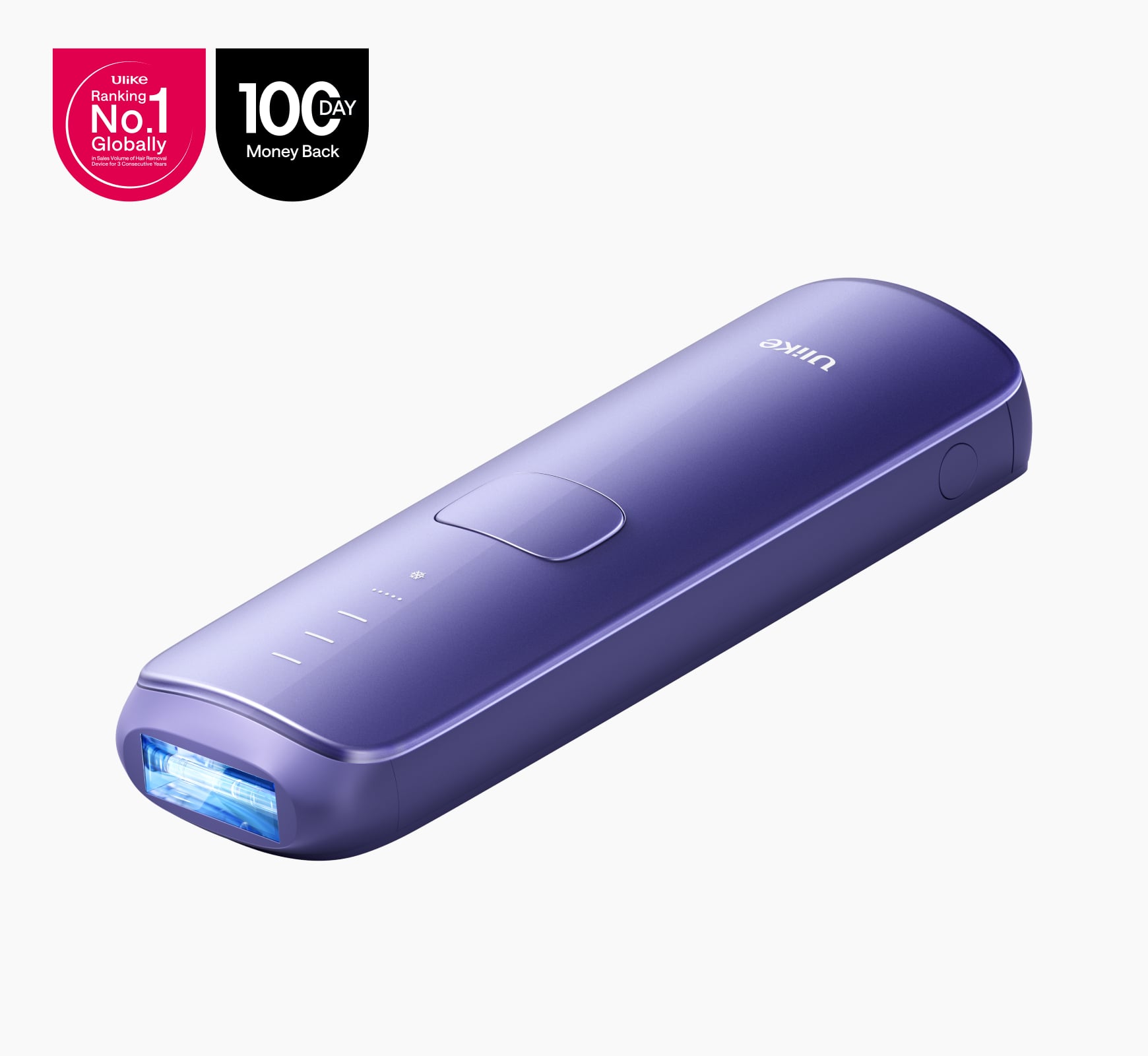
Ulike Air 3
3 weeks to silky smooth skin.
93% Hair Density Reduction in 4 Weeks
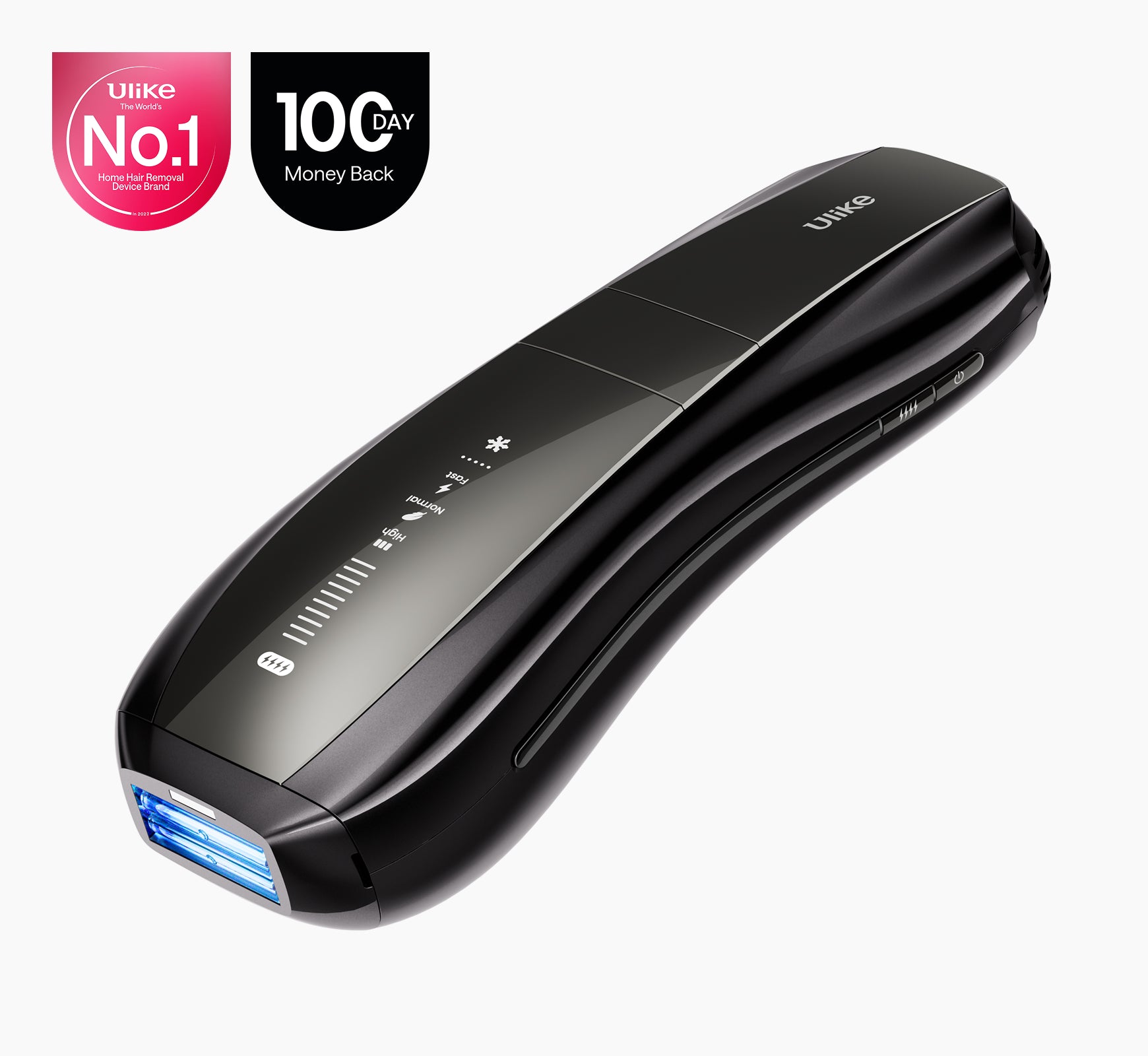
Ulike X
3 weeks to silky smooth skin.
94% hair reduction in just 2 weeks*
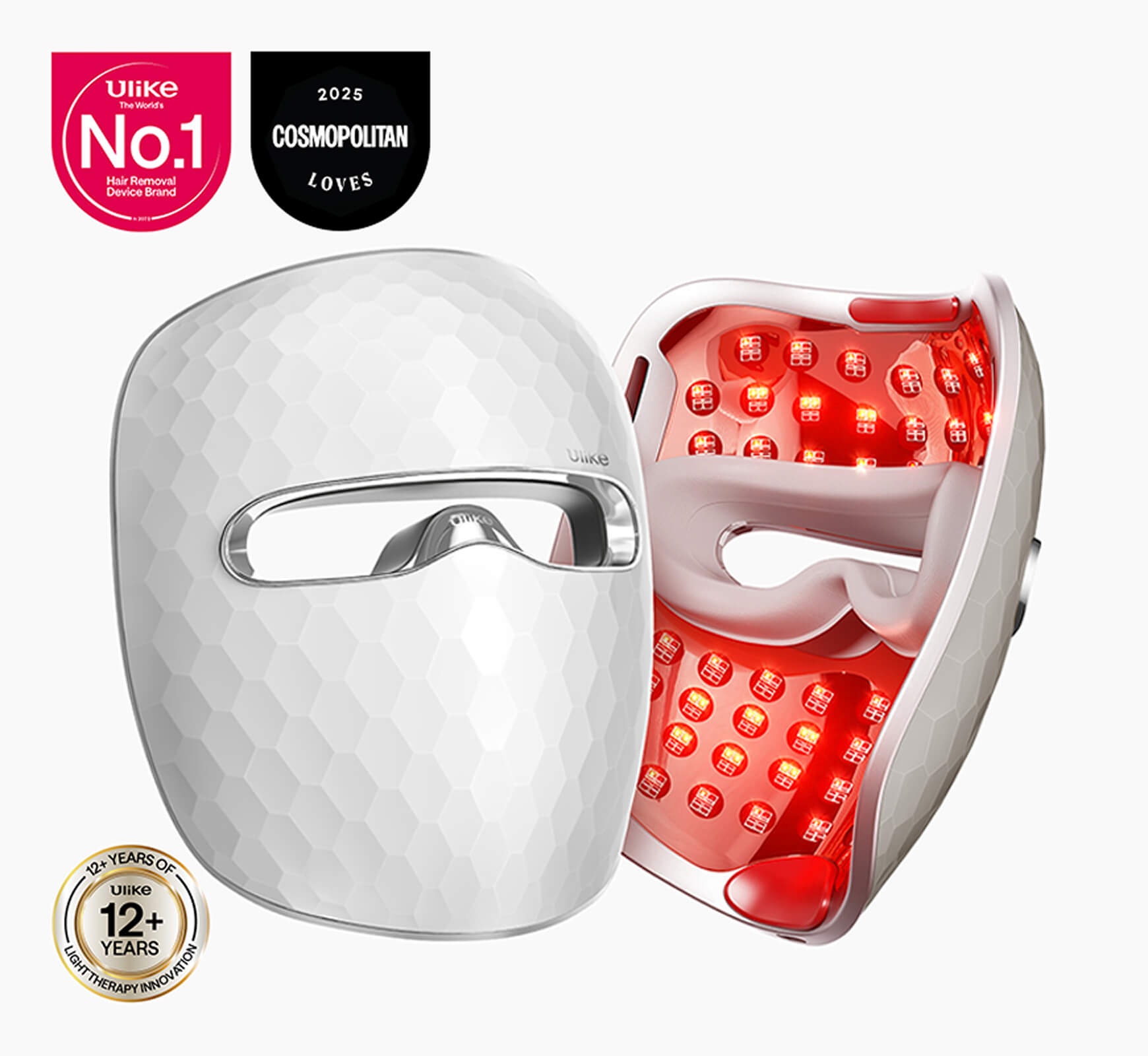
Ulike Reglow
Clearer skin in 2 weeks: Fewer breakouts
Smoother skin in 4 weeks: Fewer lines, firmer feel