




Does IPL Work on Grey and White Hair? Hair Removal Guide

Grey and white hairs are a normal part of changing hair colour, but they can make unwanted hair removal feel less straightforward. If you are considering IPL, laser hair removal or electrolysis, you may be wondering whether the colour of your hair affects the result.
The short answer is that it can. Many light-based hair-removal treatments work by targeting pigment in the hair. As hair becomes grey or white, it may contain less of the pigment that these treatments rely on. That does not mean there are no options, but it does mean that results should be considered realistically.
This guide explains how hair removal for grey hair and white hair differs between IPL, professional laser treatment, electrolysis and temporary methods such as shaving and waxing.
Why is grey or white hair harder to remove?
Grey and white hair can be harder to remove with IPL or laser because these light-based treatments rely on pigment in the hair. Grey hair may retain some pigment, while white hair has little or no visible pigment. The amount of remaining pigment, skin tone, and treatment area can all affect suitability and expected results.

Hair colour is influenced by melanin, the natural pigment found in hair. Dark brown and black hairs generally contain more visible pigment, while grey hairs contain less. White hairs have little or no visible pigment.
This matters because IPL and laser hair removal use light energy that is absorbed by pigment in the hair. The energy is converted into heat, which can affect the hair follicle and reduce future hair growth. Darker hairs are therefore usually easier for light-based systems to identify than very light hairs.
Grey hair is not always completely without pigment. Some grey hairs may still have areas of colour, particularly if the hair is transitioning gradually from its original shade. White hair, by contrast, has little visible pigment for the light to target. The amount of remaining pigment, as well as your skin tone, hair thickness, and treatment area, can all influence the outcome.
The important distinction is that “grey” describes a range of hair colours, whereas “white” usually indicates a greater loss of visible pigment. Two people with grey hair may therefore see different results from the same type of treatment.
Does IPL work on grey hair?

IPL may be less effective on grey hair because it relies on pigment in the hair. Grey hairs that retain some pigment may respond differently from fully depigmented hairs, so results cannot be guaranteed from hair colour alone. It is not accurate to assume that IPL will never work on any grey hair, but suitability should be checked carefully.
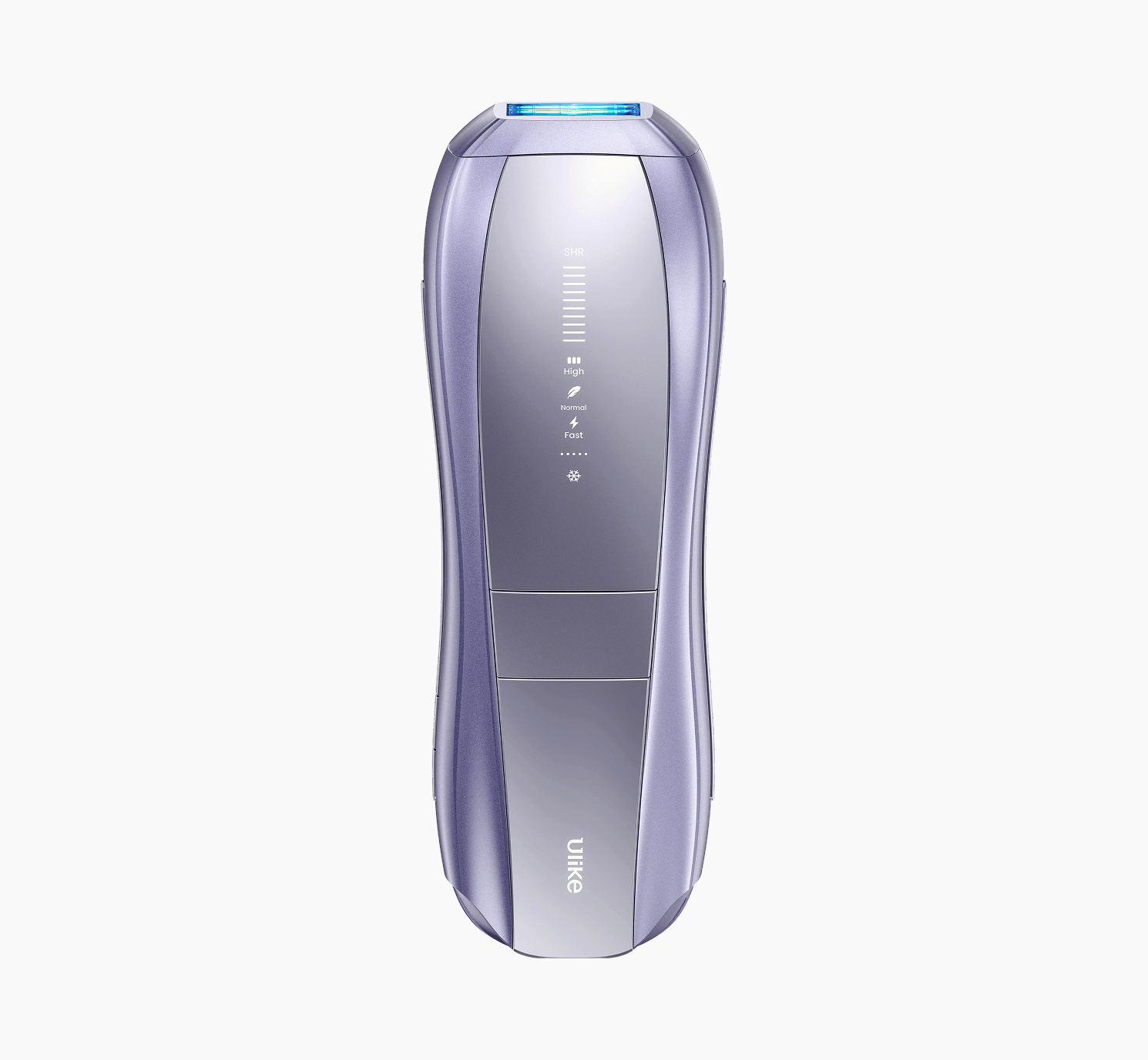
At-home IPL hair removal devices, including Ulike IPL devices, are designed to use light energy to target suitable hair. If you are considering home IPL hair removal, use the current Ulike product guidance to check whether your hair colour and skin tone are suitable. Because the process depends partly on the contrast between the hair and surrounding skin, hair colour is an important part of checking whether a device is suitable for you. Always follow the product’s current instructions and suitability guidance before treatment.
If a grey hair still contains some pigment, it may absorb more light than a fully white hair. However, the amount and distribution of pigment can differ from hair to hair, so visible grey colour alone is not a guarantee of effectiveness. Fine, pale or partially depigmented hairs may be more difficult for an IPL device to detect.
It is also worth remembering that hair colour is only one part of suitability. Skin tone, tanning, the location of the hair and the device’s specified settings or limitations should also be taken into account. A patch test may be recommended according to the device instructions.
If your hair is blonde rather than grey or white, read our guide to whether IPL works on blonde hair for advice focused on that different hair-colour question.
Does IPL work on white hair?
IPL is generally not a reliable option for fully white hair because there may be too little visible pigment for the light energy to target effectively. White facial hair and white body hair can both present this limitation, although individual hairs that retain some pigment may behave differently.
This applies to white facial hair as well as white hair on other areas of the body. For example, if you are looking for white chin hair removal, an IPL device may not be suitable for the white hairs themselves. It may still be possible for a treatment to affect hairs that retain some pigment, but this should not be assumed from the surrounding hair colour.
The safest approach is to check the device’s hair-colour suitability information rather than relying on general advice. If most of the hair is fully white, a non-light-based option may be more appropriate. For a small number of noticeable hairs, professional electrolysis is one alternative to discuss with a qualified practitioner.
What is the best way to remove grey facial hair and white chin hairs?

The best way to remove grey facial hair or white chin hairs depends on the pigment in the individual hair, the number of hairs and whether you want temporary or longer-term results. Fully white hairs can be difficult for IPL and laser to target, while shaving, trimming and professional electrolysis may be more practical options for individual facial hairs.
If you are looking for white facial hair removal or white chin hair removal, the individual hair colour matters more than the treatment area alone. Fully white chin hairs contain little visible pigment, so IPL and laser may have difficulty targeting them.
Shaving or trimming can provide a quick, temporary option, while waxing or epilation may remove individual hairs for longer before they grow back. Electrolysis may also be worth discussing with a qualified professional because it treats individual follicles rather than relying on the same light-and-pigment mechanism as IPL or laser.
For readers in the UK, the same principle applies whether you are comparing at-home IPL, a professional laser clinic or electrolysis: check the suitability guidance and choose a properly qualified practitioner for professional treatment.
Does laser hair removal work on grey or white hair?
Laser hair removal may be less effective on grey or white hair because, like IPL, it commonly relies on pigment in the hair to help direct light energy towards the follicle. Switching from IPL to professional laser treatment does not automatically solve the challenge of treating hair with little visible pigment.
Professional laser hair removal and IPL are different technologies, but both commonly rely on pigment in the hair to help direct light energy towards the follicle. Darker hair usually responds more readily, while blonde, grey and white hair may respond less effectively because it contains less pigment.
This means that switching from IPL to laser does not automatically solve the problem of grey or white hair. Laser hair removal for grey hair may be considered in some cases where individual hairs retain pigment, but a consultation is important before making assumptions about the likely result.
Laser hair removal for white hair is usually more challenging because fully white hairs offer little visible pigment for the laser to target. A qualified professional can assess your hair and skin, explain the likely limitations and advise whether treatment is appropriate. Professional laser treatments also involve considerations such as skin tone, recent tanning, treatment settings and eye protection.
Laser hair removal is generally described as hair reduction rather than a guarantee that hair will never return. Several treatment sessions and occasional maintenance appointments may be needed, and results vary between individuals.
Can electrolysis remove grey or white hair?
Electrolysis can be used for grey or white hair because it treats individual hair follicles rather than relying on the same pigment-targeting mechanism as IPL or laser. A fine probe delivers an electrical current to each follicle, so the method can be relevant for light-coloured hairs.
Electrolysis works differently from IPL and laser hair removal. Rather than using hair pigment as the main target, a fine probe is used to deliver an electrical current to individual hair follicles. The hair is treated one follicle at a time.
Because electrolysis does not depend on the same pigment-targeting mechanism as IPL or laser, it can be relevant for grey hair, white hair and other light-coloured hairs. The American Academy of Dermatology states that electrolysis can permanently remove unwanted hair and works on all hair types, including light-coloured hair.
Electrolysis can be time-consuming because each hair is treated individually. The number and length of appointments will depend on the size of the area, the number of hairs and the stage of growth. If you are considering electrolysis for white hair or electrolysis hair removal for grey hair, choose a properly trained and qualified professional and ask about expected results, aftercare and possible side effects.
“Permanent” should still be understood carefully. It refers to the intended effect on treated follicles, not a promise that no new hair will ever appear in the area. New hairs can develop over time for many reasons, including normal changes in hair growth.
What is the best hair-removal method for grey or white hair?
There is no single best hair-removal method for everyone with grey or white hair. Electrolysis may be worth discussing for individual light-coloured hairs, while shaving, trimming, waxing or epilation provide temporary options. IPL and professional laser treatment may be less effective when hair contains little or no visible pigment.
There is no single best method for everyone. The most appropriate choice depends on whether the hair is partially pigmented or fully white, the area being treated, your skin tone, the size of the area and whether you want a temporary or longer-term approach.
Method |
Grey hair |
White hair |
Key consideration |
IPL |
May be less effective, particularly as pigment decreases; results can vary when some pigment remains. |
Usually difficult to target when there is little or no visible pigment. |
Relies on pigment in the hair and device suitability guidance. |
Professional laser |
May be less effective than on dark hair, although partially pigmented hairs may respond differently. |
Usually difficult to treat because fully white hair has little visible pigment. |
Requires professional assessment and realistic expectations. |
Electrolysis |
Can be suitable because it treats individual follicles rather than relying on hair colour in the same way as light-based methods. |
Can be suitable for the same reason. |
Time-consuming and should be carried out by a qualified professional. |
Shaving or trimming |
Removes the hair at the skin’s surface. |
Removes the hair at the skin’s surface. |
Simple and temporary; hair grows back. |
Waxing or epilation |
Removes the hair from the root, but does not permanently stop growth. |
Removes the hair from the root, but does not permanently stop growth. |
Results are temporary and some skin types may be more prone to irritation. |
The table is intended as a general comparison, not a personal treatment recommendation. If you are unsure, professional advice can help you weigh effectiveness, convenience, cost, comfort and skin sensitivity.
What should you consider before choosing a hair-removal method?
Before choosing a hair-removal method, consider the hair’s actual colour, your skin tone, the treatment area, the number of hairs and whether you want temporary or longer-term results. Hair colour alone does not determine suitability, particularly when an area contains a mixture of dark, grey and white hairs.
Start by looking at the actual colour of the hair you want to treat. Hair that appears grey may still contain some pigment, while hair that appears white may contain very little. If an area contains a mixture of dark, grey and white hairs, one method may not work equally well across the whole area.
Your skin tone matters too, particularly for light-based treatments. The contrast between hair and skin can influence how readily the hair is targeted, and the wrong settings can increase the risk of skin irritation or colour changes. Follow the device instructions carefully, avoid treating unsuitable areas and do not use a professional treatment without an appropriate consultation.
Consider the treatment area and the number of hairs. A few white hairs on the chin may call for a different approach from widespread grey hair on the legs. Electrolysis can be useful for individual hairs but may take longer over a larger area. Shaving and trimming are often the most practical options when you want immediate, temporary control.
Finally, think about your expectations. IPL and laser are usually discussed in terms of hair reduction, not an absolute promise of permanent hair removal. Even when a treatment works well, maintenance may be necessary. If your hair growth has changed suddenly or become unusually extensive, speak to a healthcare professional, as an underlying condition can sometimes contribute to unwanted hair growth.
What are the most common questions about hair removal for grey and white hair?
Does IPL work on grey hair?
IPL may be less effective on grey hair because it relies on pigment. Grey hairs that retain some pigment may respond differently from fully depigmented hairs, so results cannot be guaranteed from colour alone.
Does IPL work on white hair?
IPL is generally difficult to use effectively on fully white hair because it contains little or no visible pigment for the light to target. Check the device’s suitability guidance before treatment.
Can IPL remove white facial hair?
IPL may be difficult to use effectively on fully white facial hair because the hair contains little or no visible pigment for the light to target. Check the device’s suitability guidance. For individual white chin hairs, shaving, trimming or professional electrolysis may be options to consider.
Can grey hair be permanently removed?
Electrolysis is the main permanent hair-removal option discussed for light-coloured hair. IPL and laser are generally intended to reduce hair growth, and maintenance may be needed.
Does laser hair removal work on grey hair?
Laser hair removal may be less effective on grey hair than on darker hair because it targets pigment. Some partially pigmented hairs may respond differently, so a professional assessment is advisable.
Does laser hair removal work on white hair?
Fully white hair is difficult for laser hair removal to target because it has little visible pigment. A qualified practitioner can explain whether treatment is appropriate for your individual situation.
What is the best hair-removal method for white hair?
There is no universal answer. Electrolysis may be worth discussing because it does not rely on the same pigment-targeting mechanism as IPL or laser. Shaving, trimming, waxing and epilation remain temporary alternatives.
Can electrolysis remove grey hair?
Yes. Electrolysis treats individual hair follicles and can be used for light-coloured hair, including grey hair, when performed by a qualified professional.
Can electrolysis remove white hair?
Electrolysis can be suitable for white hair because it does not depend on visible hair pigment in the same way as IPL or laser. Ask a qualified practitioner about the expected number of sessions and aftercare.
What is the key takeaway about hair removal for grey and white hair?
The key takeaway is that IPL and laser may be less effective on grey or white hair because they rely on pigment, while electrolysis and temporary methods provide alternative approaches. Grey hairs may retain some pigment, but fully white hairs are usually more difficult for light-based systems to target.
Hair removal for grey hair and white hair requires slightly more consideration because pigment plays an important role in IPL and laser treatments. Grey hairs may retain some pigment, so their response can vary. Fully white hairs are usually more difficult for light-based systems to target.
If you are considering IPL, check the device’s suitability guidance and follow its instructions carefully. If your hair is fully grey or white, or if you want to explore a method that does not rely on the same pigment-targeting process, electrolysis may be an option to discuss with a qualified professional. For immediate results, shaving, trimming, waxing and epilation continue to offer practical temporary choices.
References
[1] Mayo Clinic: Laser hair removal
[2] American Academy of Dermatology: 6 ways to remove unwanted hair

How to Clean an IPL Hair Removal Device Safely

Can You Use IPL on Arms? Will It Work on Your Hair?

When Does IPL Hair Start Shedding? Signs It’s Working
Explore Beauty
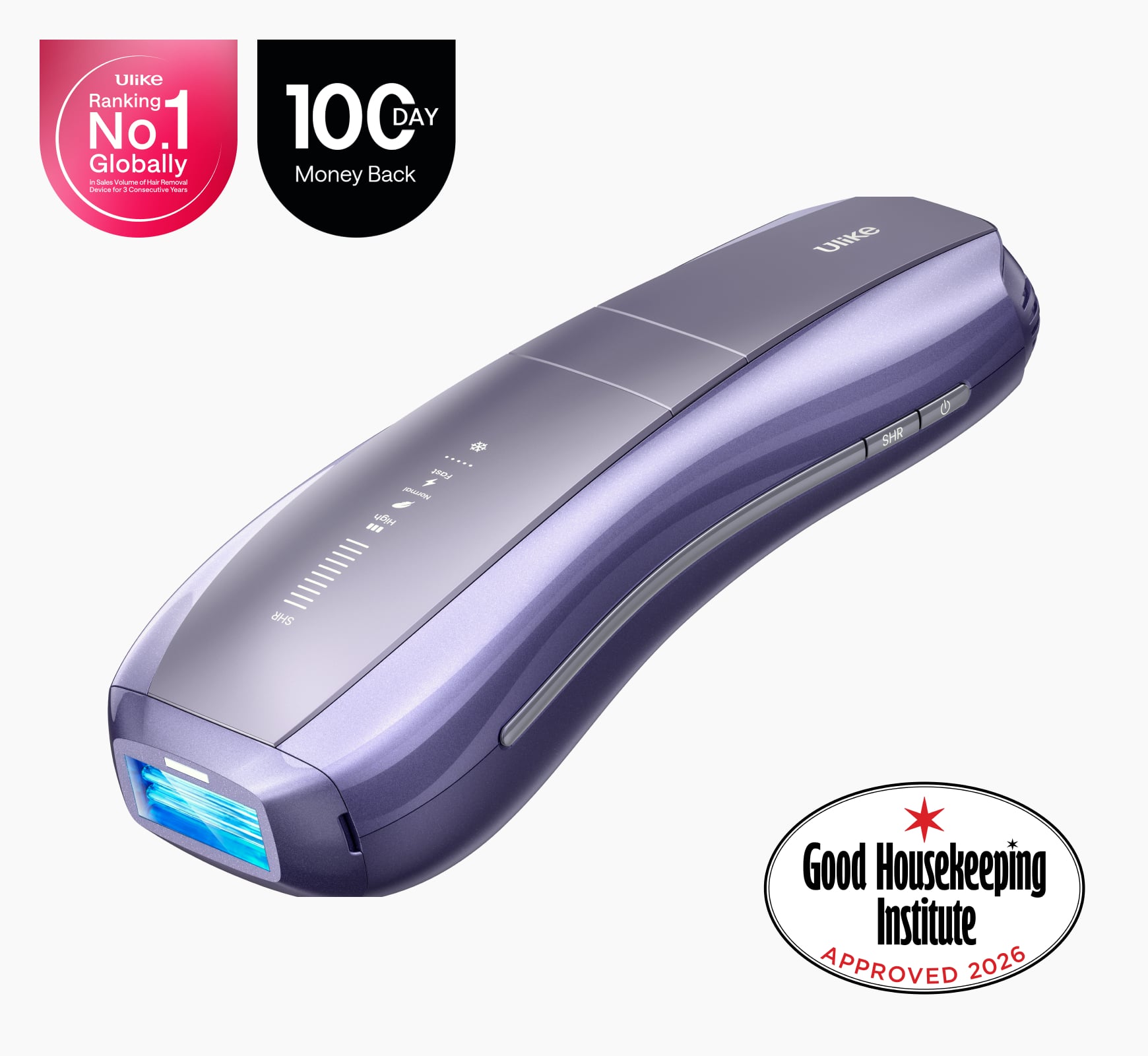
Ulike Air 10
2 weeks to silky smooth skin.
96% Hair Density Reduction in 2 Weeks
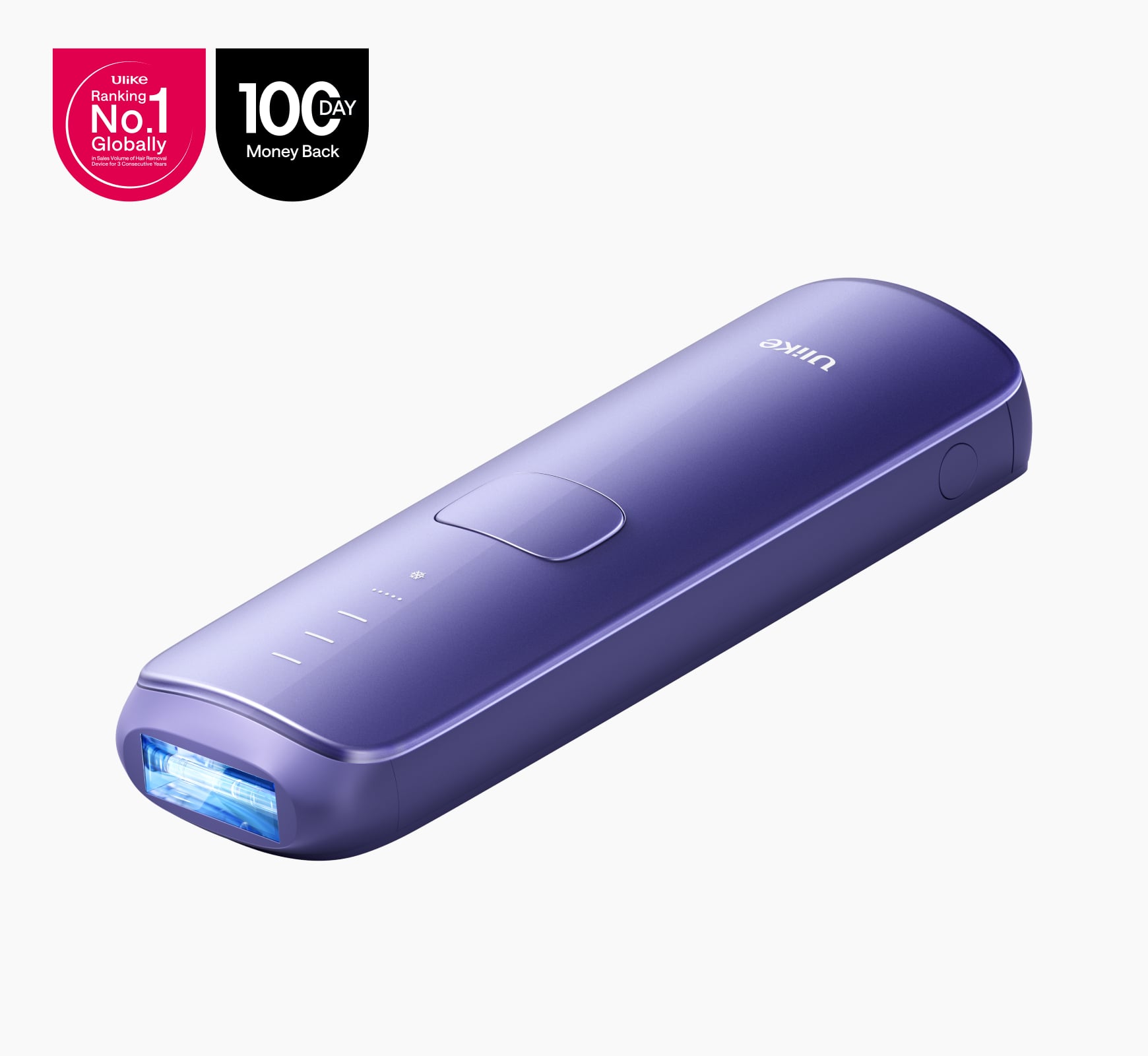
Ulike Air 3
3 weeks to silky smooth skin.
93% Hair Density Reduction in 4 Weeks
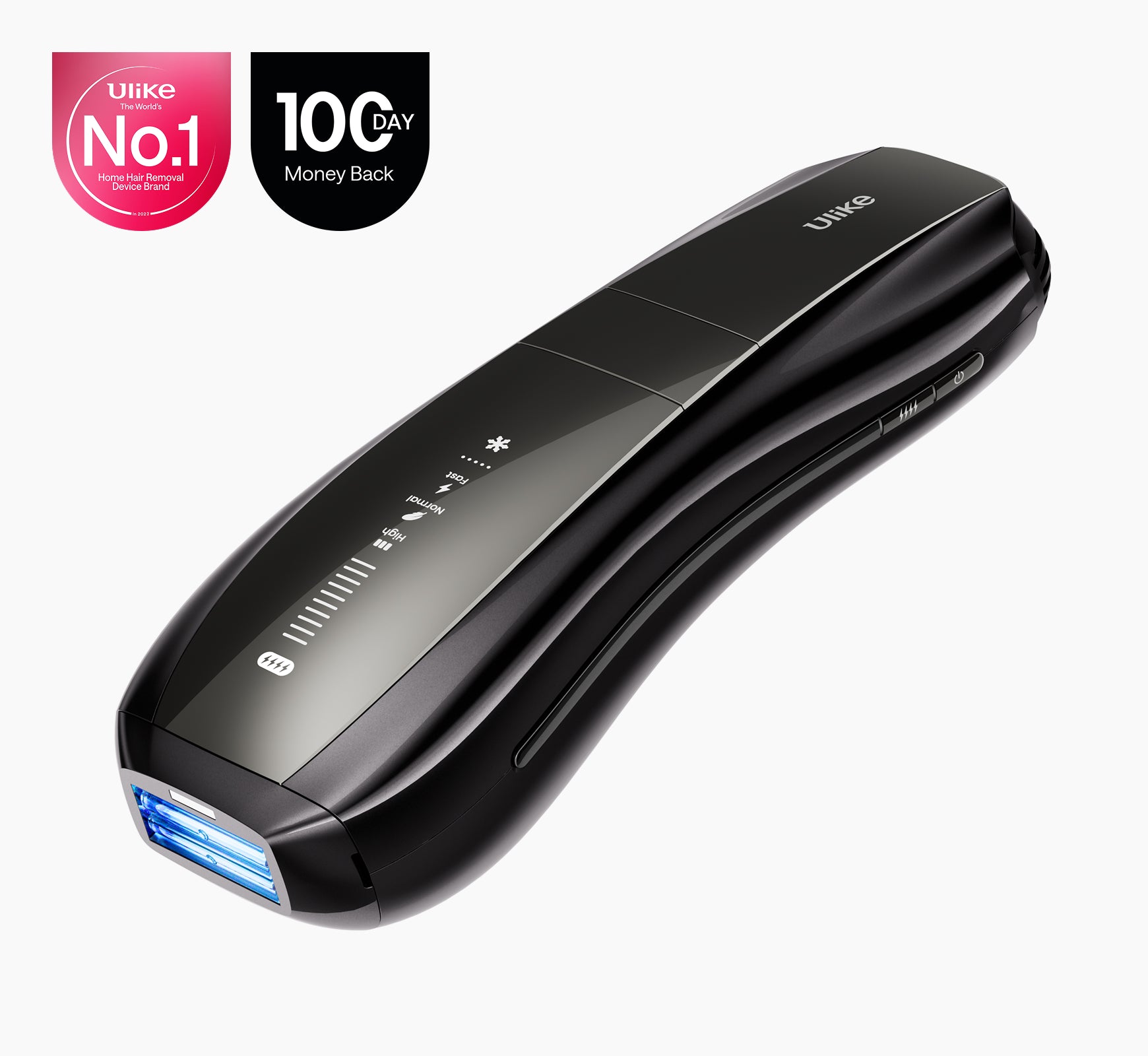
Ulike X
3 weeks to silky smooth skin.
94% hair reduction in just 2 weeks*
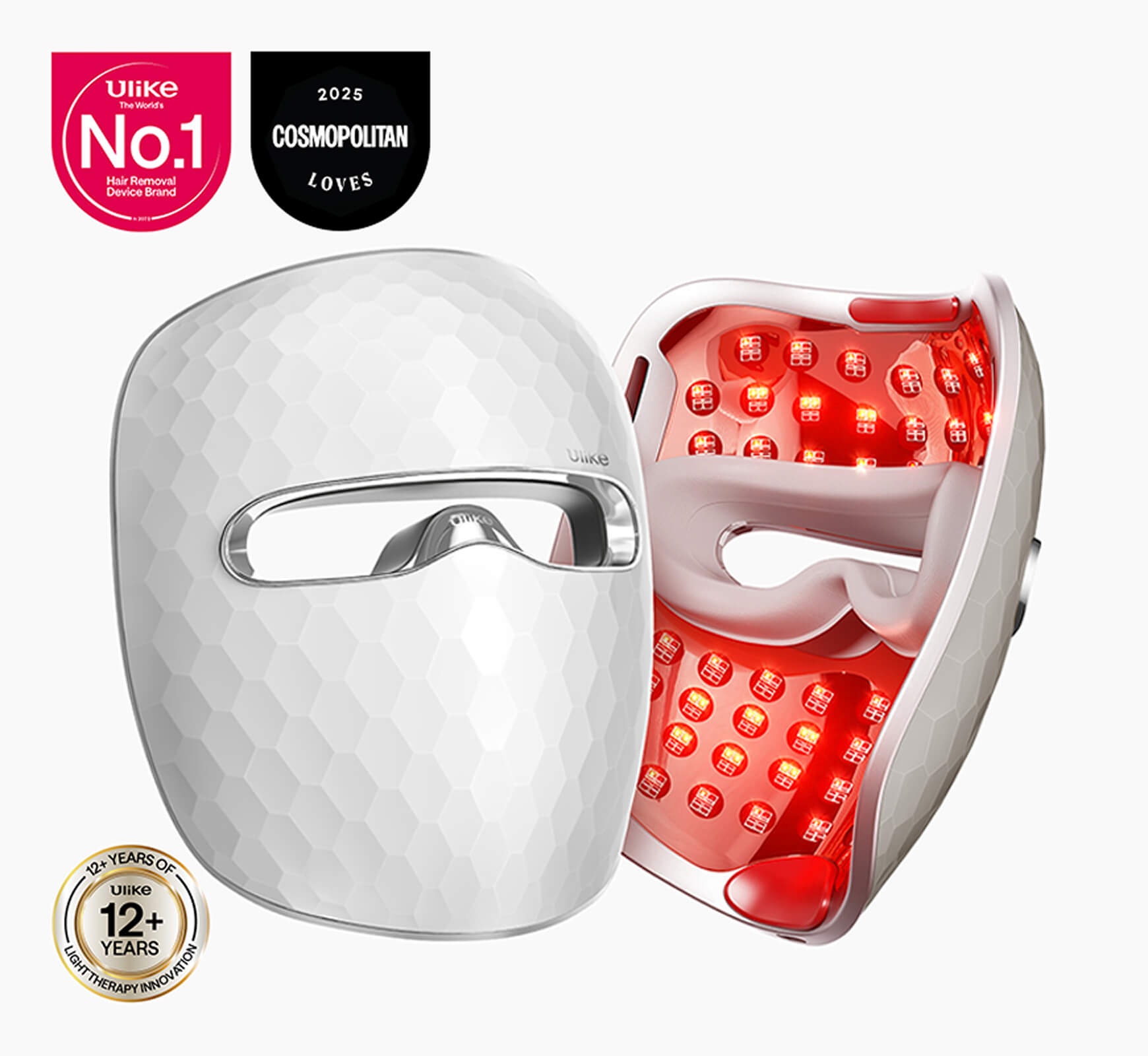
Ulike Reglow
Clearer skin in 2 weeks: Fewer breakouts
Smoother skin in 4 weeks: Fewer lines, firmer feel