



Hair Growth Cycles: Why Your IPL Results Aren't Where They Should Be

You've done four IPL sessions. Maybe five. Hair keeps showing up in the same spots, right on schedule, and you're starting to wonder if you're doing something wrong.
You probably are, but not in the way you think. It's not your device. It's not your technique. The mistake most people make with IPL is treating it like a standard hair removal routine, showing up consistently without understanding why the timing works the way it does. That misunderstanding traces back to one thing: your hair growth cycles.
Once you understand how the hair growth cycle actually works, everything about IPL starts to make sense: the number of sessions, why some patches clear faster than others, and exactly why the schedule is set up the way it is. All of it comes back to biology.
What are Hair Growth Cycles?
Each individual hair strand undergoes the exact same process, in four distinct steps that repeat themselves over and over again. The problem with this process lies in the fact that not all hair strands are at the same stage. While one strand grows and another is resting, this is the reason why IPL needs several treatments to work effectively.
Here's what each phase looks like.
Anagen: The Growth Phase
This is the period that holds the most importance for IPL. The hair goes through active growth during the anagen period. The hair shaft develops within the hair follicle; the hair shaft contains high amounts of melanin (the colour pigment of the hair), and it is firmly attached to the hair follicle. On the scalp, the anagen period may take from 2 to 7 years. On other body parts, such as the legs, armpits, and pubic areas, the period lasts from weeks to months.
IPL only works during anagen. We'll explain exactly why in the next section.

Catagen: The Transition Phase
After anagen ends, the follicle begins to shrink and slowly pulls away from the structure at the base that feeds the hair. This phase lasts roughly two weeks. IPL can have a limited effect during early catagen, while the shaft still has some connection to the root. But as the follicle continues to detach, that window closes quickly. By the time the follicle has fully separated, the treatment has nothing to work with. The practical takeaway is that you shouldn't skip a session thinking "I'll catch it next time." A hair in early catagen today might be fully detached in telogen by your next session, completely out of reach.
Telogen: The Resting Phase
The follicle is now completely detached from the hair shaft. No growth, no connection, no pathway for light energy to reach the root. This is the longest phase for body hair, lasting anywhere from two to four months, which is a big part of why IPL takes as long as it does. A follicle sitting in telogen during your first session could stay completely unreachable for months before it cycles back into anagen. IPL has no effect here at all, and no amount of extra sessions during this window will change that.
Exogen: The Shedding Phase
The old hair falls out, and a new anagen phase begins underneath it. This is the natural reset before the whole cycle starts again. It's also the phase that confuses a lot of people mid-treatment. Should you have had between two and three IPL treatments and still notice some hair falling out or coming out when bathing, that does not mean that your procedure failed. On the contrary, it indicates that the follicle has been disturbed by previous treatment and that the hair is going through its natural process of falling out. Any new growth of hair will be thin and less dense, or possibly non-existent, depending on the follicle in question.
The big takeaway: every follicle runs on its own schedule. Two hairs sitting side by side on your leg could be in completely different phases. You can't treat them all at once, no matter how good your device is.
The IPL Mechanism and What "Limited Efficacy" in Catagen Actually Means
IPL works by sending broad-spectrum light into the skin. That light is absorbed by melanin in the hair shaft. The energy turns to heat, travels down the shaft, and disrupts the follicle at the root, which is what slows future hair growth.
During anagen, this process works as intended. The shaft is intact, the connection to the follicle is strong, and the heat reaches its target.
During catagen, it depends on timing. In the early stage of catagen, there's still enough of a connection between the shaft and the follicle for some heat to travel down. The disruption is partial rather than complete, which means the follicle may recover and produce another hair, though often a finer one. In late catagen, when the follicle has nearly fully detached, the effect drops close to zero.
During telogen, there is no effect at all. The shaft is completely detached. The light hits the hair, produces heat, and stops there. There's no route to the root and the follicle is untouched.
This is why a single IPL session cannot treat all your hair. Most of them are in telogen or late catagen at any given time. It's also why results show up gradually; each session catches a different group of follicles that have since moved into anagen. And it's why hair sometimes keeps appearing for a little while after a session. The follicle has been disrupted, but the hair still completes its natural exit through exogen before the new, weaker cycle begins.
None of this is a failure. It's biology doing exactly what biology does.
How Much Hair Is Actually in Anagen at Any Given Time?
This varies a lot depending on the body area, and it's a big reason why some spots respond to IPL faster than others.
On the scalp, roughly 85 to 90% of hairs are in anagen at any given moment. Underarms sit at around 30%. The bikini area and general body land somewhere between 20 and 30%. Legs are at the lower end, around 20%.

The reason for this gap comes down to what each area of the body actually needs hair for. The scalp grows hair continuously because that hair serves a long-term protective and insulating function. The body doesn't have the same biological need for constant, fast-cycling hair growth, so those follicles spend much more of their time resting. Evolution never factored in IPL, unfortunately.
This translates to the fact that the legs will require more sessions due to the low number of follicles per session, and not due to their difficulty level. The underarms and bikini line should see faster results, as a larger percentage of hairs are in the anagen phase and thus available for treatment. If you feel that the progress of your legs is slower compared to the other parts, then you are correct because this is normal. For every three hairs in other parts, only one hair is present in the leg region.
One final piece of information to keep in mind: IPL technology relies on the ability of the light to target the melanin found in your hair, meaning that the greater the difference between your hair colour and skin tone, the better IPL technology works for you. If you have darker and thicker hair combined with light skin, then you can expect to achieve faster results since these types of hair absorb the most energy. Lighter and finer hair, with less melanin inside it, tends to produce slower results. It's important to note that dark skin tones need a higher level of energy calibration to avoid excess absorption of light in the skin.
What This Means for Your IPL Schedule

Here's where the science pays off. Your IPL schedule is set up the way it is for a specific biological reason.
Every-other-day sessions in the first four weeks are not about treating the same hairs twice. They're about catching the next wave of follicles that enter anagen between sessions. Follicles cycle independently, so a hair that was in telogen during your Monday session might be in anagen by your Wednesday session. You're not repeating yourself. You're catching a moving target in shifts.
Spacing sessions too far apart means you miss follicles that cycle through anagen while you're waiting. They get a free pass, and you end up chasing the same hair further down the line.
Maintenance sessions, typically once or twice a month after the first four weeks, address hairs that were sitting in telogen at the very start of your treatment. Some follicles that were fully dormant at week one are only just now cycling into anagen.
Skipping sessions mid-cycle is one of the most common reasons people end up with patchy results. It's not random. It's follicles that moved through anagen during the gap and went untreated.
The schedule exists to cover as many of those shifts as possible.
What Nine Months of Real-World IPL Results Actually Look Like
The biology above isn't hypothetical. It shows up consistently in documented long-term user experiences, and the pattern is almost always the same.
One Ulike Air 10 user shared a detailed month-by-month breakdown after nine months of at-home treatment across their legs, underarms, and bikini line. The first three months produced minimal visible results — patchy improvement on the lower legs, almost nothing on the underarms. Looking back, they attributed this to inconsistency. Skipped sessions when life got busy. Technique that wasn't quite right. IPL, as they put it, doesn't forgive inconsistency.
The shift came at month three, when they started paying closer attention to the things that most guides mention briefly but don't stress enough: pressing the device firmly against the skin, adjusting the contact angle on awkward areas like the underarms and bikini line, and shaving on the day of the session rather than the night before. Results from that point moved noticeably faster.
By month six, underarm reduction was sitting at around 70–80%. By month nine, legs were at roughly 85–90%, with only occasional touch-up sessions needed every few weeks. The bikini line — a lower-anagen area, as the biology above would predict — was still being treated every one to two weeks, but regrowth had become finer and slower. One area they started late, the arms, responded surprisingly quickly — which they credited to having already developed a solid technique by that point.
Their overall conclusion: application method, contact angle, shaving timing, and consistency mattered more to their results than the device itself.
That tracks exactly with the science. The device can only work with what's in anagen. Everything else is execution.

The Ulike Air 10 and the Science Behind the Schedule
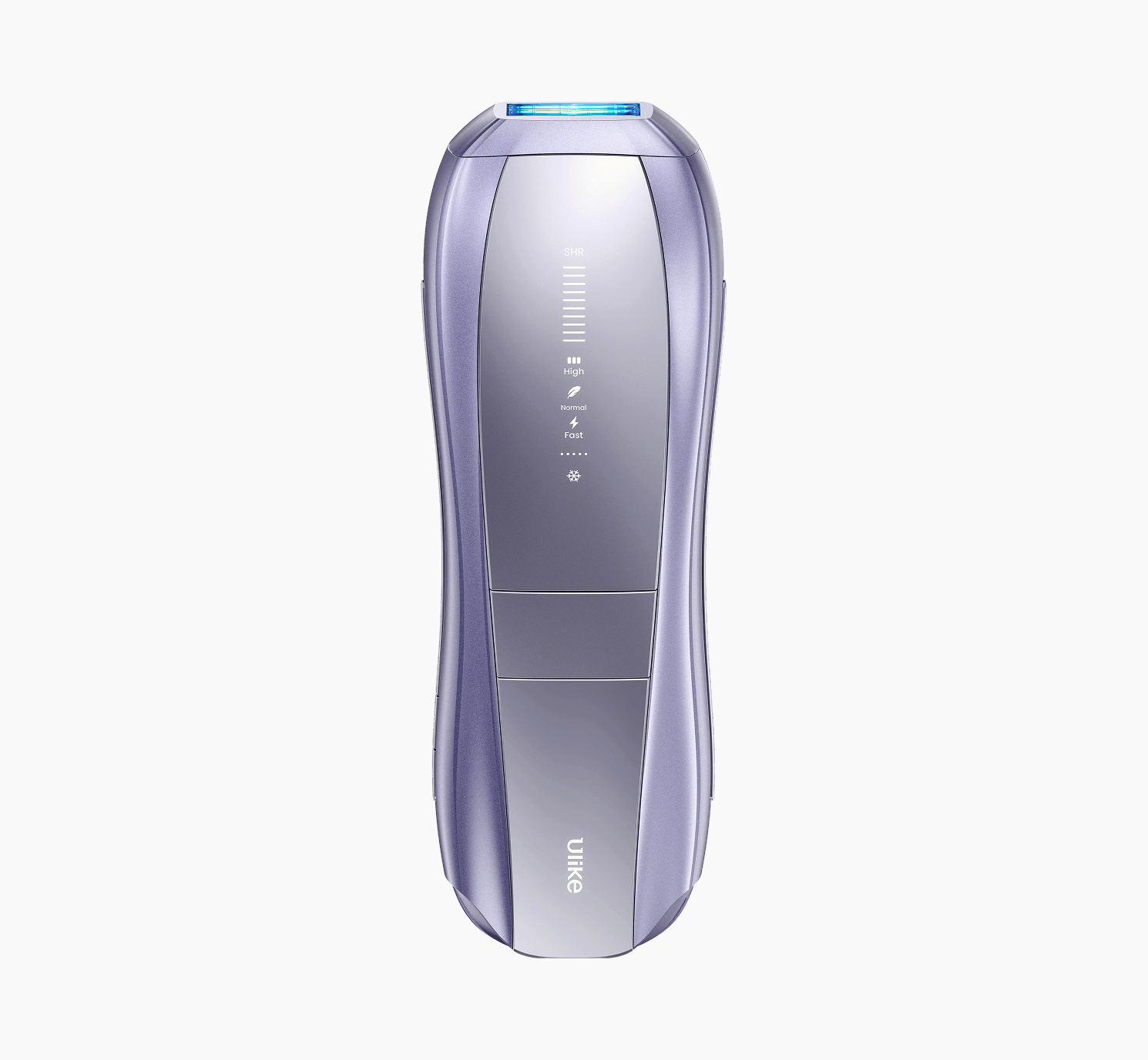
Everything above is the reason the Air 10 is built the way it is. The features aren't marketing. They're responses to a real biological problem.
SHR Mode fires four flashes per second and delivers 26J of cumulative energy per burst. Standard IPL devices fire a single high-energy pulse. SHR takes a different approach: multiple lower-energy pulses that build up heat gradually. This is gentler on the skin and designed to work with the brief anagen window rather than trying to overpower it.
Dual Lights give the Air 10 57% more energy output and 280% faster flashes compared to standard single-light devices. More coverage per pass means fewer active follicles get missed during a session, which matters a great deal given how low the anagen percentages are in areas like the legs.
SkinSensor reads your skin tone before each flash and automatically adjusts the energy output to match. This matters more than it sounds. Because IPL targets melanin, darker skin tones absorb more light energy in the skin itself rather than directing it all into the hair shaft. Too much energy on the wrong skin tone does not just reduce effectiveness; it increases the risk of irritation. SkinSensor removes that guesswork by calibrating every flash to your specific tone, keeping the energy focused where it needs to go without you having to manually dial in intensity levels.

The recommended schedule of every other day for four weeks, then regular maintenance, directly reflects the biology covered in this article. Most users see visible reduction within two weeks, meaning less regrowth and finer texture, not complete clearance. Full results build across the 12-week cycle as more follicles are caught in anagen with each session.
Ready to start your 12-week IPL cycle with a device built around your biology? Visit the Ulike Air 10 page.
For a full week-by-week treatment plan, we'll be publishing a dedicated guide soon.
Frequently Asked Questions
How many sessions will I need?
Most people reach their target results within 12 weeks. How quickly you get there depends on the body area, your hair colour, and your skin tone. Areas with higher anagen density, like the underarms, tend to clear faster than areas like the legs.
Why are my results uneven?
Most often, this happens due to anagen density. Not all regions of the body will have the same percentage of hair that is currently in anagen, meaning some areas will respond more quickly than others. Hair colour also makes a difference. This is because IPL works on melanin, which means dark and coarse hair responds better and absorbs the light energy faster than finer or paler hair. The technique of using IPL is very important as well. For example, if the laser is moved too quickly over the skin, there might be spaces left in between that you did not notice. The best way is to overlap each pass a little and move in a methodical manner, covering everything in a grid fashion. The most crucial aspect is being consistent. If you miss even just a few sessions within the first four weeks, it means that hair in anagen was left untreated
Can I treat the same area every day to speed things up?
No. Treating more frequently than recommended doesn't help because you're still limited by how many follicles are in anagen. The every-other-day schedule is already built around follicle cycling patterns. Going daily offers no extra benefit and may irritate the skin.
What should I do if I have missed several sessions?
Try to get back on track as quickly as you can, rather than attempting to make up for the missed appointments by having additional sessions. The fact that you have not attended your appointments does not mean that your results have been set back from where you were previously. It simply means that some follicles went through the anagen cycle while you were not at your appointment.
Ready to start your 12-week IPL cycle with a device built around your biology?
Learn about how Ulike IPL devices works.
Related Readings


How to Clean an IPL Hair Removal Device Safely

Can You Use IPL on Arms? Will It Work on Your Hair?

When Does IPL Hair Start Shedding? Signs It’s Working
Explore Beauty
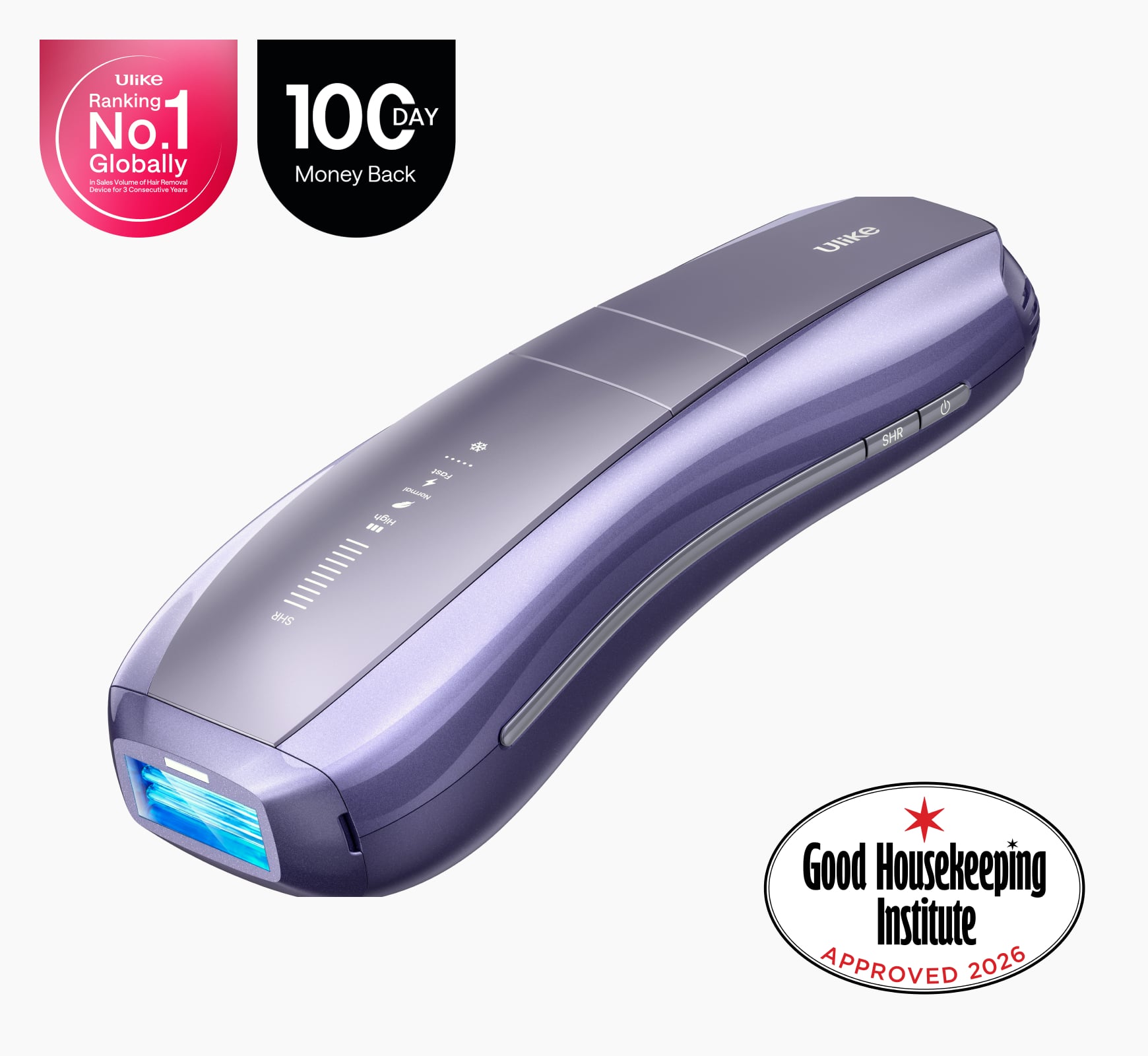
Ulike Air 10
2 weeks to silky smooth skin.
96% Hair Density Reduction in 2 Weeks
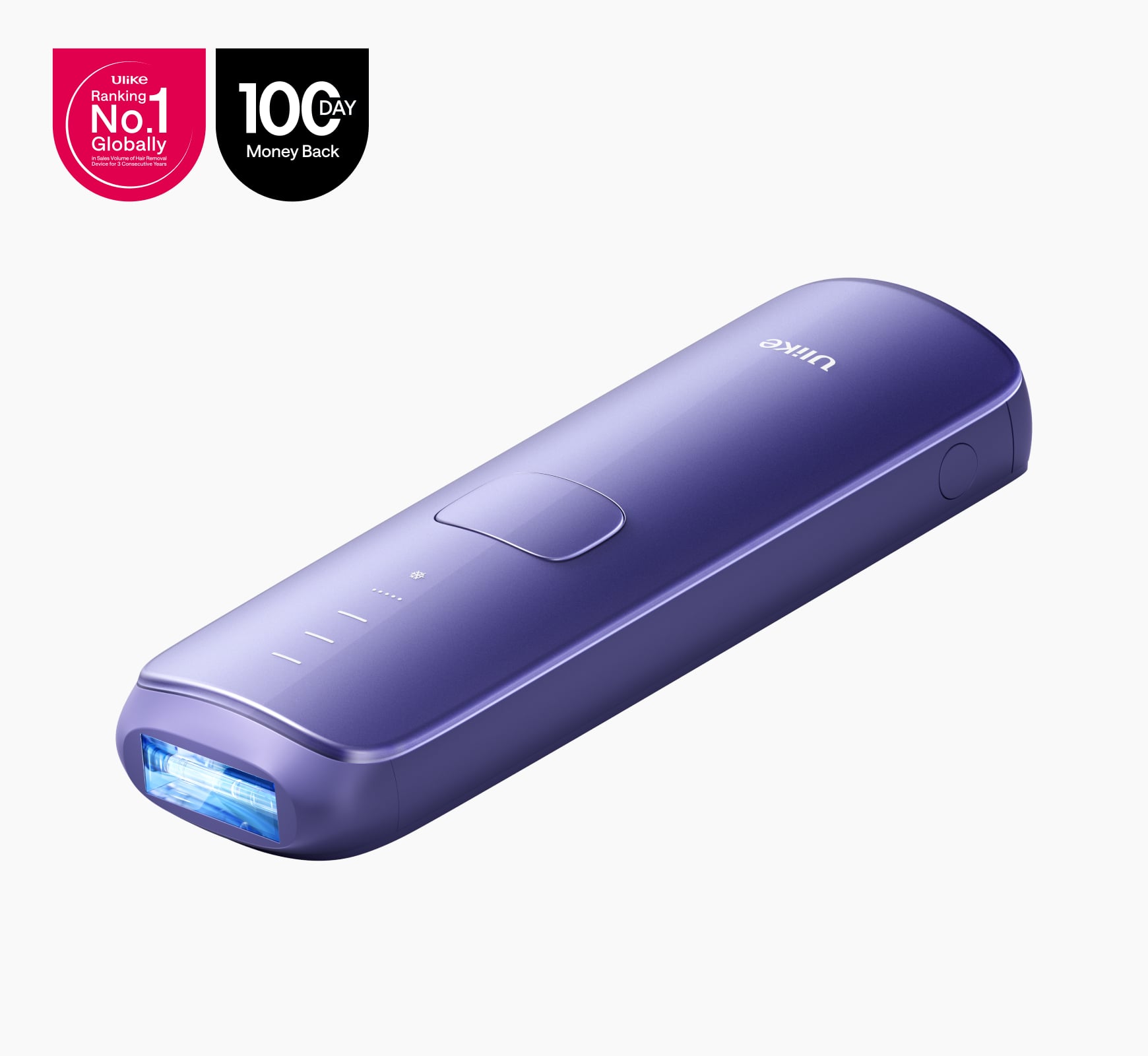
Ulike Air 3
3 weeks to silky smooth skin.
93% Hair Density Reduction in 4 Weeks
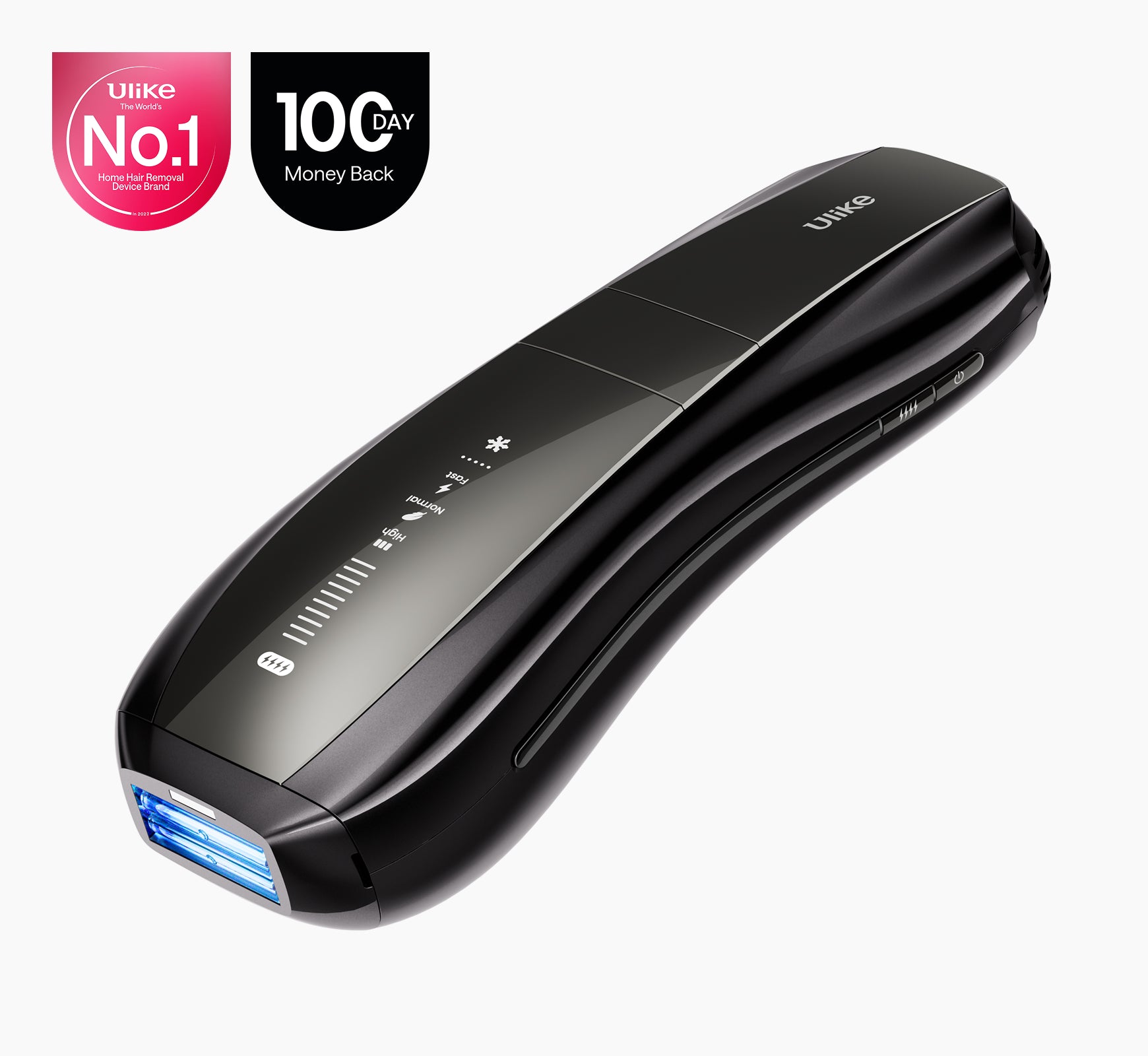
Ulike X
3 weeks to silky smooth skin.
94% hair reduction in just 2 weeks*
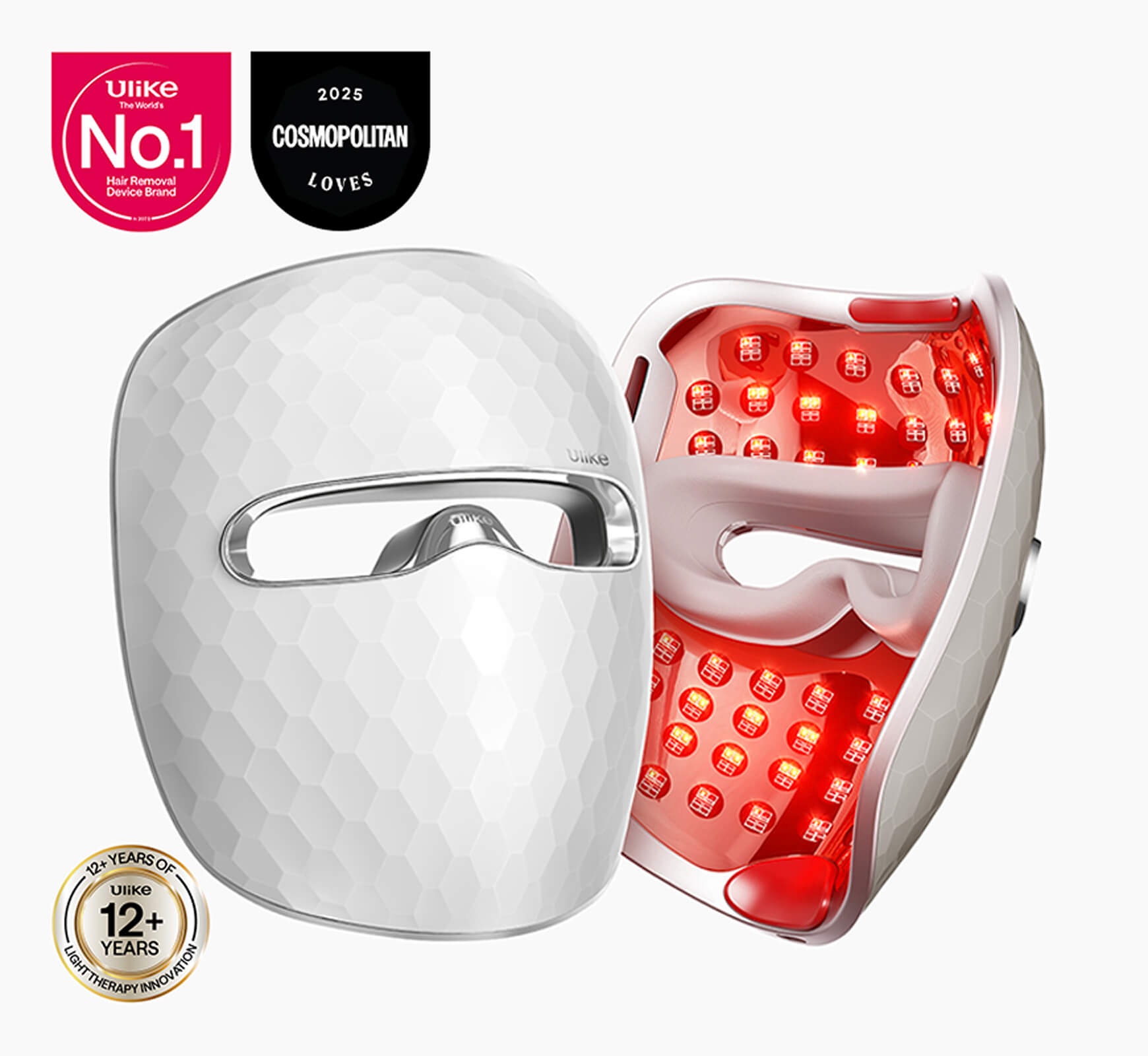
Ulike Reglow
Clearer skin in 2 weeks: Fewer breakouts
Smoother skin in 4 weeks: Fewer lines, firmer feel