



6 Best Hair Removing Tools for Face in the UK
A facial trimmer may be all you need for a few stray hairs or a quick tidy-up before applying makeup. Someone dealing with recurring chin hairs may prefer tweezers, while a person looking for longer-term reduction may be considering IPL. The best facial hair removal tools are not the same for everyone. The right choice depends on the hair you want to remove, the area you’re treating and the result you expect.
Electric facial trimmers and dermaplaning tools cut hair at the surface, making them useful for fine hair and quick touch-ups. Tweezers, epilators, and waxing remove hair from the root. They may delay regrowth, but they can also cause more discomfort or irritation. At-home intense pulsed light (IPL) devices use light absorbed by pigment in the hair and may reduce regrowth gradually. Their suitability depends on the device, skin tone, hair colour, and treatment area.
This guide compares six types of facial hair-removal tools available in the UK. It explains how each method works, who it may suit, how long results typically last, and which limitations to consider. The aim is to help you choose a practical option for your hair, skin, and grooming goals—not to suggest that one tool is right for everyone.

How do facial hair-removal tools differ?
A facial trimmer is useful for quick touch-ups, while tweezers make more sense for one or two stubborn chin hairs. If you want results that last longer than surface trimming, you may prefer waxing, an epilator or, for suitable hair and approved facial areas, at-home IPL.
Tool |
Best suited to |
How it removes hair |
How long results may last |
Main drawbacks |
Electric facial trimmer |
Quick touch-ups, short regrowth and fine or short facial hair |
Cuts hair at the surface |
Usually short-term |
Regrowth appears sooner than with root-removal methods |
Dermaplaning tool |
Fine surface hair, particularly peach fuzz |
Removes surface hair and some dead skin cells |
Short-term |
Requires careful handling and may aggravate irritated skin or active breakouts |
Face epilator |
Small areas where root removal is preferred |
Pulls hairs out from the root |
Often longer than trimming |
Can be uncomfortable and may cause redness or irritation |
Tweezers |
Individual coarse chin, upper-lip or stray hairs |
Removes individual hairs from the root |
Often longer than trimming |
Too slow for larger areas |
Facial waxing |
Removing several hairs at once |
Pulls hair out from the root |
Often around several weeks |
May cause pain, redness or irritation. Skin lifting is also possible |
At-home IPL device |
Gradual reduction of suitable darker facial hair in approved treatment areas |
Uses light absorbed by pigment in the hair |
Requires a treatment course and ongoing maintenance |
Not suitable for every skin tone, hair colour or facial area |
How to read the comparison: choose a surface-removal tool for quick maintenance, tweezers for isolated hairs, and a root-removal method when you want to go longer between treatments. At-home IPL is a different option altogether. It aims to reduce regrowth gradually, and its suitability must be checked against the device instructions.
Table of contents
What Should You Consider Before Choosing a Facial Hair-Removal Tool?
Start with the hair you want to remove, the area you want to treat and how long you want the result to last. A tool that works well for peach fuzz may be unnecessary for one coarse chin hair, while a method designed for longer-lasting results may be too irritating for your skin.
Does the type of facial hair affect your choice?
Peach fuzz and fine surface hair are often easiest to manage with a facial trimmer or dermaplaning tool. These methods cut or remove hair at the surface without pulling it from the root.
One or two coarse chin or upper-lip hairs call for a more precise option, such as tweezers. If you are dealing with repeated regrowth across a larger area, a trimmer, suitable epilator or approved IPL device may be more practical.
Hair colour also matters if you are considering IPL. The light needs pigment in the hair to work effectively, so very light, grey or white hair may respond poorly. Check the device’s stated hair-colour and skin-tone requirements before buying or treating.
Can every facial hair-removal tool be used on every part of the face?
The upper lip, chin, cheeks, jawline and eyebrows are not interchangeable treatment areas.
Tweezers are useful for isolated hairs.
Trimmers can cover larger areas quickly.
Dermaplaning tools are generally intended for surface hair rather than dense, coarse regrowth.
Epilators and waxing may be unsuitable for some areas or skin conditions.
Facial IPL must only be used on areas approved by the device manufacturer.
Take particular care around the eyes and eyebrows. Do not assume that a device suitable for the cheeks or upper lip can be used everywhere on the face.
How does your skin respond to hair removal?
If your skin becomes red or irritated easily, the method and technique both matter. Trimming may be preferable to pulling hair from the root, but it can still cause friction if the tool is used too firmly or repeatedly over the same area.
Do not treat skin that is sunburned, broken, actively inflamed or persistently irritated. Dermaplaning, waxing and epilation may aggravate certain skin conditions, particularly when the skin barrier is already compromised. If you have recently used a product or undergone a treatment that makes your skin more sensitive, check whether you need to wait before removing hair.
Do you want immediate results or gradual hair reduction?
Trimming and dermaplaning give an immediate surface result, but regrowth will become visible sooner. Tweezing, epilation and waxing remove hair from the root, so the area may stay hair-free for longer, although these methods can be uncomfortable and may irritate the skin.
IPL is not an instant hair-removal method. For suitable hair and approved treatment areas, it may reduce regrowth gradually through a course of treatments. You will need to follow the device’s schedule and carry out maintenance when advised.
How much precision and upkeep will the tool require?
For one or two isolated hairs, a large device may be unnecessary. A precision tool is usually easier to control. For larger areas, a facial trimmer may be quicker and less fiddly.
Also consider what the tool needs after use. Reusable tools should be cleaned according to their instructions, while blades, heads and attachments may need replacing. IPL devices require consistent use at the recommended intervals. Any patch-test or preparation requirements should come from the instructions for the specific method or device.
How Do the Six Facial Hair-Removal Tools Work?
Some tools remove hair at the surface, while others pull it out from the root. IPL works differently, aiming to reduce regrowth gradually rather than remove every visible hair straight away.
For quick maintenance, a trimmer may be enough. Tweezers are usually more useful for one or two coarse chin hairs, while waxing, epilation and IPL are better suited to different treatment goals. Each method also has limitations to consider.

1. How does an electric facial trimmer work?
Electric facial trimmers cut hair at the surface. They are useful for quick touch-ups, short regrowth and fine facial hair, particularly on the upper lip, chin, cheeks or jawline.
A trimmer is a practical choice when you want to remove visible hair without pulling it from the root. You do not need to wait for the hair to reach a particular length, and treating a larger area is usually quicker than waxing, epilating or tweezing it.
The drawback is that the hair remains below the surface, so regrowth becomes visible sooner than it would with a root-removal method. A trimmer also does not exfoliate the skin, which may suit anyone who wants to keep their routine straightforward.
Use a clean device and avoid pressing it firmly against the skin. Repeated passes can cause friction, particularly if the area is already irritated.
Best for: Quick surface removal and regular touch-ups without pulling hair from the root.
2. What does dermaplaning remove?
Dermaplaning tools use a blade to remove fine surface hair and some dead skin cells. They may suit someone who wants to remove peach fuzz while also exfoliating the skin’s surface.
That combination is not suitable for everyone. Dermaplaning involves more than cutting hair, so it may aggravate active acne, open blemishes, inflamed skin, sunburn or a damaged skin barrier. It is not automatically a gentle choice for sensitive skin.
The result is temporary because the hair is removed at the surface. Dermaplaning may work well for fine hair, but it is less useful for dense, coarse regrowth. It may also be the wrong choice if you want hair removal without adding an exfoliating step.
Best for: Fine surface hair when the skin is calm and an exfoliating effect is wanted.
3. Are face epilators suitable for facial hair?
Face epilators grip and pull several hairs out from the root. They can leave an area hair-free for longer than surface trimming, making them an option for small areas of suitable, stubborn facial hair.
Root removal can be uncomfortable, particularly on delicate or easily irritated skin. Temporary redness, soreness and ingrown hairs are also possible. A face epilator is usually better suited to a small area than full-face use, as repeated passes over a larger area can increase discomfort.
Check that the model is designed for facial use. A body epilator should not be assumed to be suitable for the face. Avoid epilation over broken or actively irritated skin.
Best for: Small areas where root removal is preferred and some discomfort is acceptable.
4. When are tweezers more useful than other tools?
Tweezers are most useful when there are only a few hairs to remove. They pull individual hairs out from the root, giving you control over exactly which hairs are treated. This makes them particularly practical for isolated coarse chin hairs, upper-lip hairs, brow hairs or other stray growth.
Their precision makes them less useful for larger areas. Tweezing can take time, and repeatedly returning to the same spot may leave the skin sore. Use clean tweezers, good lighting and controlled pressure. If a hair is difficult to remove, avoid digging into the skin.
Tweezers can also be used alongside another method. A trimmer may deal with general surface regrowth, while tweezers can pick up a few hairs that need more precise attention.
Best for: Individual hairs that need precise removal rather than treatment across a larger area.
5. How does facial waxing work?
Facial waxing removes several hairs at once by pulling them out from the root. It may suit the upper lip, chin or jawline when you want to go longer between treatments than surface trimming usually allows. Results often last for several weeks, although this varies with the person and the area treated.
Waxing can cause discomfort, redness, tenderness or bumps. Skin lifting is a more serious risk, especially when the skin is already sensitised or certain strong skincare products have made it more fragile.
Wax temperature, preparation and removal technique all affect the result. Follow the product instructions carefully, and do not wax over skin that is irritated, sunburned, broken or unusually sensitive. A small test area may show how your skin reacts, but it cannot remove the possibility of irritation or skin damage.
Best for: Removing several hairs at once when longer-lasting root removal is wanted and the skin is suitable.
6. How does at-home IPL reduce facial-hair regrowth?
At-home intense pulsed light, or IPL, uses flashes of light that are absorbed by pigment in the hair. With repeated treatments, it may help reduce regrowth over time. IPL is a gradual hair-reduction method, not an instant replacement for trimming or shaving.
It is not suitable for every type of facial hair. Very light, grey or white hair may respond poorly because it contains little or no suitable pigment. Red hair may also be unsuitable for some devices. Each model has its own approved skin-tone range, so check the manufacturer’s guidance before treating.
Facial treatment areas also vary. A device may permit use on the upper lip, chin or cheeks but restrict treatment near the eyes, eyebrows or other areas. Never assume that a device approved for one part of the face can be used everywhere.
IPL is more relevant when you want to reduce repeated regrowth across a suitable area. It is unlikely to be the most practical option for one or two isolated hairs, where tweezers offer more control. You may still need to trim or shave between sessions, and hormonal changes can affect facial-hair growth.
Follow the device’s treatment schedule and patch-test instructions. Do not treat sunburned, broken, irritated or inflamed skin. Lowering the intensity does not make an unsuitable treatment area safe.
Best for: Gradual reduction of suitable facial hair in areas approved by the device manufacturer.
Which Facial Hair-Removal Tool suits different facial-hair concerns?
The best facial hair-removal tool depends on the type of hair you want to manage, the area you want to treat and how long you want the results to last. For quick touch-ups, a facial trimmer can be convenient. For longer-term reduction, at-home IPL may be worth considering when your hair, skin tone and treatment area are suitable for the device.
Which tool is best for peach fuzz?
Facial trimmers and dermaplaning tools can be useful for removing fine peach fuzz from the skin’s surface. They are practical for quick results across a wider area, while dermaplaning also removes some dead skin cells.
At-home IPL may also be an option for suitable facial hair, depending on the device’s guidance. IPL works by targeting pigment in the hair, so its results depend on factors such as hair colour, skin tone and the contrast between the hair and surrounding skin. Very light, grey or white hair may respond less effectively, and some devices may not be suitable for red hair.
If you are considering IPL for peach fuzz, check the device’s hair-colour requirements rather than assuming that every type of fine hair will respond in the same way.
How can you manage a few coarse chin hairs?
For one or two isolated coarse hairs, tweezers can provide precise removal. A facial trimmer may be more convenient when you want to manage a larger area of short regrowth.
At-home IPL may be suitable for repeated coarse facial-hair regrowth across an approved treatment area. With consistent use, it can help reduce regrowth gradually, although it is not designed to remove every visible hair in a single session. Check that the device is approved for the area you want to treat and that your hair colour and skin tone meet its requirements.
Waxing and facial epilators also remove hair from the root and may leave the area hair-free for longer than surface trimming. However, they can cause discomfort or irritation and may not suit every skin type.
What is the gentlest option for sensitive skin?
There is no single hair-removal method that suits every sensitive skin type. If your skin becomes irritated easily but is otherwise calm and intact, a facial trimmer may be a straightforward option because it cuts hair at the surface.
IPL may also be suitable for some people with sensitive skin, provided the device is appropriate for their skin tone and the skin is not currently sunburned, broken, inflamed or irritated. Follow the recommended patch-test process and treatment instructions carefully.
Avoid treating reactive skin, and do not assume that reducing the intensity makes an unsuitable treatment safe. If your skin is already experiencing irritation, allow it to settle before using any hair-removal method.
Which options are practical for quick touch-ups?
A facial trimmer is usually the most convenient choice for immediate results. It can remove visible regrowth across a small or medium-sized area without requiring the hair to reach a particular length.
Tweezers can help tidy up individual hairs around the chin or upper lip. IPL is less suited to last-minute touch-ups because it works gradually and requires a consistent treatment schedule. It may, however, help reduce the need for frequent maintenance over time when used on suitable hair and approved facial areas.
What is best for longer-term reduction?
At-home IPL may be a useful option for people who want to reduce repeated facial-hair regrowth over time. It works through a course of treatments rather than providing an instant result, and maintenance sessions may be needed.
Waxing and epilation can keep the skin free from visible hair for longer than surface trimming because they remove hair from the root. They do not provide the same gradual hair-reduction approach as IPL and may cause discomfort, redness or irritation.
For IPL, check the device’s suitability guidance before starting. The most important considerations are your skin tone, hair colour, intended facial area and current skin condition.

Can at-home IPL be used for facial hair?
At-home intense pulsed light (IPL) can help reduce facial-hair regrowth over time when the device is suitable for your skin tone, hair colour and intended treatment area. Unlike trimming or shaving, IPL works gradually through a course of treatments, so it is better suited to people looking for longer-term hair reduction rather than an instant result.
Facial use varies between devices. Always check that your IPL device is specifically designed for facial treatment and follow its instructions before beginning.
Which facial areas can you treat with IPL?
Some IPL devices are suitable for areas such as the upper lip, chin or cheeks, while others have more limited facial-use guidance. Do not assume that a device approved for the body can also be used on the face.
Avoid the eyes, eyelids and eyebrows unless the manufacturer gives clear, specific instructions for that area. Never direct IPL flashes towards the eyes, and do not treat any area excluded by the device guidance.
Does hair colour affect IPL results?
IPL works by directing light towards pigment in the hair. Darker, pigmented hair may respond more readily than very light, grey or white hair, while red hair may be unsuitable for some devices.
The amount of pigment in the skin also affects device suitability. Check the IPL device’s stated skin-tone range and hair-colour requirements before treatment. Do not rely on general assumptions, and remember that lowering the intensity does not make an unsuitable skin tone or treatment area appropriate.
What should you check before your first treatment?
Before treating a larger area, carry out the recommended patch test and wait for the period specified in the device instructions. This helps you assess how your skin responds before continuing with the full treatment.
Do not use IPL on sunburned, broken, irritated or inflamed skin. If the patch-test area shows an unusual reaction, stop and follow the manufacturer’s advice.
How long does facial IPL take to work?
IPL is intended to reduce regrowth gradually rather than remove every visible hair in one session. Results can vary between facial areas, and you may still need to trim or shave between treatments. Maintenance sessions may also be needed after the initial course.
Facial-hair growth can be affected by hormonal changes, so results may vary over time. Consistent use, realistic expectations and following the recommended treatment schedule can help you get the most from a suitable IPL device.
Before starting, confirm that your skin tone, hair colour and intended facial area meet the device requirements. Complete the patch test, follow the treatment schedule and use IPL only as directed.
Does Shaving or Trimming Make Facial Hair Grow Back Thicker?
No. Shaving or trimming does not make facial hair grow back thicker, darker or faster. These methods cut the hair at or near the skin’s surface. They do not change the follicle, which determines how the hair grows.
Regrowth may look more noticeable after shaving or trimming because the hair has a blunt end. Newly cut hair can appear darker or feel stubbly, especially as it begins to grow back. By comparison, an uncut hair usually has a naturally tapered tip, which can look finer.
Natural growth cycles and hormonal changes can affect how quickly or densely facial hair returns. Conditions and life stages associated with hormonal changes may also influence regrowth, but that effect is separate from shaving or trimming. If you notice a sudden or unusual change in facial hair, consider discussing it with a qualified healthcare professional.

What Do People Ask About Facial Hair-Removal Tools
Can I use an IPL device on my face?
Some at-home IPL devices are designed for facial use, but not all are. Check the specific device’s approved treatment areas, skin-tone range and hair-colour guidance before use.
Can IPL remove peach fuzz?
IPL works best when the hair contains enough pigment to absorb the light. Very light, grey or white hair may respond poorly, so check whether your hair colour is suitable for the device.
Can I use facial hair-removal tools on my upper lip?
Yes, but the method must be suitable for this delicate area. If using IPL, confirm that the device permits upper-lip treatment and keep flashes away from the eyes.
How often can I remove facial hair?
It depends on the method. Surface trimming can be repeated as needed, while waxing, epilation and IPL require different intervals. For IPL, always follow the treatment schedule supplied with the device.
What should I do if my skin becomes irritated?
Stop treating the area and allow the skin to settle. Avoid using hair-removal tools on broken, inflamed or irritated skin. If the reaction persists or is severe, seek advice from a qualified healthcare professional.
Finding a facial hair-removal method that suits your routine
The best facial hair-removal tool is the one that matches your hair, skin, treatment area, comfort level, and grooming goal. Choose an electric trimmer for quick, painless surface removal, or consider dermaplaning when you also want exfoliation and your skin is suitable. Tweezers are practical for isolated hairs, while waxing and epilation can provide longer intervals between treatments but may cause more discomfort or irritation. At-home IPL may support gradual reduction when the device confirms that your skin tone, hair colour, and facial area are suitable.
Whichever method you choose, use clean tools, follow the instructions, and avoid treating irritated or broken skin.
Explore Ulike IPL Hair-Removal Options
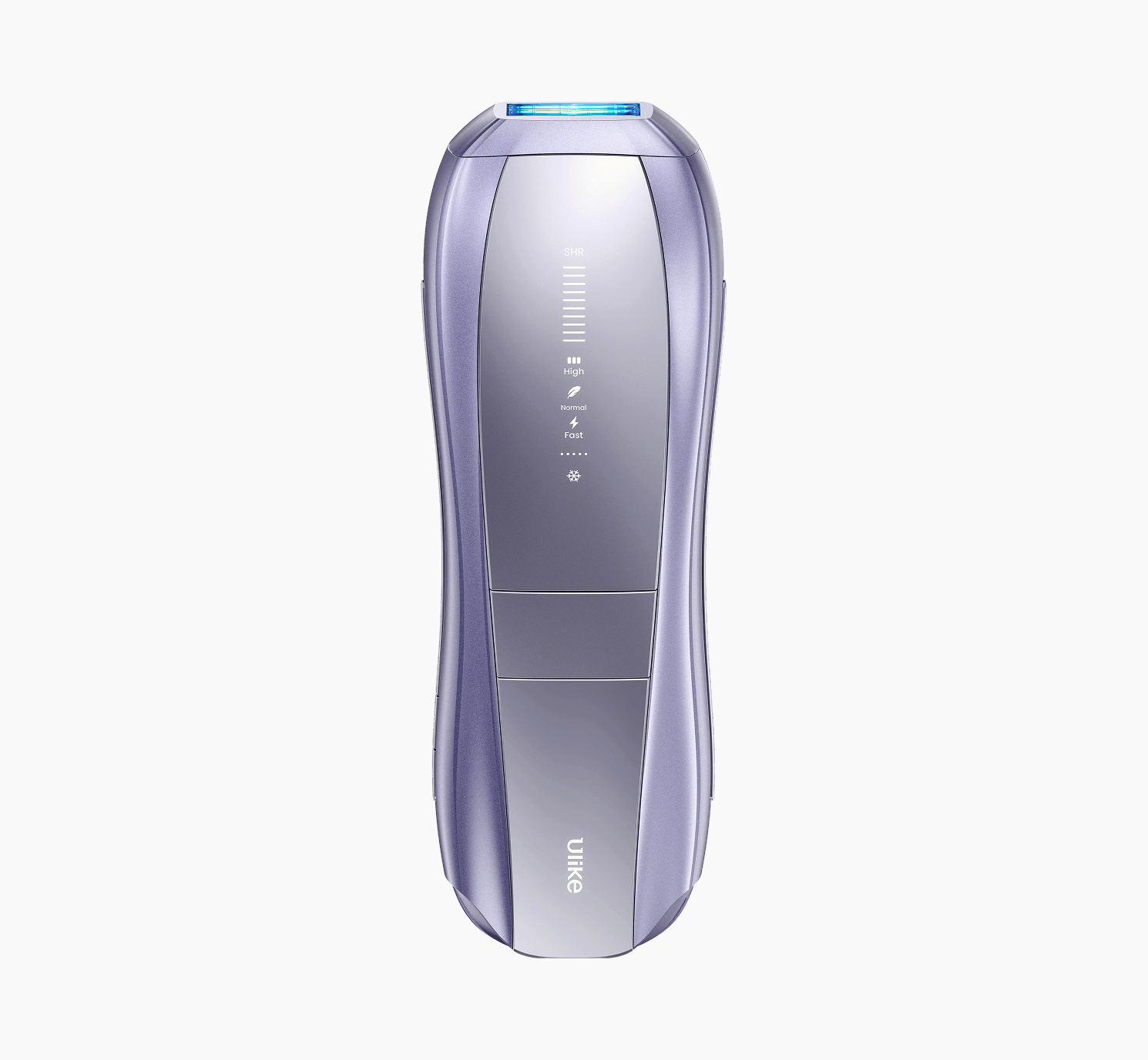
Ready to explore at-home IPL? Discover Ulike’s IPL hair-removal devices and review the product guidance to find an option suited to your needs. Before starting, check the device’s facial-use instructions, complete the recommended patch test and follow the treatment guidance for the best experience.
Related Readings
- Hair Threading for Men: Eyebrow Shaping and Facial Hair Precision
- PCOS Facial Hair: Causes, Treatments & Safe Hair Removal Options
- Facial Hair Removal for Women: The Complete UK Guide
- Facial Hair Removal for Men: Temporary vs. Long-lasting Methods
- How to Choose the Best Facial Hair Removal Tool: Shaver, Tweezers, or IPL
- Best Facial Hair Remover Options for UK Women: Safety Guide to Laser and Alternative Methods

How to Clean an IPL Hair Removal Device Safely

Can You Use IPL on Arms? Will It Work on Your Hair?

When Does IPL Hair Start Shedding? Signs It’s Working
Explore Beauty
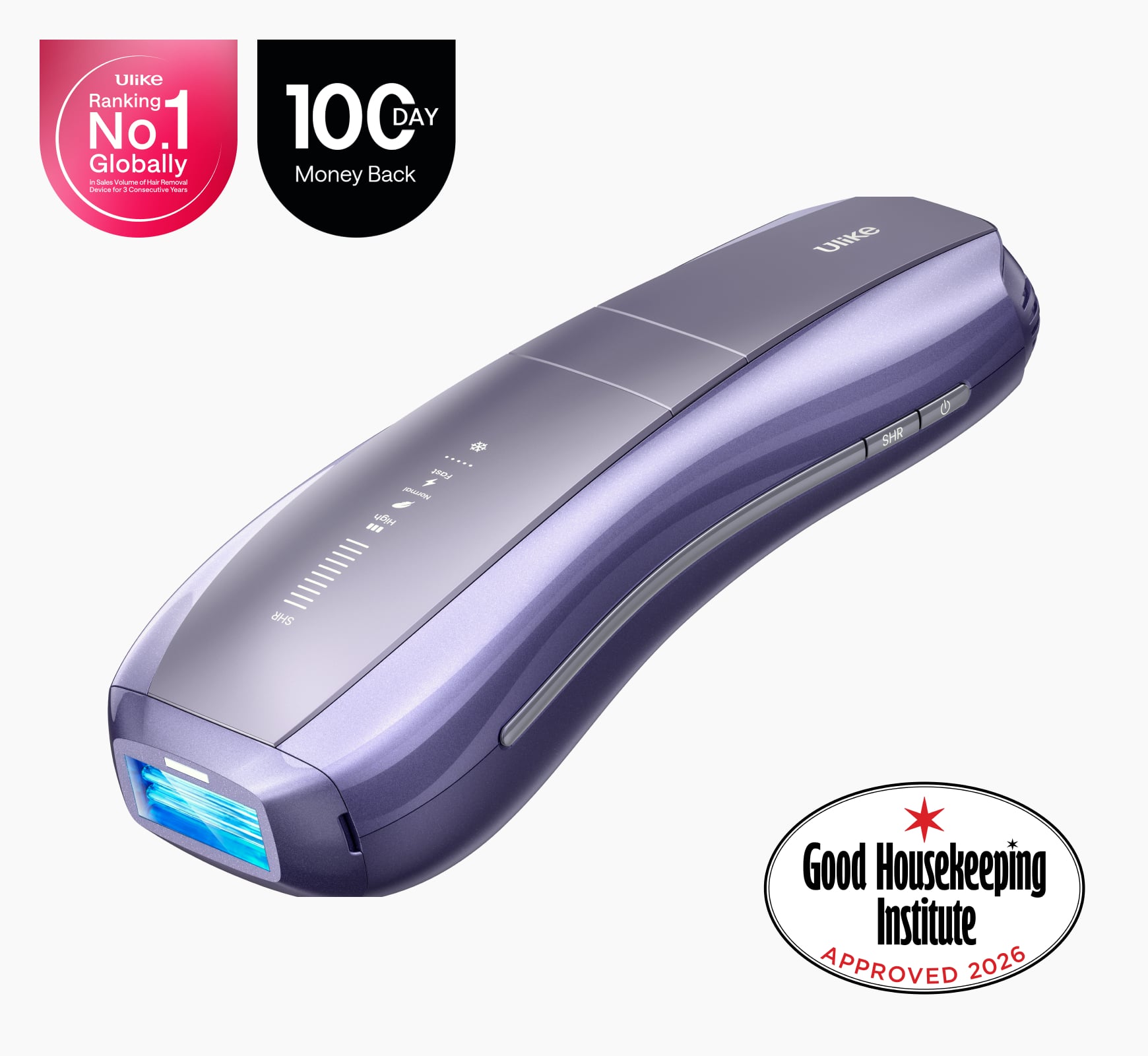
Ulike Air 10
2 weeks to silky smooth skin.
96% Hair Density Reduction in 2 Weeks
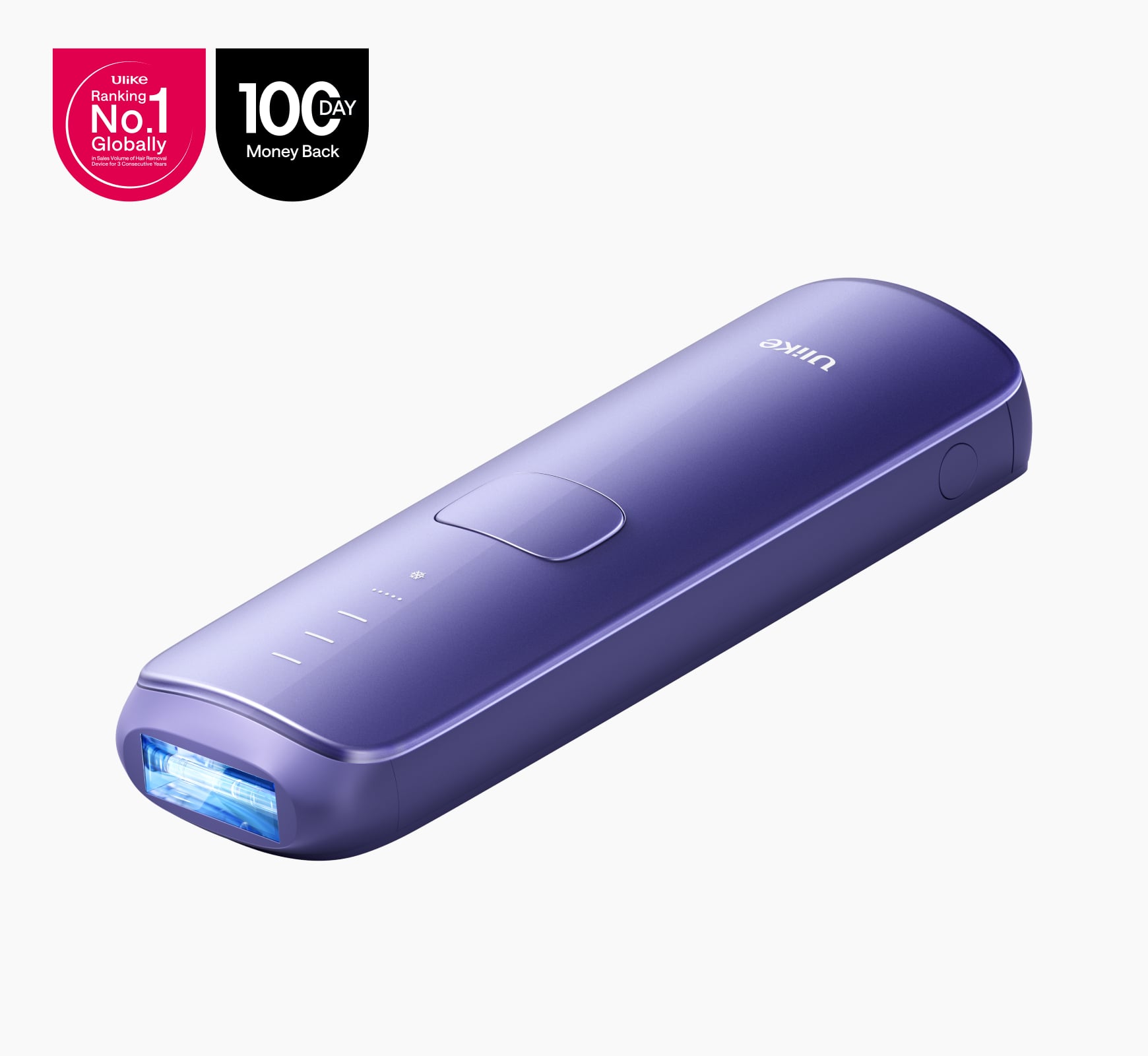
Ulike Air 3
3 weeks to silky smooth skin.
93% Hair Density Reduction in 4 Weeks
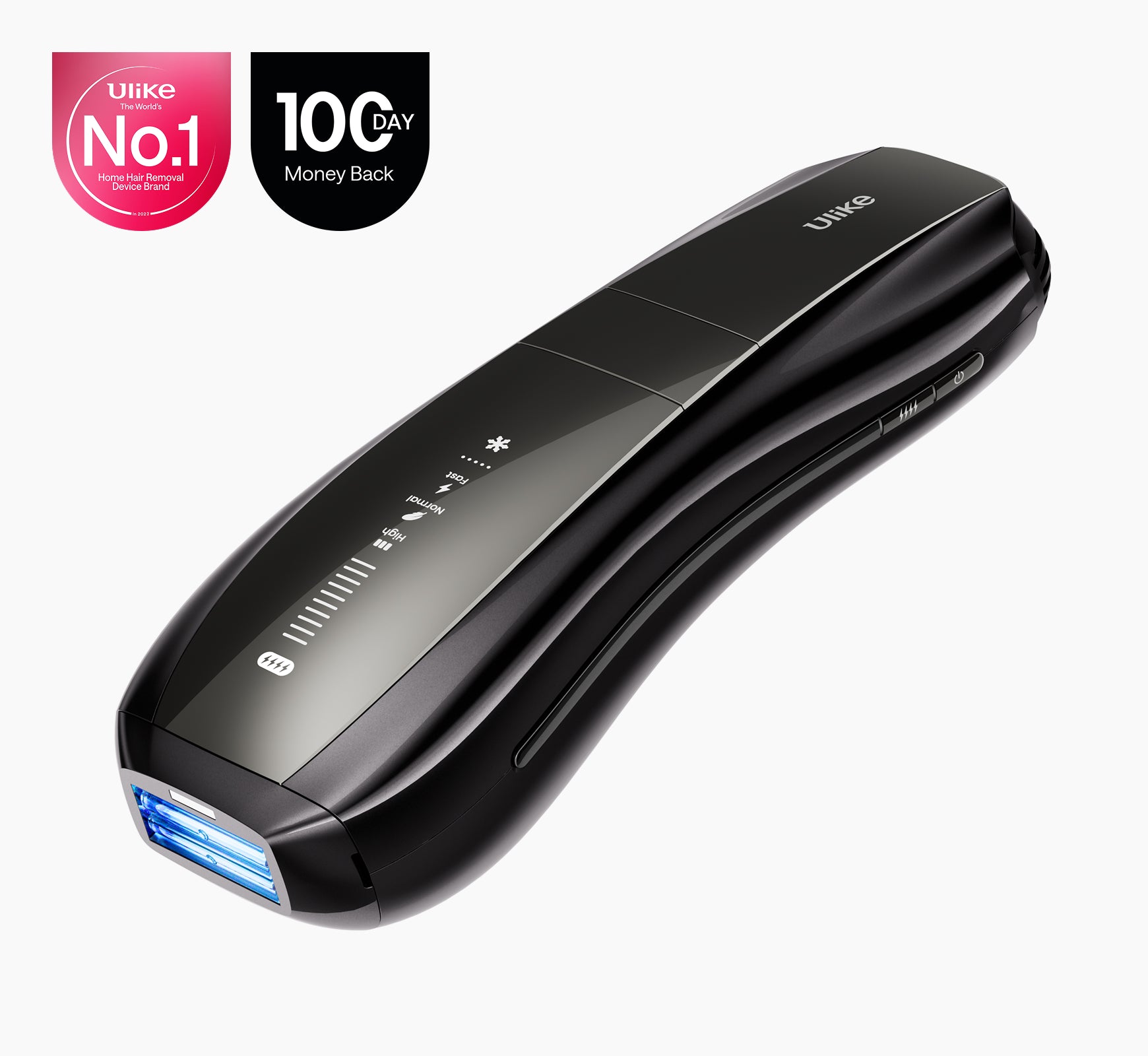
Ulike X
3 weeks to silky smooth skin.
94% hair reduction in just 2 weeks*
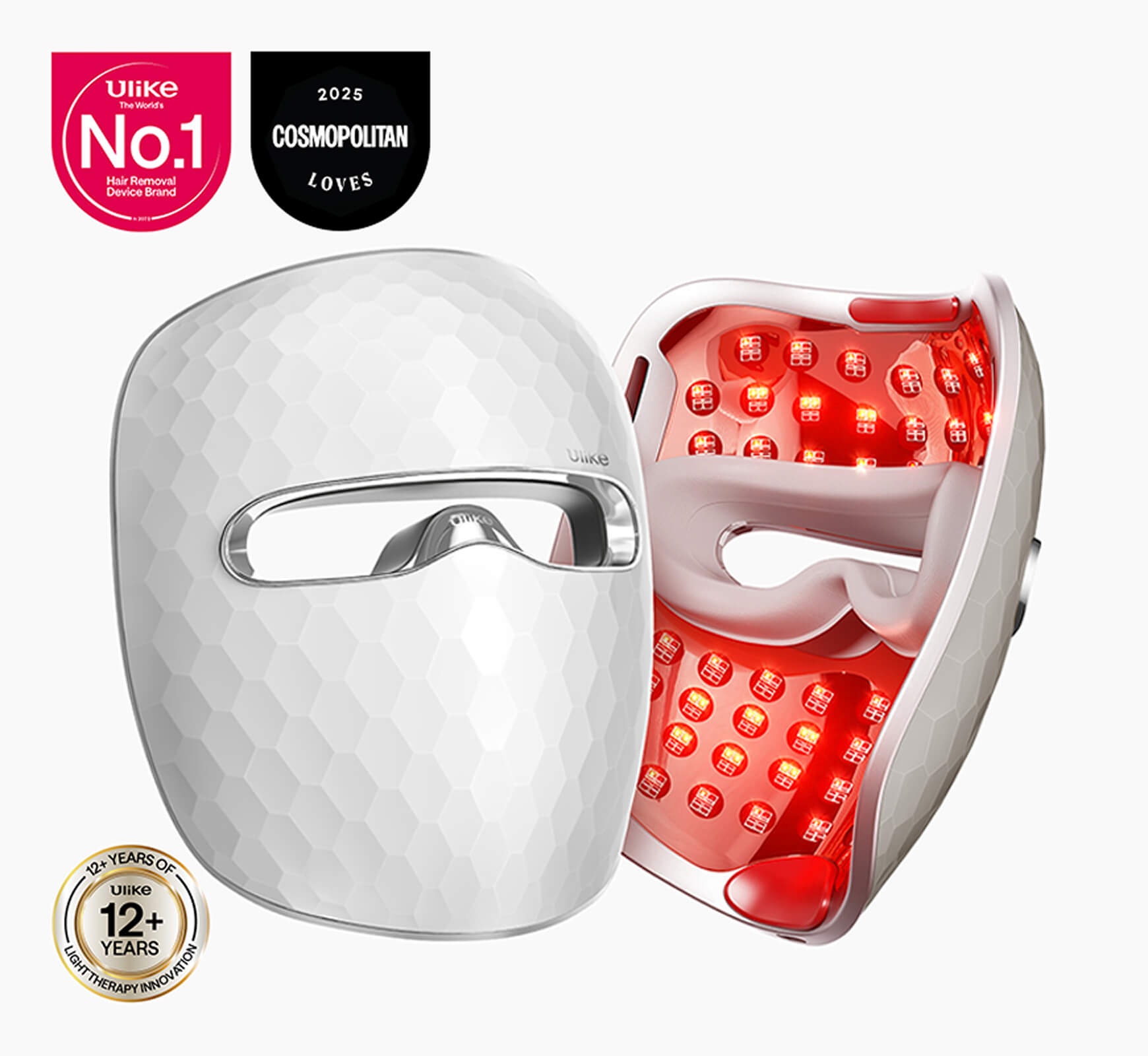
Ulike Reglow
Clearer skin in 2 weeks: Fewer breakouts
Smoother skin in 4 weeks: Fewer lines, firmer feel