



Best Facial Hair Remover for UK Women (2026): Safe Methods Compared
Best Facial Hair Removers in the UK at a Glance
| Method | Best for | Results | How long results last | At-home? |
|---|---|---|---|---|
| At-home IPL | Longer-term hair reduction | Gradual | Requires maintenance | Yes |
| Professional laser | Longer-term reduction | Gradual | Long-lasting | No |
| Electrolysis | Individual hairs / permanent hair removal | Gradual | Permanent removal of treated follicles | No |
| Threading | Upper lip, chin and precision areas | Immediate | Usually a few weeks | Yes / professional |
| Tweezing | Individual hairs | Immediate | Usually a few weeks | Yes |
| Facial depilatory cream | Quick temporary removal | Immediate | Several days | Yes |
| Waxing / sugaring | Larger areas | Immediate | Several weeks | Yes / professional |
| Shaving / dermaplaning | Fast surface removal | Immediate | A few days | Yes |
For women looking for a convenient at-home facial hair remover with longer-term hair reduction, IPL can be an option when the device is suitable for their skin tone and hair colour. Professional laser and electrolysis are alternatives for those seeking clinic-based treatment. Temporary methods such as threading, tweezing, waxing and facial depilatory creams may be better suited to specific areas or preferences.
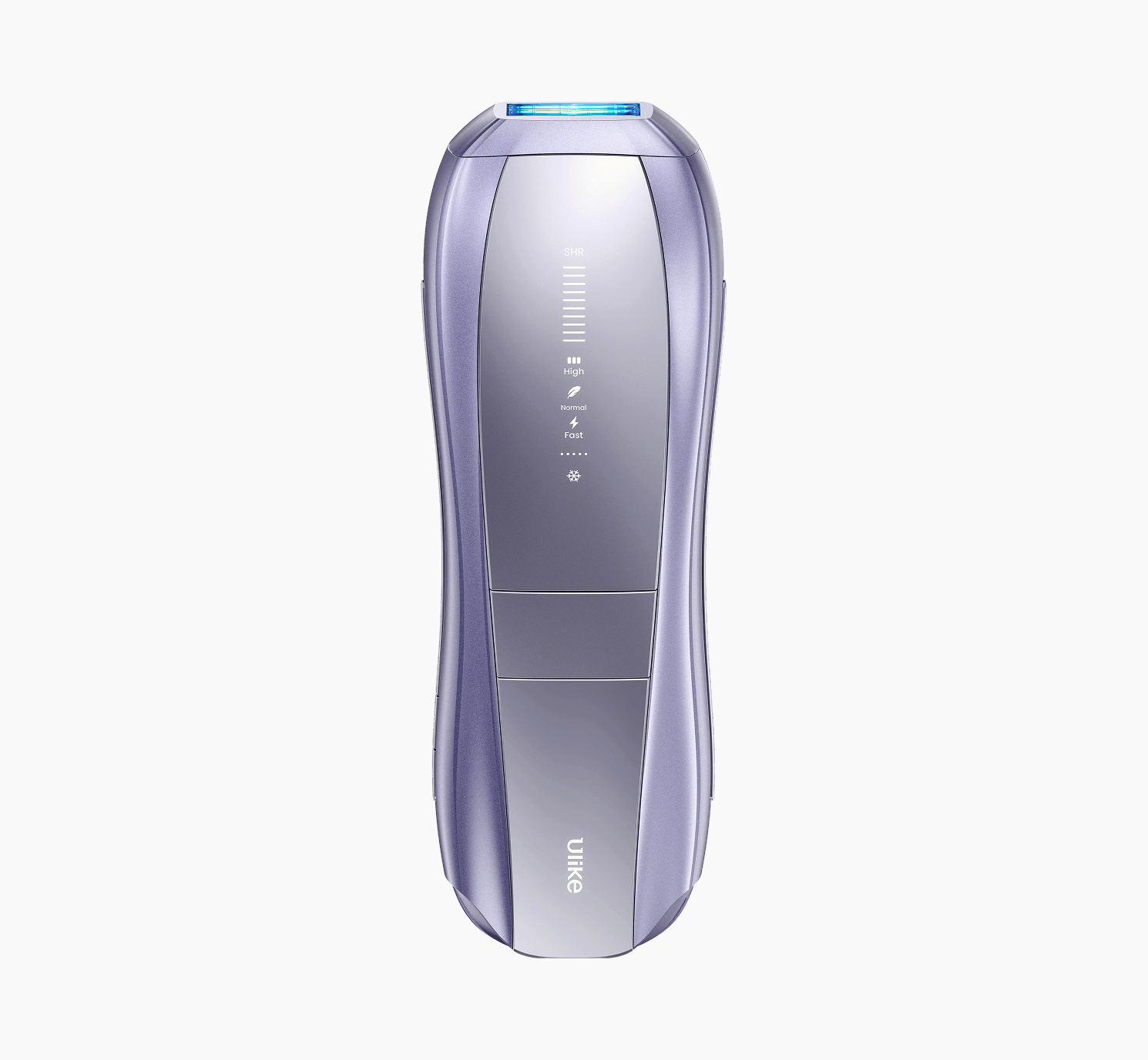
Our top At-Home Pick: Ulike Air 10
For shoppers specifically looking for an at-home IPL facial hair remover, the Ulike Air 10 is one option to consider. Its positioning centres on at-home convenience and integrated cooling, which may appeal to people who want to manage facial hair without regular clinic appointments. As with any IPL device, suitability depends on the device's stated skin-tone and hair-colour range, and users should follow the manufacturer's facial-use instructions and treatment schedule.
If you prefer a no-device approach, professional threading is the gentlest and most precise option for the upper lip and chin, and you can walk out of a UK salon same day for £8 to £20.
Not sure which method suits your skin and hair type? The comparison table below covers every option side by side.
Why Do Women Get Facial Hair?
Women can develop facial hair because of genetics, age-related hormonal changes, or conditions that affect hormone levels. Facial hair is commonly seen on the upper lip, chin, jawline, cheeks and sideburns, and the colour and thickness can vary from person to person.
Some women naturally have more visible facial hair because of their genetics. Hormonal changes can also make facial hair darker, thicker or more noticeable, particularly during menopause. Conditions associated with increased androgen activity, such as PCOS, can cause more pronounced growth around the chin, upper lip and jawline.

What Causes Excess Facial Hair in Women?
Excess facial hair in women can be associated with hormonal changes, genetics or an underlying condition such as PCOS. The pattern and speed of hair growth can provide useful context when choosing a facial hair remover.
Common factors include:
- Genetics: Some women naturally have darker or coarser facial hair.
- Hormonal changes: Changes associated with age and menopause can alter facial hair growth.
- PCOS: Increased androgen activity associated with PCOS can contribute to thicker, darker hair growth on the face.
- Other medical conditions: New or rapidly increasing facial hair can sometimes be associated with an underlying hormonal condition.
What Is the Best Facial Hair Remover for Women With PCOS?
The best facial hair remover for women with PCOS depends on hair colour, hair thickness, skin tone, treatment area and whether you want temporary removal or longer-term hair reduction. Professional laser treatment may be an option for some people, while at-home IPL may be suitable when the specific device is designed for facial use and is compatible with the user's skin tone and hair colour.
PCOS-related facial hair can be persistent because hair removal does not treat the underlying hormonal cause. Some women may therefore need ongoing maintenance regardless of the removal method they choose.
If you are considering IPL or laser for PCOS-related facial hair, check the treatment's eligibility requirements and follow the manufacturer's or clinic's safety instructions rather than assuming that every device or treatment will be suitable.
When Should Women See a Doctor About Facial Hair?
You should speak with your GP if facial hair appears suddenly, increases rapidly, or occurs alongside other signs of hormonal changes. New or rapidly increasing facial hair can sometimes be associated with an underlying medical or hormonal condition that needs assessment.
Once any underlying concern has been assessed, you can choose a facial hair remover based on your hair type, skin sensitivity, treatment area and preferred results.
Which Facial Hair Remover Is Best for Different Hair Types?
The most suitable facial hair remover depends partly on your hair colour and thickness, because methods such as IPL and laser rely on pigment in the hair. Darker hair may respond better to light-based treatments, while very light, grey or red hair may require a different removal method depending on the technology being used.
- Coarse, dark hair: IPL or professional laser may be suitable for longer-term hair reduction when the treatment is appropriate for your skin tone.
- Fine or light hair: Depending on the hair colour, threading, tweezing or a facial-specific depilatory cream may be more suitable than IPL.
- Mixed hair types: Different methods may be appropriate for different areas or types of facial hair.
The right facial hair remover is therefore not necessarily the same for everyone. Consider your hair colour, hair thickness, skin tone, treatment area, desired results and whether you want an at-home or professional option.
What Are the Best Facial Hair Removal Methods for Women?
The best facial hair removal method depends on your hair colour, skin tone, treatment area, budget and how long you want the results to last. At-home IPL and professional laser can provide longer-term hair reduction for suitable candidates, while electrolysis, threading, tweezing, waxing, creams and shaving offer different approaches to removing individual hairs or achieving temporary results.
Which Facial Hair Removal Method Lasts the Longest?
Professional laser and electrolysis can provide the longest-lasting results among facial hair removal options, while IPL can provide longer-term hair reduction with continued use. Temporary methods such as threading, waxing, tweezing, shaving and depilatory creams remove visible hair without providing the same type of longer-term reduction.
Which Facial Hair Removal Method Is Best for At-Home Use?
At-home IPL can be an option for women who want longer-term hair reduction without regular salon or clinic appointments, provided the device is suitable for their skin tone, hair colour and facial use. Results develop gradually and require consistent treatment according to the manufacturer's instructions.
Which Facial Hair Removal Method Is Best for Quick Results?
Threading, tweezing, waxing, shaving and facial depilatory creams can provide visible hair removal immediately or within a single treatment. However, these methods generally require more frequent maintenance than light-based treatments because they do not target hair growth in the same way.
Which Facial Hair Removal Method Is Best for Sensitive Skin?
There is no single facial hair removal method that is best for every person with sensitive skin. Threading or careful tweezing may suit small areas, while a facial-specific depilatory cream may be an option for some people; IPL and laser require particular attention to skin suitability and device or clinic safety instructions.
Which Facial Hair Removal Method Is Best for the Upper Lip or Chin?
The best method for the upper lip or chin depends on the amount and type of hair and whether you want temporary removal or longer-term reduction. Threading and tweezing allow precise removal of individual hairs, while suitable IPL or professional laser treatments may be considered when longer-term hair reduction is the goal.
The sections below compare the main facial hair removal options in more detail so you can choose a facial hair remover based on your priorities rather than relying on a single "best" method for everyone.
Professional Laser Facial Hair Removal in the UK

How Does Professional Laser Hair Removal Work?
Professional laser hair removal uses concentrated light to target pigment in the hair follicle, heating the follicle and reducing future hair growth. The treatment is performed over multiple sessions because hair grows in different cycles, and not all hairs are equally responsive at the same time.
Laser hair removal is commonly used on areas such as the upper lip, chin, jawline and cheeks. Results vary depending on factors including hair colour, skin tone, treatment area, laser technology and hormonal influences.
How Many Laser Hair Removal Sessions Are Needed?
Most people need several laser hair removal sessions because the treatment is most effective when hairs are in a suitable stage of the growth cycle. A course may involve around six to eight sessions, although the number and spacing of treatments vary according to the individual and the clinic's treatment protocol.
Facial hair can require additional maintenance, particularly when hormonal factors contribute to continued hair growth.
What Does Facial Laser Hair Removal Cost in the UK?
The cost of professional facial laser hair removal in the UK depends on the treatment area, clinic, laser technology and number of sessions required. Small areas such as the upper lip or chin generally cost less per session than treatment covering larger areas of the face.
When comparing prices, check whether the quoted price includes:
- Consultation
- Patch testing
- Individual treatment sessions
- Treatment packages
- Follow-up appointments
- Aftercare
We will compare the costs of laser, IPL, electrolysis and other facial hair removal methods in more detail later in the guide.
Is Professional Laser Hair Removal Safe?
Professional laser hair removal can be performed safely when an appropriate treatment is selected and delivered by a suitably trained provider using appropriate equipment and settings. Temporary redness, warmth and irritation can occur after treatment, while inappropriate settings can increase the risk of burns or pigmentation changes.
Before treatment, the provider should assess factors such as your skin tone, hair characteristics, treatment area and relevant medical or skincare considerations. Follow the clinic's preparation and aftercare instructions carefully.
Does Skin Tone Affect Laser Hair Removal?
Yes. Skin tone can affect which laser technology and treatment settings are appropriate because laser energy is absorbed by pigment in the hair as well as pigment in the skin. People with darker skin may require laser technology and settings specifically suited to their skin type.
Ask the clinic which technology it uses and whether it is appropriate for your skin tone and hair colour before beginning treatment.
What Should You Check Before Booking Facial Laser Hair Removal?
Before booking facial laser hair removal, check the provider's experience, the technology being used, the consultation and patch-testing process, expected results, total cost and aftercare requirements.
Useful questions to ask include:
- Which laser technology will be used?
- Is it suitable for my skin tone and hair colour?
- Will I have a consultation and patch test?
- How many sessions are likely to be needed?
- What side effects should I expect?
- What preparation is required before treatment?
- What aftercare will I need?
- What is included in the quoted price?
What Are the UK Safety Requirements for Professional Laser Treatment?
UK laser safety requirements depend on the type of equipment, treatment setting and applicable regulations, so consumers should check that a clinic follows appropriate safety procedures and uses properly maintained equipment. The MHRA publishes guidance on the safe use of lasers, intense light sources and LEDs in medical, surgical, dental and aesthetic practices.
A consultation should cover treatment suitability, potential contraindications, risks, expected results and aftercare before treatment begins.
By prioritising professionally administered treatments, UK women can minimise risks and maximise safety, ensuring they approach their facial hair removal journey with confidence. Professional facial hair remover treatments represent the safest long-term investment for UK women.
How Much Does Facial Hair Removal Cost in the UK?
Facial hair removal in the UK can cost from a few pounds for temporary at-home methods to several hundred pounds for a course of professional treatment. The total price depends on the method, treatment area, number of sessions and whether ongoing maintenance is needed.
Method |
Initial Cost |
Maintenance |
Duration |
Pain Level |
Best For |
|---|---|---|---|---|---|
Professional Laser |
£240–£960+ (6–8 sessions) |
£100–£250/year |
Longer-term reduction |
Moderate |
Coarse, dark hair |
Professional IPL |
£240–£960+ (6–8 sessions) |
£80–£150/year |
Longer-term reduction |
Mild–moderate |
Suitable hair/skin combinations |
Ulike Air 10 |
£270–£400 (one-time) |
£0 |
Long-term reduction with maintenance |
Low |
At-home convenience |
Philips Lumea |
£350–£600+ (one-time) |
£0 |
Long-term reduction with maintenance |
Low |
Established IPL technology |
Braun Silk·expert |
£200–£750+ (one-time) |
£0 |
Long-term reduction with maintenance |
Low |
Different budgets/models |
Threading |
£8–£20/session |
£100–£240/year |
2–6 weeks |
Mild–moderate |
Precision areas |
Waxing |
£10–£35/session |
£120–£420/year |
3–6 weeks |
Moderate–high |
Larger facial areas |
Depilatory Creams |
£5–£15/product |
£60–£180/year |
3–7 days |
Low* |
Quick temporary removal |
*Pain levels are subjective and vary by person, treatment area and technique.
*Depilatory creams should only be used on the face if the product is specifically formulated and labelled for facial use.
Best At-Home Facial Hair Remover Devices

Which At-Home Facial Hair Remover Is Best?
The best at-home facial hair remover depends on your skin tone, hair colour, treatment area, budget and the type of results you want. At-home IPL devices can provide longer-term hair reduction with consistent use, while other facial hair removers, such as electric trimmers or tweezers, are designed for temporary hair removal.
At-home IPL devices vary in their features, treatment areas and suitability. Before choosing one, check that the specific device is designed for facial use and that your skin tone and hair colour fall within the manufacturer's recommended range.
For women considering an IPL facial hair remover, the most useful features to compare include facial-use compatibility, skin-tone sensing, cooling or comfort features, treatment speed, warranty and current UK price.
Popular At-Home Facial Hair Remover Options:
The most popular at-home facial hair remover devices include IPL systems from Ulike, Philips, Braun and Remington, with differences in cooling, skin sensing, treatment speed, facial attachments and price. Always check the specific model's instructions to confirm that it is suitable for facial use and for your skin tone and hair colour.
Ulike Air 10
- Sapphire cooling technology for a more comfortable treatment
- Multiple treatment and comfort modes
- Fast treatment with a large flash window
- Designed for at-home IPL hair reduction
- UK price: approximately £270–£400, depending on promotions and model
Best for: At-home IPL users who prioritise comfort and convenient treatment.
Philips Lumea
- Facial attachment available with applicable models
- SmartSkin/sensing technology on applicable models
- Multiple models and treatment configurations
- Widely available through UK retailers
Best for: Users looking for an established IPL range with different model options.
Braun Silk·expert
- Skin-tone sensing technology
- Automatic intensity adjustment on applicable models
- Multiple models across the range
- Widely available in the UK
Best for: Users comparing established IPL brands and different device configurations.
Remington iLight
- At-home IPL range with different models
- Generally positioned as a more budget-conscious option
- Designed for at-home hair reduction
Best for: Users looking for a lower-cost IPL option.
Before buying, compare the specific model's facial-use instructions, skin-tone and hair-colour suitability, treatment schedule, warranty and current UK price rather than choosing based on brand name alone.
How Can You Safely Use an At-Home Facial Hair Remover?
You can use an at-home facial hair remover more safely by checking the device's suitability, following the manufacturer's preparation and treatment instructions, and completing any recommended patch test before full treatment. IPL devices differ, so always follow the instructions for your specific model, particularly for facial-use areas, skin tone and hair colour.
Essential Safety Measures
- Check skin and hair suitability: Make sure your skin tone and hair colour fall within the manufacturer's recommended range.
- Prepare your skin: Clean and dry the treatment area and follow the manufacturer's instructions about shaving and skincare products.
- Patch test first: Complete a patch test according to the manufacturer's instructions before your first full treatment.
- Follow facial-use instructions: Only treat facial areas that the device manufacturer specifically approves.
- Follow the treatment schedule: Do not use the device more frequently or at a higher intensity than recommended.
- Follow eye-safety instructions: Use the eye protection specified by the manufacturer and never direct IPL light toward the eyes.
When Should You Stop Using an At-Home Facial Hair Remover?
Stop treatment if you experience significant or worsening pain, blistering, burns, severe swelling or unusual changes in skin colour. If the reaction is severe or does not improve, seek medical advice.
Traditional Facial Hair Remover Methods

Is Threading Good for Facial Hair Removal?
Threading is a precise way to remove facial hair from the root and is particularly useful for small areas such as the upper lip, chin and eyebrows. Because the hair is removed from the root, results generally last longer than shaving, although repeat treatments are needed as the hair grows back.
Threading may suit you if you:
- Want to target a small or defined area
- Prefer a method that does not use chemical depilatories
- Want immediate results
- Need occasional facial-hair maintenance
- Prefer professional treatment at a salon
Threading typically costs around £8–£20 per session in UK salons, depending on the treatment area and provider.
Is Tweezing Good for Facial Hair Removal?
Tweezing is best for removing individual or small numbers of facial hairs because each hair can be targeted separately. It is inexpensive and convenient for occasional maintenance but can become time-consuming when treating larger areas.
Tweezing may be useful for:
- Individual chin or upper-lip hairs
- Small areas between other treatments
- Maintaining stray hairs as they regrow
- People who want an inexpensive at-home option
Because tweezing removes individual hairs, it is not practical for widespread facial hair.
Are Facial Hair Removal Creams Safe?
Facial hair removal creams can temporarily dissolve visible hair at the skin's surface, but only products specifically formulated for facial use should be applied to the face. Depilatory creams can irritate the skin, so follow the product instructions and complete a patch test as directed before use.
For safer use:
- Choose a product specifically labelled for facial use
- Follow the manufacturer's patch-testing instructions
- Avoid the eyes, nostrils and lips
- Follow the recommended application time precisely
- Do not use the product on irritated, broken or damaged skin
- Stop use if you experience significant irritation or discomfort
Facial depilatory creams generally provide temporary results lasting several days, so they need to be reapplied as the hair grows back.
Is Facial Waxing or Sugaring Effective?
Facial waxing and sugaring remove hair from the root and can leave the skin smooth for several weeks, but both methods can cause temporary redness or irritation. They may suit people who want immediate results without using an IPL or laser device.
Waxing uses a wax formulation to grip and remove hair from the root. It can treat several hairs at once, making it faster than tweezing for larger areas.
Sugaring uses a sugar-based paste to remove hair from the root and is another option for temporary facial hair removal.
Both methods:
- Provide immediate results
- Usually last several weeks
- Require repeat treatment as hair regrows
- Can cause temporary redness or sensitivity
- May be available at UK salons or for at-home use
Is Shaving Good for Facial Hair Removal?
Shaving is a quick and inexpensive way to remove facial hair from the skin's surface and does not make hair grow back thicker or darker. Because shaving does not remove the hair follicle, results are temporary and the hair needs to be removed again as it regrows.
Shaving may suit you if you:
- Want immediate results
- Prefer a low-cost at-home method
- Need to remove hair from a larger facial area quickly
- Want to avoid pulling hair from the root
Use a clean, suitable facial razor or dermaplaning tool and avoid shaving irritated or damaged skin. If you are prone to irritation or ingrown hairs, choose your technique and skincare products carefully.
How Much Does Facial Hair Removal Hurt?
Facial hair removal can range from little or no discomfort with shaving and depilatory creams to brief pinching or pulling with threading, tweezing, IPL, laser and waxing. Pain varies by method, treatment area, technique and individual sensitivity.
| Method | Typical sensation |
|---|---|
| Shaving | Little to no discomfort |
| Depilatory cream | Usually little to no discomfort; may sting if skin reacts |
| At-home IPL | Warmth, tingling or a brief snapping sensation |
| Professional IPL | Warmth or brief snapping sensation |
| Professional laser | Warmth, tingling or brief snapping sensation |
| Tweezing | Brief pinching with each hair |
| Threading | Pulling or pinching sensation |
| Waxing | Brief pulling or stinging |
| Electrolysis | Brief heat, stinging or pinching |
Pain and skin sensitivity vary from person to person, so the same facial hair remover may feel different depending on the area being treated and the individual's sensitivity.
What Should You Look for When Buying a Facial Hair Remover in the UK?
The best facial hair remover for you depends on whether you are buying an IPL device, an electric tool or another hair-removal product. Before buying, check that it is suitable for your intended facial area, compatible with your skin and hair characteristics, clearly labelled for its intended use, and backed by appropriate warranty and retailer support.
Is the Facial Hair Remover Suitable for Facial Use?
If you are buying an IPL device, check that the specific model is designed or approved by the manufacturer for use on the face. Do not assume that an IPL device intended for the body is automatically suitable for facial treatment.
Check the manufacturer's instructions for:
- Approved facial treatment areas
- Skin-tone compatibility
- Hair-colour compatibility
- Recommended treatment frequency
- Any facial attachments or precision heads
Does the Facial Hair Remover Suit Your Skin Tone and Hair Colour?
IPL facial hair removers work by targeting pigment in the hair, so suitability depends on both hair colour and skin tone. Check the specific device's compatibility chart before purchasing because the suitable range varies between IPL devices.
Some IPL devices may not be suitable for very light, grey or red hair, while certain skin tones may also fall outside a device's recommended range.
Does the Facial Hair Remover Have a Skin Sensor?
A skin-tone sensor can help an IPL device determine an appropriate light intensity or prevent treatment when the detected skin tone is outside its recommended range. However, the function varies between devices, so check what the specific sensor actually does rather than assuming all systems work in the same way.
What Should You Check When Buying a Facial Hair Remover Online?
Check the retailer's return policy, warranty, product support and current price before buying a facial hair remover online. Buying from an established UK retailer can also make it easier to deal with returns, faults or warranty claims.
Also check that the product listing provides:
- The manufacturer's name and model
- Clear instructions for use
- Facial-use information where applicable
- Skin-tone and hair-colour suitability
- Warranty information
- UK customer support or retailer contact details
Facial Hair Remover Safety Guidelines for All Methods
The safest facial hair removal method depends on the technique, your skin condition and the product or device you are using. Follow the manufacturer's or practitioner's instructions, avoid treating irritated or damaged skin, and use appropriate aftercare for the method you choose.

What Should You Do Before Facial Hair Removal?
Before removing facial hair, make sure your skin is clean and intact and check the specific preparation and patch-testing instructions for your chosen method. Some treatments have additional restrictions, so don't assume that the same preparation applies to IPL, laser, waxing, creams and other methods.
- Check the product or device instructions.
- Patch test when recommended.
- Avoid treating broken, irritated or sunburned skin.
- Check whether your skincare products or medications affect treatment suitability.
- For IPL or laser, follow the device or clinic's specific preparation requirements.
What Should You Do After Facial Hair Removal?
After facial hair removal, treat the skin gently and protect it from excessive sun exposure while it settles. Use gentle, fragrance-free skincare if needed and follow the aftercare instructions for your particular treatment.
- Use sun protection as appropriate.
- Avoid harsh or irritating skincare products if your treatment instructions recommend doing so.
- Keep the skin moisturised.
- Monitor for unusual or persistent irritation.

When Should You Stop Facial Hair Removal Treatment?
Stop treatment if you experience severe pain, blistering, burns, significant swelling or unusual skin discolouration. Seek medical advice if a reaction is severe, worsening or does not settle.
Choosing the Right Facial Hair Remover for Your Needs
The right facial hair remover depends on your hair type, skin sensitivity, budget and the results you want. Use the comparison below as a starting point, then consider the treatment area, whether you want temporary removal or longer-term reduction, and whether you prefer professional or at-home treatment.
| Hair Type | Skin Sensitivity | Budget | Best Facial Hair Remover Options |
|---|---|---|---|
| Coarse, Dark | Normal | High (£500+) | Professional laser treatment |
| Coarse, Dark | Normal | Medium (£150–£500) | At-home IPL facial hair remover |
| Fine, Light | Sensitive | Low (Under £150) | Threading, depilatory creams |
| Mixed Types | Normal | Medium | Combination: IPL + threading |
| All Types | Very Sensitive | Low | Threading, tweezing only |
No single facial hair remover is best for everyone. Hair colour, skin tone, sensitivity, treatment area, budget and your desired duration of results should all be considered before choosing a method.
Can You Combine Different Facial Hair Removal Methods?
You can sometimes combine different facial hair removal methods, but the treatments should be compatible and spaced according to the instructions for the specific method or device. For example, someone using IPL for longer-term hair reduction may still use threading or tweezing for hairs or areas that are not being treated with IPL.
Examples include:
- IPL + threading: IPL for suitable areas and threading for precision work.
- IPL + tweezing: Tweezing individual hairs that remain outside the IPL treatment area.
- Different methods for different areas: For example, an IPL device for suitable facial areas and threading for eyebrows.
Do not combine treatments simply to speed up results. Some methods can increase irritation when performed too close together, so follow the relevant treatment or device instructions.
How Long Does Facial Hair Removal Take to Work?
The time it takes to see results depends on the facial hair remover you choose. Temporary methods such as shaving, threading, waxing and depilatory creams can produce visible results after one treatment, while IPL and laser require repeated treatments before longer-term hair reduction becomes noticeable.
For light-based treatments, follow the specific treatment schedule provided by the manufacturer or professional provider rather than applying one schedule to every device or laser system.
Timing Between Treatments:
- Allow 48-72 hours between different facial hair removal methods to give your skin time to recover.
- Never use multiple chemical methods (like depilatory creams and IPL) simultaneously, as this can cause irritation.
- Space intensive treatments (such as laser or IPL) according to the recommended intervals for optimal safety and results.
Realistic Timeline Expectations
| Method | Initial Phase | Frequency | Long-term Maintenance | Annual Sessions |
|---|---|---|---|---|
| Professional Laser | 6–8 sessions, 4–6 weeks apart | Every 4–6 weeks | 1–2 sessions/year | 1–3 sessions |
| Professional IPL | 6–10 sessions, 4–8 weeks apart | Every 4–8 weeks | Every 6–12 months | 2–4 sessions |
| At-home IPL | Every 2 weeks (12 weeks) | Every 3–4 weeks | Every 6–8 weeks | 15–20 sessions |
| Threading | As needed | Every 2–4 weeks | Every 3–4 weeks | 15–20 sessions |
| Waxing | Every 4–6 weeks initially | Every 3–4 weeks | Every 4–5 weeks | 10–15 sessions |
| Tweezing | Daily as needed | 2–3× per week max | As needed | Ongoing |
| Depilatory Creams | Every 3–7 days | Every 3–7 days | Every 3–7 days | 50+ applications |
Frequently Asked Questions About Facial Hair Remover Options
Which facial hair remover is best for sensitive skin?
Threading is perhaps the most reliably tolerable hair removal procedure for sensitive skin since it does not involve any heat, chemicals, or energy from light sources. If hair removal creams specially made for facial use, such as Veet Facial Hair Removal Cream, are considered, patch testing should be done 24 hours prior to use. Waxing should be avoided by people whose skin tends to easily get irritated and/or develop broken capillaries.
Are at-home IPL devices safe for facial use?
Yes, but only if the device is CE marked and the manufacturer has clearly specified that the device can be used on the face. Also, always wear the goggles supplied with the device and begin treatment at the lowest level possible. Your skin is more sensitive on your face, especially around the upper lip area, compared to your legs and armpits.
Can I use multiple facial hair remover methods together?
Yes, but there are certain precautions to take. The combination of IPL and tweezers for missed hair is totally harmless. Threading after undergoing an IPL treatment after 48-72 hours is also possible. What needs to be completely avoided is when two different chemical treatments are used simultaneously, like using an exfoliating product alongside a depilatory cream or waxing over recently IPL treated skin.
When should I seek professional advice about facial hair?
If there is a rapid onset of facial hair, especially if it grows quickly and in places you did not have it before, consult your GP as it could be a result of some hormone imbalance or even PCOS. It should be investigated before beginning any treatment as your hair removal plan. You can refer yourself via the NHS to a dermatologist or an endocrinologist.
Which facial hair remover works fastest?
Threading and depilatory creams will yield immediate results the very same day. The effect of waxing is the same. IPL or laser hair removal treatment involves a number of treatments until you notice any change in hair density. It takes around six to eight treatments before that happens, and treatments are performed over a few weeks' interval.
Finding What Actually Works for You
The best facial hair remover for you depends on your hair colour and thickness, skin tone and sensitivity, treatment area, budget, and whether you want quick results or longer-term hair reduction. No single method works equally well for everyone.
If you want longer-term hair reduction, professional laser or a suitable at-home IPL device may be worth considering. If you want immediate temporary results, methods such as shaving, threading, tweezing, waxing or facial depilatory creams may be more appropriate.
Your choice should also take into account whether the method is suitable for your particular skin and hair characteristics. For IPL or laser, follow the manufacturer's or clinic's suitability guidance rather than assuming that the treatment will work for everyone.
Whichever method you choose, follow the relevant preparation, treatment and aftercare instructions and give the treatment enough time to show results. Light-based hair-reduction methods require repeated treatments, while temporary methods need to be repeated as hair regrows.
Related Readings


How to Clean an IPL Hair Removal Device Safely

Can You Use IPL on Arms? Will It Work on Your Hair?

When Does IPL Hair Start Shedding? Signs It’s Working
Explore Beauty
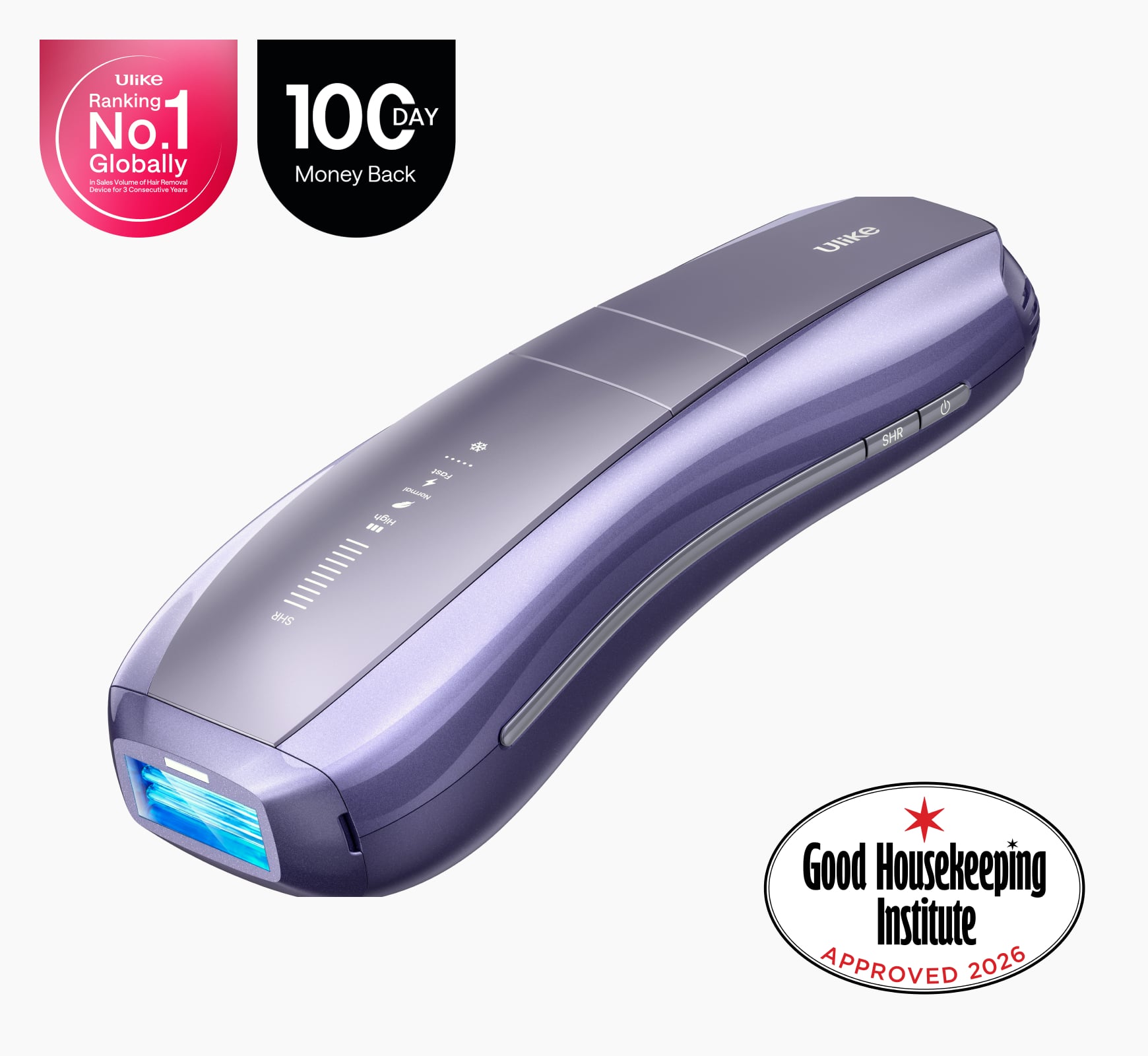
Ulike Air 10
2 weeks to silky smooth skin.
96% Hair Density Reduction in 2 Weeks
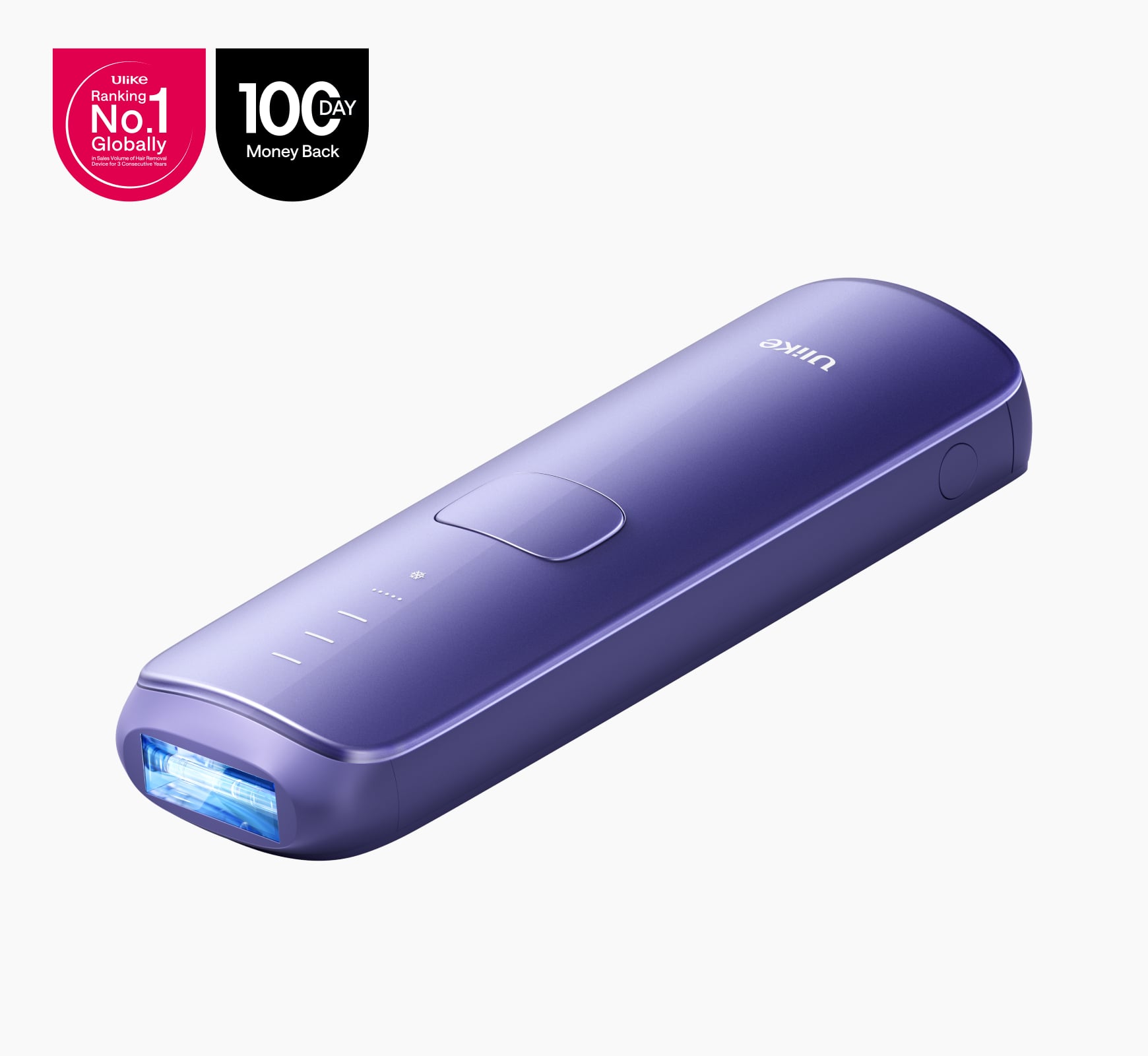
Ulike Air 3
3 weeks to silky smooth skin.
93% Hair Density Reduction in 4 Weeks
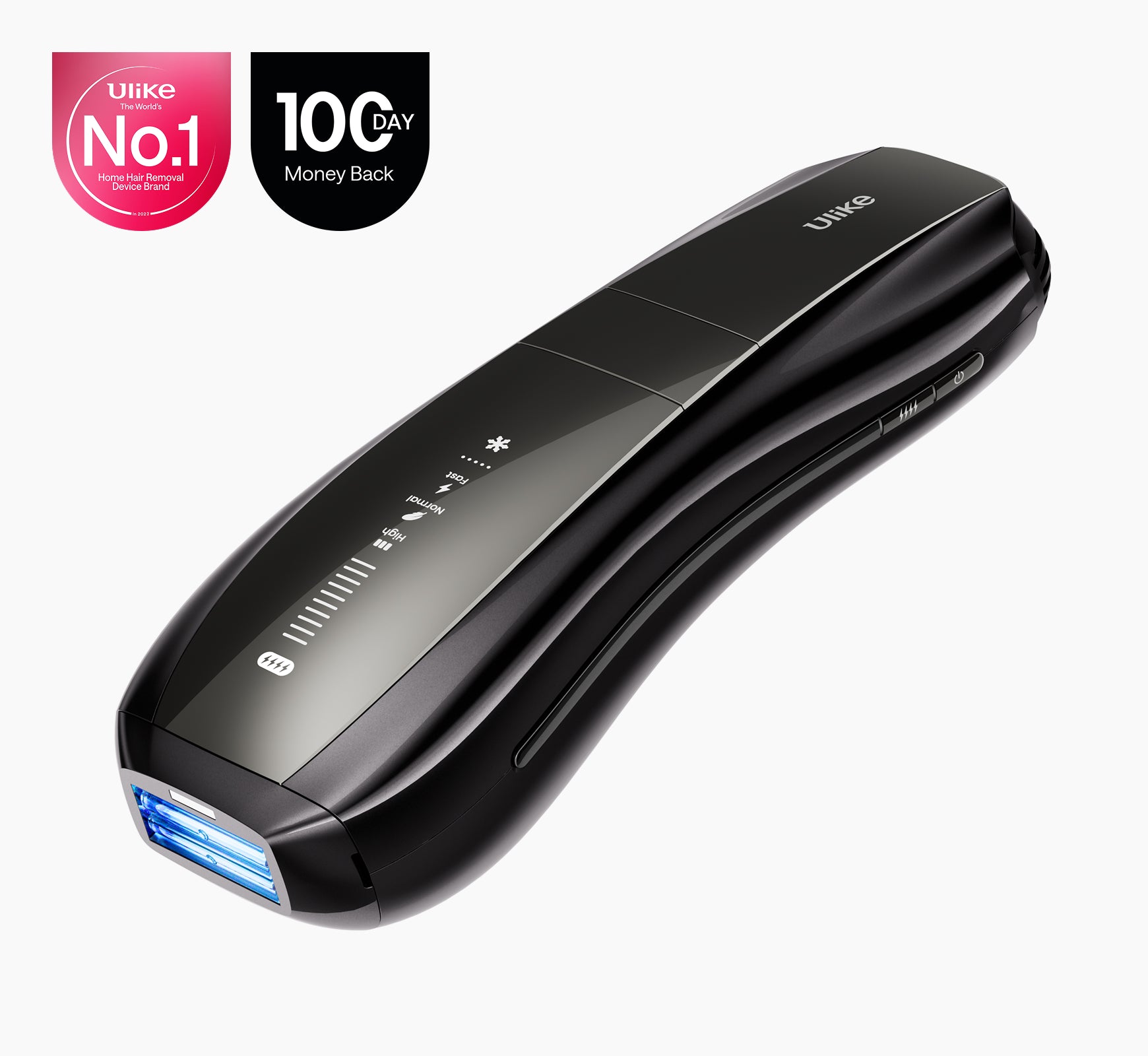
Ulike X
3 weeks to silky smooth skin.
94% hair reduction in just 2 weeks*
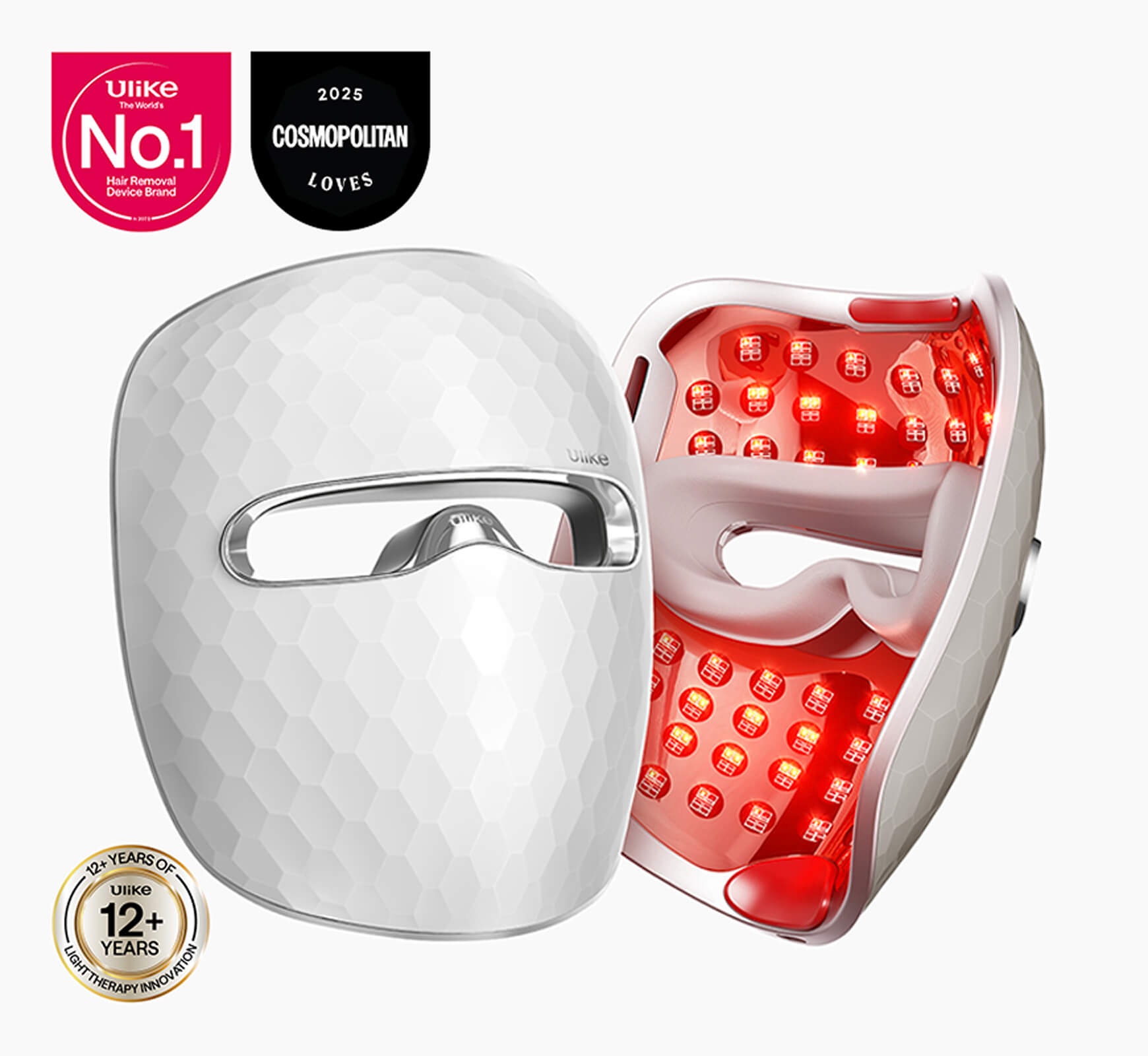
Ulike Reglow
Clearer skin in 2 weeks: Fewer breakouts
Smoother skin in 4 weeks: Fewer lines, firmer feel