




6 Hair Removal Myths Explained: IPL, Laser & Shaving

Hair Removal Myths You've Probably Heard: Here's the Truth
Advice about removing body hair rarely matches from one source to the next. A parent may warn that shaving changes thickness. A friend may claim waxing weakens regrowth. Online, confident claims about laser and IPL sit beside warnings about skin damage. Repetition turns opinion into certainty, and that is how hair removal myths take hold.
Many common hair removal myths persist because they are rarely examined closely. Family habits feel reliable. Social media rewards bold statements over careful explanation. Marketing language, especially around the word permanent, adds another layer of misunderstanding. It becomes difficult to separate habit, assumption and genuine hair removal facts.
This guide looks directly at the most persistent hair removal myths and sets them against established research and clinical understanding. You will see where specific claims come from and what evidence actually supports. The goal is clarity so you can make decisions based on fact rather than repetition.
Why There Are So Many Hair Removal Myths
Hair removal myths do not spread by accident. They often grow from habit, assumption and partial truths that are repeated until they sound authoritative. With enough repetition, these claims become common hair removal myths that feel established, even when evidence does not support them.
Myth #1: “Shaving Makes Hair Grow Back Thicker and Darker”
Few hair removal myths are repeated as often as this one. The warning is usually clear. Shave your legs, arms or face and the hair will grow back thicker and darker. Continue shaving and you will somehow trigger heavier growth.
That idea has circulated for years. Parents repeat it. Friends compare regrowth. Online discussions treat it as established fact.
Shaving does not increase thickness, darken hair, speed up growth or create new follicles. Hair grows from follicles beneath the skin. Those follicles determine thickness, colour and growth rate. Shaving cuts the hair at the surface and does not reach the follicle. If the follicle is unchanged, the hair it produces remains unchanged.
Why It Feels Thicker
Natural hair has a tapered tip. When shaved, that fine end is removed and the strand is cut straight across. As it grows back, the blunt edge feels rougher against the skin. The texture changes, not the structure.
Early regrowth also reveals the darker base of the strand rather than the lighter tip. On lighter skin this can make hair appear more visible. Increased contrast is often mistaken for increased thickness.
This question has been examined for nearly a century. Research published in Clinical Science in 1928 and in Anatomical Record in 1970 found no measurable change in hair growth rate, thickness or colour after shaving. A later review in the BMJ reached the same conclusion.
Myth #2: “Hair Removal Is Bad for Your Skin Long-Term”
Among common hair removal myths is the belief that removing hair gradually damages the skin. Shaving is blamed for wrinkles. Waxing is said to thin the skin. Laser and IPL are sometimes linked to lasting harm or even cancer.
These concerns often arise from visible short-term reactions. Redness, mild swelling or sensitivity can occur after treatment. That does not mean the skin has been permanently harmed.
Hair removal methods themselves are not inherently damaging. Shaving, waxing, laser and IPL have been used for decades. When carried out correctly and on suitable skin types, they are considered safe. Skin has a barrier function and an ability to repair minor surface disruption.
Where Skin Problems Actually Come From
Complications are usually linked to technique rather than to the method itself. Dry shaving or using blunt blades can cause micro-cuts and irritation. Wax that is too hot or removed aggressively can damage the surface layer. Using IPL at the wrong setting or on an unsuitable skin tone increases the risk of burns.
Aftercare also affects outcomes. Recently treated skin is more reactive. Skipping moisturiser, exposing skin to strong sunlight without protection, or applying strong active ingredients too soon can prolong irritation. Treating the same area too frequently limits recovery time and weakens the barrier.
In these cases, the issue is not hair removal as a concept, but how it is performed.
The Cancer Question
The idea that laser or IPL might cause cancer is one of the more unsettling hair removal myths. It tends to surface in comment sections or forum threads, usually without much context.
Laser and IPL use non-ionising light. That is different from ionising radiation such as X-rays or strong ultraviolet exposure, which can damage DNA. The light used in approved hair removal devices does not carry that same risk. It heats pigment in the hair follicle. It does not alter genetic material.
Hair removal itself is not the threat. How it is carried out matters far more. For practical guidance on protecting your skin after shaving, waxing or IPL, see our proper hair removal aftercare guide.

Myth #3: “Laser and IPL Are Basically the Same Thing”
A common laser hair removal myth, closely linked to several IPL hair removal myths, is the idea that the two are identical. The usual explanation is that IPL is simply a weaker, at-home version of laser. Same concept, lower power.
The similarity in language fuels that assumption. Both use light. Both target pigment in the hair. Both aim for long-term hair reduction. From the outside, they appear interchangeable.
How the Technologies Actually Differ
Professional laser systems use a single, specific wavelength of light. Machines such as Alexandrite and Nd:YAG are calibrated to precise wavelengths and are operated in clinical settings by trained practitioners. Energy levels are higher and treatments are closely controlled. This is why many people see significant reduction within six to eight sessions, and why certain laser types are suitable for darker skin tones.
IPL, or Intense Pulsed Light, emits a broad spectrum of light rather than one focused wavelength. Each flash contains multiple wavelengths delivered at lower energy levels so the device can be used safely at home. Modern at-home IPL devices include safety features such as skin tone sensors and contact detection. Results develop more gradually, usually across eight to twelve sessions, with many suitable users achieving substantial reduction over time.
Both approaches rely on the same biological principle. Light energy is absorbed by melanin in the hair and converted to heat, which disrupts the follicle. The method of delivery and setting are what separate them.
Choosing Between Laser and IPL
Professional laser may appeal to those seeking faster reduction, those with darker skin treated with the appropriate laser type, or those who prefer in-clinic supervision.
At-home IPL often suits people with light to medium skin and dark hair who value privacy, flexible scheduling and long-term cost control. It requires more sessions, but the end goal remains sustained hair reduction rather than total removal.
IPL is not “budget laser”. It was designed specifically for safe consumer use. Recognising that distinction helps avoid one of the more common hair removal myths and supports a decision based on skin tone, hair type and practical preference.
For a more detailed comparison in a UK context, see our guide on the difference between laser and IPL explained.
Myth #4 – “At-Home Hair Removal Devices Don’t Actually Work”
Among the most persistent common hair removal myths is the claim that at-home IPL devices are little more than expensive gimmicks. You might have heard that only salon treatments give “real” results, and that home devices are a waste of money.
This is one of the loudest IPL hair removal myths, and it often comes from:
-
Online reviews written after only a few sessions
-
Beauty professionals understandably defending in-clinic treatments
-
Friends who tried a device once and gave up
-
Skeptical family members who assume “home” means ineffective
What the Evidence Actually Shows
At-home IPL devices absolutely do work. However, they work differently from professional laser, and results depend heavily on who is using them and how consistently they are used.
Where the Doubt Comes From
There are several reasons people believe home devices do not work.
1. Unrealistic Expectations
Many people expect instant, permanent hair elimination. After three sessions, they still see hair and assume it has failed.
In reality, IPL requires 8 to 12 weekly sessions to achieve significant reduction. Even then, the realistic outcome is around 70 to 90 per cent reduction, not 100 per cent permanent removal.
Comparing one month of IPL use to years of professional laser also sets up unfair expectations.
2. Inconsistent Use
Skipping sessions, spacing them irregularly, or stopping after four weeks dramatically reduces effectiveness. IPL works through cumulative treatments. Consistency is not optional. It is essential.
3. Wrong Candidates
IPL relies on contrast between skin and hair colour. It works best on light to medium skin with dark brown or black hair. It will not work effectively on very light blonde, red or grey hair because there is insufficient melanin to absorb the light. It is also not suitable for very dark skin tones in most at-home formats due to pigmentation risks.
When someone is not a suitable candidate, the device may appear ineffective, even though it is simply mismatched.
4. Poor Device Quality
Not all devices are equal. Very cheap, uncertified devices with low power output may not deliver meaningful results. Expecting a £50 marketplace gadget to perform like a £300 CE-approved device is unrealistic.
What the Evidence Shows
Clinical studies on FDA and CE-approved devices demonstrate 60 to 90 percent hair reduction after a full treatment course. User satisfaction rates are consistently high when devices are used correctly and consistently.
Dermatologists commonly state that at-home IPL is effective for appropriate candidates. It may not match the speed of professional laser, but over time, it can achieve comparable long-term reduction.
Common Reasons Results Fall Short
In most cases, so-called failure comes down to:
-
Judging results too early
-
Inconsistent scheduling
-
Incorrect technique
-
Being an unsuitable candidate
-
Using a low-quality device
-
Expecting total permanent removal
Most negative experiences are linked to mismatched expectations or user error rather than the technology itself.

Myth #5 – “Hair Removal Should Be Painful to Be Effective”
Another stubborn belief wrapped up in hair removal misconceptions is the idea that if it doesn’t hurt, it isn’t working. The more painful the method, the better the results. You’re meant to grit your teeth and “suck it up” in the name of smooth skin.
You’ve probably heard this in waxing salons, from older relatives, or through that general “no pain, no gain” mentality that seems to apply to everything from fitness to beauty.
The Verdict: Completely False
Pain has no direct link to effectiveness. None. Discomfort does not equal better results. Comfortable treatments can be just as effective as painful ones.
Myth #6: “Hair Removal Is Only About Appearance”
A more recent hair removal misconception suggests that removing body hair is purely about meeting beauty standards. The argument tends to frame it as vanity or social pressure, with no practical justification.
Appearance can be part of the picture. For many people, it is not the whole story.
Practical Reasons Often Overlooked
Comfort is often the starting point. Some prefer how smooth skin feels under clothing or bedding. In warm weather, less body hair can feel cooler and easier to manage. That preference is sensory rather than aesthetic.
Time is another factor. Frequent shaving or regular waxing appointments require planning. Long-term reduction methods such as IPL reduce maintenance. Across a year, that can mean a noticeable amount of time regained.
Skin health also matters. Persistent razor burn, bumps and ingrown hairs are uncomfortable. Some people pursue longer-term reduction specifically to reduce irritation rather than to change how they look.
Practical considerations extend further. In medical contexts, hair removal may be necessary before procedures. Conditions such as PCOS or hirsutism can also make excess hair growth distressing, turning hair removal into a matter of comfort and wellbeing rather than appearance.
The Truth About Long-Term Hair Removal
One of the biggest areas of confusion — and the source of countless myths — is what “permanent hair removal” actually means. This misunderstanding fuels many doubts about long-term hair reduction methods, especially when it comes to IPL. Let’s clear this up properly.
The Terminology Problem
When most people hear the word permanent, they assume it means:
-
100 per cent of hair gone forever
-
One treatment and you are done
-
Completely hair-free for life
That is not how the term is defined in medical or regulatory settings.
In strict terms:
-
Permanent hair removal refers to the destruction of individual hair follicles. Electrolysis is the only method recognised for this.
-
Permanent hair reduction refers to a significant, long-lasting decrease in hair density and regrowth. This includes professional laser and at-home IPL.
The confusion happens because marketing often uses the word permanent loosely. People expect total elimination. When they experience reduction instead, they feel disappointed and assume the method “doesn’t work”. In reality, it worked exactly as designed.
What Is Actually Achievable?
Electrolysis
Electrolysis is the only method classified as true permanent hair removal. Each follicle is treated individually and destroyed.
It is best suited to small areas or finishing touches after laser or IPL.
Professional Laser
Laser offers permanent hair reduction, not total removal.
It can be particularly suitable for darker skin tones when the correct laser type is used.
At-Home IPL
At-home IPL falls under the same classification as laser: permanent hair reduction.
The main difference is speed and setting. IPL trades faster results for convenience, privacy and cost-effectiveness.
A Realistic IPL Timeline
Weeks 1–12:
Weekly sessions. Gradual reduction becomes noticeable around week 6 to 8. By week 12, many people see 70 to 80 per cent reduction.
Months 4–6:
Sessions spaced every 2 to 4 weeks. Further refinement and reduction. Many reach 80 to 90 per cent at this stage.
Maintenance Phase:
Touch-ups every 4 to 8 weeks to maintain results and target newly activated follicles.
Why Maintenance Is Normal
Hair growth is biological and cyclical. Only about 20 to 30 per cent of hair follicles are active at any given time. Hormones can also reactivate dormant follicles over the years.
This applies to all methods:
-
Laser requires touch-ups
-
IPL requires maintenance
-
Even electrolysis can need follow-ups
Needing maintenance does not mean failure. It reflects how hair biology works.
Learn How Long-Term Hair Removal Actually Works
Discover realistic timelines, evidence-based expectations, and what you can genuinely achieve with at-home IPL.
[Complete Guide to IPL Results →]
A Clearer View on Hair Removal
Much of the frustration around hair removal stems from misinformation rather than from the methods themselves. Unrealistic promises and repeated myths create doubt where it does not need to exist.
Shaving does not change hair thickness. Properly performed hair removal does not damage healthy skin. Laser and IPL use different technologies. At-home IPL can achieve meaningful long-term reduction for suitable candidates who use it consistently. In most contexts, “permanent” refers to reduction rather than total elimination.
Skin tone, hair colour, budget and routine all play a role in outcomes. Results develop gradually. Maintenance is normal. With accurate expectations in place, hair removal becomes less uncertain and more straightforward, shaped by personal preference rather than rumour.
Make Informed Hair Removal Choices
Now that you understand the truth about hair removal myths, explore at-home IPL solutions backed by science and realistic expectations.
[Explore Evidence-Based IPL Solutions →]
Hair Removal Myths: Your Questions Answered
Does shaving make hair grow back thicker?
Shaving cuts hair at skin level. It does not affect the follicle beneath the surface, which determines thickness, colour and growth rate. Regrowth can feel rough because the strand has been cut bluntly, but the structure of the hair has not changed.
Are laser and IPL the same thing?
Laser uses a single, concentrated wavelength of light and is delivered in clinical settings. IPL uses a broader spectrum of light and is designed for controlled home use. Both target pigment in the hair follicle, yet the delivery method, intensity and setting are different.
Do at-home IPL devices work?
At-home IPL produces reduction in people with light to medium skin and dark hair when used consistently over several weeks. Reduction builds gradually across a treatment course, often reaching substantial levels with regular use.
Is hair removal harmful to skin in the long term?
Shaving, waxing, laser and IPL have established safety records when carried out correctly. Temporary redness or mild sensitivity can occur. Persistent problems are typically linked to poor technique, unsuitable skin tones or inadequate aftercare rather than to the method itself.
What does “permanent hair removal” mean?
Electrolysis destroys individual follicles and is recognised as permanent removal. Laser and IPL reduce hair density significantly and for extended periods, which is classified as permanent reduction. Some maintenance is part of the process because hair growth follows natural cycles.
Women’s Day Exclusive: Save on Ulike IPL Devices
To celebrate Women’s Day, Ulike is offering limited-time promotions on selected IPL hair removal devices.
Campaign highlights include:
Up to £150 off selected IPL devices
5 free gifts included with qualifying orders
100-day money-back guarantee
Exclusive benefits available only on the official website
CE & UKCA certified devices
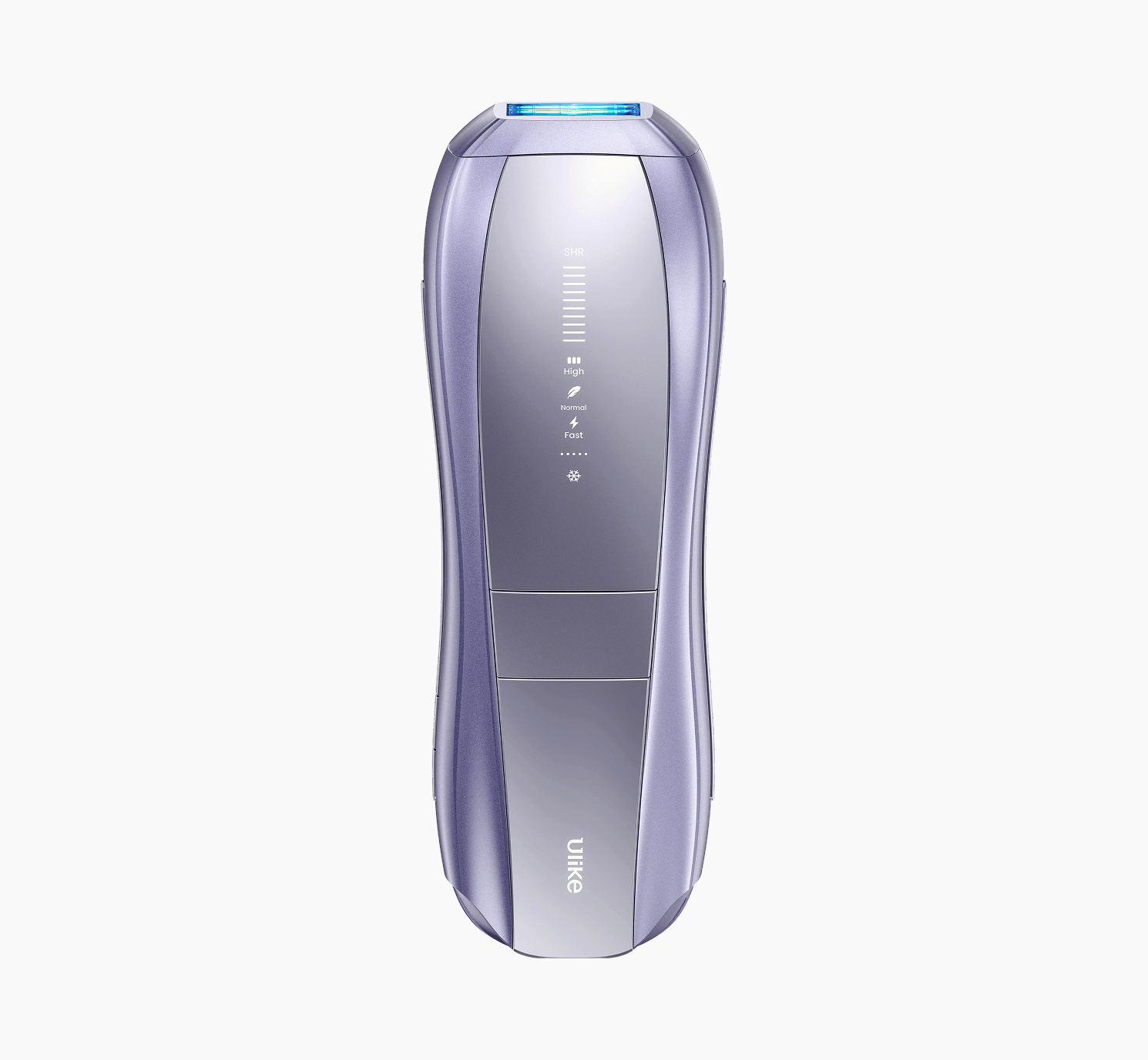
If you’re considering the Air 10 or Air 3, this promotion is a good opportunity to explore the latest offers.
👉 Explore the Women’s Day Ulike offers:
https://uk.ulike.com/pages/campaign

How to Clean an IPL Hair Removal Device Safely

Can You Use IPL on Arms? Will It Work on Your Hair?

When Does IPL Hair Start Shedding? Signs It’s Working
Explore Beauty

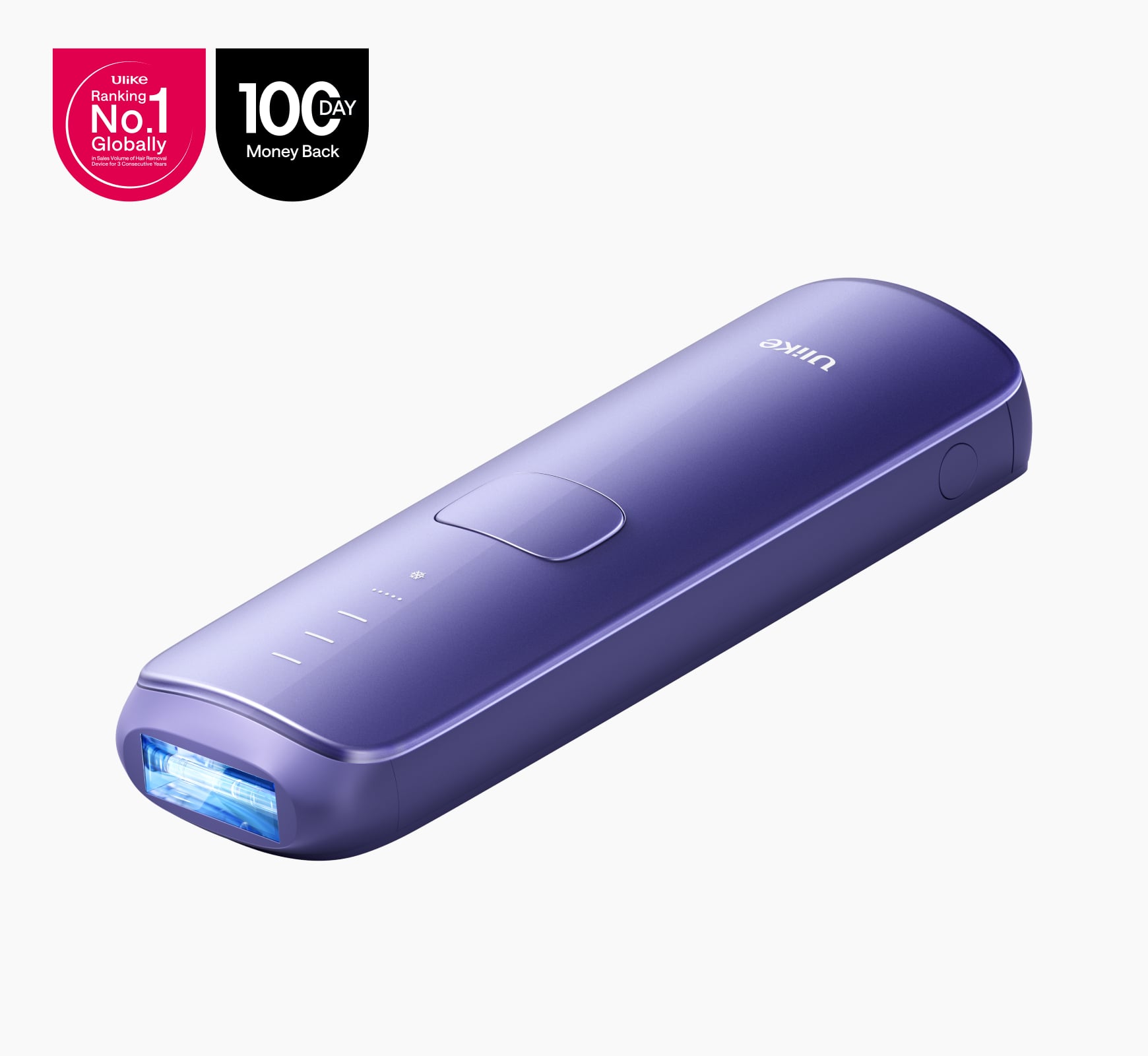
Ulike Air 10
2 weeks to silky smooth skin.
96% Hair Density Reduction in 2 Weeks
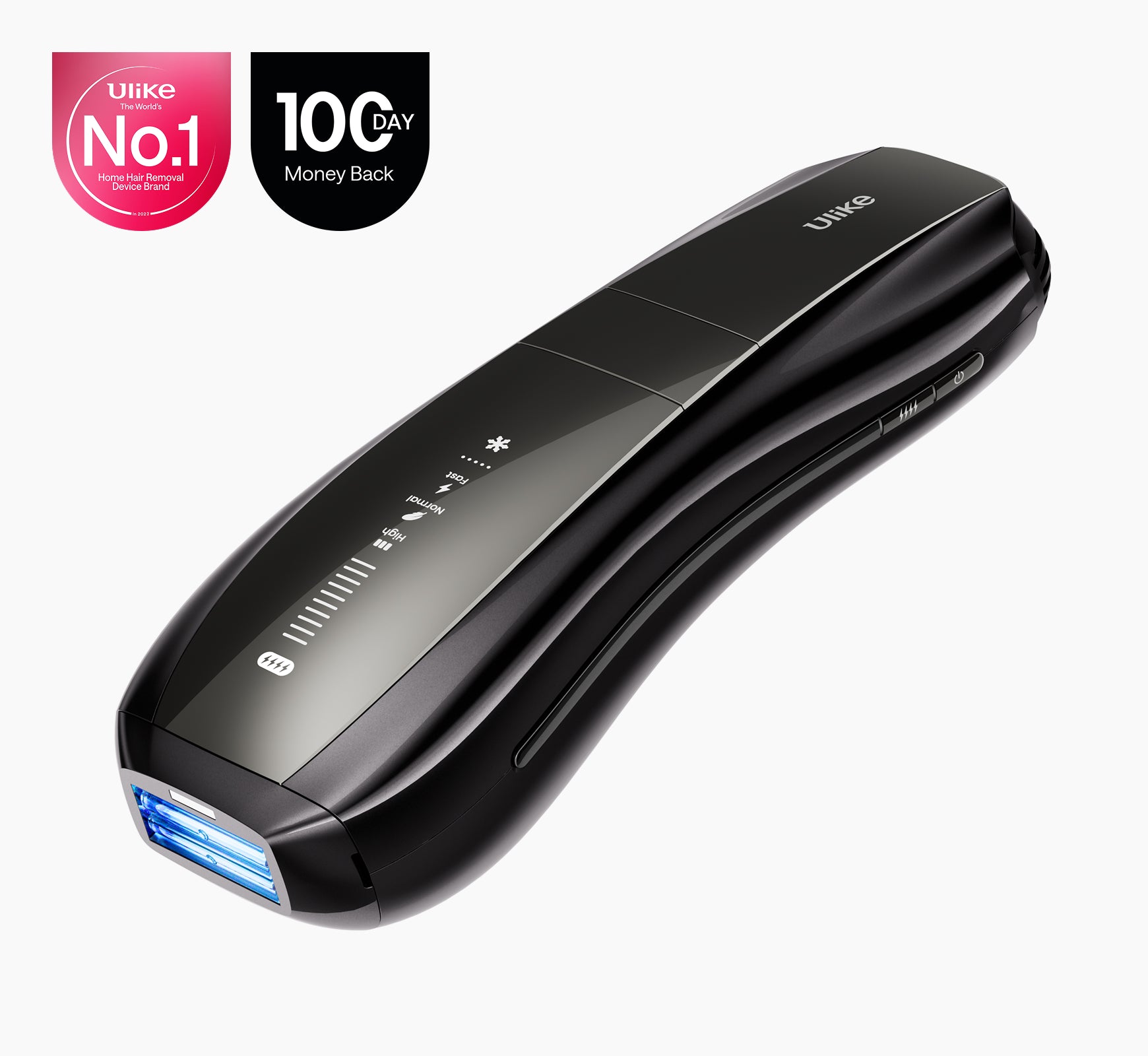
Ulike Air 3
3 weeks to silky smooth skin.
93% Hair Density Reduction in 4 Weeks
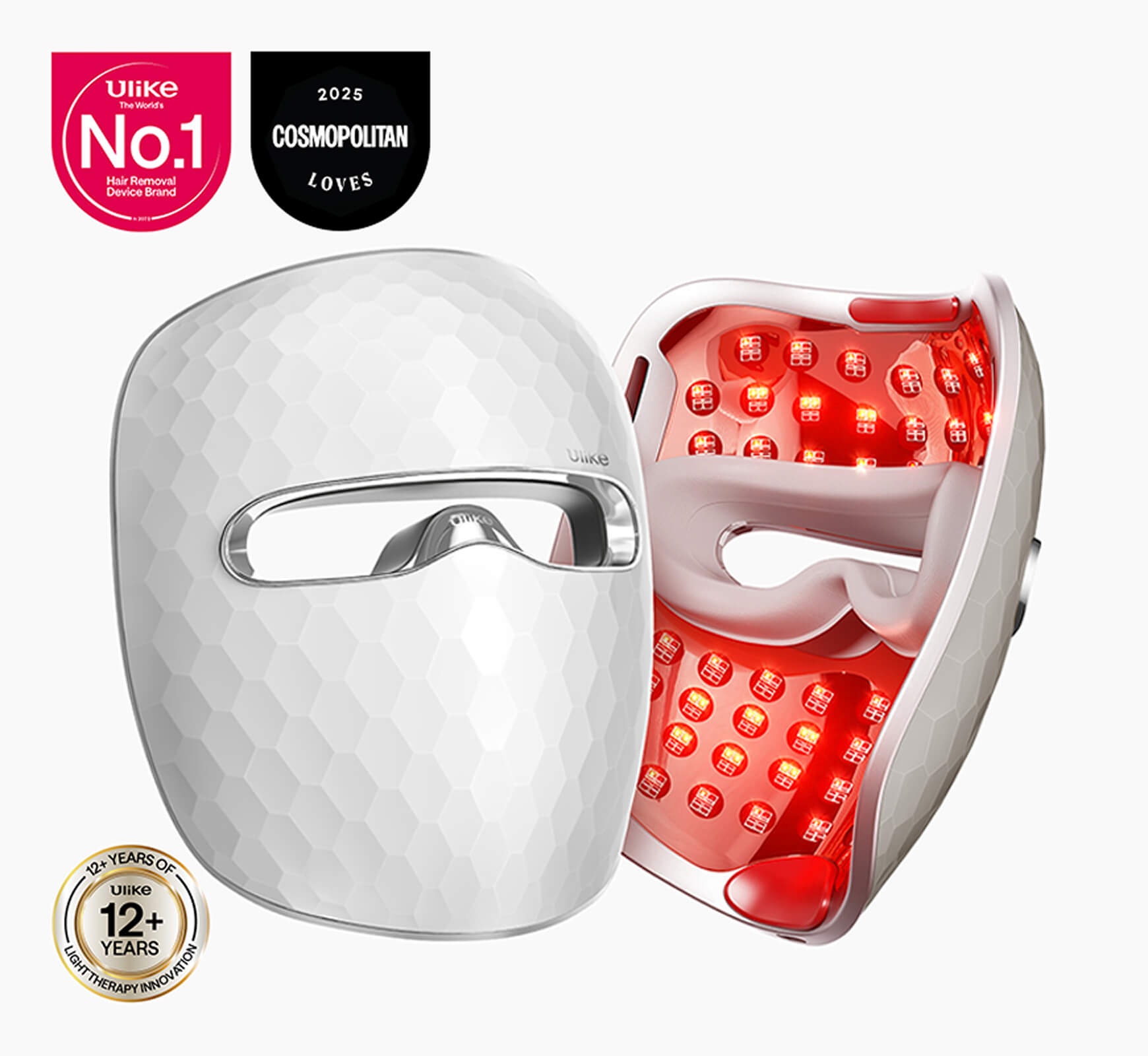
Ulike X
3 weeks to silky smooth skin.
94% hair reduction in just 2 weeks*
Ulike Reglow
Clearer skin in 2 weeks: Fewer breakouts
Smoother skin in 4 weeks: Fewer lines, firmer feel